

Green finance was supposed to contribute solutions to climate change. So far, it’s fallen well short
The article argues that while climate disclosure and green finance initiatives have expanded since Mark Carney’s “tragedy of the horizon” speech, they have failed to shift capital at the scale required to address climate and nature risks. It contends that deeper structural reforms to financial valuation, incentives and capital allocation are needed to move beyond managing symptoms toward financing real-world solutions.

AUTHORS

Disclaimer: This article is republished with permission from the original publication. The article was originally published on The Conversation and can be found here. Any views expressed in this article are those of the original author and do not necessarily reflect the views of Altiorem.
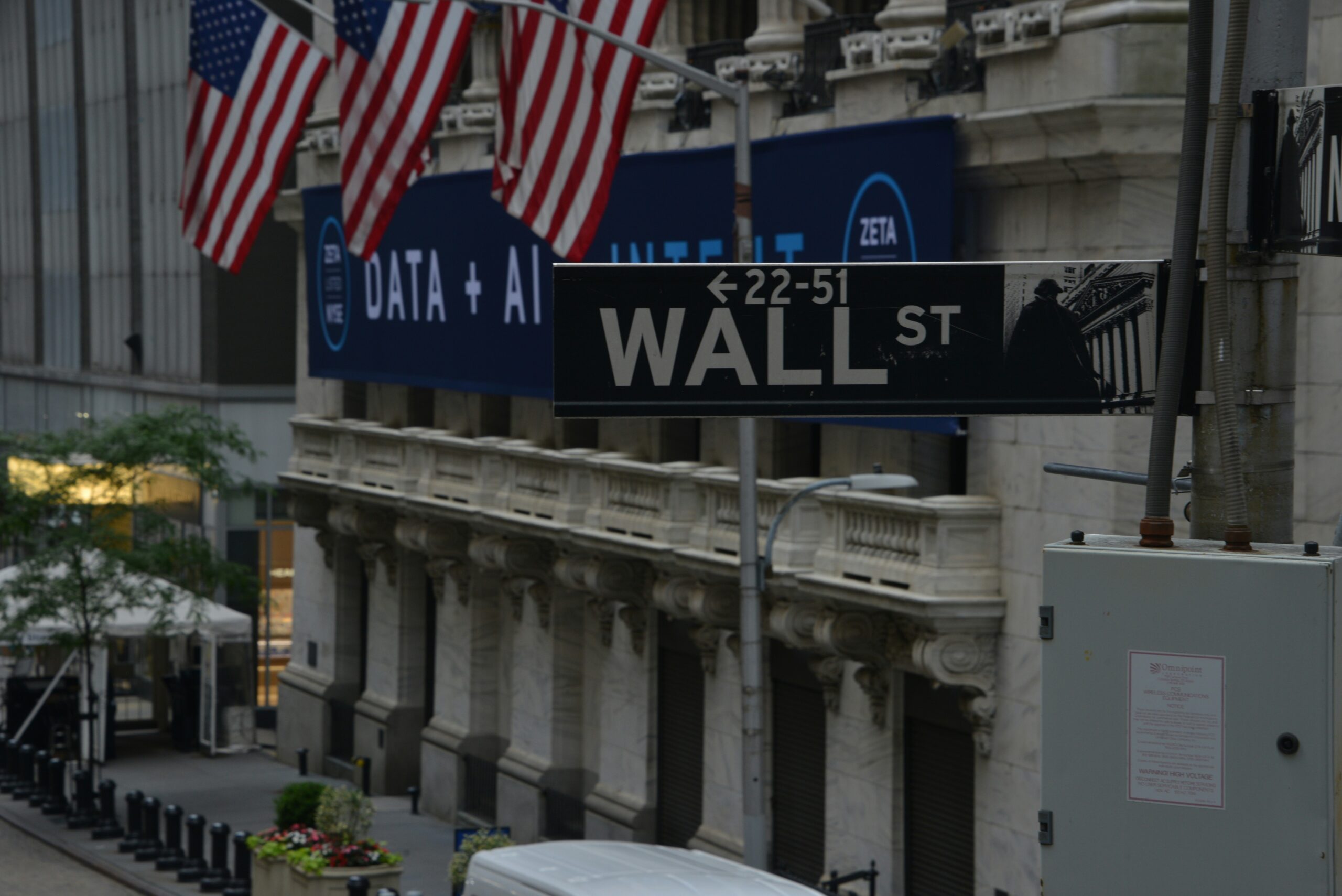
Photo by Robb Miller on Unsplash
A decade ago, a seminal speech by Mark Carney, then governor of the Bank of England and current Canadian prime minister, set out how climate change presented an economic risk that threatened the very stability of the financial system.
The speech argued the finance sector must deeply embed climate risk into the architecture of the industry or risk massive damages.
It was Carney’s description that stuck, calling this the “tragedy of the horizon”:
that the catastrophic impacts of climate change will be felt beyond the traditional horizons of most actors, imposing a cost on future generations that the current generation has no direct incentive to fix.
He added that by the time those climate impacts are a defining issue for financial stability, it may already be too late.
What happened next
Carney’s speech triggered global financial markets to start accounting for risks related to climate change. Done well, green finance would flow to those companies contributing solutions to climate change. Those damaging the climate would become less attractive.
Governments rolled out strategies to support this evolution in finance, in the European Union, United Kingdom, and Australia’s Sustainable Finance Strategy in 2023.
Carney’s solution to this tragedy lay in better information. In particular, companies must report consistently on their climate change impacts, so that banks and lenders could more clearly assess and manage these risks.
A global taskforce was established that set out standards for companies to disclose their impacts on the climate. These standards have subsequently been rolled out around the world, most recently, here in Australia.
Finance has yet to deliver for the environment
But has Carney’s tragedy of the horizon been remedied by these efforts?
There have been some successes: the global green bond market has grown exponentially since 2015, becoming a critical market for raising capital for projects that improve the environment.
However, beyond some positive examples, the tragedy of the horizon remains. Indeed, the Network for Greening the Financial System (a grouping of the world’s major central banks and regulators from over 90 countries) concluded climate change is no longer a tragedy of the horizon, “but an imminent danger”. It has the potential to cost the EU economy up to 5% of gross domestic product by 2030, an impact as severe as the global financial crisis of 2008.
A report this year found climate finance reached US$1.9 trillion (A$2.9 trillion) in 2023, but this was far short of the estimated US$7 trillion (A$10.7 trillion) required annually. A step change in the level of investment in low carbon industries is required if we’re to achieve Paris Agreement goals.
In the decade since Carney’s speech, other critical sustainability issues have arisen that threaten the financial system.

Financial markets are not keeping up with the costs of protecting nature. Ryan Stone/Unsplash
The continuing loss of biodiversity has been recognised as posing significant financial risks to banks and investors. Up to half of global GDP is estimated to depend on a healthy natural environment.
The economic cost of protecting nature has been put at US$700 billion (A$1.07 trillion) a year, compared with only US$100 billion (A$153 billion) currently being spent.
The finance sector is falling well short of delivering the level of capital needed to meet our critical sustainability goals. It continues to cause harm by providing capital to industries that damage nature.
Dealing with symptoms, not the cause
Despite nearly a decade of action in sustainable finance, the extensive policy work delivered to fix this tragedy has merely subdued the symptoms, but to date has not overcome the core of the problem.
The policy remedies put forward have simply been insufficient to deal with the scale of change required in finance.
While sustainable finance has grown, plenty of money is still being made from unsustainable finance that continues to benefit from policies (such as subsidies for fossil fuels) and a lack of pricing for negative environmental impacts (such as carbon emissions and land clearing).
While policies such as better climate data are a prerequisite to a greener finance system, research suggests that alone they are insufficient.
The University of Melbourne’s Sustainable Finance Hub works to rectify this tragedy, using interdisciplinary solutions to shift finance to fill those significant funding gaps.
1. The tools of finance need to evolve, in terms of the way assets are valued and performance is measured, ignoring negative impacts. Currently, investors disproportionately focus on the next quarter’s performance, rather than the long-term sustainability of a company’s business model.
2. Big sustainability challenges such as climate change and nature loss require a systems-level approach. Chasing outsized returns from individual companies that are creating climate problems can undermine the success of the whole economy. This in turn can erode overall returns across a portfolio.
3. Capital is simply not flowing to sectors critical to our achievement of net zero and a nature-positive economy. These include nature protection, emerging markets, climate adaptation, health systems and Indigenous-led enterprises.
4. “Invisible” sectors in the economy continue to emit greenhouse gases without investor scrutiny. State-owned enterprises and unlisted private companies are essential to decarbonise, but are left out of the regulatory response.
Without a doubt, Carney helped us to recognise that our biggest sustainability challenges are also our biggest economic challenges.
Despite a decade of momentum for sustainable finance, the tragedy of the horizon looms large. New approaches to finance are required to ensure our future is protected.
Relevant library resources

The Real Tragedy of the Horizon
The imperative for impact management: Clarifying the relationship between impacts, system-wide risk and materiality

Right direction, wrong equipment: Why transition risks do not fit into regulatory stress tests
A systems approach to sustainable finance: Actors, influence mechanisms, and potentially virtuous cycles of sustainability

Transforming global finance for climate action: Addressing misaligned incentives and unlocking opportunities


