
Library | Location
Lao PDR
Refine
10 results
REFINE
SHOW: 16


ASEAN sustainable finance state of the market series
This series by the Climate Bonds Initiative examines the development of sustainable finance markets across ASEAN. It covers green, social, sustainability and sustainability-linked debt instruments, alongside market structures, taxonomies, transition finance and policy developments supporting sustainable capital markets across the region.
ASEAN taxonomy for sustainable finance series
The ASEAN Taxonomy for Sustainable Finance is a benchmark series that provides a common framework to classify sustainable economic activities across ASEAN. It guides financial institutions, policymakers and market participants in assessing environmental objectives, supporting an orderly transition and alignment with regional and international sustainable finance standards.
Roadmap for ASEAN sustainable capital markets
Provides a five-year strategic roadmap to develop ASEAN sustainable capital markets, outlining four priority areas: strengthening disclosures, expanding sustainable products, building capacity, and enhancing regional connectivity. It aims to mobilise private capital, improve transparency, and align markets with sustainability goals and international frameworks.
ASEAN SDG Bond Toolkit
Provides practical guidance for issuing SDG bonds in ASEAN, outlining principles, processes, and frameworks aligned with green, social and sustainability bond standards. It explains SDG mapping, eligibility criteria, reporting practices, and market context to support issuers in mobilising capital for sustainable development.
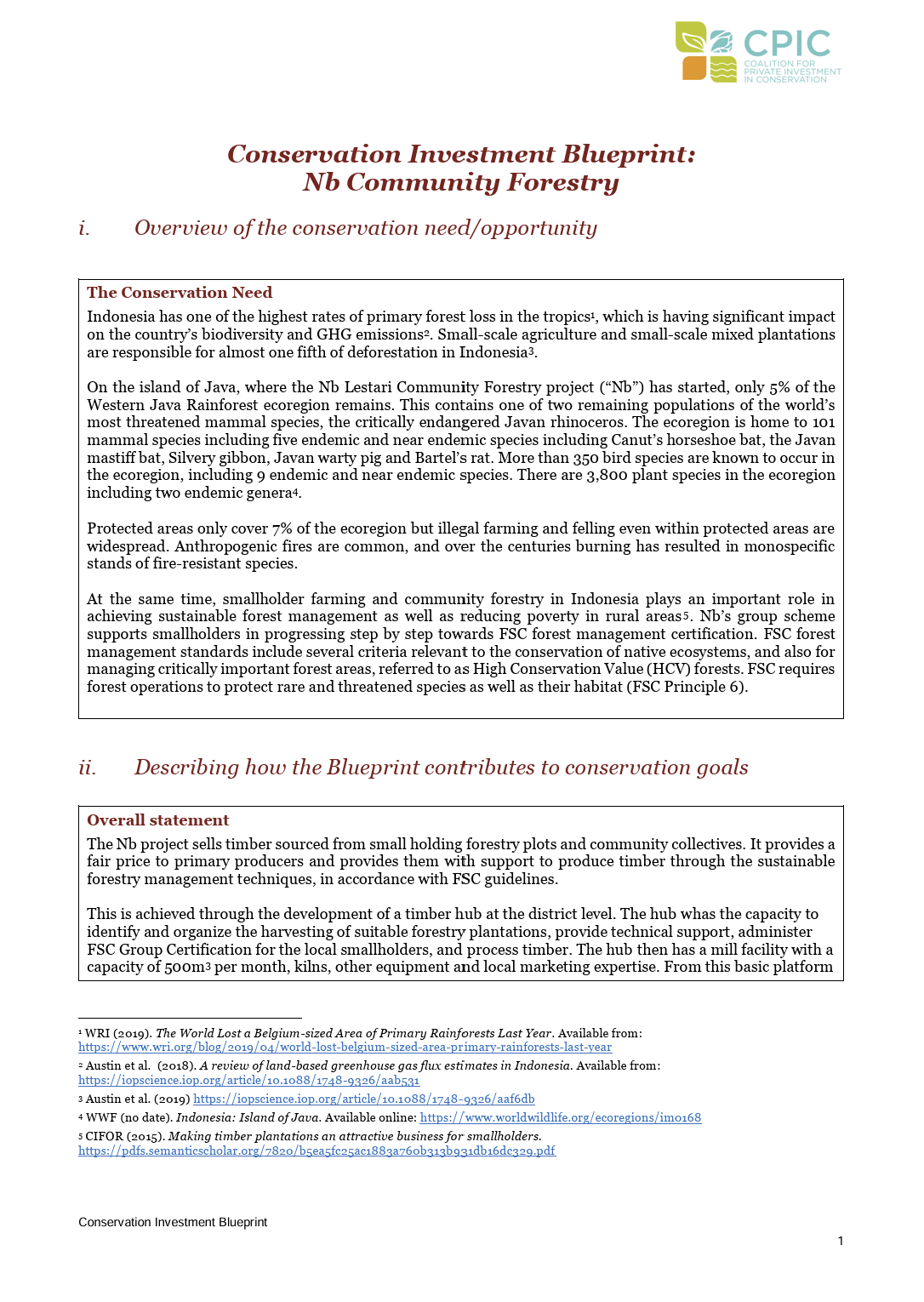
Conservation investment blueprint: Nb community forestry
This blueprint outlines a community forestry project that sells timber sourced from small holding forestry plots and community collectives. It provides a fair price to primary producers and provides them with support to produce timber through the sustainable forestry management techniques, in accordance with FSC guidelines.

Fiscal policy and sustainable finance: Enhancing the role of the financial sector in achieving the Sustainable Development Goals
The report explores how fiscal policy can mobilise private sector finance for sustainable development in Asia-Pacific. It emphasises green guarantees, subsidies, and roadmaps, showcasing ASEAN+3 successes in aligning fiscal policy with climate action to attract private investment and encourage sustainable economic activities.

The Biodiversity Finance Initiative (BIOFIN)
BIOFIN (Biodiversity Finance Initiative) supports countries in developing and implementing financing solutions for biodiversity conservation. It focuses on integrating biodiversity into national financial strategies and investment plans. By promoting innovative funding mechanisms, BIOFIN aims to enhance sustainable development and ensure effective resource management for natural ecosystems.

Decarbonization, population disruption and resource inventories in the global energy transition
The study underscores the necessity of macro-level planning for energy decarbonisation. It delves into the geographical intricacies and dynamics of mineral resource extraction during the transition, providing an empirical foundation to evaluate spatial impacts and demographic shifts. It reveals potential risks and disparities in risk distribution, emphasizing targeted planning's importance.
Can government policies that drive strong economic outcomes for the private sector alleviate poverty?
The report examines how the adoption of policies that drive strong economic outcomes for the private sector often reduce poverty in the developing world, primarily through opportunities for job creation. In particular, the report calls for policies that promote greater access to credit and the protection of minority investors.
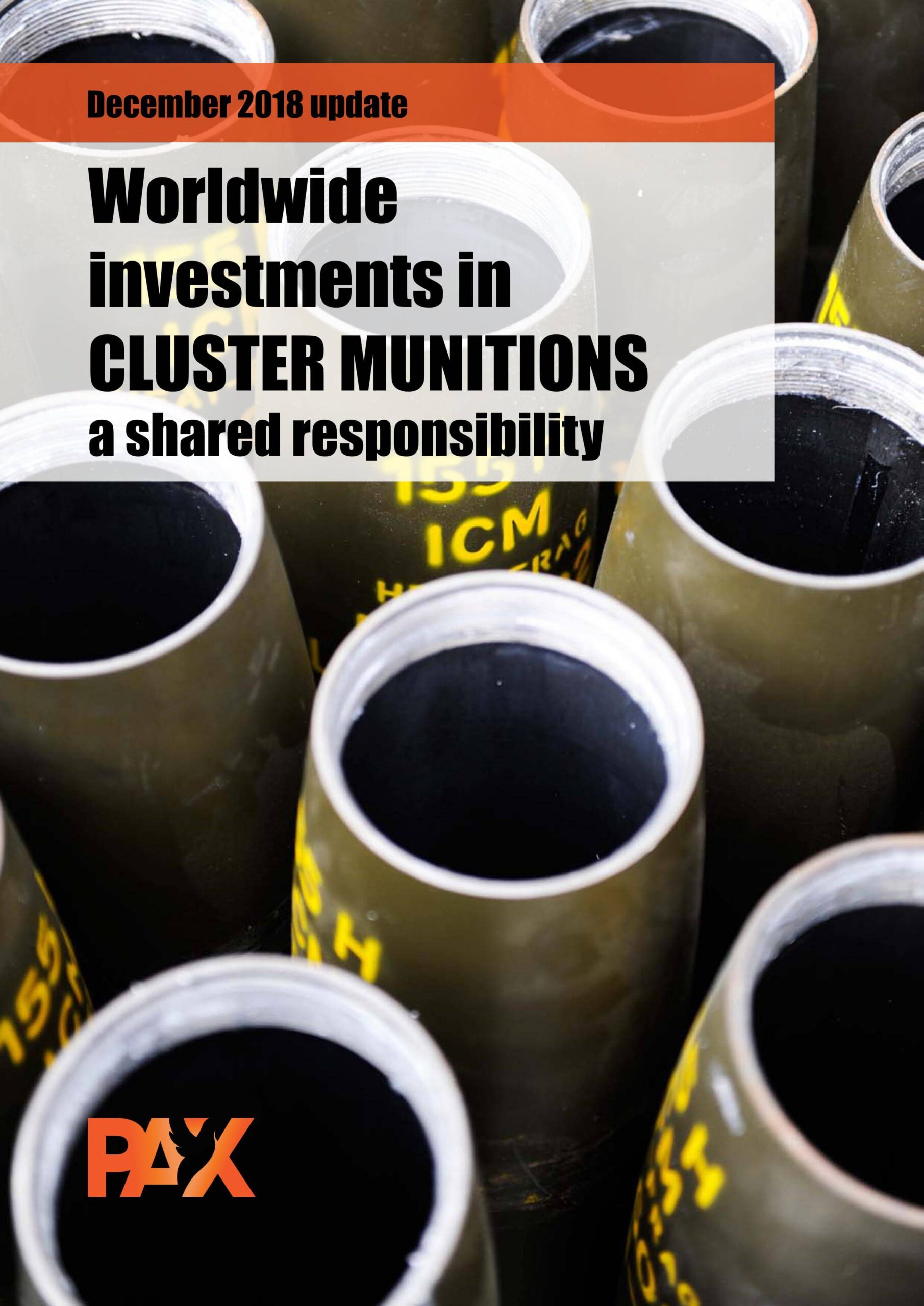
Worldwide investments in cluster munitions: A shared responsibility
A 2018 report on worldwide investments in harmful cluster munitions. Two arms manufacturers recently ended production of cluster munitions, and more financial institutions and states are acting to end money going to producers. Despite declining investment from financial institutions, there are seven companies in the report still manufacturing.


