
Library | Location
United Kingdom
Refine
528 results
REFINE
SHOW: 16



The saliency-materiality nexus: Addressing systemic risks to people and portfolios in a turbulent world
This report introduces the saliency-materiality nexus, a framework linking severe human rights harms to financially material risks in conflict-affected areas. It highlights case studies totalling over $85 billion in losses and offers guidance for investors on due diligence, portfolio risk management, and alignment with legal and ethical responsibilities.
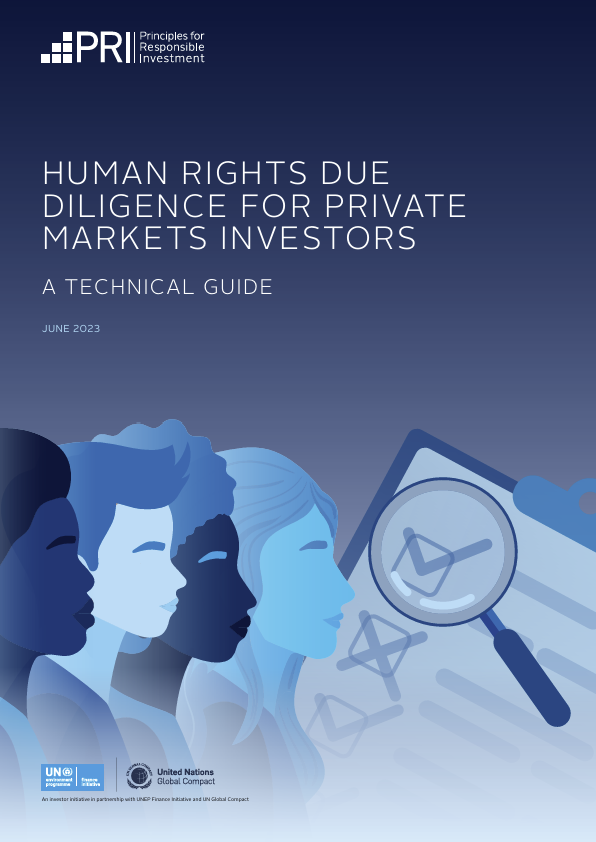
Human rights due diligence for private markets investors: A technical guide
This guide outlines how private markets investors can integrate human rights due diligence into investment processes, aligned with the UN Guiding Principles. It covers policy commitments, risk assessment, stakeholder engagement, and remedy provision to address human rights impacts, mitigate risk, and meet evolving legal and societal expectations.
Pursuing impact within a portfolio: Insights from institutional asset owners
This report explores how institutional asset owners integrate impact goals into portfolio strategy. Through four case studies, it examines aligning financial returns with social and environmental outcomes using an impact lens. It highlights investment approaches addressing climate change, health, regional development and systemic inequality across diverse asset classes and geographies.
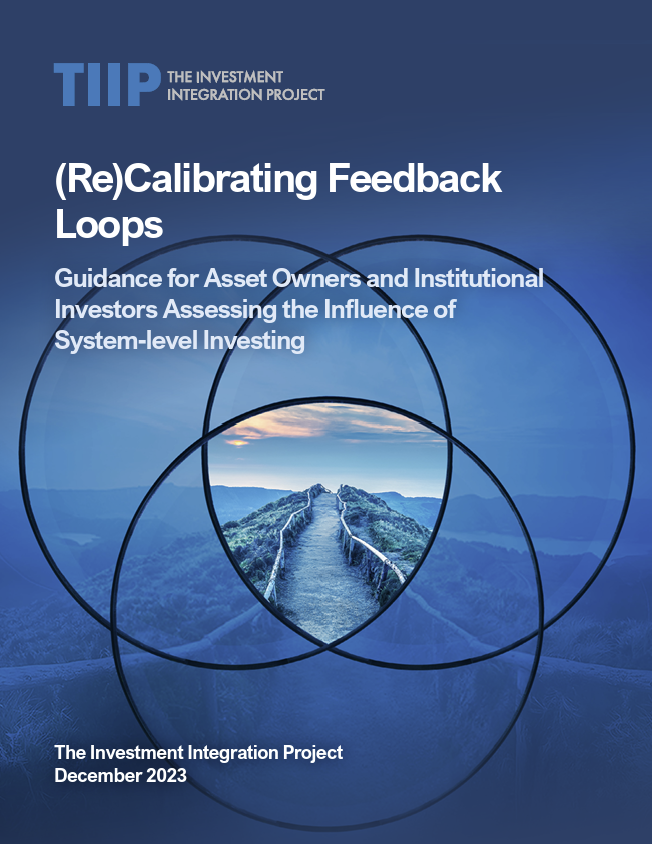
Recalibrating feedback loops: Guidance for asset owners and institutional investors assessing the influence of system-level investing
This report guides asset owners in assessing how their investments affect systemic environmental and social issues. It introduces a framework to align investment practices with system-level goals and improve financial system resilience. Case studies explore climate change, income inequality, and racial inequity to illustrate practical applications.
The imperative for impact management: Clarifying the relationship between impacts, system-wide risk and materiality
The report argues that managing environmental and social impacts is essential for sustainable financial performance. It connects impacts to both entity-specific and system-wide risks, urging enterprises, investors, and policymakers to adopt a unified, evidence-based impact management approach aligned with global sustainability goals and evolving disclosure standards.
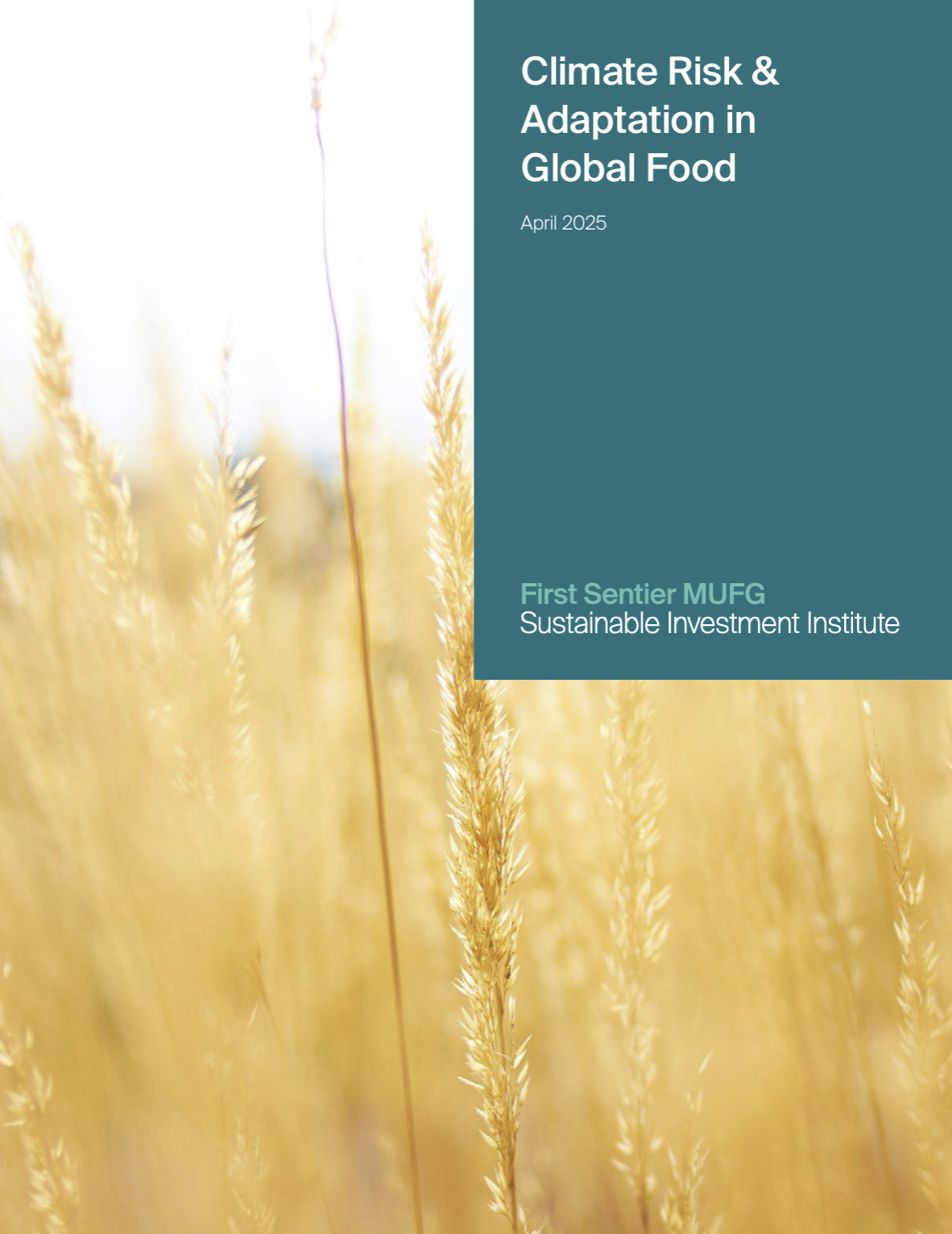
Climate risk and adaptation in global food
The report outlines rising climate risks to global food supply chains, projecting up to $38 trillion in damages by 2050. It explores mitigation and adaptation strategies across crops, livestock, and fisheries, and highlights investor actions to build resilience, support sustainable practices, and adapt to shifting market, environmental, and regulatory conditions.
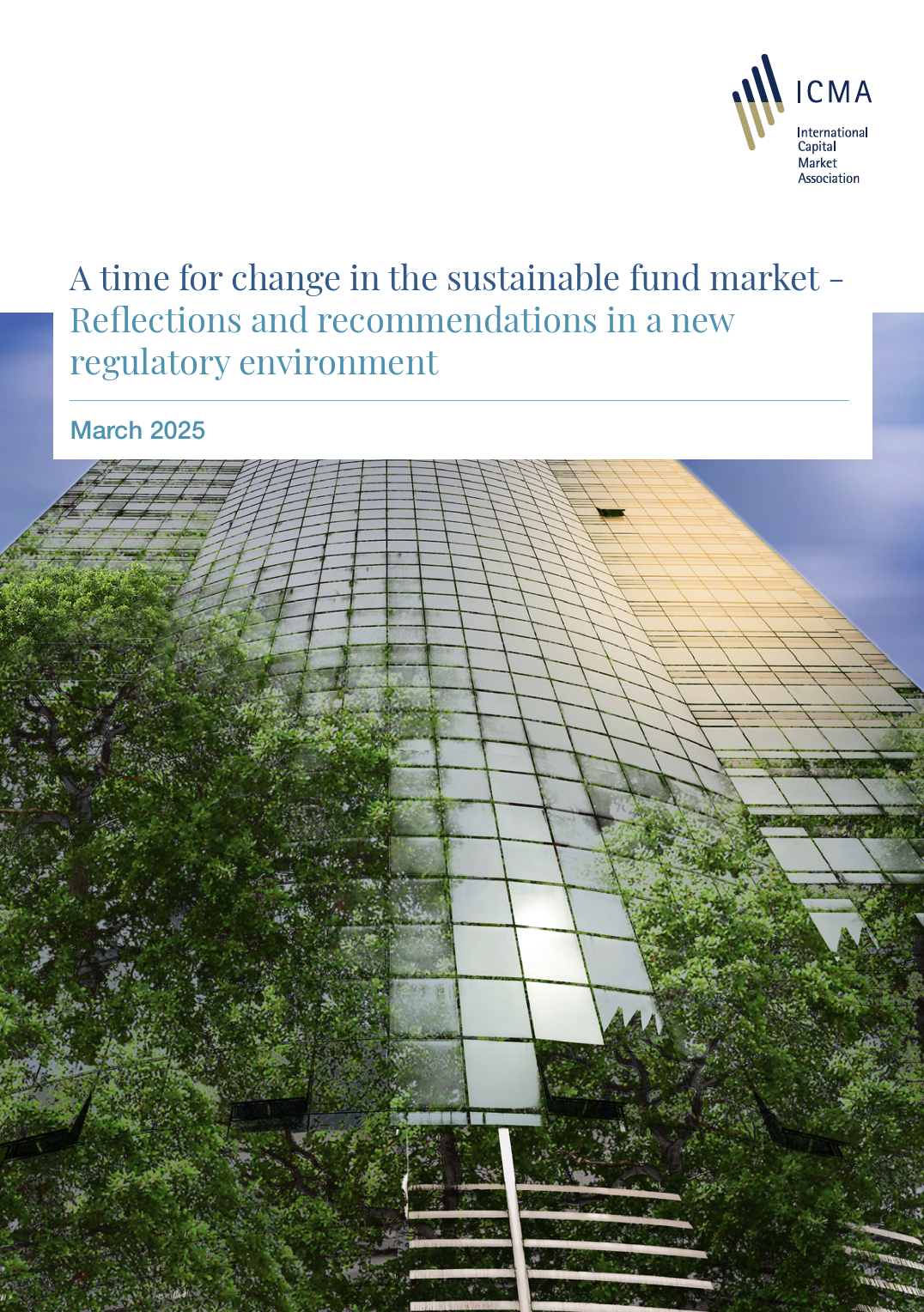
A time for change in the sustainable fund market: Reflections and recommendations in a new regulatory environment
The report examines recent regulatory shifts in Europe and the UK affecting sustainable funds. It outlines rebranding impacts, highlights inconsistencies in fund categorisation, and stresses the need for broader sustainability definitions beyond the EU Taxonomy to avoid constraining investment opportunities and to better accommodate transition-related financial products.
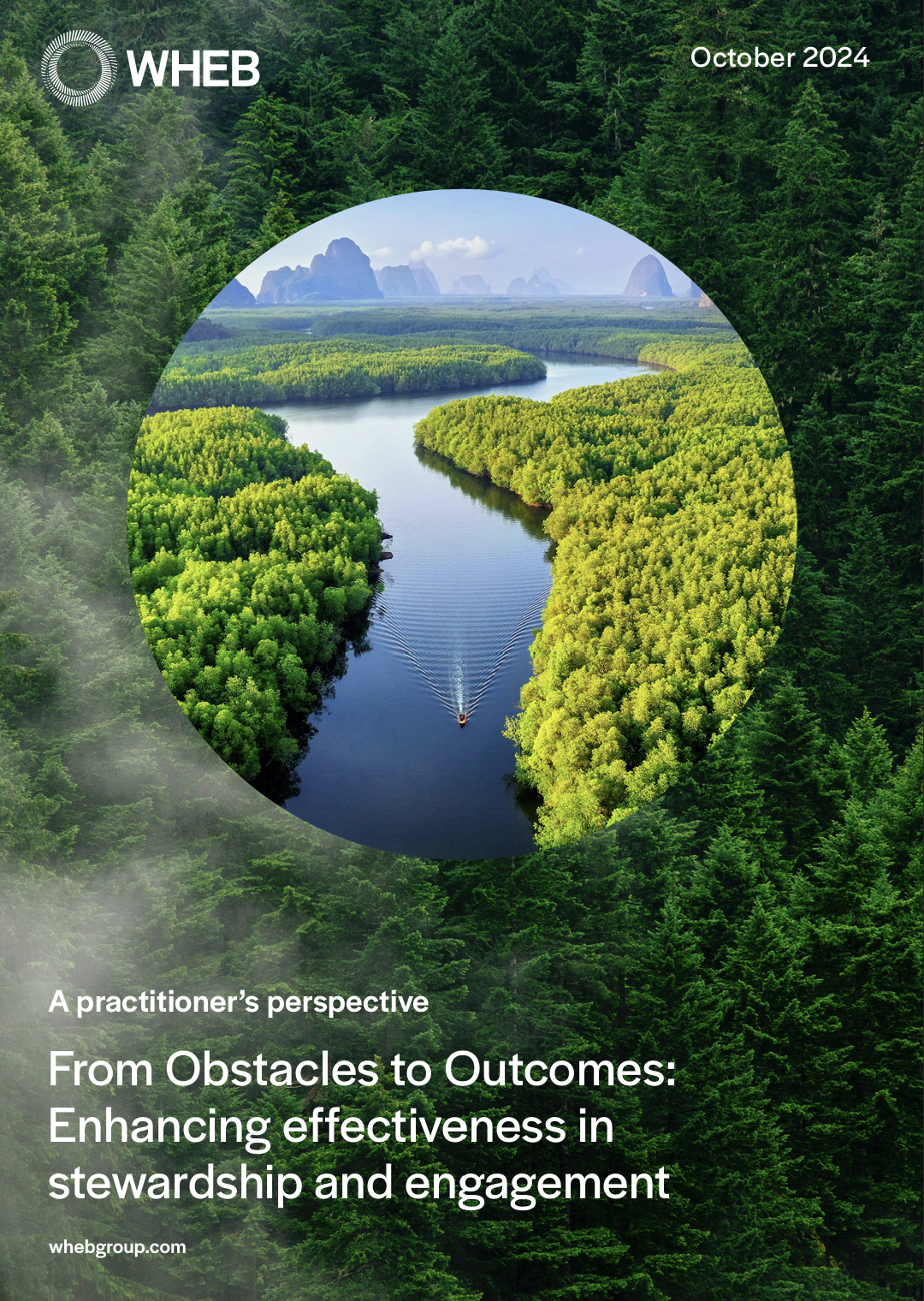
A practitioner's perspective - from obstacles to outcomes: Enhancing effectiveness in stewardship and engagement
This report identifies barriers to effective investor stewardship and engagement, highlighting challenges such as unclear definitions, resource constraints, and ineffective reporting. It outlines practical solutions from WHEB, recommending clearer alignment of engagement objectives with client mandates and prioritising measurable outcomes over activity metrics to deliver long-term client value.

WHEB Asset Management
WHEB is a specialist boutique asset manager focused entirely on sustainable and positive impact investing. In 2025, WHEB was acquired by Foresight Group, a leading investment manager providing diverse investment solutions aimed at reducing carbon emissions and supporting sustainable growth.
The purpose of investor stewardship
This paper critically examines investor stewardship, shifting from traditional shareholder-focused governance towards "enlightened stewardship." It advocates balancing fiduciary duties with broader societal and environmental considerations. Analysing the evolution of the UK Stewardship Code, it highlights a systemic shift to integrate sustainability and stakeholder concerns alongside financial returns for long-term value creation.
Closing the gap: Investing in natural capital to meet the SDGs
The report analyses the investment required to address the natural capital gap for achieving Sustainable Development Goals in 40 countries, finding that investing US$7.4 trillion could generate returns exceeding US$152 trillion, greatly benefiting air quality, human health, ecosystems, and reducing premature deaths and resource depletion globally.
Investing in a pollution free ocean
The report explores how ocean pollution poses financial, legal and reputational risks to businesses, particularly land-based sectors. It identifies data gaps as a barrier to effective decision-making and highlights opportunities in green chemistry, data innovation and sustainable finance. It recommends integrating ocean health into corporate and financial strategies.
Environmental Finance's biodiversity insight series
This series explores the evolving role of biodiversity in sustainable finance, investment strategies, and regulatory developments. It examines biodiversity risk, natural capital investment, reporting frameworks, and financial instruments supporting conservation efforts. The series provides insights into emerging market mechanisms, data challenges, and the integration of biodiversity considerations into financial decision-making.
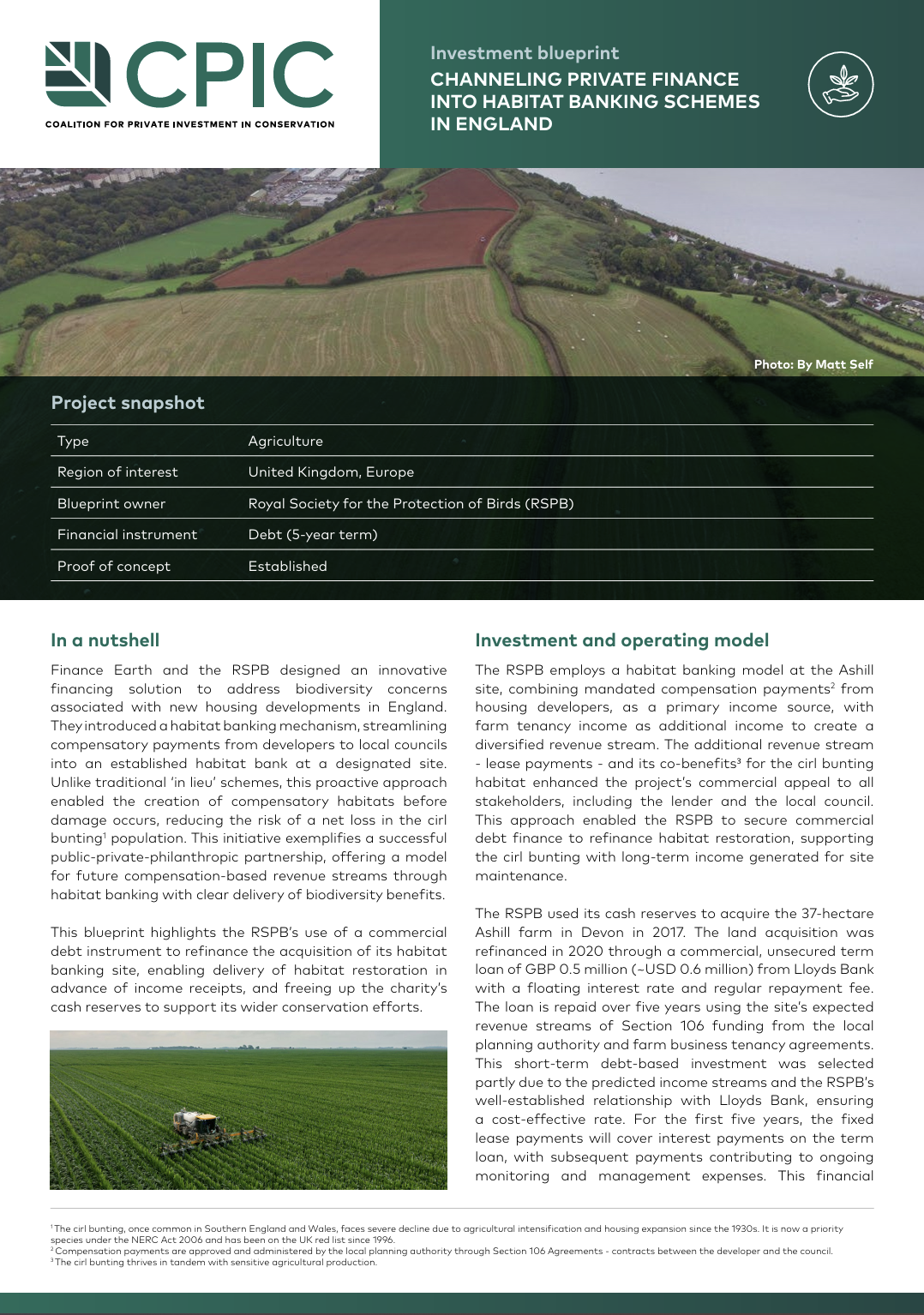
Channeling private finance into habitat banking schemes in England
This case study outlines the use of hybrid bonds to finance organic dairy farms. It provides investors with insights into sustainable agriculture investments that promote environmental stewardship and offer attractive financial returns.
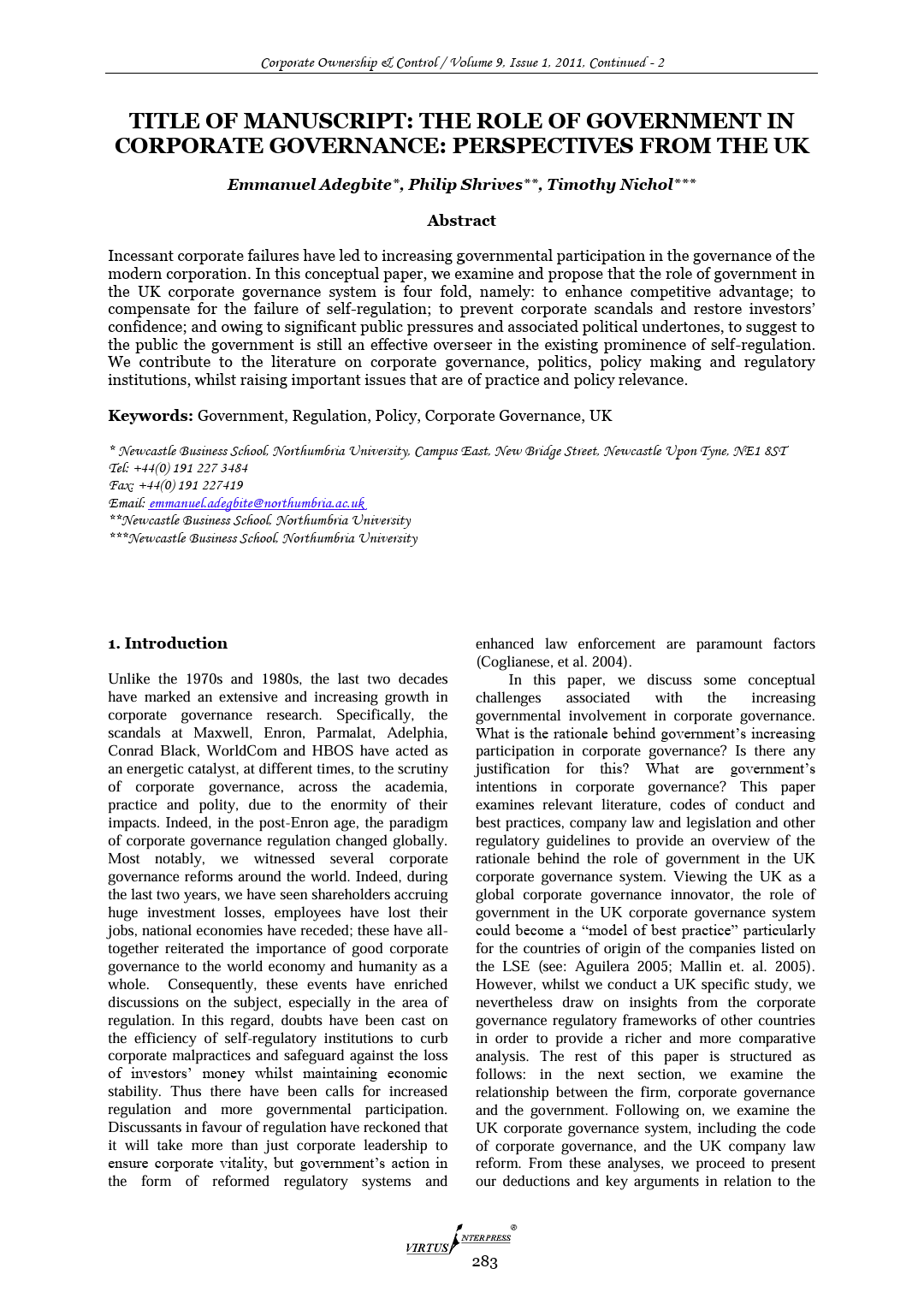
The role of government in corporate governance: Perspectives from the UK
The report examines the UK government's role in corporate governance, identifying four key functions: enhancing competitive advantage, compensating for self-regulation failures, preventing corporate scandals, and reassuring the public of its oversight. It evaluates regulatory frameworks, corporate failures, and policy developments, highlighting implications for governance, politics, and economic stability.
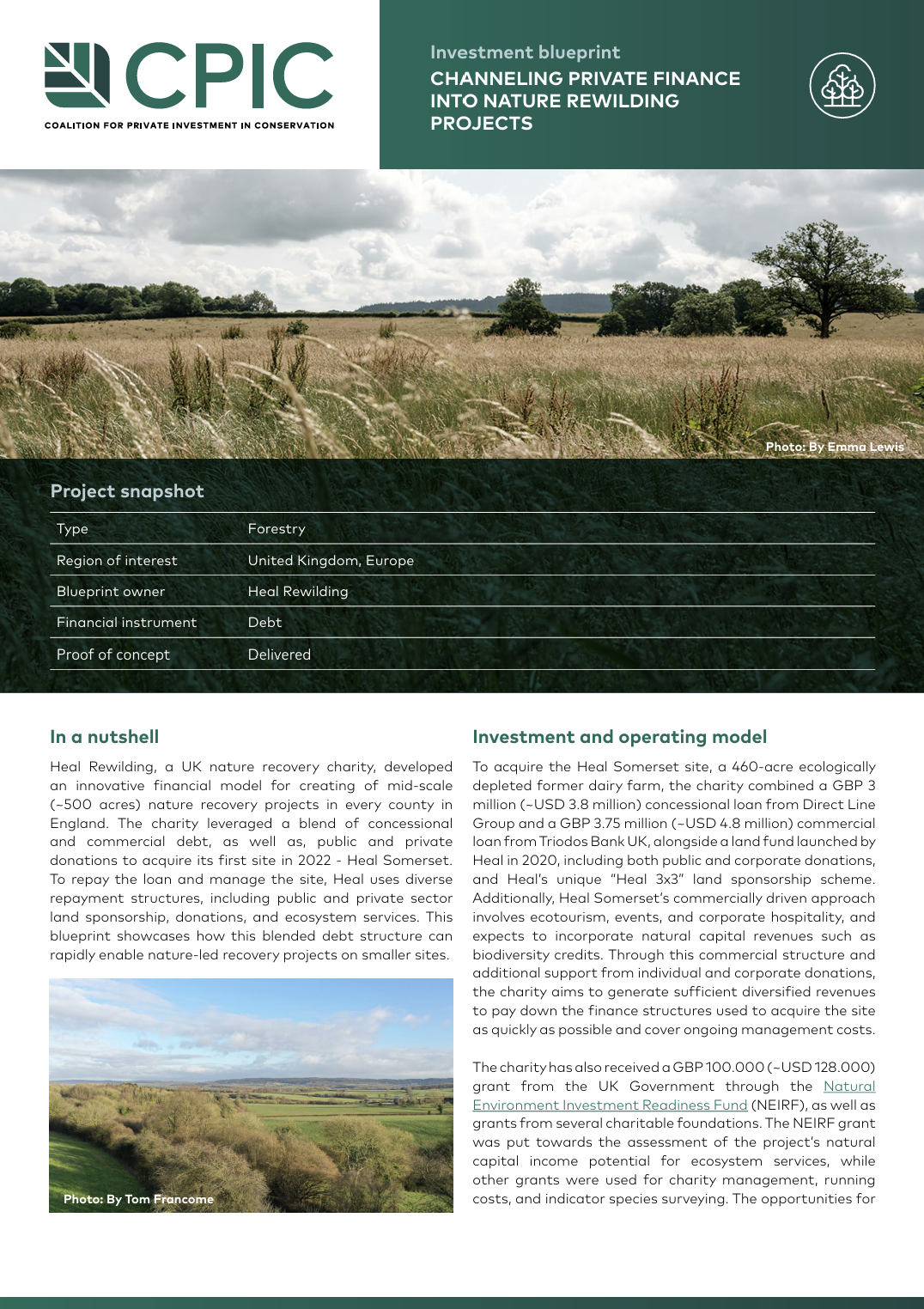
Investment blueprint: Channeling private finance into nature rewilding projects
This case study offers investors a blueprint for developing smallholder forestry projects. It highlights successful investment strategies that support sustainable forestry practices among smallholder farmers, promoting economic development and environmental conservation.


