
Library | Sustainable Finance Practices
ESG Integration and analysis
Tools, methodologies, and frameworks for embedding ESG factors into financial analysis, valuation, credit assessment, underwriting, and portfolio management, while separating out broader strategic elements.
Refine
537 results
REFINE
SHOW: 16


World energy investment series
This benchmark series by the International Energy Agency provides annual analysis of global energy investment trends across fuels, electricity, efficiency, and technology. It tracks capital flows, financing patterns, and policy influences, offering a consistent reference on how investments shape the energy system’s evolution and transition.
Assessing the materiality of nature-related financial risks for the UK
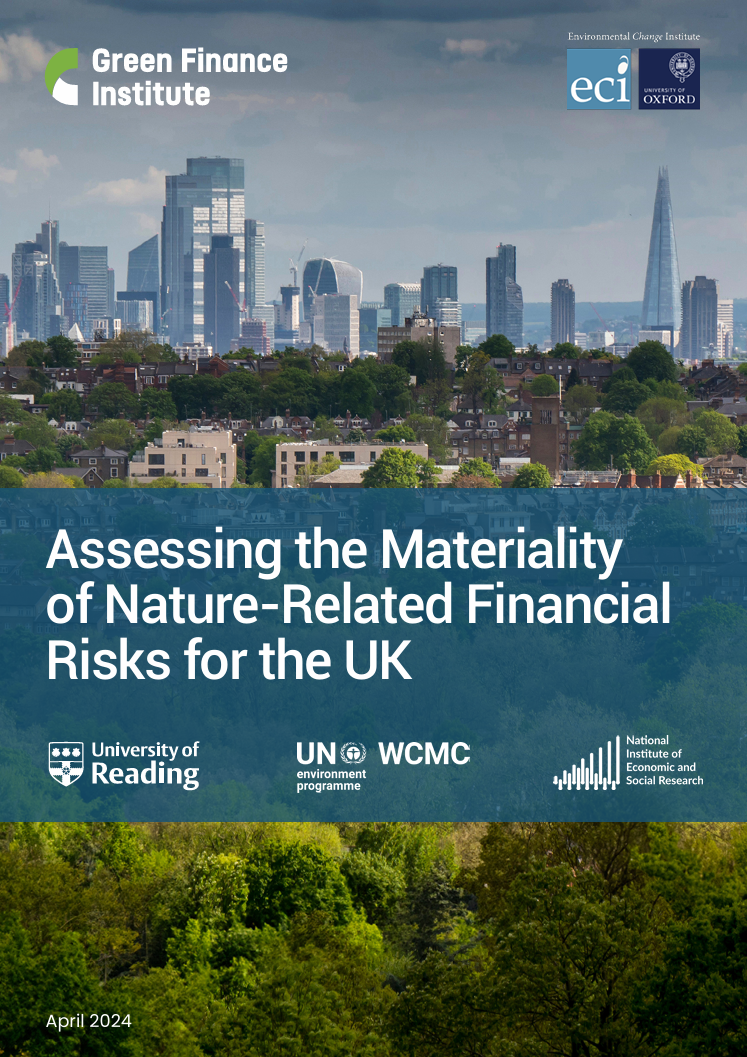
The report, Assessing the Materiality of Nature-Related Financial Risks for the UK (April 2024), quantifies how biodiversity loss and environmental degradation could materially affect the UK economy and finance sector. It finds nature-related risks—especially from water scarcity, soil decline, and biodiversity loss—could reduce GDP by up to 12% by the 2030s, exceeding impacts from the Global Financial Crisis or COVID-19.
United Nations Environment Programme World Conservation Monitoring Centre (UNEP-WCMC)
UN Environment Programme World Conservation Monitoring Centre (UNEP-WCMC) is a global centre of excellence for biodiversity and nature’s contribution to society and the economy. It works at the intersection of science, policy and practice to deliver data-driven insights, tools and partnerships that support nature-positive outcomes and informed decision-making.

Anti-Slavery International
Anti-Slavery International (ASI) is the world’s oldest international human-rights organisation, founded in 1839, dedicated to ending all forms of modern slavery worldwide. It campaigns with survivors, governments and businesses to tackle issues such as forced labour, human trafficking and child exploitation. Expertise spans more than 180 years.

Sustainable Finance Roundup October 2025: Carbon Markets, Targets, and the Cost of Resilience
This month’s sustainability roundup traces a rapidly evolving landscape in climate finance and accountability, spotlighting the weaknesses exposed by Hurricane Melissa’s disaster-risk finance system alongside new policy frameworks now reshaping sustainable investment. It highlights how vulnerable nations continue to bear the costs of climate impacts, how regulatory reforms such as Australia’s 2035 emissions target and global disclosure regimes are embedding accountability, and how renewed scrutiny of carbon markets is driving the search for credible, incentive-based pathways to real decarbonisation.
Climate Action 100+
Climate Action 100+ (CA100+) is an investor-led initiative engaging the world’s largest greenhouse gas emitters to advance climate governance, set science-based emission targets and enhance climate-related disclosures. It collaborates with global investor networks to promote net-zero alignment, transition risk management and sustainable asset value preservation.

Transition Pathway Initiative
Transition Pathway Initiative (TPI) is an investor-led initiative providing publicly accessible data and assessments on how companies, banks and sovereigns are managing and aligning with the transition to a low-carbon economy.
The architecture of power: Patterns of disruption and stability in the global ownership network
This report summarises global corporate ownership networks from 2007 to 2012, introducing an Influence Index to measure shareholder power. It finds increasing concentration among major institutional investors, particularly passive funds, forming a resilient super-entity that centralises corporate control and poses implications for competition and financial stability.

KPMG Australia
KPMG Australia (KPMG) is a professional services firm delivering audit, tax and advisory solutions across sectors including government, mid-market, and private business in Australia. With over 10,000 people and more than 600 partners, KPMG combines integrity-led service with digital-driven expertise in strategy, consulting and risk management.
State of climate action benchmark series
The State of Climate Action benchmark series tracks global progress toward limiting warming to 1.5°C. Produced by Systems Change Lab and partner organisations, it translates the Paris Agreement into measurable sectoral targets and indicators, offering an annual assessment of the pace and scale of climate action across major emitting sectors and finance systems.

Bezos Earth Fund
Bezos Earth Fund (BEF) is a philanthropic initiative committed to mobilising US $10 billion by 2030 to tackle climate change and protect nature. It supports grant-making across areas such as conservation, decarbonisation, sustainable food systems and environmental justice, collaborating globally to drive systemic change and scale innovation.
Gender intentional credit scoring
This CGAP technical guide outlines how lenders can apply gender-intentional approaches to credit scoring to expand women’s access to finance without increasing portfolio risk. Using data from AB Bank Zambia and TymeBank South Africa, it demonstrates practical methods for integrating gender analysis, adjusting scorecards, and improving lending outcomes for women.

Technology Innovation & Research for Social Impact (TIRESIA) (Politecnico di Milano)
TIRESIA (Technology Innovation & REsearch for Social ImpAct) is a research centre within the School of Management at Politecnico di Milano. It focuses on impact finance, social entrepreneurship, inclusive innovation and impact measurement. Through academic research, advisory services and executive education, it supports hybrid organisations and the public sector in embedding social value across strategy and governance.
Show me the (sustainable) money II: Investors that allocate capital to sustainability transitions
This report summarises asset managers allocating capital to sustainability and transition-focused investments. Published by the World Business Council for Sustainable Development and SRI-Connect, it profiles firms investing in environmental, social and economic transition strategies to help companies attract sustainability-oriented investors.
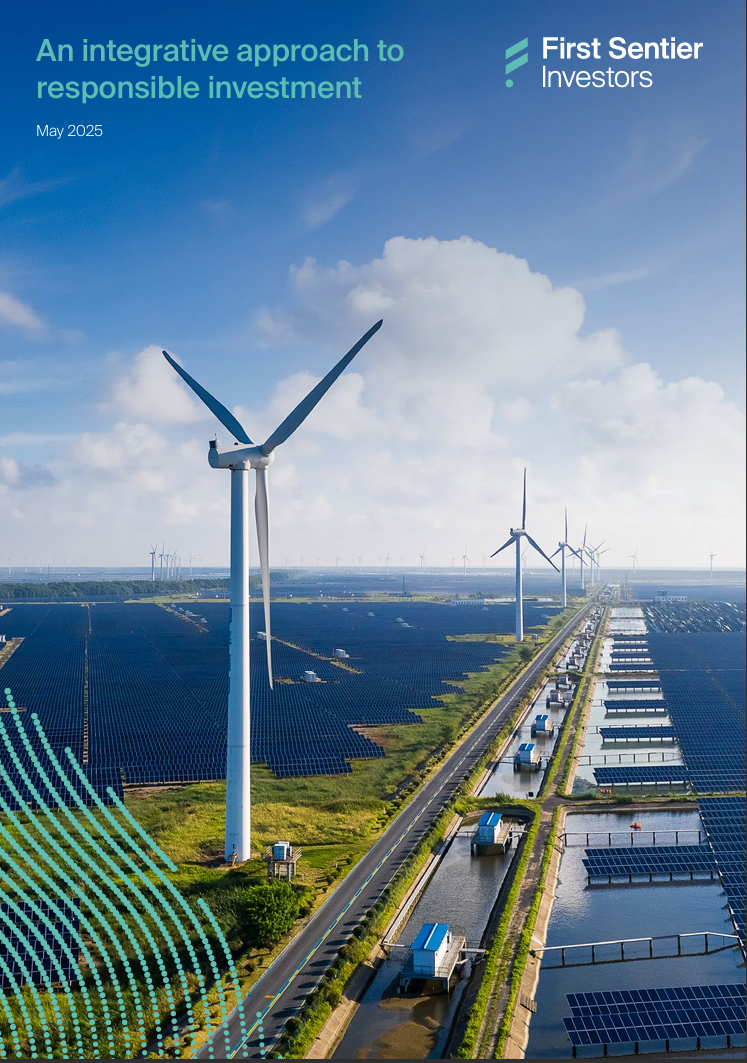
An integrative approach to responsible investment
This report by First Sentier Investors outlines a holistic approach to responsible investment that integrates environmental, social and governance (ESG) factors. It argues that considering synergies and trade-offs across ESG issues enables better risk management and long-term value creation. Case studies illustrate practical applications across supply chains, infrastructure and resource sectors.
Lazard's Levelized Cost of Energy
The Lazard Levelized Cost of Energy+ 2025 report compares the economics of power generation, storage, and system reliability across technologies. It finds renewables remain the most cost-competitive, storage costs are falling due to market and technological shifts, and firming costs rise as renewable penetration increases, requiring diverse generation solutions.


