
Library | ESG issues
Climate Change
Climate change, driven by human-induced greenhouse gas (GHG) emissions, is increasing global temperatures and extreme weather events. Major GHGs like carbon dioxide and methane primarily come from burning fossil fuels, deforestation, and agriculture. Key sectors contributing to emissions include energy, industry, transport, buildings, and land use, making mitigation and adaptation essential for environmental and economic stability.

Refine
1175 results
REFINE
SHOW: 16



CIMA Research Foundation
CIMA Research Foundation is a non-profit scientific organisation specialising in environmental monitoring, climate risk and disaster risk reduction. It develops forecasting models, early warning systems and applied research for civil protection, climate adaptation and resilience, working with governments, academia and international programmes across Europe and globally in multiple hazard domains.

German Weather Service (DWD)
Deutscher Wetterdienst (DWD) is Germany’s national meteorological service and a federal authority.It provides weather forecasts, climate monitoring, early warning services, and scientific data.DWD supports climate risk analysis, disaster preparedness, research, and public decision-making.
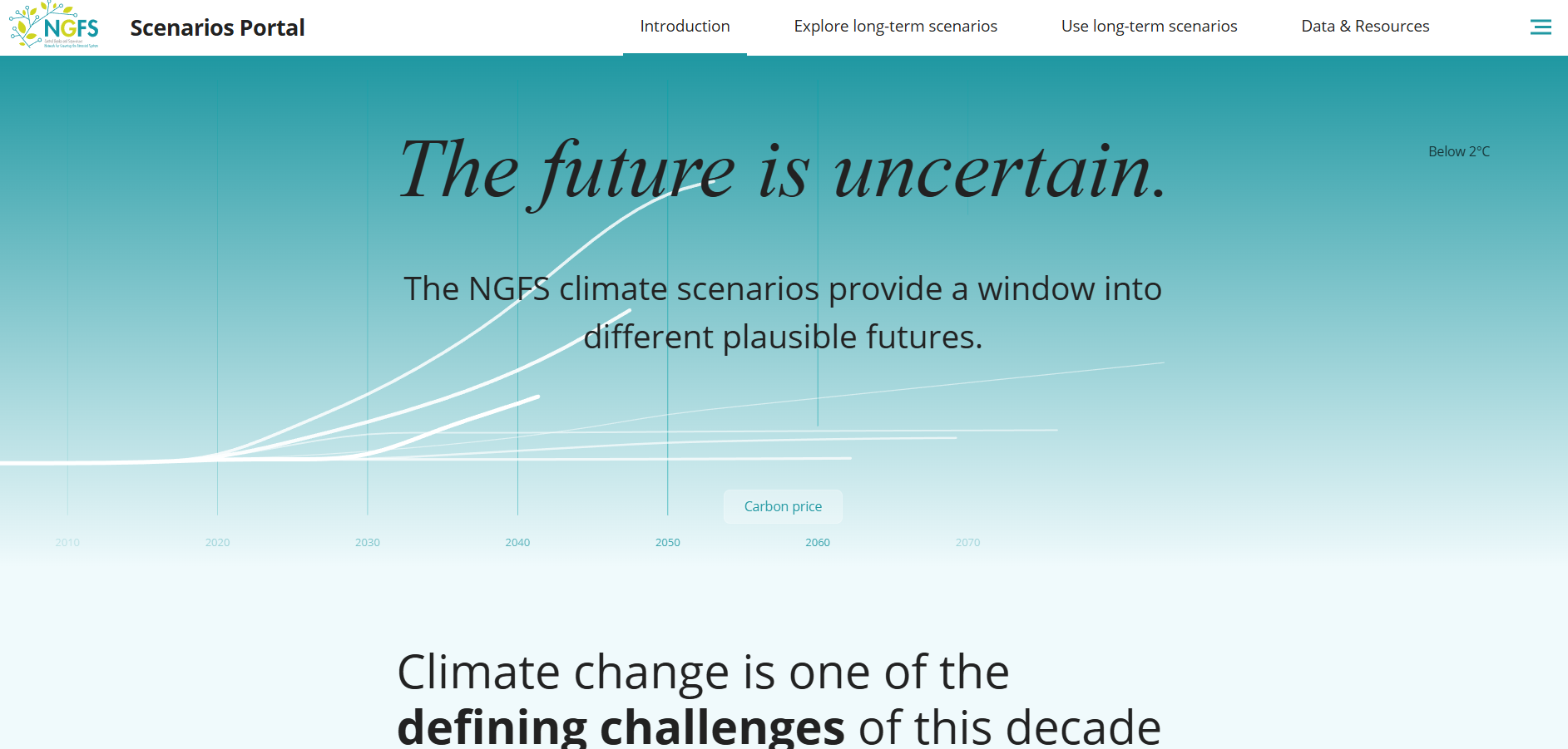
NGFS Scenarios Portal
The NGFS Scenarios Portal is a publicly available database developed by the Network for Greening the Financial System, providing harmonised climate and macroeconomic scenarios. It supports central banks and supervisors in assessing short- and long-term climate-related financial risks through consistent, transparent scenario analysis.

OS-Climate (Open Source Climate)
OS-Climate is an open-source initiative hosted by the Linux Foundation building climate data and analytics infrastructure to integrate climate risk into financial decision-making at scale. It unites financial institutions, tech leaders and scientists to develop transparent tools for climate risk, portfolio alignment and transition analysis.
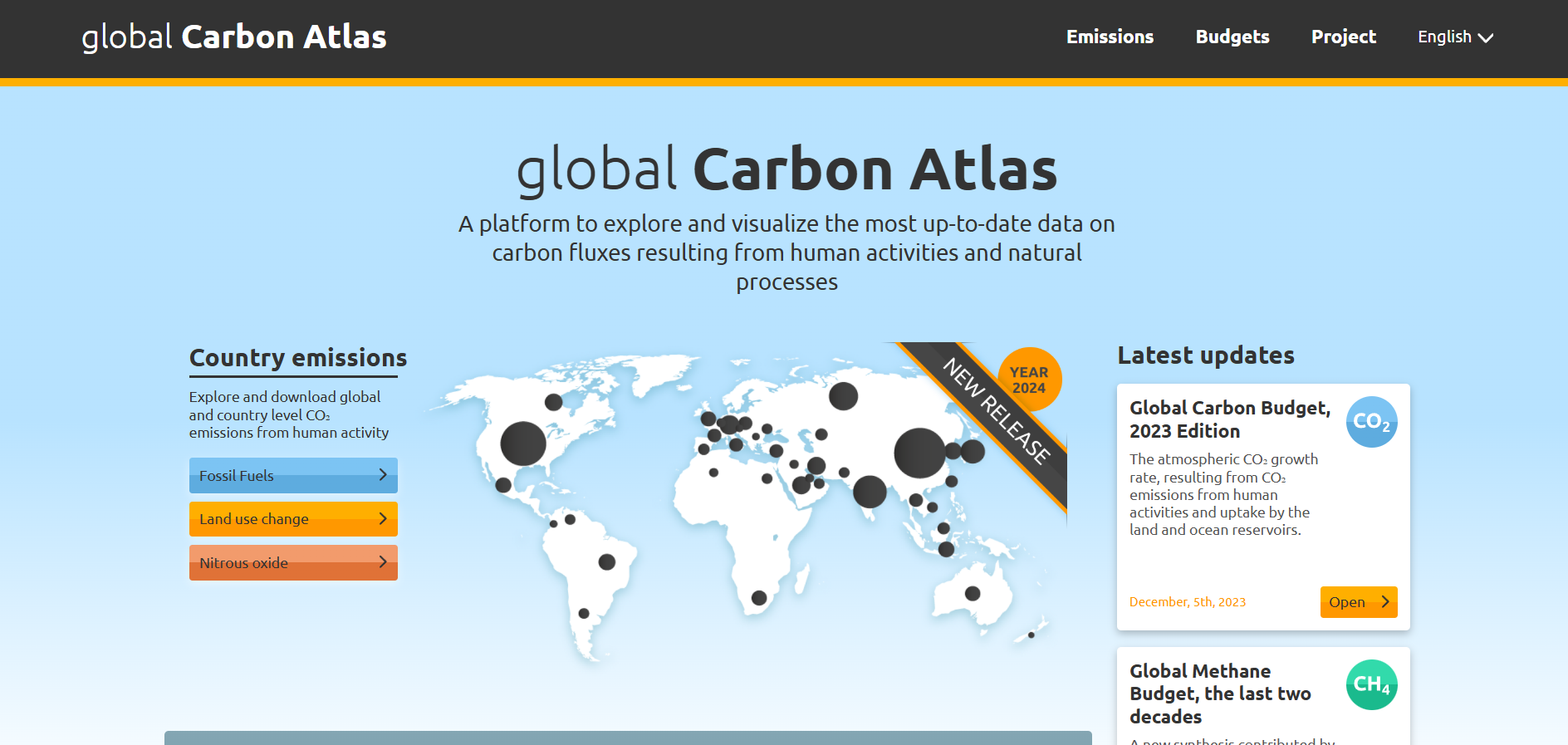
Global Carbon Atlas
GlobalCarbonAtlas.org is an online platform for exploring, visualising and downloading up-to-date global and regional carbon flux and emissions data from human activities and natural processes, supporting analysis of CO₂, methane and nitrous oxide trends across countries and sectors.
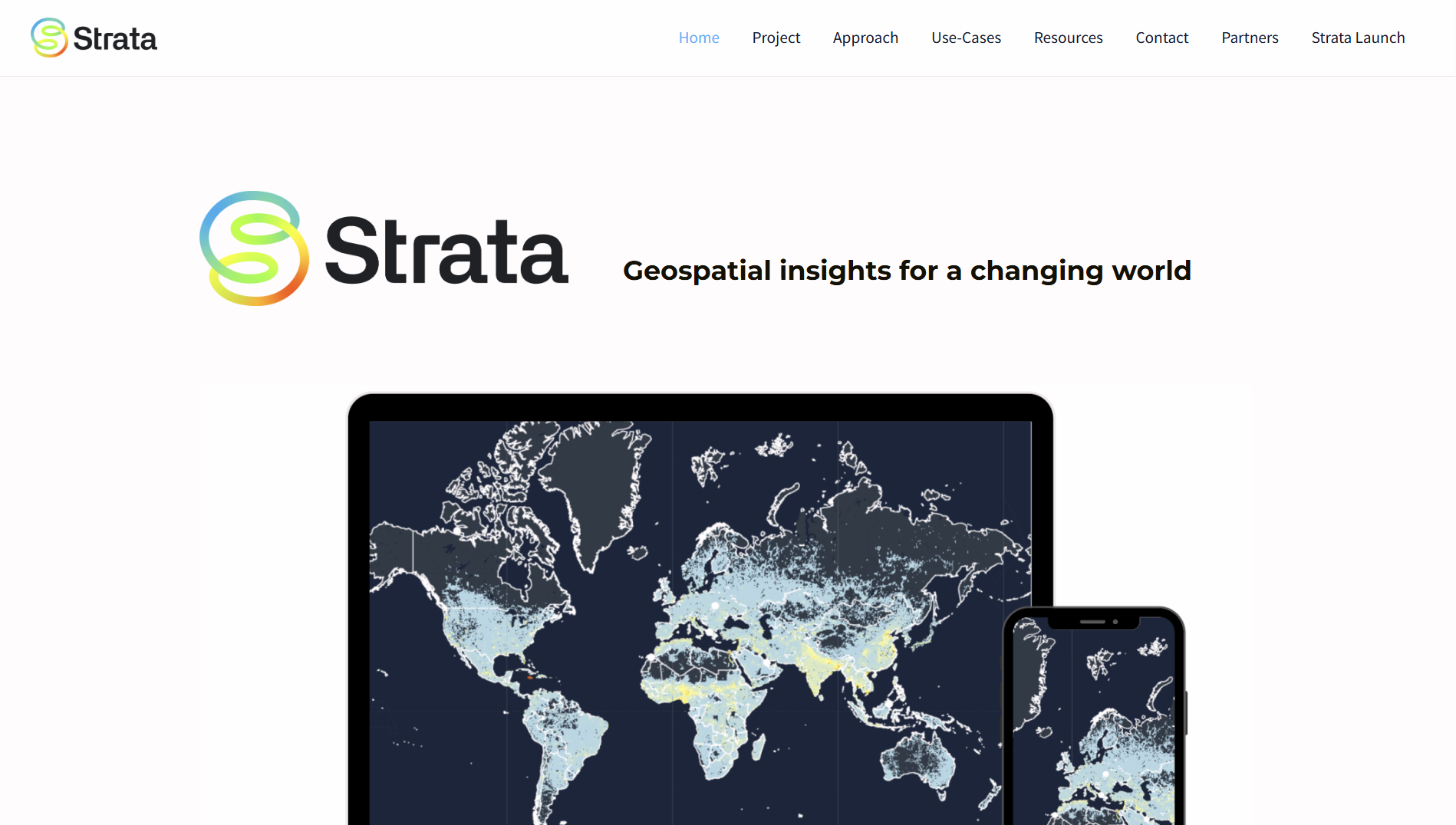
UNEP Strata
UNEP Strata is a free, web-based geospatial platform that maps where climate, environmental and security stresses overlap with socio-economic vulnerabilities to support analysis, planning and monitoring by practitioners, analysts and policymakers.
UN SDG Portal
The United Nations SDGs platform (sdgs.un.org) is an online hub for the 2030 Agenda and 17 Sustainable Development Goals, offering goals, targets, indicators, events, publications and global actions to track and support SDG implementation. It also includes registries of voluntary commitments and multi-stakeholder partnerships.
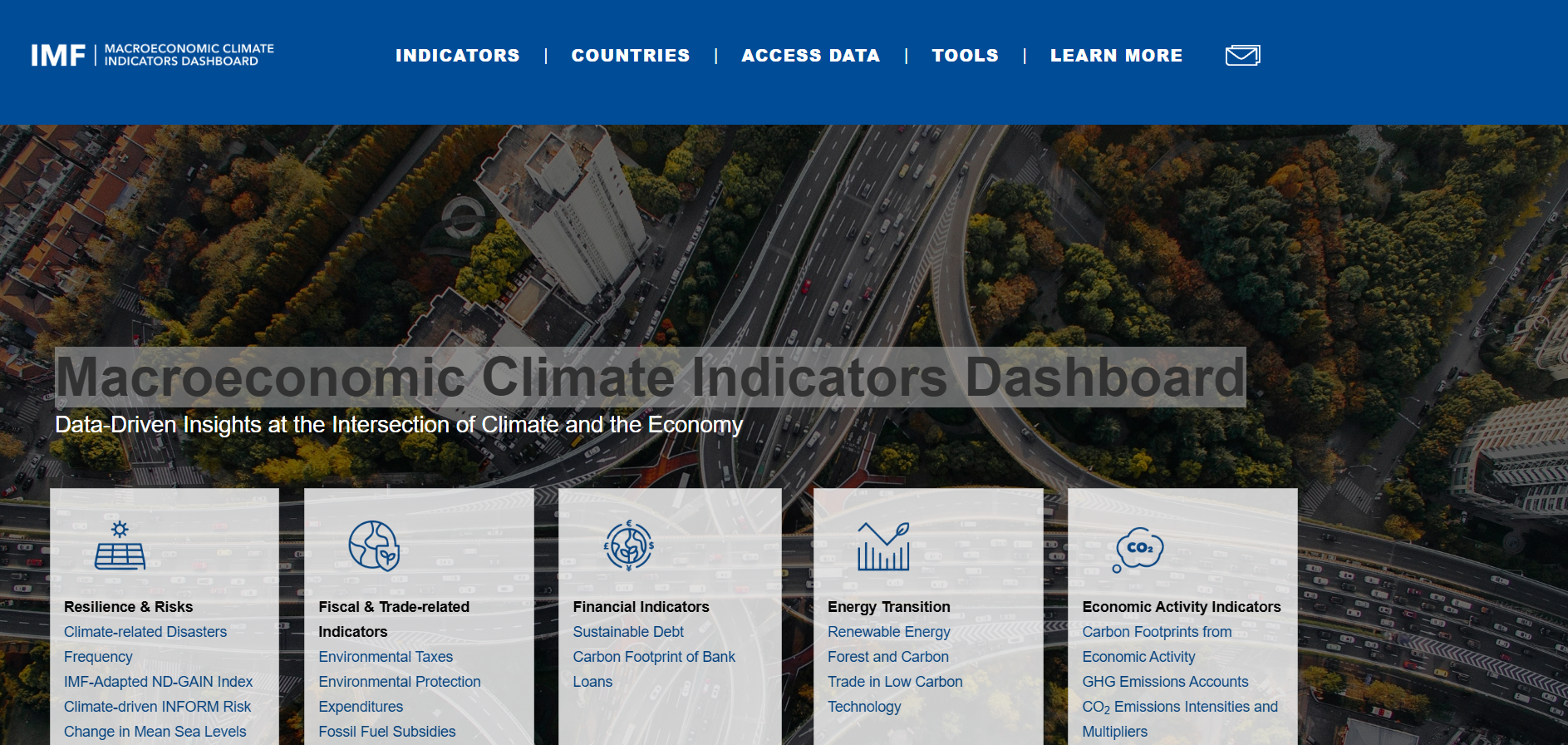
Macroeconomic Climate Indicators Dashboard
IMF Climate Data Portal
International Monetary Fund climate data portal provides country-level indicators linking climate change with macroeconomic and financial analysis, including emissions, climate risks, adaptation, mitigation, and climate finance. Data are standardised, downloadable, and designed to support policy, research, and comparative economic assessment.
International Monetary Fund climate data portal provides country-level indicators linking climate change with macroeconomic and financial analysis, including emissions, climate risks, adaptation, mitigation, and climate finance. Data are standardised, downloadable, and designed to support policy, research, and comparative economic assessment.
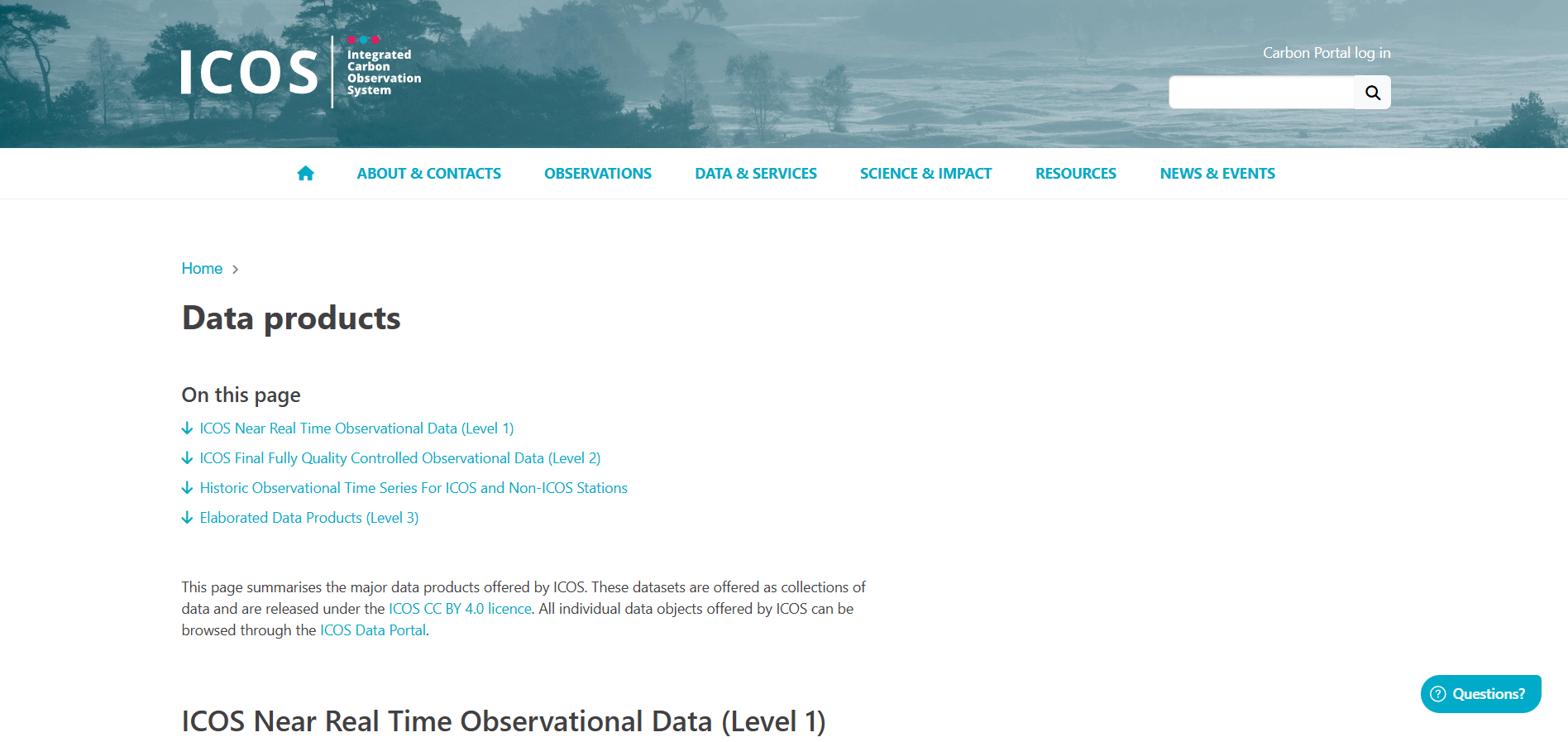
Integrated Carbon Observation System (ICOS)
Integrated Carbon Observation System (ICOS) Near Real-Time Observational Data (Level 1) provides rapidly delivered atmospheric and ecosystem measurements, typically within 24 hours. Data undergo automated quality control only and are released as growing time series. Suitable for monitoring and exploratory analysis, not final scientific assessment.
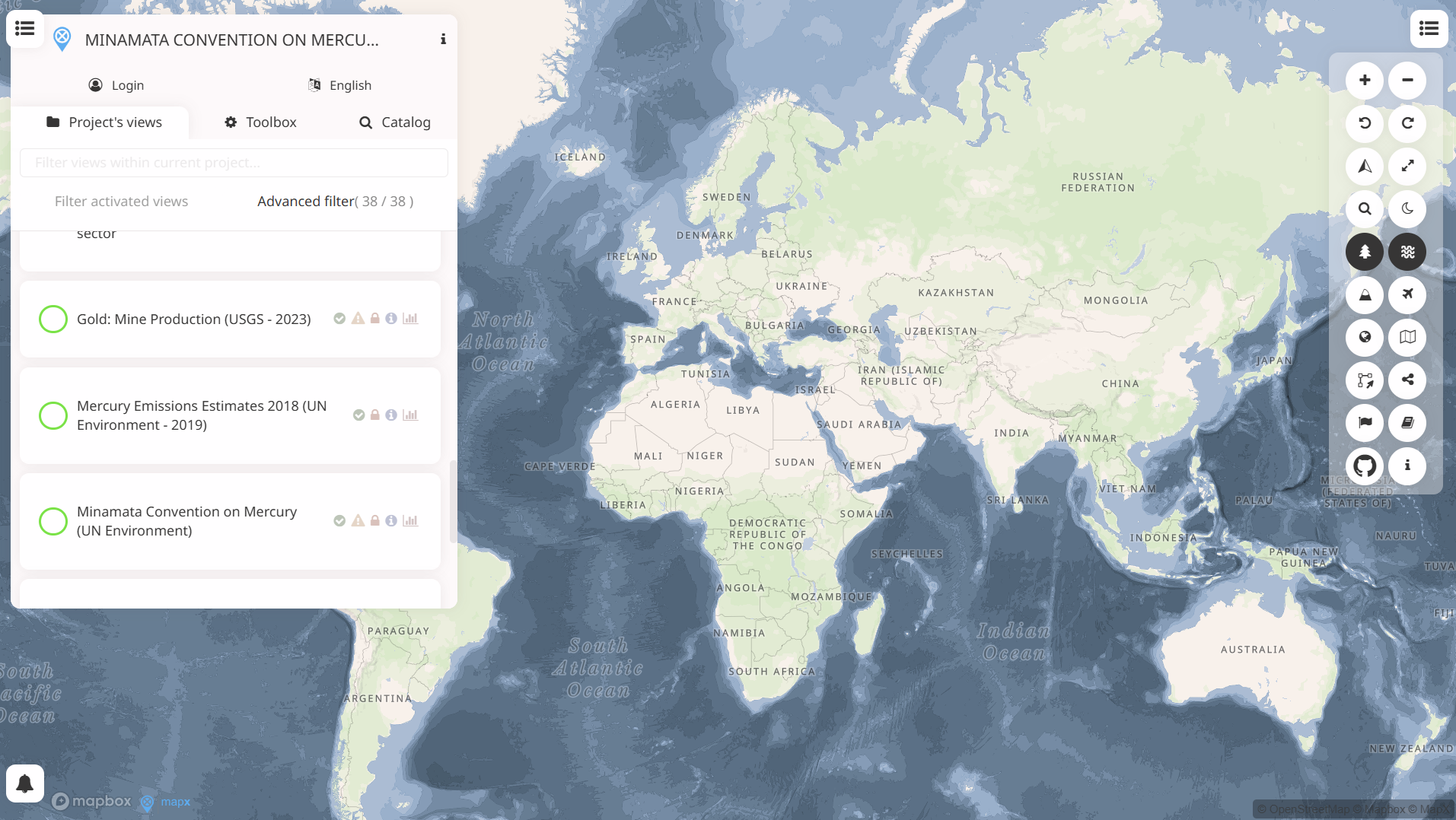
Minamata Convention Data Platorm
Minamata Convention Data Platorm is an open-source, cloud-based geospatial platform for managing, analysing and visualising spatial data on natural resources and the environment. It supports dashboards, maps and story maps to aggregate and share authoritative data for decision-making and impact monitoring.
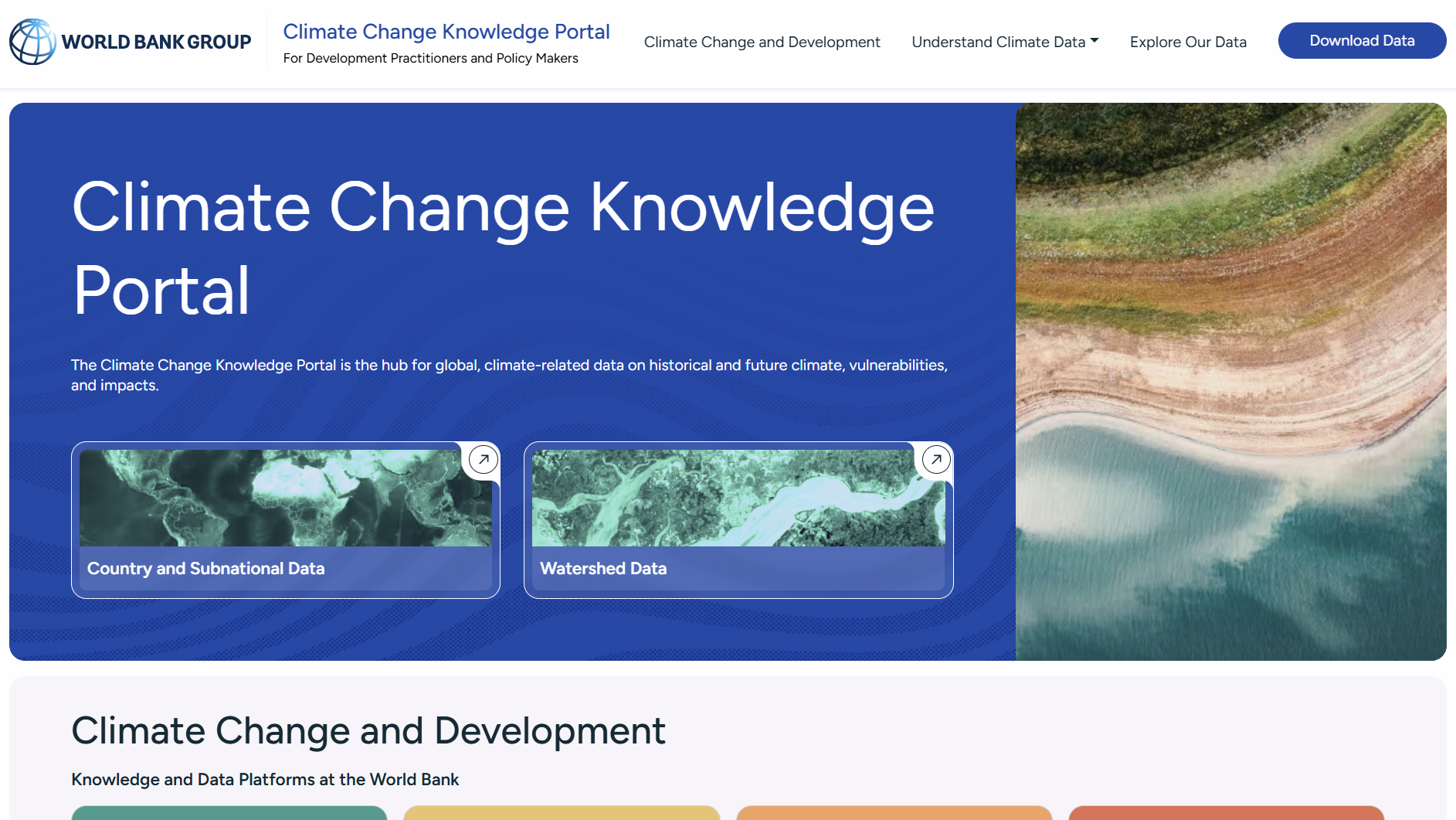
World Bank CMIP5 Global Climate Change Viewer
The World Bank’s Climate Knowledge Portal – CMIP5 section provides access to historical and future climate projections based on the Coupled Model Intercomparison Project Phase 5. It supports analysis of temperature, precipitation and climate risks for countries/regions using multi-model ensemble data to inform climate risk assessment and adaptation planning.
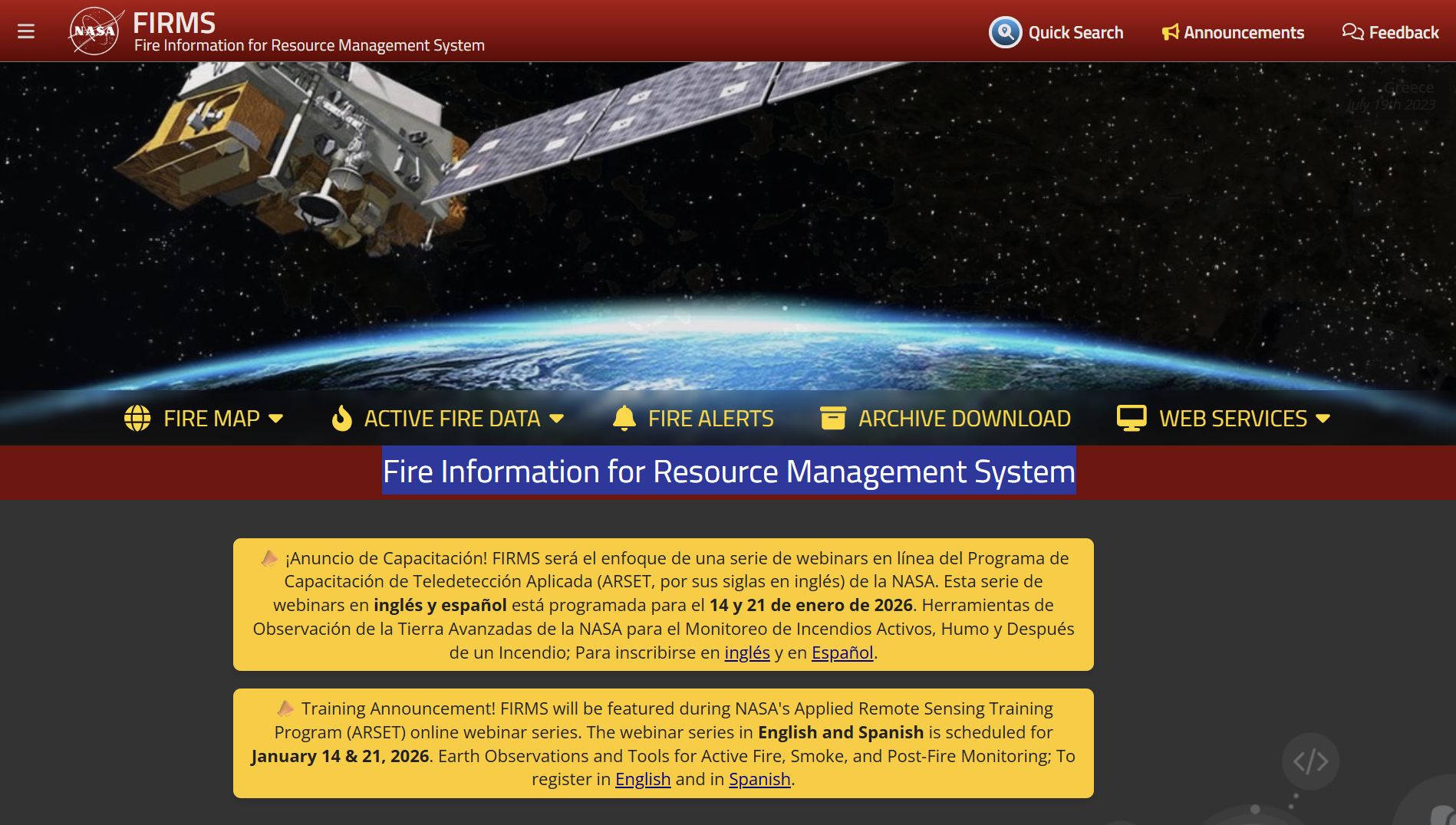
FIRMS Fire Information for Resource Management System
NASA’s Fire Information for Resource Management System (FIRMS) provides global near-real-time satellite data on active fires and thermal anomalies, viewable via interactive maps, alerts and downloadable files. It uses MODIS and VIIRS instruments to detect fire locations and deliver data within hours for monitoring, analysis and decision-making.
The twin transition century
This paper argues that Europe’s green transition depends on aligning digital transformation with sustainability goals. It outlines how digital research can both reduce its own environmental footprint and enable climate action, calling for long-term, interdisciplinary research investment and coordinated EU policy.
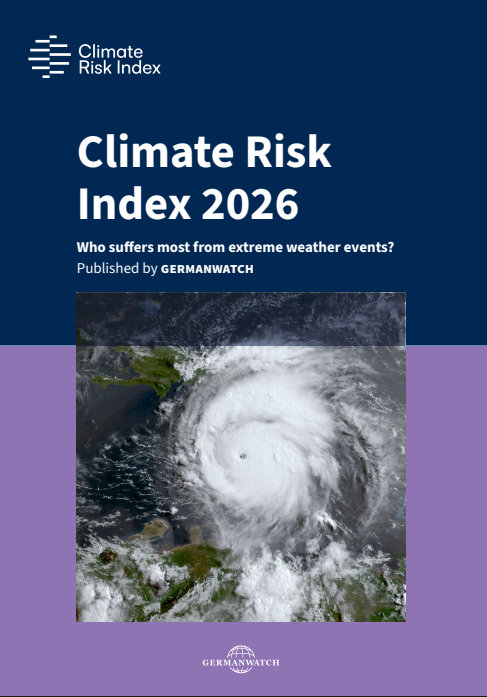
Climate risk index series
The Climate Risk Index is an annual benchmark series that compares countries’ exposure and vulnerability to extreme weather events using a consistent, historical, data-driven framework. Across all editions, it supports comparative assessment of physical climate risk over time and informs policy, risk analysis, and climate-aware financial decision-making.

New approaches and challenges regarding trade, climate action, and the WTO
The report analyses how WTO trade rules can support climate action. It assesses tools such as border carbon adjustments, standards, subsidies and technology policy, identifying legal gaps, development impacts and the need for coordinated reforms to align multilateral trade governance with climate objectives.
Assessing the credibility of a company’s transition plan: framework and guidance
This report presents a harmonised framework to assess the credibility of corporate climate transition plans. It defines core plan elements, assessment principles, and a four-step process to evaluate ambition, feasibility, consistency, governance, and financial alignment with Paris-aligned decarbonisation pathways.


