
Library | ESG issues
Shareholders & Voting
Shareholders have the right to vote on corporate decisions, including board appointments, mergers, disclosures, and ESG policies. Active ownership through voting and engagement is a key mechanism for aligning corporate actions with investor interests and long-term value creation.
Refine
85 results
REFINE
SHOW: 16


From the stockholder to the stakeholder: How sustainability can drive financial outperformance
This 2015 report is a meta-study of over 200 sources of research on ESG (academic studies, industry reports, newspaper articles and books). It finds a positive correlation between diligent ESG and economic performance – i.e., companies with robust sustainability practices demonstrate better operational and financial market performance.

As You Sow
As You Sow is a leader in creating positive change in corporate decision making by utilising the power of shareholder advocacy to produce environmentally and socially beneficial impacts. Their goals and initiatives are in adherence to sustainable financing principles while implementing inclusive and holistic lenses when engaging with relevant stakeholders.

How markets price ESG: Have changes in ESG scores affected stock prices?
This report takes a statistical look at the impact of historical ESG score shifts on stock prices valuation. It further determines financial performance implications for a broad spectrum of companies based on an ESG valuation curve.

The impact investing journey: Aligning portfolio with purpose
This report describes how a philanthropic organisation uses impact investing throughout its portfolio. Society has changed its view on ethical investing, and The Russell Family Foundation has implemented this in their mission. Three pillars of their portfolio target social, environmental and financial areas of investing, and these allow them to achieve their company objectives.
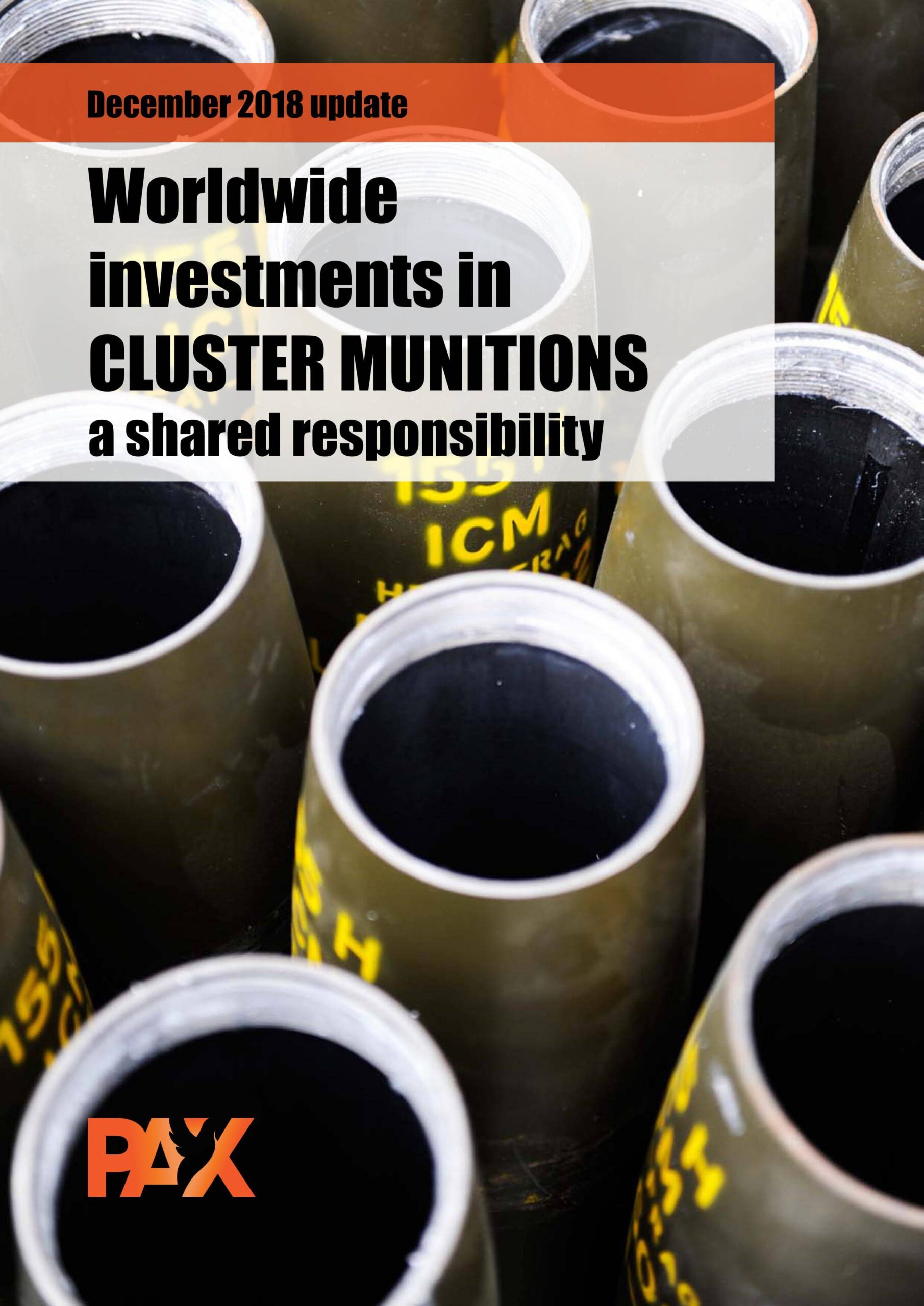
Worldwide investments in cluster munitions: A shared responsibility
A 2018 report on worldwide investments in harmful cluster munitions. Two arms manufacturers recently ended production of cluster munitions, and more financial institutions and states are acting to end money going to producers. Despite declining investment from financial institutions, there are seven companies in the report still manufacturing.


