
Library | ESG issues
Transport
Transport refers to the movement of goods or people between locations and is essential for mobility, connecting people to jobs, education, and services. Sustainable transport systems, such as electric buses, trains, bicycles, and carpooling, reduce greenhouse gas emissions and pollution while decreasing reliance on non-renewable energy sources. Advancing more sustainable transportation options supports long-term environmental, social, and economic resilience while enhancing accessibility and connectivity for communities.


Refine
41 results
REFINE
SHOW: 16


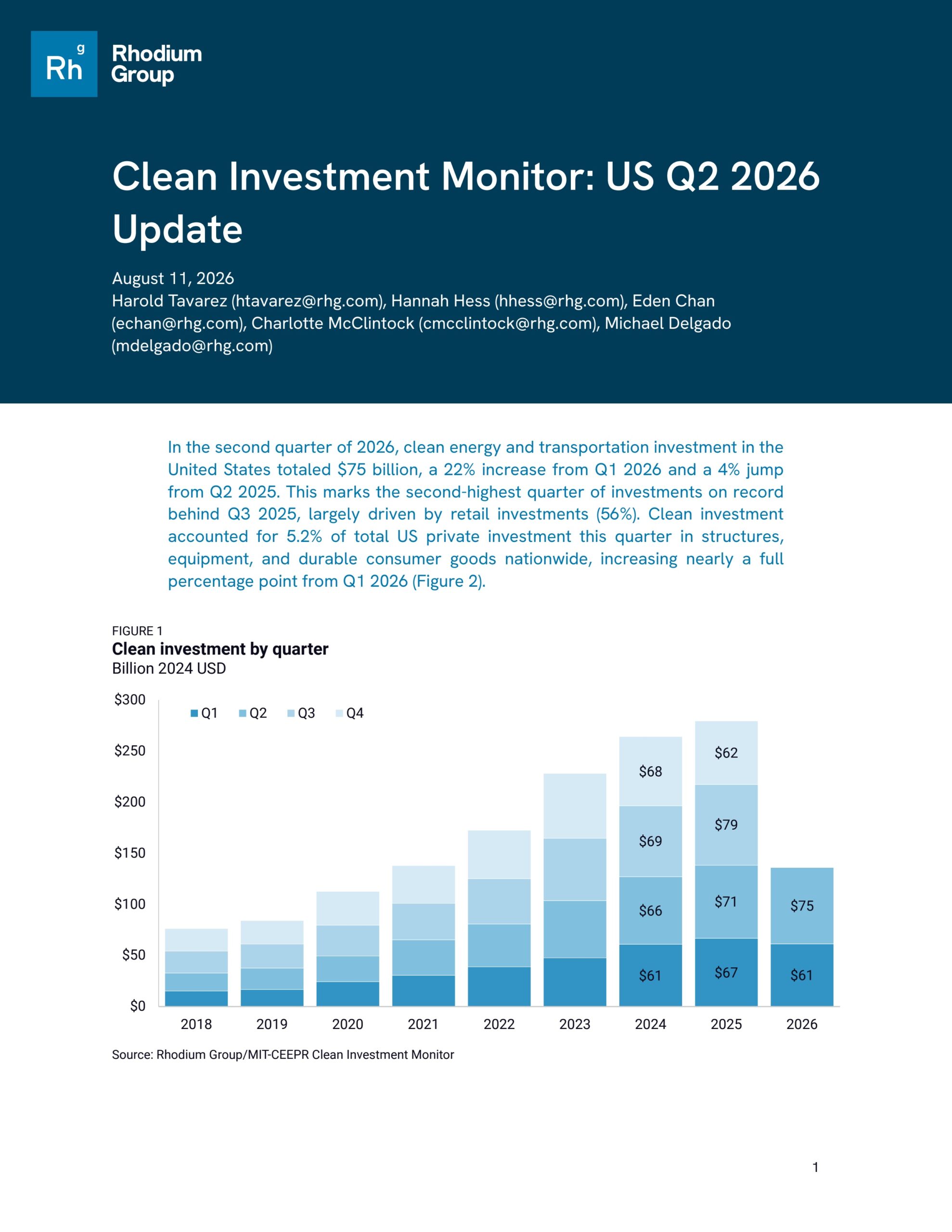
Clean investment monitor: US update series
The Clean Investment Monitor: US Update is a benchmark series providing a comprehensive database of clean energy and transportation investment across the United States. Produced by Rhodium Group and MIT-CEEPR, it tracks the manufacture and deployment of greenhouse gas emission-reducing technologies across manufacturing, energy and industry, and retail segments.
Mobility Diagnosis
Mobility Diagnosis is an open-source territorial analysis tool supported by ADEME. It helps local authorities and planners design decarbonised transport strategies by centralising data on travel practices and geographical profiles.
Rust in motion: The political environmental trap of vehicle tax exemptions
This research examines Brazil's vehicle tax exemptions, finding that lower age thresholds increase fleet age, pollution and infant health risks. It identifies a 'political environmental trap', where raising exemption ages leads to significant electoral penalties for incumbents, despite the policies resulting in a net welfare loss.
Investing in tomorrow: The electrification opportunity
New Zealand households and businesses could save $10.7 billion annually by 2040 through electrification. This report details how replacing fossil fuel appliances and vehicles with electric alternatives, supported by solar and batteries, reduces total energy use by 70% and provides cumulative national savings of $95 billion while substantially cutting emissions.
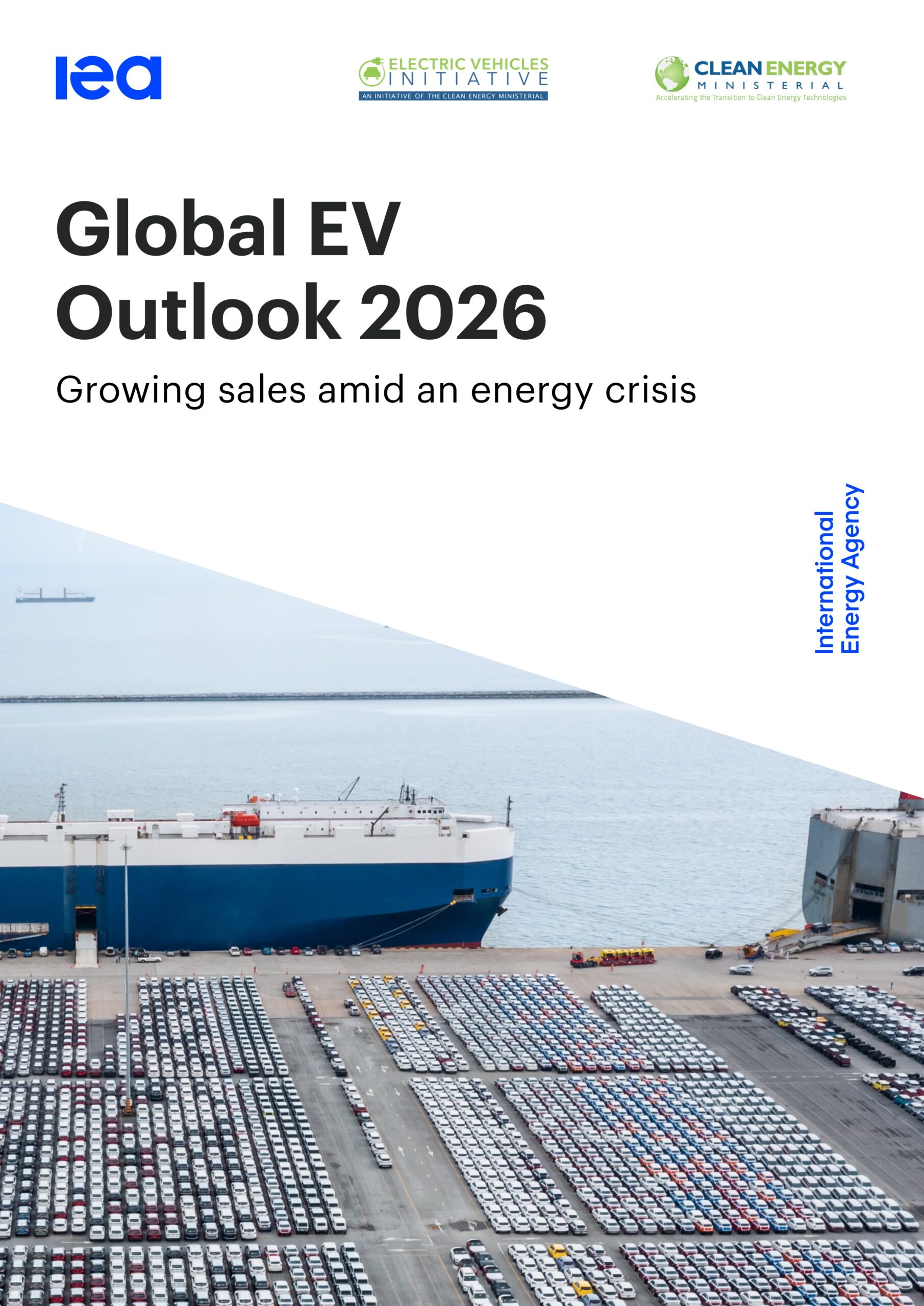
Global EV Outlook series
This benchmark series monitors recent developments in electric mobility across the globe. Produced annually, the report examines deployment of vehicles and infrastructure, battery demand, and policy developments. It evaluates the implications of growing adoption for energy consumption and emissions across major and emerging markets.
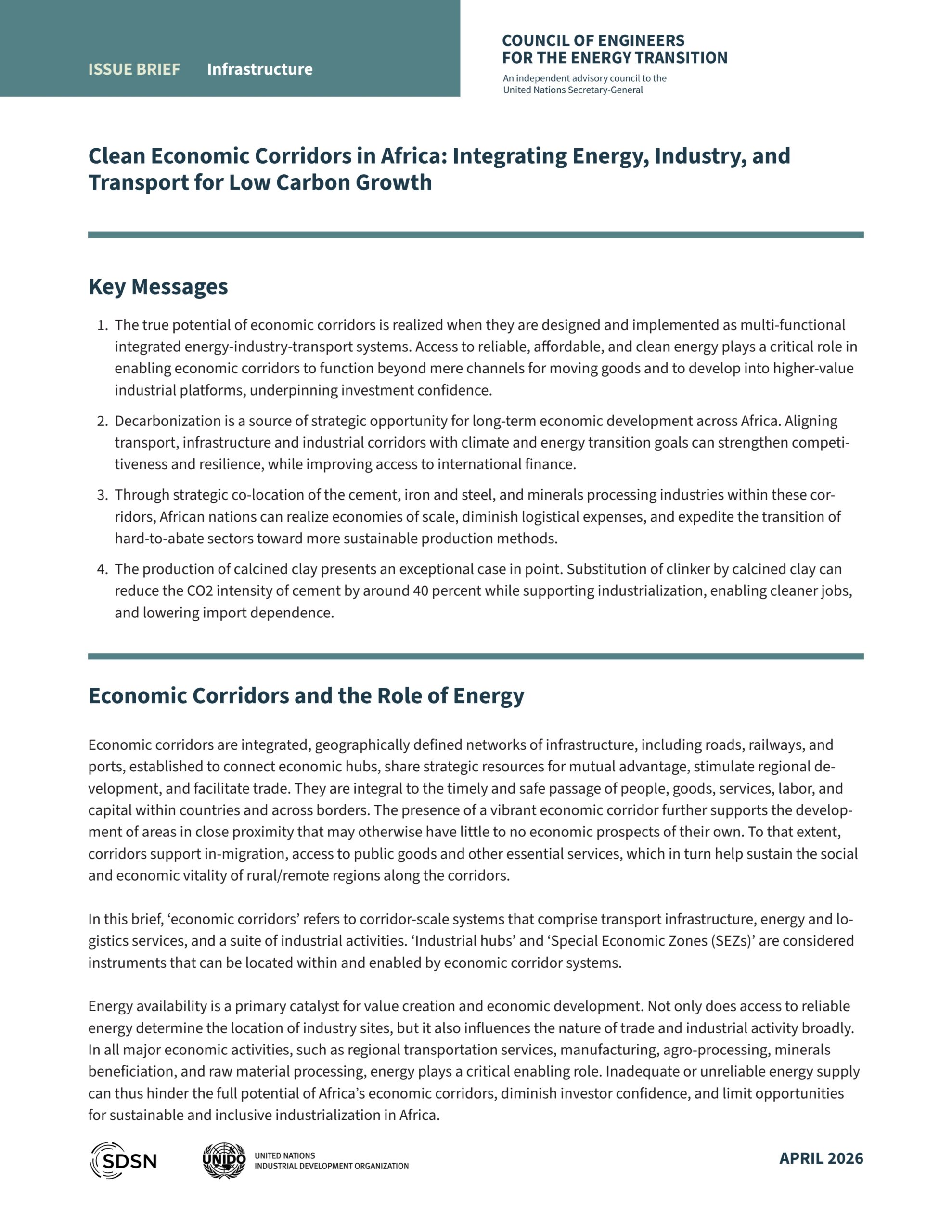
Clean economic corridors in Africa: Integrating energy, industry, and transport for low carbon growth
This report examines the development of integrated energy-industry-transport corridors in Africa to foster low-carbon growth. It details strategies for decarbonising logistics and manufacturing, particularly in steel and cement. By linking industrial hubs with renewable energy, African nations can enhance regional trade, competitiveness, and sustainable economic development.
Industrial policies for multi-stage production: The battle for battery-powered vehicles
This research analyses industrial policies for the multi-stage electric vehicle supply chain. It evaluates consumer subsidies and local content requirements, finding that while protectionist measures expand domestic production, they can significantly increase costs and reduce overall adoption compared to unconditional subsidies that maximise scale economies.
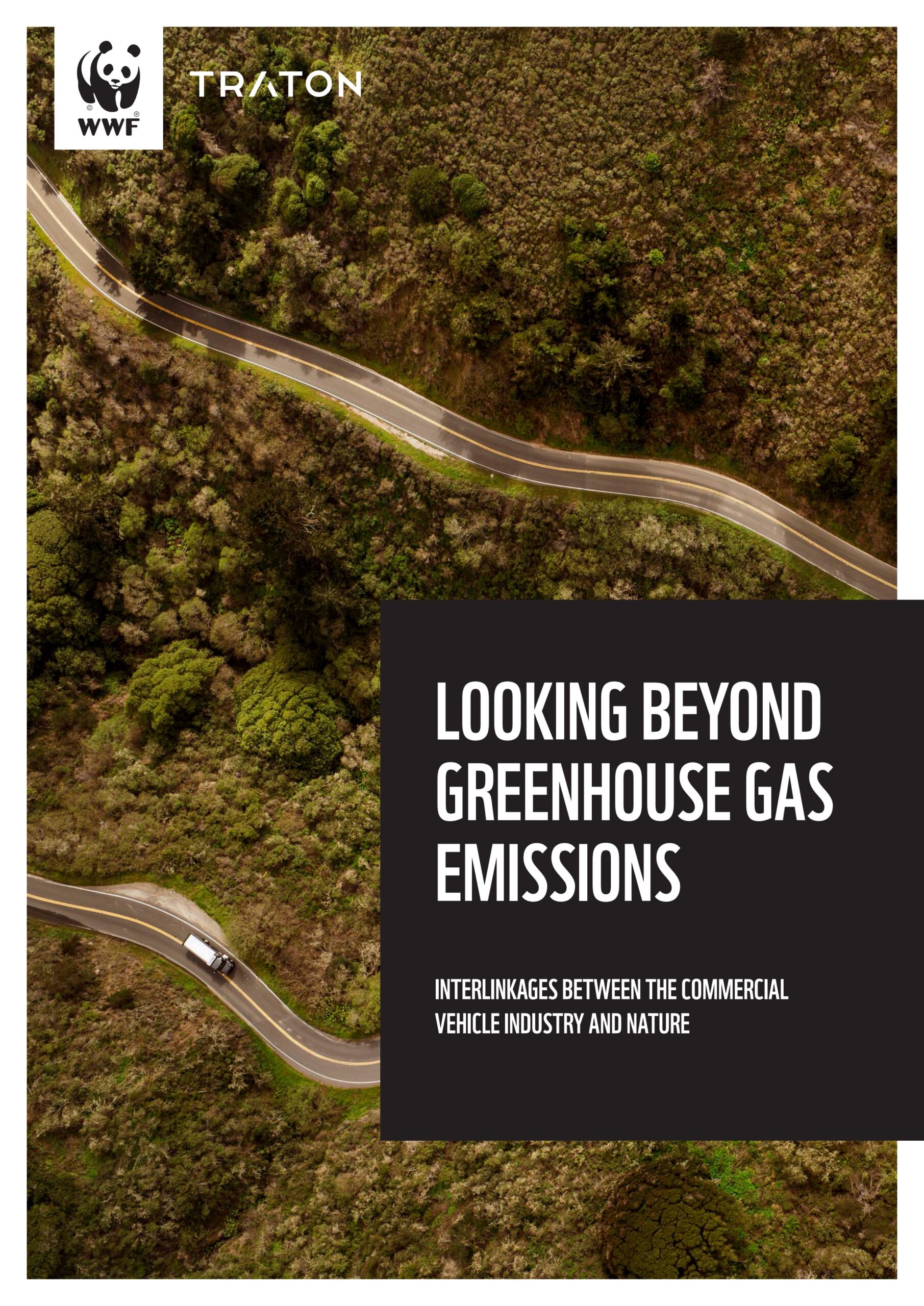
Looking beyond greenhouse gas emissions: Interlinkages between the commercial vehicle industry and nature
Published by WWF Sweden in collaboration with TRATON GROUP, this report examines the commercial vehicles sector's interlinkages with nature across its full value chain. It analyses six key commodities and value chain stages, identifies nature-related risks for businesses, and calls for sector-wide collaborative action towards a nature-positive future.
Airports and aviation emissions: The Airport Tracker as a tool for data-driven advocacy
This policy brief presents findings from the third update to the Airport Tracker, a global inventory covering the world's 1,300 busiest airports. Using 2023 data, it analyses CO₂ and local air pollution from passenger, freight and private jet flights, finding that aviation remains off track to meet net-zero goals.
Energy security through freight electrification: A rapid response briefing note on policy options for responding to the global fuel crisis
This briefing note outlines policy options to enhance Australia's fuel security through freight electrification. It recommends a phased, five-year, $3 billion programme to deploy up to 50,000 battery electric trucks, displacing one billion litres of diesel annually while leveraging private capital and implementing structural reforms.
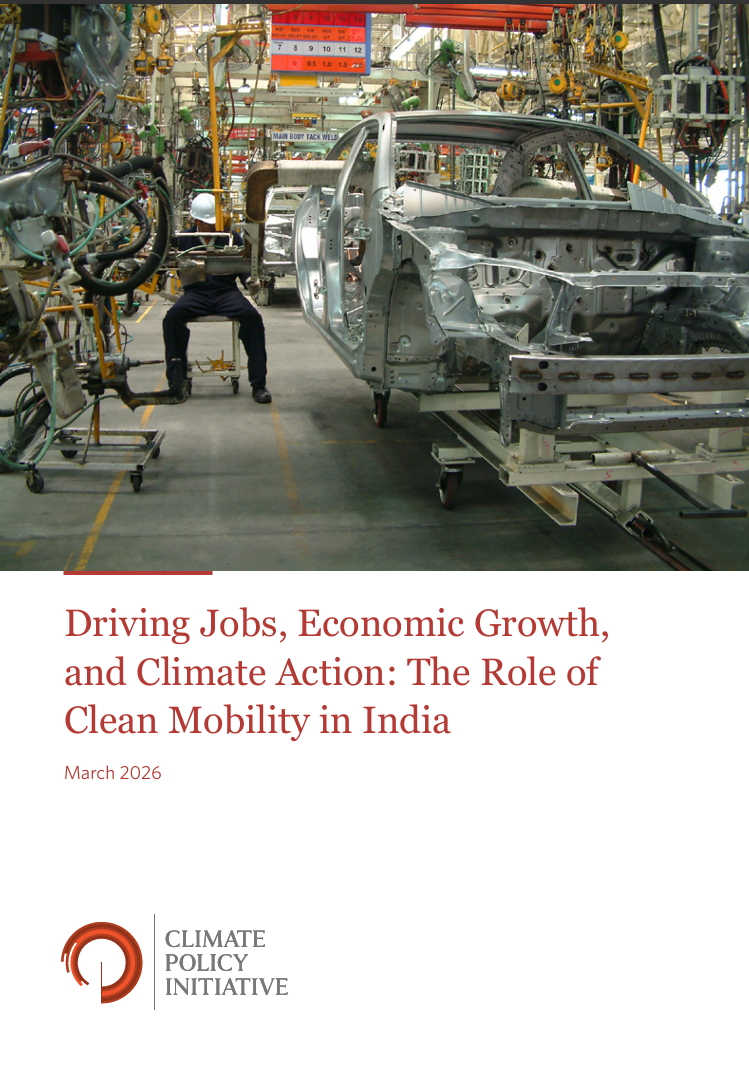
Driving jobs, economic growth, and climate action: The role of clean mobility in India
India’s transition to full electric vehicle adoption by 2047 could increase manufacturing output, create new jobs, reduce oil import dependence, and lower transport emissions. The report highlights substantial investment, infrastructure, and workforce reskilling requirements, with policy coordination and domestic manufacturing identified as critical to capturing long-term economic and climate benefits.

Sustainable Finance Roundup January 2026: Geopolitics, Energy Transitions, and Systemic Risk
This month’s sustainable finance article roundup examines a landscape increasingly shaped by geopolitics and climate risk, as near-term fragmentation, energy security, and affordability pressures collide with intensifying long-term threats from climate change, biodiversity loss, and water stress. The works featured analyse how these dynamics are reshaping capital allocation, disclosure, and resilience planning, demonstrating the growing need for sustainable finance to integrate geopolitical risk with real-economy transition.

MIT Center for Transportation & Logistics
MIT Center for Transportation & Logistics (MIT CTL) is a research centre advancing supply chain management, logistics and transportation systems.Based at Massachusetts Institute of Technology, it produces applied research, executive education and industry partnerships focused on resilience, sustainability, digital innovation and global supply chain performance across sectors worldwide today.
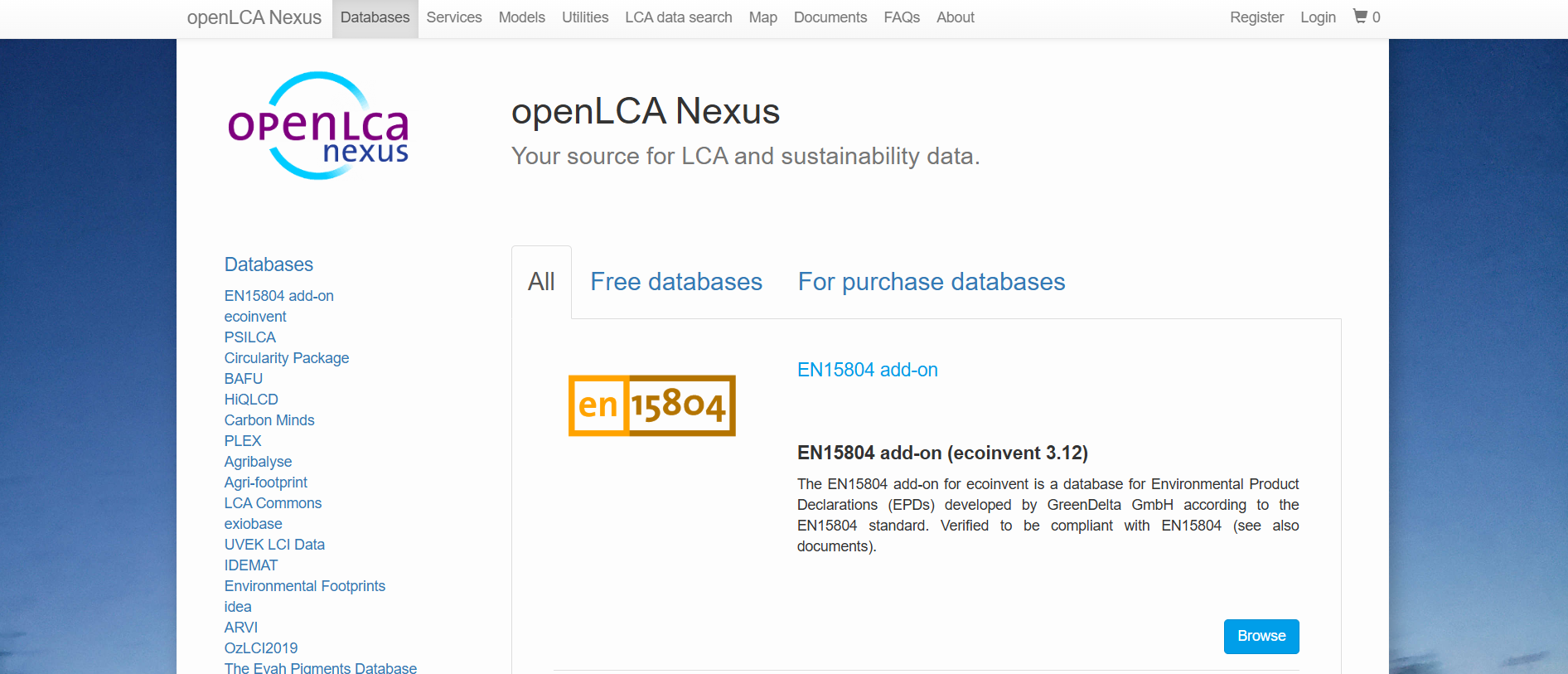
openLCA Nexus
openLCA Nexus is an online repository providing access to life cycle assessment databases for environmental and sustainability analysis. It hosts free and licensed datasets from multiple providers, covering energy, materials, agriculture, transport and waste, designed for use within the openLCA software environment.
Moving forward imagining a sustainable transport system
The report outlines a universal basic services approach to UK transport, highlighting inequitable access, high emissions, and car dependence. It assesses current government reforms and recommends long-term, publicly oriented investment to expand affordable, integrated, low-carbon mobility, prioritising public transport and active travel within environmental limits.
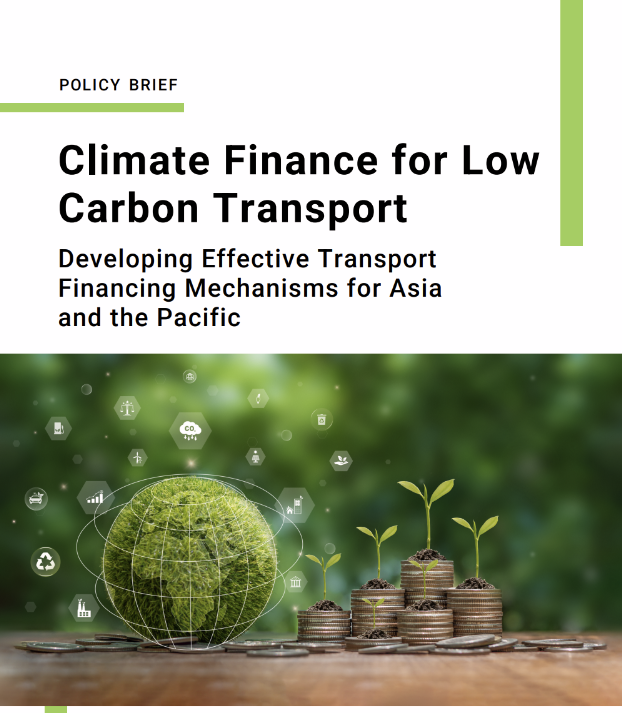
Climate finance for low carbon transport: Developing effective transport financing mechanisms for Asia and the Pacific
This ESCAP policy brief examines climate finance options for scaling low-carbon transport in Asia–Pacific. It assesses funding gaps, barriers, and mechanisms—including subsidies, carbon pricing, green bonds, PPPs, and international finance—and recommends policy alignment, capacity building, investor matching, and diversified financing to accelerate investment.


