
Library | Finance relevance
Investment managers / asset managers
Refine
1421 results
REFINE
SHOW: 16


ESG and global investor returns study
This report analyses the link between ESG integration and global investor returns, drawing on cross-regional data and sector comparisons. It assesses how environmental, social, and governance factors correlate with performance, highlighting variations across markets and asset classes. The study provides evidence-based insights on ESG’s financial materiality for investors worldwide.

Kroll
Kroll is a global financial and risk advisory firm offering services in valuation, investigations, cyber-resilience, regulatory compliance, transaction advisory, restructuring and business services.
With around 6,500 experts across 32 countries, Kroll helps clients build, protect and maximise enterprise value through data, technology and intelligence.
With around 6,500 experts across 32 countries, Kroll helps clients build, protect and maximise enterprise value through data, technology and intelligence.

IMPACT2C web-atlas
The IMPACT2C web‑atlas is an interactive, open‑access platform that visualises the projected impacts of a +2 °C global warming across Europe and key vulnerable regions. It presents harmonised, model‑based findings—via maps, texts, and storylines—across sectors such as climate, water, energy, health, agriculture and coasts.
How ESG affected corporate credit risk and performance
This report analyses how ESG ratings influence corporate bond risk and performance. It finds that higher ESG-rated issuers show stronger financials, lower systematic and idiosyncratic risks, and better credit quality. ESG ratings provide additional insights beyond credit ratings, especially for high-yield and longer-dated investment-grade bonds.
MSCI ESG ratings in global equity markets: A long-term performance review
This MSCI report reviews the long-term performance of ESG ratings in global and developed equity markets. It finds that higher-rated companies outperformed peers, driven by stronger earnings growth and dividend yields rather than valuation effects. MSCI ESG indexes also generally outperformed their benchmarks across regions and during crises.
Externalities and the common owner
This article analyses institutional investors’ incentives to internalise negative externalities across their portfolios. It focuses on climate change, showing how large asset managers influence fossil fuel companies to reduce emissions, disclose risks, and limit lobbying, reframing shareholder primacy by prioritising portfolio-wide welfare over firm-level profit maximisation.
Companies should maximize shareholder welfare not market value
This report summarises why firms should maximise shareholder welfare rather than market value, noting that investors often have ethical and social preferences beyond profit. It proposes shareholder voting on corporate policy to better align company decisions with investor welfare, particularly where externalities are inseparable from production.
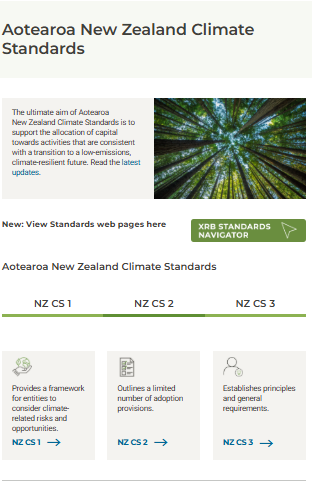
Aotearoa New Zealand climate standards series
The Aotearoa New Zealand Climate Standards series is a benchmark series issued by the External Reporting Board. It sets out the framework for climate-related disclosures, including governance, strategy, risk management, metrics and targets, adoption provisions, and general requirements. The series provides entities with a consistent structure to report climate-related risks and opportunities.
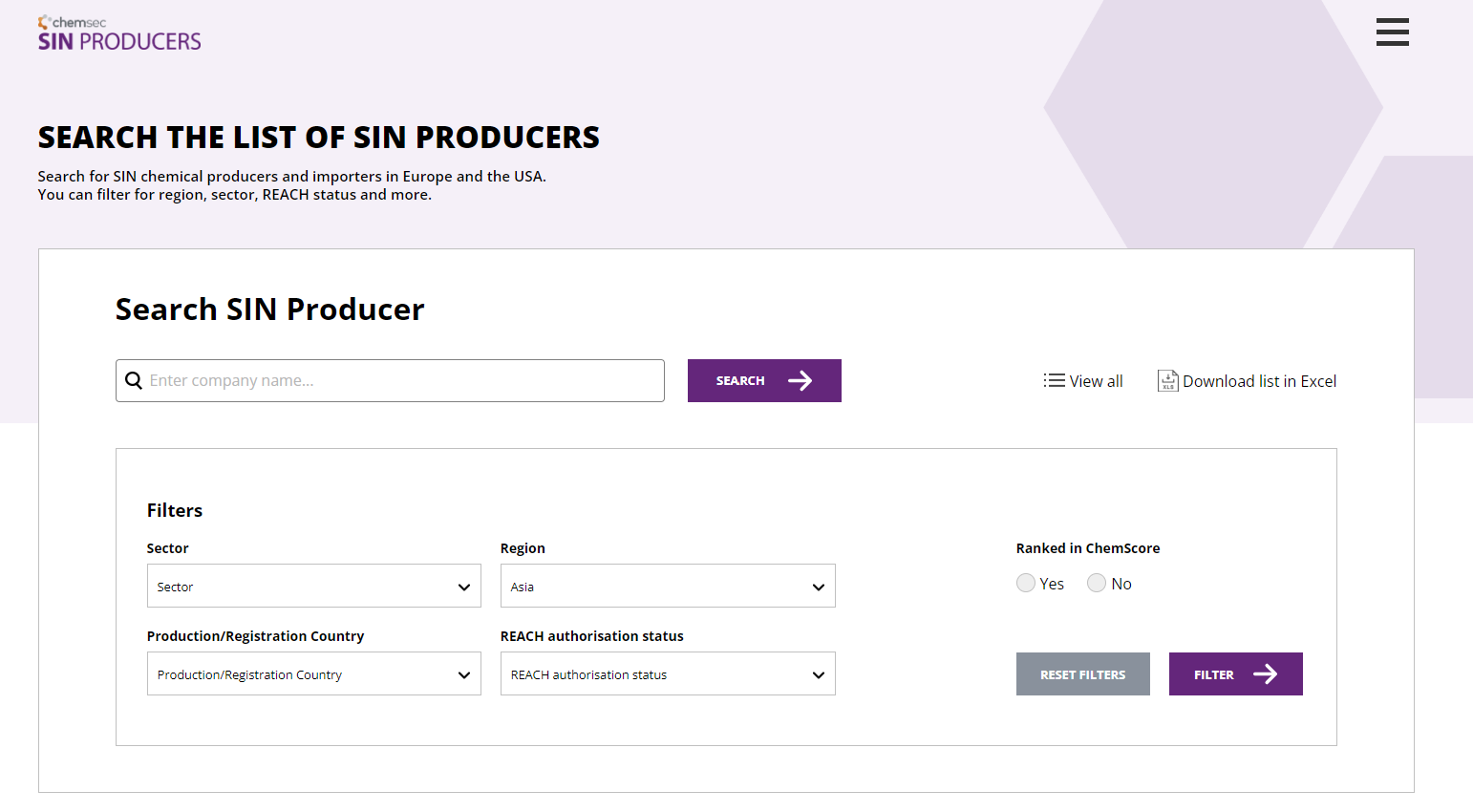
Chemsec's Sin Producers
The SIN Producers tool identifies companies producing hazardous chemicals, helping finance professionals assess risks in their portfolios. The tool provides concise, structured information for making informed investment decisions, focusing on sustainability and regulatory compliance.
Just transition, environment and social considerations for the aviation fuel transition: An investor guide
This guide outlines environmental, social, and just transition considerations for investors in aviation’s fuel shift. It compares biofuels and e-fuels, highlights regulatory and biodiversity risks, and provides engagement questions to assess companies’ transition strategies, ensuring alignment with climate goals while safeguarding communities and long-term financial stability.

Opportunity Green
Opportunity Green (OG) is a UK-based charity founded in 2021 that harnesses legal, economic and policy expertise to drive climate justice. OG focuses on equity, justice and accountability across overlooked sectors—aviation, shipping, buildings, steel, agriculture—championing decarbonisation, legal innovation and coalition-building for a 1.5 °C-aligned future.
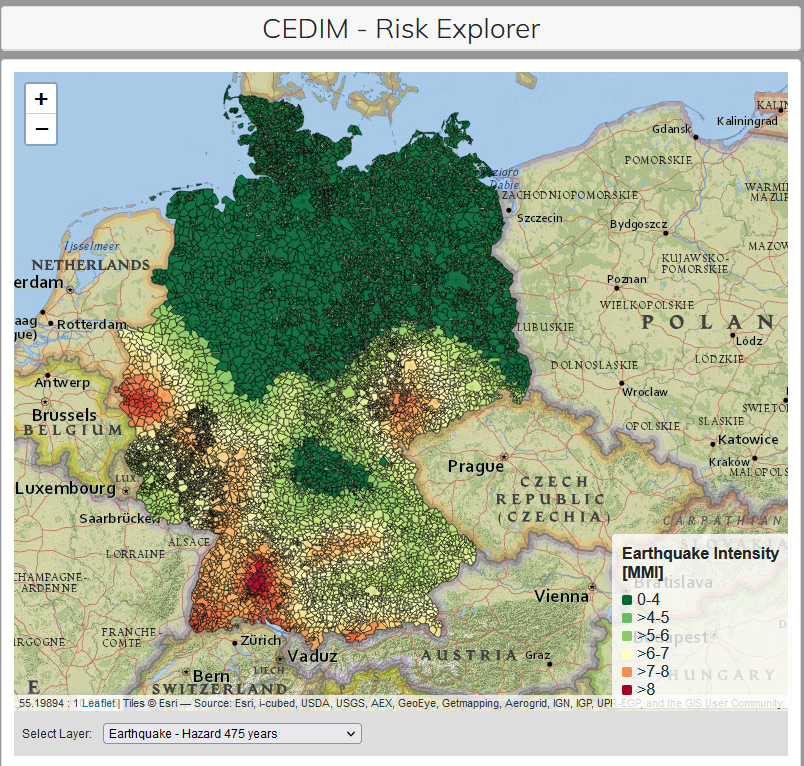
CEDIM Risk Explorer Germany
The CEDIM Risk Explorer Germany is a public, web‑based map viewer that enables interactive visualisation of hazard, vulnerability and risk across Germany—covering phenomena such as earthquakes, winter storms and (in Saxony) floods—for spatial risk assessment and expected monetary loss estimation.
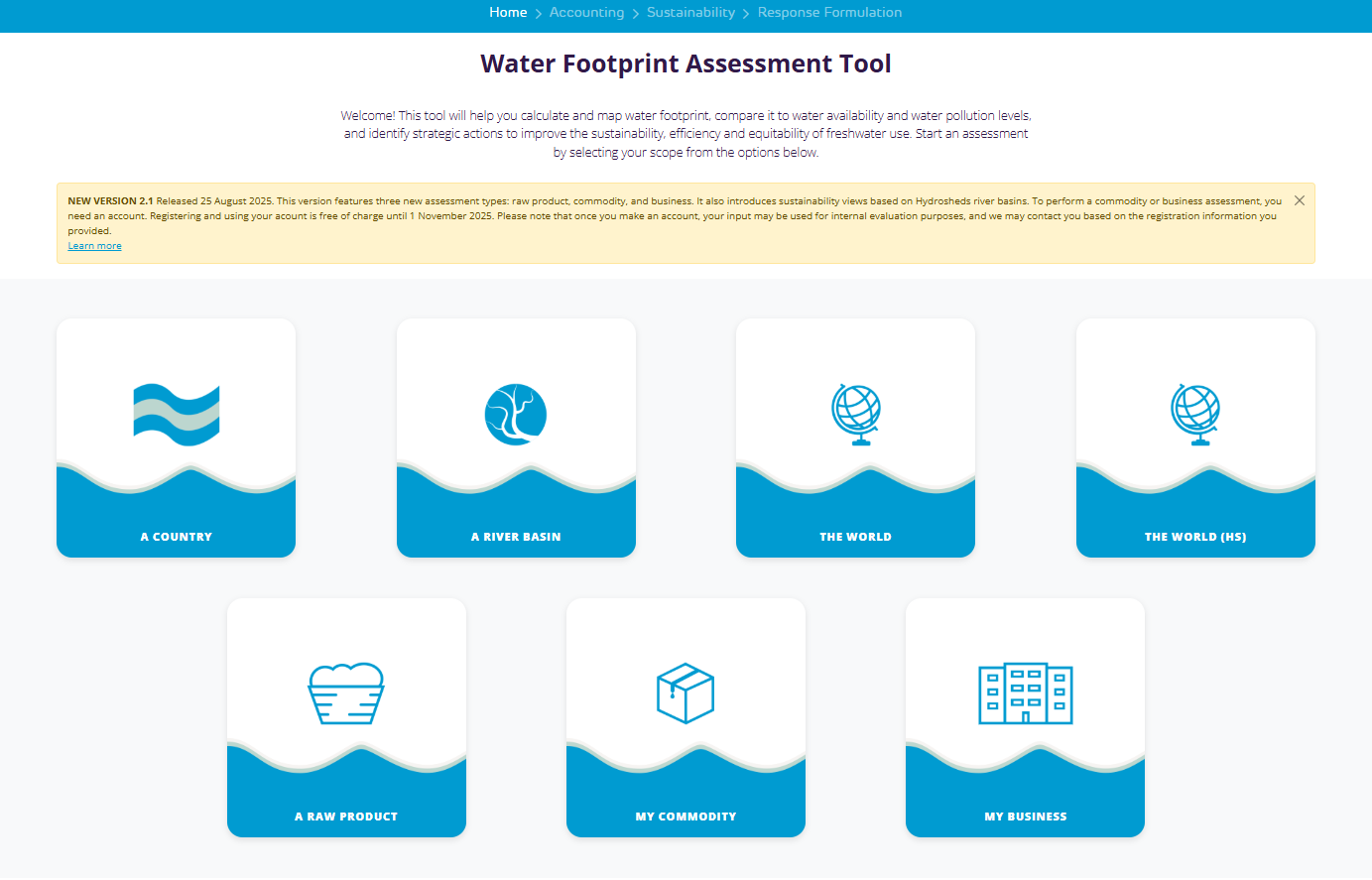
Water footprint assessment tool
The Water Footprint Assessment Tool is a free online application that enables businesses, governments, investors, NGOs and researchers to calculate and map green, blue and grey water footprints, assess sustainability, efficiency and equitable water use, and identify strategic actions to improve water management.
Water footprint implementation
Water Footprint Implementation supports companies and governments with water accounting, sustainability assessment and water-footprint compensation. A spin-off of Water Footprint Network research, it delivers actionable insights for ESG reporting, water stewardship, water-footprint benchmarking and tailored reduction strategies to enhance resilience, reduce risk and foster sustainable water management.

Water footprint network
Water Footprint Network is a non-profit, global collaboration platform advancing fair and smart freshwater use. It champions science-based water footprint assessment, offers open-access tools and data for businesses, governments and communities, and guides sustainable, equitable water governance to address water scarcity and pollution worldwide.
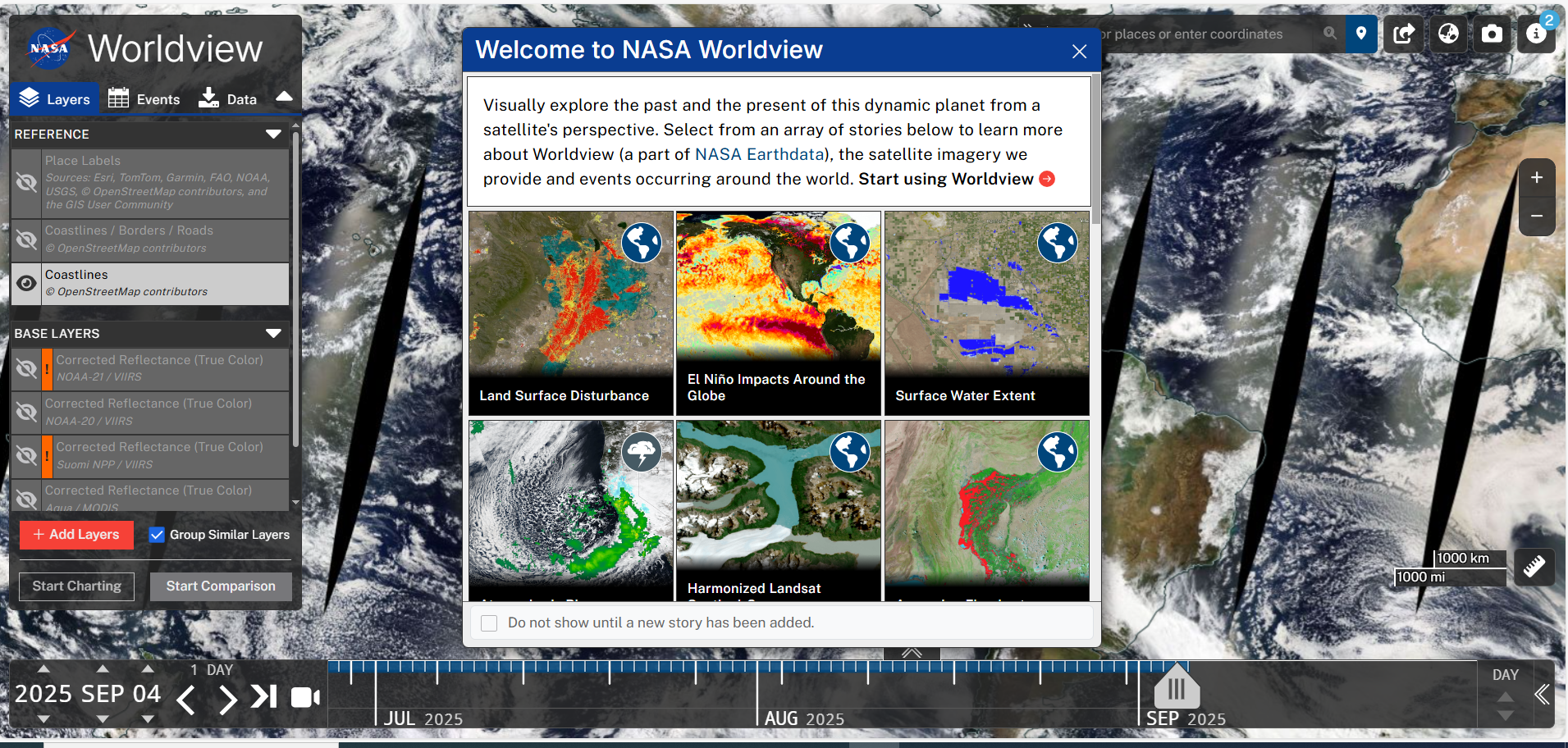
NASA world viewer
NASA’s Worldview is a web‑based visualisation tool offering interactive browsing, animation and download of over 1000 global satellite imagery layers, many available within three hours of observation. It supports time‑critical and historical analysis of natural hazards, climate phenomena and environmental change.


