
Library | Sustainable Finance Practices
ESG Integration and analysis
Tools, methodologies, and frameworks for embedding ESG factors into financial analysis, valuation, credit assessment, underwriting, and portfolio management, while separating out broader strategic elements.
Team Altiorem recommends

Refine
701 results
REFINE
SHOW: 16


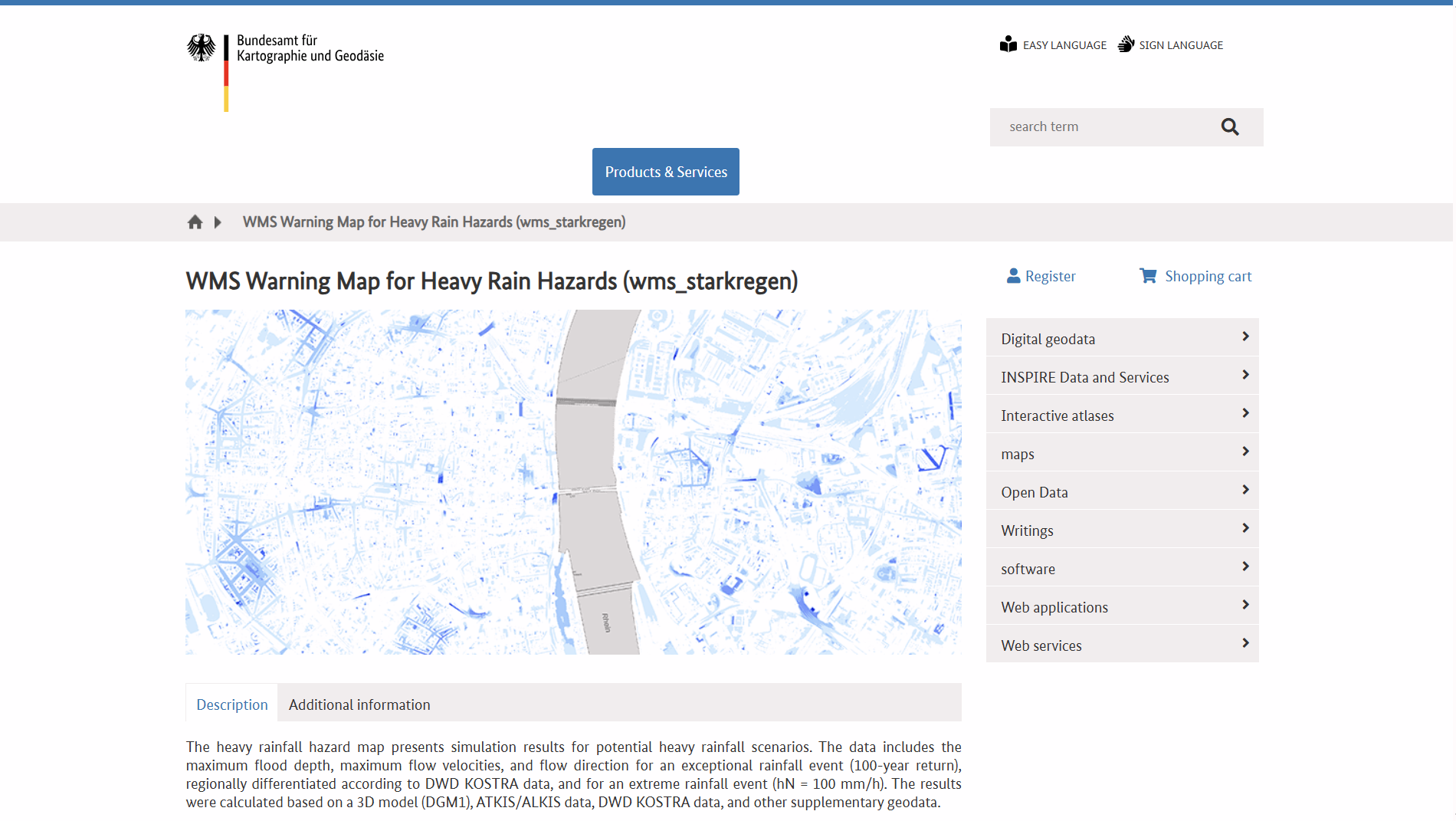
WMS Warning Map for Heavy Rain Hazards (WMS Hinweiskarte Starkregengefahren)
WMS Hinweiskarte Starkregengefahren is a German national Web Map Service showing simulated heavy-rain hazard data, including maximum inundation depths, flow velocities and directions for extreme rainfall scenarios. It supports GIS integration and helps outline potential surface flood risk areas nationwide.

KanataQ Ltd
KanataQ Ltd provides climate and nature risk analytics for financial institutions, corporates and investors. It develops data-driven models, scenarios and tools to assess physical and transition risks, support regulatory reporting, and inform strategic decision-making across climate, ESG and sustainable finance, using forward-looking insights aligned with global climate frameworks and standards.
Paris Agreement Capital Transition Assessment
PACTA for Banks is a free, open-source climate scenario analysis toolkit that enables banks to assess how well their corporate lending portfolios align with climate scenarios, using sector and asset-level data to inform lending strategy and climate target-setting.
LSFI Data Platforms
The Luxembourg Sustainable Finance Initiative Tools page curates open-source data platforms supporting sustainable finance. It provides access to climate, biodiversity, social and transition-risk tools used for ESG integration, risk analysis, policy assessment and investment decision-making across financial institutions.
GHG Protocol Life Cycle Databases
The GHG Protocol Life Cycle Databases page lists third-party life cycle inventory and emissions datasets to support product life cycle and corporate value chain (Scope 3) greenhouse gas accounting. It links to multiple global and sector-specific LCI sources, with summaries of content, formats and accessibility.
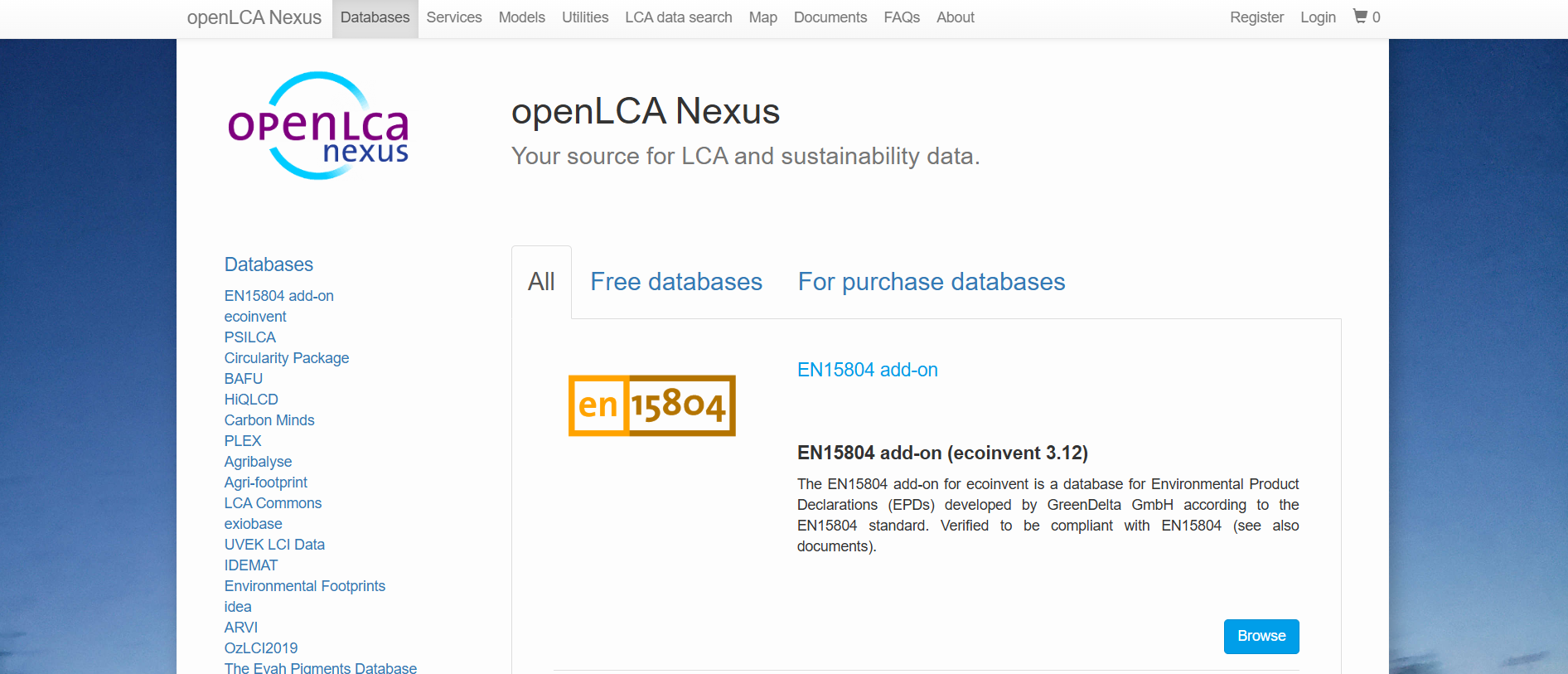
openLCA Nexus
openLCA Nexus is an online repository providing access to life cycle assessment databases for environmental and sustainability analysis. It hosts free and licensed datasets from multiple providers, covering energy, materials, agriculture, transport and waste, designed for use within the openLCA software environment.
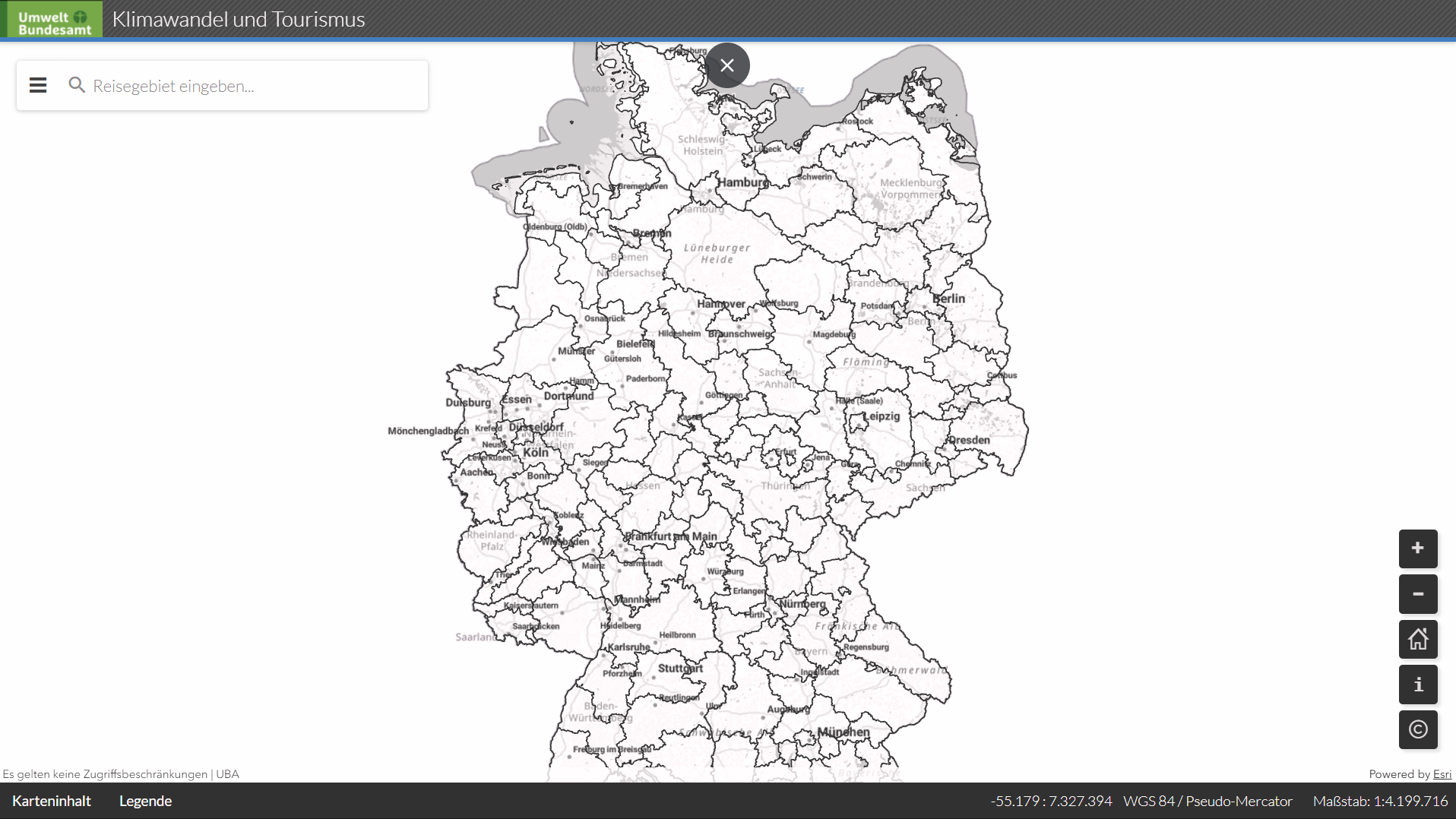
UBA: Climate change and tourism (UBA: Klimawandel und Toursimsu)
An interactive German Environment Agency (UBA) GIS tourism map showing climatic trends for key travel regions in Germany, including visualised climate data, tables and time series to support analysis of climate impacts on tourism. It aids environmental and regional planning by linking spatial data to tourism-related climate indicators
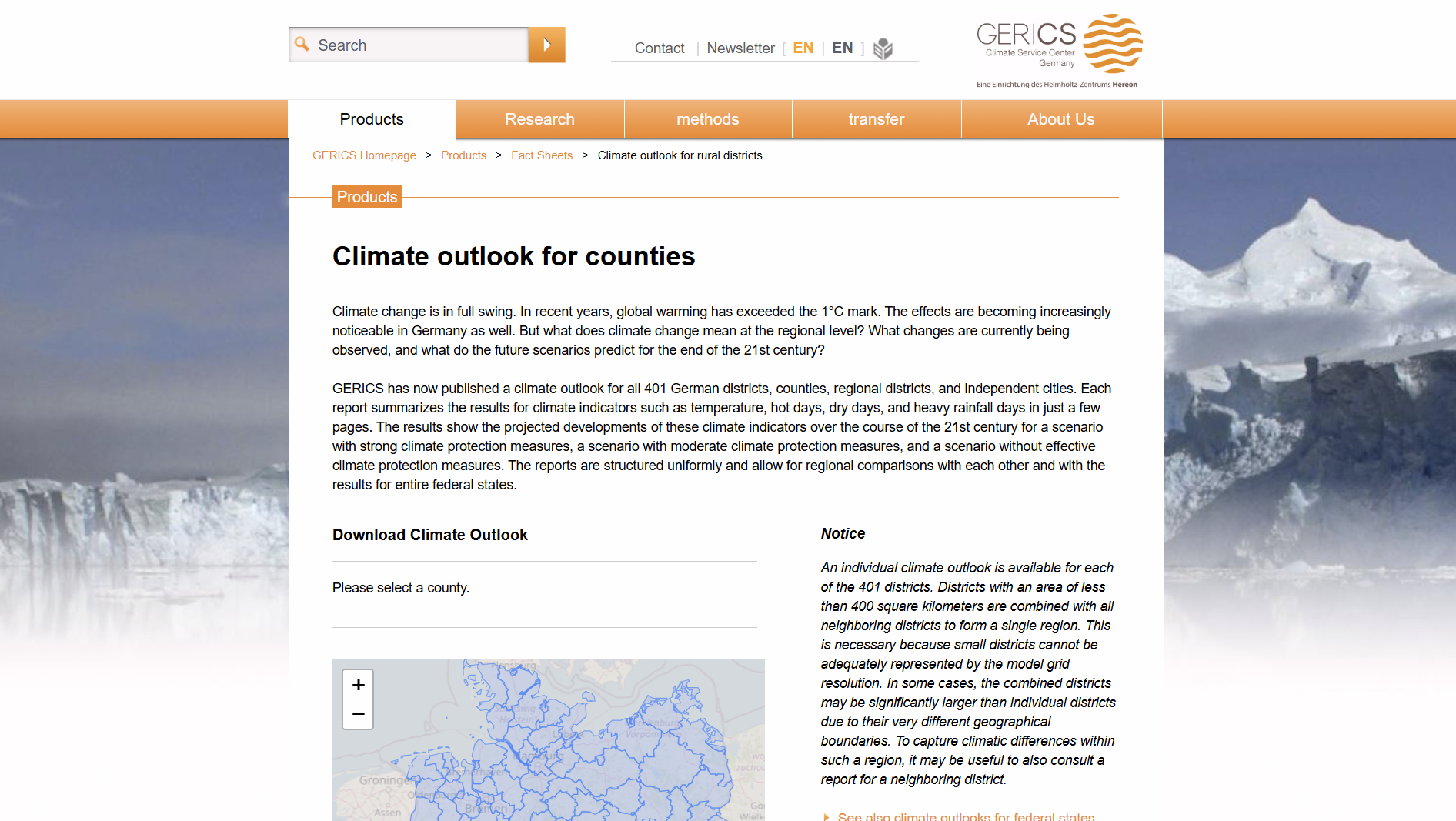
GERICS: Climate Service Center Germany
This tool provides climate impact fact sheets for German rural districts (Landkreise), developed by GERICS. It offers region-specific climate indicators, projections, and risks to support evidence-based decision-making, adaptation planning, and risk assessment relevant to public authorities and finance professionals.
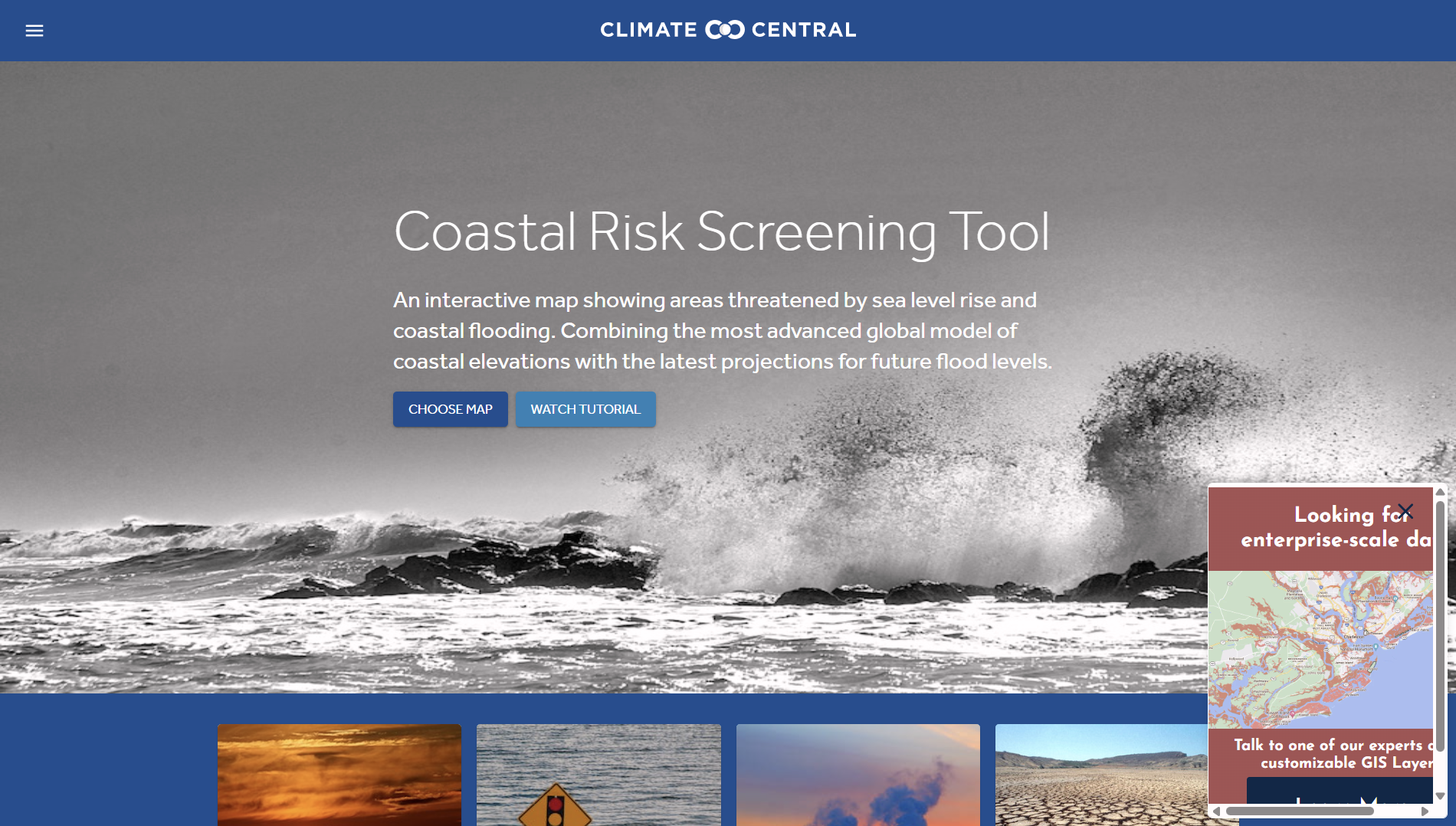
Climate Central: Coastal Risk Screening Tool
The Coastal Risk Screening Tool by Climate Central provides interactive maps and data showing current and future coastal flood exposure from sea-level rise and storm surge. It supports financial risk assessment, asset screening, and location-based climate impact analysis for coastal regions.
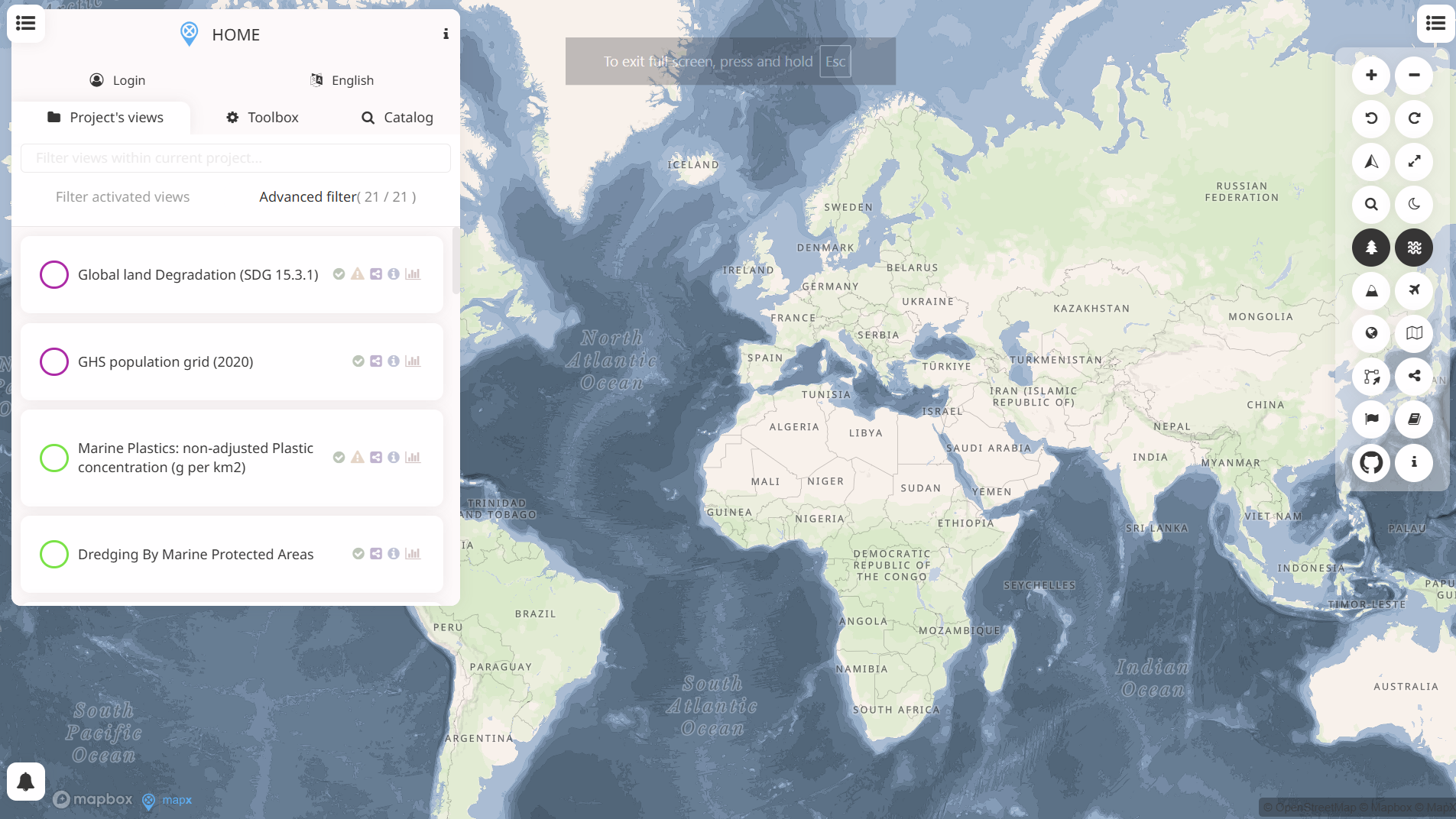
WESR: Risk
WESR: Risk is an analytical tool that examines systemic environmental and societal risks and their potential economic impacts. It provides structured insights into risk drivers, interconnections and long-term trends, supporting high-level risk identification and contextual analysis for finance and investment decision-making.

Climate Interactive
Climate Interactive creates and shares scientifically grounded climate simulators and interactive tools that help users explore climate solutions, energy policy impacts and systems thinking. It supports workshops, role-playing games and training to inform effective, equitable climate action worldwide, with tools like En-ROADS and C-ROADS widely used by educators and policymakers.

Climate Central
Climate Central is an independent, non-profit organisation that researches and communicates climate science. It produces data-driven analysis, visual tools, and reports on climate change, sea-level rise, and extreme weather. Climate Central supports journalists, decision-makers, and the public with accessible, evidence-based climate information for global risk assessment and climate literacy initiatives.
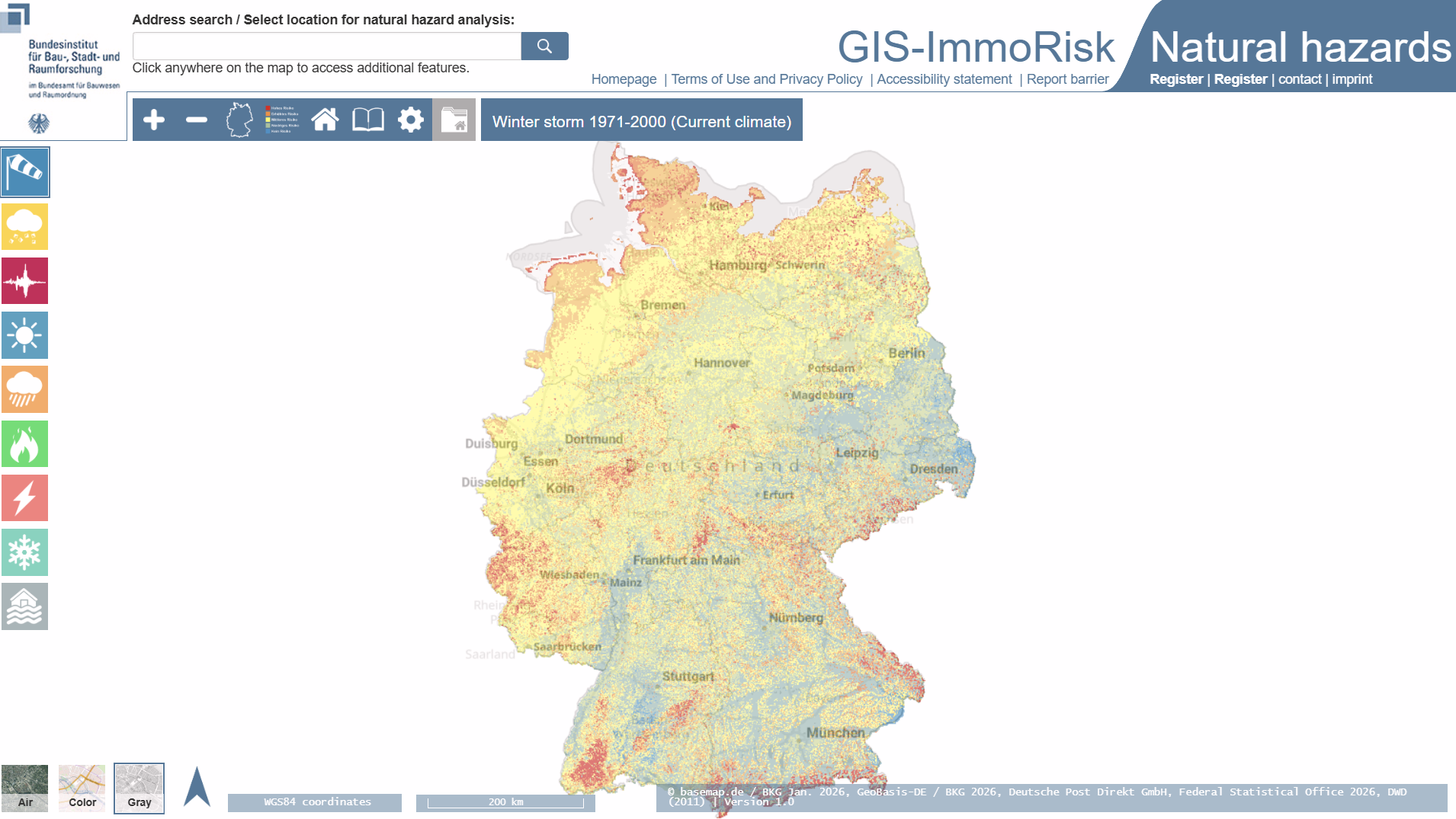
GIS-ImmoRisk Natural Hazard (GIS-ImmoRisk Naturgefahren)
GIS-ImmoRisk Naturgefahren is a German web-based GIS tool for assessing natural hazard exposure and property-specific risk from events such as floods, storms, heat and earthquakes. It combines location-based hazard data with building characteristics to inform risk analysis and investment decisions for real estate professionals.
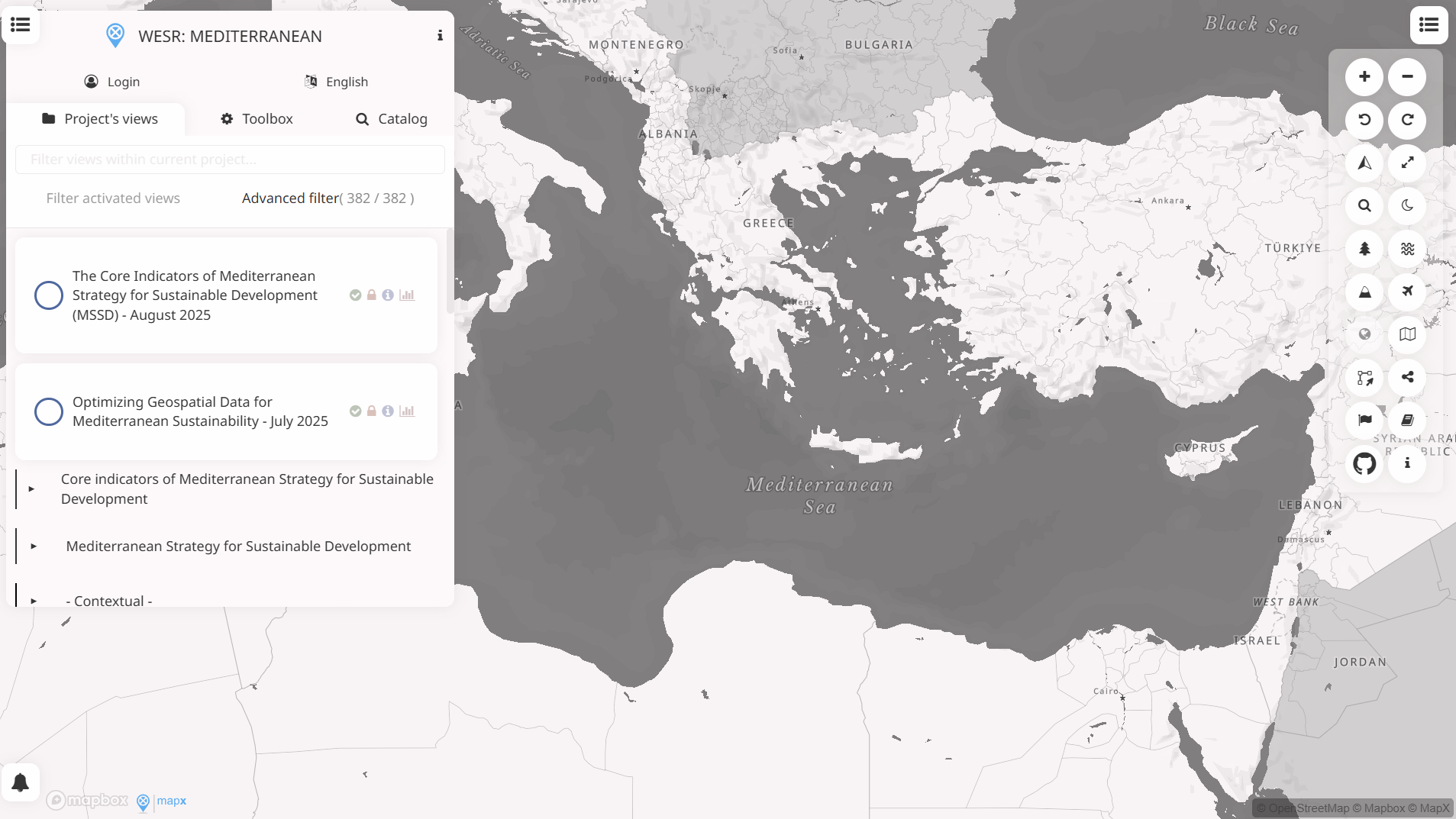
WESR: Mediterranean
The WESR: Mediterranean MapX project provides geospatial data on environmental stressors and ecosystem risks across the Mediterranean region. It supports analysis of climate, biodiversity and resource pressures, offering spatial evidence to inform environmental risk assessment and sustainability considerations relevant to finance and investment decision-making.
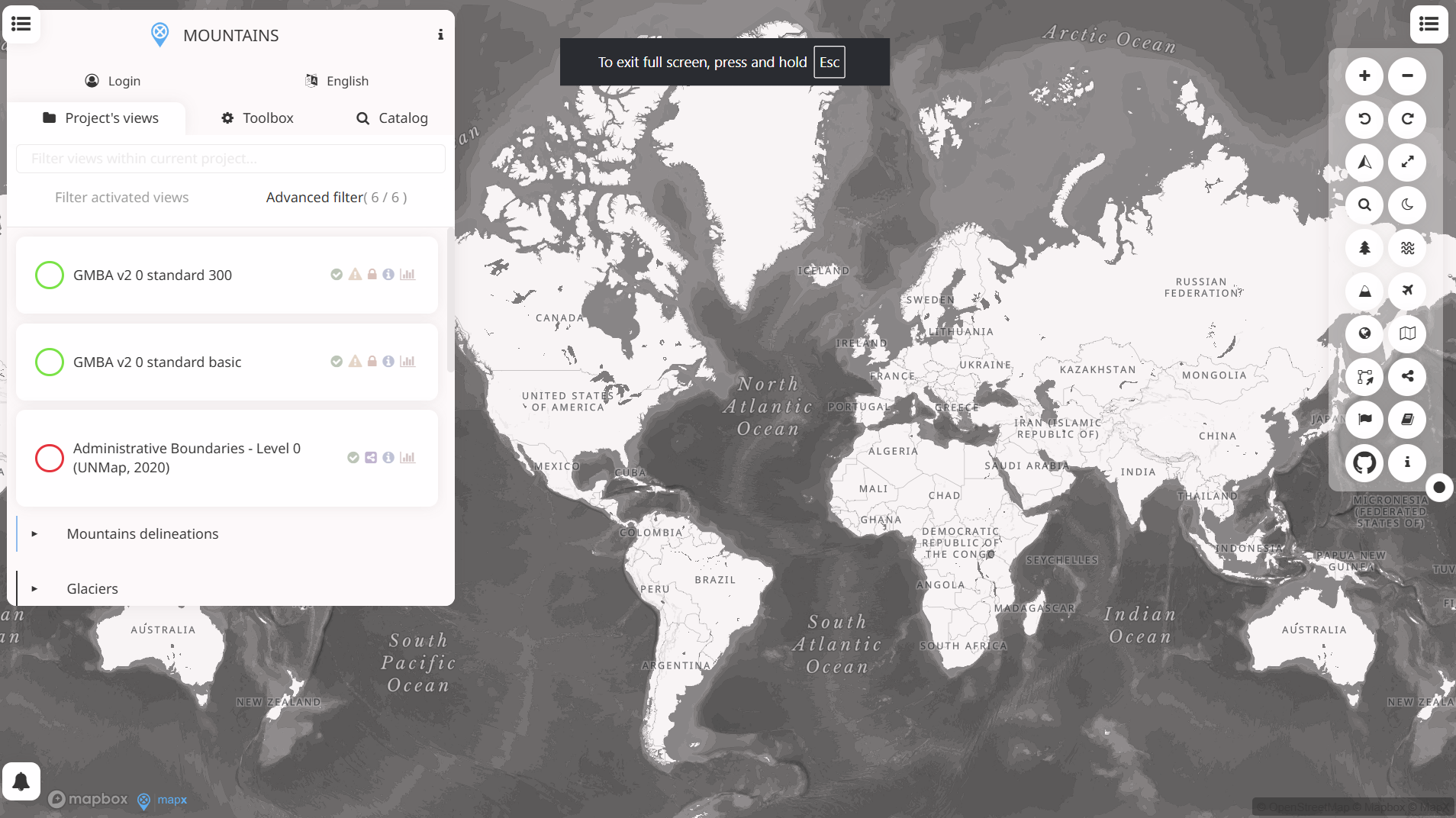
WESR: Mountain
WESR: Mountains on MapX is a geospatial tool that maps environmental and socio-economic indicators across mountain regions. It supports spatial analysis of climate, biodiversity and livelihoods, enabling evidence-based assessment of risks, resilience and sustainable development priorities in mountain ecosystems.
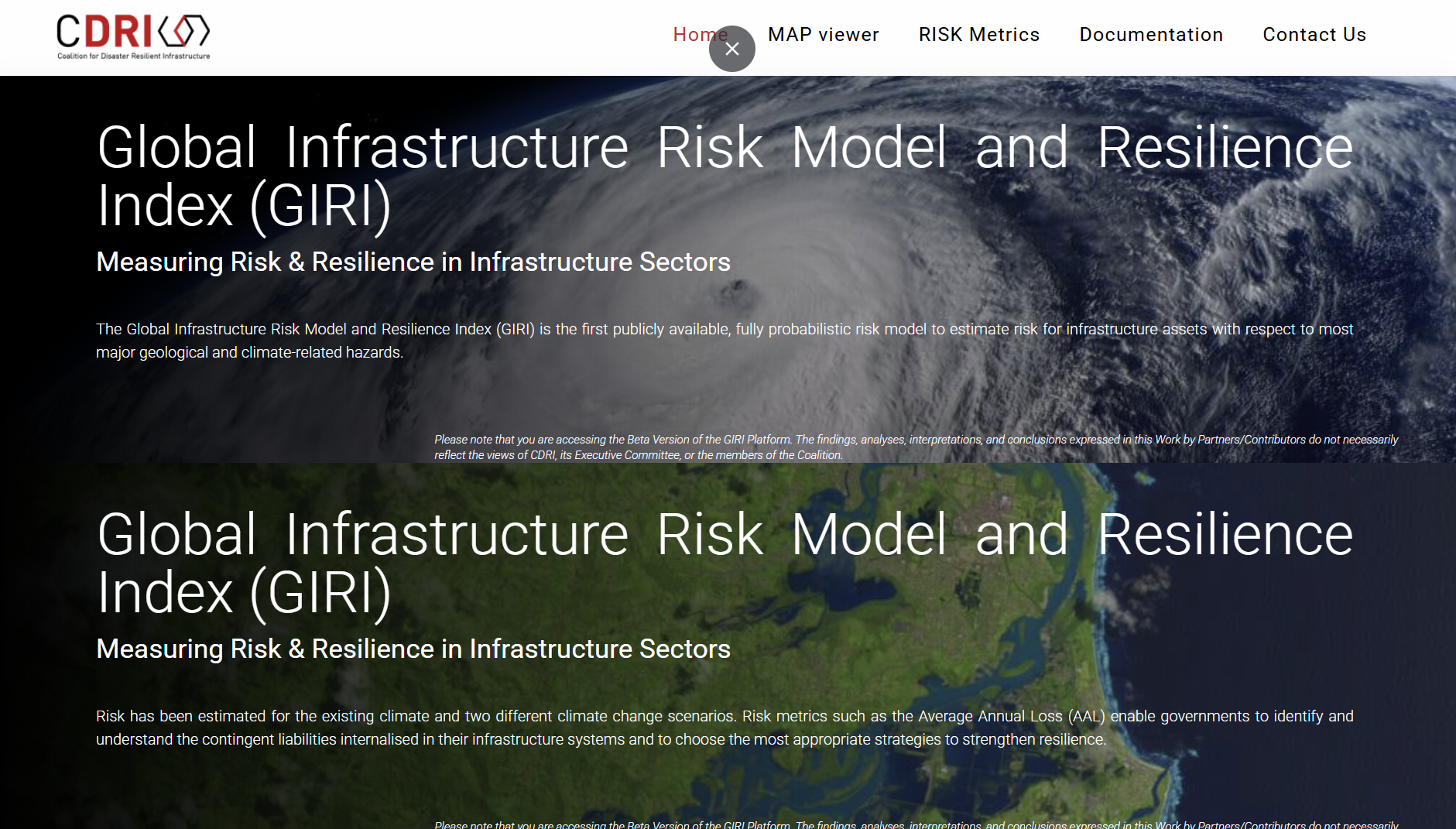
Global Infrastructure Risk Model and Resilience Index (GIRI)
The Global Infrastructure Risk Model and Resilience Index (GIRI) is a public, probabilistic model estimating infrastructure risk from major geological and climate hazards and resilience across sectors. It provides metrics like Average Annual Loss to inform national infrastructure risk assessment and resilience planning.


