
Library | Resource Types
Article
Articles featured on Altiorem are mostly written by volunteers. Topics are selected based on the expertise of volunteers, industry trends and popular topics in sustainable finance.
Refine
113 results
REFINE
SHOW: 16


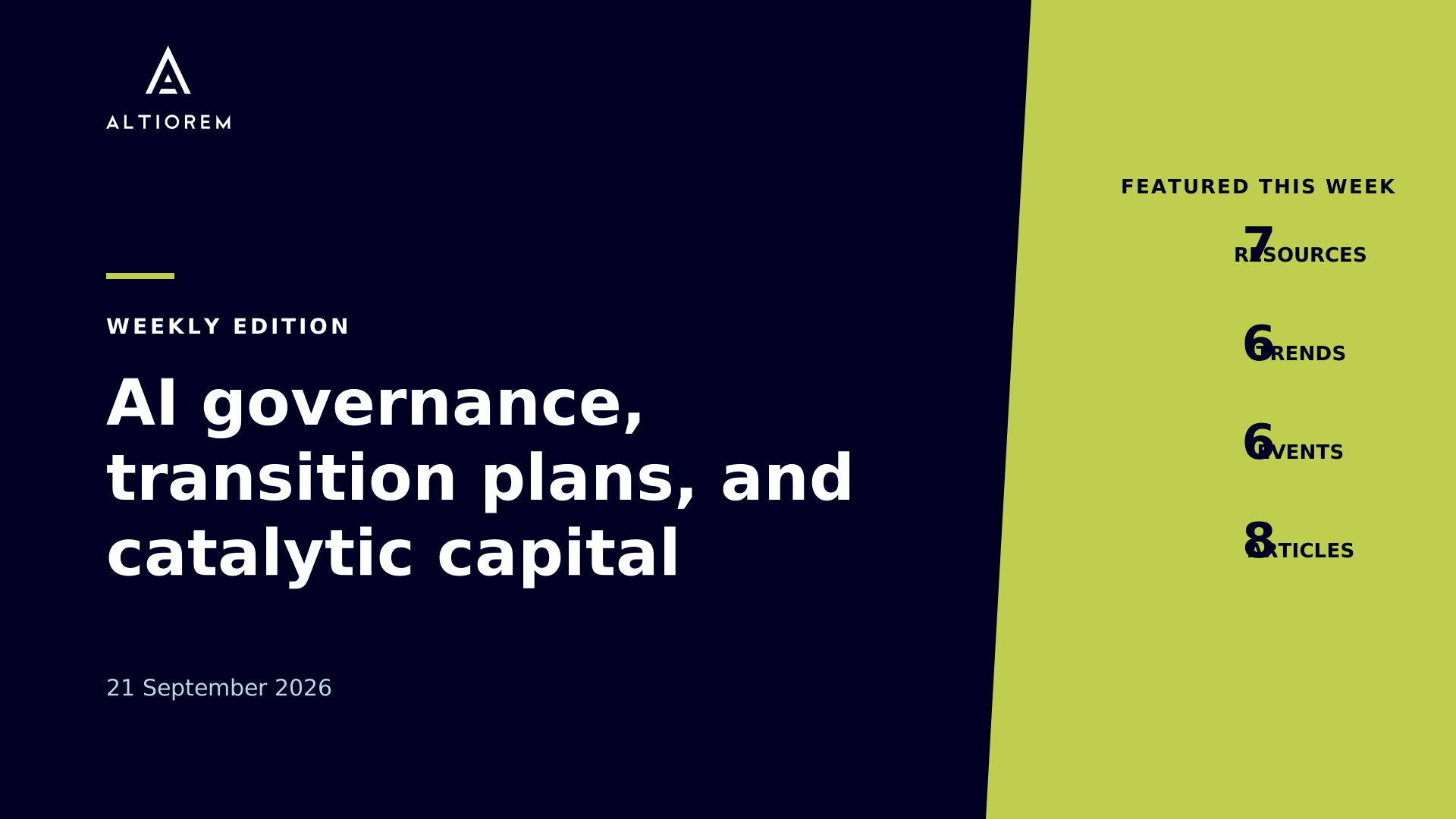
Altiorem Weekly - 21 September 2026
Research from the Transition Plan Taskforce provides a framework for climate transition disclosures, while studies from the US Census Bureau and Columbia University analyse the impact of AI and automation on workforce dynamics. The issue highlights the World Bank mobilising $22 billion in private capital for Africa and examines the health impacts of industrial pollution from Sasol's Secunda operations. Additional insights cover why agricultural finance should recognise healthy soil as a financial asset and the legal implications of forestry debris for directors' duties.

The Tao of Dolly Parton
Oliver Campbell finds seven principles of long-term investing in Dolly Parton's own words, from enduring volatility to backing management teams who build something worth outliving them.
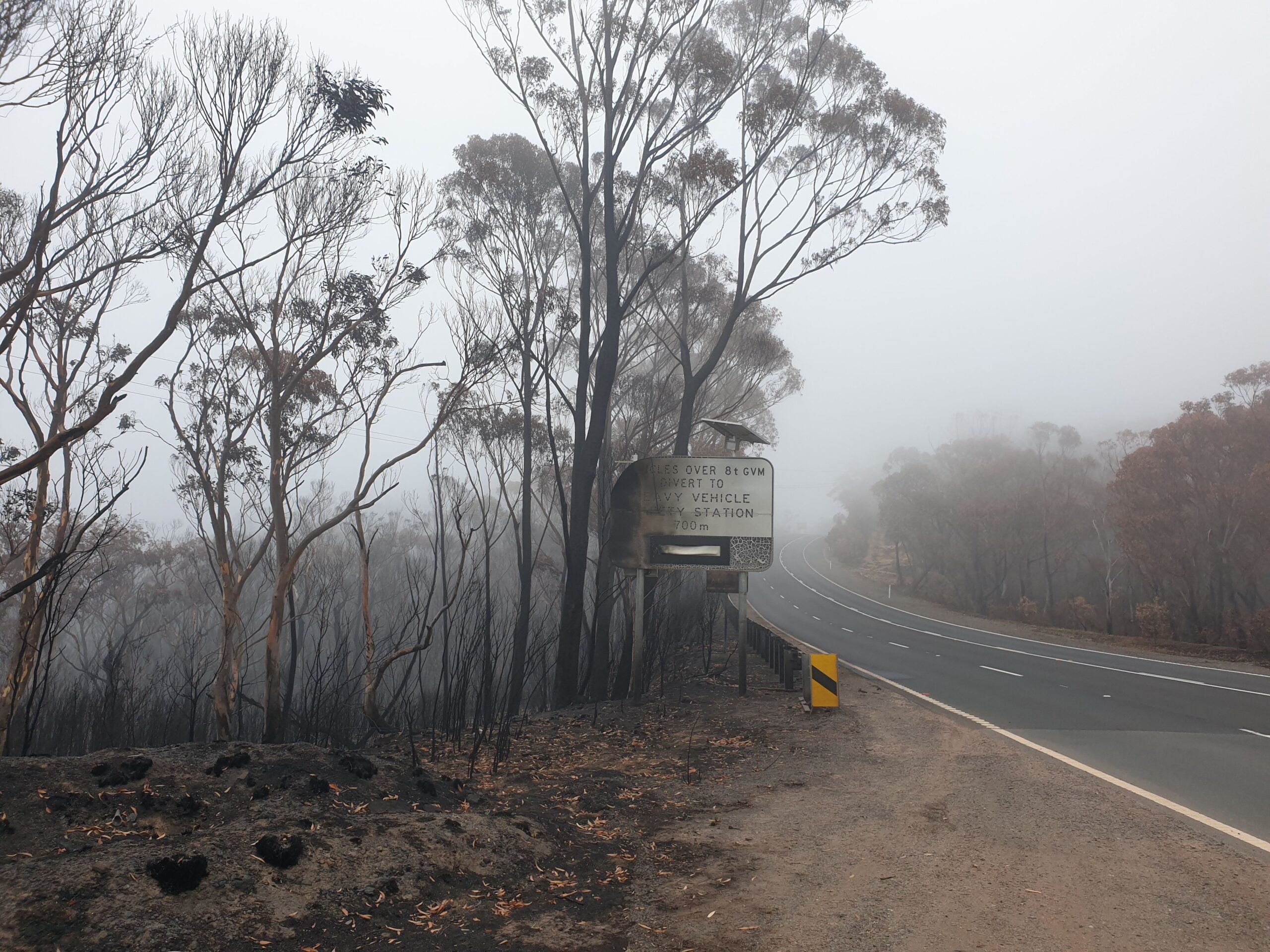
Returned of the Damned Child: How is Climate Change Reshaping ENSO? - Part 2
Part two of Alexander Pui and Bruce Buckley's ENSO series: rising volatility, climate whiplash, and a region-by-region outlook for rainfall, temperature and typhoons across Asia-Pacific. Republished from the Actuaries Institute.
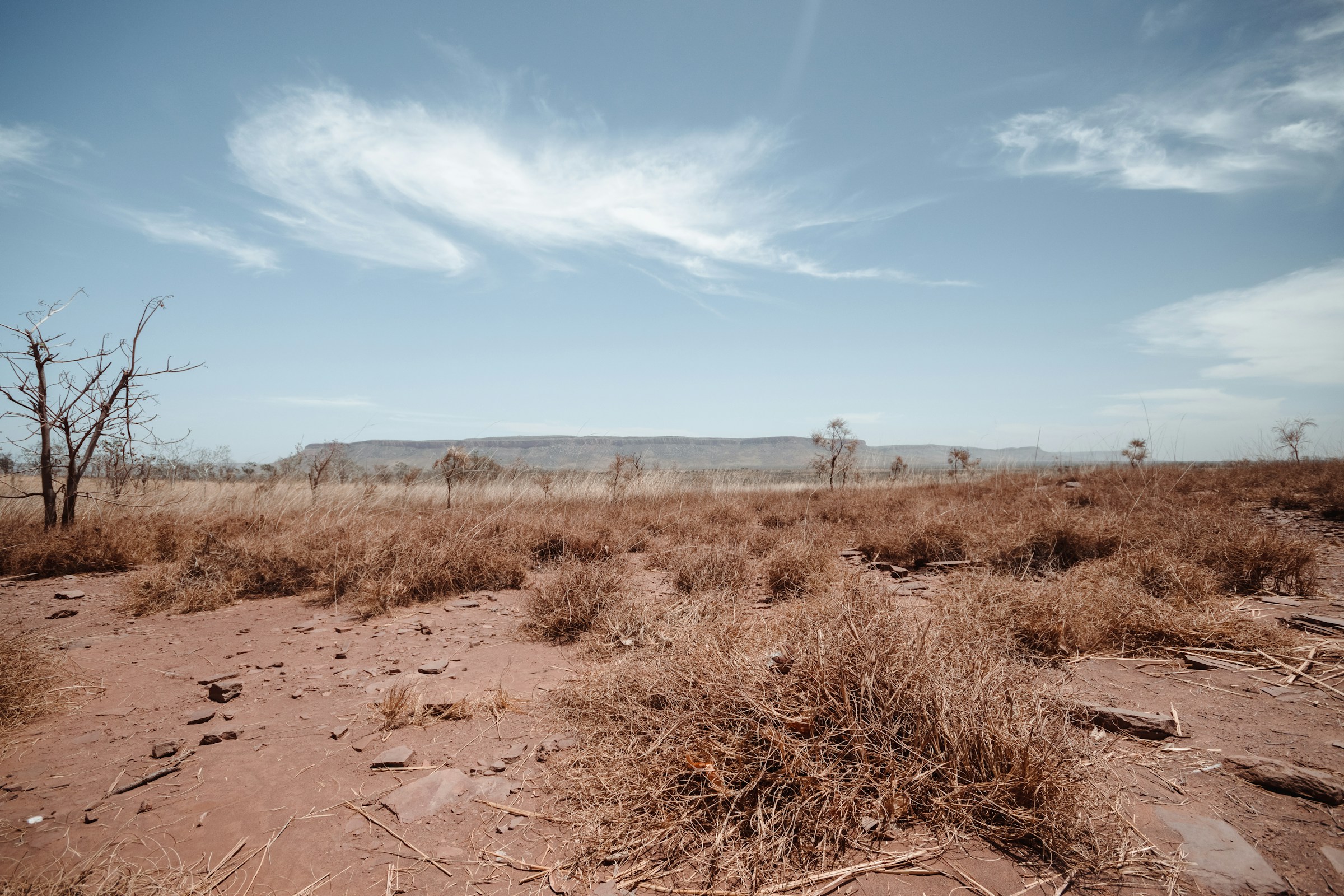
Return of the Damned Child: Understanding ENSO in a Changing Climate - Part 1
Actuaries Alexander Pui and Bruce Buckley explain how El Nino events are declared and predicted, why forecasts break down in autumn, and what ENSO really does to rainfall, flood and bushfire risk. Republished from the Actuaries Institute.
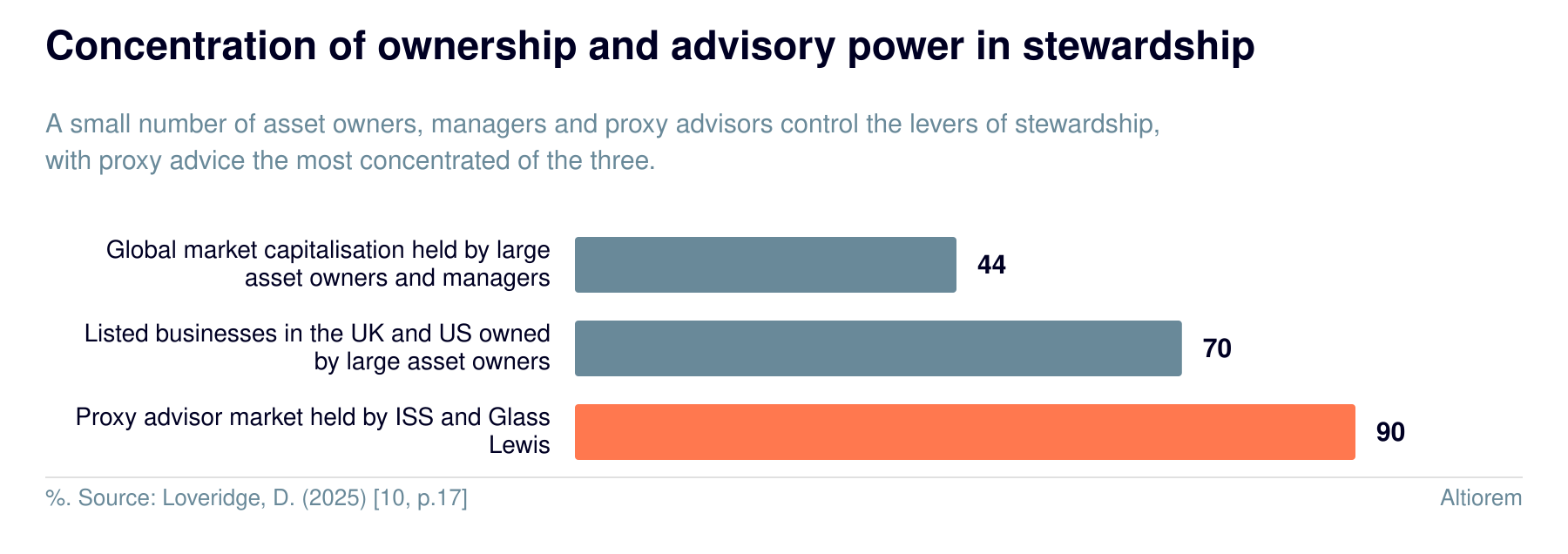
Does stewardship work in controversial sectors?
As at 2025 there were 56 stewardship codes worldwide, 49 of them jurisdiction-specific across 24 jurisdictions and six continents, yet the field has not agreed what stewardship is ultimately for. Codes and practitioner guidance converge on process: written policies, prioritisation by severity, escalation, contribution reporting. Legal scholarship published in 2026 questions whether shareholder pressure alone shifts corporate behaviour at all.
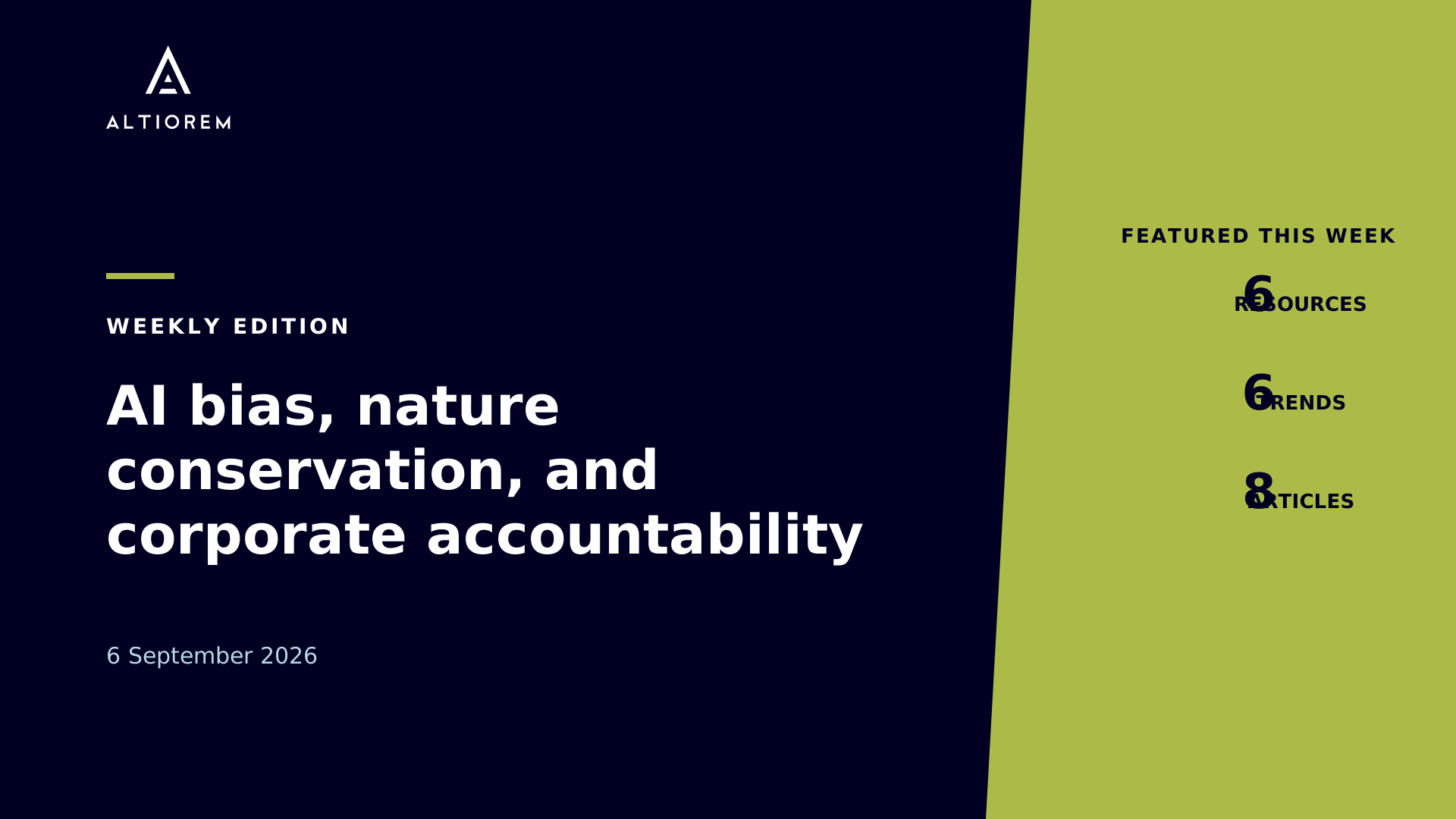
Altiorem Weekly - 6 September 2026
Altiorem has rebuilt its chatbot, Alma, indexing over 113,000 pages of research to allow professionals to commission automated briefing notes and analysis. This update accompanies new research on energy efficiency for data centres, human accountability for AI bias, and the CPA-Zicklin Index of corporate political accountability. Regional developments featured include Gabon’s $200 million biodiversity conservation programme and China’s 15th Five-Year Plan targeting 25.8% forest coverage by 2030, alongside analysis of record green bond issuance in 2026.
Best practice transition plans for listed equity asset managers
Most listed equity managers now have a target. Fewer have a plan that shows how it will be met. By January 2024, 264 Net Zero Asset Managers signatories had had their targets reviewed. Method is no longer the hard part.
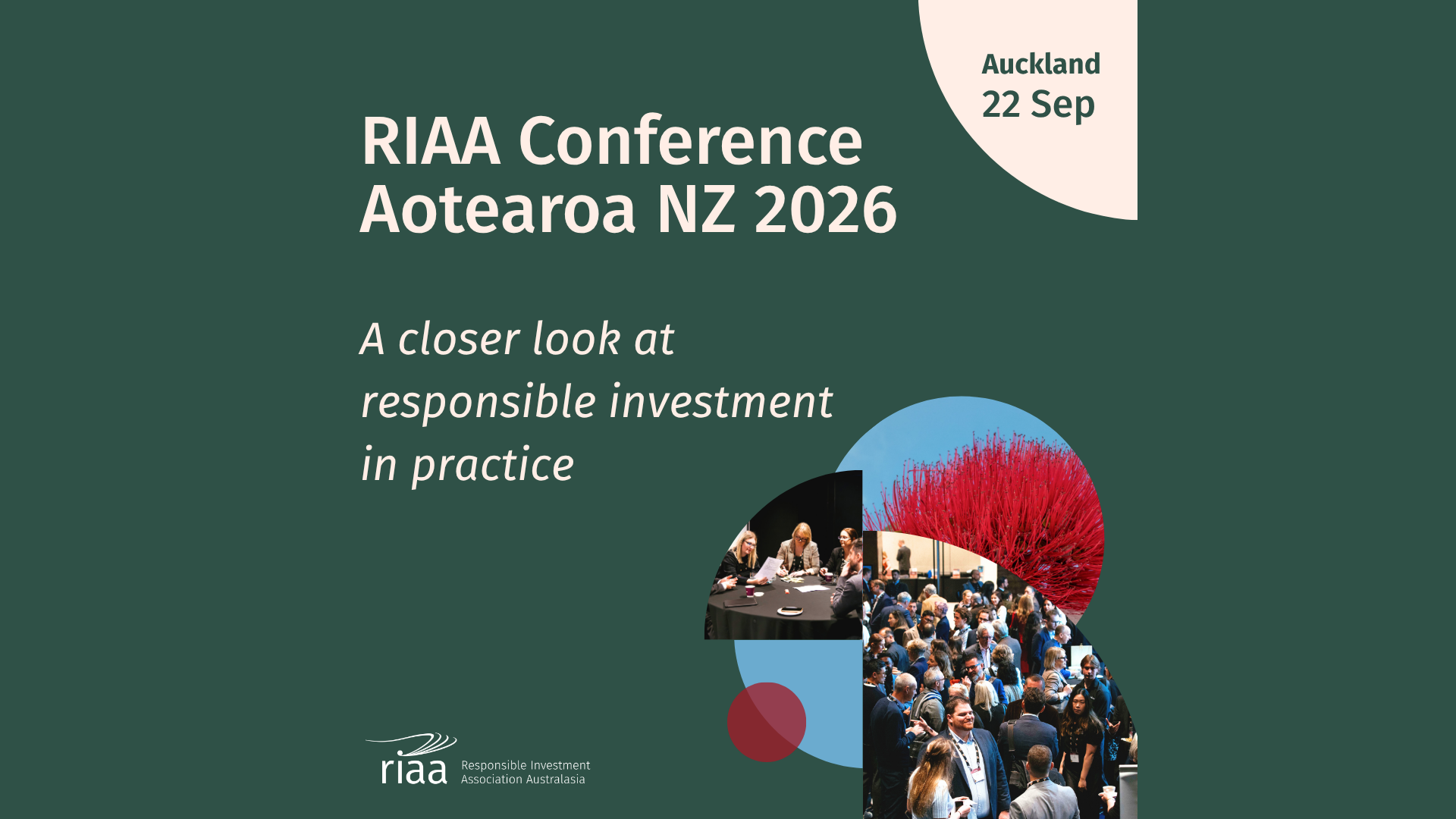
RIAA Conference Aotearoa NZ 2026 – Companion Resources
Responsible investment in Aotearoa New Zealand is being tested in practice. The RIAA Conference Aotearoa NZ 2026 brings the country’s investors, advisers, issuers and policymakers together for a single day on what implementation actually looks like: SDG-aligned claims that stand up to scrutiny, the capital behind electrification, modern slavery without a legislative baseline, defence and dual-use technology, the ethics of artificial intelligence, and the systemic risks no portfolio can diversify away. These specially curated companion resources have been recommended by the conference speakers and the Altiorem team.
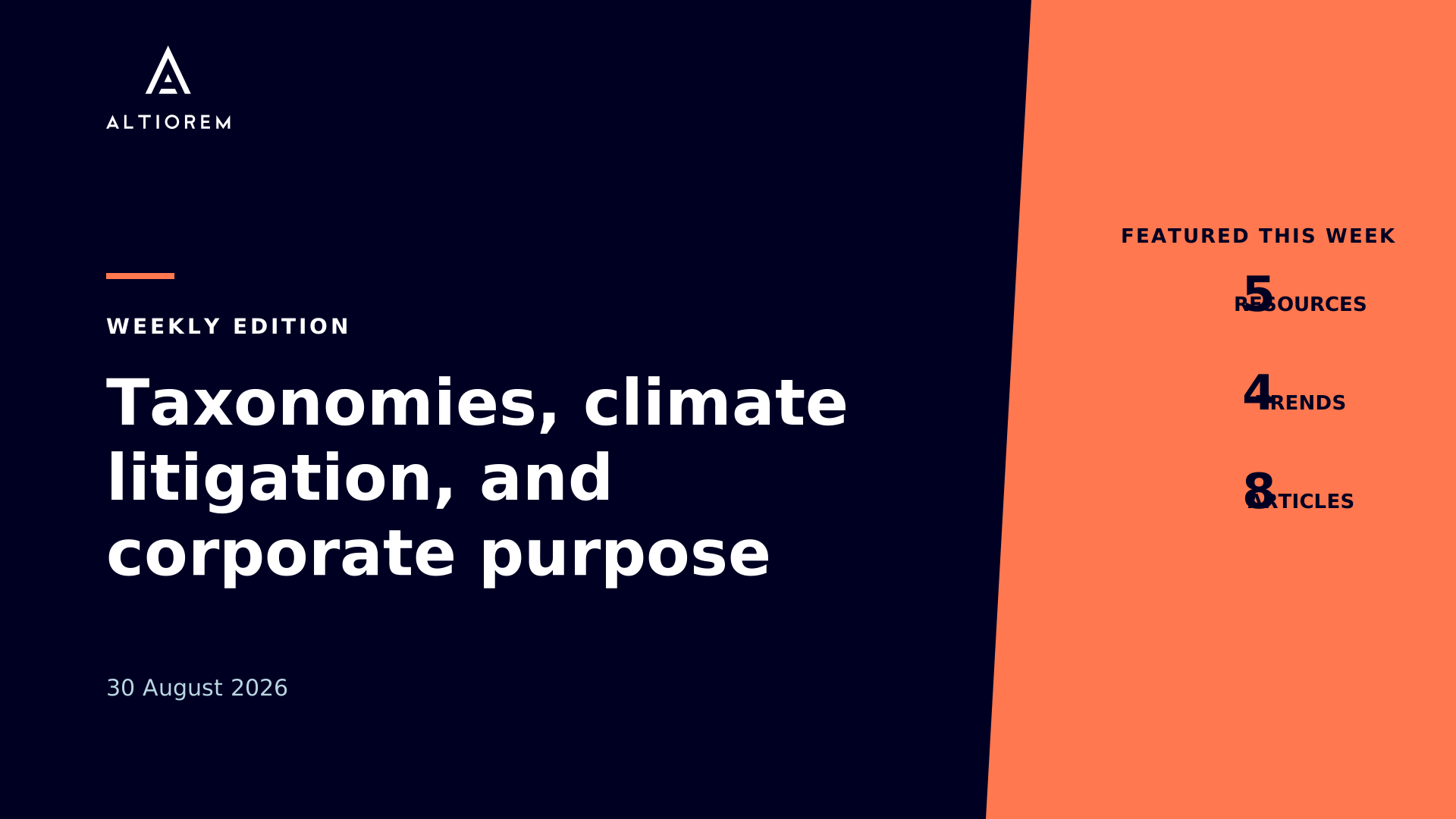
Altiorem Weekly - 30 August 2026
Rising climate premiums on commercial real estate insurance and the limitations of shareholder-driven corporate social responsibility are analysed in the latest research. Legal developments include New Zealand’s legislation protecting emitters from climate lawsuits and a Nigerian court order regarding oil spill remediation. The collection also covers the ASEAN sustainable finance market, a playbook for blended finance, and the implications of the ACCR v Santos greenwashing ruling.
Altiorem Weekly - 23 August 2026
This issue covers new governance research on artificial intelligence's role in sustainability transitions from the Columbia Center on Sustainable Investment, alongside the ILO's 2026 global youth employment outlook. Legal and regulatory developments feature prominently, including South Africa's Constitutional Court overturning Shell's Wild Coast exploration rights and the SEC's decision to permanently end its no-action role in shareholder proposal disputes.
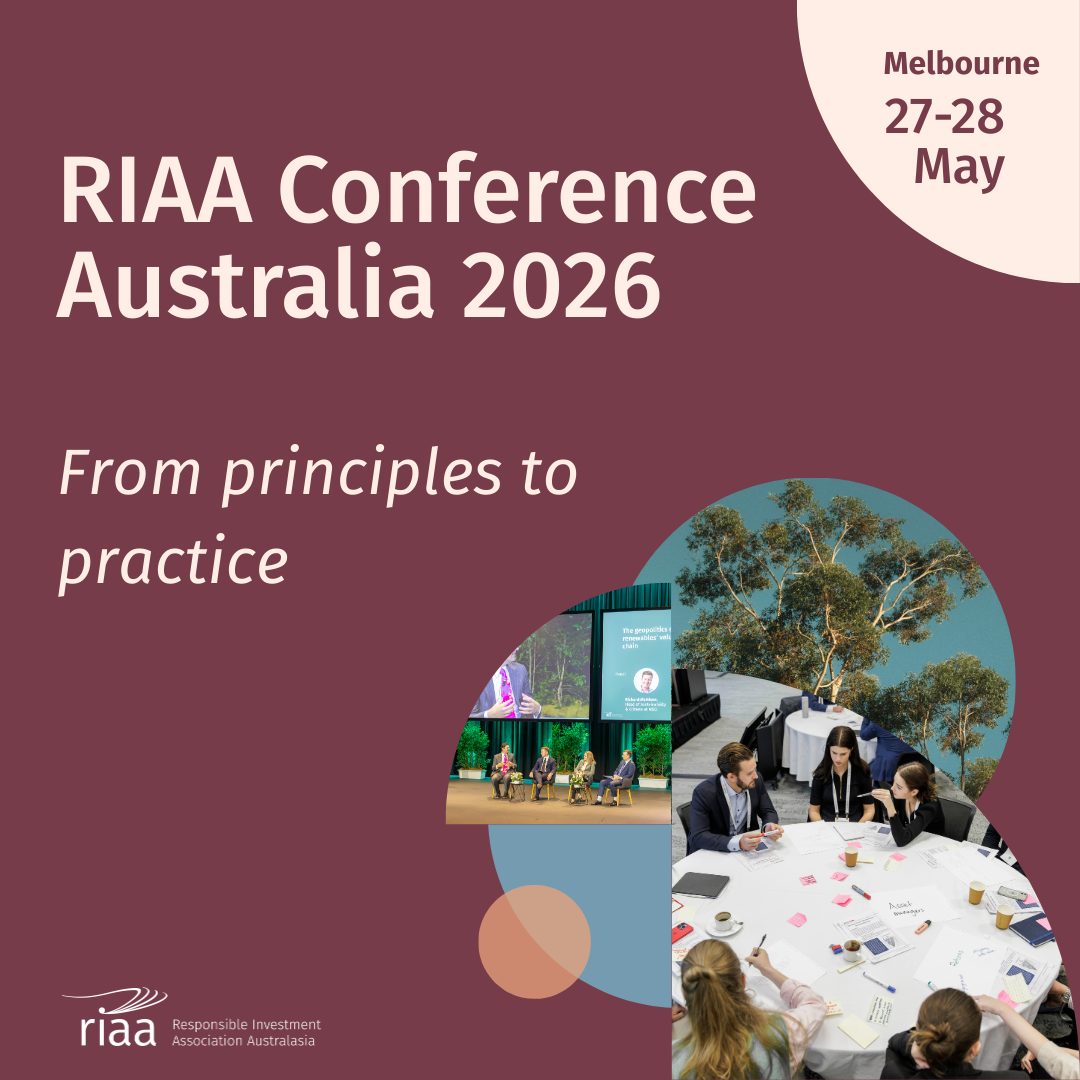
RIAA Conference Australia 2026 - Companion Resources
Responsible investment has moved well beyond principles and pledges. Today’s challenges require practical capability and informed judgement. The RIAA Conference is a must-attend event for finance, sustainability and industry practitioners who want to focus on the key themes for responsible investment in 2026 and what implementation really looks like. Designed as an immersive, hands-on experience, the program focuses on the systems that underpin strong financial performance, and will help you understand how climate, nature, technology, governance and regulation intersect.
These specially curated companion resources have been recommended by the conference speakers and Altiorem team.
These specially curated companion resources have been recommended by the conference speakers and Altiorem team.

Sustainable Innovations: What Businesses Can Learn from the Intelligence of Nature
The article explores how businesses can draw inspiration from nature’s intelligence to drive sustainable innovation. It clarifies the concept of materiality in climate disclosures, distinguishing key ESG elements and offering practical guidance for reporting. By aligning business strategies with natural systems, organisations can better manage risks, enhance resilience, and create long-term value.
Sustainable Finance Roundup March 2026: Markets, Climate Risk, and the Transition in Practice
This month’s sustainability roundup captures a shift from framework development to real-world application, where climate and nature risks are increasingly embedded across financial systems, legal accountability, and decision-making. It highlights how intensifying physical climate signals, evolving disclosures, and maturing litigation are converging with insights on sovereign risk, energy systems, and corporate strategy. Together, these developments show how sustainability is moving beyond principle—being tested, priced, and enforced across markets, regulation, and the real economy.
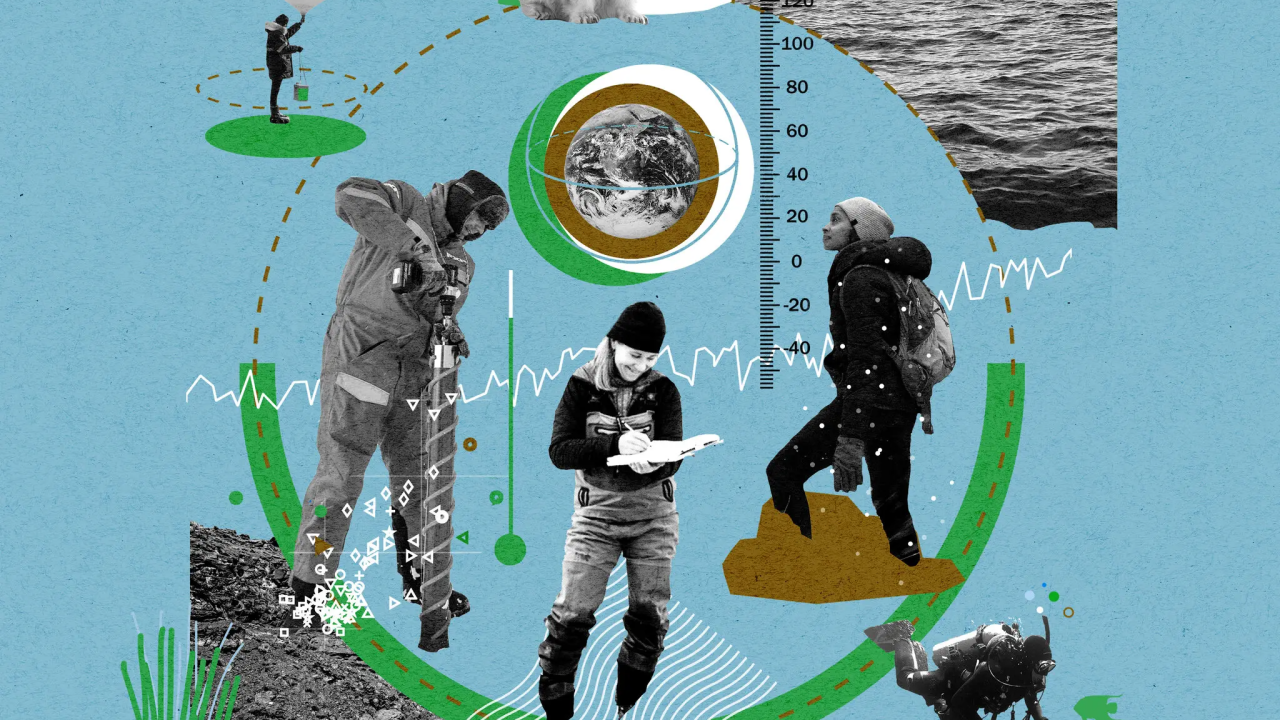
Private doubts, collective conformity: the Power and fragility of climate narratives
This article examines why current climate frameworks persist despite widespread professional skepticism, highlighting institutional incentives and “preference falsification” as key drivers. It calls for more open, cross-sector dialogue focused on diagnosing real problems and unlocking practical, system-level solutions.

Life, Climate Volatility, and What Comes After the Final No: Part 3—AFTER THE FINAL NO.
This final article in a three-part series explores how to navigate resistance to systemic change. Drawing on personal experience, it outlines a framework for resilience—building alliances, embracing interdisciplinary thinking, and storytelling—empowering leaders to persist through setbacks and turn persistent “no” into transformative, collective “yes.”
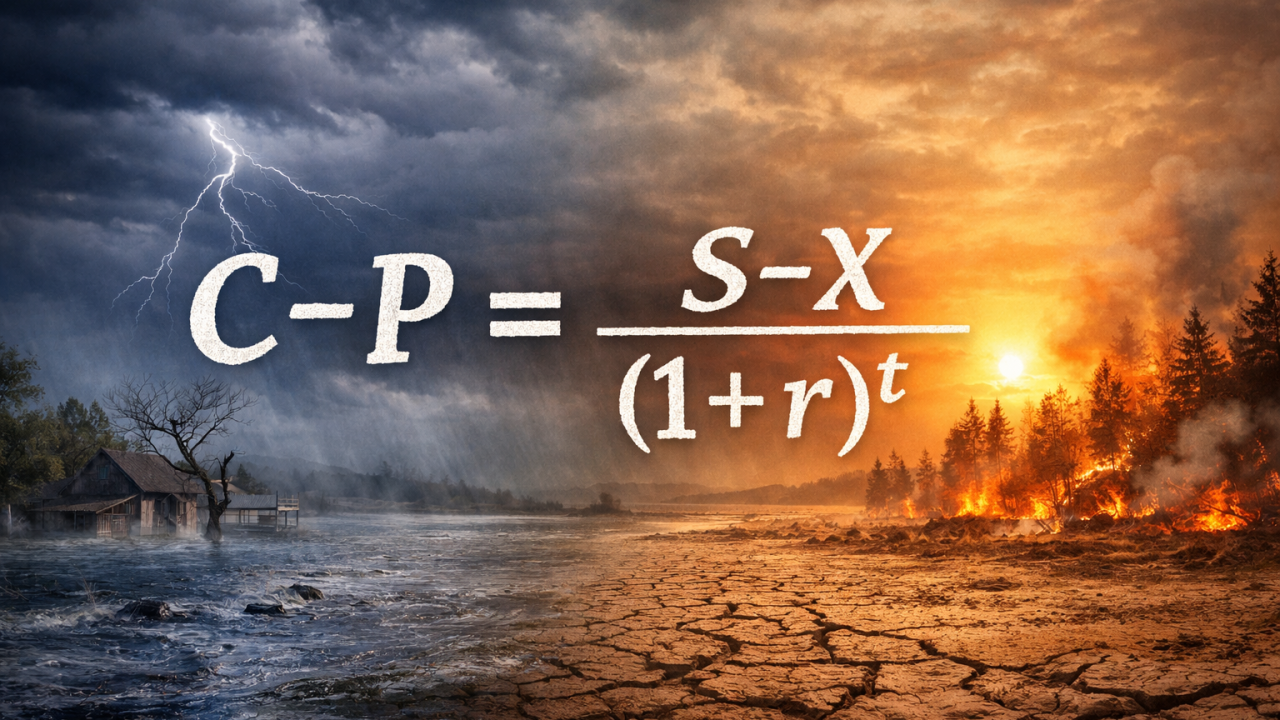
Life, Climate Volatility, and What Comes After the Final No: Part 2—CLIMATE VOLATILITY
This second article in a three-part series reframes climate change as volatility rather than warming. Drawing on finance and systems thinking, it explores how risk pricing, redesigned economic incentives, and nature-based solutions can build resilience, urging leaders to manage climate as the ultimate systemic risk.


