
Library | Location
Europe (EU)
Refine
493 results
REFINE
SHOW: 16


Open Society Foundations (OSF)
Open Society Foundations (OSF) is a global philanthropic network founded by George Soros that funds civil society organisations, research, and advocacy to promote human rights, democratic governance, and justice. Through grants, impact investing, and policy engagement, it supports initiatives advancing equity, transparency, and accountable institutions across more than 120 countries worldwide.

The Royal United Services Institute (RUSI)
Royal United Services Institute (RUSI) is a UK-based defence and security think tank producing research, analysis and policy insights on international security, terrorism, cyber threats and financial crime. Founded in 1831, it convenes experts, publishes reports and informs government and public debate on global security challenges.
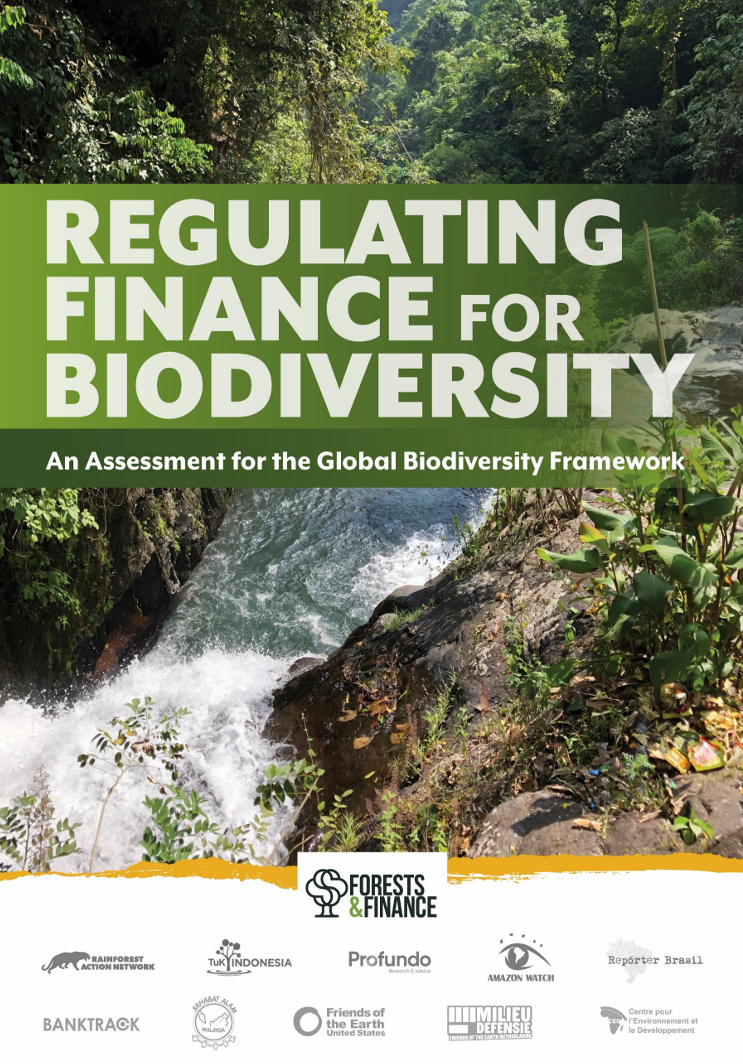
Regulating finance for biodiversity: An assessment for the global biodiversity framework
This report assesses how financial regulation in Indonesia, Brazil, China, the EU and the US aligns with Global Biodiversity Framework targets, finding biodiversity integration generally weak and recommending stronger disclosure, due diligence, taxonomies, sanctions and sector-specific rules to redirect finance away from forest-risk activities.
China sustainable investment review series
The China Sustainable Investment Review is a recurring research series that provides a structured overview of the development of China’s sustainable investment market. It examines policy evolution, market practices, product types, and ESG integration across financial institutions using publicly available information.
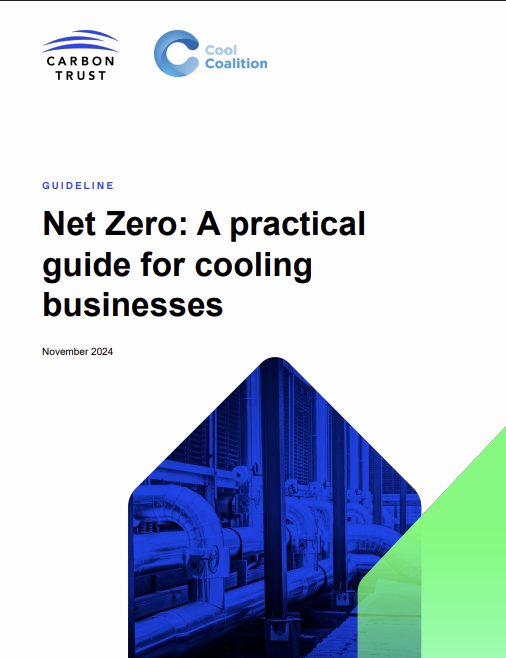
Net zero: A practical guide for cooling businesses
This guideline provides practical guidance for cooling manufacturers to achieve Net Zero by 2050, outlining emissions hotspots, regulatory drivers and decarbonisation levers across Scopes 1–3, with emphasis on efficiency, low-GWP refrigerants, value-chain collaboration and science-based targets.
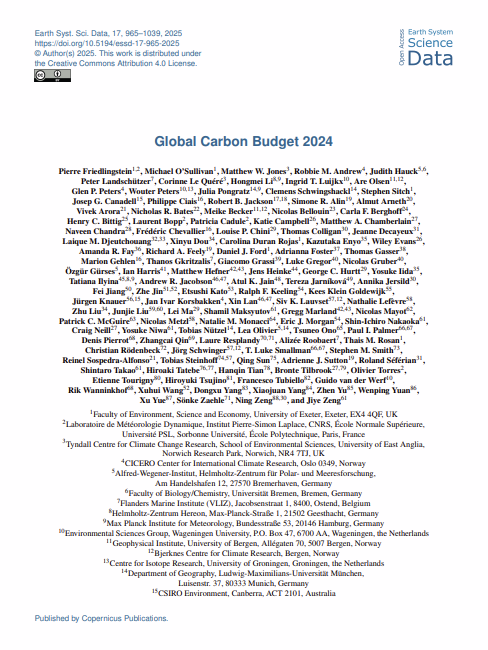
Global carbon budget series
The Global Carbon Budget is a recurring research series that synthesises global data on carbon dioxide sources and sinks. It provides a consistent framework for tracking emissions, atmospheric concentrations, and carbon uptake across land and oceans, supporting analysis of climate system dynamics and policy-relevant assessment over time.
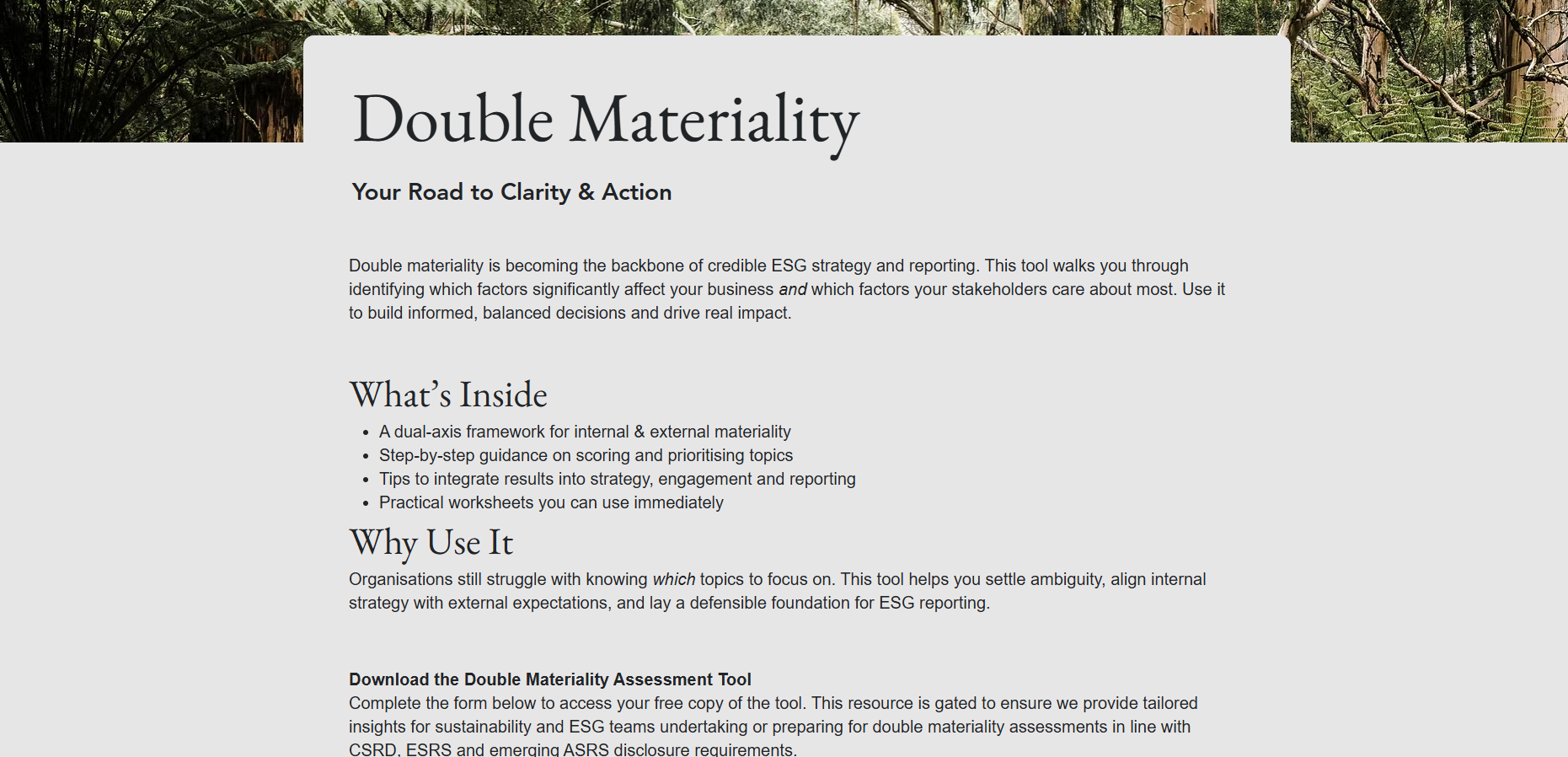
Double Materiality Assessment Tool
The Bloom Sustainability Double Materiality Tool supports CSRD-aligned assessments by identifying, scoring, and prioritising impact and financial risks and opportunities. It combines structured stakeholder input with quantitative scoring to document materiality outcomes and provide audit-ready outputs for sustainability and ESG reporting.
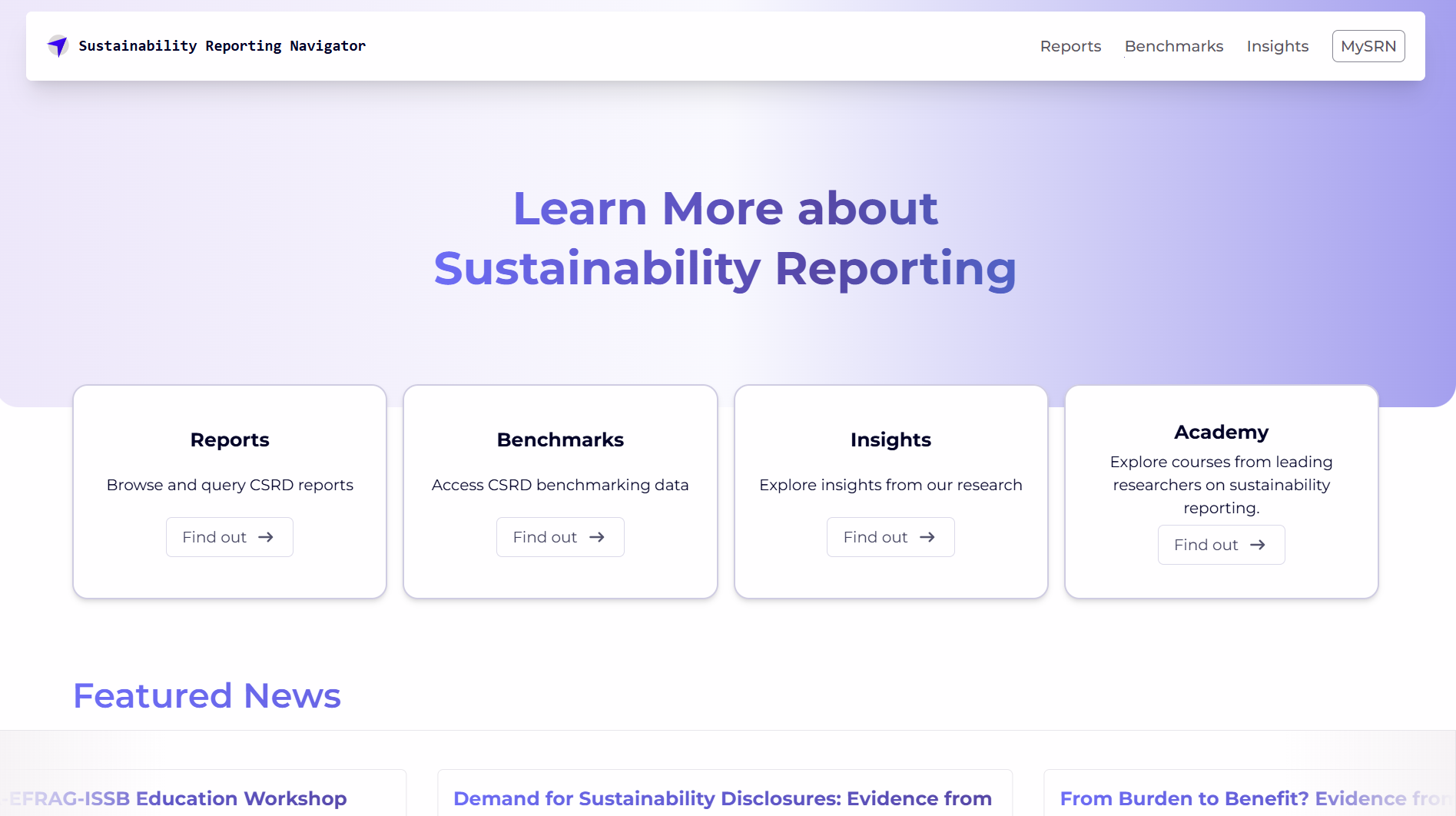
Sustainability Reporting Navigator
Sustainability Reporting Navigator (SRNAV) is an online database and benchmarking platform providing access to over 500 mandatory CSRD sustainability reports, interactive comparison tools and research insights to support systematic analysis of corporate sustainability disclosures. It includes a free benchmarking hub for reports and disclosure data under the EU CSRD regime. Accounting Research Centre (ARC) is a research centre operated within the EAA, created to develop and host research tools and databases such as SRNAV.
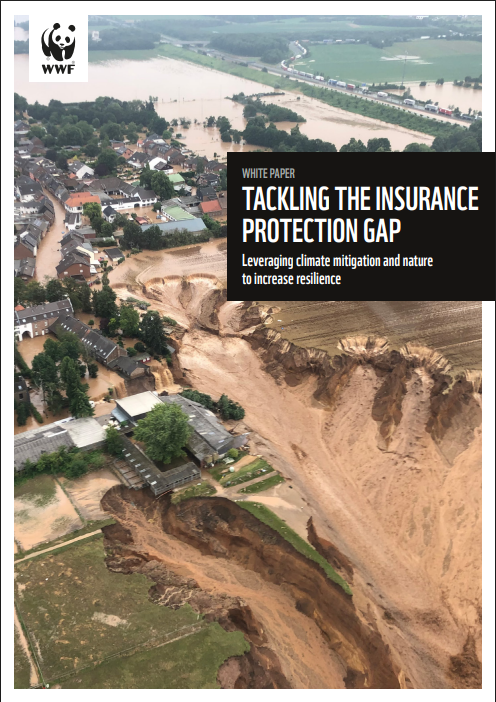
Tackling the insurance protection gap: Leveraging climate mitigation and nature to increase resilience
This white paper analyses how climate change and nature loss are widening insurance protection gaps in advanced economies. It outlines impacts on affordability and coverage, and recommends combining climate mitigation, nature-based solutions, and regulatory reforms to strengthen resilience and maintain insurability.
Paris Agreement Capital Transition Assessment
PACTA for Banks is a free, open-source climate scenario analysis toolkit that enables banks to assess how well their corporate lending portfolios align with climate scenarios, using sector and asset-level data to inform lending strategy and climate target-setting.
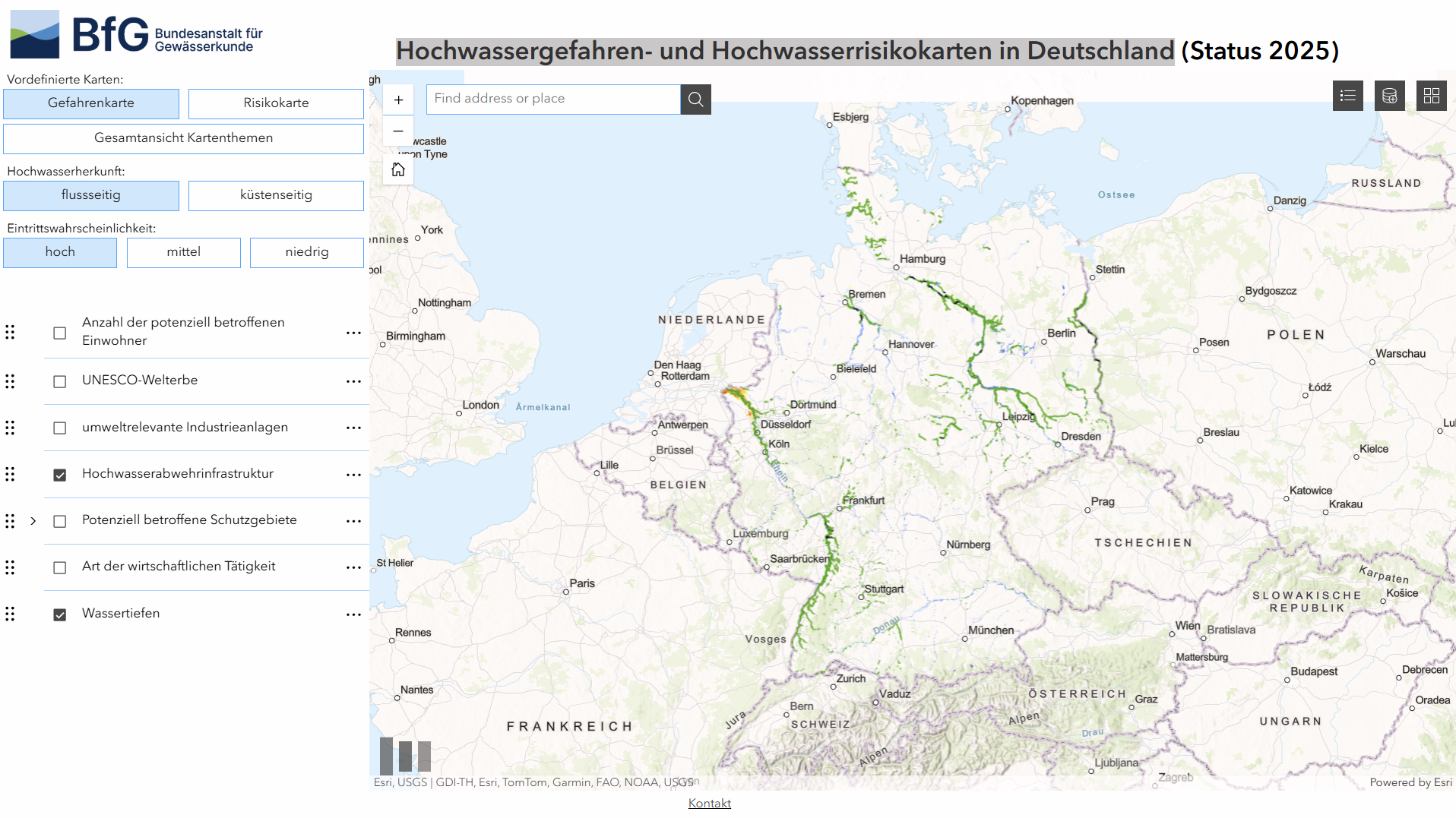
Flood hazard and flood risk maps in Germany (Hochwassergefahren- und Hochwasserrisikokarten in Deutschland)
A German Federal Institute of Hydrology geoportal showing current national flood hazard and risk maps, combining official flood extent, probability and risk layers for reporting under the EU Floods Directive. It supports spatial analysis and links to regional hazard data from responsible authorities.
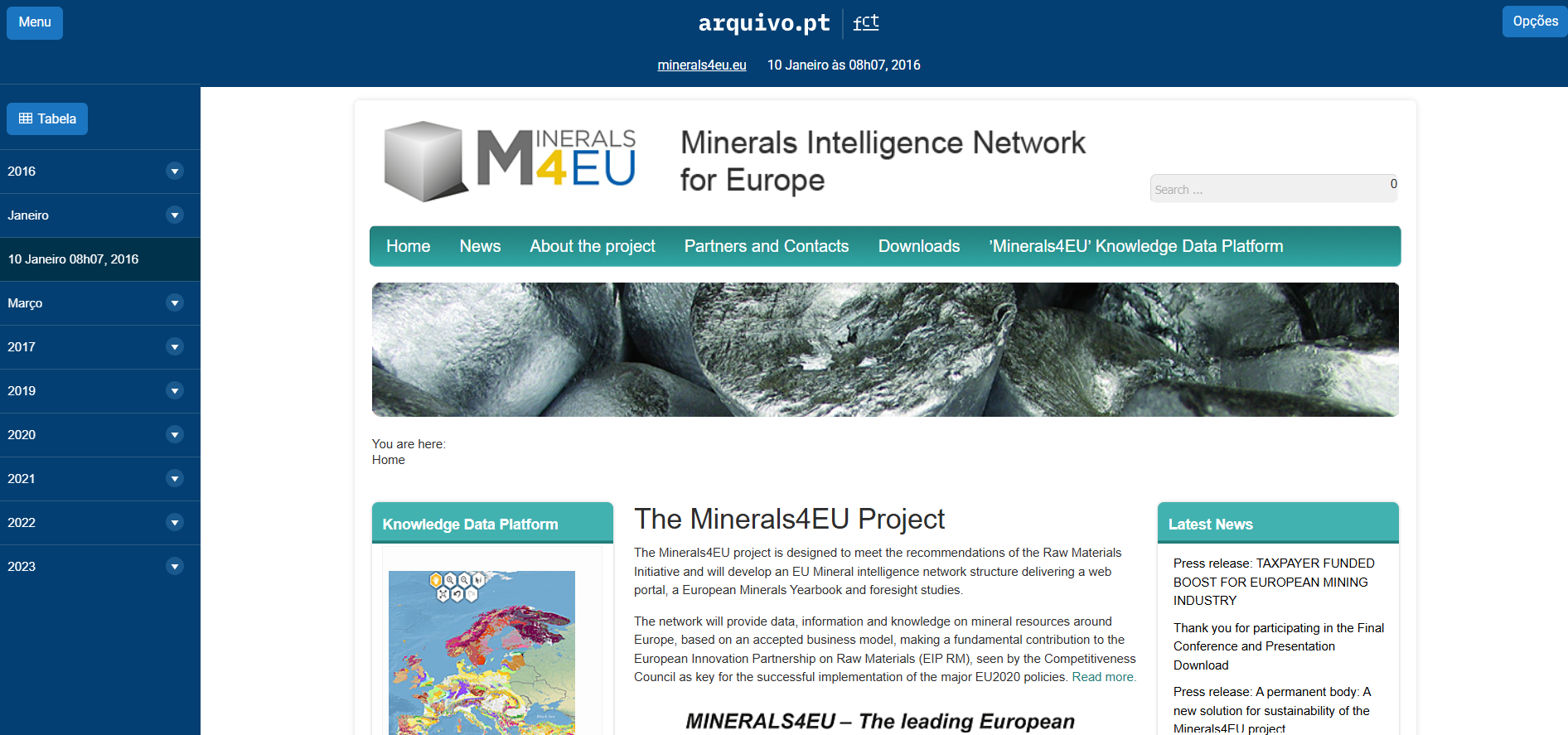
Minerals Intelligence Network for Europe (Minerals4EU)
Minerals4EU was a European mineral intelligence platform providing harmonised spatial and statistical data on mineral occurrences, mines and resources across EU member states. It featured a web portal, a European Minerals Yearbook and supported decision-making on raw materials supply and policy through integrated, interoperable data.
The Linux Foundation
Linux Foundation is a global non-profit that enables open source collaboration at scale. It hosts and supports critical projects across cloud, Linux, security and AI. Activities include governance, research, training, certification and events, helping organisations build, adopt and sustain open source technologies worldwide for industry, public sector and developer communities.
European Minerals Knowledge Data Platform (Minerals4EU)
Minerals4EU is an EU-supported initiative that created a harmonised minerals intelligence network and web portal, offering standardised European mineral resource data, a Minerals Yearbook and analytical studies. It supports policy decisions and raw materials supply security through shared georesource information across European geological surveys.
The Guild of European Research-Intensive Universities
Guild of European Research-Intensive Universities is a European network representing leading research-intensive universities. It works with EU institutions to shape research, innovation and higher education policy through evidence-based advocacy, position papers, events and collaboration on Europe’s research and funding priorities.
EuroGeoSurveys
EuroGeoSurveys (EGS) is a not-for-profit association representing national geological surveys across Europe.EGS provides geoscience data, research and policy-relevant expertise on raw materials, groundwater, energy transition and geohazards, supporting European decision-making through EU-funded projects, shared data infrastructure and coordinated scientific collaboration across member organisations.


