
Refine
461 results
REFINE
SHOW: 16



The investor climate policy engagement paradox
The article explores the paradox in which institutional investors focus heavily on climate-risk disclosure, an area of comfort and perceived legitimacy, while underinvesting in real-economy climate policy that could meaningfully reduce systemic risk. It argues that meaningful climate action requires shifting from technocratic “managing tons” approaches toward politically challenging asset revaluation and more robust policy engagement.
Increasing climate ambition, decreasing emissions: The third progress report of the net-zero asset owner alliance
The report outlines the Net-Zero Asset Owner Alliance’s progress in reducing financed emissions, strengthening target-setting, and expanding climate-solution investments. It highlights updated methodologies, increased engagement with companies and policymakers, and rising member participation, underscoring the need for credible transition pathways and supportive policy environments to advance alignment with 1.5°C goals.

On YouTube, a Shift from Denying Science to Dismissing Solutions
This article dives into an analysis of over 12,000 YouTube videos and finds that while outright climate-change denial is dropping, content undermining climate solutions and trust in scientists is rising sharply. It also highlights concerns over YouTube’s ad policies, which still allow monetisation alongside videos that downplay impacts or spread misleading claims about climate policy.
Cities Climate Finance Leadership Alliance (CCFLA)
Cities Climate Finance Leadership Alliance (CCFLA) is a global multi-stakeholder coalition mobilising finance for urban low-carbon and climate-resilient infrastructure. It supports sub-national governments in developing bankable projects, strengthening enabling environments and closing investment gaps especially in emerging markets and developing economies.
Closing the Gap: The evolution of climate transition finance in China
China’s transition finance market is expanding to support the decarbonisation of high-emitting industries. The report outlines growth in green and sustainability-linked bonds, emerging transition frameworks, and ongoing debates on coal and gas inclusion, highlighting the need for clearer standards and broader financing tools to meet China’s 2060 climate goals.
Responsible Investment: Australian perspectives on Private Equity practices
This report outlines how Australian private equity firms are integrating ESG across the investment cycle in response to mandatory climate reporting, taxonomy alignment, and stakeholder expectations. It highlights evolving screening, due diligence, ownership, and exit practices, and shows how ESG integration can support value creation and strengthen competitive positioning.
Firm‐level climate change exposure
The report develops a machine-learning method to measure firm-level climate change exposure from earnings calls across 34 countries. It identifies opportunity, physical, and regulatory dimensions and shows that these exposures predict green hiring, green patenting, and are reflected in options and equity markets.
Circular Australia's Circular economy for investors and lenders series
This series explores how investors and lenders can integrate circular economy principles into financial decision-making. It outlines practical tools and frameworks for assessing risks and opportunities linked to circularity, helping finance professionals align portfolios with sustainability objectives while supporting Australia’s transition to a regenerative, low-waste economy.
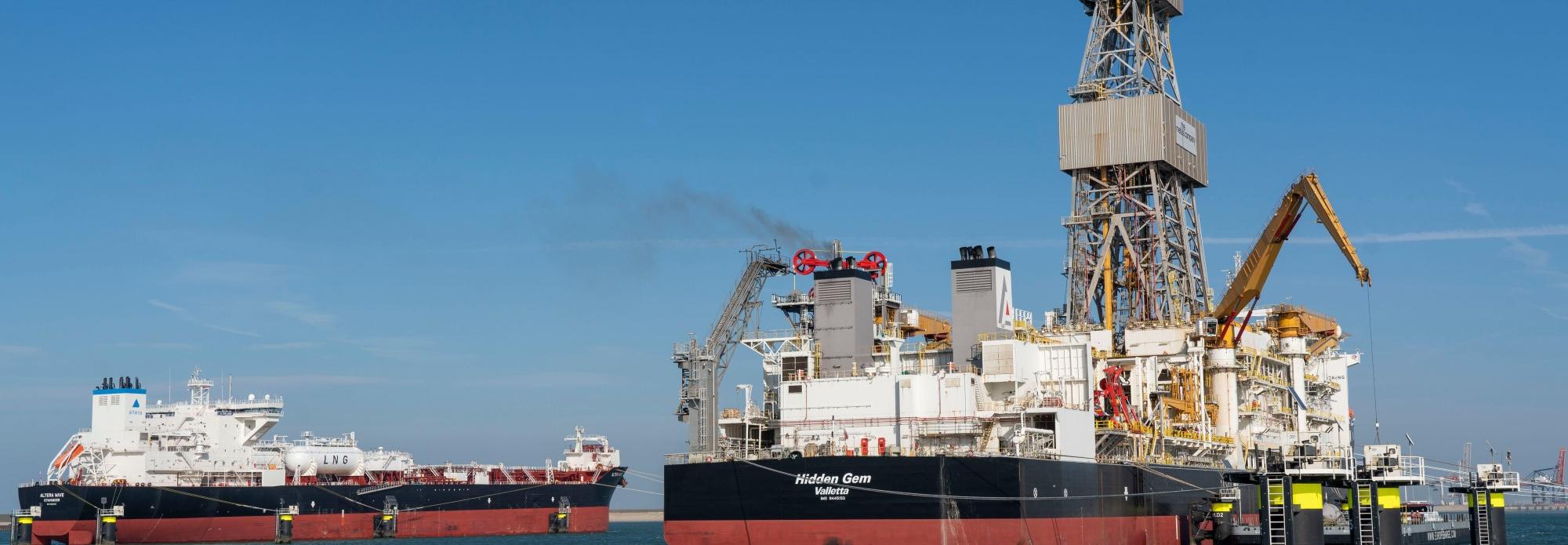
What We Know About Deep-Sea Mining — and What We Don’t
This article explores the growing interest in deep-sea mining as a source of critical minerals for clean technologies, detailing how it works, its potential economic benefits, and the significant ecological and governance risks it poses. It also examines ongoing international regulatory disputes and alternative solutions such as recycling and circular mineral economies.
Greenwashing, net-zero, and the oil sands in Canada: The case of Pathways Alliance
This article analyses how Canada’s Pathways Alliance representing 95 % of oil sands output frames its net-zero commitments. Reviewing 183 public communications, it finds widespread indicators of greenwashing, including selective disclosure, unverifiable claims, and poor accountability. The study urges broader scrutiny of coordinated industry communication across digital and public relations platforms.

Sustainable Finance Roundup October 2025: Carbon Markets, Targets, and the Cost of Resilience
This month’s sustainability roundup traces a rapidly evolving landscape in climate finance and accountability, spotlighting the weaknesses exposed by Hurricane Melissa’s disaster-risk finance system alongside new policy frameworks now reshaping sustainable investment. It highlights how vulnerable nations continue to bear the costs of climate impacts, how regulatory reforms such as Australia’s 2035 emissions target and global disclosure regimes are embedding accountability, and how renewed scrutiny of carbon markets is driving the search for credible, incentive-based pathways to real decarbonisation.
System of environmental-economic accounting ecosystem accounting series
The System of Environmental-Economic Accounting (SEEA) is an international benchmark series that integrates economic and environmental data to measure the interdependence between nature and the economy. It provides a consistent statistical framework for assessing natural assets, ecosystem services, and environmental impacts to support sustainable policy and decision-making across nations.

Climate Action 100+
Climate Action 100+ (CA100+) is an investor-led initiative engaging the world’s largest greenhouse gas emitters to advance climate governance, set science-based emission targets and enhance climate-related disclosures. It collaborates with global investor networks to promote net-zero alignment, transition risk management and sustainable asset value preservation.

Transition Pathway Initiative
Transition Pathway Initiative (TPI) is an investor-led initiative providing publicly accessible data and assessments on how companies, banks and sovereigns are managing and aligning with the transition to a low-carbon economy.
State of climate action benchmark series
The State of Climate Action benchmark series tracks global progress toward limiting warming to 1.5°C. Produced by Systems Change Lab and partner organisations, it translates the Paris Agreement into measurable sectoral targets and indicators, offering an annual assessment of the pace and scale of climate action across major emitting sectors and finance systems.

Climate High‑Level Champions
Climate Champions is a global initiative advising the United Nations Framework Convention on Climate Change (UNFCCC) High-Level Champions and mobilising non-state actors in campaigns such as Race to Zero and Race to Resilience to drive net-zero emissions, resilient infrastructure and sustainable finance.


