
Library | Resource Types
Online tool/database
Tools and databases are resources designed to help members evaluate the sustainability impact and financial performance of investments or business decisions. Tools allow members to assess impact, model scenarios and enable informed decisions that align with sustainability goals.
Refine
292 results
REFINE
SHOW: 16


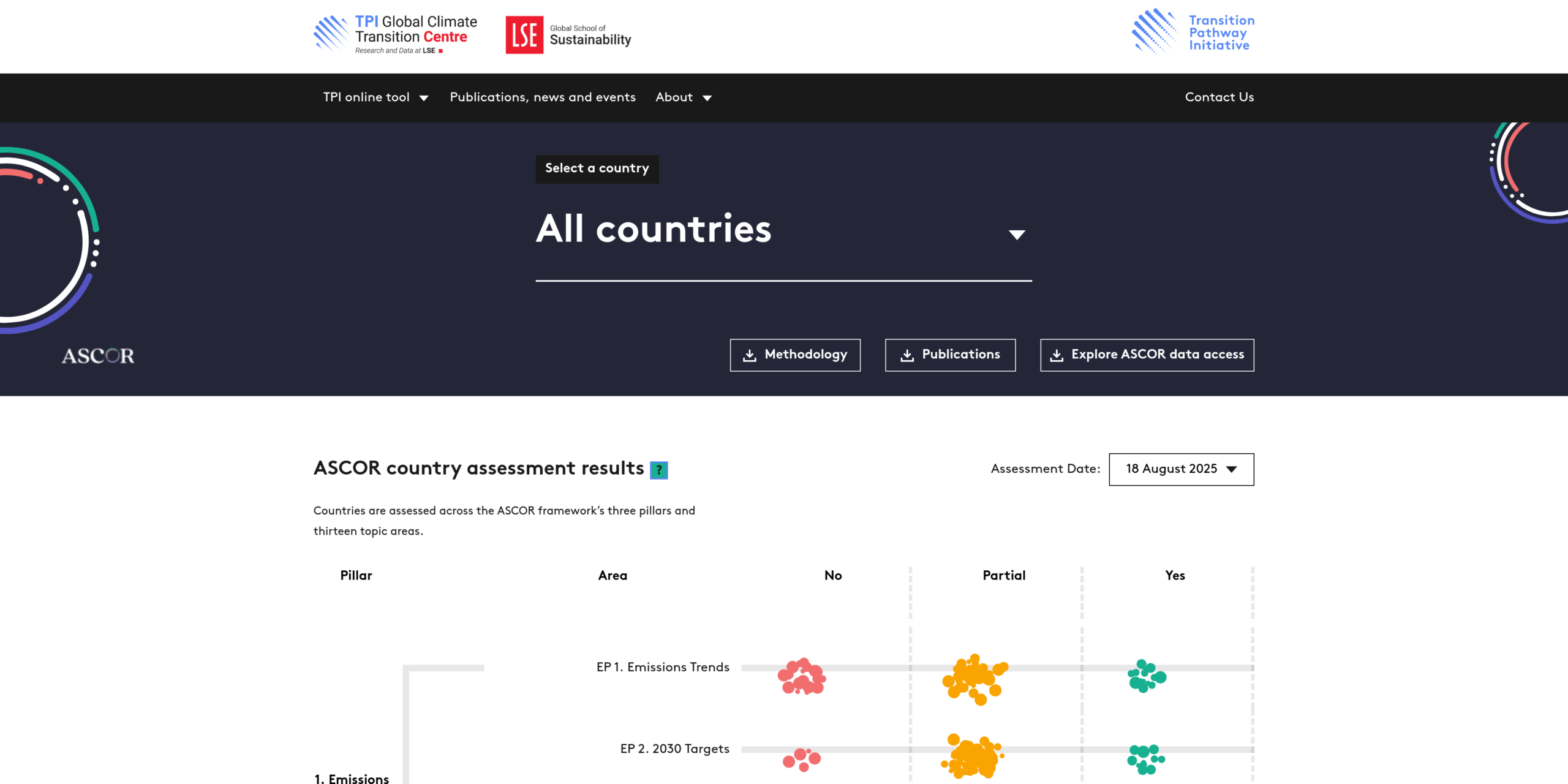
ASCOR Tool
The ASCOR Tool is an investor-led framework for assessing how countries manage the low-carbon transition and the impacts of climate change.
Finance for biodiversity data catalogue
The FfB Biodiversity Data Catalogue is an online tool designed to help financial institutions navigate the nature-related data landscape.
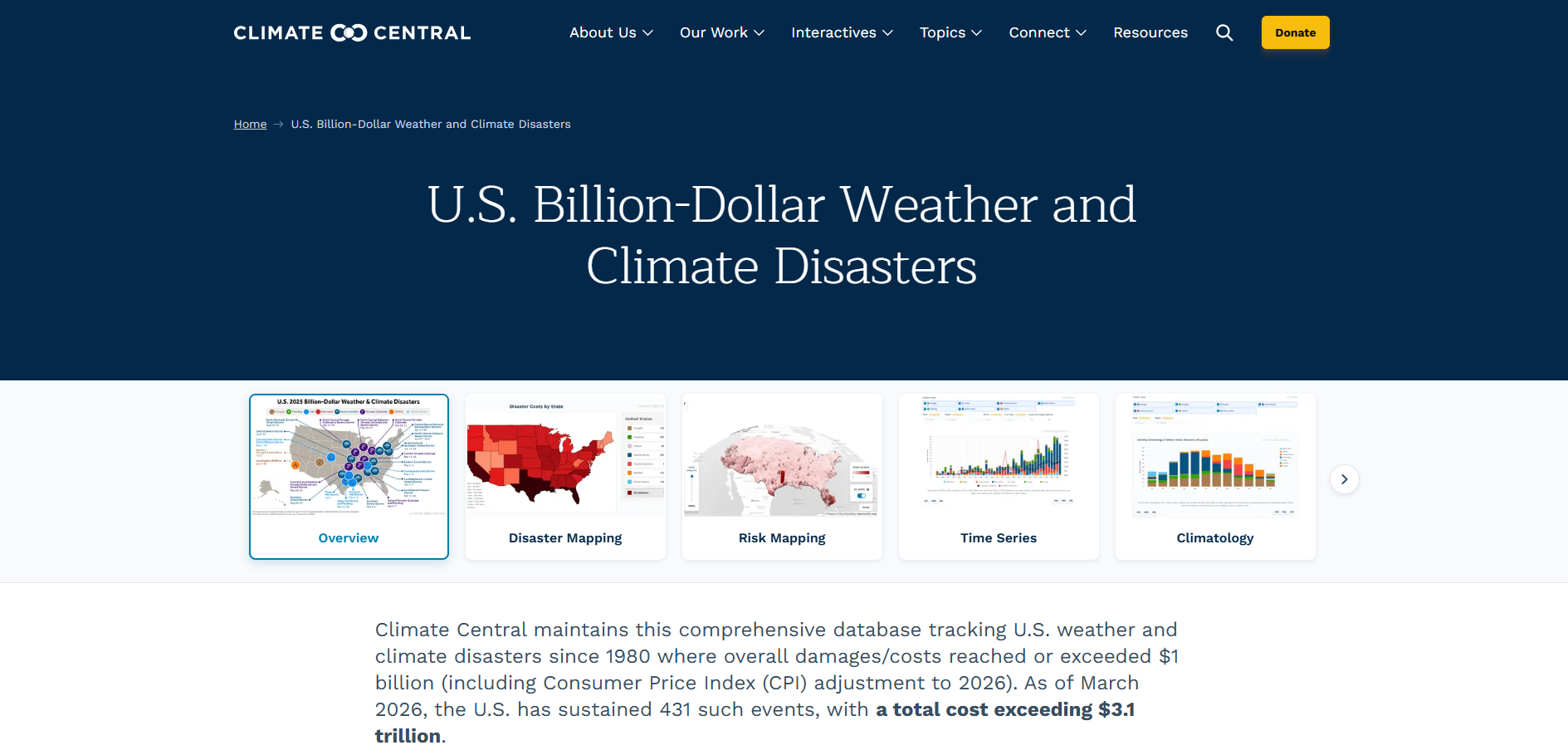
U.S. billion-dollar weather and climate disasters database
Climate Central’s database tracks the most costly U.S. weather and climate disasters since 1980, providing data on events causing $1 billion in damage.
PFAS: From non-stick to stuck in court – Dashboard
The PFAS: From Non-stick to Stuck in Court Dashboard is an online tool developed by Planet Tracker to help investors assess PFAS litigation risk. It maps facility-level exposure across publicly listed companies, supporting ESG analysis, risk assessment and investment decisions related to environmental liabilities.
SAIL: Systems Aware Investing Launchpad
SAIL (Systems Aware Investing Launchpad) is an AI-enhanced platform developed by TIIP to support institutional investors in implementing system-level investing strategies. It provides tools for strategy development, benchmarking, reporting and collaboration, helping users assess and manage systemic environmental, social and financial risks.
2026 Living Wage Dataset
The 2026 Living Wage Dataset by Valuing Impact is a free global database covering 217 countries and eight household scenarios. It uses the Anker and Anker methodology with updated cost-of-living data to estimate living wages for urban and rural households, supporting sustainability, labour practice and supply chain analysis.
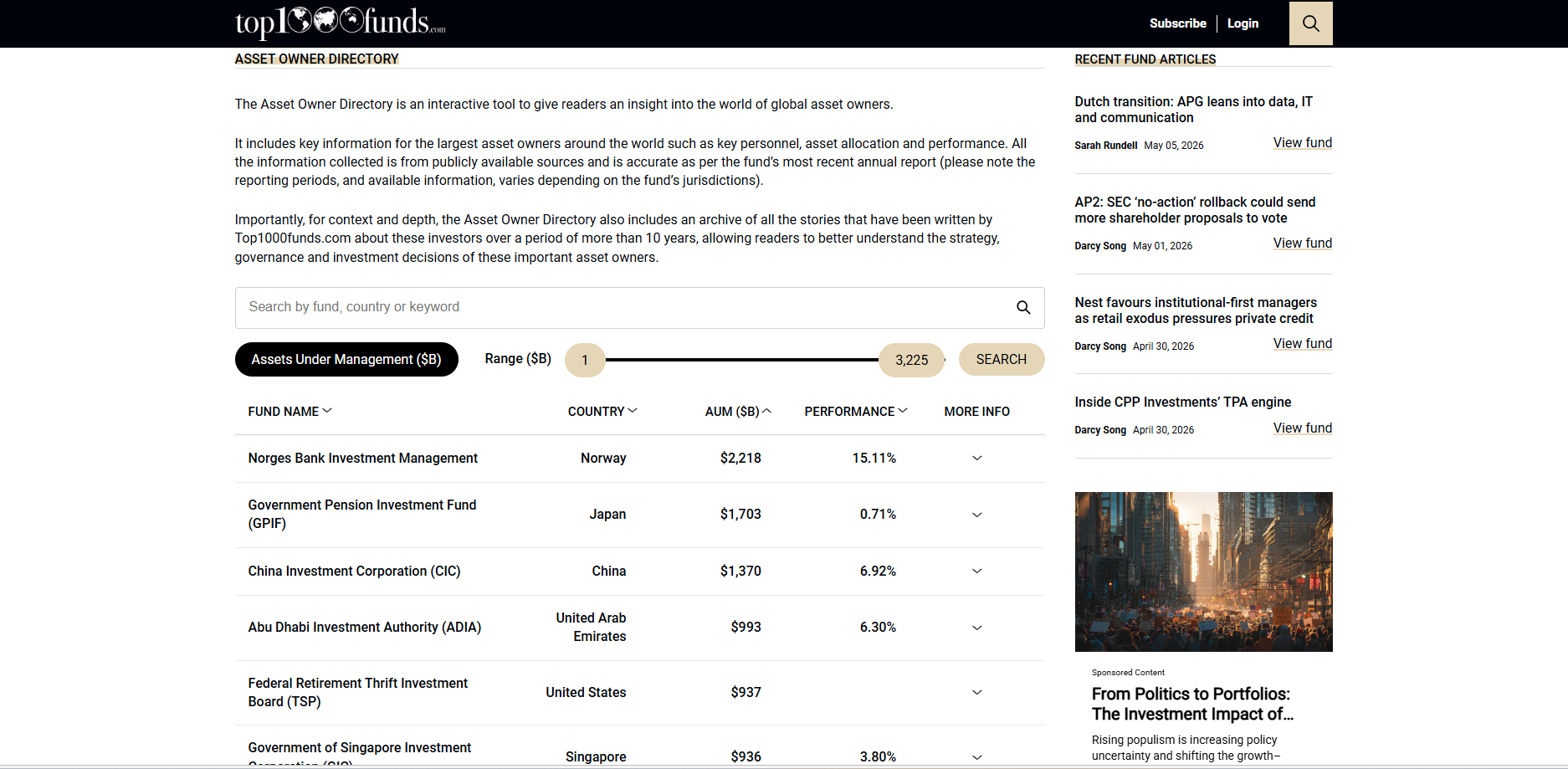
The Asset Owner Directory
The Top1000funds.com Asset Owner Directory is an interactive database of global asset owners. It provides publicly sourced information on key personnel, asset allocation and performance, alongside an archive of related articles covering investors’ strategy, governance and investment decisions.
Mission 300 Progress Portal
Mission 300 Progress Portal is an interactive World Bank tool tracking electrification across Sub-Saharan Africa. It provides data on electricity connections, financing, and project pipelines, supporting analysis of energy access, infrastructure investment, and development finance relevant to ESG and emerging market decision-making.
Navigating the impact valuation landscape: A practitioner’s guide to choosing value factors
A practitioner guide that maps available impact valuation methods and value factor sources, comparing their scope, methodology and use cases. It helps users select appropriate data sources for monetising social and environmental impacts, addressing fragmentation and inconsistencies across existing valuation approaches.
ASEAN Taxonomy Navigator
The ACCEPT Taxonomy Navigator is an online tool that enables users to explore and compare sustainable finance taxonomies, including the ASEAN Taxonomy. It provides a structured view of economic activities and classification criteria, supporting consistent assessment of sustainability alignment and aiding finance professionals in applying taxonomy requirements.

US Sustainable Investment Forum (US SIF)
US Sustainable Investment Forum (US SIF) is a leading membership association advancing sustainable, responsible and impact investing across US capital markets. It provides research, policy advocacy, education and industry convening to promote ESG integration, transparency and long-term value creation for investors and financial professionals.
US SIF Proxy Proposal Archive
The US SIF Proxy Proposal Archive is a public database providing access to over 7,000 shareholder proposals filed at US companies, alongside detailed research reports and annual briefings. It enables analysis of environmental, social and governance (ESG) trends, supporting investors in evaluating proxy voting issues and corporate engagement.
2026 Energy Crisis Policy Response Tracker
The IEA’s 2026 Energy Crisis Policy Response Tracker is an interactive database monitoring government measures taken in response to global energy market disruptions. It provides regularly updated data on policies to conserve energy and support consumers, enabling analysis of country-level responses to supply shocks and price volatility.
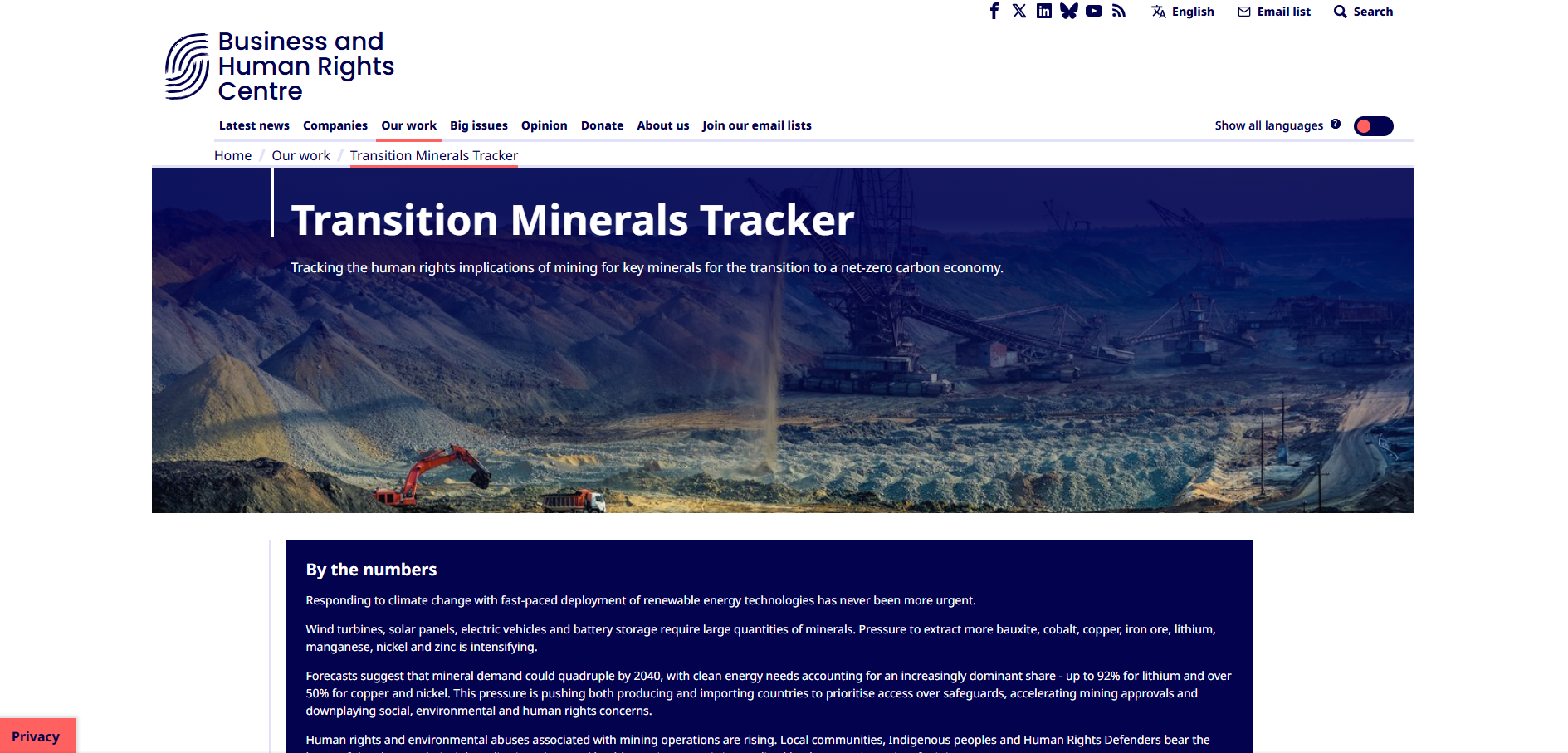
Transition Minerals Tracker
The Transition Minerals Tracker is an online database by the Business & Human Rights Resource Centre that tracks human rights risks linked to mining key minerals for the energy transition. It compiles company data, policies and allegations, enabling users to assess exposure to social and governance risks across global mining operations.
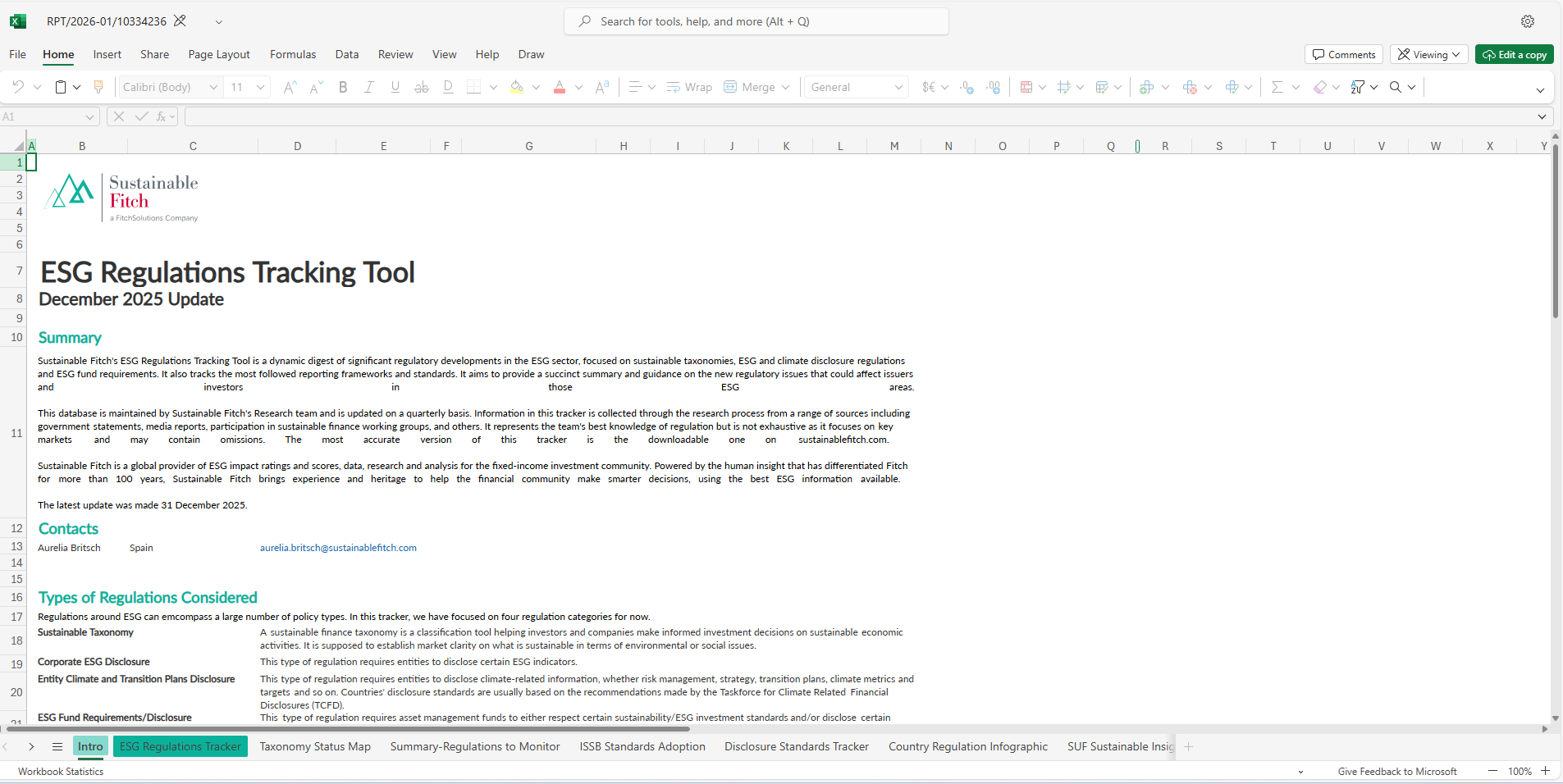
ESG regulations tracking tool
Fitch’s ESG Regulations Tracking Tool monitors global ESG-related regulatory developments affecting corporates. It provides structured, regularly updated insights on policy changes, jurisdictional trends and compliance requirements, supporting finance professionals in assessing regulatory risk, aligning strategies and understanding evolving ESG obligations across multiple markets and sectors.
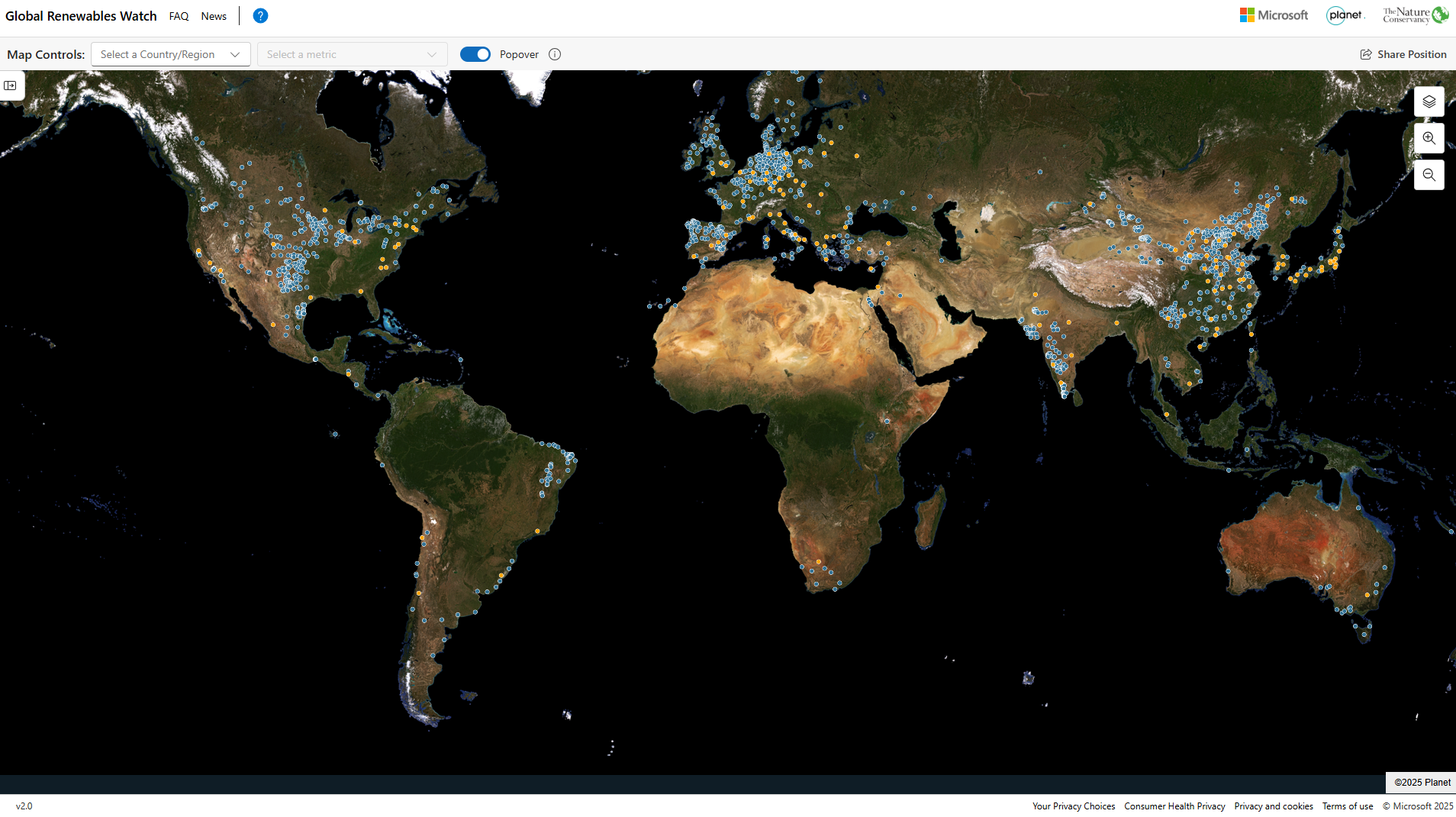
Global Renewables Watch
Global Renewables Watch Atlas is an interactive platform mapping utility-scale solar and wind installations worldwide using AI and satellite imagery. It provides regularly updated geospatial data to track deployment trends, estimate capacity, and assess progress in the energy transition, supporting analysis by policymakers, researchers, and finance professionals.


