
Library | ESG issues
Biodiversity
Biodiversity encompasses the variety of life on Earth, forming the ecosystems that support human well-being and economic activity. All industries rely on healthy ecosystems for resources and services, making biodiversity preservation critical for economic stability. Biodiversity loss introduces material risks including supply chain disruptions, regulatory challenges, and reputational damage, while also creating investment opportunities in biodiversity restoration and natural resource management.
Refine
403 results
REFINE
SHOW: 16


Aligning financial flows with the Global Diversity Framework: Translating ambition into implementation
The report advocates for governments to ensure financial flows align with biodiversity goals. It highlights the need for mandatory disclosures on nature-related risks, nature transition plans, and economic incentives to mobilise private finance for biodiversity conservation, emphasising a "whole-of-government" approach to implementation.

Nature-related litigation: Emerging trends and lessons learned from climate-related litigation
This report explores emerging trends in nature-related litigation, focusing on biodiversity, deforestation, ocean degradation, and plastic pollution. It highlights the legal risks for the financial sector and calls for increased monitoring. Lessons from climate-related litigation are applied to nature protection strategies, impacting regulatory and corporate practices.

Spotlight on nature: Case studies for business transformation towards a nature-positive future
This report highlights six case studies of businesses transforming towards a nature-positive future. It showcases their efforts to address nature-related risks and opportunities, focusing on areas such as sustainable forestry, circular resource use, soil health, sustainable seafood, biodiversity, and freshwater management.

UNEP's state of finance for nature series
This series tracks global financial flows to nature-based solutions (NbS) and highlights the gaps between current investments and what is needed to address biodiversity loss, land degradation, and climate change. It examines both public and private sector funding, while also focusing on nature-negative financial flows.

Nature investor toolkit: Understanding nature-related risks and opportunities and supporting investors to assess, engage and take action
The toolkit helps investors identify, assess, and manage nature-related risks and opportunities in their portfolios. It provides guidance on how to engage with stakeholders, evaluate investment impacts on nature, and explore emerging tools for nature-positive outcomes. The toolkit also highlights strategies to mitigate risks and seize nature-related investment opportunities.

Action Exchange
Action Exchange connects professionals and organisations to collaborate on tackling complex sustainability challenges. The platform facilitates partnerships, sharing resources and expertise to drive impactful solutions across various sectors. It supports meaningful, action-oriented progress towards environmental and social goals.

Material insights
Material Insights is a tool to help companies and stakeholders manage environmental, social, and governance (ESG) risks in mineral supply chains. It provides data-driven insights on specific minerals, supporting responsible sourcing and sustainability efforts in the raw materials sector.

An introduction to key ecological concepts, financial opportunities, and risks underpinning aspirations for nature positive
The report introduces key ecological concepts critical to achieving a nature-positive future. It outlines the financial opportunities and risks involved, emphasising the need for collaboration between ecologists and business professionals to effectively implement nature-positive strategies. The report also highlights the challenges and complexities in aligning ecological goals with financial instruments.

Global Biodiversity Score (GBS)
The Global Biodiversity Score (GBS) is a tool developed by CDC Biodiversité that helps businesses and financial institutions measure their impact on biodiversity. It provides a quantitative assessment, enabling users to integrate biodiversity considerations into decision-making and align with sustainability goals.

CDC Biodiversité
CDC Biodiversité is a French organisation focused on biodiversity conservation and sustainable development. It works on integrating biodiversity into economic activities, offering innovative solutions for businesses and policymakers. CDC Biodiversité promotes sustainable finance, environmental impact assessments, and nature-based solutions to address global biodiversity challenges.
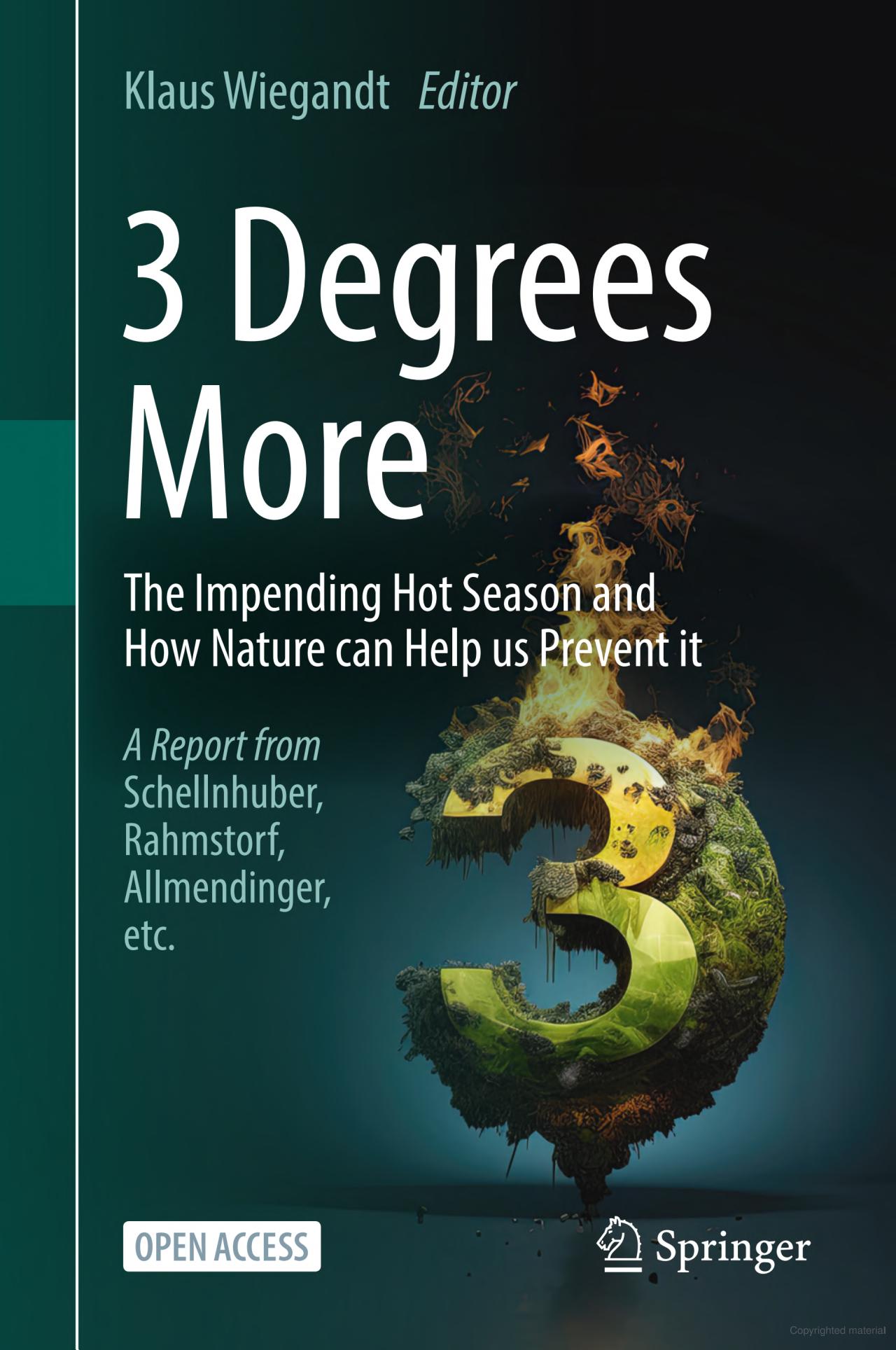
3 degrees more: The impending hot season and how nature can help us prevent it
This three-part journal explores the severe impacts of a 3°C temperature rise on climate, biodiversity, agriculture, human survival, and the economy, emphasising the need for urgent climate action and nature-based solutions.
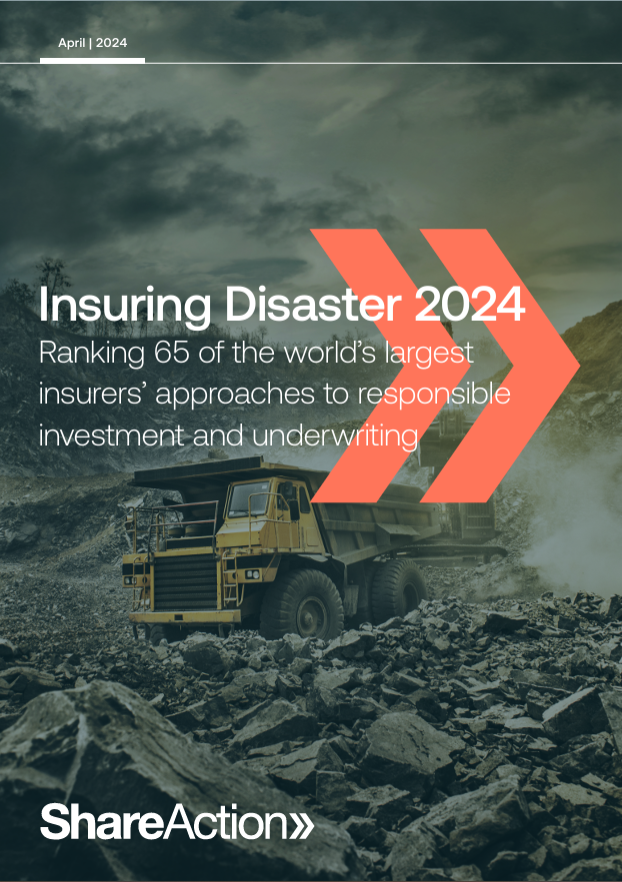
ShareAction's insuring disaster benchmark series
The "Insuring Disaster" series by ShareAction evaluates the responsible investment and underwriting practices of the world's largest insurers, focusing on their approaches to critical environmental and social issues. This benchmark series highlights the industry's impact on climate, biodiversity, and human rights, offering actionable recommendations for improvement.
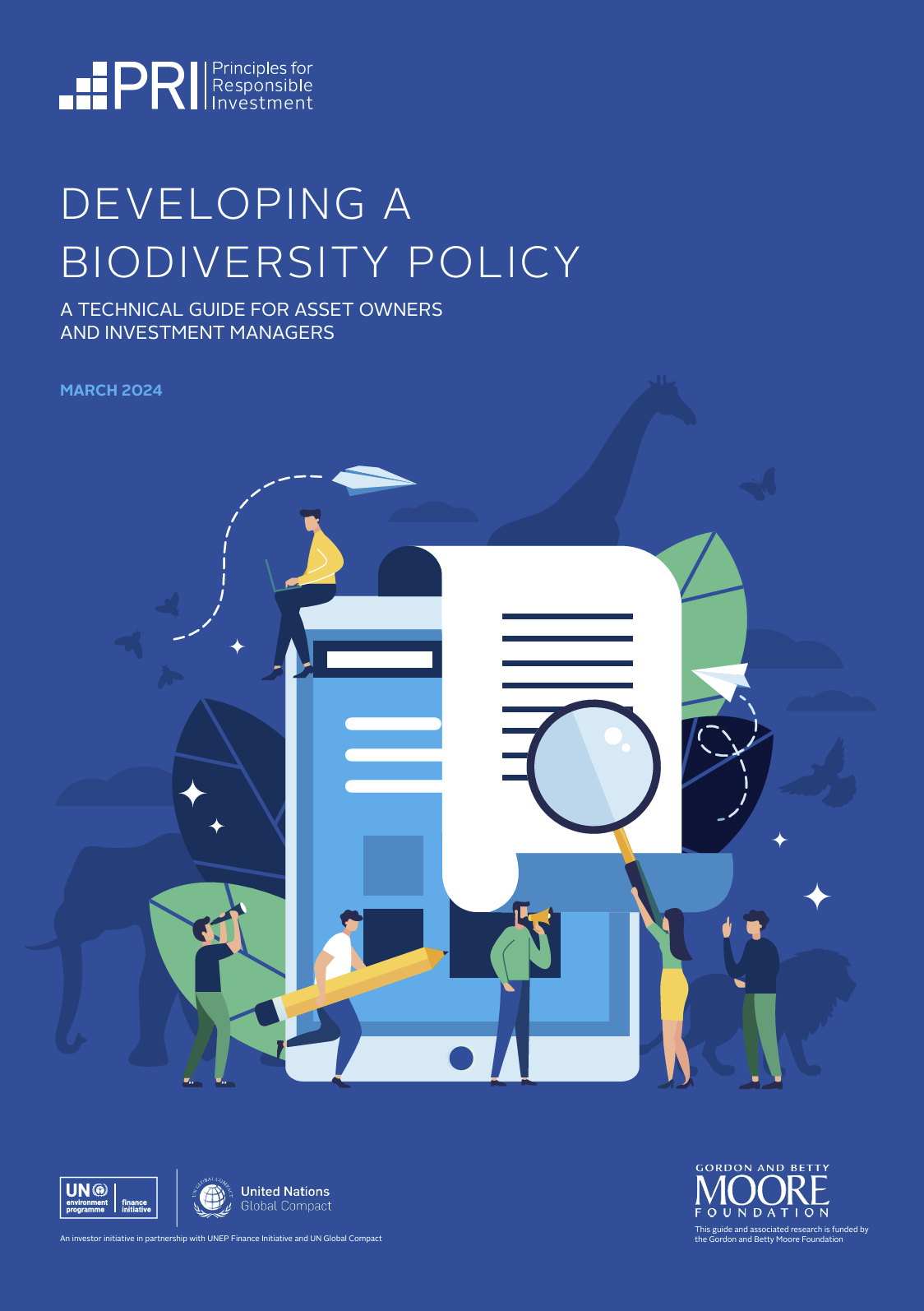
Developing a biodiversity policy: A technical guide for asset owners and investment managers
This guide provides asset owners and investment managers with a structured approach to developing a biodiversity policy. It outlines the importance of addressing biodiversity loss, offers a five-step process for integrating biodiversity considerations into investment practices, and details key components of a comprehensive biodiversity policy, including governance, target setting, and risk management.

Regenerative development and design
The report explores the necessity and principles of regenerative development, aiming to create thriving living systems that evolve toward greater health and vitality. It emphasises aligning human actions with natural systems, integrating ancient wisdom with modern science, and fostering holistic, co-creative partnerships between people and the planet for sustainable and thriving futures.

State of nature-related disclosures: Assessing TNFD alignment of nature-related disclosures by firms in high-risk sectors
The report evaluates the alignment of firms' nature-related disclosures with the TNFD framework. It covers eight priority sectors, highlighting disclosure gaps and providing recommendations for improvement to ensure comprehensive, high-quality nature-related reporting.

Nature-positive strategy: Practical guidance for corporates
This practical guidance report provides a principles-based approach that equips corporates with an understanding of the value of nature, identifies key frameworks, and encourages a call to action. It suggests implementing “no regrets” actions for risk mitigation while progressing work on key frameworks. It further recognises that taking actions now will create business value.


