
Library | ESG issues
Energy Solutions & Decarbonisation
Energy solutions and decarbonisation refer to strategies and technologies that reduce carbon emissions while ensuring reliable and sustainable energy supply. This includes renewable energy sources like wind, solar, and hydropower, energy efficiency measures, electrification, carbon capture, and clean energy innovations. Decarbonisation is essential for mitigating climate change, enhancing energy security, and transitioning industries toward low-carbon operations.


Refine
450 results
REFINE
SHOW: 16


Global Innovation Lab for Climate Finance: Portfolio
The Global Innovation Lab for Climate Finance Portfolio is a database of vetted financial instruments designed to mobilise private capital for climate action. It provides finance professionals with access to innovative blended finance models, case studies, and sector-specific investment structures.
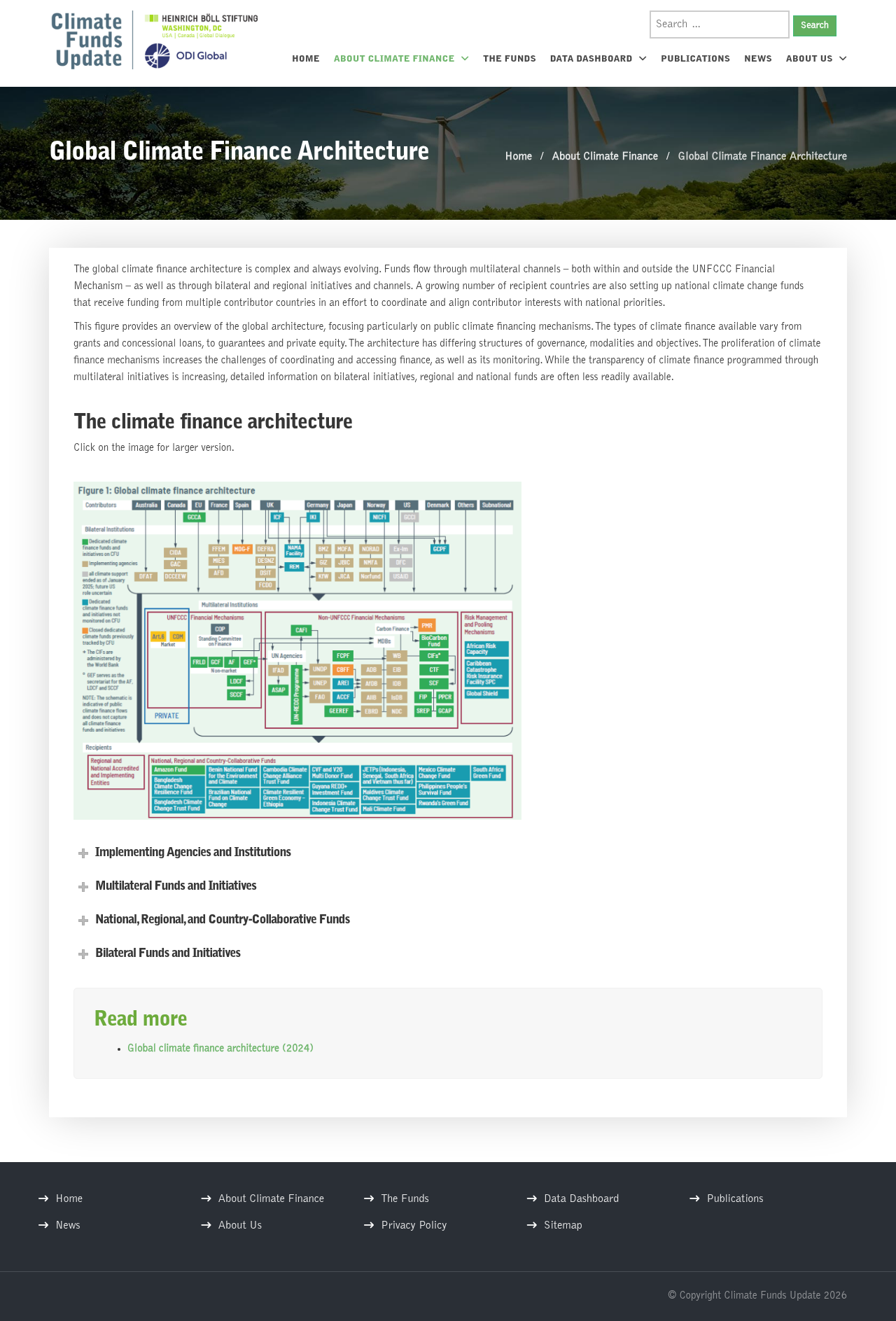
Global Climate Finance Architecture
Climate Funds Update tracks the complex global climate finance architecture, monitoring multilateral, bilateral, and regional funds. It provides critical insights into how international capital is channelled toward climate action in developing nations, supporting ESG analysis and investment context.
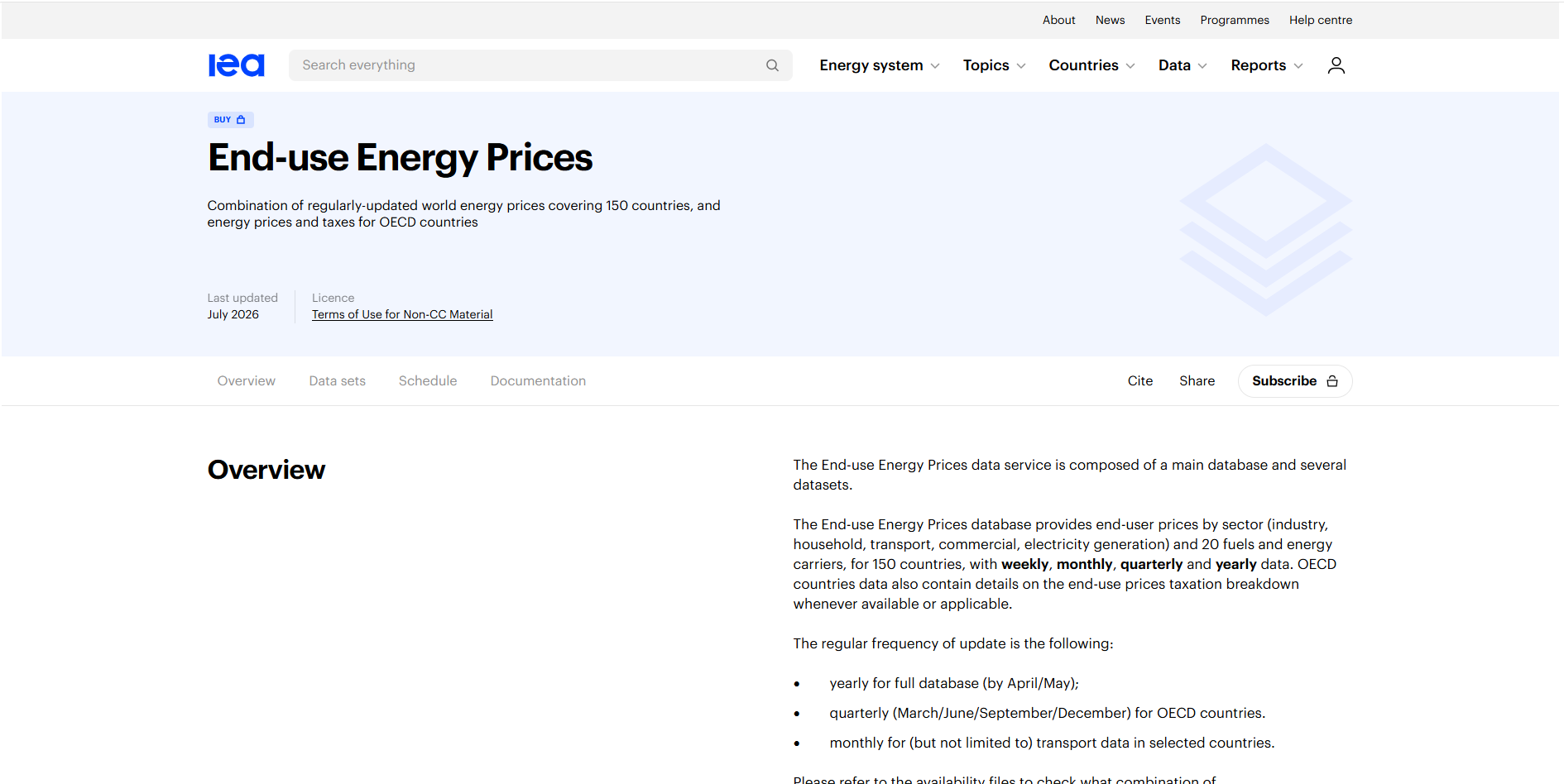
2026 IEA Energy Prices Database
The 2026 IEA Energy Prices Database provides comprehensive global data on energy prices, investment trends, and capital flows. It supports finance professionals in assessing market volatility, conducting risk analysis, and evaluating energy sector investments.
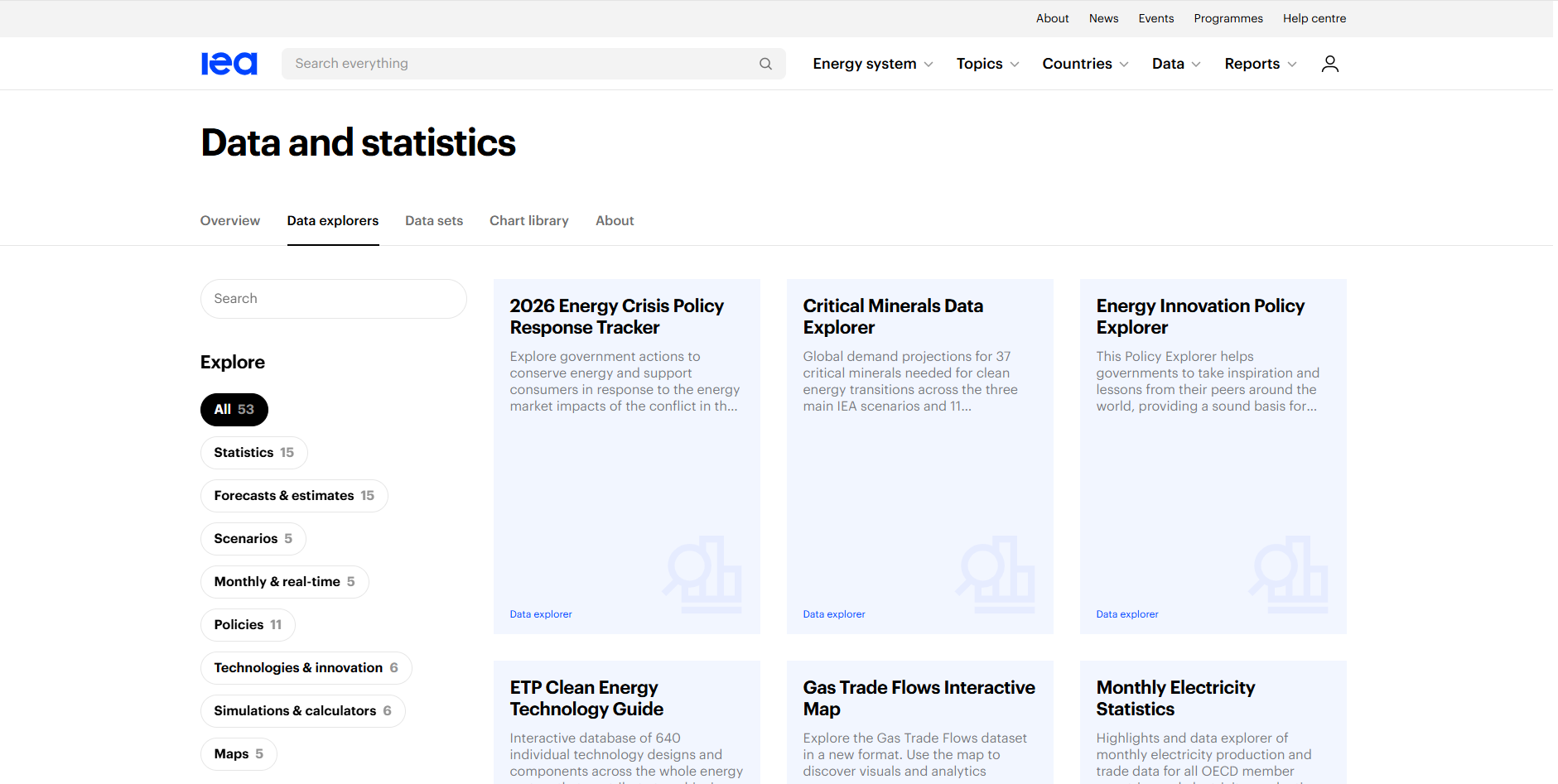
IEA's interactive data explorer
The IEA's Interactive data explorer provides access to visualisations and databases covering 640 energy technology designs and global climate commitments. It assists finance professionals in tracking energy transitions and regional net zero outlooks.
Financial Innovation Knowledge Platform
CPI's platform offering practical tools, research, and guidance for public and private actors developing and investing in climate finance vehicles.
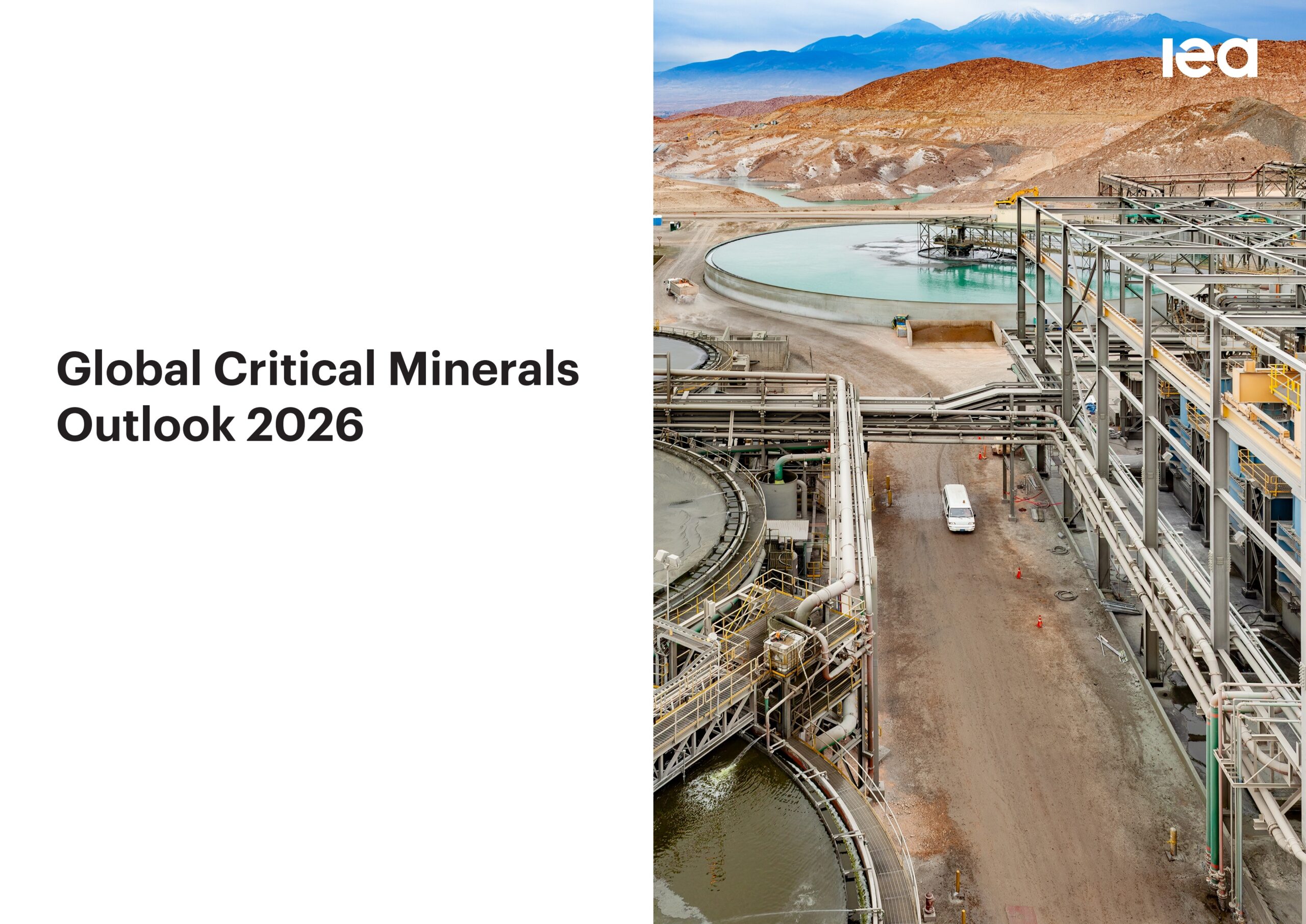
Global critical minerals outlook series
The Global Critical Minerals Outlook is an annual series published by the IEA that tracks market, investment, technology, and policy trends across critical mineral supply chains. Each edition provides medium- and long-term demand and supply projections for key energy minerals, covering supply security, concentration risks, and diversification developments.
Global energy review series
The Global Energy Review is an annual benchmark series published by the International Energy Agency (IEA) that assesses trends across the entire energy sector, covering all fuels, technologies, regions, and energy-related CO2 emissions for the preceding calendar year.

Clean cooking in Africa 2026: Progress report
This report evaluates progress toward universal clean cooking access in sub-Saharan Africa. While delivery rates have tripled since 2010, population growth continues to outpace gains. The analysis covers investment trends, infrastructure development, and the impact of the 2026 energy crisis on regional fuel supply chains.
Corporate diversification and corporate carbon performance
This research examines how corporate diversification and cash flow coinsurance reduce carbon intensity in Japanese firms. It finds that industrial diversification alleviates financing constraints, enabling substantial decarbonisation investments. The effect is most significant in carbon-intensive industries and for Scope 1 emissions following the Paris Agreement.
Just transition metrics benchmark
Just Transition Metrics is a benchmark series developed by Shift in collaboration with multiple organisations. It provides a foundational, sector-agnostic set of quantitative metrics designed to assess the 'justness' of companies' climate-related transition plans, covering workforce, communities, and value chain impacts.

Sector insights: Real estate series
Sustainable Fitch Sector Insights Report Series is a series providing analytical assessments of the sustainability profiles of different sectors. It examines sustainability impacts, ESG rating trends, sustainable finance developments, sector-specific issues, and relevant sustainability-related regulations to support finance professionals’ understanding of sector performance.
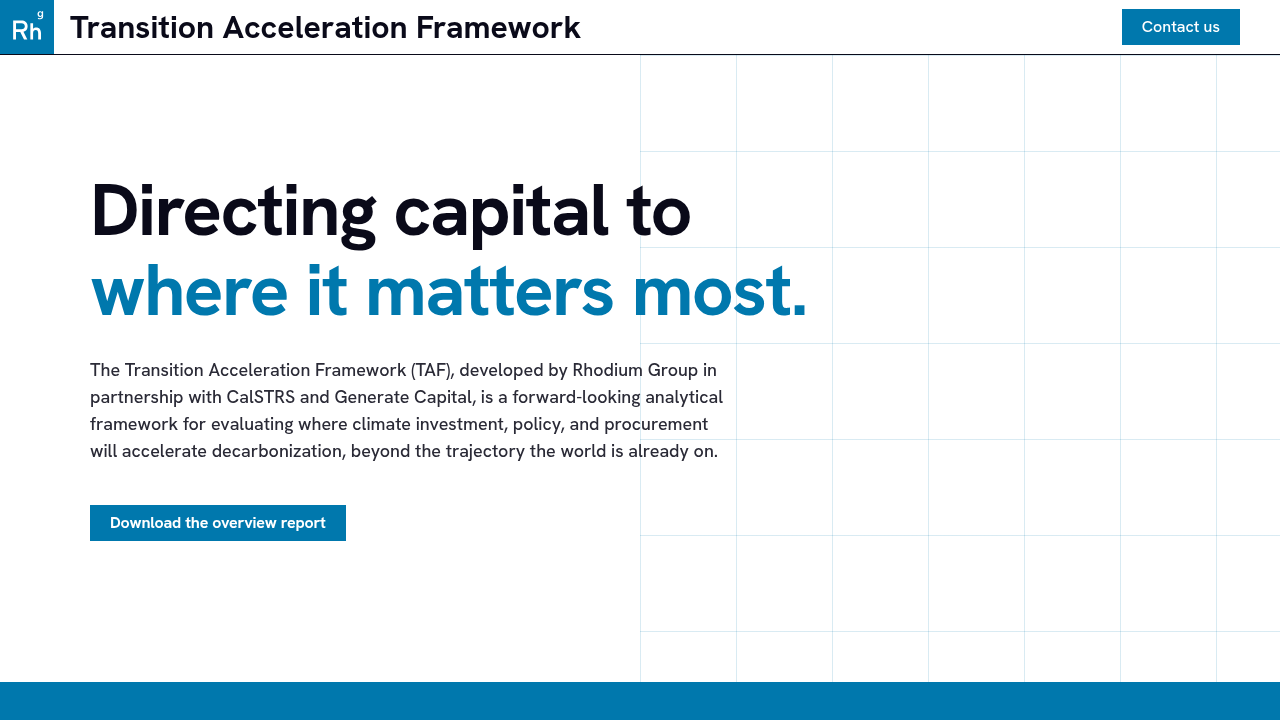
Transition Acceleration Framework (TAF)
TAF is a forward-looking analytical framework by Rhodium Group that evaluates where climate investment and policy will accelerate decarbonisation.
AI data centers and electricity demand: Taming the energy guzzlers
This paper examines AI data centre electricity demand and its costs for ratepayers and the environment. It finds that Big Tech market capitalisations have risen far above predicted levels since ChatGPT's 2022 launch, while data centres drive up electricity prices and fossil fuel use. Regulatory reforms and innovations are recommended.
EDHEC Climate Institute Resource Hub
EDHEC Climate Institute is a climate finance research resource that provides research, analytical tools and data on climate-related financial risks, transition pathways and climate policy. It supports finance professionals with evidence-based insights for investment analysis, risk assessment and decision-making on climate-related issues.
Project Preparation Support Database (PPSD)
Searchable database of project preparation facilities and climate-focused incubators helping developers and investors access support for bankable climate projects.
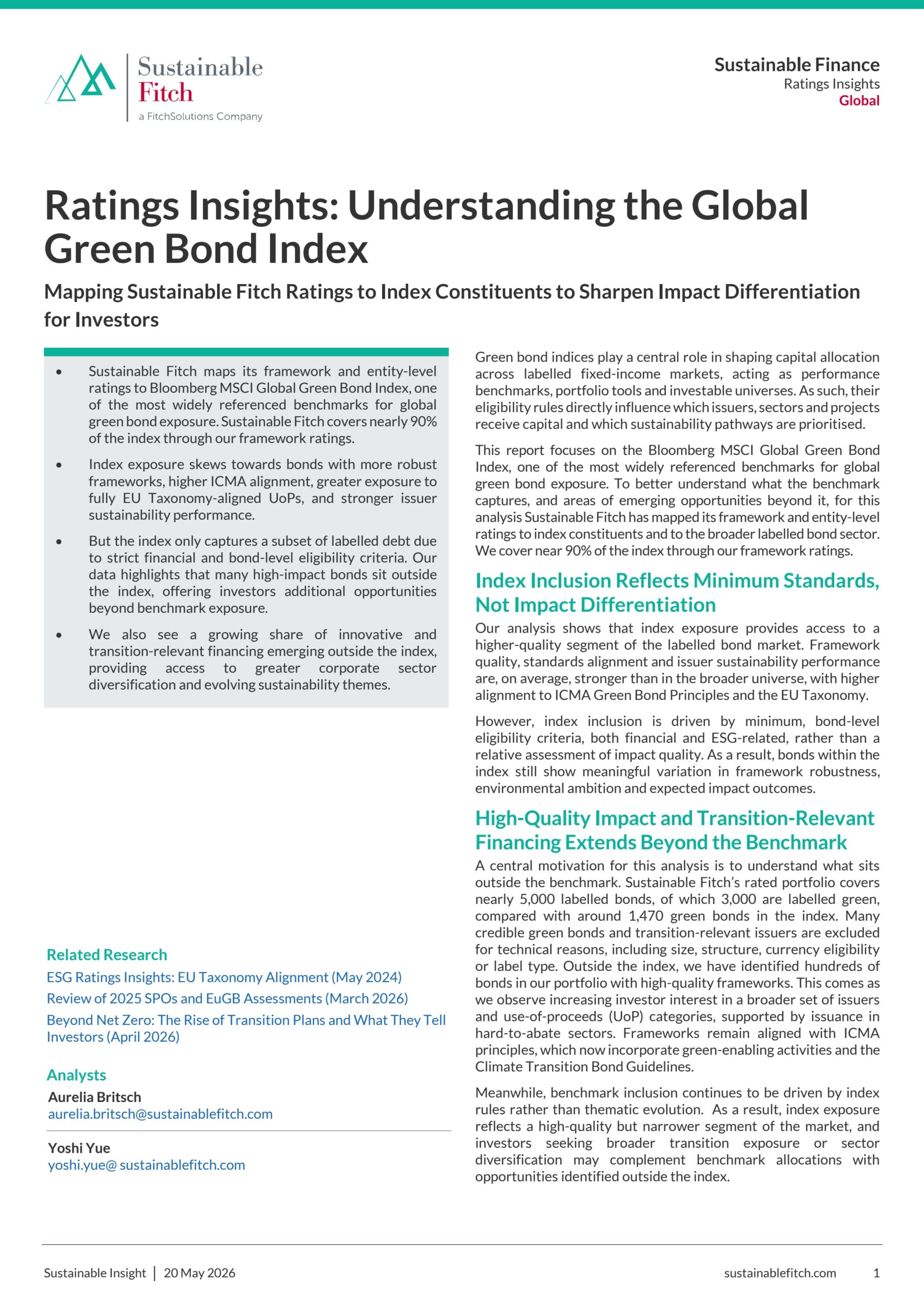
Ratings insights: Understanding the global green bond index
Sustainable Fitch maps its framework and entity-level ratings to the Bloomberg MSCI Global Green Bond Index, covering 88% of index bonds. While index constituents show stronger framework quality and ICMA alignment than the broader market, many high-quality and transition-relevant bonds sit outside the benchmark due to financial eligibility constraints.


