
Library | ESG issues
Governance
The governance pillar in ESG (environmental, social, and governance) refers to the systems, policies, and practices that ensure an organisation is managed responsibly and ethically. It includes issues such as board structure, reporting & disclosures, shareholders & voting, and risk management. Strong governance reduces risks, enhances trust, and supports long-term business sustainability.
Refine
2256 results
REFINE
SHOW: 16


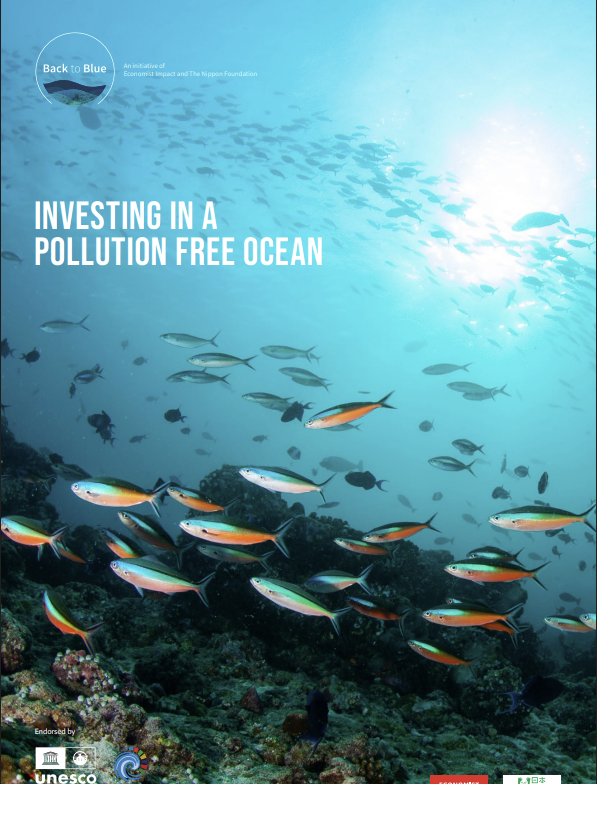
Investing in a pollution free ocean
The report explores how ocean pollution poses financial, legal and reputational risks to businesses, particularly land-based sectors. It identifies data gaps as a barrier to effective decision-making and highlights opportunities in green chemistry, data innovation and sustainable finance. It recommends integrating ocean health into corporate and financial strategies.
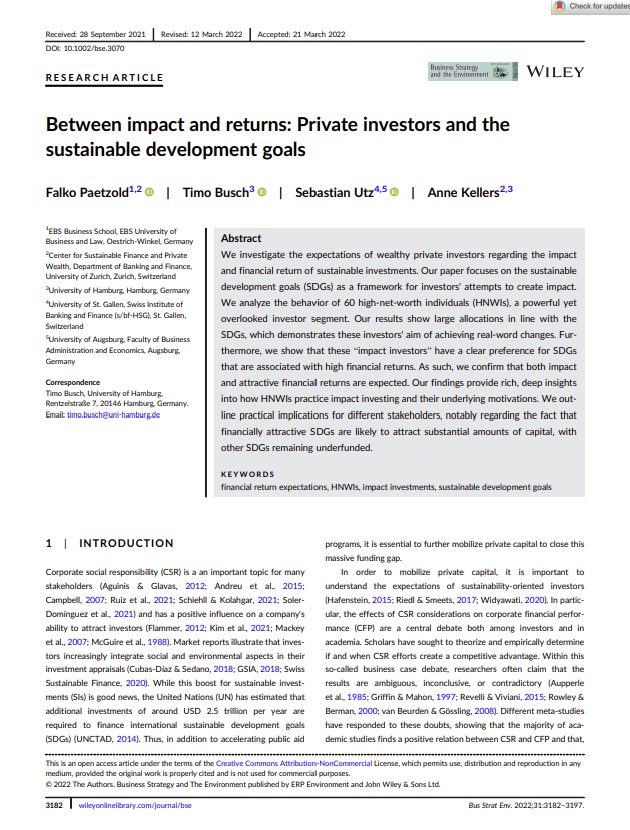
Between impact and returns: Private investors and the sustainable development goals
Wealthy private investors increasingly align their portfolios with the UN Sustainable Development Goals (SDGs), seeking both measurable impact and financial returns. Investors favour SDGs linked to higher expected profits, leading to underinvestment in less profitable goals. Findings are based on portfolio data, surveys, and interviews with 60 high-net-worth individuals.

Understanding company-community relations toolkit
This toolkit provides a structured approach for companies to understand the basis for community support and how to measure perceptions of support. It enables companies to identify the reasons why community support may be lacking at a project or operation and develop targeted approaches for improving company-community relationships.

First Nations Cultural Heritage Alliance
First Nations Heritage Protection Alliance (FNHPA) is a national coalition of Aboriginal and Torres Strait Islander organisations dedicated to strengthening laws, policies, and procedures for recognising, respecting, protecting, and celebrating First Nations cultural heritage in Australia. FNHPA collaborates with government and industry to modernise protections and promote best practices in cultural heritage management.
Accountability Framework
The Accountability Framework guides financial institutions on how to establish policies for responsible lending and investment in the food, agribusiness, and forestry sectors. It also helps financial institutions to screen and engage their clients and portfolios to fulfil these policies. It also assists with assessing environmental and social risk and performance in investment portfolios, and supports company engagement.
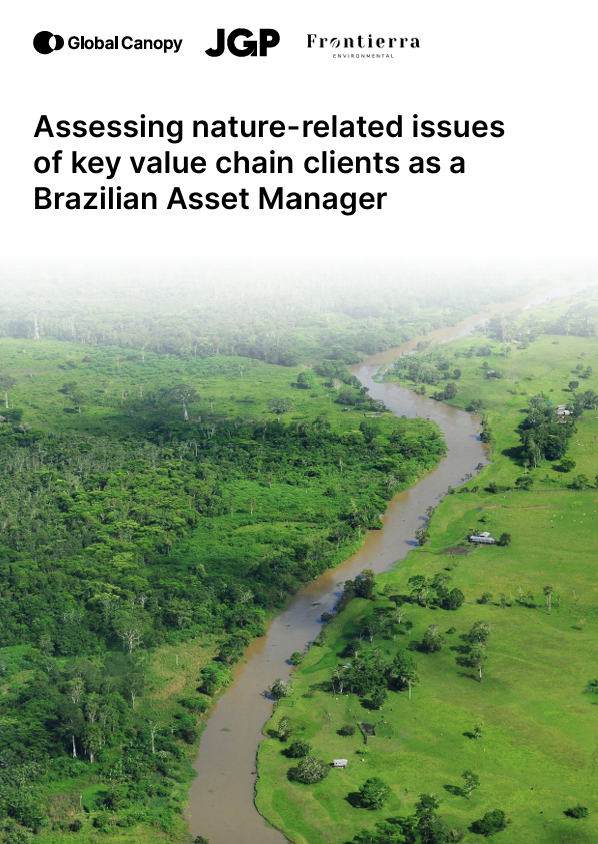
Assessing nature-related issues of key value chain clients as a Brazilian Asset Manager
This case study details JGP's participation in piloting the Taskforce on Nature-related Financial Disclosures (TNFD) LEAP approach. The study focuses on assessing JGP's exposure to tropical deforestation through companies connected to the agriculture sector in its investment portfolio.
First Nations investment screening approach
This document provides a clear and concise example of how to screen investments for potential financed impacts to Indigenous Peoples, including both positive and negative impacts. The screening approach described was developed in consultation with First Nations representatives.
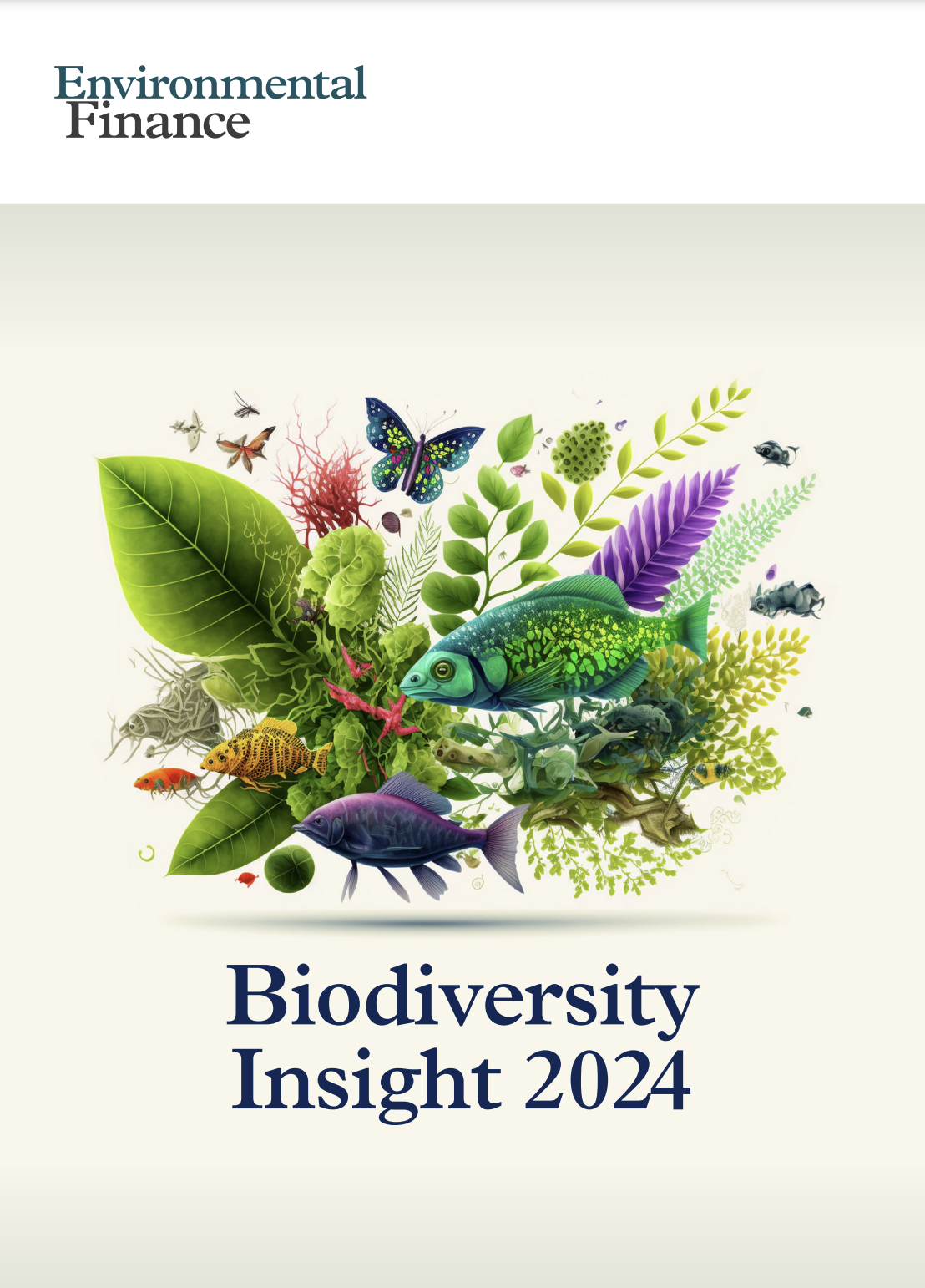
Environmental Finance's biodiversity insight series
This series explores the evolving role of biodiversity in sustainable finance, investment strategies, and regulatory developments. It examines biodiversity risk, natural capital investment, reporting frameworks, and financial instruments supporting conservation efforts. The series provides insights into emerging market mechanisms, data challenges, and the integration of biodiversity considerations into financial decision-making.
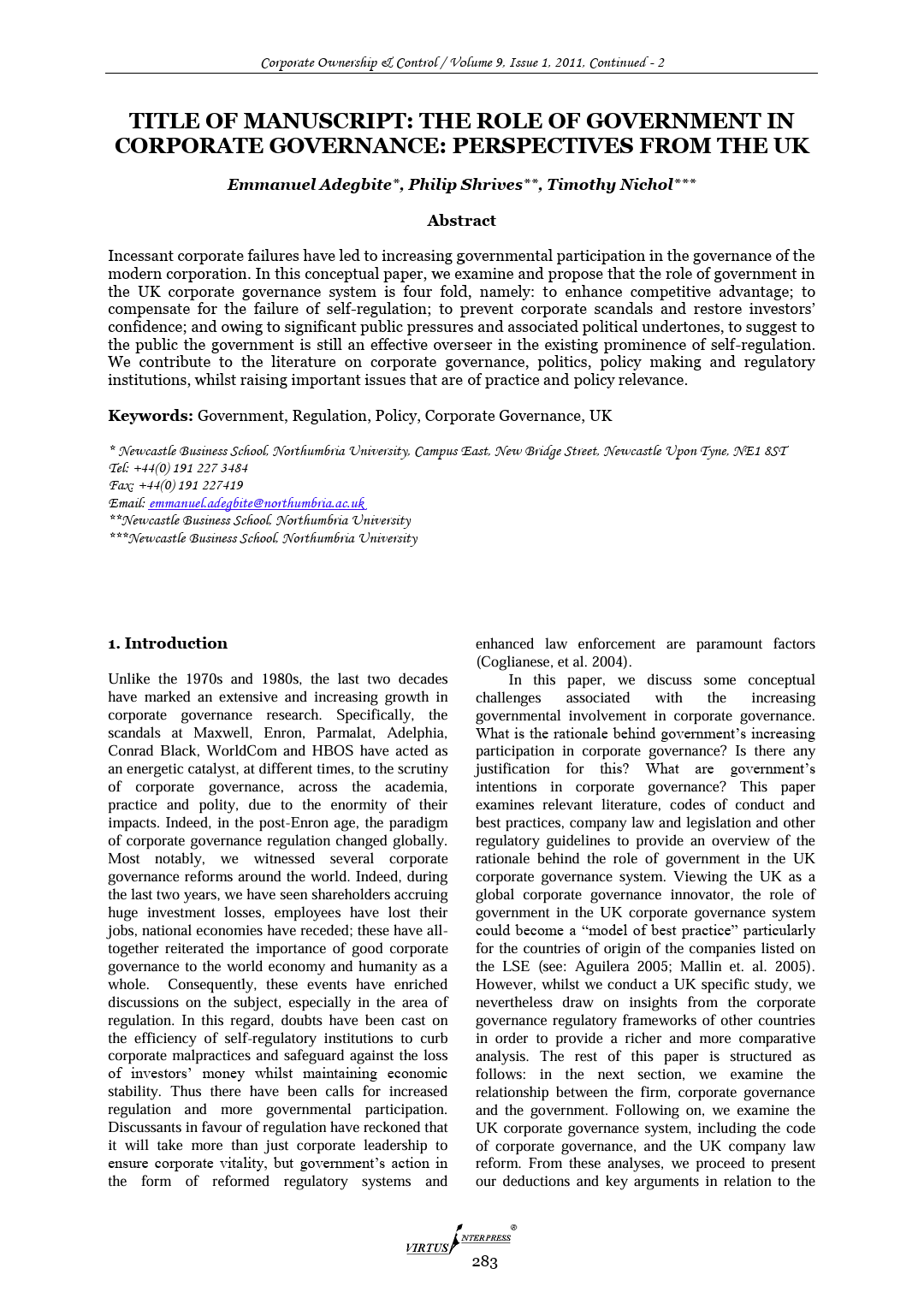
The role of government in corporate governance: Perspectives from the UK
The report examines the UK government's role in corporate governance, identifying four key functions: enhancing competitive advantage, compensating for self-regulation failures, preventing corporate scandals, and reassuring the public of its oversight. It evaluates regulatory frameworks, corporate failures, and policy developments, highlighting implications for governance, politics, and economic stability.

Australian Impact Investments (Aii)
Australian Impact Investments (Aii) is a specialist asset consulting firm dedicated to mobilising capital for positive social and environmental impact alongside financial returns. Established in 2014, Aii collaborates with charitable trusts, foundations, family offices, wealth advisors, and institutions, offering bespoke impact strategies, rigorous investment analysis, and comprehensive portfolio management. With a focus on responsible investing, Aii assists clients at every stage of their impact journey.

Investor expectations for corporate just transition planning
The report outlines investor expectations for corporate just transition planning, offering a framework for assessing companies' strategies in transitioning to a net zero economy. It highlights key principles, including stakeholder engagement, economic stability, and social equity. Investors are advised to evaluate transparency, governance, and worker support measures to ensure responsible and sustainable corporate transitions.
Storm clouds and silver linings: Long-term investing in an age of geopolitical uncertainty
The report explores the impact of geopolitical uncertainty on long-term investing, highlighting risks and opportunities for institutional investors. It emphasises the need for integrating geopolitical considerations into investment strategies, governance, and decision-making frameworks. The report provides practical tools for investors to assess geopolitical resilience, manage risks, and engage with stakeholders while balancing short-term pressures with long-term value creation.
FCLTGlobal
FCLTGlobal is a non-profit organisation that develops actionable research and tools to drive long-term value creation for savers and communities. Its members include leading companies and investors worldwide, collaborating to promote sustainable and prosperous economies through long-term investment strategies.

EU taxonomy navigator
The EU Sustainable Finance Taxonomy is a classification system that defines environmentally sustainable economic activities. It helps investors, companies, and policymakers assess sustainability performance and align financial flows with climate and environmental objectives. The tool supports transparency and comparability in sustainable finance, aiding compliance with EU sustainability regulations.

PRI's regulation database
The PRI's regulation database documents financial, corporate, and real economy policies that support, encourage, or require responsible investment practices. It focuses on the top 20 countries by PRI signatory count, plus G20 members and the European Union, providing a comprehensive view of evolving policy frameworks in key markets.

Introducing a standardised framework for escalating engagement with companies
ShareAction’s report introduces a standardised escalation framework for investors to engage with companies on environmental and social issues. It outlines an escalation toolkit and pathway to ensure structured, transparent, and time-bound engagement. The framework aims to enhance investor accountability, drive systemic change, and improve corporate sustainability practices through clear expectations, reporting, and enforcement mechanisms.


