
Library | Finance relevance
Insurance and risk professionals
Refine
346 results
REFINE
SHOW: 16


Reporting framework for the Sustainable Blue Economy Finance Initiative
This framework outlines the reporting requirements for signatories to the Sustainable Blue Economy Finance Principles. It provides guidelines on what to report, how to report, and the annual reporting process. This framework supports transparency and accountability, with a focus on actions, targets, and governance structures aligned with sustainable blue economy principles.

Nature-related litigation: Emerging trends and lessons learned from climate-related litigation
This report explores emerging trends in nature-related litigation, focusing on biodiversity, deforestation, ocean degradation, and plastic pollution. It highlights the legal risks for the financial sector and calls for increased monitoring. Lessons from climate-related litigation are applied to nature protection strategies, impacting regulatory and corporate practices.

Climate-related litigation: recent trends and developments
The report highlights the growing volume and diversity of climate-related litigation. It outlines legal trends targeting financial and non-financial institutions and governments, with significant implications for financial risks and reputational damage. The report emphasises the potential increase in litigation tied to climate disclosure laws, greenwashing, and corporate responsibilities.

Guide for adaptation and resilience finance
The guide outlines strategies for mobilising private capital into climate adaptation projects in emerging markets. It provides investment criteria, eligible activities, and guidance on reducing climate risks. The guide aims to standardise financing processes for resilience across global financial systems.

Insurance-associated emissions: Top tips for finance teams of insurers and reinsurers
This report provides finance teams in the insurance industry with practical guidance on calculating insurance-associated emissions. It outlines the PCAF Standard, emphasises the importance of establishing an emissions baseline, and offers actionable steps for leveraging data, improving processes, and supporting decarbonisation.
Turning strategy into reality: ESG implementation challenges in Australia’s finance sector
The report highlights the challenges financial institutions face in embedding Environmental, Social, and Governance (ESG) strategies. It covers topics such as governance, skills gaps, data issues, and the critical role of the front office in driving sustainability goals, offering practical steps for overcoming these hurdles.
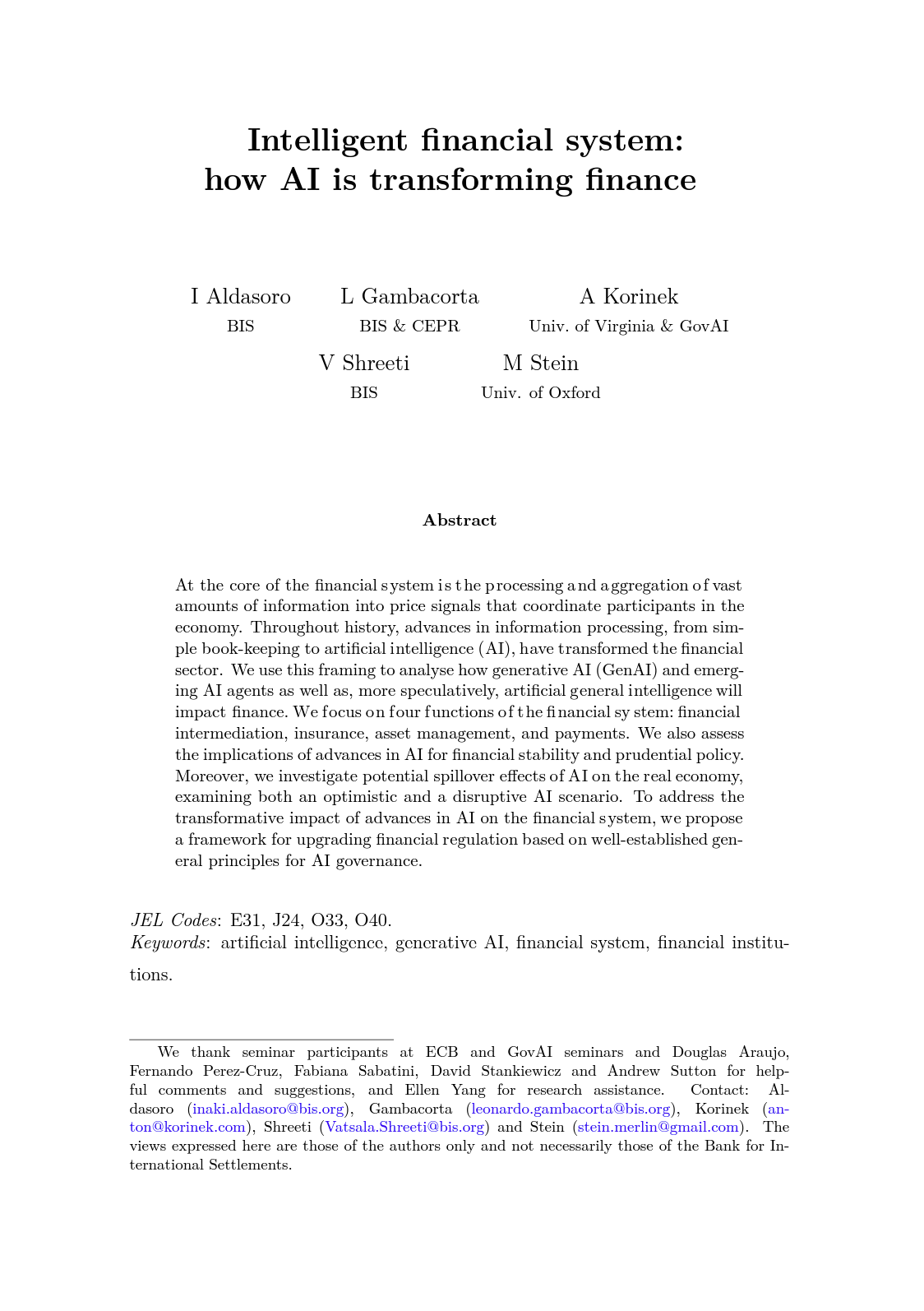
Intelligent financial system: How AI is transforming finance
The report explores the transformative role of AI in the financial sector, focusing on financial intermediation, insurance, asset management, and payments. It highlights both opportunities and challenges, including implications for financial stability and the need for upgraded financial regulation to manage the risks associated with AI's growing influence.
3 degrees more: The impending hot season and how nature can help us prevent it
This three-part journal explores the severe impacts of a 3°C temperature rise on climate, biodiversity, agriculture, human survival, and the economy, emphasising the need for urgent climate action and nature-based solutions.

Work Health Index
The Work Health Index tool measures workplace health and wellbeing across various sectors. It provides organisations with insights into their performance, highlighting areas for improvement and enabling data-driven strategies to enhance employee wellbeing and productivity.
ShareAction's insuring disaster benchmark series
The "Insuring Disaster" series by ShareAction evaluates the responsible investment and underwriting practices of the world's largest insurers, focusing on their approaches to critical environmental and social issues. This benchmark series highlights the industry's impact on climate, biodiversity, and human rights, offering actionable recommendations for improvement.
Qualitative assessment of complex and interacting climate risks
This report highlights the limitations of solely relying on quantitative climate risk assessments and emphasises the importance of qualitative methods. It discusses complex interactions between hazards, vulnerabilities, and exposures across built, social, natural, and economic domains, advocating for systems thinking and intersectional approaches to better capture and mitigate climate risks.

Sustainable finance roadmap 2024
The Australian Government's 2024 Sustainable Finance Roadmap outlines a plan to mobilise private capital towards achieving net-zero emissions. It focuses on improving transparency in climate and sustainability reporting, enhancing financial system capabilities, and demonstrating government leadership. Key initiatives include mandatory climate-related financial disclosures, developing a sustainable finance taxonomy, and issuing sovereign green bonds.

FAST connection diagnostic and risk mapping
The FAST Initiative's Risk Mapping tool aids finance professionals in identifying and mitigating risks related to forced labour and human trafficking in supply chains. It offers practical guidance and resources to enhance due diligence and promote responsible investment practices.
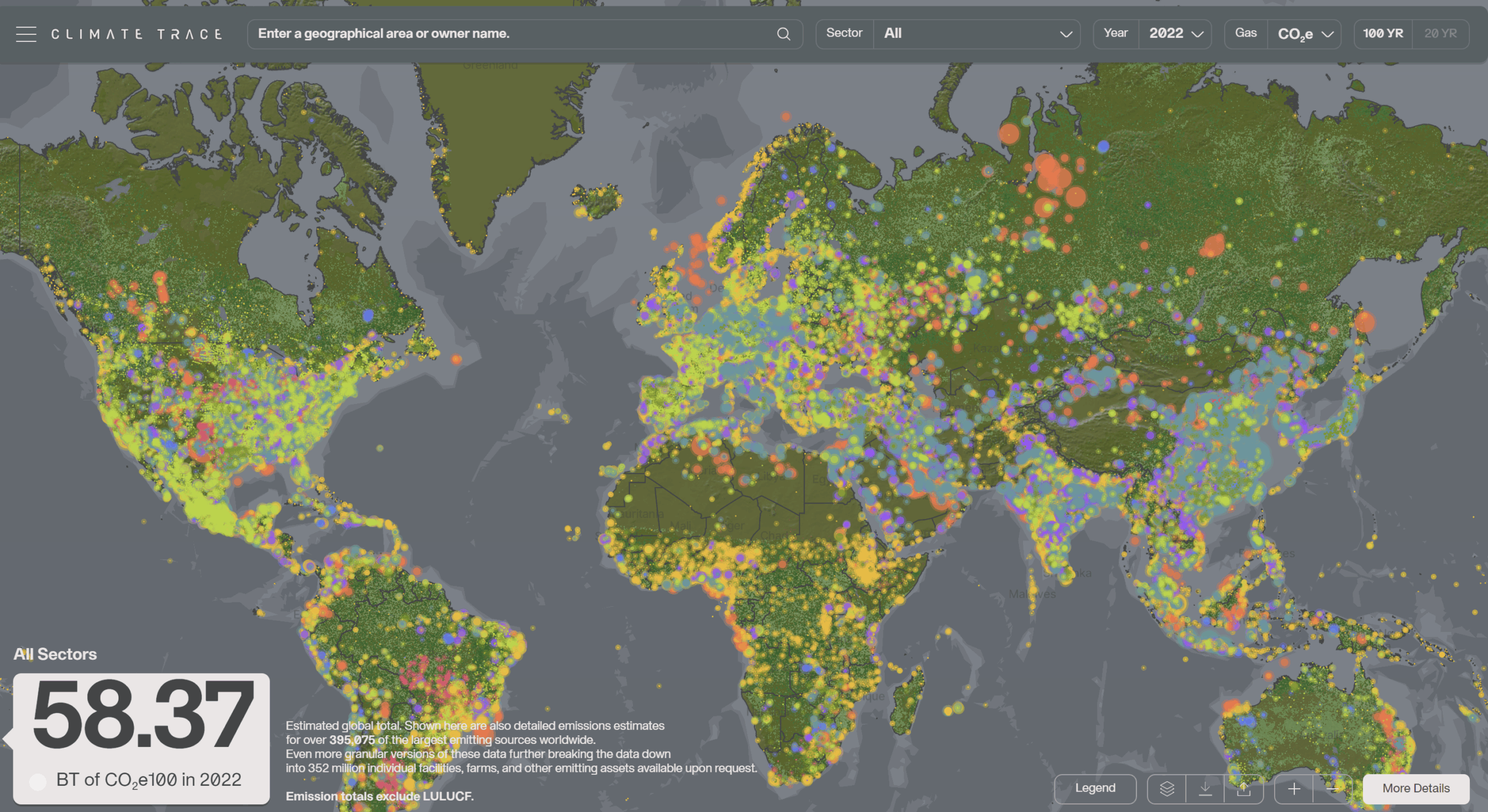
Climate TRACE
Climate TRACE is a comprehensive tool for tracking global greenhouse gas emissions. Utilising satellite data and AI, it provides real-time insights, helping finance professionals assess environmental impacts and make informed decisions. This tool supports ESG integration and sustainability in financial practices.

2024 XDI Asia-Pacific real estate investment trust physical climate risk report
This benchmark report assesses the vulnerability of 2,134 assets across 20 APAC REITs to climate risks. By 2050, nearly 10% of properties face high risk, particularly from coastal inundation and flooding, highlighting significant financial implications for investors and the urgent need for adaptation strategies.

Energy transition risks and opportunities initiative's series
Energy Transition Risk and Opportunities Initiative (ET Risk) provides finance professionals with tools to assess energy transition risks and opportunities. The project focuses on sustainable finance, ESG impacts, and climate change, helping users make informed investment decisions.


