
Library | Asset Class
Multi-Asset / General
Investment strategies that allocate across multiple asset classes (e.g., equities, bonds, real estate, alternatives) for diversification.
Refine
1367 results
REFINE
SHOW: 16


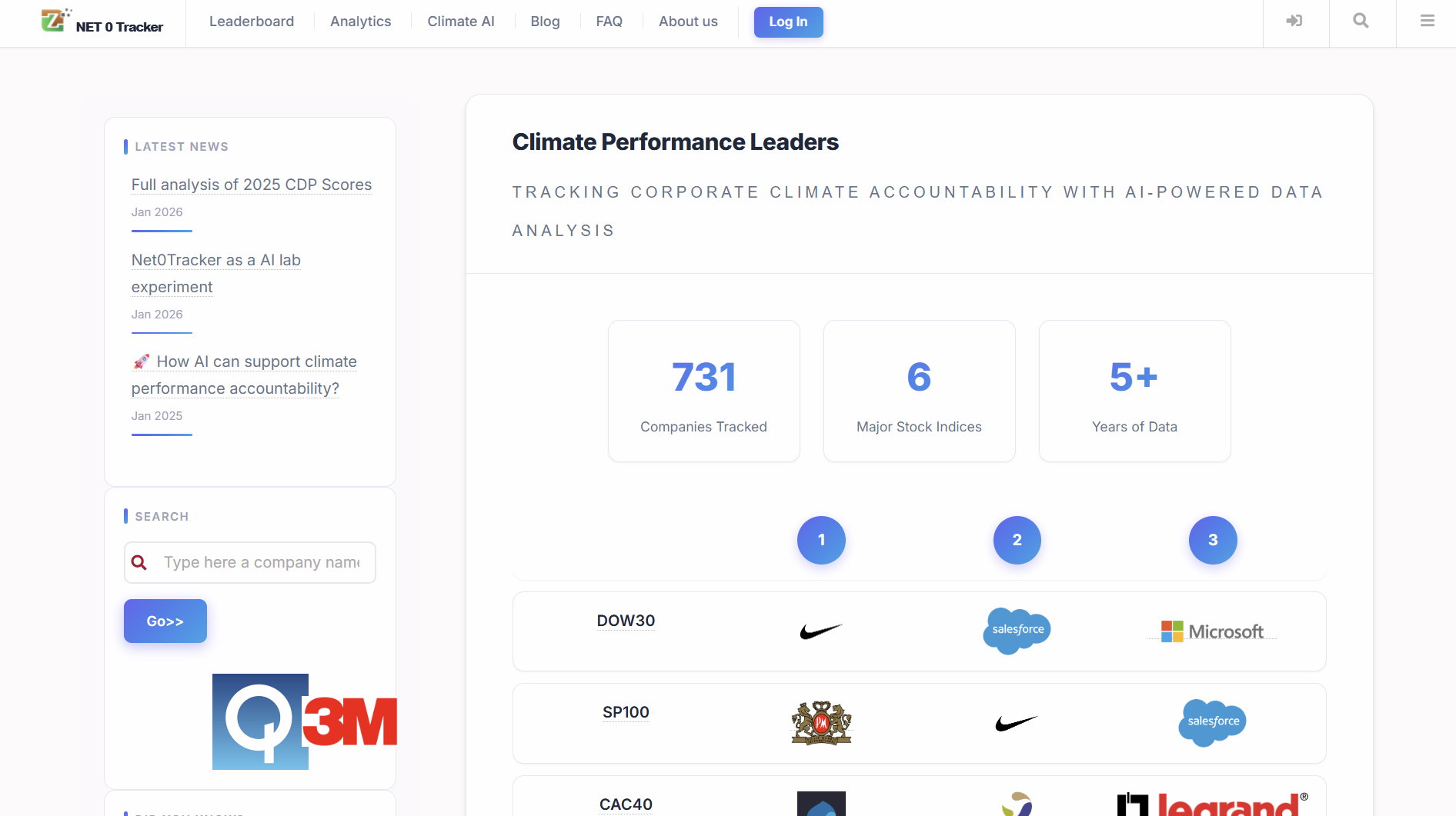
Net 0 Tracker
Net Zero Tracker is a publicly accessible database tracking net zero targets and progress of countries, regions, cities and companies. It standardises information on pledges, legal status and implementation, supporting comparison, accountability and evidence-based analysis of climate commitments.
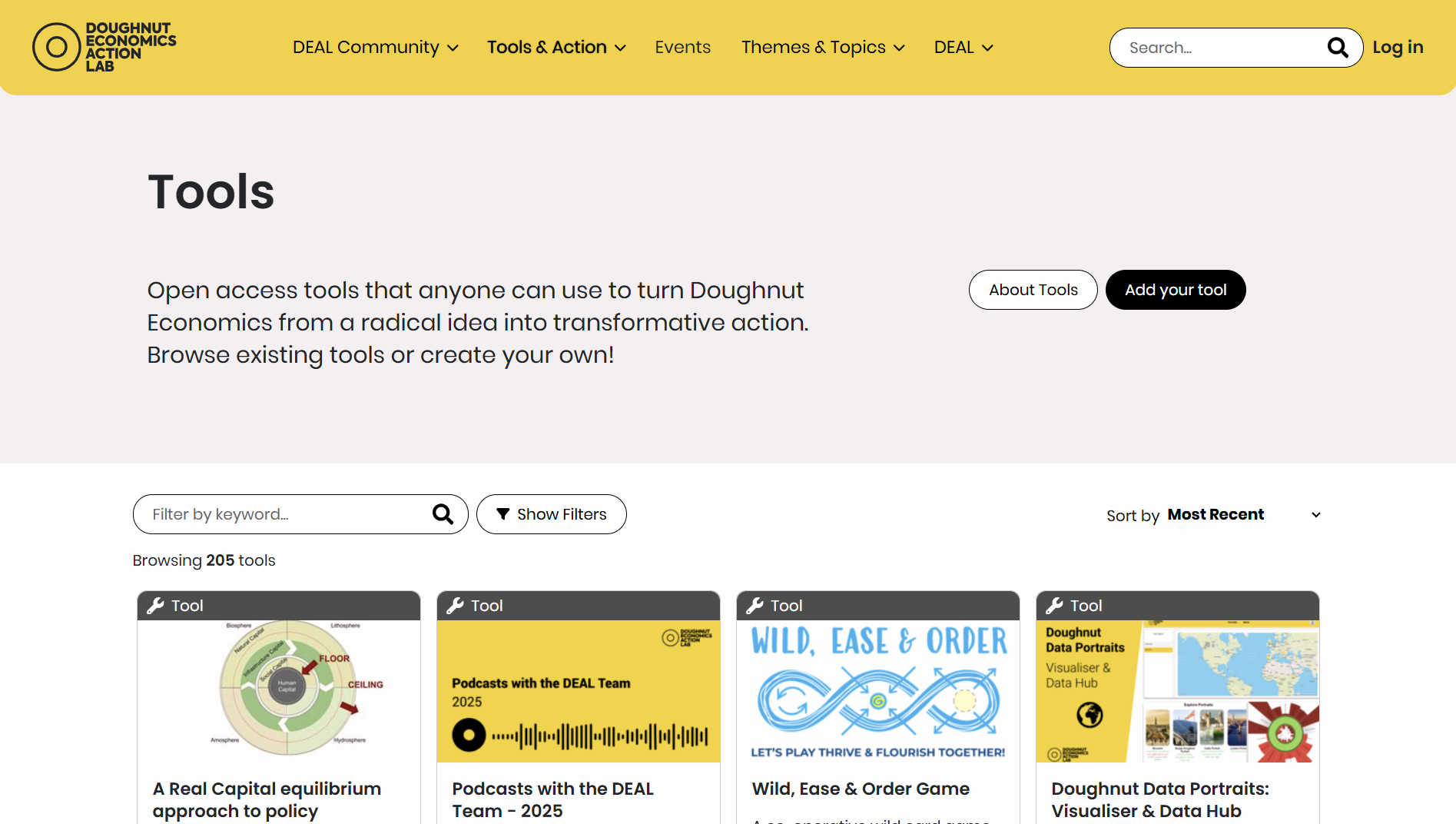
Doughnut Economics Action Lab
Doughnut Economics Action Lab tools provide practical frameworks, guides, and interactive resources to apply Doughnut Economics in policy, business, and place-based contexts, supporting decision-making that balances social foundations with ecological limits through evidence-informed, adaptable methodologies.

Climate fiduciaries: part III – mind the model gap
The article explores how pension funds rely on imperfect climate models to assess financial risk and whether fiduciary duty requires deeper scrutiny of their assumptions. It highlights emerging legal challenges, model limitations, and the shift toward richer scenarios and climate narratives in investment decision-making.
A path to post-growth pensions: How rethinking retirement savings could help us ensure wellbeing for all
This report examines how pension systems reliant on perpetual economic growth face systemic financial, social and environmental risks. It proposes reorienting pensions towards a post-growth framework, emphasising wellbeing and multicapital outcomes over financial returns alone, and outlines pathways and barriers for pension fund reform.

From promise to performance: Reforming blended finance for scale
This report examines why blended finance has failed to scale in emerging markets. Drawing on expert interviews and analysis, it identifies structural barriers and proposes reforms to improve transparency, risk pricing, liquidity, project pipelines and additionality, aiming to better mobilise private capital.
Global carbon budget series
The Global Carbon Budget is a recurring research series that synthesises global data on carbon dioxide sources and sinks. It provides a consistent framework for tracking emissions, atmospheric concentrations, and carbon uptake across land and oceans, supporting analysis of climate system dynamics and policy-relevant assessment over time.
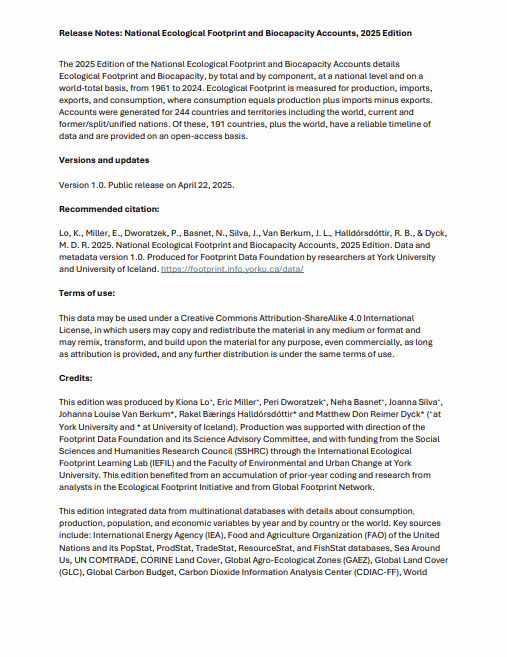
National ecological footprint and biocapacity accounts series
This series provides consistent national and global accounts of ecological footprint and biocapacity, tracking resource demand and regenerative capacity over time. It supports comparative analysis across countries and years, using harmonised methods and internationally sourced data to inform sustainability assessment and policy analysis.

Global rights index series
This benchmark series provides an annual, country-level assessment of how governments and employers respect internationally recognised labour rights. It offers a consistent framework to compare workers’ rights protections across regions and over time, supporting analysis of legal conditions, enforcement practices, and systemic risks affecting working people.
Sustainable investment funds: Design, implementation, monitoring and communication of sustainability attributes
PAS 7342:2025 sets out specifications for designing, implementing, monitoring and communicating sustainability attributes of sustainable investment funds. It provides requirements to support clear objectives, governance, evidence, disclosures and labelling, aiming to reduce greenwashing and improve consistency in fund communication.
Nature-related risk and financial implications for investors
This investor briefing examines how nature-related physical, transition and system-level risks translate into financial risks for investors. It outlines macroeconomic and company-level impacts, and describes how institutional investors can integrate nature considerations into investment strategies, stewardship and policy engagement.

Advancing gender equality and women’s empowerment: Target setting guidance for banks
This guidance outlines how banks can set and implement measurable targets to advance gender equality and women’s empowerment across leadership, portfolios, financial inclusion and ecosystems, aligned with the Principles for Responsible Banking and Women’s Empowerment Principles.
Sustainability disclosure landscape report for risk management: Insights from climate-focused case studies
This report reviews sustainability disclosure standards and regulatory uptake, focusing on climate-related risk management. Using case studies, it examines IFRS S1 and S2 implementation, materiality assessments and transition plans, highlighting disclosure gaps, data challenges and practical approaches to improve decision-useful climate risk reporting.

IFRS S2: Climate-related disclosures
IFRS S2 sets mandatory climate-related disclosure requirements for entities, covering governance, strategy, risk management, and metrics and targets. It integrates TCFD recommendations and SASB guidance to improve consistency, comparability and decision-useful information for users of general purpose financial reports.
Mobilising investment for climate adaptation
This report assesses Australia’s escalating climate risks and argues for scaling adaptation investment. It recommends improved valuation methods, a nationally coordinated adaptation investment framework, and diversified public-private financing mechanisms to reduce long-term economic damage and enhance resilience.
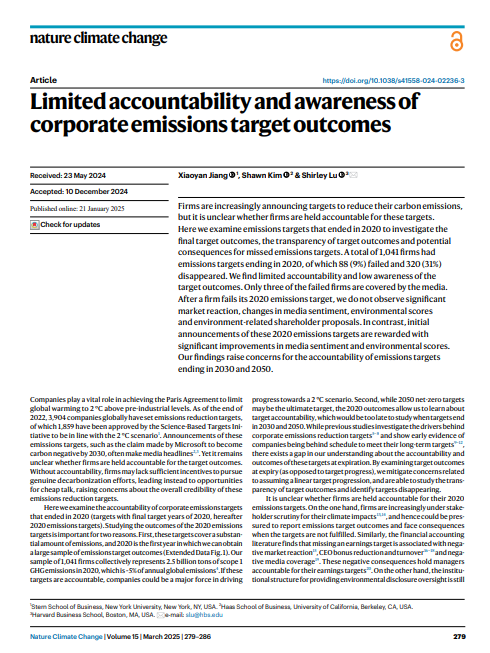
Limited accountability and awareness of corporate emissions target outcomes
The study analyses 1,041 corporate emissions targets ending in 2020, finding limited accountability. Thirty-one per cent of targets disappeared and 9% failed, with minimal disclosure, media attention or market penalties. By contrast, target announcements improved media sentiment and ESG scores, raising concerns for future climate targets.
Net Zero Asset Managers' target disclosures series
The Net Zero Asset Managers Target Disclosures is a reporting series that tracks how participating asset managers set, disclose, and update net zero targets over time. It provides a consistent, initiative-wide view of commitments, disclosure practices, governance arrangements, and methodological approaches across reporting years.


