
Library | Asset Class
Other Real Assets
Tangible assets with intrinsic value beyond financial instruments, e.g., timberland, farmland, or natural resources.
Refine
138 results
REFINE
SHOW: 16


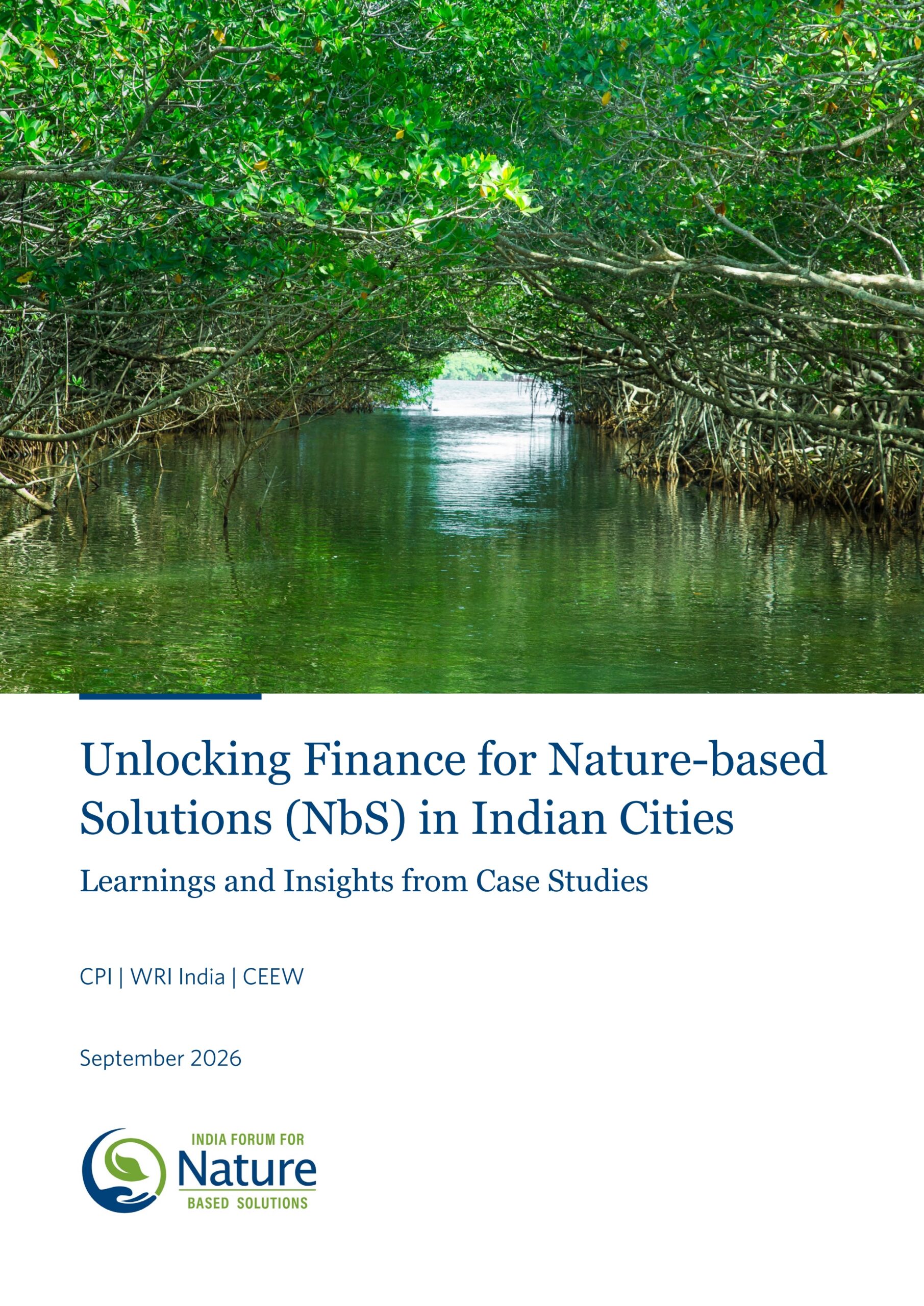
Unlocking finance for nature-based solutions (NbS) in Indian cities: Learnings and insights from case studies
This report examines nine Indian nature-based solutions (NbS) case studies to evaluate financing mechanisms and institutional frameworks. It highlights the importance of reducing technical risk through feasibility studies, aligning with national policies, and sequencing capital to support project scalability and long-term sustainability in urban environments.
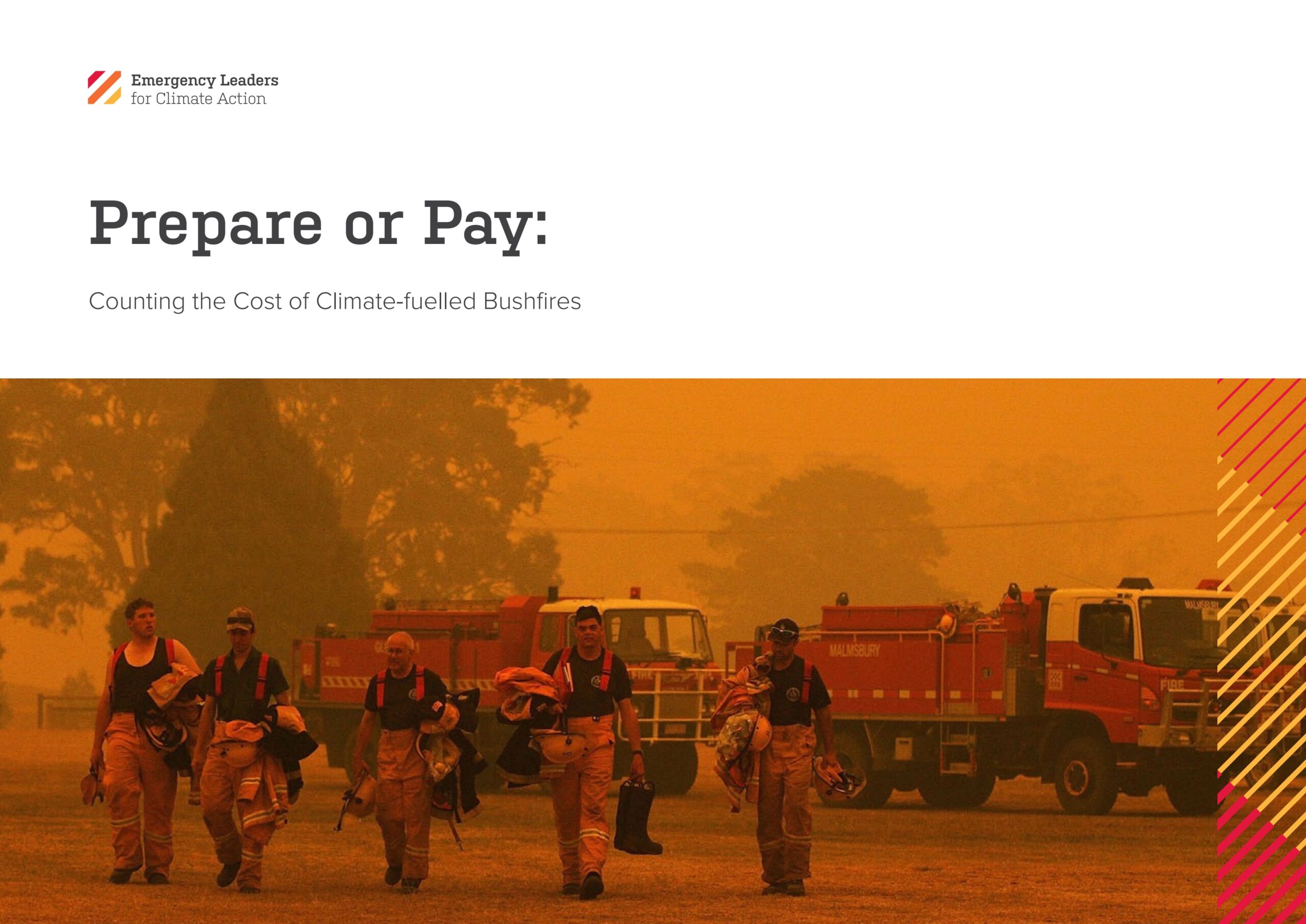
Prepare or pay: Counting the cost of climate-fuelled bushfires
This report quantifies the economic burden of climate-fuelled bushfires in Australia, projecting an average annual cost of $6 billion. It examines how climate change intensifies fire weather and provides recommendations for federal investment in preparedness, community resilience, and the rapid reduction of coal, oil, and gas pollution.
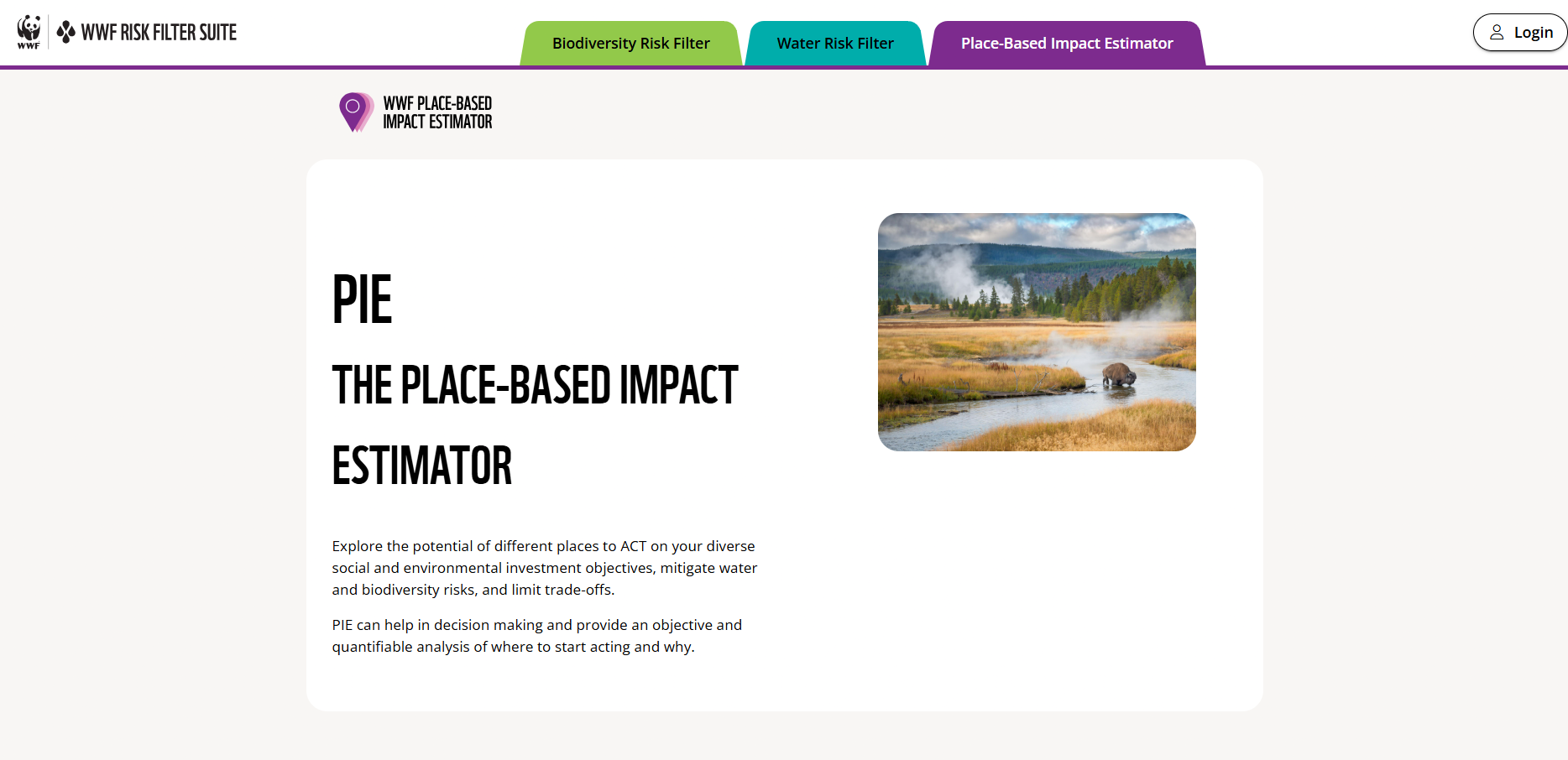
Place-based biodiversity investment tool
The Place-based Impact Estimator (PIE) is a geospatial tool by WWF that helps organisations identify optimal locations for nature-based investments. It balances objectives like carbon storage and biodiversity to help finance professionals select high-impact projects while managing environmental trade-offs.
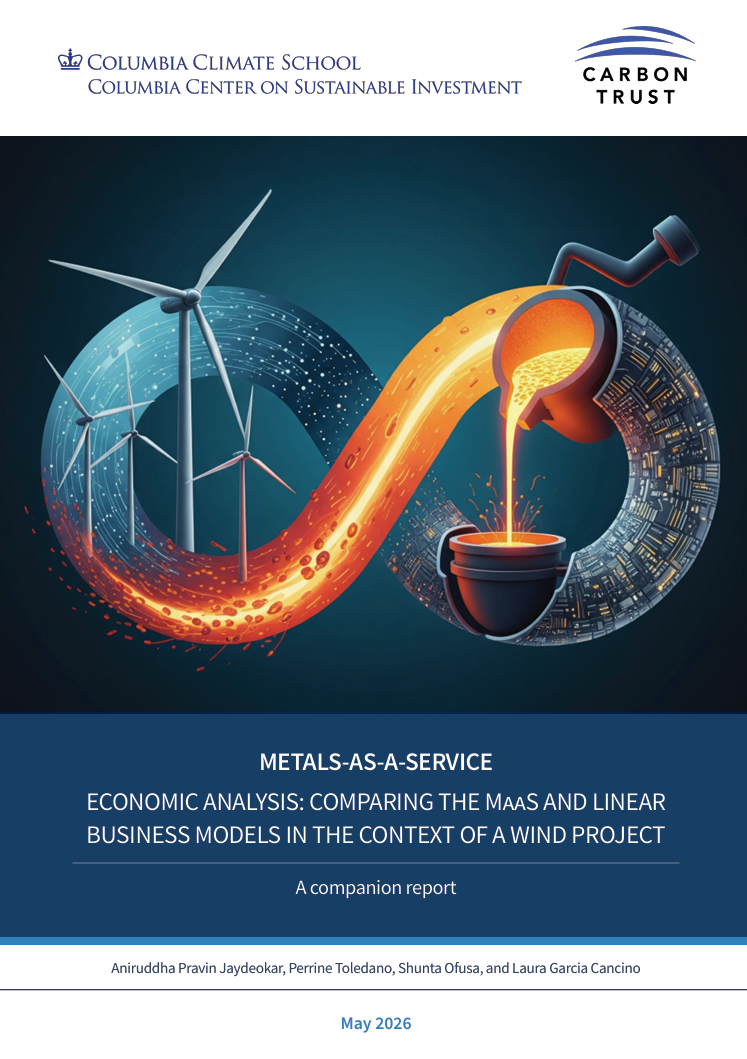
Metals-as-a-Service economic analysis: Comparing the MAAS and linear business models in the context of a wind project
This research compares Metals-as-a-Service (MaaS) and linear business models in onshore wind projects. It finds that MaaS improves risk-adjusted performance, increasing project internal rate of return to 19.94% and reducing levelised cost of energy by 15%. The analysis assesses financial viability and risk mitigation strategies for stakeholders.
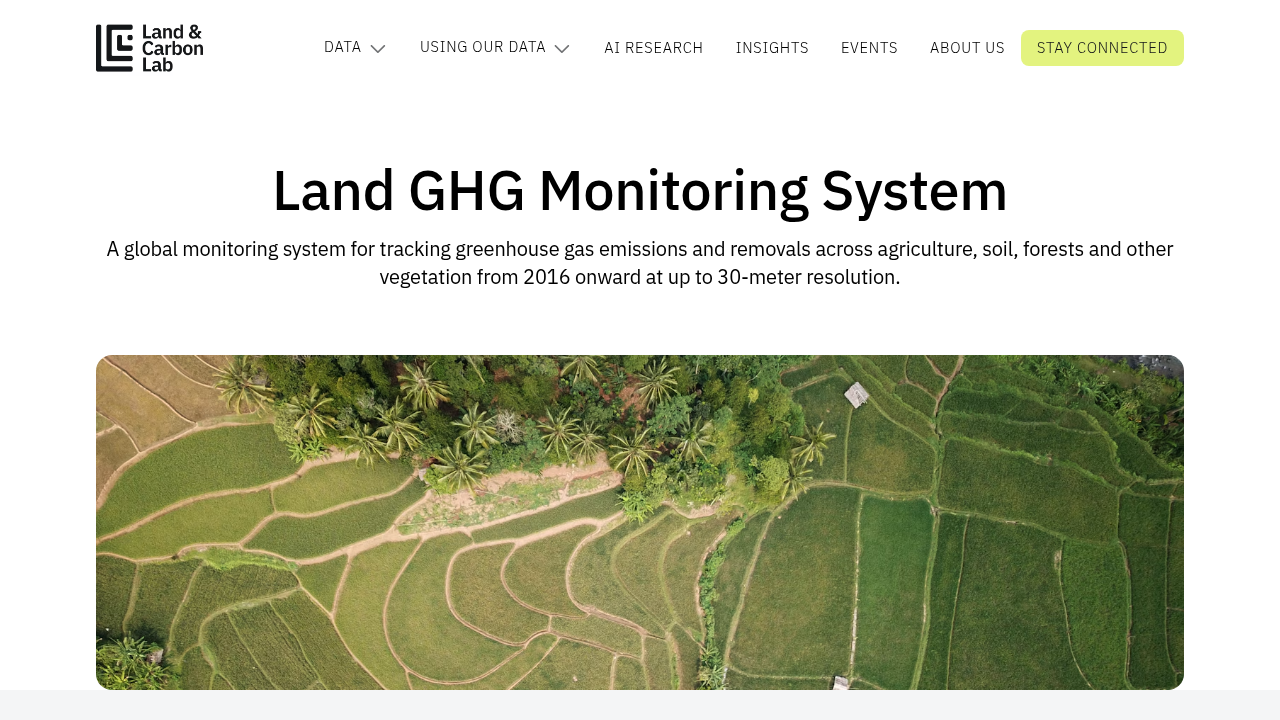
Land GHG Monitoring System
A high-resolution geospatial monitoring system from Land & Carbon Lab and WRI that tracks global greenhouse gas emissions and removals across agriculture, forests, and soils to support corporate accounting and climate-smart land management.
Community energy: Hope and headwinds
This report examines the Australian community energy sector, highlighting growth to over 126 projects by 2023. It explores the tension between strong community motivations and significant economic headwinds, such as scale diseconomies and market volatility. Key findings emphasise technical expertise and de-risking strategies as essential for success.
Gaining ground: State of private investment in nature 2026
This report analyses the growth of private investment in nature between 2016 and 2025, documenting a fivefold increase in annual capital deployment to $14 billion. It highlights the shift towards institutional-grade natural capital and recommends clearer policy drivers and standardised metrics to unlock investment and bridge the $700 billion finance gap.
Asset-level physical climate risk register template
The Asset-level physical climate risk register template, developed by the Investor Group on Climate Change (IGCC), enables consistent documentation of climate hazard assessments. It helps investors and managers track risks such as floods and wildfires at the individual asset level to support financial reporting and resilience planning.
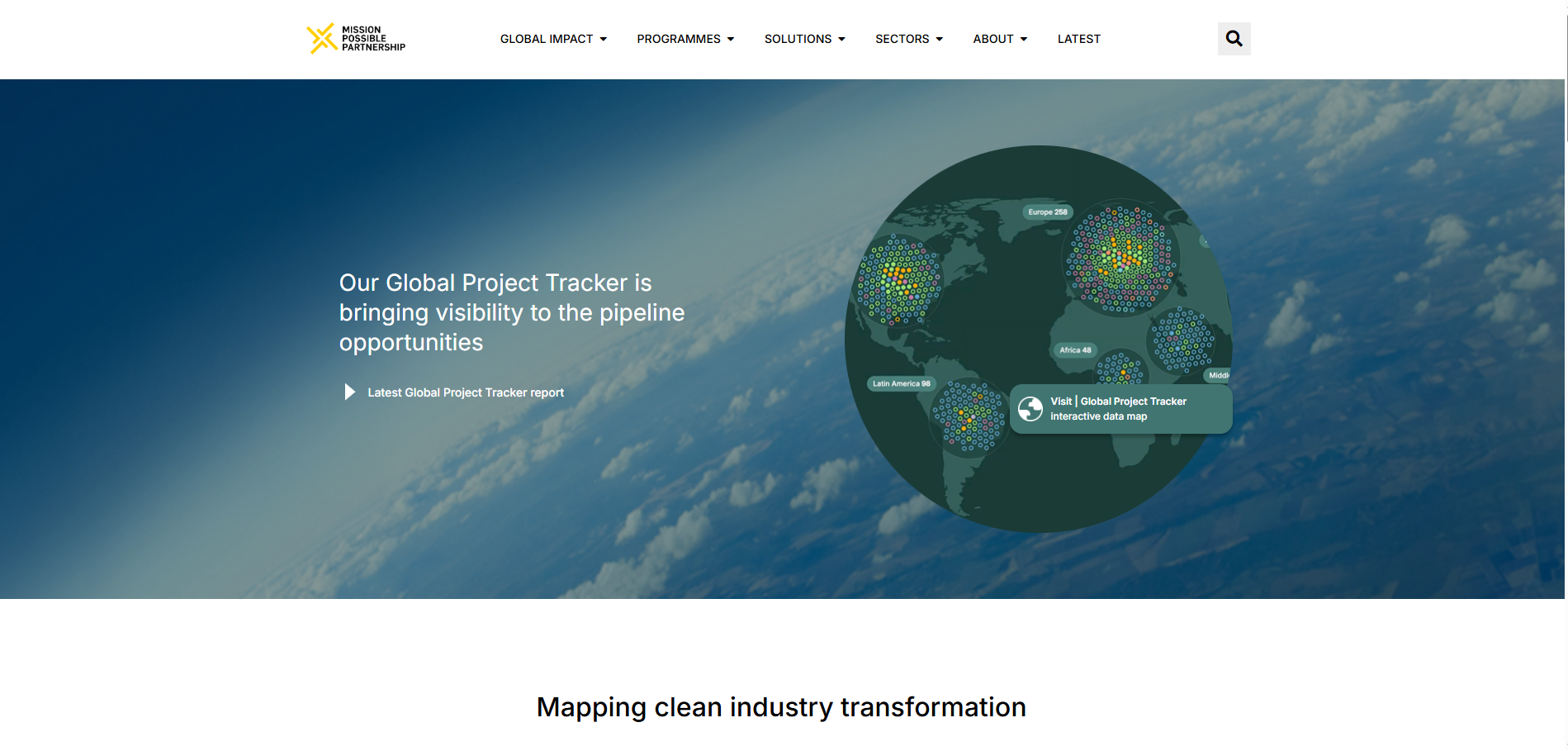
Global Project Tracker
MPP's Global Project Tracker maps the global pipeline of commercial-scale, net-zero-aligned clean industrial plants across materials, chemicals and fuels sectors.
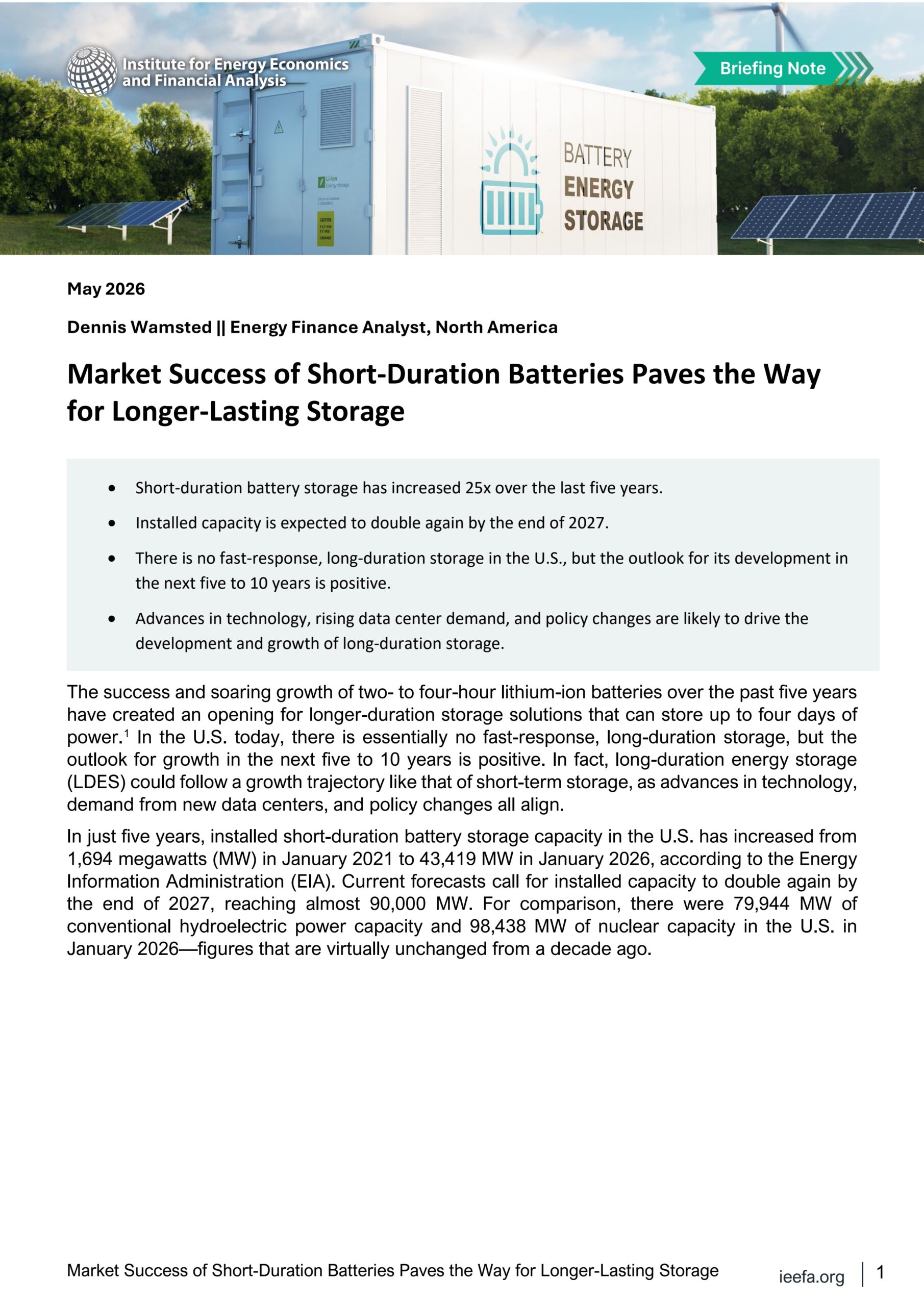
Market success of short-duration batteries paves the way for longer-lasting storage
Short-duration battery storage in the U.S. has grown 25x in five years, reaching 43,419 MW. This IEEFA report examines how that success is opening pathways for long-duration energy storage, driven by state mandates, data centre demand from AI companies, and advances in technologies including iron-air, liquid air, and carbon-oxygen systems.
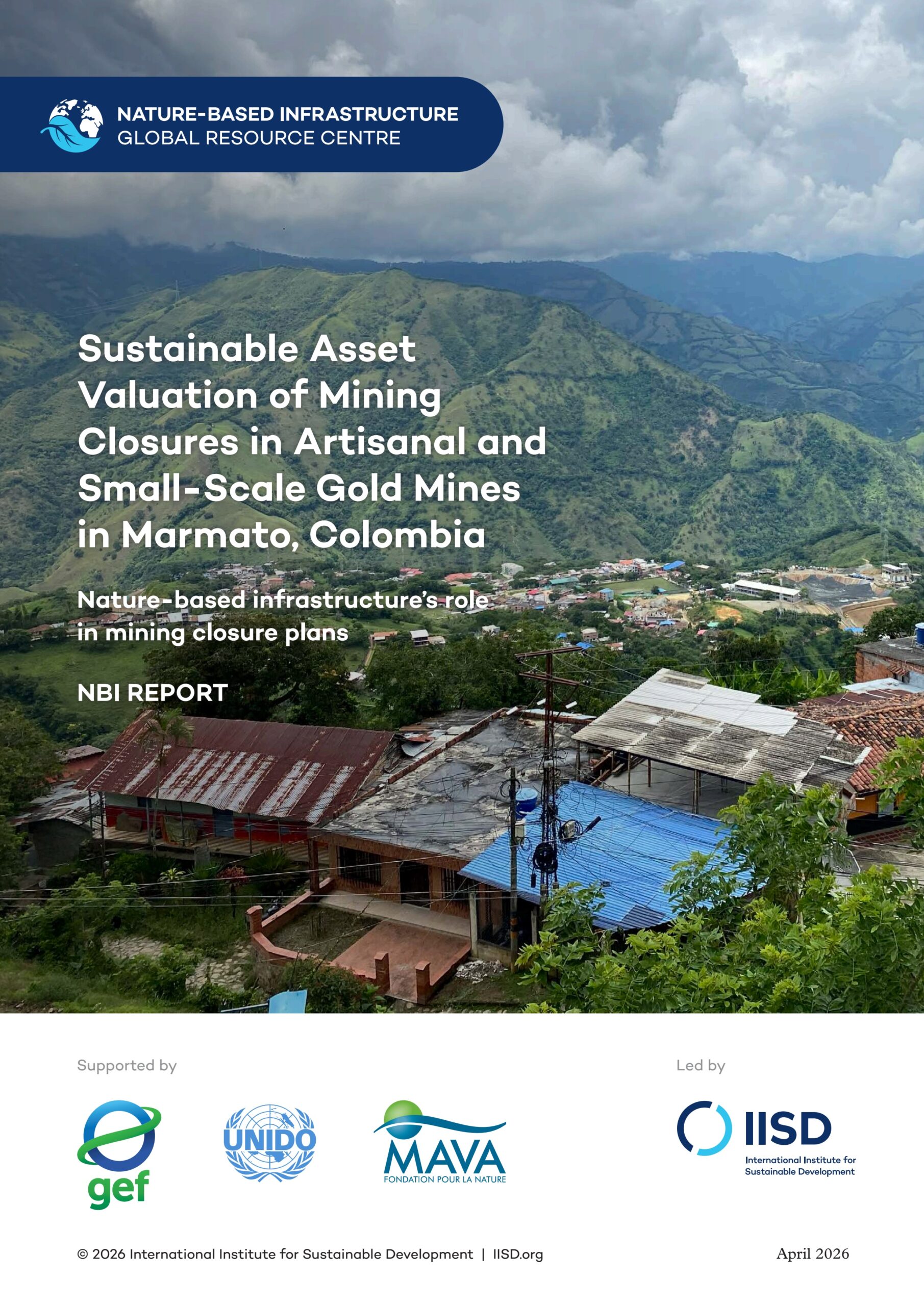
Sustainable asset valuation of mining closures in artisanal and small-scale gold mines in Marmato, Colombia: Nature-based infrastructure’s role in mining closure plans
This report assesses mine-closure strategies for artisanal and small-scale gold mining in Marmato, Colombia. Applying a systems-based valuation methodology, it highlights the economic and environmental benefits of progressive formalisation and closure, emphasising early risk reduction, physical stabilisation, and ecosystem rehabilitation to improve territorial safety.
Value of nature: The investment case for nature-based solutions
This report examines how Ecosystem Service Valuation (ESV) can scale finance for Nature-based Solutions (NbS). By revealing the distribution of socio-economic benefits and costs across stakeholders, ESV provides a standardised framework to inform financial mechanisms and structure effective public-private partnerships.
Forever wild series
This series outlines the Forever Wild Initiative’s approach to financing and managing large-scale wilderness landscapes through blended capital models, community co-design, and nature-based enterprises. It documents the development of equitable nature finance structures that integrate conservation, economic activity, and social outcomes across landscapes.
Nature markets: Overarching principles and framework: Specification version 2
Sets out overarching principles and framework for high-integrity UK nature markets, covering credit generation, trading and storage. Emphasises transparency, additionality, governance, verification and registries to ensure credible environmental outcomes, prevent greenwashing, and support investment in nature recovery.
Global literature review and survey of implementation constraints on natural climate solutions
Global review and project survey of natural climate solutions across 137 countries finds implementation is constrained mainly by social-behavioural, knowledge, and government or organisational barriers, especially weak policy coordination and implementation capacity. Without targeted enabling measures, near-term mitigation will remain below biophysical potential.

Forest Carbon and Climate Program (Michigan State University)
Forest Carbon and Climate Program (FCCP) at Michigan State University advances research, education and professional training on forest carbon, climate change and sustainable forest management.
FCCP delivers courses, events and applied insights supporting climate-smart forestry, carbon markets and land-use decision-making worldwide.


