
Library | Sustainable Finance Practices
Laws and regulations
Government policies, legislation, and regulatory frameworks that shape sustainable finance practice, including mandatory disclosure rules, climate law, financial regulation, and ESG-related requirements.
Refine
190 results
REFINE
SHOW: 16


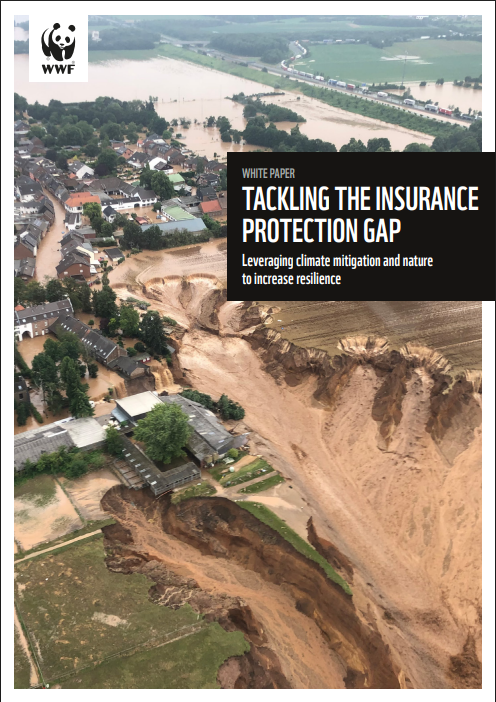
Tackling the insurance protection gap: Leveraging climate mitigation and nature to increase resilience
This white paper analyses how climate change and nature loss are widening insurance protection gaps in advanced economies. It outlines impacts on affordability and coverage, and recommends combining climate mitigation, nature-based solutions, and regulatory reforms to strengthen resilience and maintain insurability.
Database of Business Enterprises Pursuant to Human Rights Council Resolutions 31/36 and 53/25
A document database maintained by the Office of the United Nations High Commissioner for Human Rights providing structured access to official Human Rights Council documentation from sessions 31–36, including resolutions, reports, and meeting records, for reference, review, and archival research purposes.
Department for Energy Security and Net Zero (DESNZ)
Department for Energy Security and Net Zero (DESNZ) is a UK government department responsible for energy security, net zero delivery and climate policy. It develops regulation, strategy and analysis across power, heat, industry and low-carbon transition, supporting economic resilience and emissions reduction in the United Kingdom through design and implementation.

Financial Rights Legal Centre
Financial Rights Legal Centre is an Australian consumer advocacy organisation providing free legal advice, research and policy analysis on financial services. It focuses on banking, insurance, credit and debt, supporting consumer protection, fair regulation, and improved access and affordability within Australia’s financial system.

Consumer Action Law Centre
Consumer Action Law Centre is an independent Australian consumer advocacy organisation advancing fair markets and consumer rights. It delivers legal assistance, policy advocacy, and research on financial services, energy, housing, and essential services, working with regulators and communities to improve consumer protection and economic justice.
German Environment Agency (Umweltbundesamt – UBA)
German Environment Agency (Umweltbundesamt – UBA) is Germany’s central federal environmental authority focused on environmental protection, climate change, air and water quality, chemicals and waste management. UBA conducts scientific research, offers policy advice, implements environmental laws and informs the public to support sustainable environmental outcomes.

Climate fiduciaries: part I – the climate prisoner’s dilemma
This article explores how climate change is reshaping fiduciary duty for pension funds, through court cases, legal analysis, and the concept of systemic risk. It introduces the “climate prisoner’s dilemma,” arguing that climate-aware investment may be shifting from discretionary to obligatory for long-term fiduciaries.
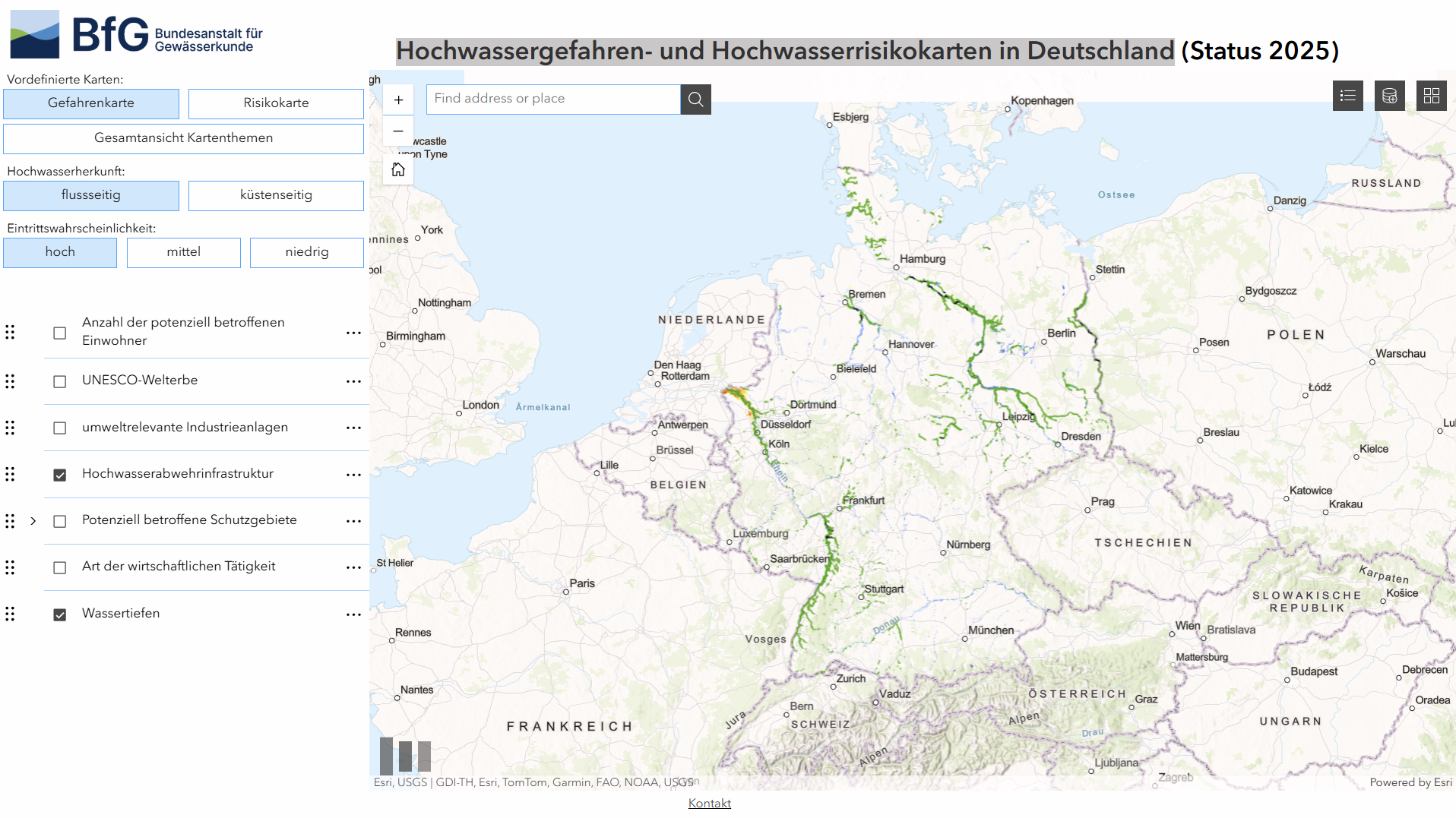
Flood hazard and flood risk maps in Germany (Hochwassergefahren- und Hochwasserrisikokarten in Deutschland)
A German Federal Institute of Hydrology geoportal showing current national flood hazard and risk maps, combining official flood extent, probability and risk layers for reporting under the EU Floods Directive. It supports spatial analysis and links to regional hazard data from responsible authorities.
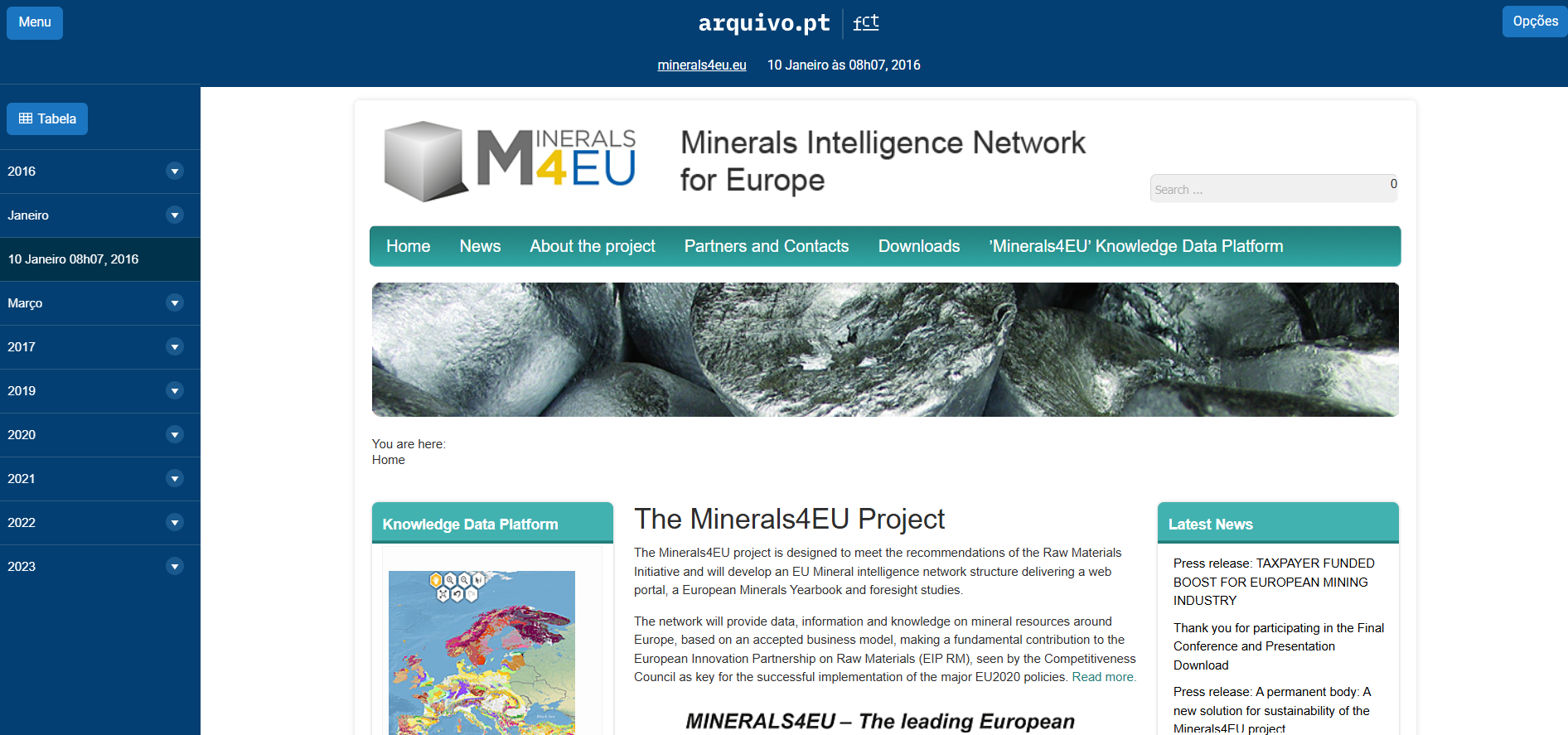
Minerals Intelligence Network for Europe (Minerals4EU)
Minerals4EU was a European mineral intelligence platform providing harmonised spatial and statistical data on mineral occurrences, mines and resources across EU member states. It featured a web portal, a European Minerals Yearbook and supported decision-making on raw materials supply and policy through integrated, interoperable data.
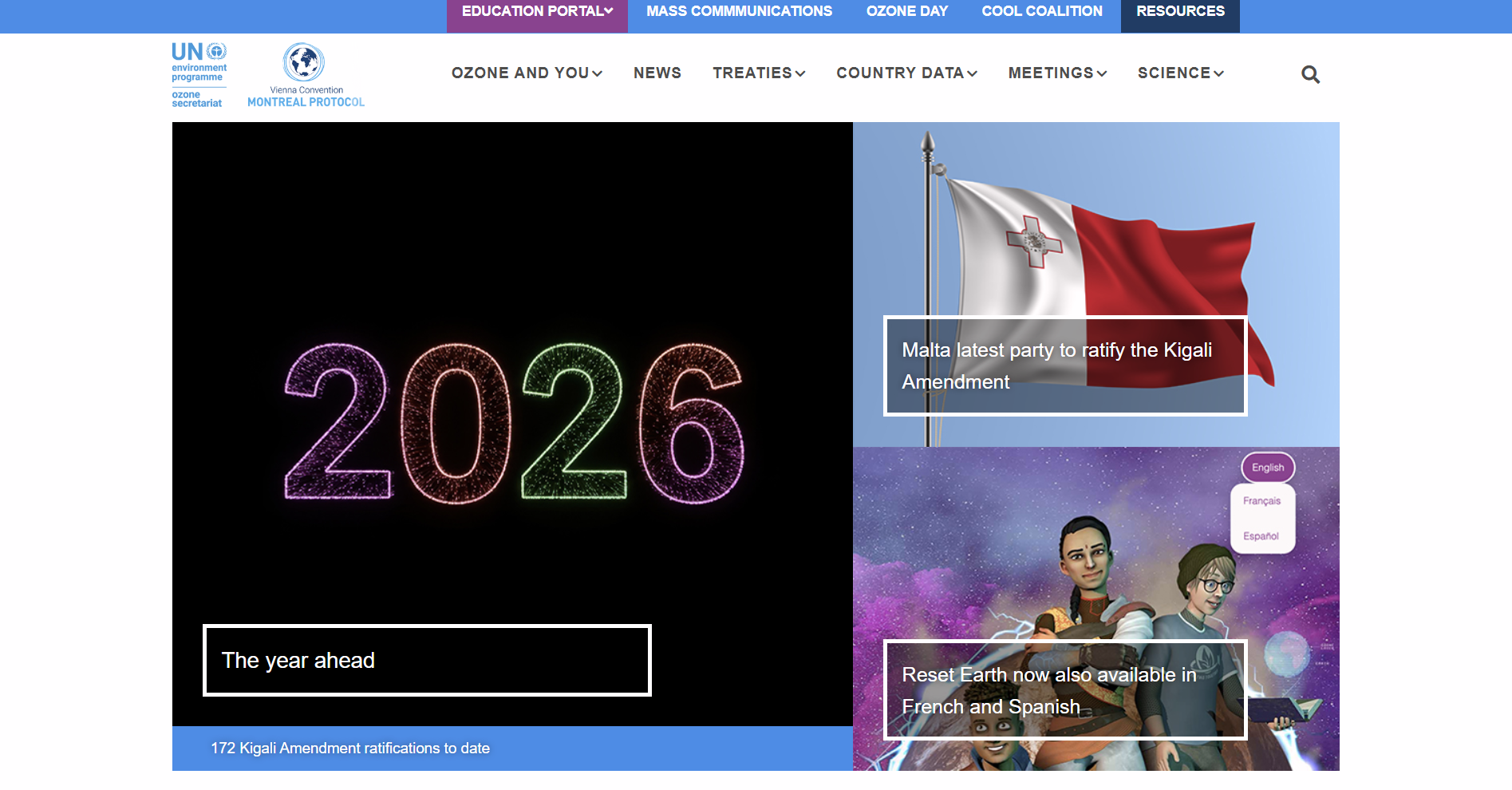
WESR: Ozone
UNEP’s Ozone Secretariat portal supports implementation of the Montreal Protocol by providing access to data, reports, legal texts and compliance resources on ozone-depleting substances (ODS). It aids national authorities and stakeholders in tracking ODS phase-out and supporting global efforts to protect and restore the ozone layer.

UN Department of Economic and Social Affairs (UNDESA)
United Nations Department of Economic and Social Affairs (UN DESA) supports global sustainable development through policy analysis, data, and capacity-building. It leads work on Sustainable Development Goals (SDGs), economic and social policy, population trends, and public governance, providing evidence-based resources for governments, researchers, and international stakeholders worldwide.
New approaches and challenges regarding trade, climate action, and the WTO
The report analyses how WTO trade rules can support climate action. It assesses tools such as border carbon adjustments, standards, subsidies and technology policy, identifying legal gaps, development impacts and the need for coordinated reforms to align multilateral trade governance with climate objectives.
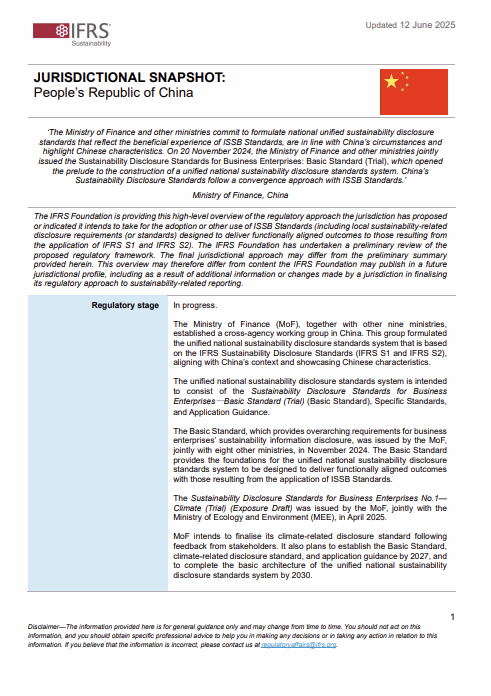
Jurisdictional snapshot: People’s Republic of China
China is developing unified national sustainability disclosure standards aligned with ISSB Standards. Led by the Ministry of Finance, the Basic Standard (Trial) was issued in November 2024, with climate disclosures proposed in 2025. Application is initially voluntary, with phased expansion and potential mandatory adoption by 2030.

Secretariat of the Convention on Biological Diversity (CBD)
Secretariat of the Convention on Biological Diversity (CBD) supports implementation of the UN Convention on Biological Diversity by coordinating global biodiversity policy, meetings, and reporting. It provides technical, scientific and administrative support to governments, promotes biodiversity conservation, sustainable use, and equitable benefit-sharing, and facilitates international cooperation on nature and ecosystems.
Notice on the application of the sustainable finance framework and the Corporate Sustainability Due Diligence Directive to the defence sector
The European Commission clarifies that the EU sustainable finance framework and Corporate Sustainability Due Diligence Directive apply neutrally to the defence sector. Defence investments are permitted, assessed case by case, with disclosure and due diligence obligations focused on risk mitigation and exclusion limited to internationally prohibited weapons.
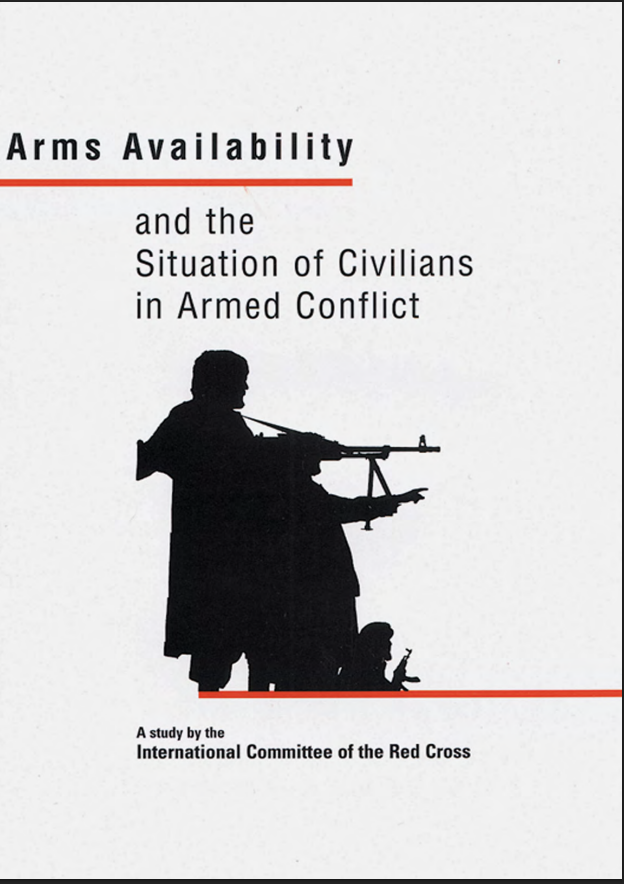
Arms availability and the situation of civilians in armed conflict: A study presented by the ICRC
The ICRC study finds that widespread availability of small arms intensifies civilian harm in armed conflict. Drawing on field data, case studies and staff surveys, it links unregulated arms flows to higher civilian casualties, humanitarian access constraints and weakened compliance with international humanitarian law.


