
Library | Sustainable Finance Practices
Laws and regulations
Government policies, legislation, and regulatory frameworks that shape sustainable finance practice, including mandatory disclosure rules, climate law, financial regulation, and ESG-related requirements.
Refine
293 results
REFINE
SHOW: 16


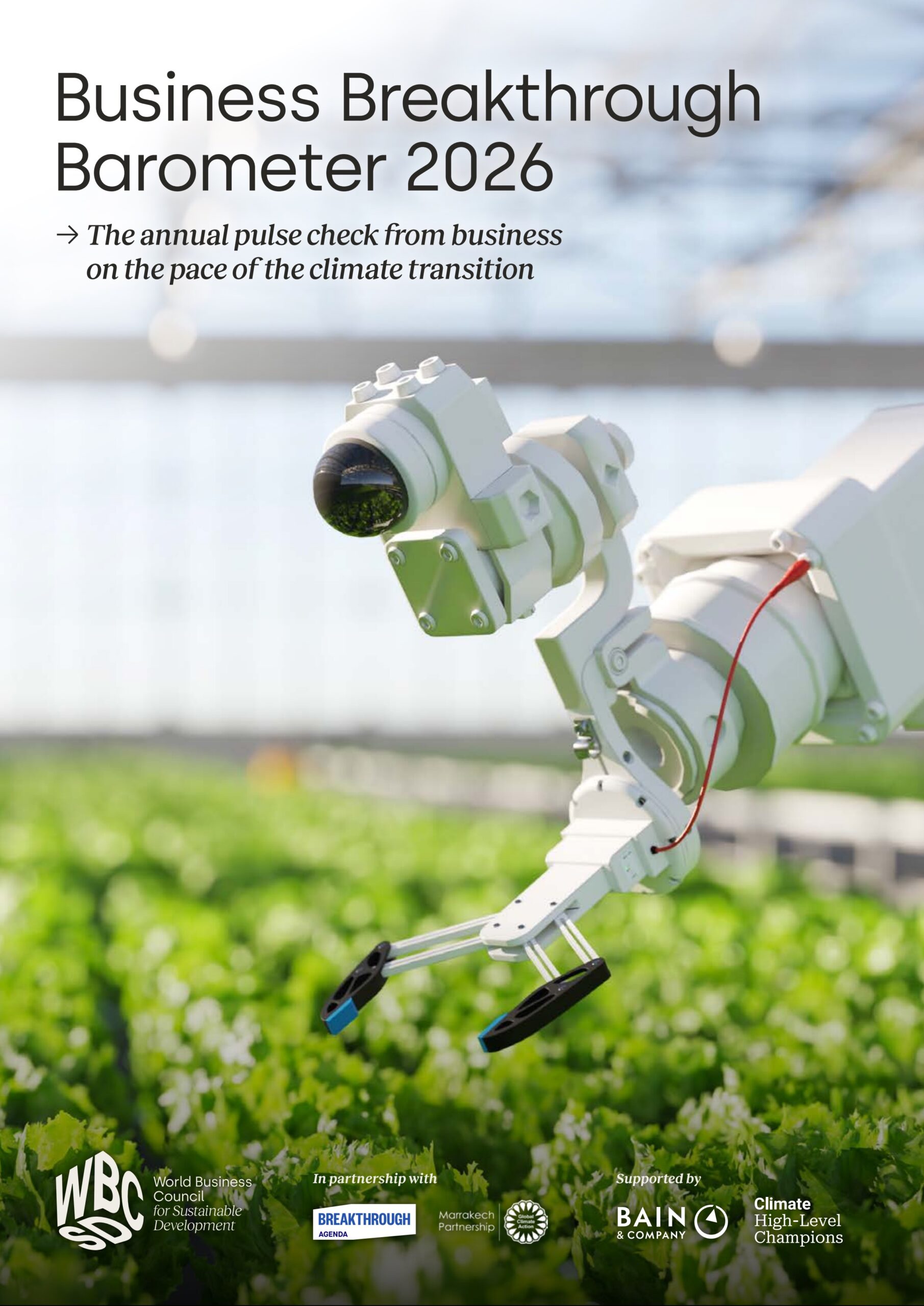
Business breakthrough barometer 2026: The annual pulse check from business on the pace of the climate transition
The Business Breakthrough Barometer 2026 surveys over 500 companies on the climate transition, finding 92% expect sustainability to deliver competitive advantage. While investment momentum holds, 68% of leaders see rising risks of a disorderly transition, urging predictable policy strengthening from governments to unlock private capital.
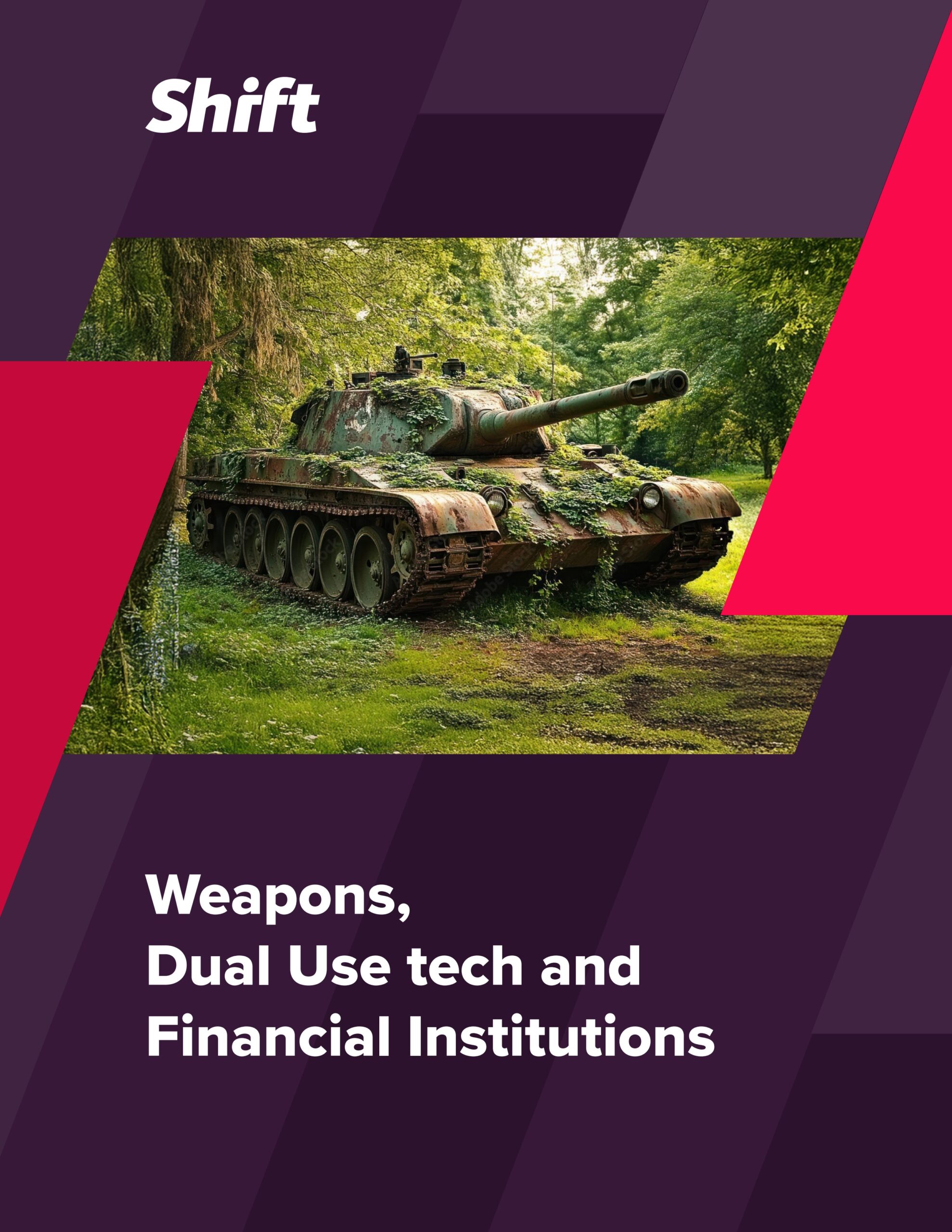
Weapons, dual use tech and financial institutions
This Shift briefing examines how financial institutions should approach human rights due diligence in relation to weapons and dual-use technologies. It identifies four key challenges, six anchors grounded in international humanitarian law, and six practical approaches to support responsible defence-related lending and investment decisions.
Labor market effects of California's $20 fast-food minimum wage
This NBER working paper examines the labour market effects of California's AB 1228, which raised the fast-food minimum wage to $20 per hour in April 2024. Across 32 QCEW and QWI specifications, wages rose by roughly 7 per cent with an own-wage elasticity of employment ranging from −0.29 to +0.26, indicating modest to no disemployment.
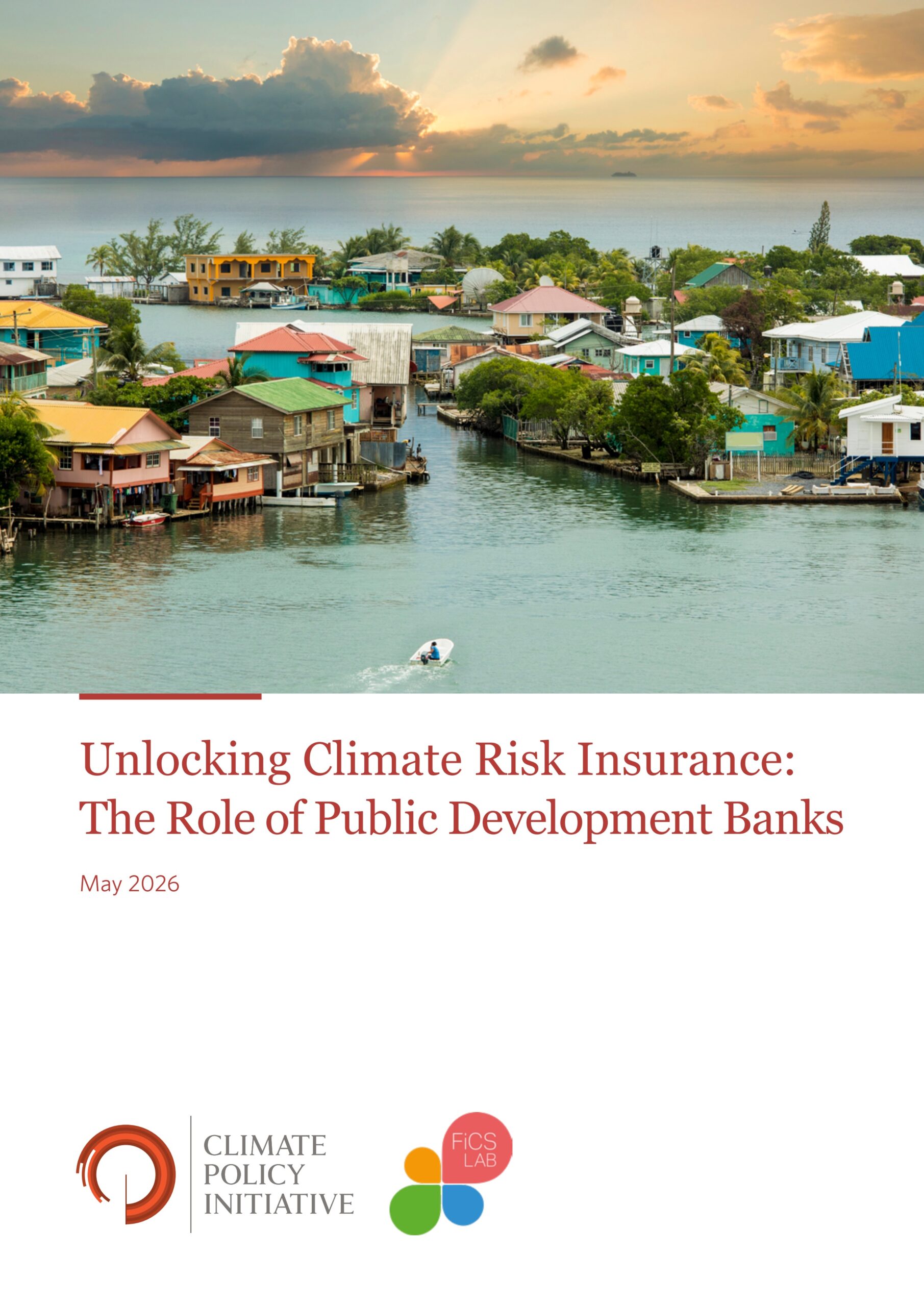
Unlocking climate risk insurance: The role of public development banks
This report examines how public development banks (PDBs) can expand climate risk insurance in emerging markets and developing economies. It identifies five key barriers to insurance uptake, analyses distinct roles for national, regional, and multilateral development banks, and provides recommendations to scale insurance solutions that build climate resilience.
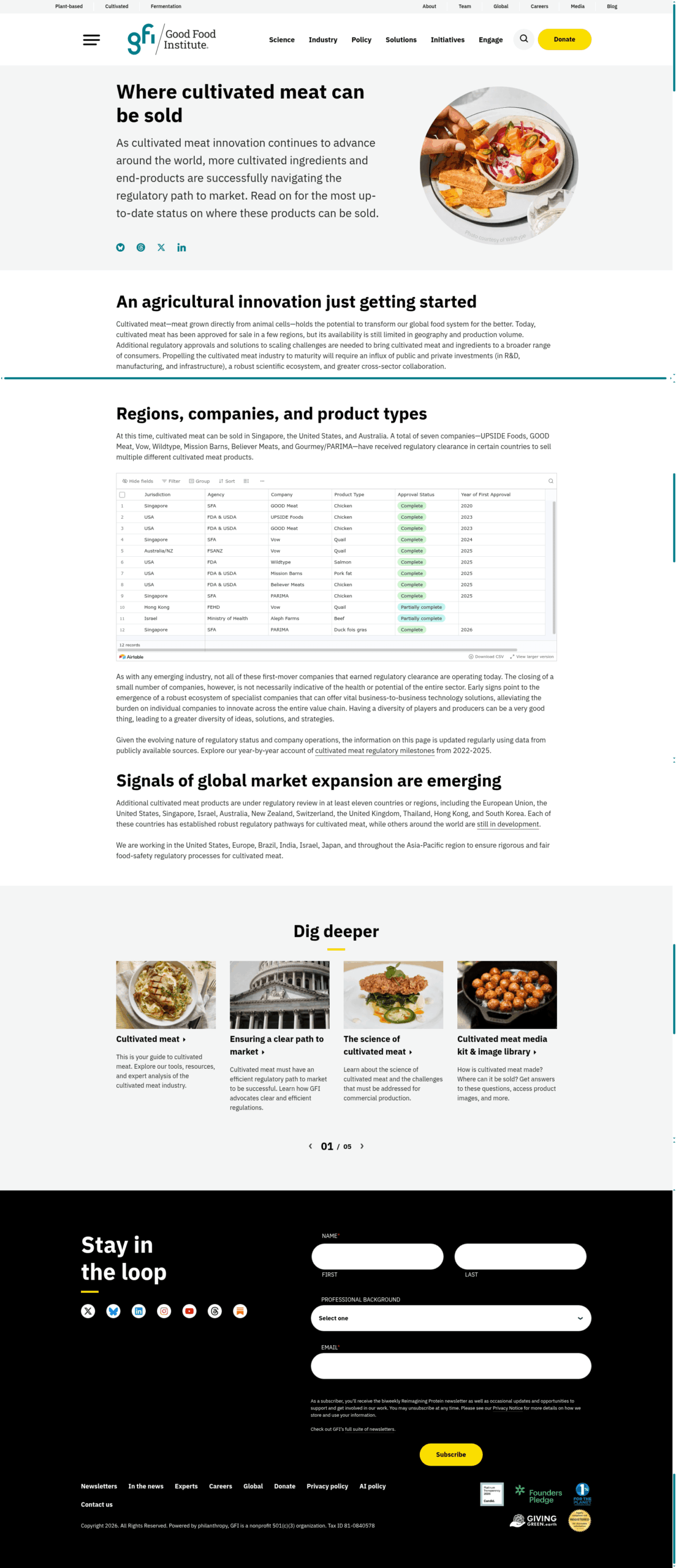
Where cultivated meat can be sold
An interactive tracker by The Good Food Institute mapping global regulatory approvals and market pathways for cultivated meat products.
Anti-harassment policy and the startup labor market
This paper studies the effects of state-level NDA-weakening laws on hiring in over 50,000 U.S. VC-backed startups from 2014–2022. Anti-harassment reforms reduce female hiring by approximately 8%, concentrated among junior women and small startups, while also triggering internal restructuring including more female promotions and male manager departures.
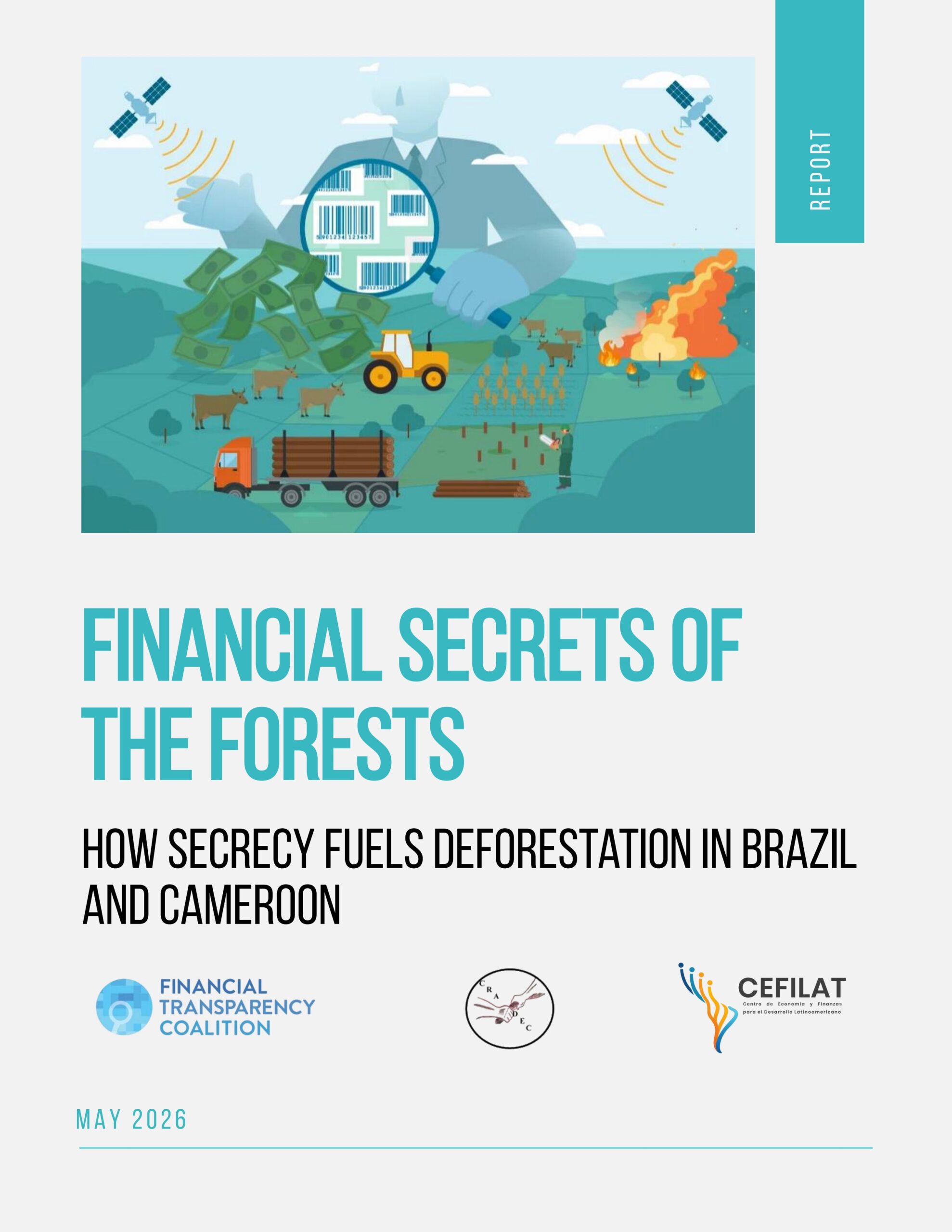
Financial secrets of the forests: How secrecy fuels deforestation in Brazil and Cameroon
This report examines illicit financial flows linked to deforestation in Brazil and Cameroon, estimating trade mispricing losses at US$289 million per year in Cameroon and US$214 million in Brazil. It finds that financial and land ownership secrecy enables illicit deforestation and recommends public beneficial ownership registries and supply chain transparency measures.

Driving Australian climate innovation: Unlocking capital to support a clean industrial revolution
Commissioned by IGCC and authored by Pollination, this report reviews climate innovation policy in California, Denmark, the Netherlands, South Korea and Germany to identify gaps in Australia's policy landscape and recommend measures to drive transition industry investment, including strengthening the Safeguard Mechanism and establishing a national industrial strategy.
Red lines in the Abyss: Growing financier concern over deep-sea mining
This report maps 82 financial institutions — representing approximately EUR 24 trillion in combined assets — that have excluded or expressed concern over deep-sea mining. Published by Seas At Risk and the Deep Sea Mining Campaign, it charts growing financier momentum against deep-sea mining and calls for explicit exclusion policies from both financial institutions and governments.
Stablecoins in Africa: Translating global principles into local regulatory practice
This paper is the African Chapter of GDF's Global Stablecoin Regulatory Playbook. It examines how global stablecoin regulatory principles can be applied across Africa's diverse markets, addressing reserve management, consumer protection, AML/CFT compliance, and cross-border coordination, while accounting for local financial infrastructure, dollarisation risks, and varying supervisory capacity.
The role of national social dialogue institutions in shaping investment policies
This ILO Working Paper examines how national social dialogue institutions across eight countries and one regional bloc shape trade, investment and responsible business conduct policies. Drawing on eleven case studies, it identifies emerging practices, key challenges including unclear mandates and limited resources, and policy options for strengthening institutional effectiveness.
Investment treaties as catalysts for technology transfer in Africa
This policy brief analyses how African investment treaties — more than 1,000 signed to date — support or constrain technology transfer. It examines express and implied treaty restrictions, associated investor-state dispute risks, and recommends that African states adopt precisely drafted provisions and strengthen institutional capacity to enable meaningful technological advancement.
Don't mess with the ETS: Priorities for the upcoming EU emissions trading system revision
Carbon Market Watch presents a 10-point plan for improving the EU Emissions Trading System ahead of its upcoming revision. The report argues against weakening the cap, free allocation phase-out, or the Market Stability Reserve, and calls for expanded coverage of aviation, shipping, and biomass, alongside eliminating fossil fuel subsidies from ETS revenues.
Digital Policy Hub
The Digital Policy Hub, hosted by the Centre for International Governance Innovation (CIGI), is a research and policy platform focused on the governance of transformative technologies. It supports research, analysis and collaboration on topics including artificial intelligence, data governance, digital security, democracy, outer space and environmental impacts of digitalisation.
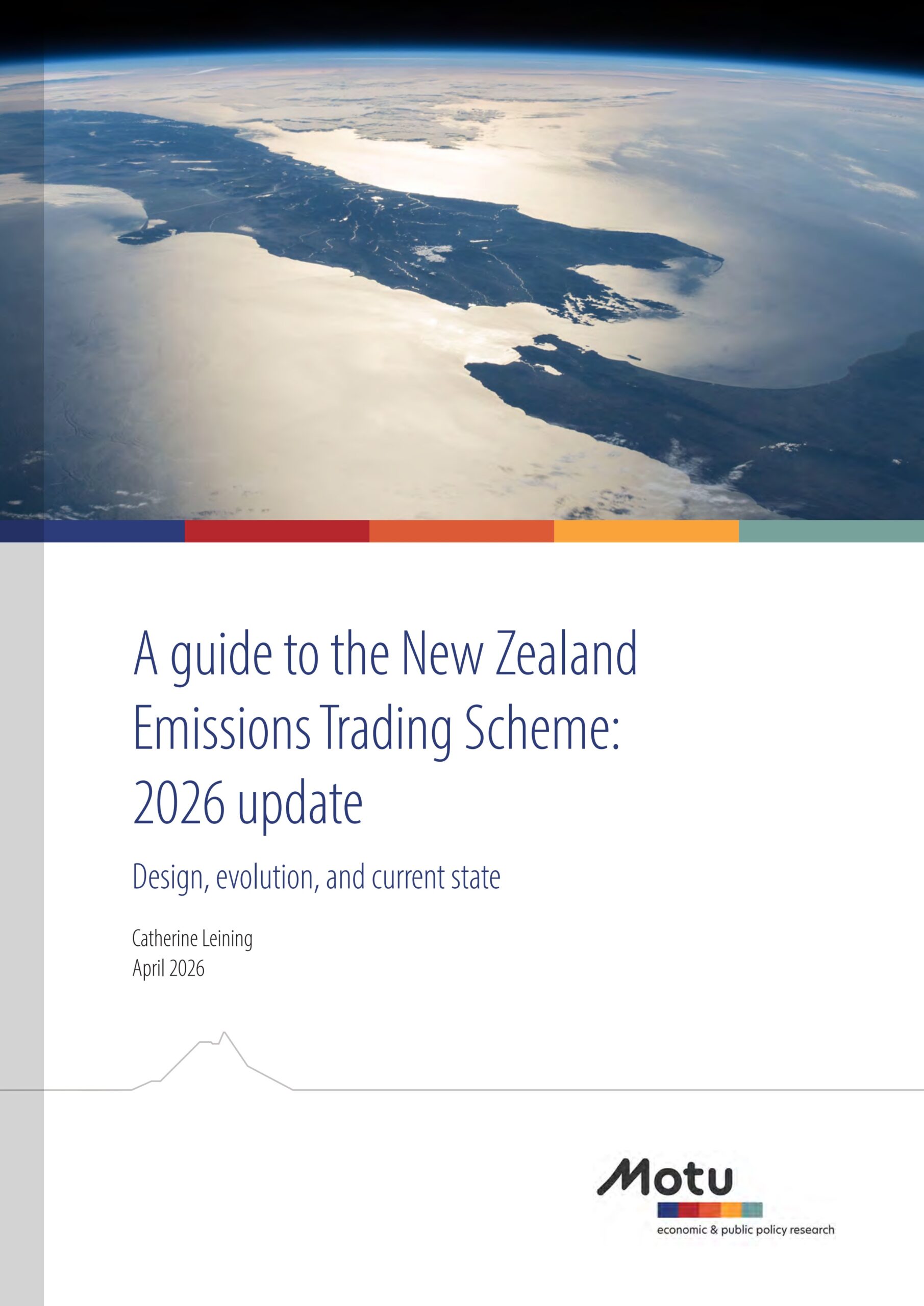
A guide to the New Zealand emissions trading scheme: 2026 update: Design, evolution, and current state
This guide outlines the design, evolution, and current state of the New Zealand Emissions Trading Scheme as of March 2026. It covers sectoral coverage, unit supply, price controls, free allocation, forestry, and emissions trends, including recent legislative changes to agricultural obligations and the 2050 biogenic methane target.
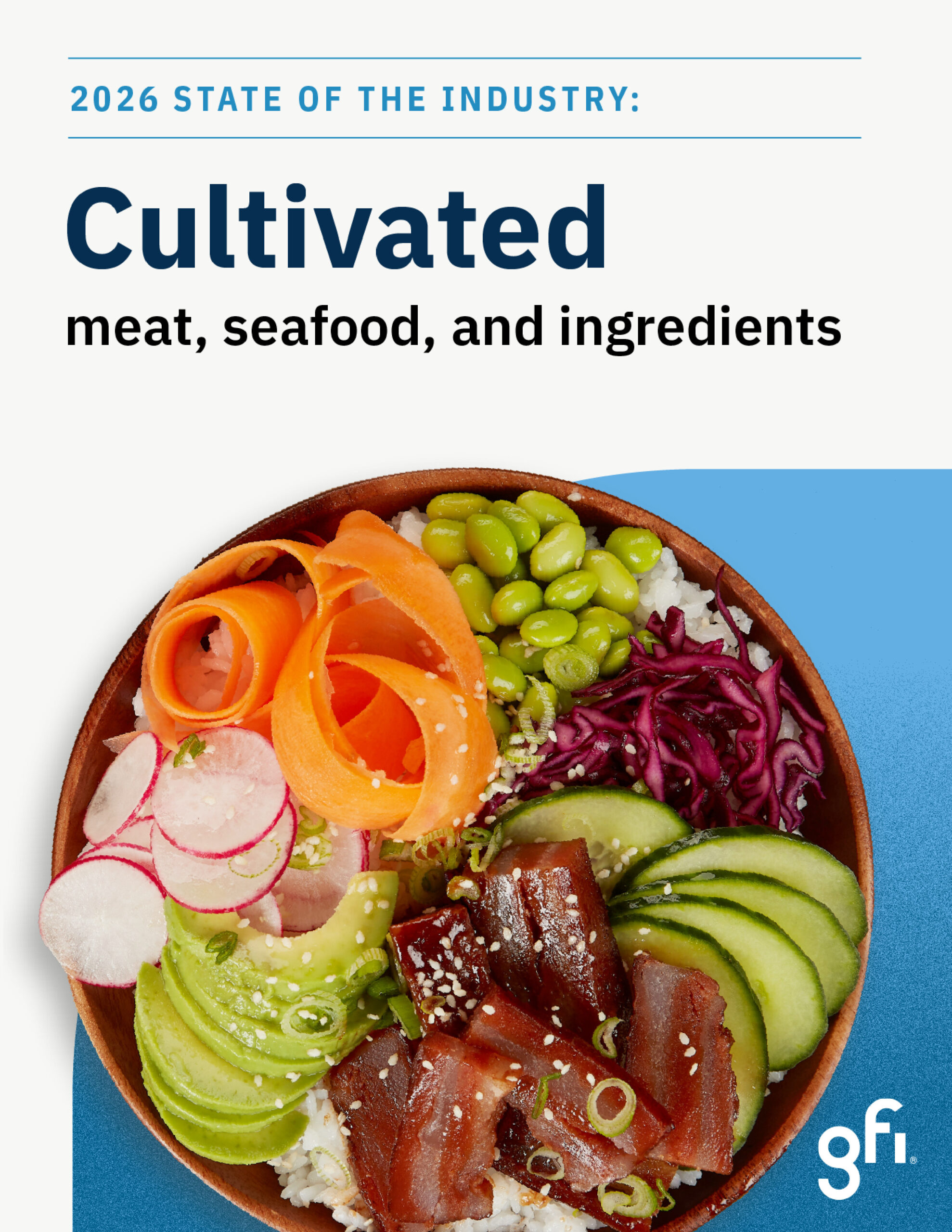
State of the Industry: Cultivated meat, seafood, and ingredients series
This benchmark series is an annual State of the Industry series that provides a global overview of the cultivated meat, seafood and ingredients sector. It tracks commercial developments, investment activity, scientific and technological progress, consumer insights, and government and regulatory developments, assessing the sector’s progress towards large-scale commercialisation and adoption.


