
Library | Sustainable Finance Practices
Laws and regulations
Government policies, legislation, and regulatory frameworks that shape sustainable finance practice, including mandatory disclosure rules, climate law, financial regulation, and ESG-related requirements.
Refine
293 results
REFINE
SHOW: 16


The hidden benefit of ESG
This study examines 2,386 U.S.-listed firms from 2016 to 2021 and finds a causal link between higher ESG scores and fewer financial statement restatements in the post-2019 Business Roundtable Statement period. The findings position ESG as a rational risk management tool and challenge the premise underlying anti-ESG legislation.
Sustainability-related disclosure guidance
New Zealand's Financial Markets Authority guidance on sustainability-related disclosure for financial product issuers. Covers fair dealing obligations under the Financial Markets Conduct Act 2013, addressing greenwashing and greenhushing risks, with practical guidance on clear claims, substantiation, consistent messaging and third-party management.
Sustainable finance and corporate law: Lessons from the US
This report analyses the trajectory of sustainable finance and corporate law in the US. It focuses on the SEC's proposed climate disclosure rule and California's state-level reporting mandates, examining the political and institutional challenges these initiatives face and the implications of a federalist approach for corporate compliance.
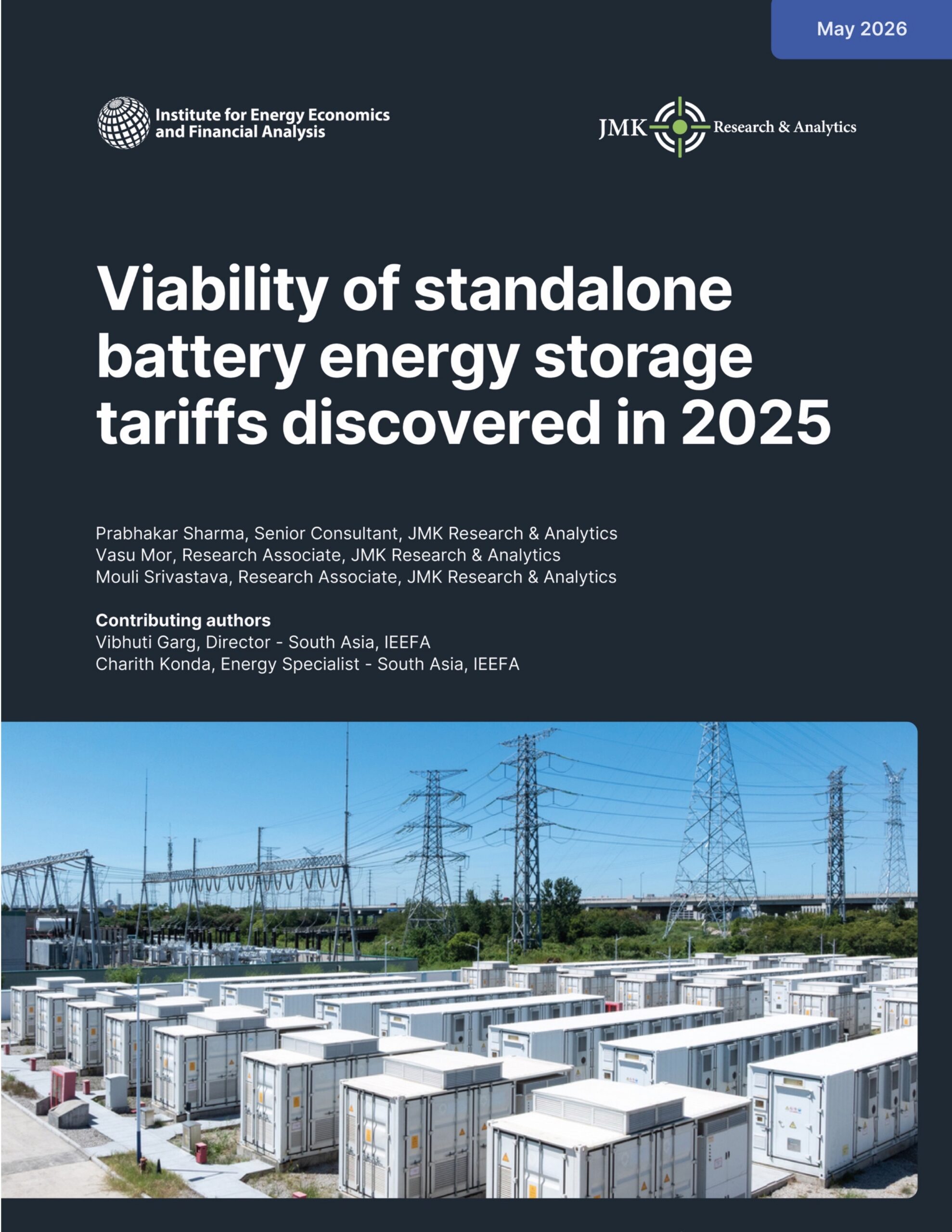
Viability of standalone battery energy storage tariffs discovered in 2025
This report examines the viability of standalone battery energy storage tariffs in India during 2025. It highlights a significant divergence between aggressive tariff reductions and actual project costs, evaluating associated execution risks, supply chain dependencies, and the need for procurement framework reforms to ensure sector resilience.
Update on China's climate policy from the 2026 two sessions: How Chinese companies and industry are shaping the energy transition agenda
This report analyses corporate engagement in China's climate and energy policy during the 2026 Two Sessions. It outlines the 15th Five-Year Plan's carbon intensity reduction target and examines how the oil, gas, new energy, and automotive sectors are influencing the nation's decarbonisation and energy transition agenda.
Beyond the illusion of innovative climate finance at scale in Africa: A market-informed blueprint for Kenya's just and resilient climate transition
This report examines why Kenya's climate finance gap persists despite strong institutions, renewable energy leadership and financial inclusion gains. It identifies seven flawed assumptions and recommends a nationally co-ordinated country investment platform to mobilise domestic capital, align incentives and deliver a just and resilient climate transition.

The growth of dual-use by design research in Europe: Export control risks and challenges
This report explores how increased funding for 'dual-use by design' research in Europe blurs the line between civilian and military ecosystems. It highlights proliferation risks and identifies challenges for export controls, arguing for a broader, integrated governance framework to safeguard international research collaboration and security.
Update: Tech firms’ responses to our call for action to protect children
This report assesses tech firms' responses to regulatory demands for improved online child safety. Despite new duties, children remain exposed to harmful content via personalised feeds. While some platforms committed to enhanced age assurance and grooming protections, further action is required to enforce minimum age policies effectively.
Socially-minded investors and corporate behavior
This report examines whether socially-minded investors influence corporate behaviour through voting, managerial incentives, or identity investing. It concludes that existing channels offer limited impact and evaluates potential legal reforms, such as binding shareholder votes and mandatory disclosures, to better align corporate actions with these investors' preferences.
Study on national climate litigation
This report analyses strategic climate litigation trends across Europe, examining cases against states and corporations. It highlights key legal strategies, including human rights claims and polluter-pays mechanisms, while assessing the challenges of enforcing damages and the evolving obligations of governments and high-emitting businesses.
The European chemical sector's influence on biodiversity policy
This report analyses how major European chemical companies and industry associations influence biodiversity policy in the EU and US. It reveals that no assessed company aligns fully with science-based biodiversity goals, highlighting oppositional lobbying against critical regulations concerning pesticides, PFAS, and harmful chemicals.
Reining in big tech corporations: Why platform governance requires structural regulation
This paper argues that big tech platform corporations function as state-empowered artificial legal entities rather than private contractual arrangements. Highlighting their structural and governance power, the author suggests that these organisations require structural regulation and democratic oversight to recalibrate the delegated powers granted by states.
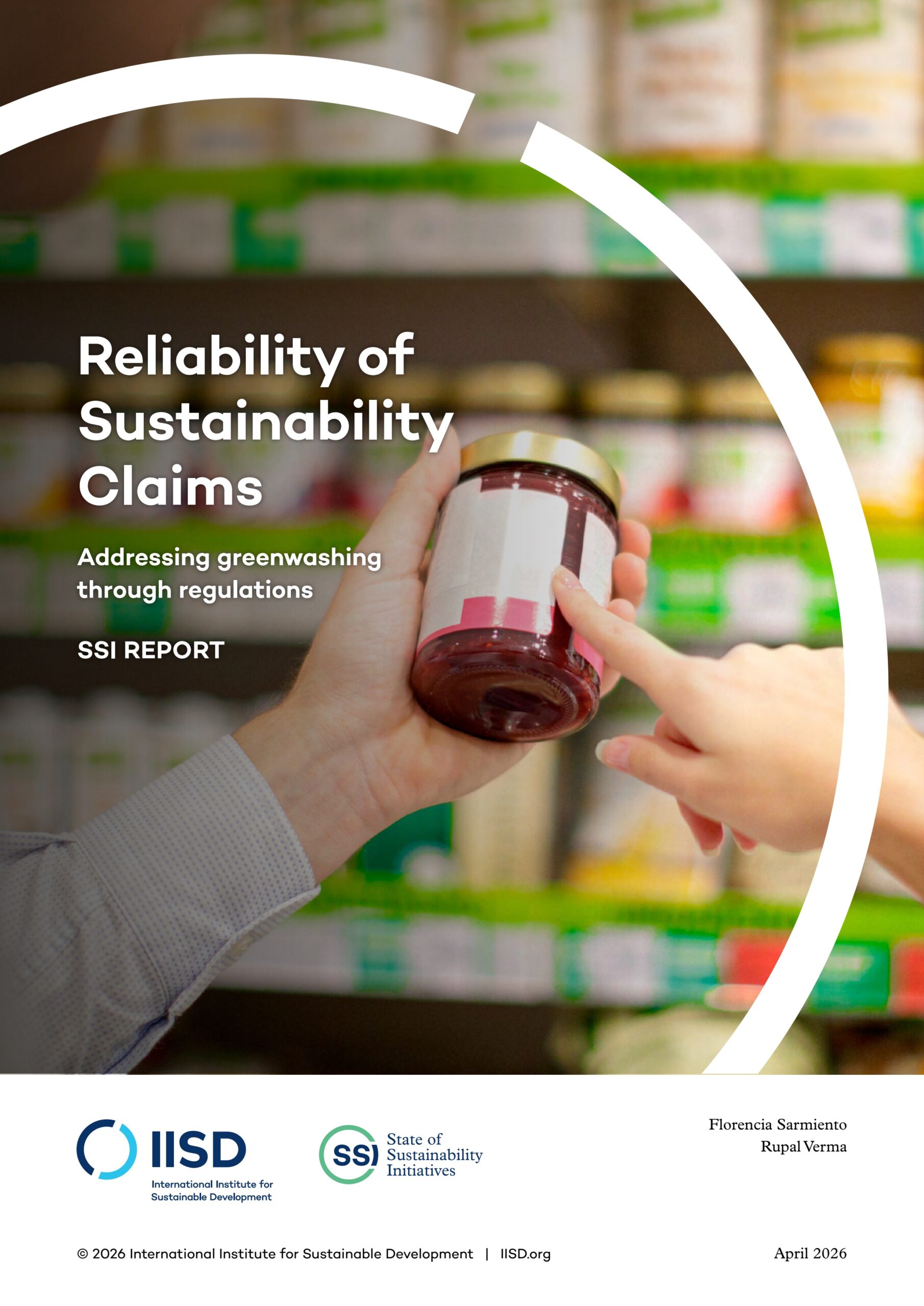
Reliability of sustainability claims: Addressing greenwashing through regulations
This report analyses 23 regulatory instruments across 12 jurisdictions to assess global responses to greenwashing. It highlights the reliance on cross-sectoral consumer protection laws and identifies challenges in substantiation. Recommendations include adopting proportionate approaches, investing in data infrastructure, and clarifying the role of voluntary sustainability standards.
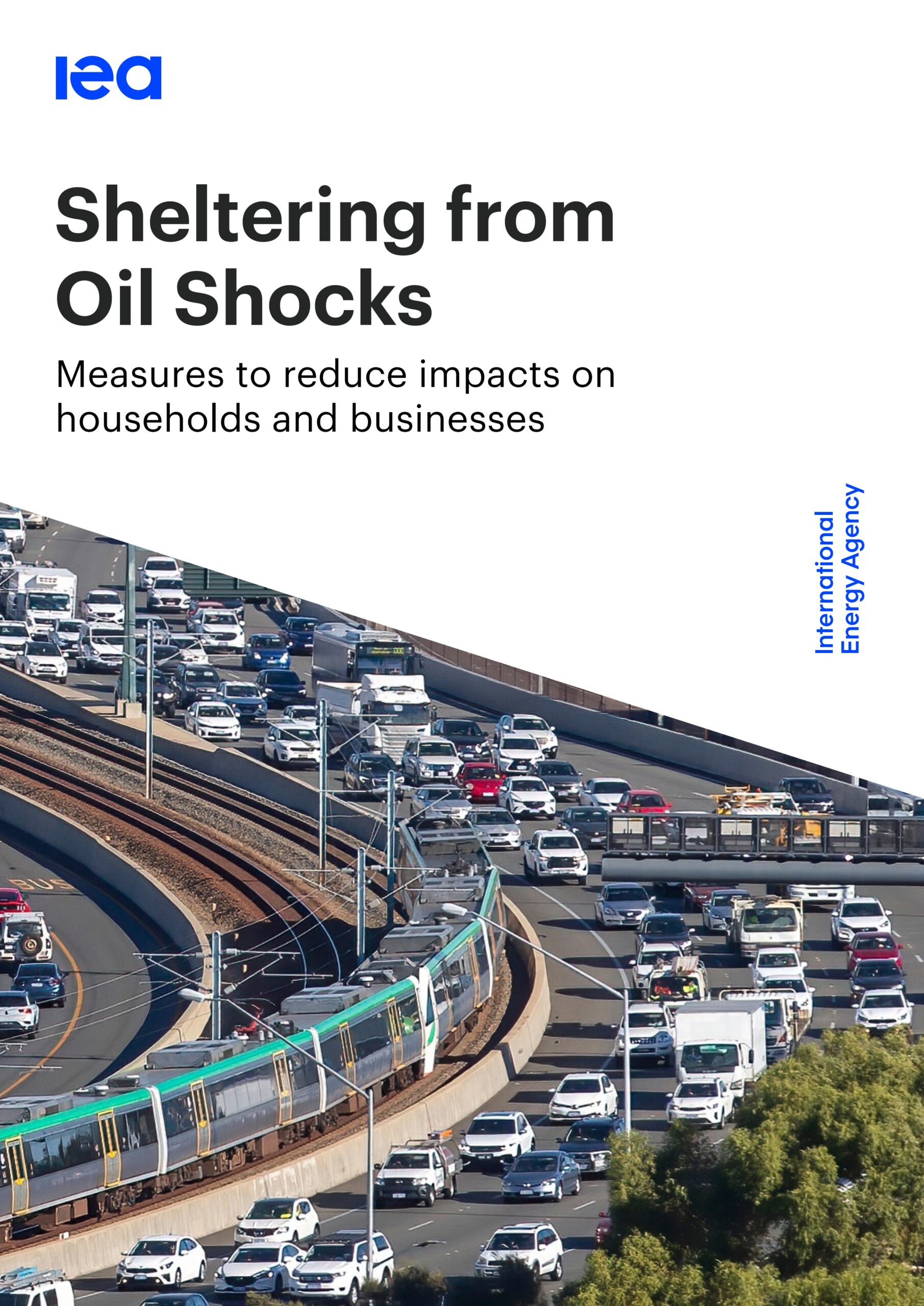
Sheltering from oil shocks: Measures to reduce impacts on households and businesses
This International Energy Agency report outlines measures to reduce the impact of oil supply disruptions on households and businesses. It details short-term and structural strategies across road and air transport, industry, and cooking fuels to lower demand and shield vulnerable consumers from rising energy costs.
Getting political finance right: Preventing corruption with UNCAC CoSP resolution 11/7
This report analyses the implications of UNCAC Resolution 11/7 on political finance, detailing key transparency measures, safeguards against illicit funding, and strategies to ensure state neutrality. It provides practical guidance for legislators and watchdogs to effectively implement oversight mechanisms and prevent corruption globally.
Standards for integrity in political finance: A global policy position
This report outlines global standards for integrity in political finance. It advocates for comprehensive reforms spanning transparency, limits on donations and expenditure, gender equality in funding, state neutrality, and robust accountability to prevent corruption and level the electoral playing field worldwide.


