

Water Management: Goals and actions bank
The Water Management Goals and Actions Bank helps finance professionals design and oversee credible approaches to identifying, managing, and mitigating water-related risks and impacts. It provides structured goals, practical actions, and resources to strengthen governance, transparency, accountability, and environmental due diligence across operations, supply chains, and investment decision-making.

AUTHORS

Why addressing water management matters in sustainable finance
Water risk is a core concern in sustainable finance because water scarcity, pollution, and poor water governance create material operational, regulatory, and reputational risks. These impacts often occur across complex supply chains and water-stressed regions. Effective oversight supports resilience, regulatory compliance, ecosystem protection, and long-term value creation.
How water risk management shows up in practice
In practice, addressing water risk informs investment due diligence, site and basin-level risk assessments, supply chain analysis, and active ownership. It helps identify high-risk geographies, assess water dependency and discharge impacts, and strengthen engagement with investee and financed entities. Action may occur directly or through collaborative water stewardship initiatives.
Why it creates responsibilities for financial actors
International environmental standards, water stewardship frameworks, and emerging disclosure regulations set expectations for identifying, managing, and mitigating water-related impacts and dependencies.
For financial actors, this translates into responsibilities for governance, environmental due diligence, risk integration, and stewardship across investment decision-making and engagement with investee and financed entities. Weak oversight can expose institutions to material financial, regulatory, and reputational risks.
What this resource covers
This resource is organised around key sustainable finance practices, including active ownership, ESG analysis and integration, governance and directors’ duties, supply chain due diligence, disclosure, and industry standards. For each practice, it sets out clear goals and practical actions to support credible water risk management and stewardship.
How to use this resource
The goals and actions in this resource are illustrated using specific water risk scenarios and regulatory contexts. These examples are illustrative and should not be read as limiting exposure to particular sectors or regions.
Finance professionals can use this resource to design and strengthen water risk management for material exposures across portfolios and operations.
Active Ownership
This section provides guidance on how investors can use active ownership as a stewardship practice to influence investee behaviour and decision-making on water risks, with stakeholder engagement informing priorities, engagement strategies, and escalation where companies fail to adequately prevent, identify or address water management across their operations and supply chains.
Effective Communication and Greenwash
This section provides guidance on effective communication as a practice for transparently describing modern slavery risk identification, due diligence, engagement, and remediation efforts. Clear disclosure supports informed decision-making, strengthens accountability, and reduces the risk of misleading, boilerplate, or unsubstantiated statements about labour practices and supply chain oversight.
ESG Analysis & Integration
This section provides guidance on modern slavery risk analysis and integration as practices through which labour rights risks are identified, assessed, and incorporated into investment decision-making, credit assessment, procurement, and underwriting. It supports systematic human rights due diligence and the integration of material modern slavery risks into financial analysis and oversight.
Governance and directors’ duties
This section provides guidance on governance and directors’ duties as the structures and responsibilities through which boards and senior leaders oversee modern slavery risks, strengthen accountability, and embed human rights due diligence into strategy, risk management, and oversight across operations, supply chains, and investment activities.
Impact Measurement & Verification
This section provides guidance on impact measurement and verification as practices for assessing, tracking, and validating outcomes related to modern slavery risk management, worker protections, and remediation. It supports credible disclosure, strengthens accountability, and helps ensure that due diligence and engagement efforts translate into meaningful risk reduction and improved labour outcomes.
Industry Standards & Guidance
This section provides guidance on international human rights standards, modern slavery legislation, voluntary frameworks, and industry guidance that shape expectations for identifying, preventing, mitigating, and remedying modern slavery risks across operations, supply chains, and investment activities, supporting responsible conduct and regulatory alignment.
Covered resources

Investor water toolkit

Handbook for the implementation of nature-based solutions for water security: Guidelines for designing an implementation and financing arrangement

Investors can assess nature now: A guide to assessing water and deforestation issues in investment portfolios
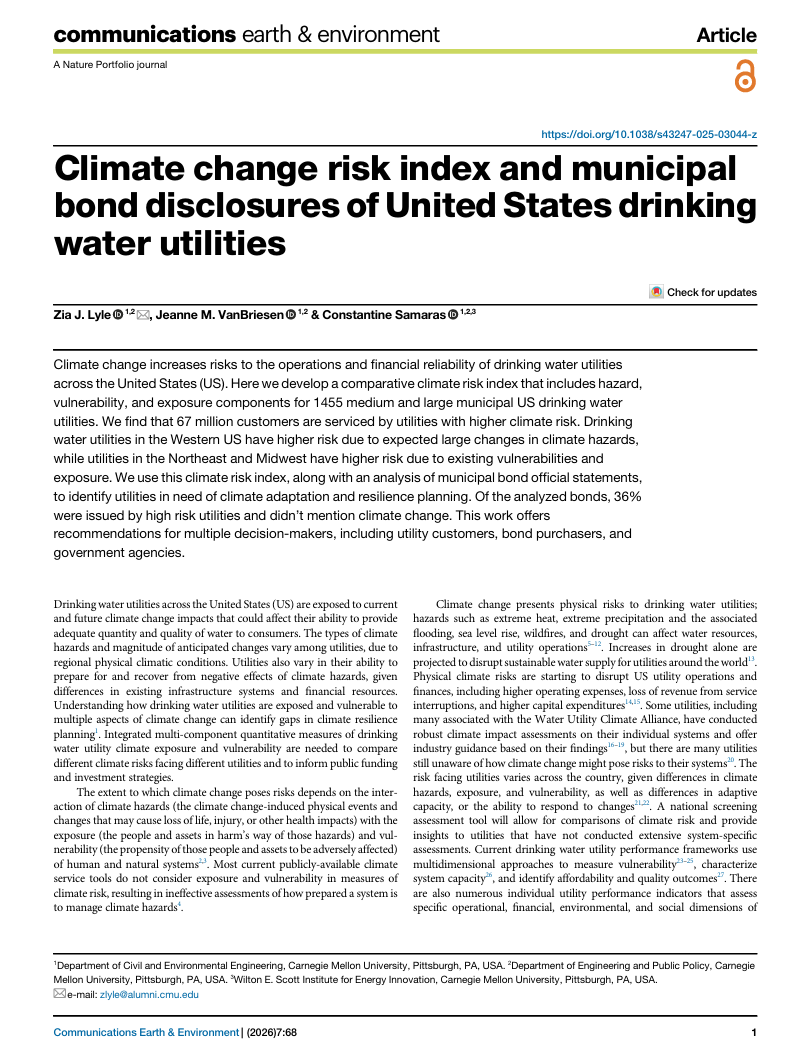
Climate change risk index and municipal bond disclosures of United States drinking water utilities
Tools
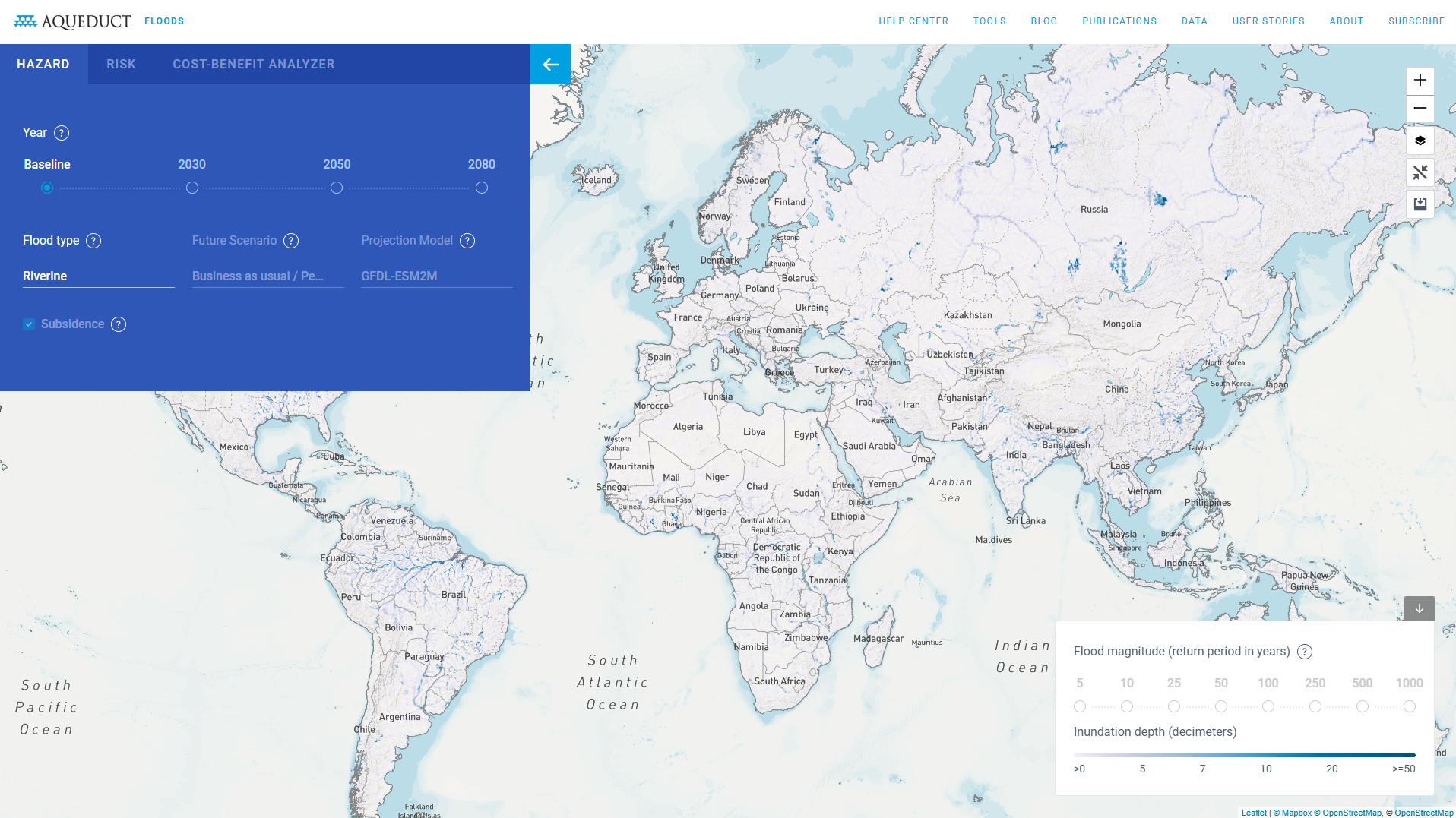
AQUEDUCT Floods
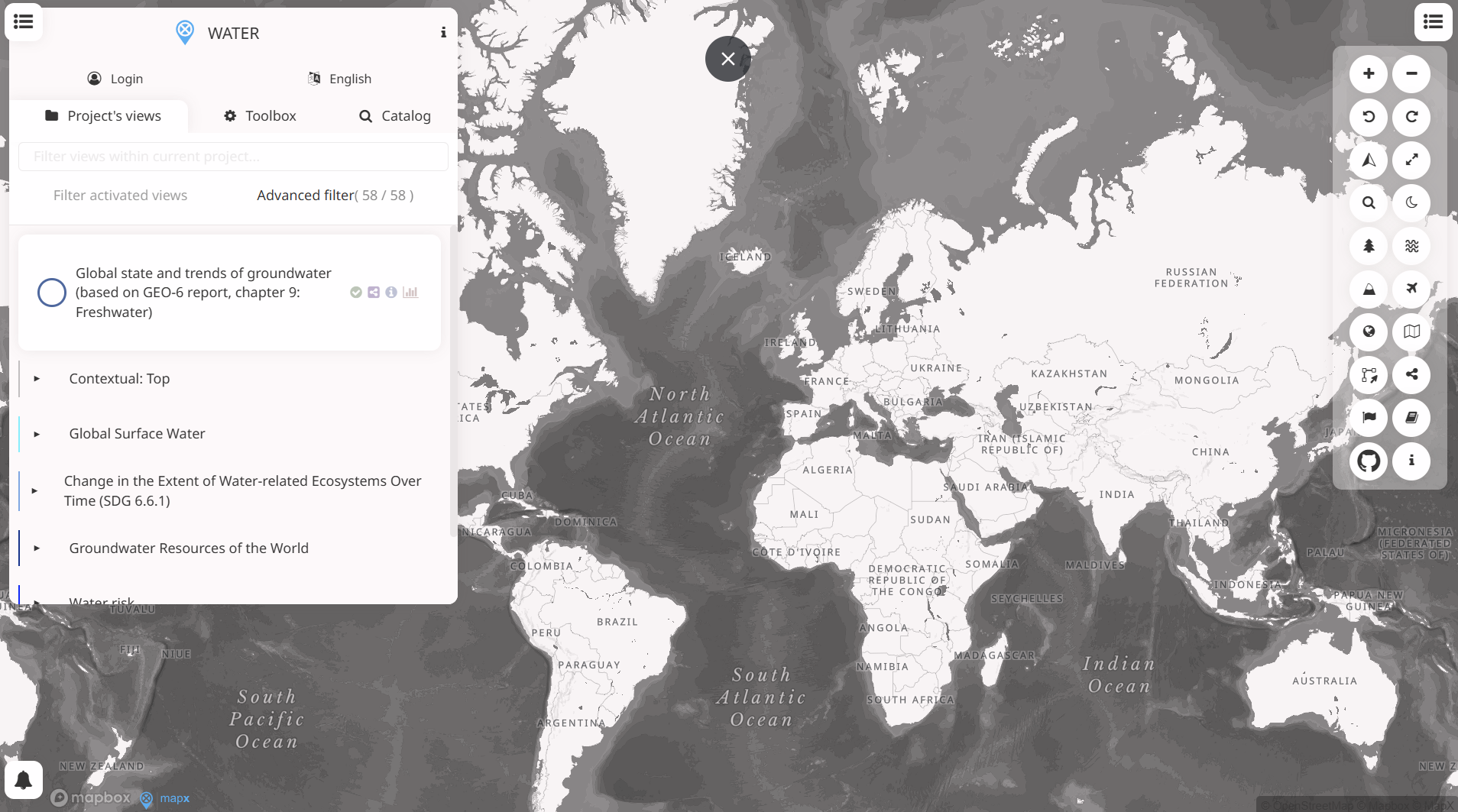
WESR: Water
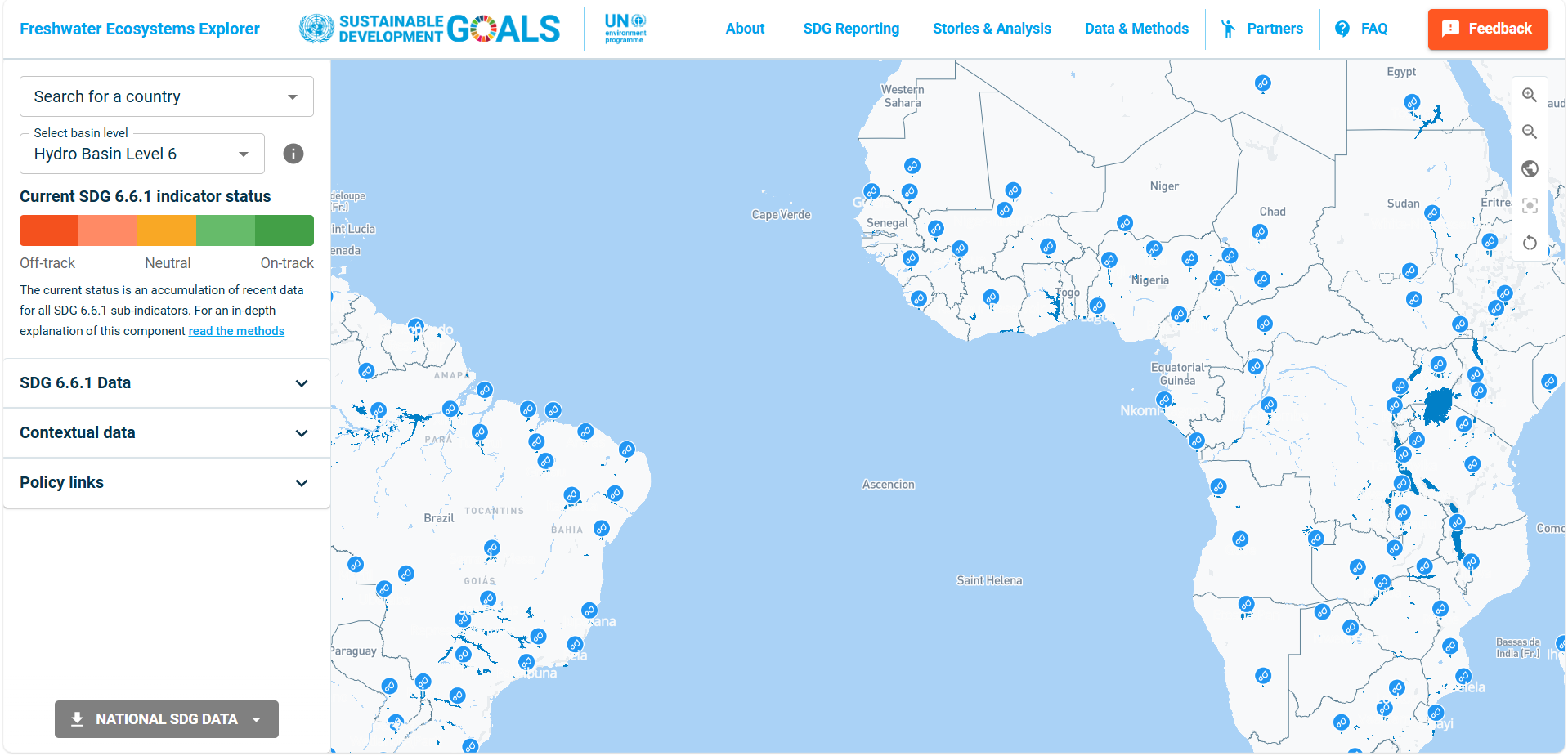
Freshwater ecosystem explorer
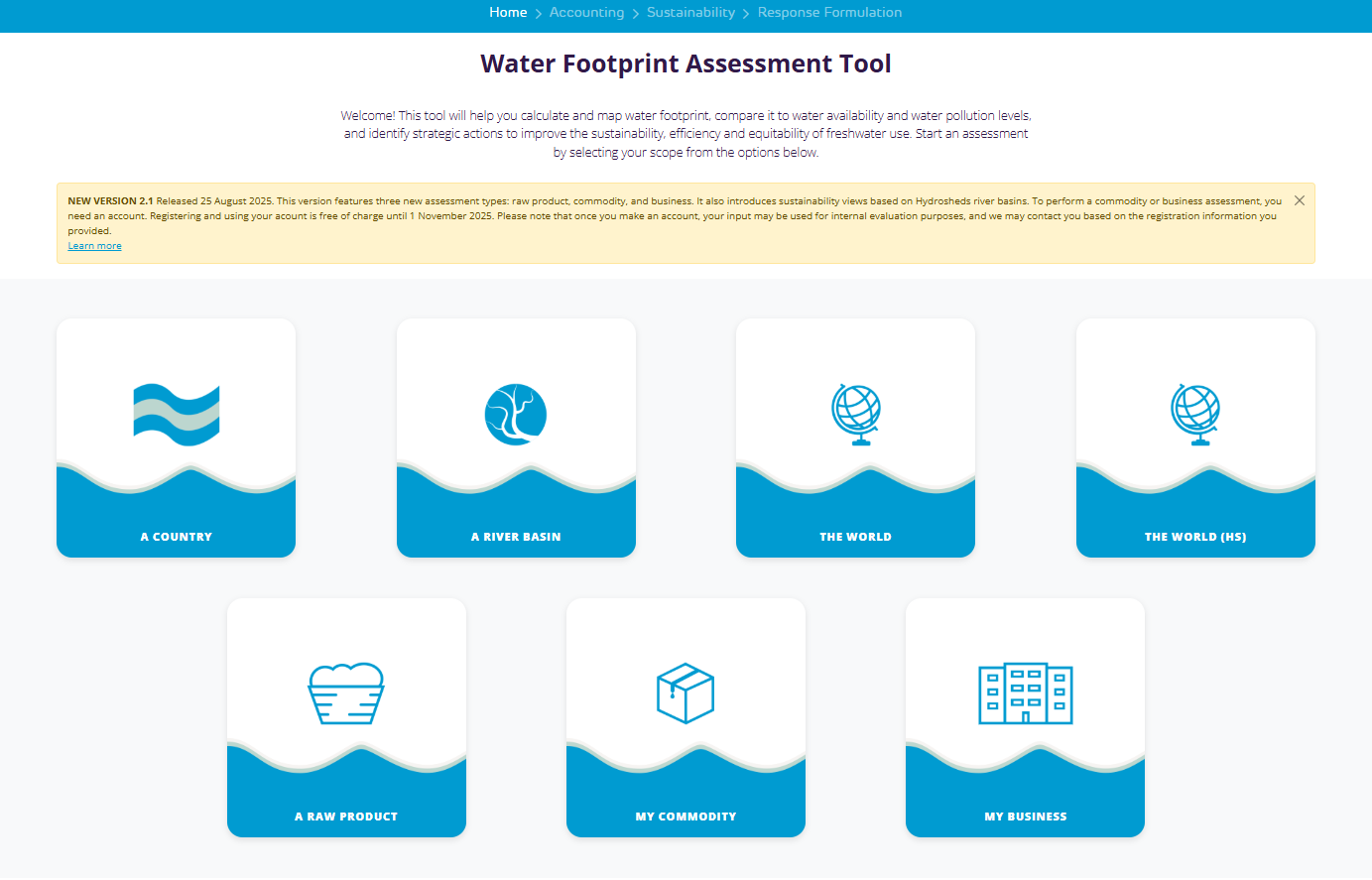
Water footprint assessment tool
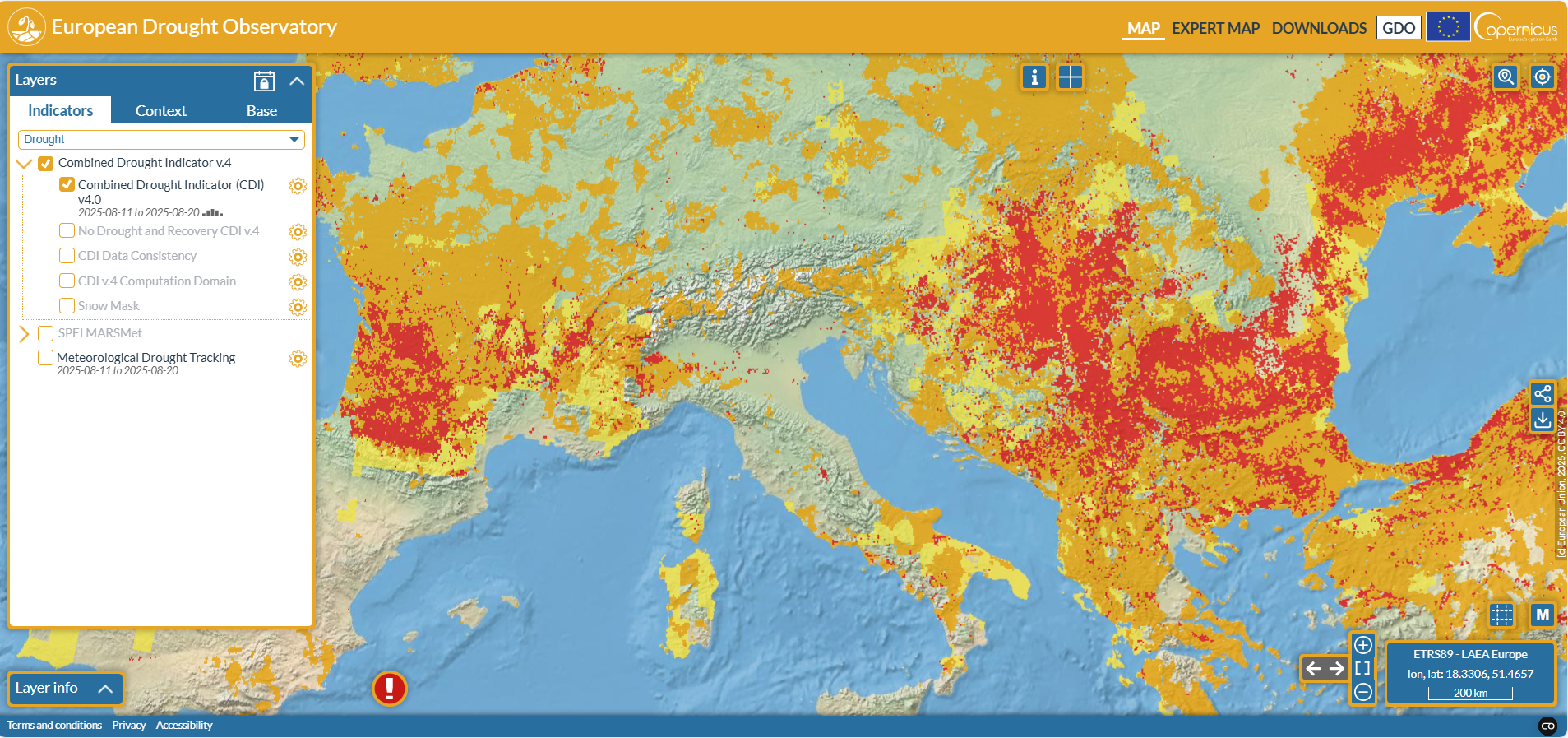
European drought observatory

Aqueduct Country Risk Rating

Aqueduct Water Risk Atlas

CDP Water Watch Impact Index

Carbon Disclosure Project (CDP) forest and water risk scores

WWF water risk filter
If you would like to suggest highly relevant resources to include in this resource, please submit your ideas to our Content suggestion form. Be sure to mention it is for this resource in the comments box at the end of the form.


