
Library | Tag
case studies
Refine
713 results
REFINE
SHOW: 16


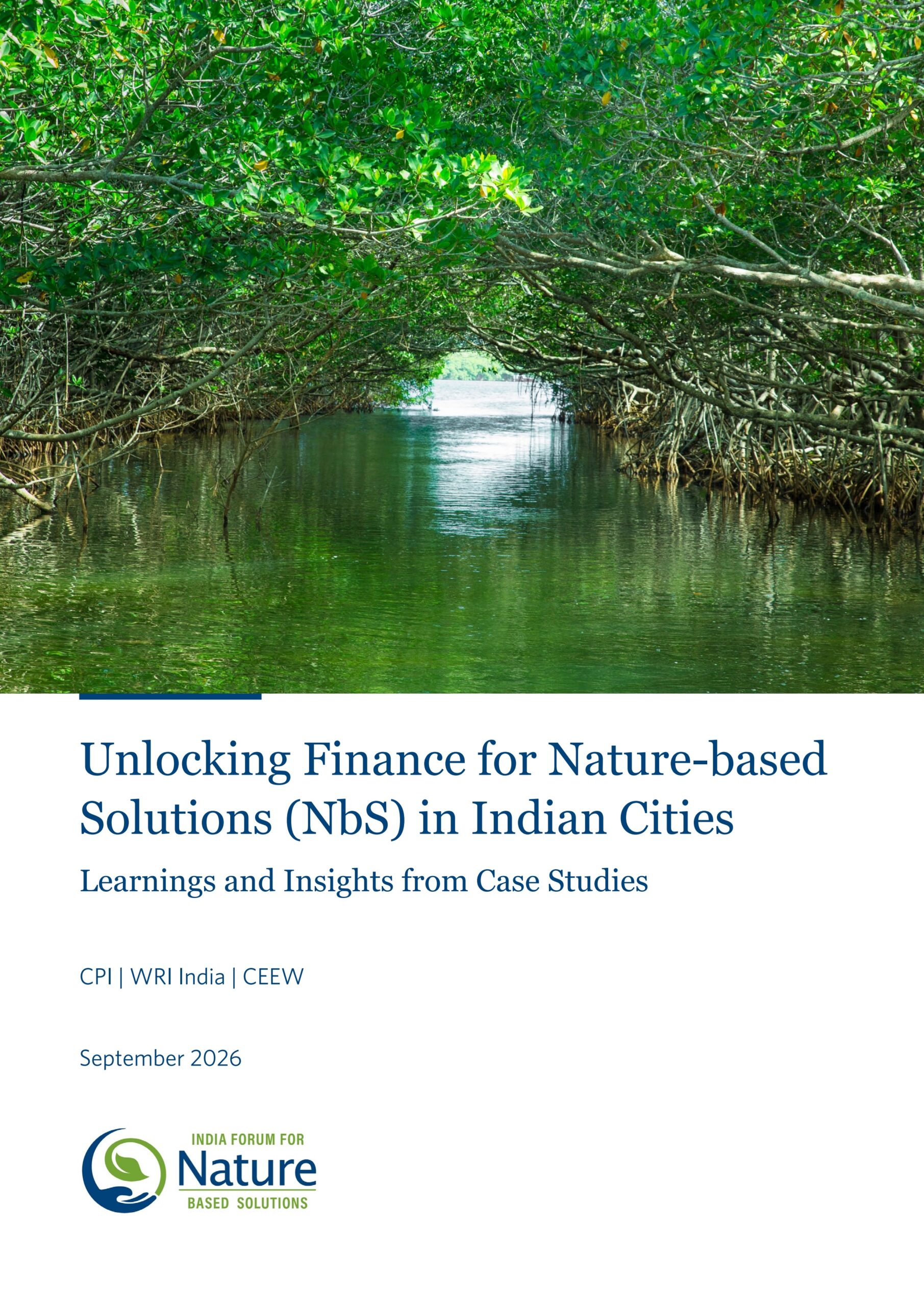
Unlocking finance for nature-based solutions (NbS) in Indian cities: Learnings and insights from case studies
This report examines nine Indian nature-based solutions (NbS) case studies to evaluate financing mechanisms and institutional frameworks. It highlights the importance of reducing technical risk through feasibility studies, aligning with national policies, and sequencing capital to support project scalability and long-term sustainability in urban environments.
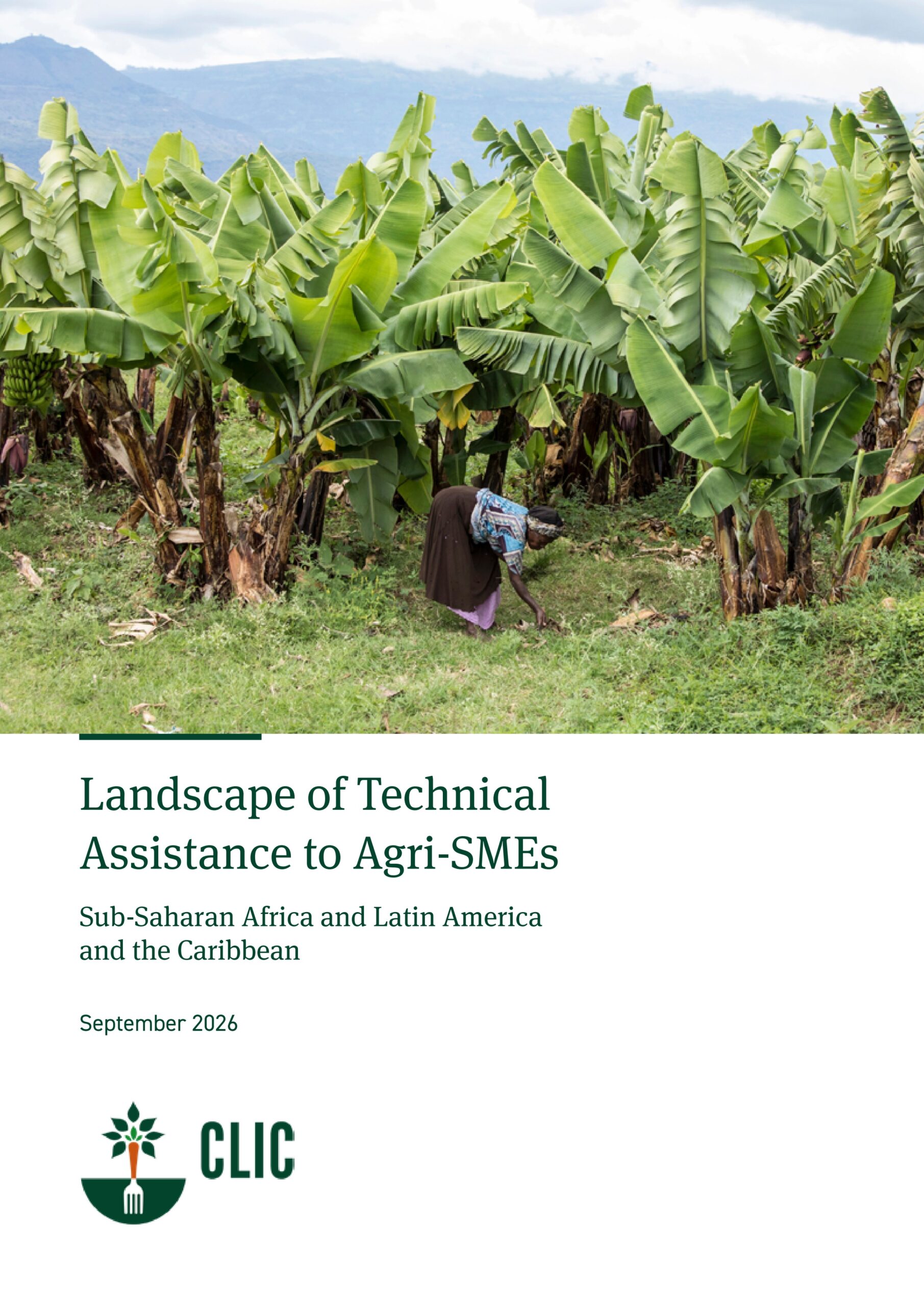
Landscape of technical assistance to agri-SMEs: Sub-Saharan Africa and Latin America and the Caribbean
This report maps the technical assistance ecosystem for agri-SMEs in sub-Saharan Africa and Latin America. It identifies structural gaps in information, pre-investment funding, and coordination. The analysis offers strategies to strengthen the ecosystem, highlighting the importance of nature integration and supporting local providers to improve investment readiness.
Integrating climate into corporate finance: Global evidence on internal carbon pricing
This report analyses the determinants and effectiveness of internal carbon pricing (ICP) globally. It finds that smaller boards and science-based targets drive higher pricing. While ICP adoption reduces short-term profitability due to capital reallocation, it successfully slows emission growth, even as absolute emissions remain linked to production.
Beyond greenwashing: ESG disclosure substance, investor flows, and fund behavior
This research examines mutual fund ESG disclosures in shareholder letters. It finds that only 'opportunistic' disclosures focused on financial value attract significant investor flows. While aggregate data suggests greenwashing, granular analysis reveals 'impact' disclosures result in genuine portfolio improvements. However, opportunistic claims increase outflow risks if performance disappoints.
Peer groups matter: Comparative industry effects in ESG rating disagreement
This research identifies the 'comparative industry effect'—differences in industry classification and peer group construction—as a major driver of ESG rating divergence. It explains 30% of industry-level score differences, particularly affecting environmental ratings and firms with limited public disclosure or complex ownership structures.
From catch to cash: Four seafood giants could increase operating profit by 2% to 9% via improved traceability
This report analyses the financial benefits of digital traceability for seafood giants Nissui, Umios, Thai Union, and Nomad Foods. It finds that investing in full-chain, interoperable systems could increase operating profits by 2% to 9% by reducing costs, mitigating regulatory risks, and enhancing brand reputation through improved sustainability data.
Water atlas: Data and facts about the basis of life 2025
This report analyses the global water crisis, examining the impacts of climate change, pollution, and industrial demand. It highlights the strain from agriculture and digitalisation, explores the failure of privatisation, and advocates for sustainable governance and ecosystem restoration to ensure water security and human rights are protected globally.
Agribusiness Atlas: Facts and figures about the corporations that control what we eat 2026
The Agribusiness Atlas 2026 details the unprecedented concentration of corporate power within global food systems. It examines how dominant firms influence policy, drive environmental degradation, and impact food security. The report advocates for democratic food governance, fair pricing for farmers, and public sector alternatives to curb corporate control.
Building resilient global governance for an era of recurring crises
This report examines strategies for building resilient global governance amidst recurring transnational crises. It advocates for hybrid institutional complexes that balance robust and flexible institutions. By prioritising institutional diversity and leadership, governance systems can better absorb shocks, adapt through innovation, and prepare for future disruptions through institutional learning.
Investing in water-related and dependent infrastructure: Risks, considerations, and opportunities
This report examines water risks as systemic financial threats to infrastructure. It proposes a seven-step decision framework to integrate ecosystem services into project appraisal and financing. Through case studies in Africa and Asia, it advocates for hybrid green-grey solutions and innovative financial mechanisms to address the global water infrastructure gap.
Rethinking readiness: Enhancing the foundations for climate finance in fragile and conflict-affected situations
This report analyses climate finance readiness in fragile and conflict-affected situations. It identifies systemic barriers, including institutional instability and under-resourcing, that prevent readiness support from translating into finance. It proposes four principles to adapt readiness, advocating for a whole-of-government approach anchored in political and fiscal realities.

Unlocking textile circularity in the EU: From challenges to opportunities
This report examines barriers and enablers for scaling up textile recycling in the EU. Combining literature reviews with 20 stakeholder interviews, it identifies technological, financial, and regulatory constraints. Recommendations include supporting demand-side measures, funding sorting technology research, and strengthening value chain collaboration to achieve circularity targets.
Public procurement and AI governance: Developing a strategic framework for middle powers
This report evaluates how 'AI middle powers' can use public procurement as a strategic governance tool to mitigate risks from foreign-led frontier AI. It proposes a framework of contractual guarantees and recommends international coordination to increase bargaining leverage, enhance visibility, and secure data sovereignty against technological dependencies.
Measuring what matters: A practical framework to integrate health into urban climate action
This report introduces a practical framework for integrating health co-benefits into urban climate monitoring. It details a five-step process for selecting robust indicators across air pollution, active travel, and sustainable diets. The framework helps cities justify climate policies, enhance accountability, and strengthen public support through evidence-based decision-making.
Leveraging co-creation for city-level climate action and health co-benefits: Policy lessons from citiES 2030
This report explores how evidence-informed co-creation supports city-level climate action and health co-benefits. Using the citiES 2030 platform as a case study, it details the development of practical health indicators and provides recommendations for policymakers, cities, and researchers to strengthen urban climate governance and implementation.
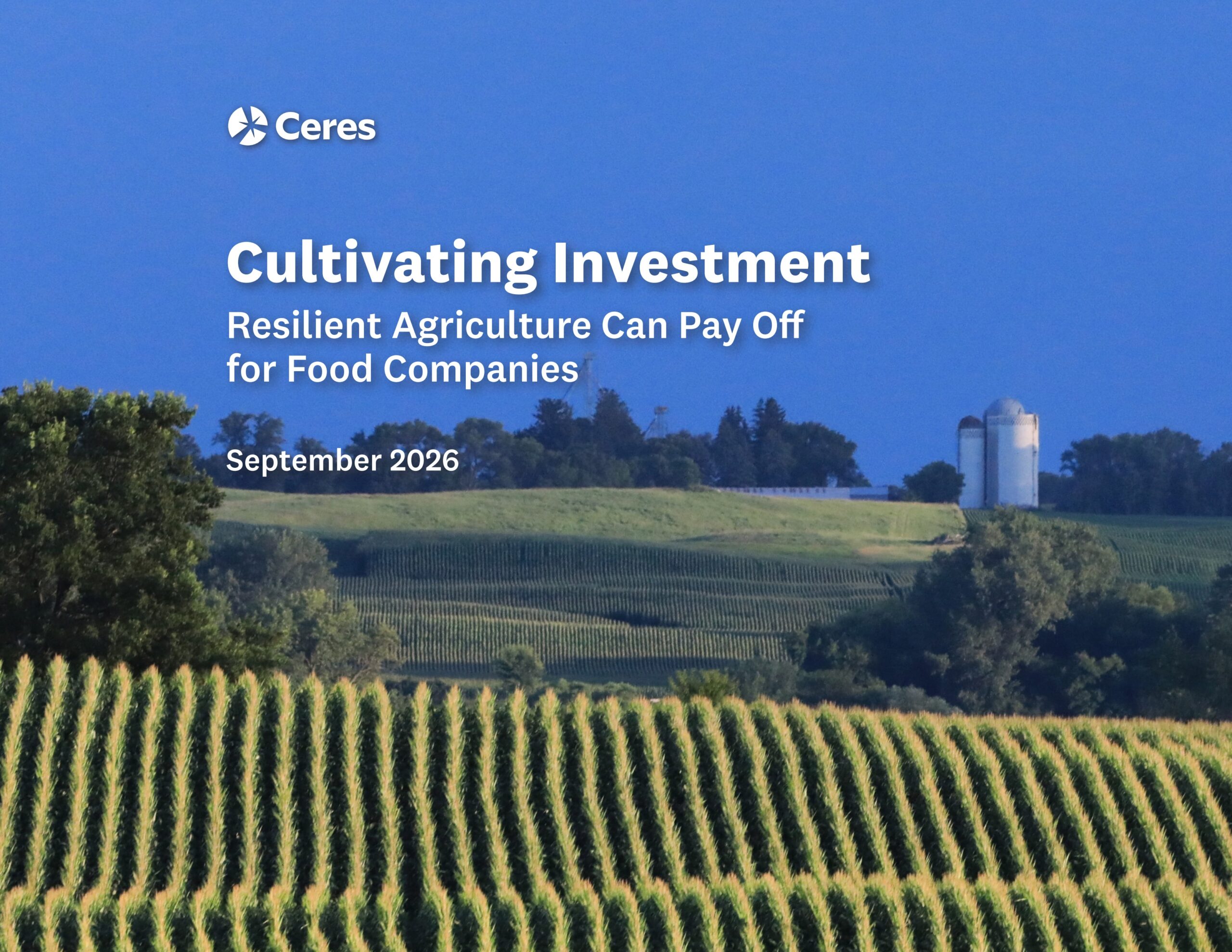
Cultivating investment: Resilient agriculture can pay off for food companies
Extreme weather and climate change are destabilising agricultural supply chains, eroding traditional risk-management effectiveness. This report demonstrates how investing in regenerative agriculture builds resilience, potentially safeguarding $500 million in annual profits. It provides a framework for companies and investors to mitigate financial risks and secure long-term value.


