
Library | Tag
case studies
Refine
713 results
REFINE
SHOW: 16


Beyond sovereignty: Nationally led crisis response in East Africa
This report examines the transition towards nationally led crisis response in East Africa. It identifies barriers within international aid structures while highlighting progress in sub-national governance, social protection, and civil society. Recommendations focus on strengthening state accountability and equitable partnerships across Kenya, Somalia, Uganda, South Sudan, and Ethiopia.
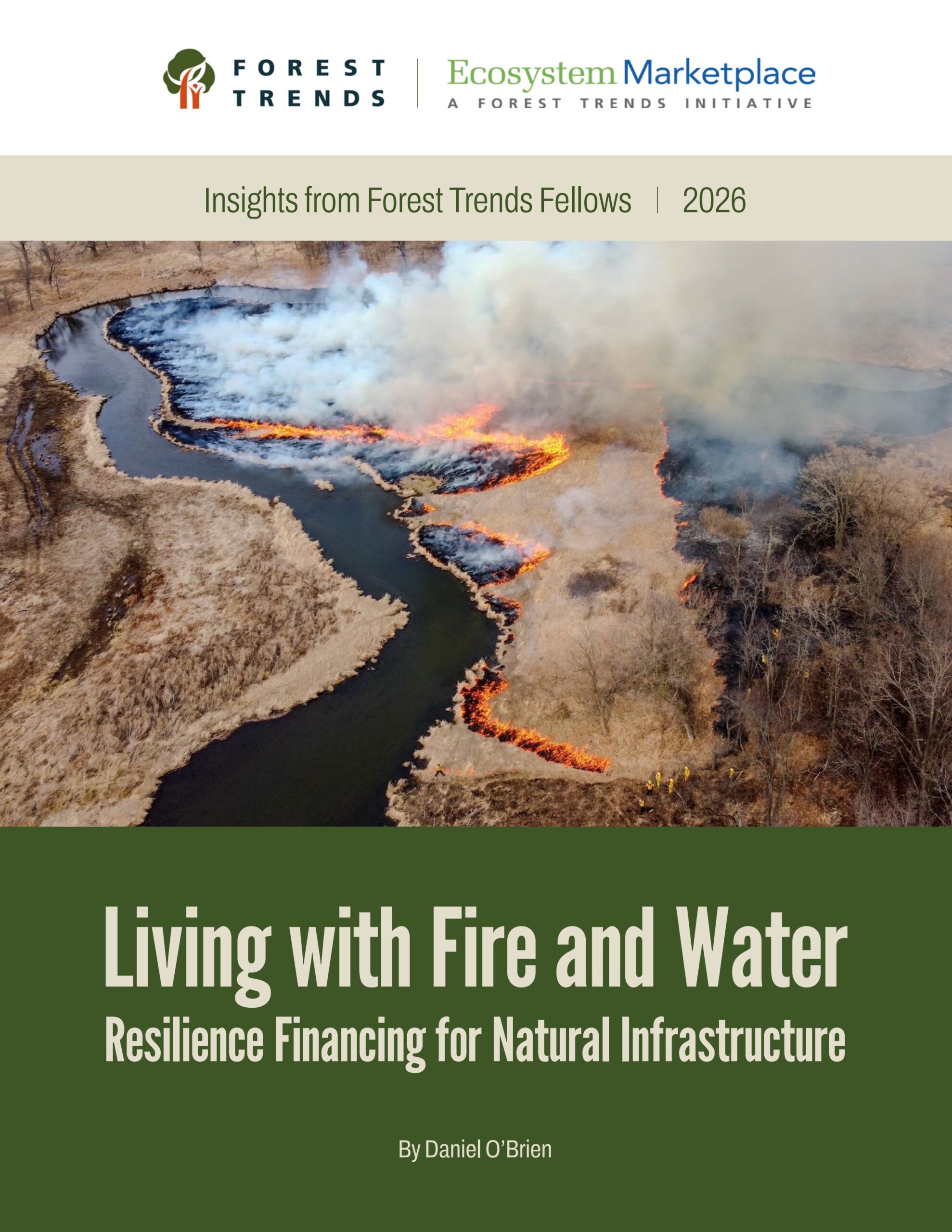
Living with fire and water: Resilience financing for natural infrastructure
This report proposes a resilience-financing architecture to fund natural infrastructure. By wrapping catastrophe bonds with government credit enhancement, it creates a spread to finance landscape-scale mitigation. This mechanism aims to preserve insurability, reduce systemic climate risk, and convert unpriced contingent liabilities into structured, capped financial positions.
Governing global externalities: Investor voice amid fragmented policy
This research examines how corporate stewardship and policy advocacy address global externalities. Stewardship is more effective when foreign regulation is absent and leakage is high. However, if foreign regulation is feasible, stewardship can crowd out policy, while advocacy can encourage international regulatory coordination through strategic complementarity.
The business case for science-based targets: Corporate insights on the value of science-based targets for nature
This report examines the strategic value of science-based targets for nature. Drawing on insights from early adopters across diverse sectors, it identifies six key business benefits, including protected revenue and enhanced credibility. It outlines a structured approach for organisations to manage environmental impacts while future-proofing operations against regulatory shifts.
International credit to Africa
This research examines the rapid expansion of international credit to Africa since the Global Financial Crisis. It highlights the rise of Chinese lending under the Belt and Road Initiative, the dramatic growth of international bond issuance, and the continued dominance of governments as borrowers in US dollar-denominated markets.
Bank executive compensation and risk-taking
This research investigates bank executive compensation since the Great Financial Crisis. It finds that longer deferral horizons successfully reduce risk-taking and encourage prudent capital management. However, evidence regarding variable pay caps is inconclusive. Case studies from 2023 failures highlight governance shortcomings in risk-adjusting performance metrics and compensation schemes.
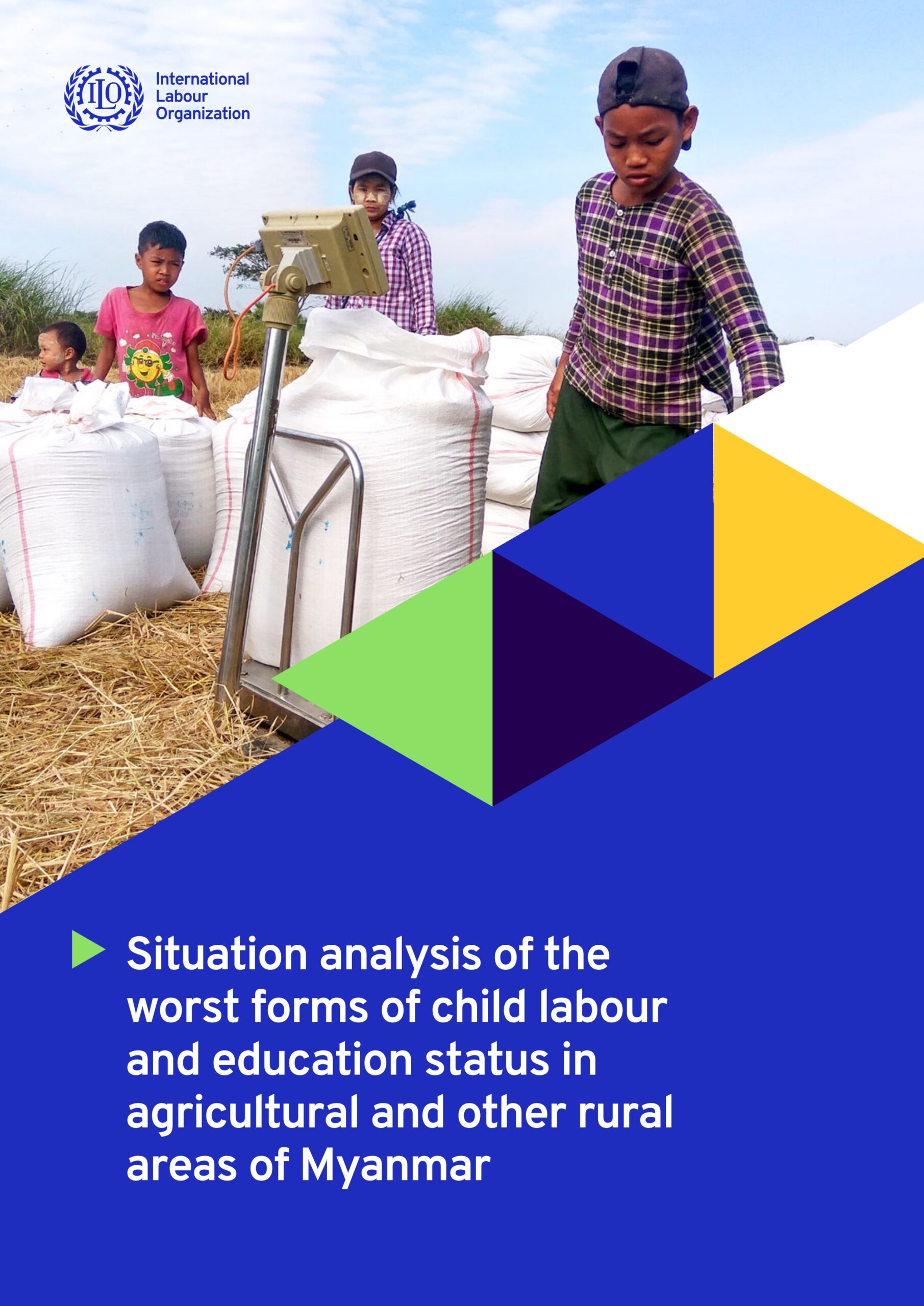
Situation analysis of the worst forms of child labour and education status in agricultural and other rural areas of Myanmar
This report examines child labour and education in rural Myanmar. It highlights how poverty, conflict, and natural disasters, including a 2025 earthquake, drive child labour. It provides strategic recommendations for the ARISE project to improve education access, strengthen livelihoods, and eliminate hazardous work for children.
Sustainability or strategy: Bridging the gap between climate change and long-term value creation
FCLTGlobal research identifies a significant gap between corporate climate commitments and long-term business strategies. Analysing the world’s 100 largest companies, the report introduces a Conversation Guide to help organisations integrate climate transition planning into core value creation, capital allocation, and risk management to build investor trust and resilience.
From voluntary to binding: Integration of sustainability standards and initiatives in public mining governance
This report examines the integration of sustainability standards and initiatives (SSIs) into public mining governance. Through surveys and case studies in Brazil, Madagascar, and Sweden, it demonstrates how voluntary standards complement mandatory regulations to address environmental, social, and governance risks, supporting policy formulation, implementation, and transparent reporting.
Locked in and priced out: How coal power contracts fuel debt and delay the energy transition
This report examines how rigid power purchase agreements for coal power in India, Indonesia, and Pakistan create unsustainable debt and delay the energy transition. It highlights how these contracts lock in expensive, polluting energy and proposes policy solutions including payouts, technology swaps, renegotiation, and litigation.
Role of distributed resources in energy transition: A multi-country perspective
This report evaluates distributed energy resources across Australia, India and Bangladesh. It examines rooftop solar and battery uptake, highlighting their role in reducing fossil fuel reliance and grid demand. The analysis provides country-specific recommendations to overcome regulatory barriers, improve financing access and ensure an equitable energy transition.
Sustainability assurance: Frequently asked questions: The application of materiality under ISSA 5000
This IAASB publication provides guidance on applying materiality under ISSA 5000. It explains concepts such as double materiality, performance materiality, and aggregation risk. The FAQs assist practitioners in planning and reporting on sustainability assurance engagements, clearly distinguishing between an entity's reporting process and a practitioner's assurance application.
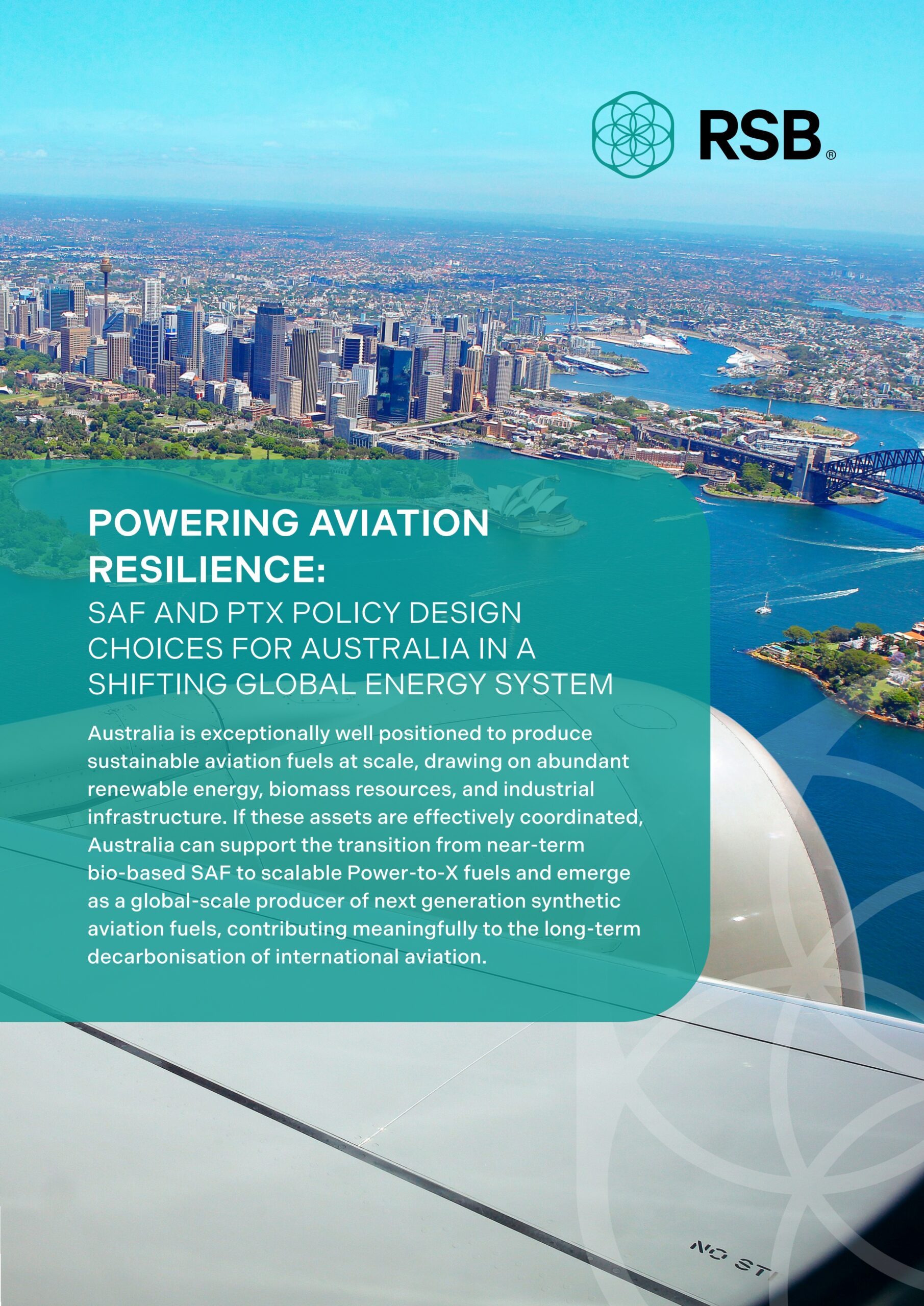
Powering aviation resilience: SAF and PtX policy design choices for Australia in a shifting global energy system
This briefing examines policy choices for scaling sustainable aviation fuels (SAF) and Power-to-X (PtX) in Australia. It highlights the need for integrated policy packages, robust sustainability certification, and cross-portfolio coordination to transition from bio-based fuels to synthetic alternatives, ensuring long-term decarbonisation and fuel security.
A price on carbon: Building towards an Asian CBAM
This report advocates for an Asian Carbon Border Adjustment Mechanism (CBAM) to harmonise carbon pricing across Asia-Pacific. Focusing on steel, aluminium, and cement, it proposes international collaboration between Australia, China, Japan, Singapore, and South Korea to accelerate industrial decarbonisation, address carbon leakage, and unlock green commodity trade.
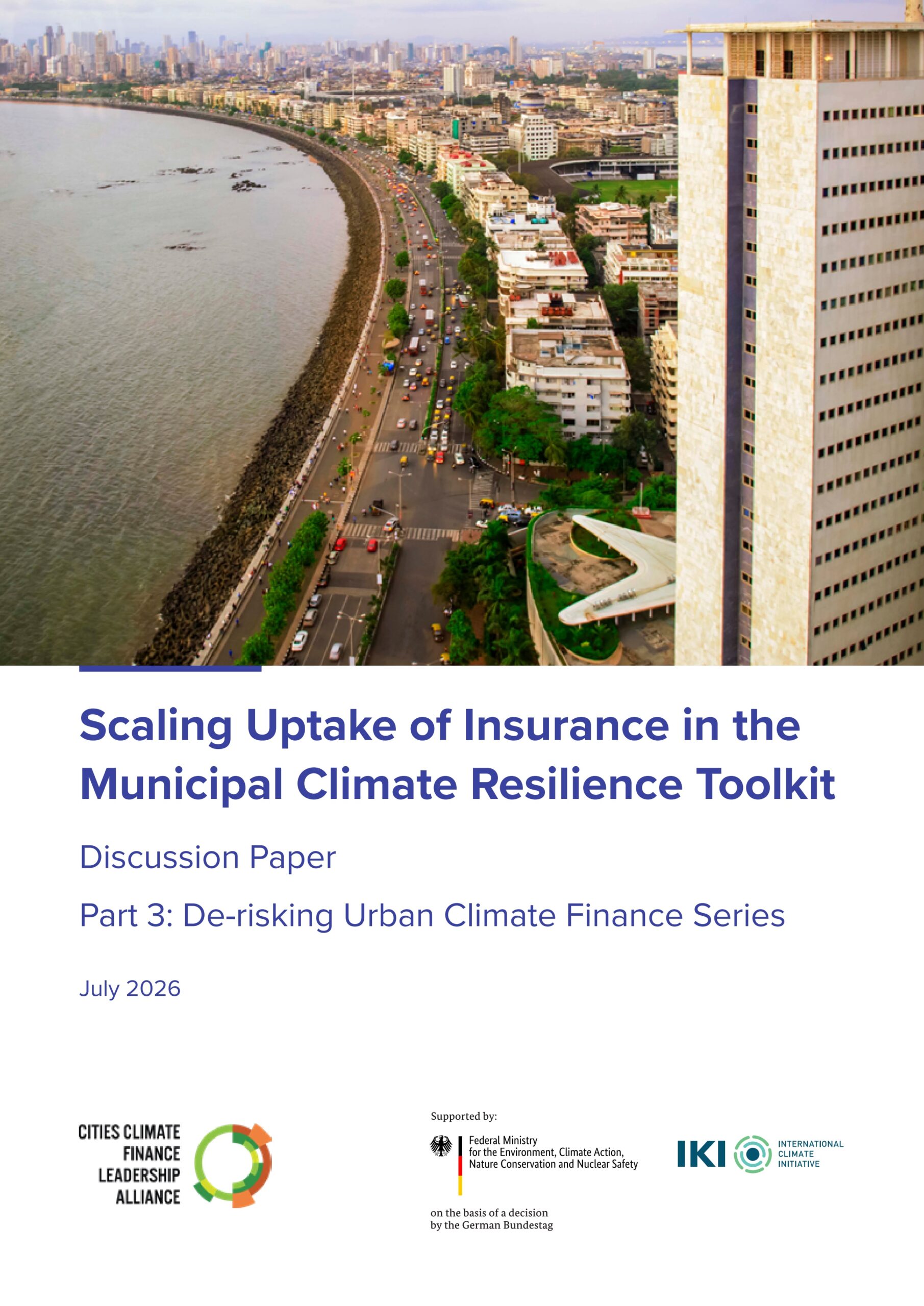
Scaling uptake of insurance in the Municipal Climate Resilience Toolkit: Discussion paper
This research explores scaling parametric insurance to enhance municipal climate resilience in emerging markets. It identifies key barriers to uptake, maps the existing support ecosystem, and proposes three priority actions to improve the financial viability and affordability of insurance solutions for subnational governments worldwide.
Pollution pricing in equilibrium: Production, reallocation, and aggregate impacts
NBER research into the EU-ETS reveals that carbon pricing reduces emissions primarily through market reallocation and long-run technology adoption, rather than short-run input substitution. Doubling permit prices reduces aggregate emissions by 31% over five years, with moderate impacts on total output and employment across the production network.


