
Library | Tag
case studies
Refine
713 results
REFINE
SHOW: 16


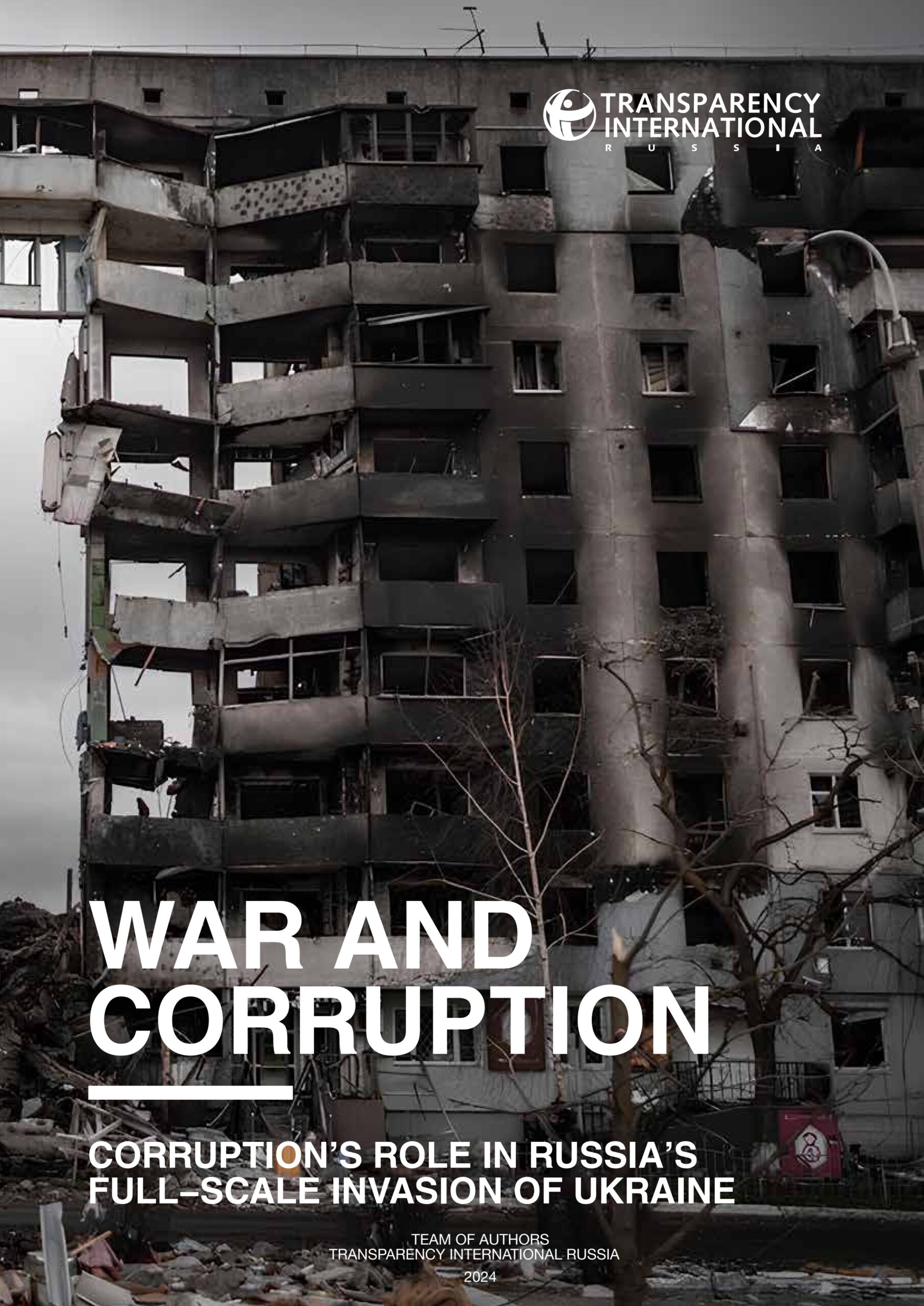
War and corruption: Corruption’s role in Russia’s full-scale invasion of Ukraine
This report examines how corruption enabled Russia’s invasion of Ukraine and explores its escalation during the conflict. It details growth in criminal convictions, systemic theft within the military, and the erosion of procurement transparency. It further analyses the impact of sanctions on Russian oligarchs and the emergence of war beneficiaries.
Disability employment quotas: Lessons for Indonesia from ASEAN and East Asia
This report analyses disability employment quota systems across Indonesia, ASEAN, and East Asia. It identifies five legal models, ranging from binding levy-subsidy architectures to voluntary incentive-based approaches. Recommendations for Indonesia include clarifying calculation methodologies, establishing structured incentive frameworks, and implementing graduated compliance pathways to improve inclusive employment outcomes.
Enterprises, supply chains and the transition to formality: Linkages and innovation
This ILO research brief examines how multinational enterprises and supply chains drive the transition from informal to formal economies. By leveraging market incentives, technology transfers, and innovative procurement, MNEs can improve working conditions, social protection, and productivity for lower-tier MSMEs, supporting global decent work objectives.
The SDG partnership guidebook: A practical guide to building high-impact multi-stakeholder partnerships for the Sustainable Development Goals
This guidebook provides a practical framework for building high-impact multi-stakeholder partnerships for the SDGs. It details the partnering lifecycle, essential building blocks like trust and governance, and strategies for business engagement and system transformation. The resource helps organisations become fit for partnering to maximise collaborative value and impact.
Asset manager capture
This research examines "reverse capture", where government actors pressure large asset managers to advance political agendas. It analyses how expanding presidential power and market concentration enable this dynamic, using the ESG retreat as an illustration. The authors recommend narrowing fiduciary duties to insulate investment stewardship from political interference.
Corporate governance scandals in India’s banking and financial services sector
This research examines corporate governance failures in India’s financial sector, focusing on scandals at YES Bank, IndusInd Bank, and IL&FS. It analyses the impact of 'star' promoters, gatekeeper failures, and regulatory fragmentation, advocating for enhanced standards of care for directors and a wholesale reconsideration of sector-specific governance frameworks.
The New Supply-Side Era: The O-Ring Meets Geopolitics
The report examines how geopolitical tensions, supply chain vulnerabilities and technological developments increasingly drive economic volatility. It applies O-ring theory to explain how disruptions spread through production networks, affecting inflation, investment and financial markets. It highlights implications for monetary policy, corporate resilience and long-term risk assessment.
Renewable electrification as a means of transitioning away from fossil fuels: From commitment to implementation at COP31
This report evaluates renewable-based electrification as a pillar for transitioning away from fossil fuels. It proposes the ‘35 by 35’ target, analyses progress in five key countries, and outlines action priorities for COP31. The focus is on integrating renewables, efficiency, and equitable finance to accelerate global decarbonisation.
Managing LLM bias in investing: From detection to mitigation
This report examines implicit and explicit LLM biases in investment management. Through a case study on framing bias across nine OpenAI models, it identifies significant sensitivities in drawdown and client retention scenarios. It concludes that manual prompt restructuring and human-in-the-loop protocols are the most effective mitigation strategies.
Using firm-level and integrated data sources for enterprise policy development: With illustrative country analysis of firm resilience
This report examines the use of firm-level and integrated data sources, including enterprise surveys, household surveys, and administrative records, for enterprise policy development. It features case studies from Colombia, Ecuador, and Brazil, analysing firm resilience during the COVID-19 pandemic through various indicators such as productivity, informality, and workforce restoration.
Regulating artificial intelligence in finance: Lessons from Singapore
This research analyses Singapore's multi-layered approach to regulating artificial intelligence in finance. It evaluates frameworks like the FEAT Principles and Project MindForge while identifying risks such as deepfakes and bias. The paper recommends establishing a dedicated regulatory sandbox and shared responsibility frameworks to manage evolving technological and third-party risks.
Charting the path: Foundations for a scalable First Nations investment market in Australia
This research outlines foundations for a scalable First Nations investment market in Australia. It identifies systemic barriers and proposes a theory of change focused on representation, systems alignment, and capital flows. The report recommends embedding cultural authority into governance and utilising blended finance to support First Nations economic self-determination.
Ocean investment protocol: A multi-stakeholder plan to enable funding for the sustainable ocean economy
This report outlines a multi-stakeholder framework to accelerate funding for a sustainable ocean economy. It provides specific recommendations for financial institutions, insurers, and governments to manage systemic risks and mobilise the estimated one trillion dollars in additional finance required by 2030 to meet global climate and biodiversity targets.

A practitioner's guide to impact vehicle structuring
This guide provides a six-step roadmap for designing and structuring impact investment vehicles. It offers practical frameworks for assessing market gaps, establishing partnerships, and defining investment and impact strategies. Featuring seventeen global case studies, the report emphasises mobilising domestic capital and using blended finance to address underserved social and environmental needs.
Financing Nature: A mid-decade update: From isolated progress to implementation at scale
This report updates the global biodiversity financing landscape, identifying a US$1.317 trillion annual funding gap. It highlights that nature-negative flows reach US$7.3 trillion annually. Key recommendations include urgent subsidy reform, scaling nature-based solutions, and leveraging technological innovation to transition from isolated progress to large-scale implementation.
Landscape of Climate Finance in Latin America and the Caribbean
The report assesses climate finance across Latin America and the Caribbean from 2020–2024. Finance doubled to US$108 billion but remains well below estimated needs and unevenly distributed. It examines public and private flows, mitigation and adaptation investment, financing constraints, and measures to mobilise capital and strengthen climate resilience.


