
Refine
226 results
REFINE
SHOW: 16


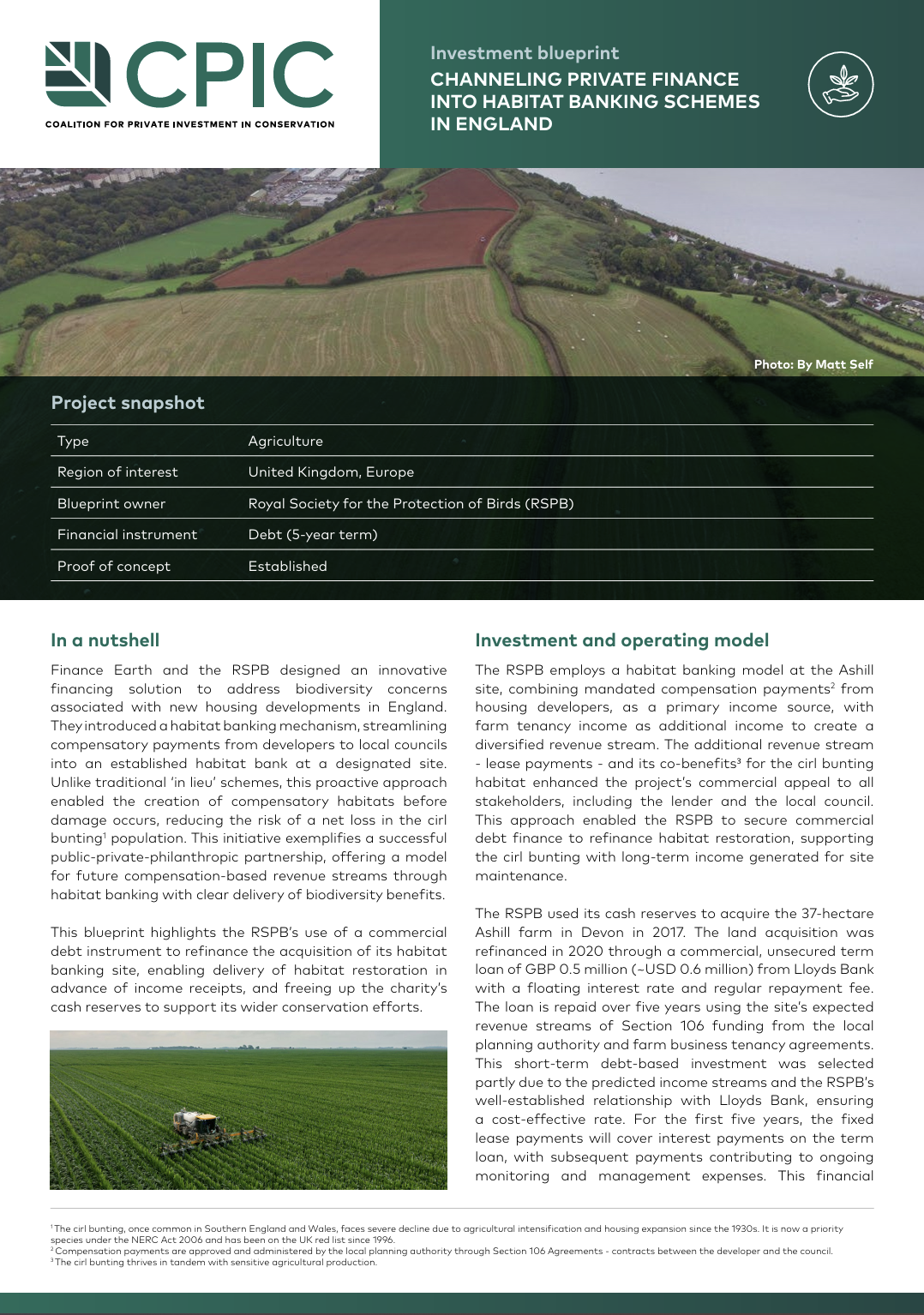
Channeling private finance into habitat banking schemes in England
This case study outlines the use of hybrid bonds to finance organic dairy farms. It provides investors with insights into sustainable agriculture investments that promote environmental stewardship and offer attractive financial returns.
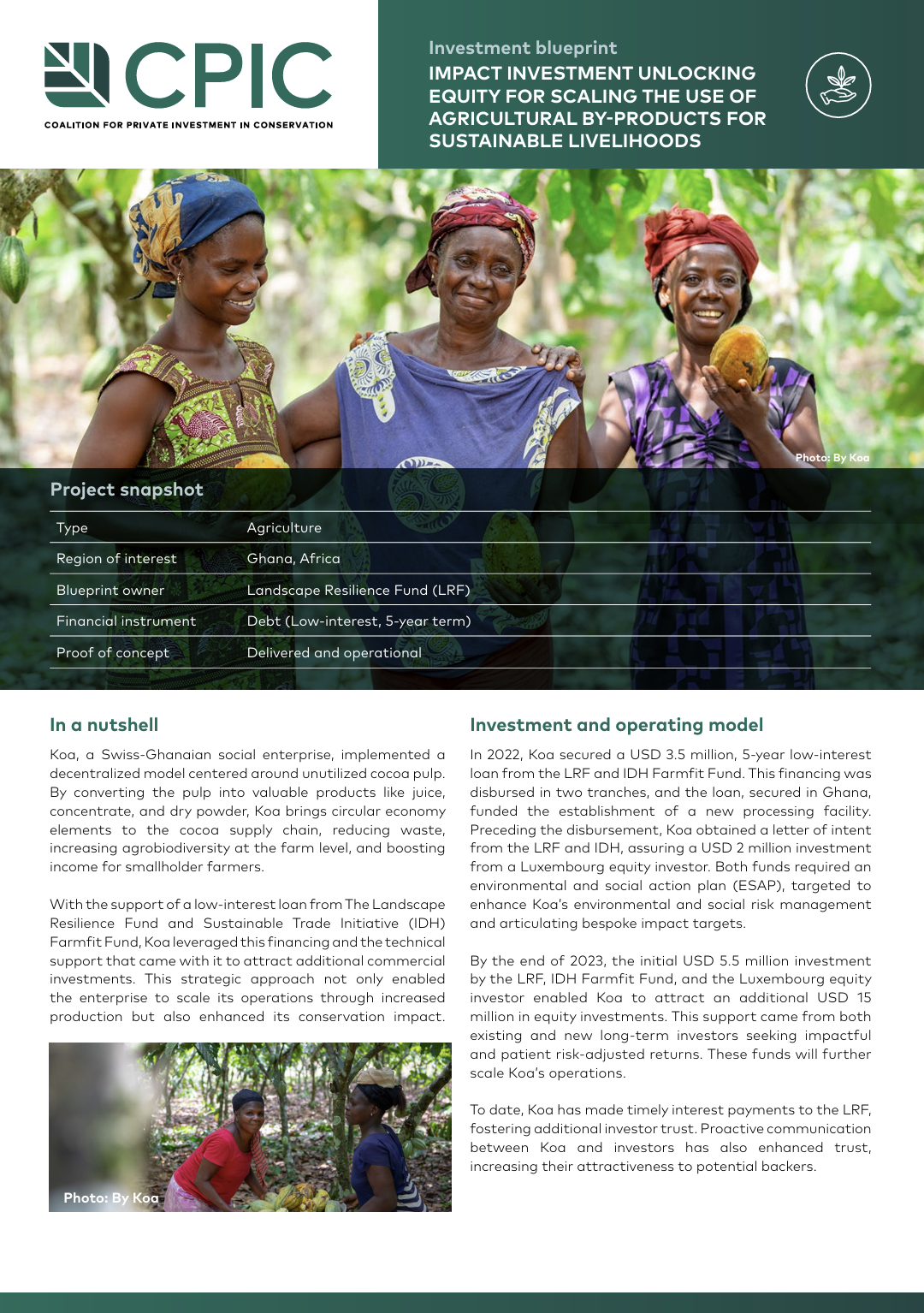
Impact investment unlocking equity for scaling the use of agriculture by-products for sustainable livelihoods
This blueprint provides a model for using private finance to develop compensatory habitats through habitat banking. It demonstrates how investors can generate returns while contributing to biodiversity conservation and habitat restoration.
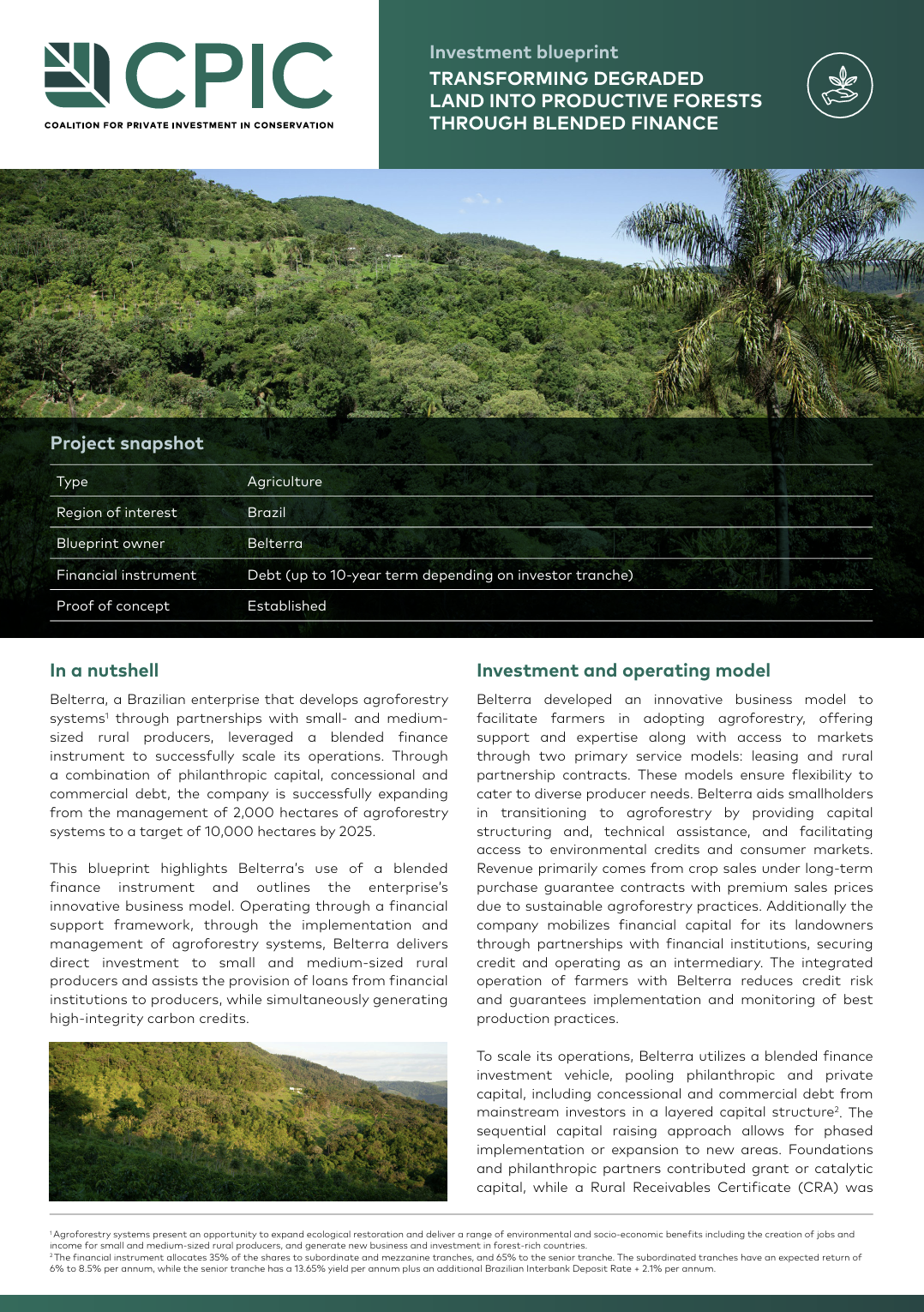
Investment blueprint: Transforming degraded land into productive forests through blended finance
This case study offers a blueprint for impact investment in sustainable cocoa supply chains. It highlights strategies for improving environmental and social outcomes in cocoa production, providing investors with opportunities to support sustainable agriculture while achieving financial returns.
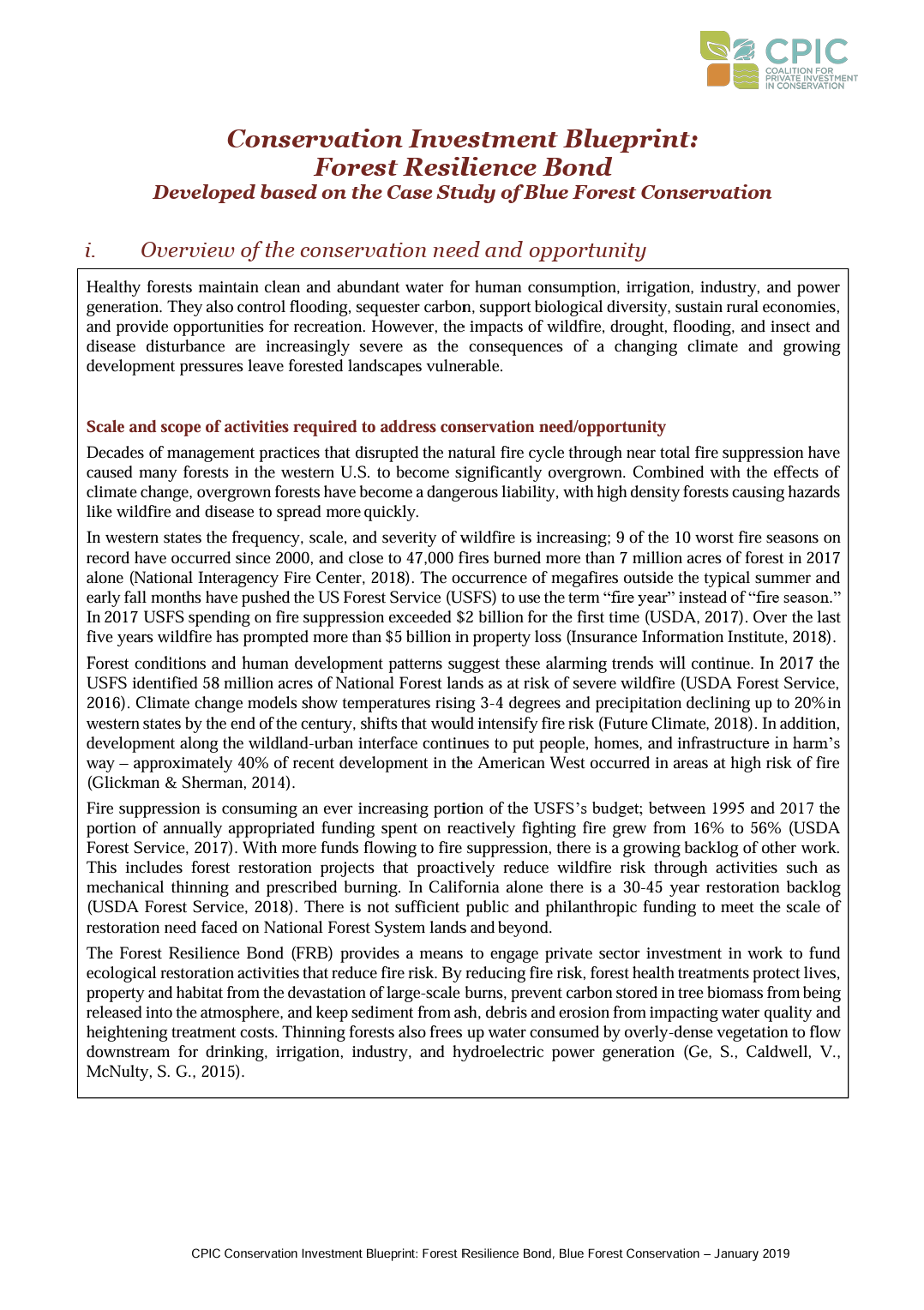
Conservation investment blueprint: Forest Resilience Bond developed based on the case study of Blue Forest Conservation
This blueprint provides a model for using blended finance to support agroforestry projects. It illustrates how investors can combine public and private capital to develop sustainable agroforestry practices, achieving both economic and environmental benefits.
Conservation investment blueprint: Forest landscape conservation, restoration, and sustainable timber production
This blueprint contributes to the conservation and restoration of forest ecosystems – achieved by investors purchasing forests, or purchasing land and reforesting; with the express goal of sustainably managing those forests in adherence to relevant sustainability or management certifications.
Conservation investment blueprint: Nb community forestry
This blueprint outlines a community forestry project that sells timber sourced from small holding forestry plots and community collectives. It provides a fair price to primary producers and provides them with support to produce timber through the sustainable forestry management techniques, in accordance with FSC guidelines.
Conservation investment blueprint: Smallholder forestry vehicle - Kilifi, Kenya
This blueprint provides investors with a framework for supporting community forestry projects. It emphasises the role of community engagement in sustainable forest management, offering strategies to achieve both financial returns and conservation outcomes.
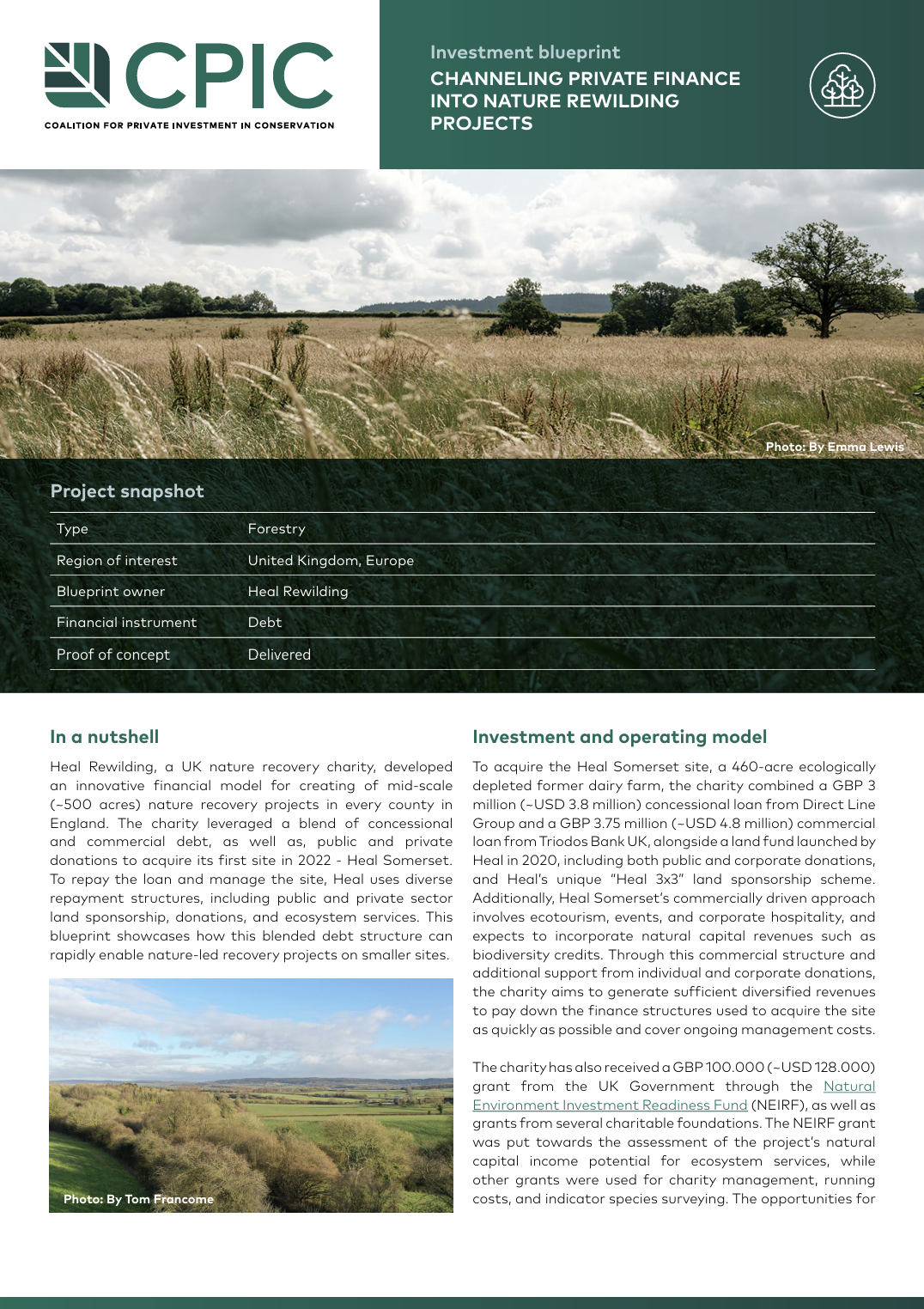
Investment blueprint: Channeling private finance into nature rewilding projects
This case study offers investors a blueprint for developing smallholder forestry projects. It highlights successful investment strategies that support sustainable forestry practices among smallholder farmers, promoting economic development and environmental conservation.

TNFD's Learning Lab
The TNFD Learning Lab is a free, open-access platform offering self-paced modules to help individuals understand nature-related issues and the TNFD's recommendations. It includes educational videos, webinars, and resources, covering foundational concepts and practical applications. Registration is required to access the content.
Bankable nature solutions
This report aims to support readers in understanding Bankable Nature Solutions (BNS) and start identifying and developing their own BNS project by providing Blueprints for Bankable Nature Solutions from across the globe to adapt to and mitigate climate change and to help our living planet thrive.

Green Climate Fund (GCF)
Green Climate Fund (GCF) is a global fund established by the United Nations Framework Convention on Climate Change (UNFCCC) to support developing countries in tackling climate change. It provides financing for mitigation and adaptation projects, focusing on low-emission, climate-resilient development. Funded by governments, GCF plays a key role in international climate finance.

Building disaster- and climate-resilient infrastructure through public–private partnerships
The report discusses leveraging public–private partnerships (PPPs) to build disaster- and climate-resilient infrastructure in Southeast Asia, addressing funding gaps, enhancing regulatory frameworks, and integrating resilience measures. It highlights Australian practices, aligning climate, disaster, and inclusion goals for sustainable infrastructure development.

Nature strategy handbook: A practical guide for businesses
This guide was developed to support businesses and financial institutions to develop nature strategies, and contribute to nature positive. The guide follows four, high-level business actions outlined in ACT-D: Assess, Commit, Transform and Disclose.

Nature target setting framework for asset managers and asset owners
The framework seeks to create a shared understanding and common language for investors on target setting, while steering private financial flows in alignment with the mission of the Global Biodiversity Framework to halt and reverse biodiversity loss by 2030. It focuses on listed equity and corporate bonds.

Nature risk profile: A methodology for profiling nature related dependencies and impacts
The technical guideline outlines a methodology for how companies and investors can profile nature-related risks arising from dependencies and impacts of economic activities by combining nature data with data on the locations of companies' activities.

Insights into UNEP FI’s TNFD pilots: Insights into deep-dive UNEP FI pilots to ensure effective uptake of the final TNFD framework
This publication provides investors with insights from pilot projects supporting the TNFD framework. It highlights best practices and lessons learned for integrating nature-related financial disclosures into investment strategies, enhancing transparency and sustainability. It outlines the valuable insights gained and significant findings obtained from a global pilot project initiated by UNEP FI in conjunction with 20 financial institutions.


