
Refine
239 results
REFINE
SHOW: 16


Cooler finance: Mobilizing investment for the developing world’s sustainable cooling needs
The report highlights the critical need for sustainable cooling in developing countries to meet climate goals, reduce emissions, and support health, food security, and productivity. It estimates a market demand of $600 billion annually by 2050 and provides strategies to attract private investment through policy, financing models, and international collaboration.


A tool for developing credible transition plans: Public edition for asset owner pilot-testing
This report provides asset owners with guidance for preparing and evaluating transition plans. It highlights key elements for credibility, outlines relevant frameworks, and offers recommendations for both preparers and users of transition plans, enhancing transparency and accountability in achieving net-zero goals.

Climate-related litigation: recent trends and developments
The report highlights the growing volume and diversity of climate-related litigation. It outlines legal trends targeting financial and non-financial institutions and governments, with significant implications for financial risks and reputational damage. The report emphasises the potential increase in litigation tied to climate disclosure laws, greenwashing, and corporate responsibilities.

The effect of pricing instruments on CO2 emissions: Empirical evidence from Australia
The report evaluates Australia's short-lived carbon tax and renewable energy policies. It finds a 7% per capita emissions reduction from 2009 to 2018, with effects weakening after policy repeal. Coal exports increased during this period, potentially offsetting domestic emission reductions.

Insurance-associated emissions: Top tips for finance teams of insurers and reinsurers
This report provides finance teams in the insurance industry with practical guidance on calculating insurance-associated emissions. It outlines the PCAF Standard, emphasises the importance of establishing an emissions baseline, and offers actionable steps for leveraging data, improving processes, and supporting decarbonisation.

A director’s guide to mandatory climate reporting
This guide covers Australia’s mandatory climate reporting, requiring large entities to disclose climate risks and opportunities from January 2025. It provides directors with practical steps for compliance, focusing on governance, strategy, and risk management, and encourages proactive engagement to build long-term organisational resilience.

Climate Policy Initiative
Climate Policy Initiative (CPI) is a global organisation that focuses on driving policy and financial innovations to address climate change. They provide rigorous analysis and insights on climate finance, supporting effective investment strategies and policy frameworks. CPI aims to foster collaboration among stakeholders to promote sustainable development and climate resilience.

Global Alliance for Banking on Values (GABV)
Global Alliance for Banking on Values (GABV) is a network of independent banks using finance to deliver sustainable economic, social and environmental development.

Aligning corporate value chains to global climate goals
This discussion paper explores the importance of scope 3 emissions in corporate climate targets. It discusses challenges in current scope 3 target-setting practices, potential solutions, and strategies for decarbonising value chains. The report aims to enhance corporate climate action, aligning businesses with global climate goals while promoting stakeholder engagement for future standards.

Science Based Targets Initiative (SBTi)
Science Based Targets initiative (SBTi) helps organisations set and achieve science-based emissions reduction targets to meet global climate goals. SBTi provides guidance, resources, and validation to ensure targets align with the Paris Agreement. It is a key platform for businesses seeking credible, measurable progress towards net-zero emissions and sustainability.
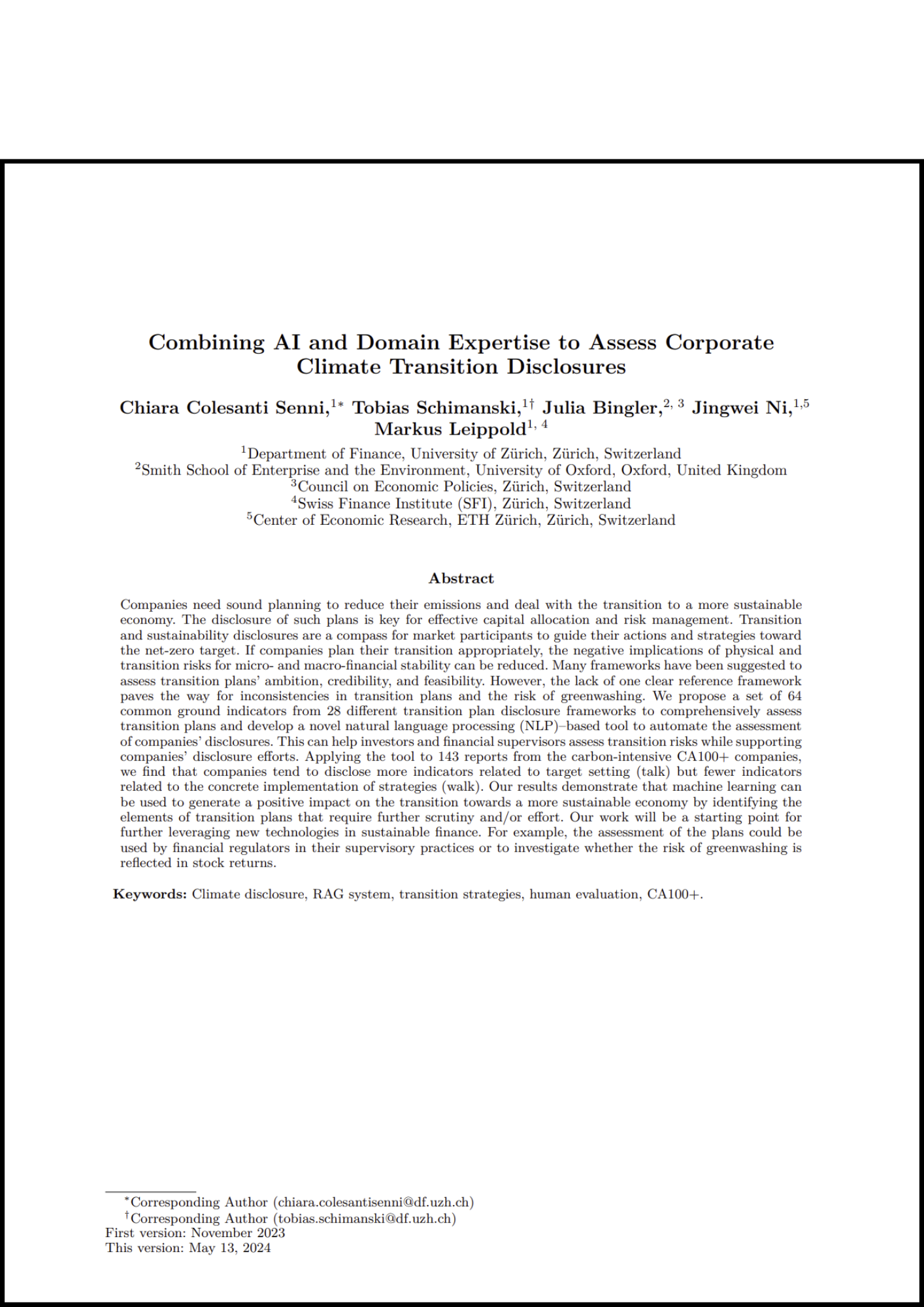
Combining AI and domain expertise to assess corporate climate transition disclosures
This paper introduces an assessment framework for corporate disclosures on climate transition strategies. It identifies 64 indicators from 28 frameworks, develops a natural language processing (NLP) tool to automate disclosure assessment, and analyses disclosures of carbon-intensive companies. The findings reveal that companies often prioritise reporting targets over concrete implementation actions.

Standard for Responsible Mining and Mineral Processing 2.0
The IRMA Standard for Responsible Mining and Mineral Processing 2.0 (Draft Version) outlines best practices for mining, mineral development, and processing to enhance environmental and social responsibility. It aims to improve industry standards, promote transparency, and support compliance with local and international regulations.
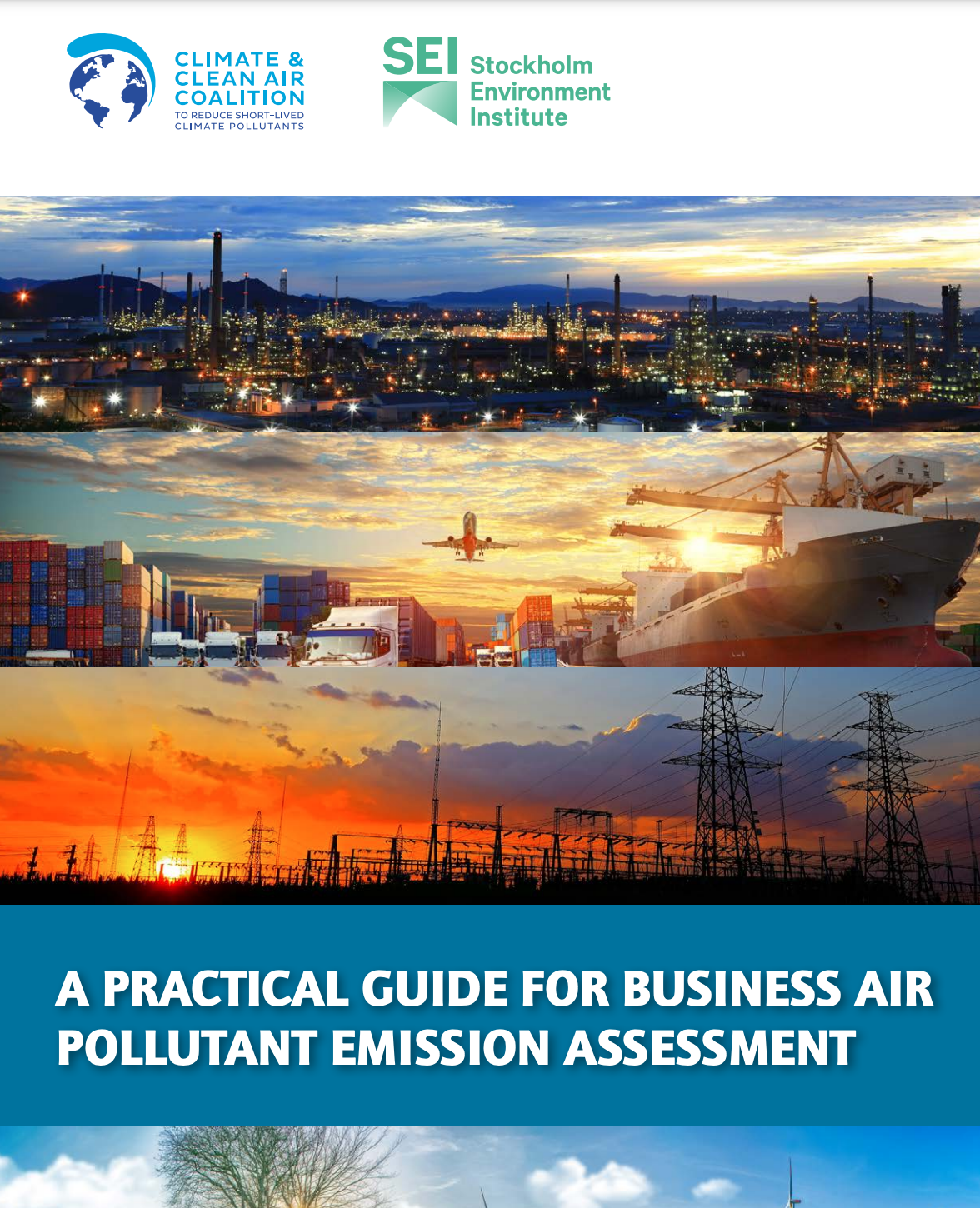
A practical guide for business: Air pollutant emission assessment
This guide provides businesses with a framework to quantify air pollutant emissions along their value chains. It offers methodologies for assessing emissions from key sources such as electricity, fuel combustion, and transportation, helping businesses reduce pollutants and support better health outcomes and environmental sustainability.

Climate and Clean Air Coalition (CCAC)
Climate and Clean Air Coalition (CCAC) is a global partnership working to reduce short-lived climate pollutants like methane, black carbon, and HFCs. By focusing on key sectors, CCAC promotes strategies that simultaneously improve air quality and combat climate change. Explore their initiatives to support sustainable development and climate resilience.
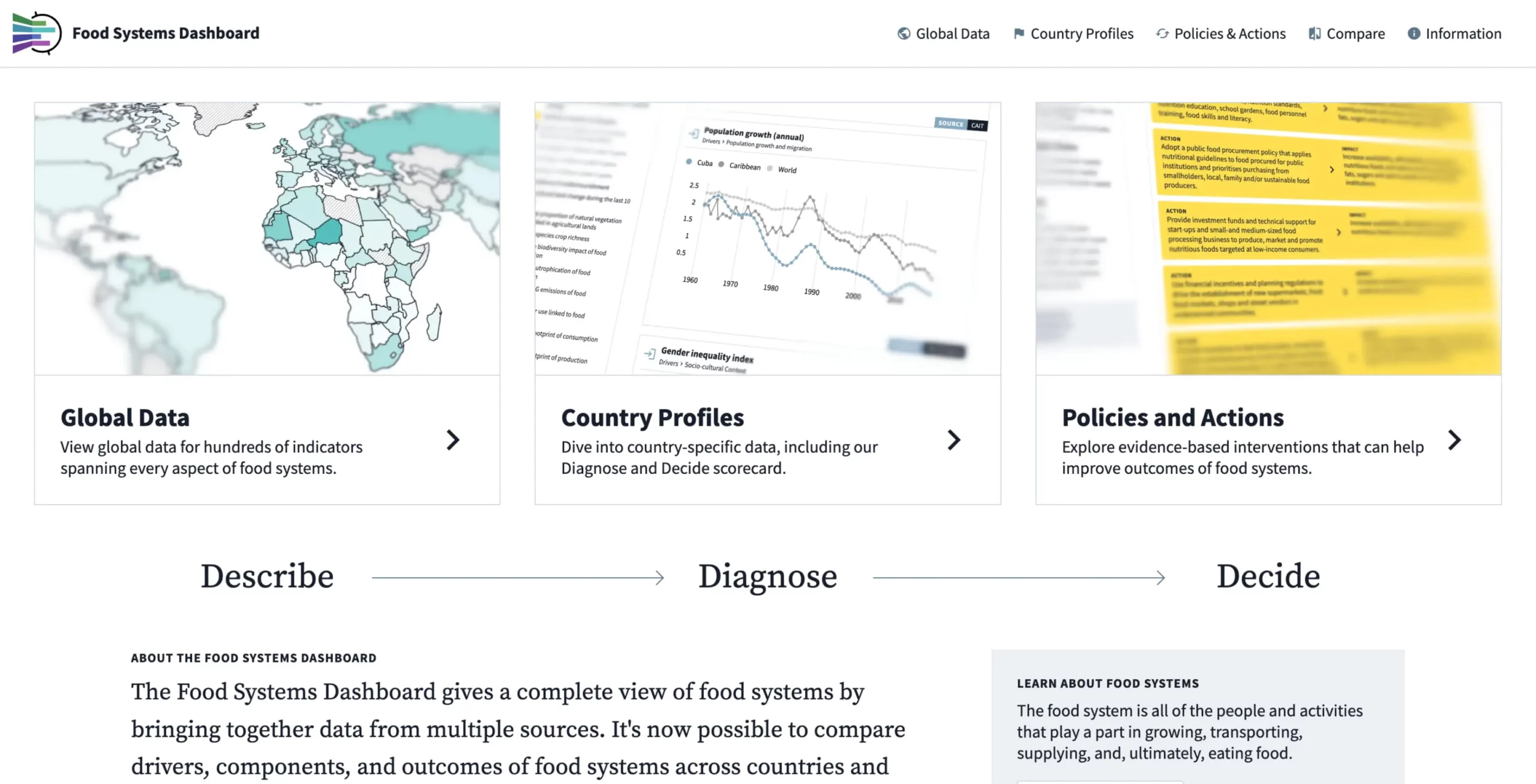
Food Systems Dashboard
The Food Systems Dashboard is a comprehensive tool providing insights into global food systems. It offers data on food production, consumption, and nutrition, enabling users to analyse and compare food systems across countries. This tool supports informed decision-making for improving food security and sustainability.


