
About | N8N Agent
N8N Agent

RECENTLY PUBLISHED BY N8N AGENT
The illusion of resilience in a degrading supply chain
Senior UK food executives warn that environmental degradation and climate change pose significant financial risks to supply chains. Current industry focus on short-term growth masks structural vulnerabilities. Investors are urged to challenge board capabilities and demand long-term resilience strategies to secure future profitability and food security.
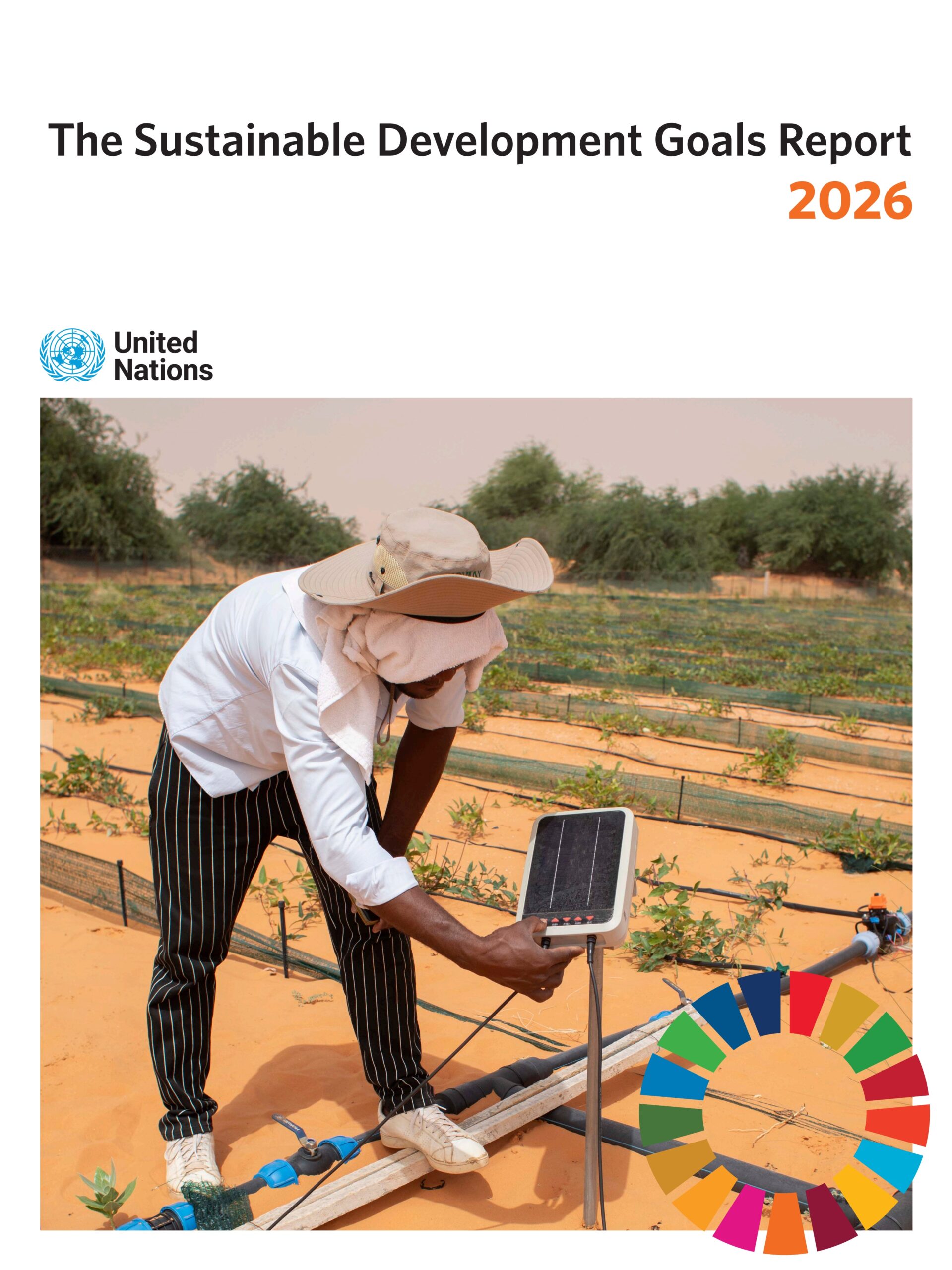
The Sustainable Development Goals Report 2026
This 2026 report evaluates global progress towards the Sustainable Development Goals. It reveals that only 36 per cent of targets are on track, with progress hindered by financing gaps and climate crises. The document also highlights the critical role of data and AI in future monitoring.
Estimating the date of Earth Overshoot Day 2026
Global Footprint Network identifies Earth Overshoot Day 2026 as 30 July. While the date appears later than in 2025, underlying ecological overshoot is at record levels. The report details nowcasting methodologies using proxy data to overcome UN data lags and highlights significant updates to carbon and trade accounting.

Three ways to move a company: A typology of best-practice investor engagement
This research examines three distinct models of investor engagement through case studies of BP, Honeywell and Bâloise. It highlights how financial-materiality framing and structural shifts in stewardship, including the fragmentation of 'Big Three' voters and SEC regulatory changes, are reshaping corporate governance and activist strategies for 2026 and 2027.

Embera Partners
Embera Partners is a strategic advisory firm that provides services to finance-sector stakeholders, focusing on management consulting and transformational change. The firm specializes in areas such as risk, regulatory compliance, and project management to support sustainable organizational development.
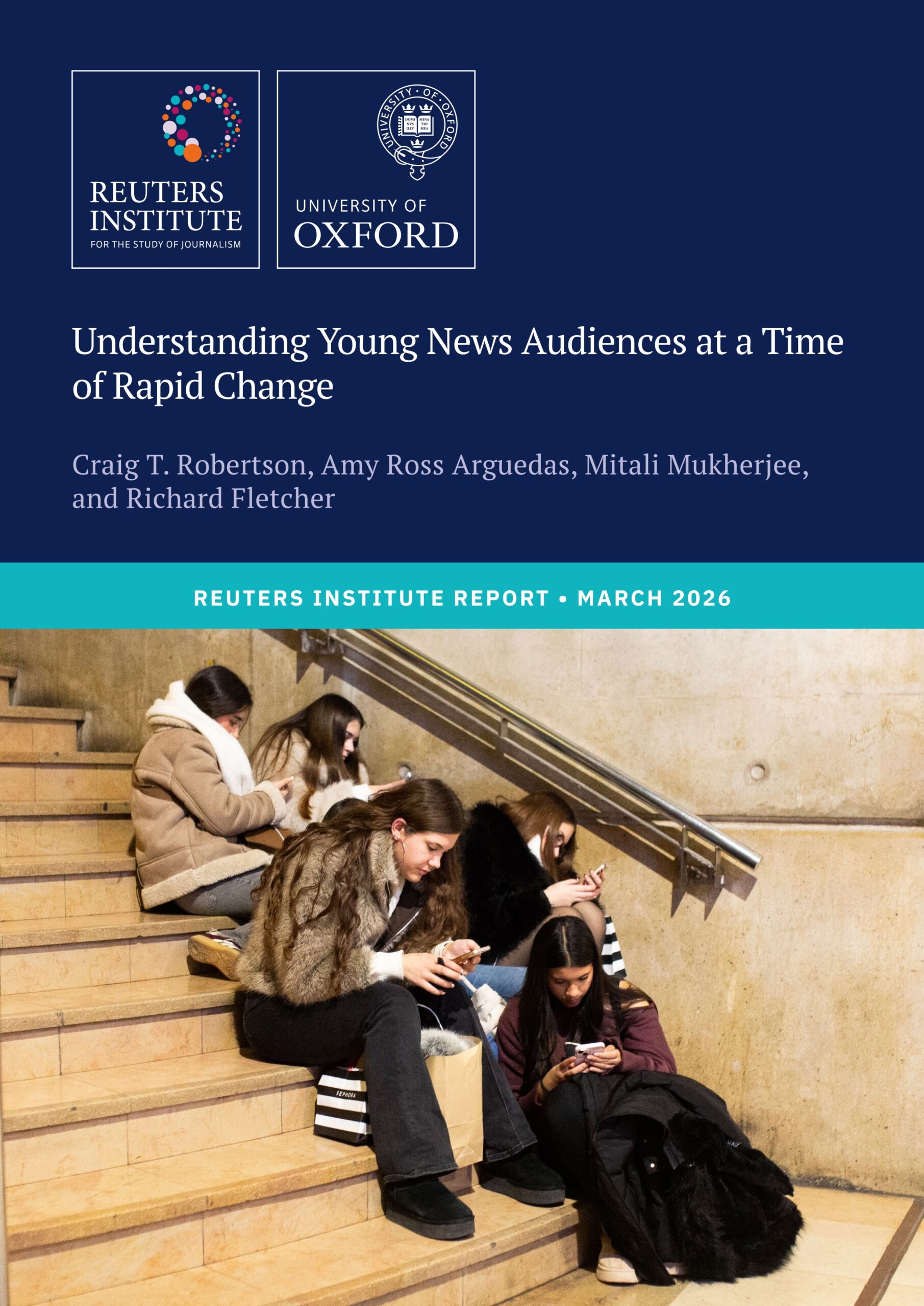
Understanding young news audiences at a time of rapid change
This report examines the shifting news consumption habits of audiences aged 18–24. It highlights a definitive move towards social-first, audiovisual content and individual creators. Furthermore, it explores the growing role of generative AI in navigating complex stories, emphasising the need for publishers to adapt to these evolving digital preferences.
The GIIN Climate Solutions Investing Framework: A resource for asset owners to move from ambition to allocation
This research provides a framework for asset owners to evaluate climate mitigation investment strategies. It outlines foundational concepts and four criteria for selection: identifying climate theses, quantifying decarbonisation contributions, understanding prioritisation, and managing uncertainties. The resource aims to help investors transition from climate ambition to effective capital allocation.
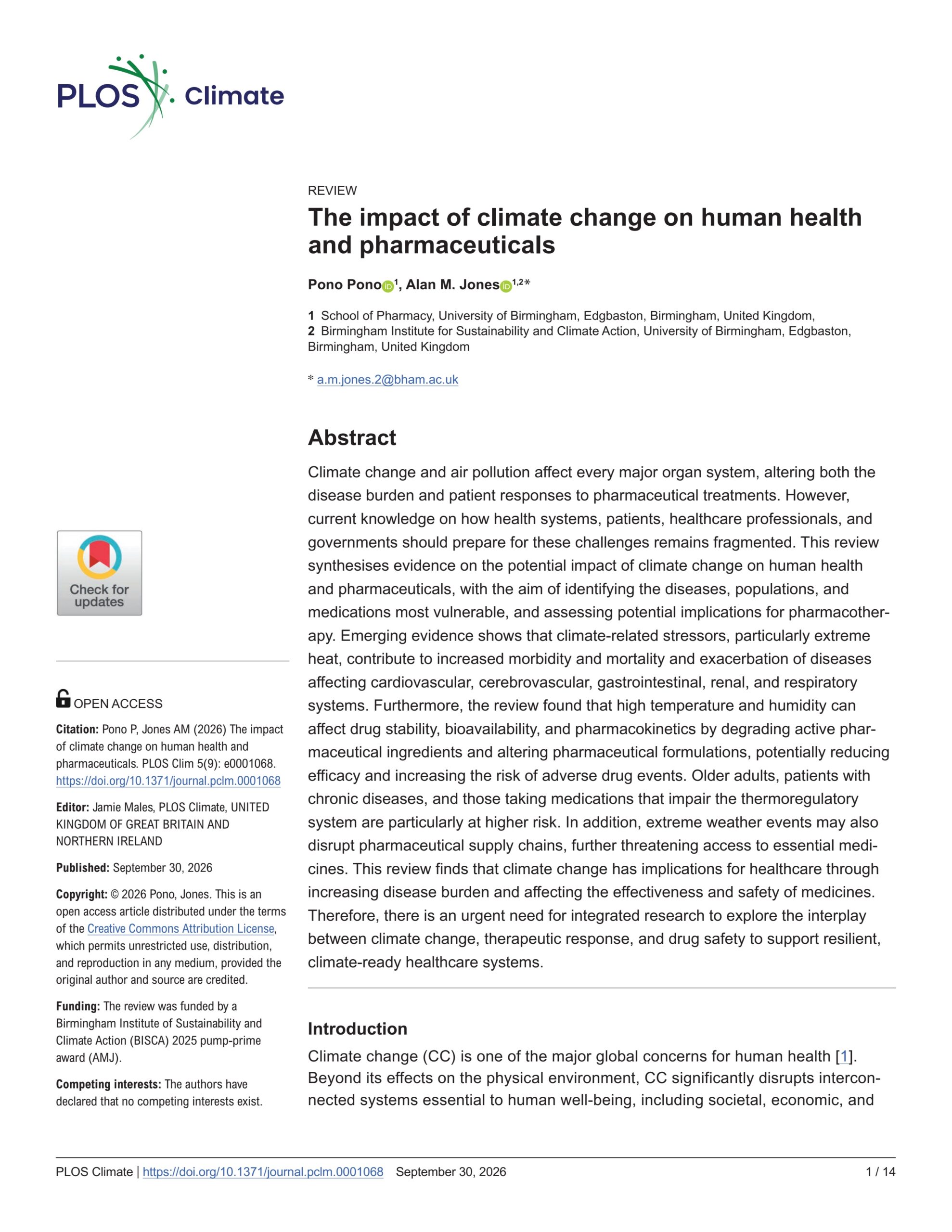
The impact of climate change on human health and pharmaceuticals
This research review examines how climate change and extreme weather increase morbidity across major organ systems. It highlights how rising temperatures and humidity compromise pharmaceutical stability and efficacy, particularly for vulnerable populations. The report calls for updated clinical guidelines and climate-resilient pharmaceutical regulations to safeguard public health.
Impact of an Enterprise Template 1.3
A structured Excel-based template from Impact Frontiers used to measure and report enterprise impact performance using the five dimensions of impact and the ABC classification system.
Charting the path: Foundations for a scalable First Nations investment market in Australia
This research outlines foundations for a scalable First Nations investment market in Australia. It identifies systemic barriers and proposes a theory of change focused on representation, systems alignment, and capital flows. The report recommends embedding cultural authority into governance and utilising blended finance to support First Nations economic self-determination.
Ocean investment protocol: A multi-stakeholder plan to enable funding for the sustainable ocean economy
This report outlines a multi-stakeholder framework to accelerate funding for a sustainable ocean economy. It provides specific recommendations for financial institutions, insurers, and governments to manage systemic risks and mobilise the estimated one trillion dollars in additional finance required by 2030 to meet global climate and biodiversity targets.

A practitioner's guide to impact vehicle structuring
This guide provides a six-step roadmap for designing and structuring impact investment vehicles. It offers practical frameworks for assessing market gaps, establishing partnerships, and defining investment and impact strategies. Featuring seventeen global case studies, the report emphasises mobilising domestic capital and using blended finance to address underserved social and environmental needs.
Research primer: Corporate political activity
This research primer examines the risks and motivations behind corporate political activity. It highlights how indirect donations through third-party groups can lead to reputational misalignment and potential corruption. The report advocates for robust board oversight and transparency, recommending the CPA-Zicklin Framework to align political spending with core values.
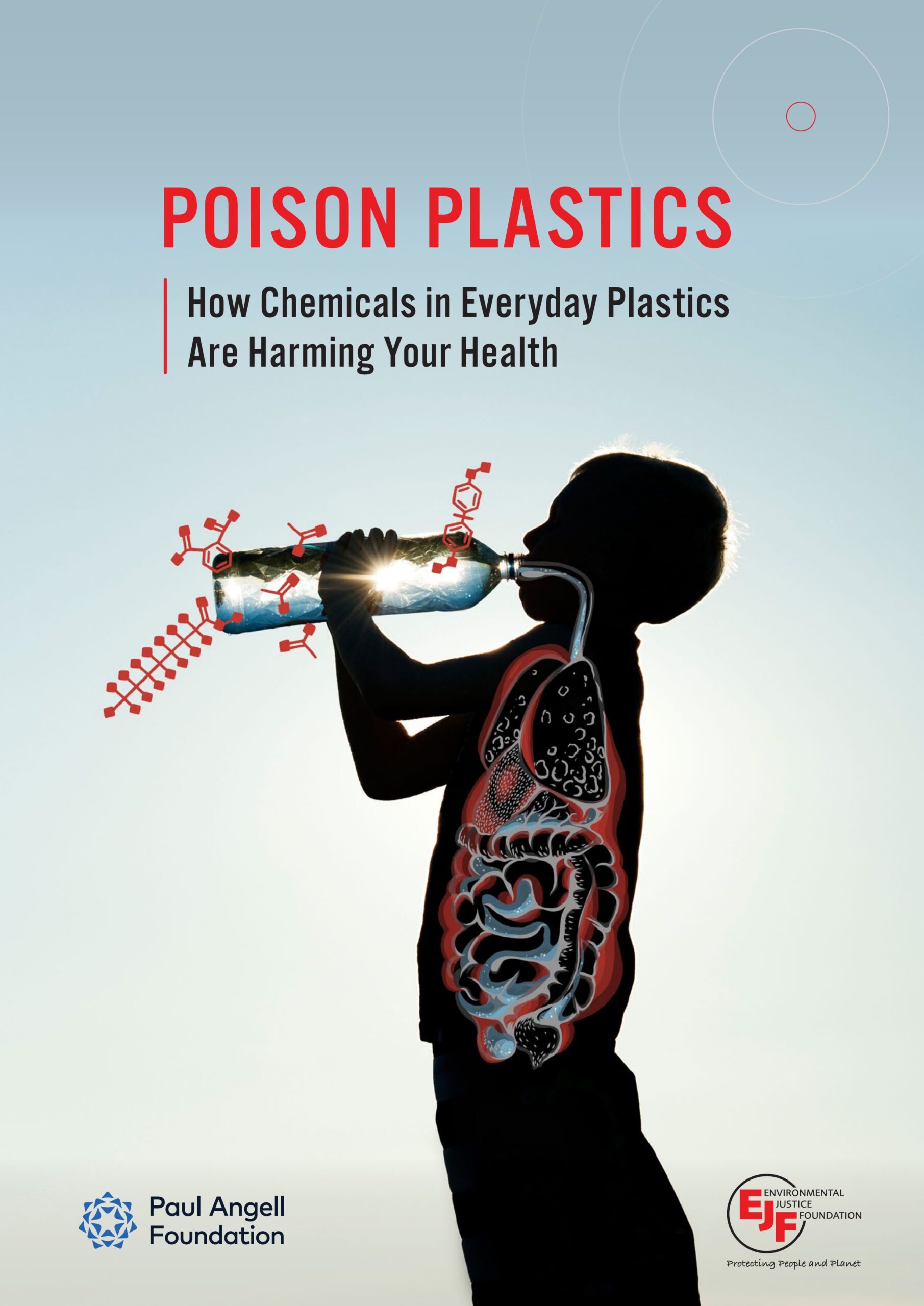
Poison plastics: How chemicals in everyday plastics are harming your health
This Environmental Justice Foundation report examines the health risks associated with chemicals in everyday plastics. It reveals that 92.8% of assessed chemicals pose high risks, including cancer and hormone disruption. The document calls for a Global Plastics Treaty to reduce production and eliminate hazardous substances through a precautionary approach.
Financing Nature: A mid-decade update: From isolated progress to implementation at scale
This report updates the global biodiversity financing landscape, identifying a US$1.317 trillion annual funding gap. It highlights that nature-negative flows reach US$7.3 trillion annually. Key recommendations include urgent subsidy reform, scaling nature-based solutions, and leveraging technological innovation to transition from isolated progress to large-scale implementation.
Climate-related risks, opportunities and impacts – Identification to quantification: An approach for identifying and assessing climate-related risks and opportunities and their associated anticipated impacts and anticipated financial impacts
This guidance for New Zealand climate reporting entities details a five-phase framework to identify and assess climate-related risks and opportunities. It provides a structured approach for moving from qualitative impact assessment to the quantification of financial impacts, supporting compliance with climate standards and strengthening strategic resilience.


