
Library | Resource Types
Research
We summarise credible research and reports on sustainable finance and ESG issues. Our summaries, along with our AI ChatBot saves members time reading large reports, to focus on knowledge building and action.
Refine
2415 results
REFINE
SHOW: 16


Embracing carbon uncertainty in portfolio construction
This research introduces a framework for decarbonising sovereign bond portfolios using 'carbon returns'—treating emissions as random variables rather than deterministic values. By applying a modified Hierarchical Risk Parity algorithm with Expected Shortfall, it effectively balances financial and environmental goals, mitigating climate-related tail risks both in-sample and out-of-sample.
The value of non-value-maximizing managers
This research argues that hiring managers biased towards poorly-measured goals, such as social impact, is often optimal. This selection allows organisations to implement high-powered financial incentives for well-measured tasks without neglecting non-financial objectives. The study highlights how managerial selection and incentive design function as complementary governance tools.
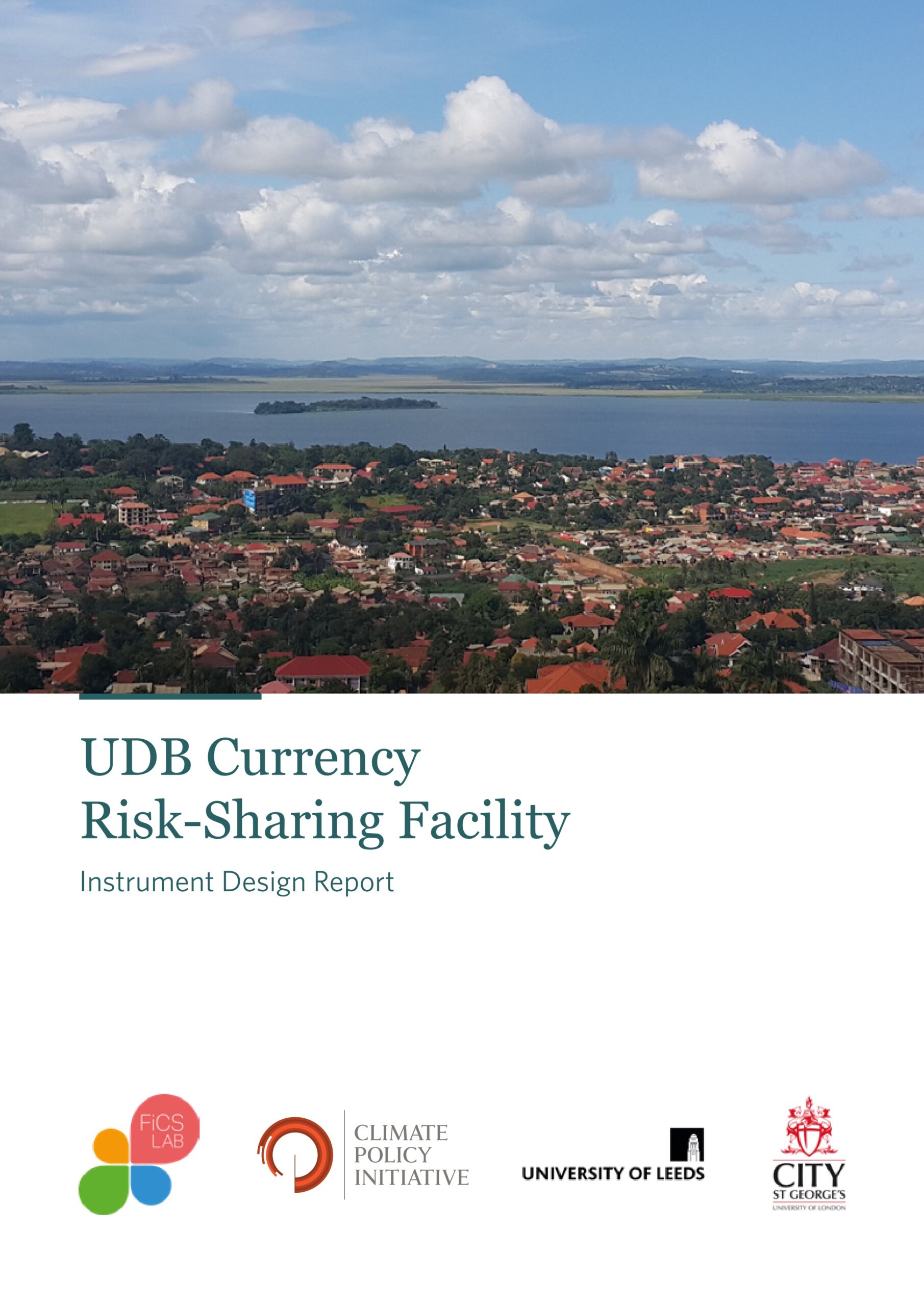
UDB Currency Risk-Sharing Facility: Instrument design report
The UDB Currency Risk-Sharing Facility manages foreign exchange risks for climate lending in Uganda. By combining partial hedging with tail-risk guarantees, it offers a cost-effective alternative to traditional instruments. This facility enables affordable local-currency financing while protecting the bank's balance sheet against significant Ugandan shilling depreciation.
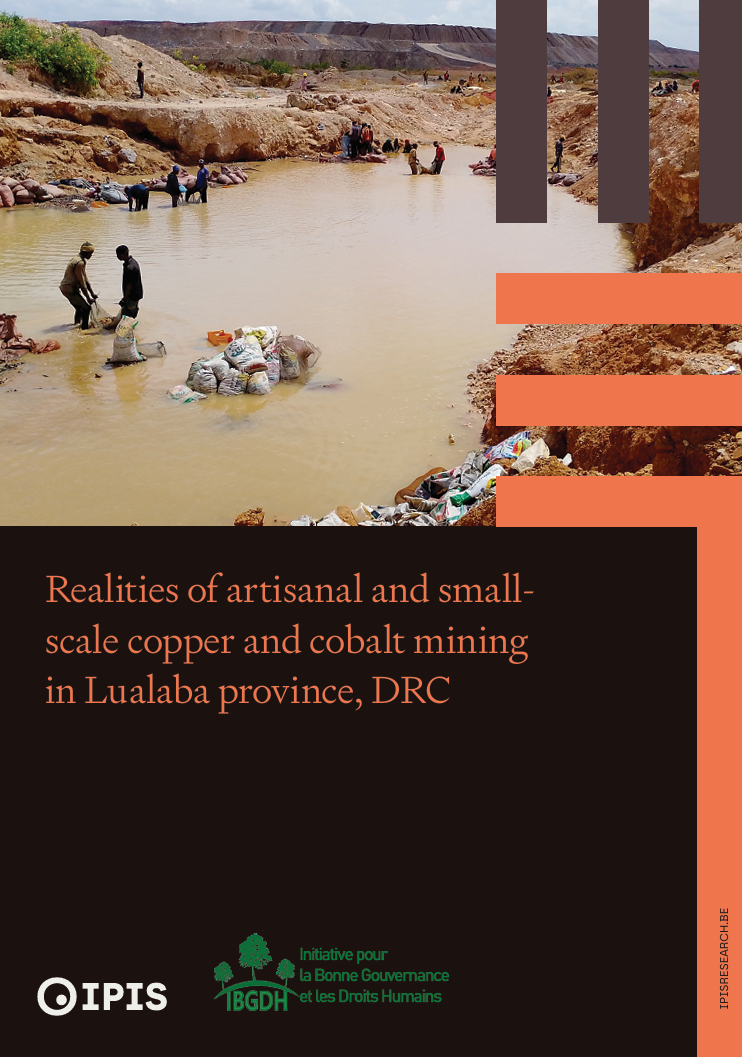
Realities of artisanal and small-scale copper and cobalt mining in Lualaba province, DRC
IPIS and IBGDH mapped 51 artisanal copper and cobalt mines in Lualaba, DRC, employing an estimated 109,000 miners. The study finds few viable designated zones, cooperative elite capture, tension with industrial concessions, unsafe conditions, child labour and extortion by state agents, and recommends creating legal spaces for artisanal miners.
Early VfM adaptation toolkit: Delivering value-for-money adaptation with iterative frameworks & low-regret options
This 2014 DFID toolkit by Watkiss, Hunt and Savage guides advisers in designing value-for-money climate adaptation programmes. Using iterative frameworks, it sequences no- and low-regret options across six steps: risk identification, theory of change, option selection, prioritisation, programme design and economic appraisal, with Ethiopian case studies.
The Omnibus I Directive and the EU sustainable finance trilemma: Sustainability, simplification and harmonization
This research analyses Directive (EU) 2026/470 (Omnibus I Directive), which simplifies the Corporate Sustainability Reporting Directive and Corporate Sustainability Due Diligence Directive. It examines how narrowing regulatory scope and removing substantive obligations impacts the balance between sustainability, simplification, and harmonisation within the European Union's financial framework.
Old workers, young machines: Can AI and automation offset population ageing?
This report assesses the capacity of artificial intelligence and robots to automate ageing workforces across 135 economies. While automation could offset demographic pressures, its effectiveness is limited because ageing often occurs in sectors with low automation potential, such as health and agriculture, particularly in several fast-ageing advanced economies.
Liability and pricing of dual-use AI
This research analyses AI provider liability for dual-use models enabling both cyberattacks and defence. It demonstrates that while liability can improve welfare by reducing contest resources through higher prices, it may increase harm by weakening precautions. Market competition and guardrail incentives significantly influence optimal liability shares.
Innovation, business cycles, and the climate transition
This research documents that non-green innovation is procyclical, while green innovation is countercyclical. This divergence is driven by green technologies' backloaded profit structures and the reduced cost of skilled R&D labour during downturns. The study highlights that innovation subsidies are significantly more effective when implemented during economic contractions.
Economics of demand-side and supply-side climate policies
This research evaluates demand-side and supply-side climate policies, recommending a portfolio that combines carbon use and extraction pricing to mitigate emissions leakage. It emphasises transmission reform, innovation support, and green industrial policies while analysing the domestic and global distributional consequences for low-income and major fossil fuel producing nations.
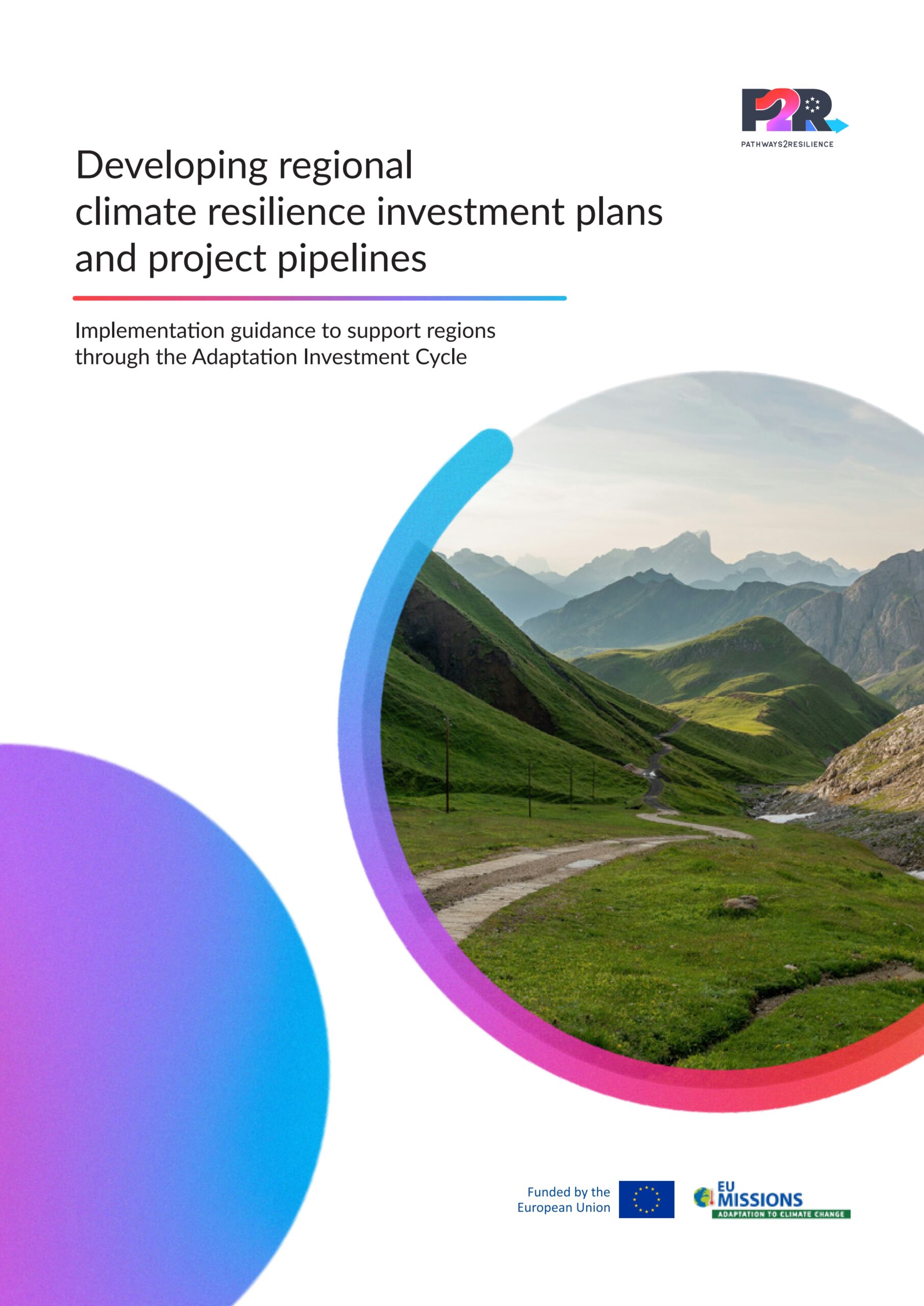
Developing regional climate resilience investment plans and project pipelines: Implementation guidance to support regions through the Adaptation Investment Cycle
This guidance outlines the six-phase Adaptation Investment Cycle for European regions to develop Climate Resilience Investment Plans. It details how to address financing barriers, conduct economic appraisals, and structure bankable project pipelines, aiming to bridge the adaptation funding gap through strategic public and private sector engagement.
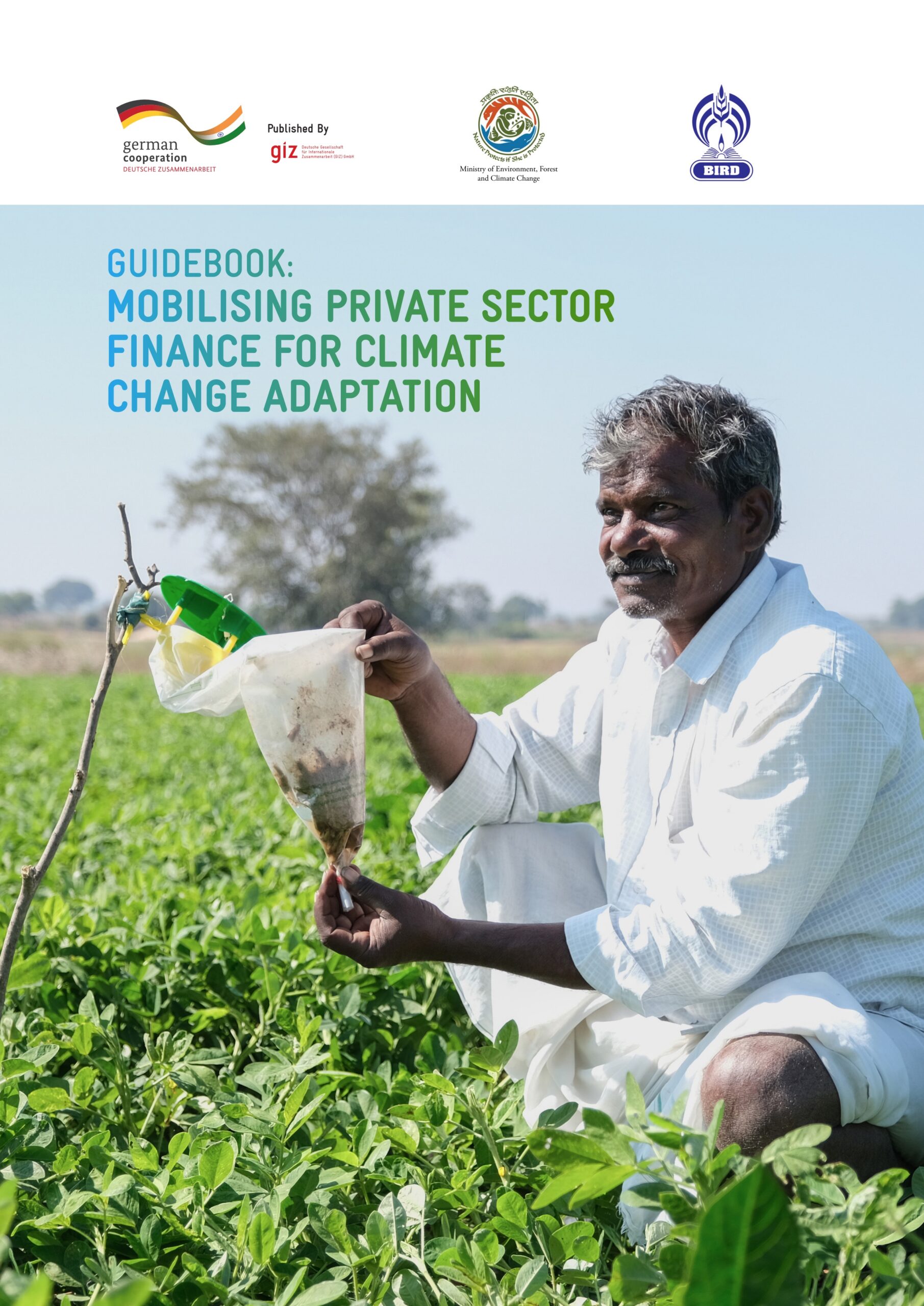
Guidebook: Mobilising private sector finance for climate change adaptation
This guidebook provides a structured framework for designing and financing climate change adaptation projects in India. It addresses barriers to private sector participation, offers methodologies for risk and impact assessment, and explores diverse funding mechanisms, including blended finance, green bonds, and catastrophe insurance, to bridge the significant adaptation funding gap.

Powering up: Business perspectives on electrification
A global survey of 1,994 business leaders across 18 markets reveals overwhelming support for clean electrification. While 90% expect largely electric operations by 2035 to improve energy security and competitiveness, 72% believe government policy is moving too slowly, citing grid constraints and high upfront costs as significant barriers.
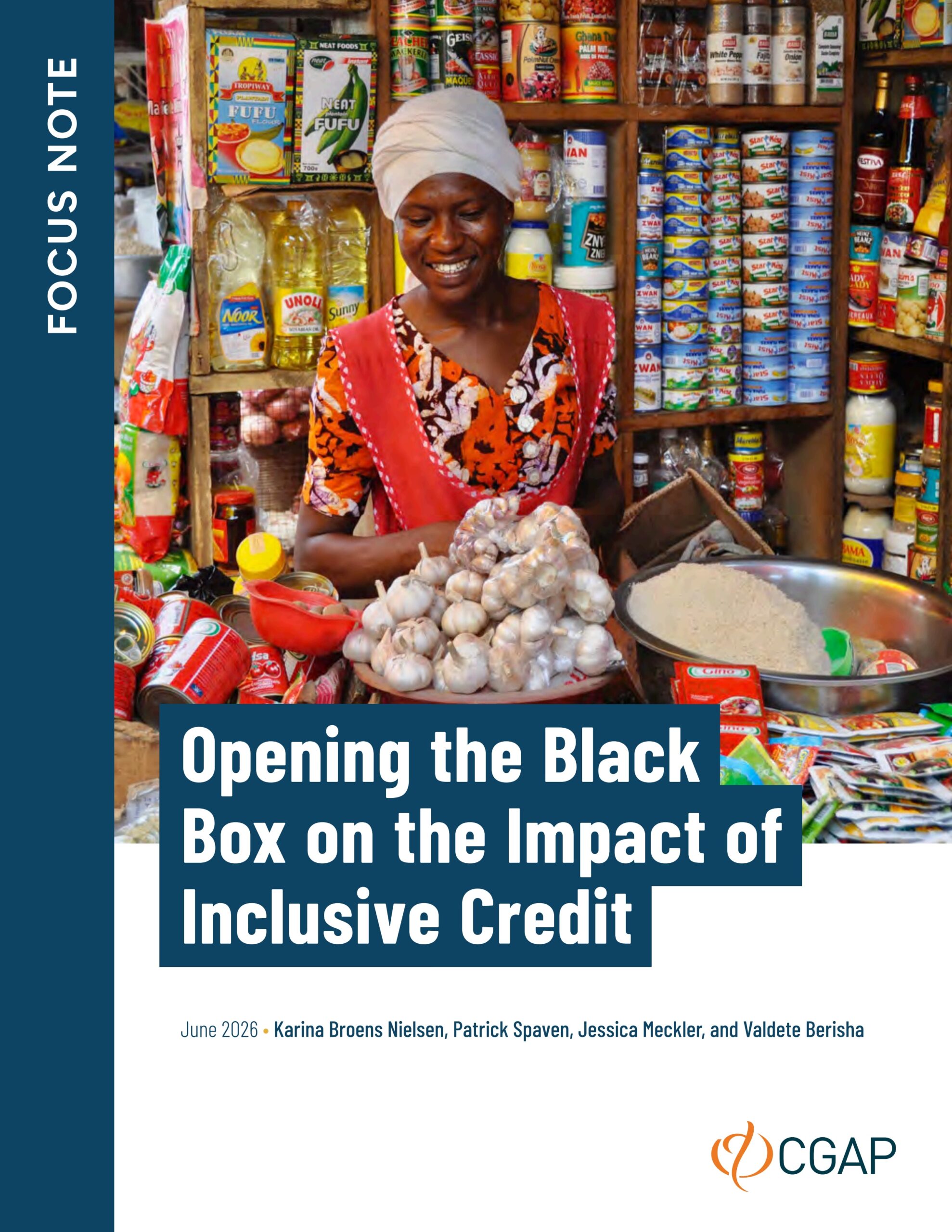
Opening the black box on the impact of inclusive credit
This report examines inclusive credit's impact using a five-factor framework: who, how, what for, where, and when. Drawing on 405 studies and machine learning analysis, it advocates for "precision credit"—matching product design to borrower circumstances—to move beyond average effects and ensure meaningful developmental outcomes in emerging markets.
From planetary hazard to financial stability: Disentangling climate risk and institutional responsibility
This report identifies the misalignment between institutional mandates and climate risk expectations. It distinguishes between planetary, economic and financial risks, outlining six distinct responses. The authors argue that current frameworks distract from real-economy decarbonisation and shift climate costs onto public balance sheets, requiring clearer policy distinctions and instruments.
Sovereign risk ceilings: Rethinking methodology through risk disaggregation
This report critiques sovereign ceiling practices in credit ratings for emerging market infrastructure. It proposes a disaggregated framework to assess eight specific transmission channels and mitigants, arguing that empirical data shows high survival rates for well-structured projects during sovereign crises, contrary to current blanket rating caps.


