
Library | Resource Types
Research
We summarise credible research and reports on sustainable finance and ESG issues. Our summaries, along with our AI ChatBot saves members time reading large reports, to focus on knowledge building and action.
Refine
1831 results
REFINE
SHOW: 16


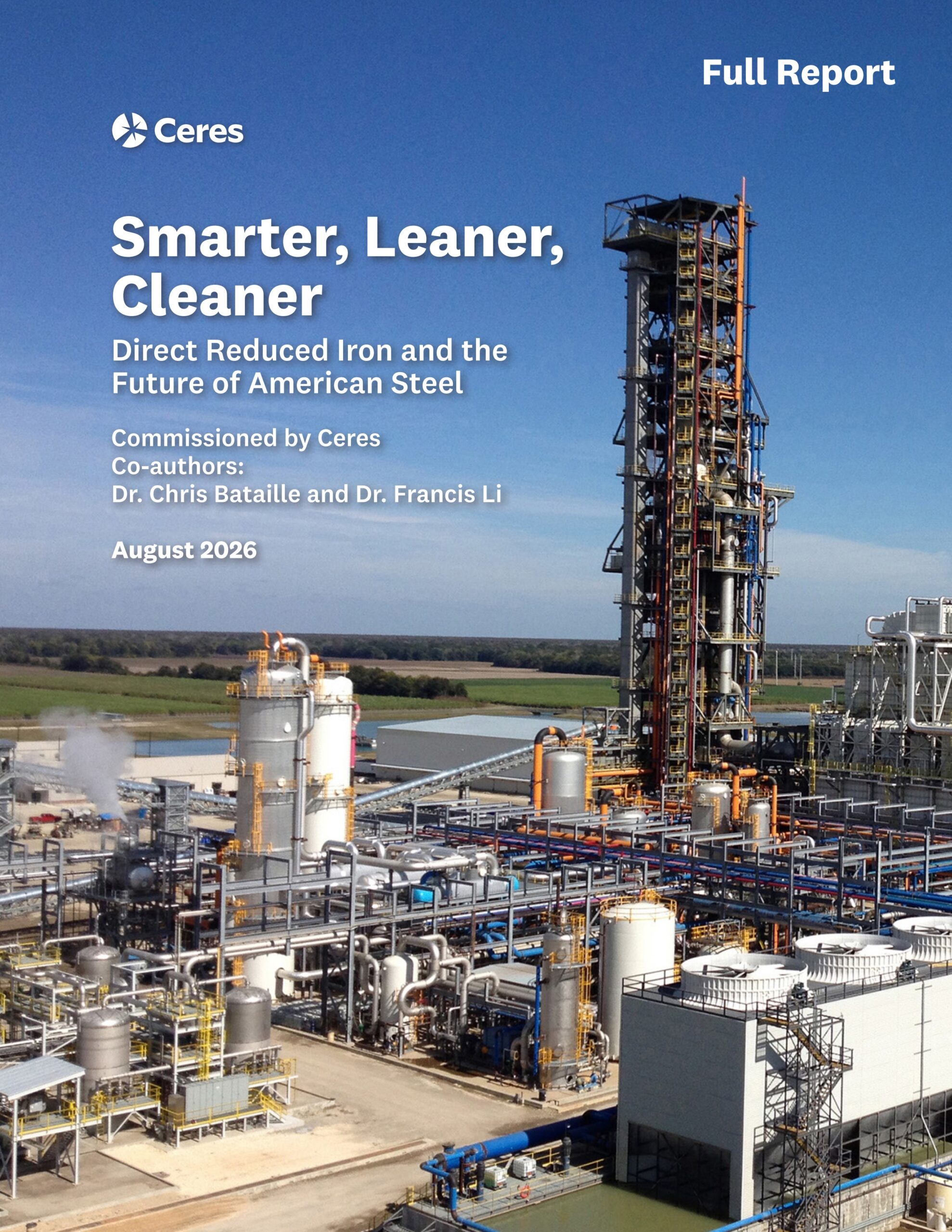
Smarter, leaner, cleaner: Direct reduced iron and the future of American steel
Direct Reduced Iron (DRI) is the most cost-effective new-build investment for the American steel sector. This analysis confirms that natural-gas-based DRI meets investment hurdles across all regions, offering a 15% real return and significant emissions reductions while providing flexibility for future hydrogen integration.
Off the books: Practical guidance for business
This report provides practical guidance for Australian businesses to identify and address migrant worker exploitation. Based on a survey of 9,963 temporary visa holders, it highlights risks like ABN misclassification, casual employment, night shifts, and misleading payslips. It offers due diligence tips and remediation steps to ensure compliance.

Community energy: Hope and headwinds
This report examines the Australian community energy sector, highlighting growth to over 126 projects by 2023. It explores the tension between strong community motivations and significant economic headwinds, such as scale diseconomies and market volatility. Key findings emphasise technical expertise and de-risking strategies as essential for success.
What do sustainability disclosures disclose?
This research analyses over 15,000 sustainability disclosures from Russell 3000 firms. It finds that while reporting has surged since 2015, informative quality has declined. Adoption of voluntary standards yields mixed results, correlating with reduced 'fluff' but lower narrative specificity. Improvements primarily reflect selection effects rather than organisational learning.
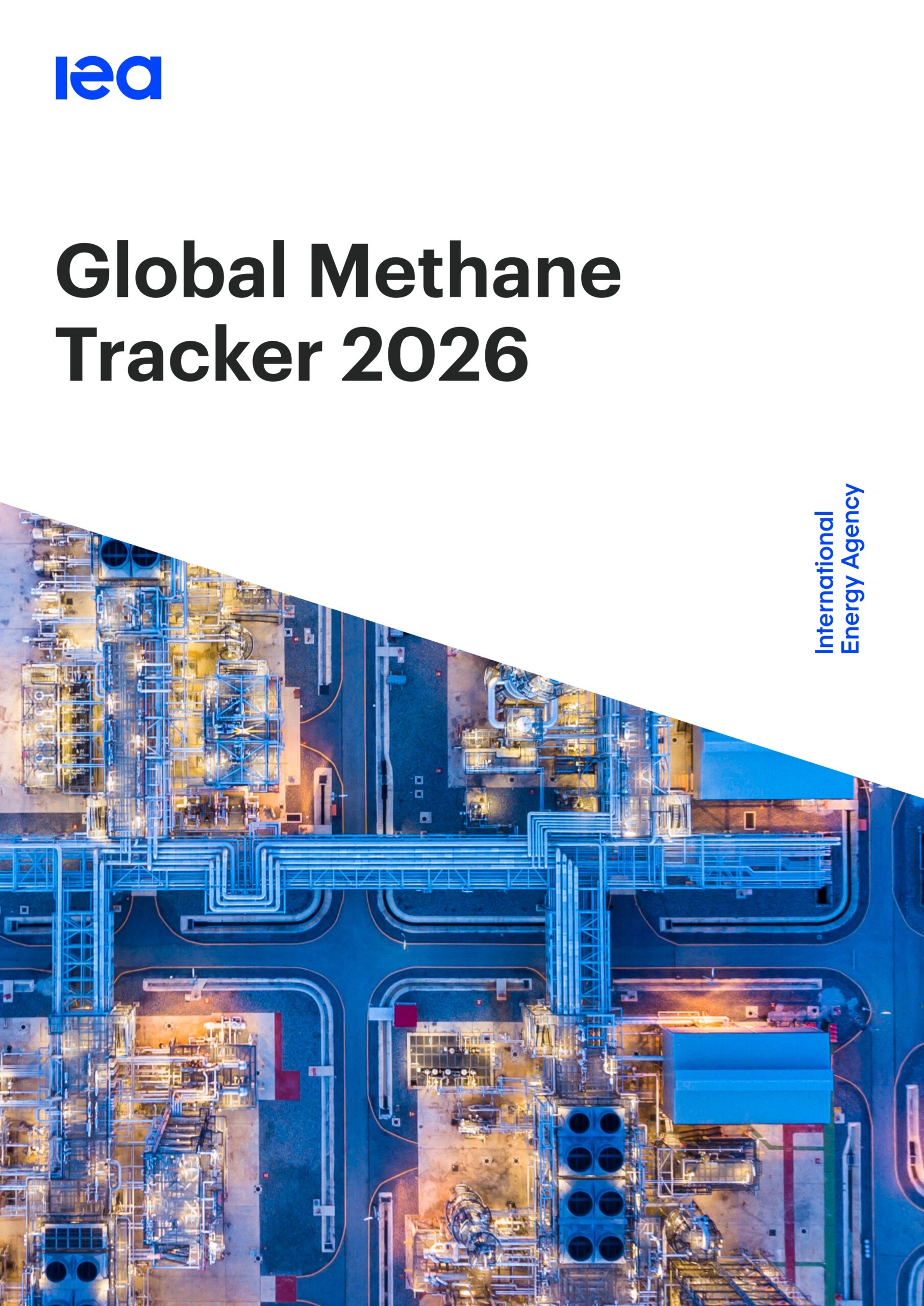
Global Methane Tracker 2026
The International Energy Agency report analyses global energy-related methane emissions, highlighting 124 million tonnes emitted in 2025. It examines abatement strategies, satellite data advancements and policy trends. The research underscores that 30% of emissions could be reduced at no net cost, advocating for robust international standards and increased transparency.

Handbook: Harmonised framework for impact reporting for social bonds
This handbook provides a harmonised framework for impact reporting on social bonds. It outlines core principles, recommendations, and sector-specific metrics for categories including affordable housing, essential services, and basic infrastructure. The document aims to enhance transparency and integrity in the social bond market through standardised reporting practices.
Guarantees: From misdiagnosis to strategic deployment: Evidence from expert practitioner interviews
This research examines why climate-aligned guarantees often fail to mobilise private capital effectively. It identifies structural misalignments within multilateral development banks and suggests that strategic deployment requires a move towards portfolio-based approaches, local-currency financing, and better risk layering to address specific investment constraints in emerging markets.

Closing the gender health gap: The investment case and capturing Australia's window of opportunity
This report identifies the gender health gap as a systemic market failure and significant investment opportunity. Closing this gap could boost the global economy by US$1 trillion annually by 2040. In Australia, the opportunity is valued at US$24.8 billion per year, offering a time-limited ten-year window for investors.
The Paris Agreement ten years later: Navigating climate uncertainty and tipping points
This research evaluates the Paris Agreement ten years on, highlighting critical implementation and ambition gaps. It identifies a triple-track crisis involving geophysical inertia, cognitive barriers, and policy lags. The report proposes a precautionary paradigm using technological and financial levers to navigate climate uncertainty and prevent irreversible tipping points.
Artificial intelligence and the future of finance: A framework for structural change
This report examines how artificial intelligence is transforming capital markets by shifting the industry from informational scarcity to analytical abundance. It introduces a structural framework involving capability, adoption, substitution, and recomposition, exploring alternative future states and the evolving nature of fiduciary accountability, market stability, and professional expertise.

How certain can we be about NGFS Climate Scenarios?
This research analyses uncertainty in Network for Greening the Financial System (NGFS) climate scenarios across four vintages and 254 variables. It finds that revisions to initial conditions and model recalibration often exceed scenario and model uncertainty, requiring cautious interpretation in financial risk assessments.
Power to the personnel? The impacts of managerial discretion vs. worker democracy in employee recognition
This research evaluates the impacts of worker agency versus managerial discretion in employee recognition via an RCT in India. While worker democracy increased attendance by 11%, managerial discretion improved productivity by 6%. However, managerial control reduced work-related interactions, and worker voting encouraged collusion through reward sharing in exchange for votes.
Firm pay, amenities, and inequality
This research assesses firm-specific amenity valuations using discrete choice experiments linked to German administrative records. It finds that amenities widen between-firm inequality by 20% in variance terms. Furthermore, gender differences in valuations contribute to female sorting into lower-wage firms, as women prioritise non-wage attributes more highly.
Clean economic corridors in Africa: Integrating energy, industry, and transport for low carbon growth
This report examines the development of integrated energy-industry-transport corridors in Africa to foster low-carbon growth. It details strategies for decarbonising logistics and manufacturing, particularly in steel and cement. By linking industrial hubs with renewable energy, African nations can enhance regional trade, competitiveness, and sustainable economic development.
Firm data on AI
This research provides international data on firm-level artificial intelligence adoption across the US, UK, Germany, and Australia. While current impacts on employment and productivity are small, senior executives predict a 1.4 per cent productivity boost and a 0.7 per cent reduction in employment over the next three years.
Industrial policies for multi-stage production: The battle for battery-powered vehicles
This research analyses industrial policies for the multi-stage electric vehicle supply chain. It evaluates consumer subsidies and local content requirements, finding that while protectionist measures expand domestic production, they can significantly increase costs and reduce overall adoption compared to unconditional subsidies that maximise scale economies.


