
Library | Resource Types
Research
We summarise credible research and reports on sustainable finance and ESG issues. Our summaries, along with our AI ChatBot saves members time reading large reports, to focus on knowledge building and action.
Refine
1831 results
REFINE
SHOW: 16


AI managed household portfolios: A preliminary report
This research investigates AI-managed household portfolios, finding that large language models recommend undiversified portfolios concentrated in high-momentum, large-cap technology stocks. While returns may exceed market benchmarks, they do not provide abnormal returns when adjusted for risk characteristics. Recommendations are primarily driven by media attention rather than investment skill.
Seeing the goal, missing the truth: Human accountability for AI bias
Research demonstrates that Large Language Models exhibit purpose-conditioned bias when informed of downstream tasks. Goal-aware prompting leads to in-sample overfitting and inflated performance before knowledge cutoffs. Results indicate that disclosing objectives compromises neutrality, necessitating the separation of measurement and evaluation in AI-assisted workflows to ensure statistical validity.
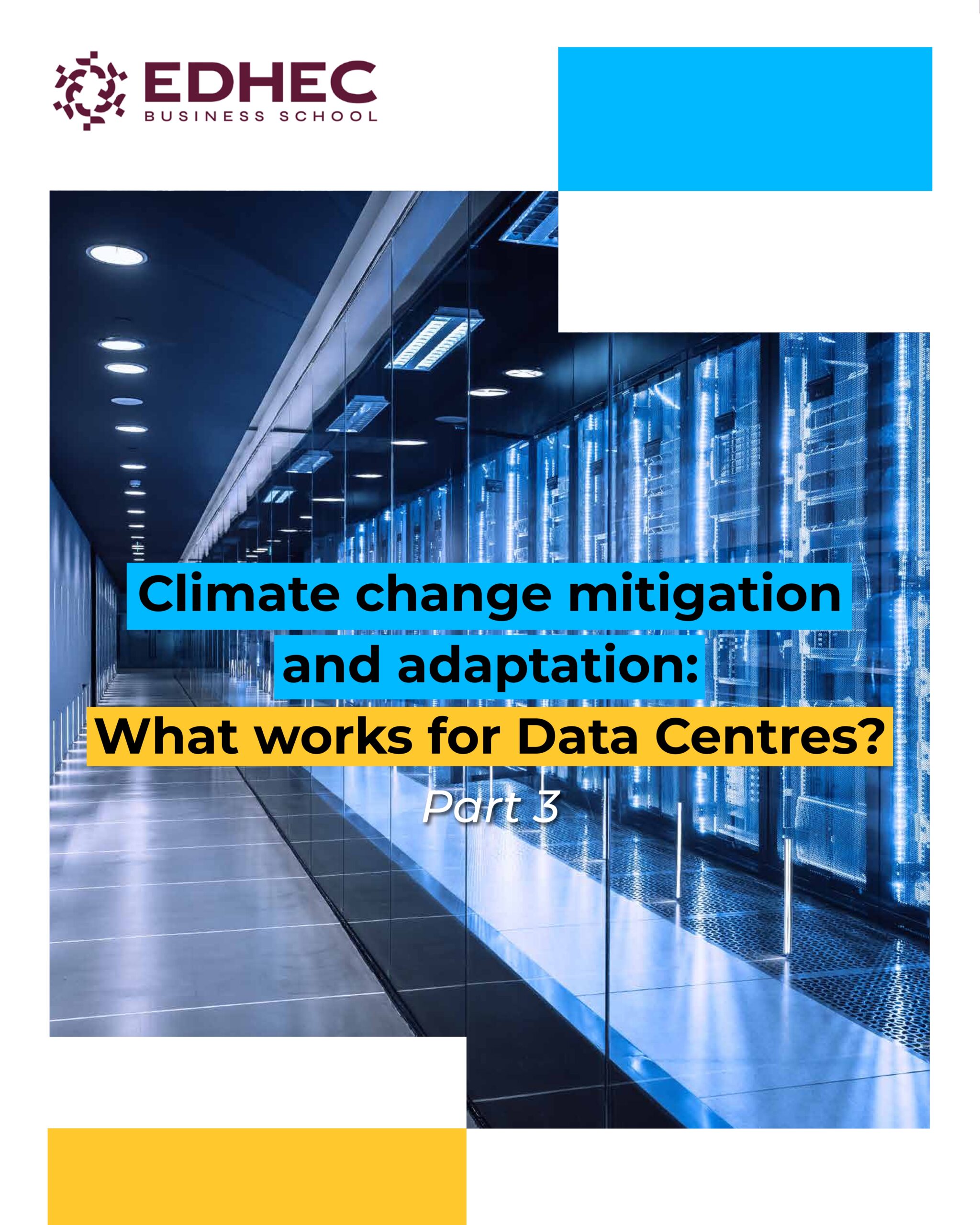
Climate change mitigation and adaptation: What works for data centres? Part 3
This report evaluates climate change mitigation and adaptation strategies for data centres using the ClimaTech database. It assesses the effectiveness of decarbonisation across three scopes and analyses resilience measures for flood, storm, heat, and wildfire risks, providing quantitative performance metrics for various technological solutions.
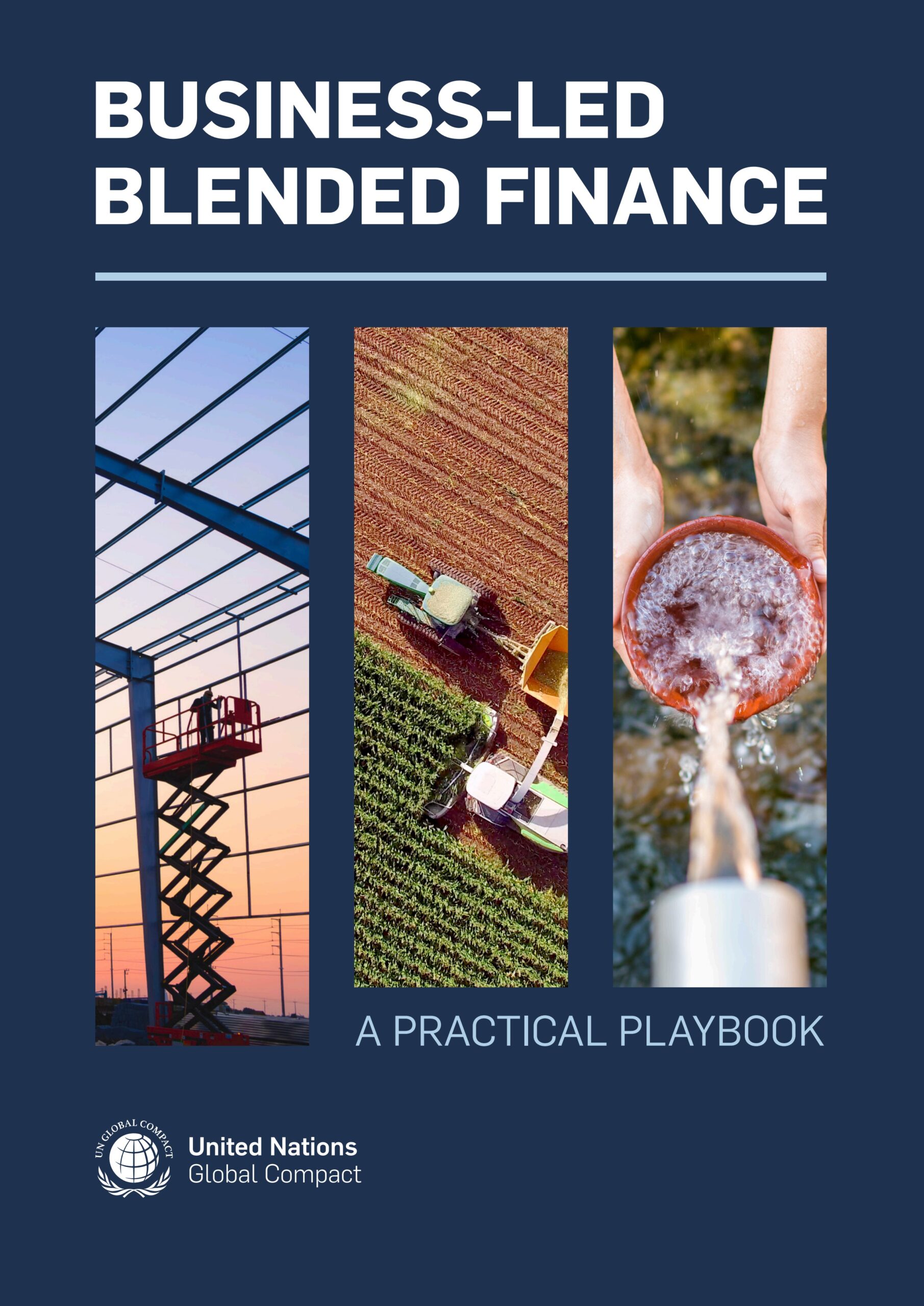
Business-led blended finance: A practical playbook
This report examines business-led blended finance, which grew to US$24 billion in 2024. It provides a practical playbook for companies to move from passive recipients to active deal architects, addressing the US$4 trillion SDG financing gap through risk management toolkits, sector analyses, and eight global case studies.
Climate-related disclosures: Insights from our reviews 2026
This Financial Markets Authority report reviews 62 climate statements from the second reporting period in Aotearoa New Zealand. It identifies improvements in reporting structures but highlights gaps in physical risk analysis and assurance compliance. Future monitoring will focus on education to improve data substantiation and risk disclosure quality.

The climate premium on commercial real estate insurance
This report analyses rising insurance costs in the United States commercial real estate sector. It finds that premiums have surged 154% since 2017, driven by climate risk and reinsurance trends. High-risk markets face significant valuation erosion, with multi-family properties particularly impacted by increased financial burdens and pricing volatility.
Why shareholder-driven corporate social responsibility failed
This report analyses why shareholder-led corporate social responsibility failed in the early 2020s. It argues that political forces blocking government regulation also dismantle private CSR initiatives. Using the BlackRock-Texas conflict as evidence, it concludes that direct political action is the only viable path for systemic change.
Coller FAIRR seafood index methodology: May 2026
The Coller FAIRR Seafood Index Methodology outlines the framework for assessing 20 global companies across 16 material topics. It details a bottom-up scoring process, ranging from 0 to 100, and a four-step production cycle. The index measures corporate maturity in response to environmental and social risks in the seafood industry.
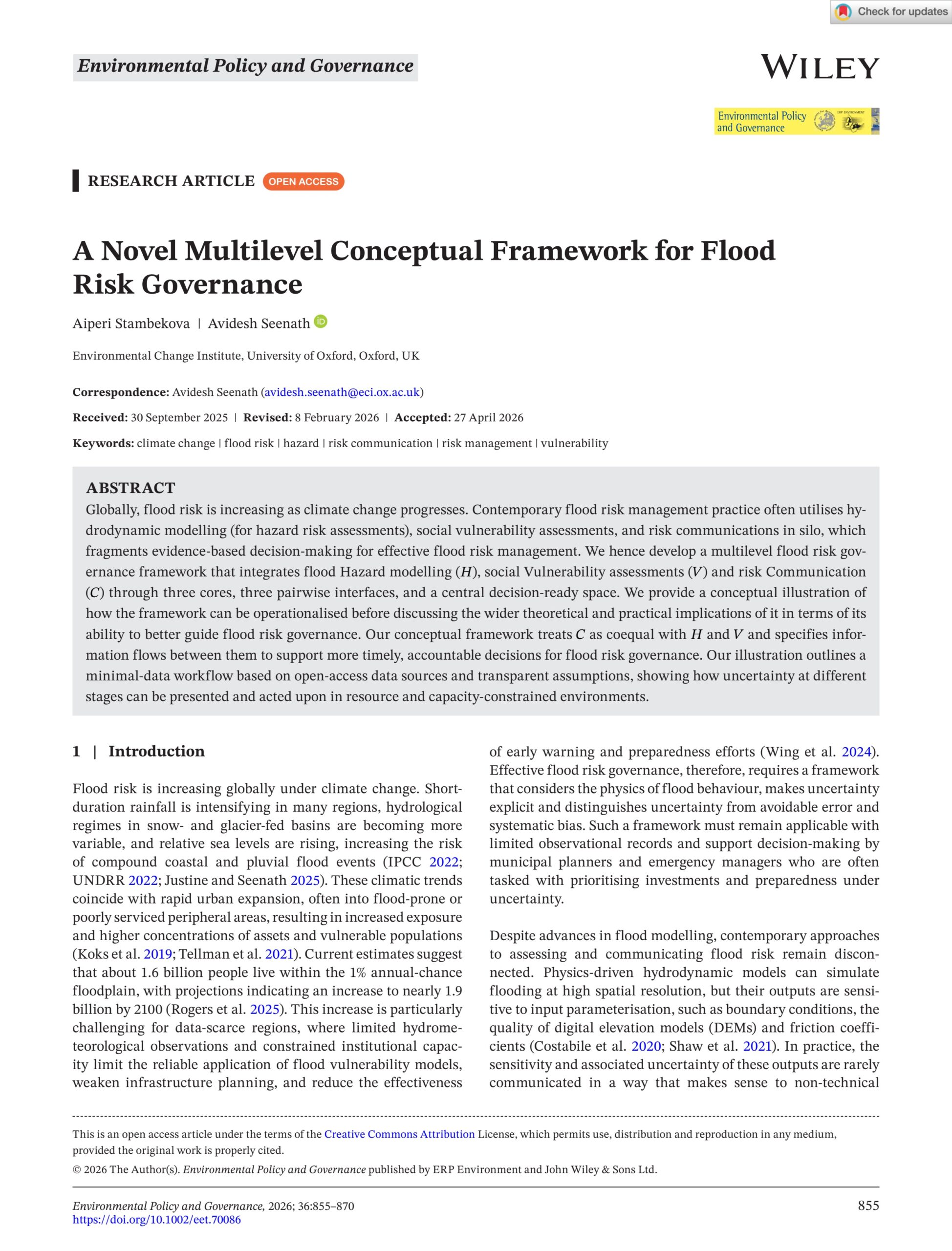
A novel multilevel conceptual framework for flood risk governance
This research introduces a multilevel framework integrating flood hazard modelling, social vulnerability assessments, and risk communication. Designed for data-scarce environments, it addresses analytical silos by treating communication as a coequal component. The framework supports equitable decision-making through consequence-oriented risk surfaces and transparent uncertainty representation for municipal planning.
Templates in the EU Inc. regulation proposal
This research evaluates the European Commission’s Proposal for an optional 28th corporate law regime. It argues that proposed model articles of association fail to support venture capital-backed firms. The authors identify four shortcomings regarding scope, process, logic, and safe-harbour effects, suggesting a dedicated drafting track and broader coverage.
Harmonized calculations methods for product carbon footprints and life cycle assessments in the mining and metals industry
This research presents methodological recommendations for harmonising product carbon footprint and life cycle assessment calculations across the mining and metals industry. Developed with the International Council on Mining and Metals, it establishes consistent guidelines for 17 aspects, including system boundaries, electricity modelling, and multi-output allocation procedures.
Stakeholder governance and corporate purpose in certified B Corps: Minimizing conflict and fostering collaboration
This research examines how Australian and New Zealand B Corporations implement stakeholder governance through corporate purpose. Based on 20 interviews, it identifies six roles for purpose in decision-making and signalling. The findings suggest that purpose-led models help attract supportive stakeholders and foster collaboration beyond mere conflict resolution.
Regionalized characterization factors for microplastic emissions in life cycle assessment considering multimedia fate modelling
This research establishes regionalised characterisation factors for microplastic emissions across marine, freshwater, and terrestrial ecosystems. Using fate modelling aligned with USEtox, it evaluates 14 polymers and five size categories. Findings demonstrate that particle size and density significantly influence environmental persistence and subsequent impacts on global species richness.
An engaged market: The 2026 state of stewardship report, prepared by the Aotearoa New Zealand stewardship code
This report examines stewardship reporting across New Zealand's investment market for 2025. Representing 20 signatories with $3.8 trillion in assets, it highlights maturing practices in collaborative engagement, escalation, and voting transparency. The document notes increased integration of te ao Māori and provides guidance on strengthening stewardship and voting policies.
Global employment trends for youth 2026: Back to the future
The Global Employment Trends for Youth 2026 report highlights a stalled post-pandemic recovery, with global youth unemployment reaching 12.4 per cent. It examines rising NEET rates, artificial intelligence impacts, and job experience inflation, while advocating for bold, adaptive policies to ensure secure, decent work pathways for young people.
Artificial intelligence and sustainability transitions: Emergent opportunities, risks, and governance
This report examines the intersection of artificial intelligence and sustainability transitions, detailing opportunities and risks across environment, energy, labour, finance, and democracy. It proposes a three-layered governance framework and a phased roadmap for global scientific alignment, interim safety measures, and a binding international framework convention to ensure societal well-being.


