
Library | ESG issues
Chemicals of Concern
Chemicals of concern are substances with potential toxic effects on human health or the environment due to their distribution, concentration, or mode of toxicity. They pose financial, legal, operational, and reputational risks for companies, particularly in industries like chemical manufacturing, textiles, pharmaceuticals, agriculture and consumer goods.
Team Altiorem recommends


Refine
24 results
REFINE
SHOW: 16


From chemical risk to competitive advantage: What BPA, PFAS, phthalates, and microplastics teach sustainability leaders about anticipating the next chemical of concern
This report examines the transition of BPA, PFAS, phthalates, and microplastics from beneficial chemicals to substances of concern. It identifies recurring risk signals, such as biological activity and persistence, providing a framework for sustainability leaders to anticipate future regulatory shifts and lead through proactive, safer material innovation.

Seek and you shall find: Alternatives to PFAS in electronics
This report demonstrates that the electronics industry is not critically dependent on PFAS, widely known as 'forever chemicals'. It highlights commercially available, high-performance alternatives across eight key categories, including printed circuit boards, coatings, and heat transfer fluids, arguing against proposed lengthy regulatory exemptions for these substances.
The petrochemical blind spot: Plastics, fertilisers and bank profits
This research report explores the petrochemical industry’s environmental and human rights impacts, documenting how European banks provide billions in financing to major chemical firms. It highlights the sector’s role in driving fossil fuel demand and recommends that financial institutions implement robust plastics policies and cease financing industry expansions.
INDRA: A New AI Tool for Exploring Tobacco, Fossil Fuel, and Chemical Industry Archives
INDRA is an AI-powered platform for searching and analysing extensive archives of internal tobacco, fossil fuel, and chemical industry documents to trace corporate influence and liability.
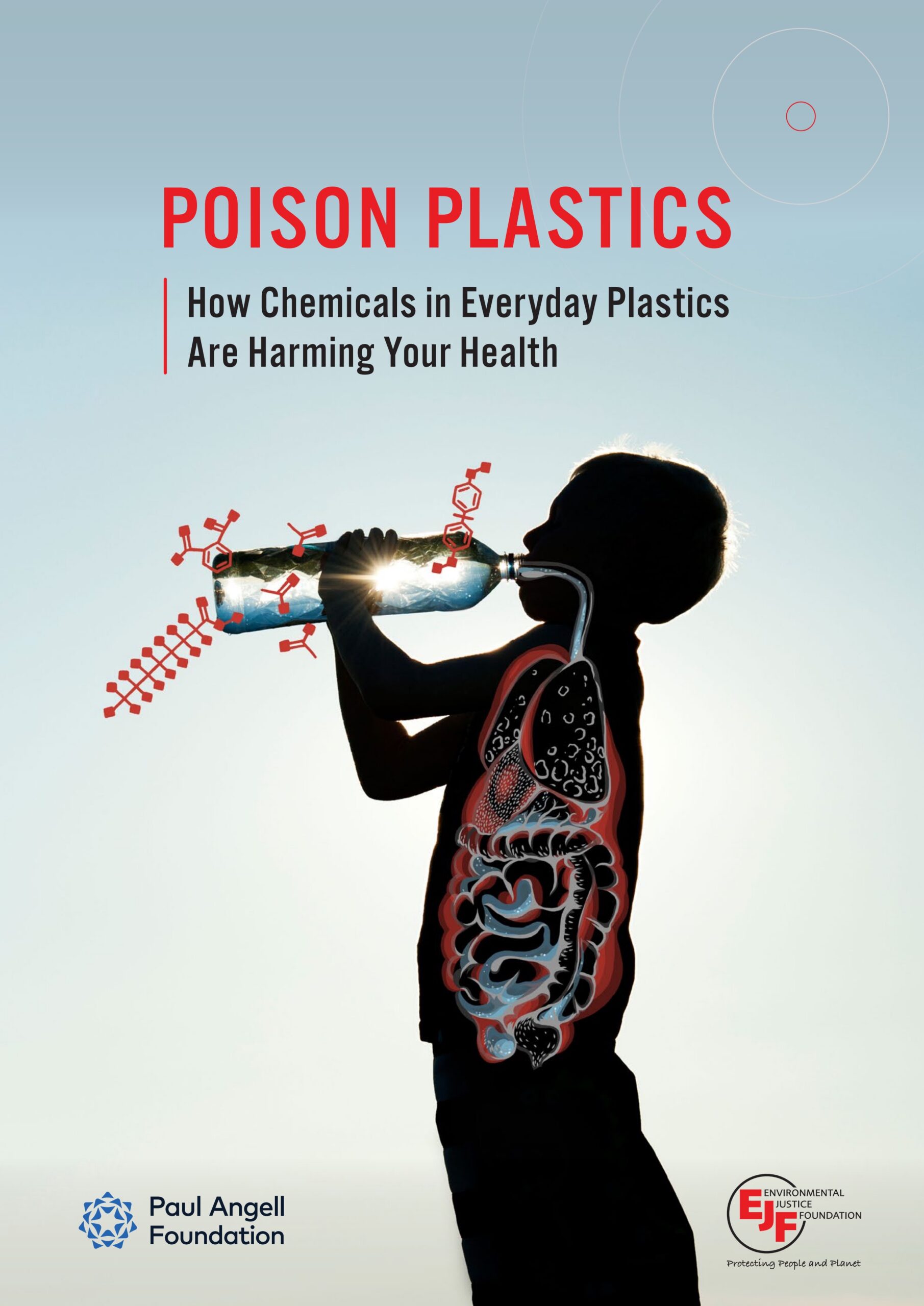
Poison plastics: How chemicals in everyday plastics are harming your health
This Environmental Justice Foundation report examines the health risks associated with chemicals in everyday plastics. It reveals that 92.8% of assessed chemicals pose high risks, including cancer and hormone disruption. The document calls for a Global Plastics Treaty to reduce production and eliminate hazardous substances through a precautionary approach.
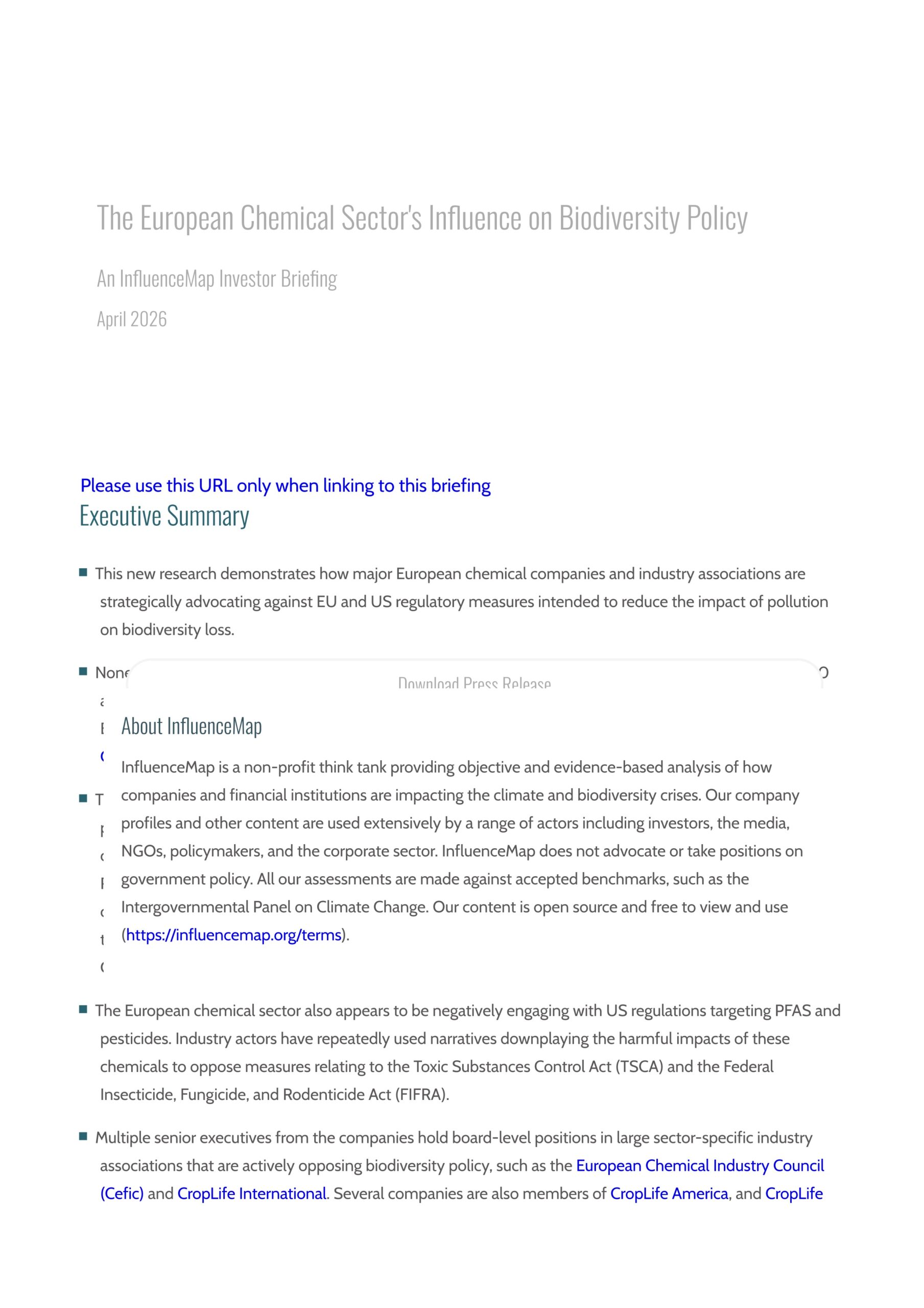
The European chemical sector's influence on biodiversity policy
This report analyses how major European chemical companies and industry associations influence biodiversity policy in the EU and US. It reveals that no assessed company aligns fully with science-based biodiversity goals, highlighting oppositional lobbying against critical regulations concerning pesticides, PFAS, and harmful chemicals.
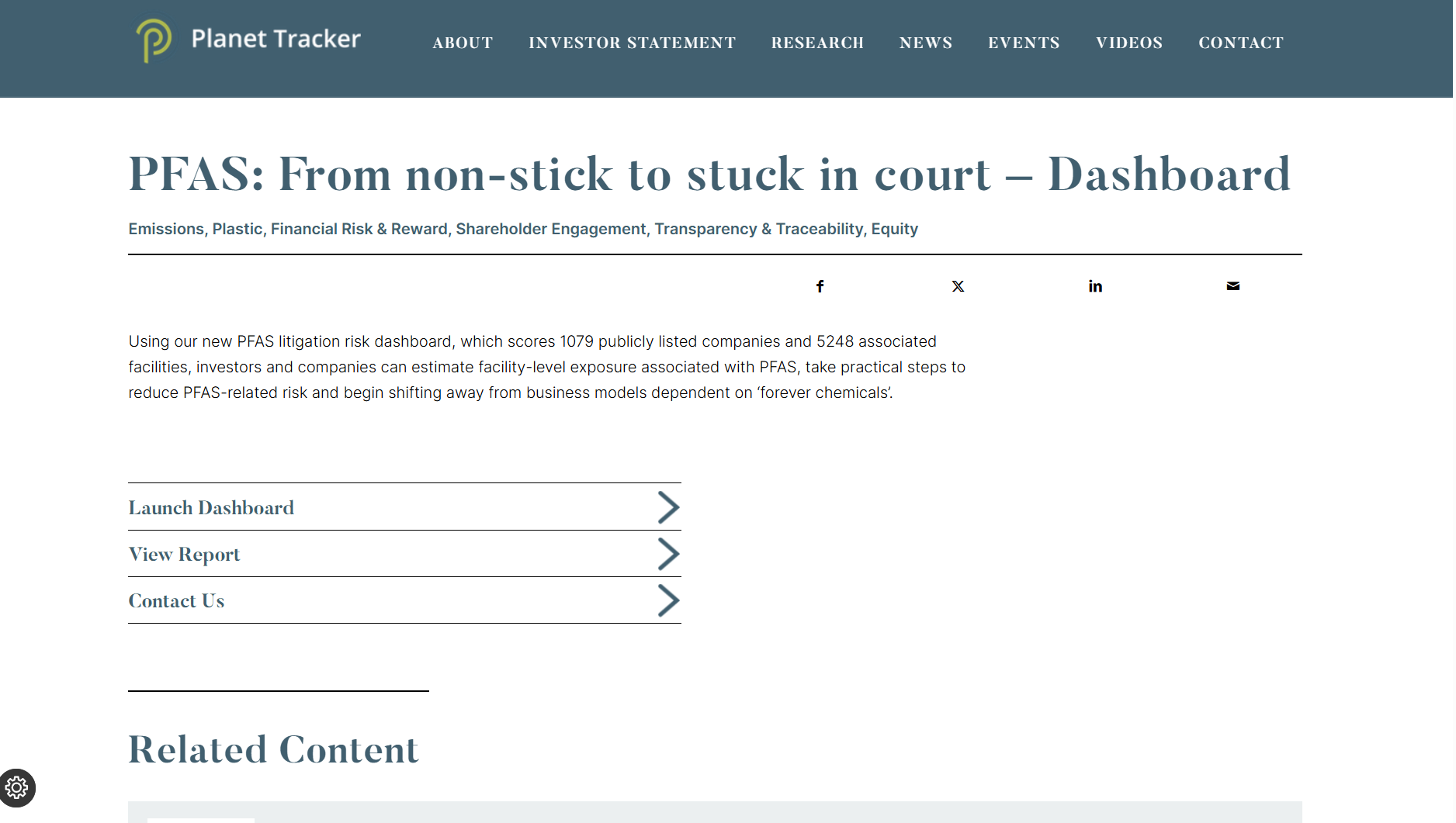
PFAS: From non-stick to stuck in court – Dashboard
The PFAS: From Non-stick to Stuck in Court Dashboard is an online tool developed by Planet Tracker to help investors assess PFAS litigation risk. It maps facility-level exposure across publicly listed companies, supporting ESG analysis, risk assessment and investment decisions related to environmental liabilities.
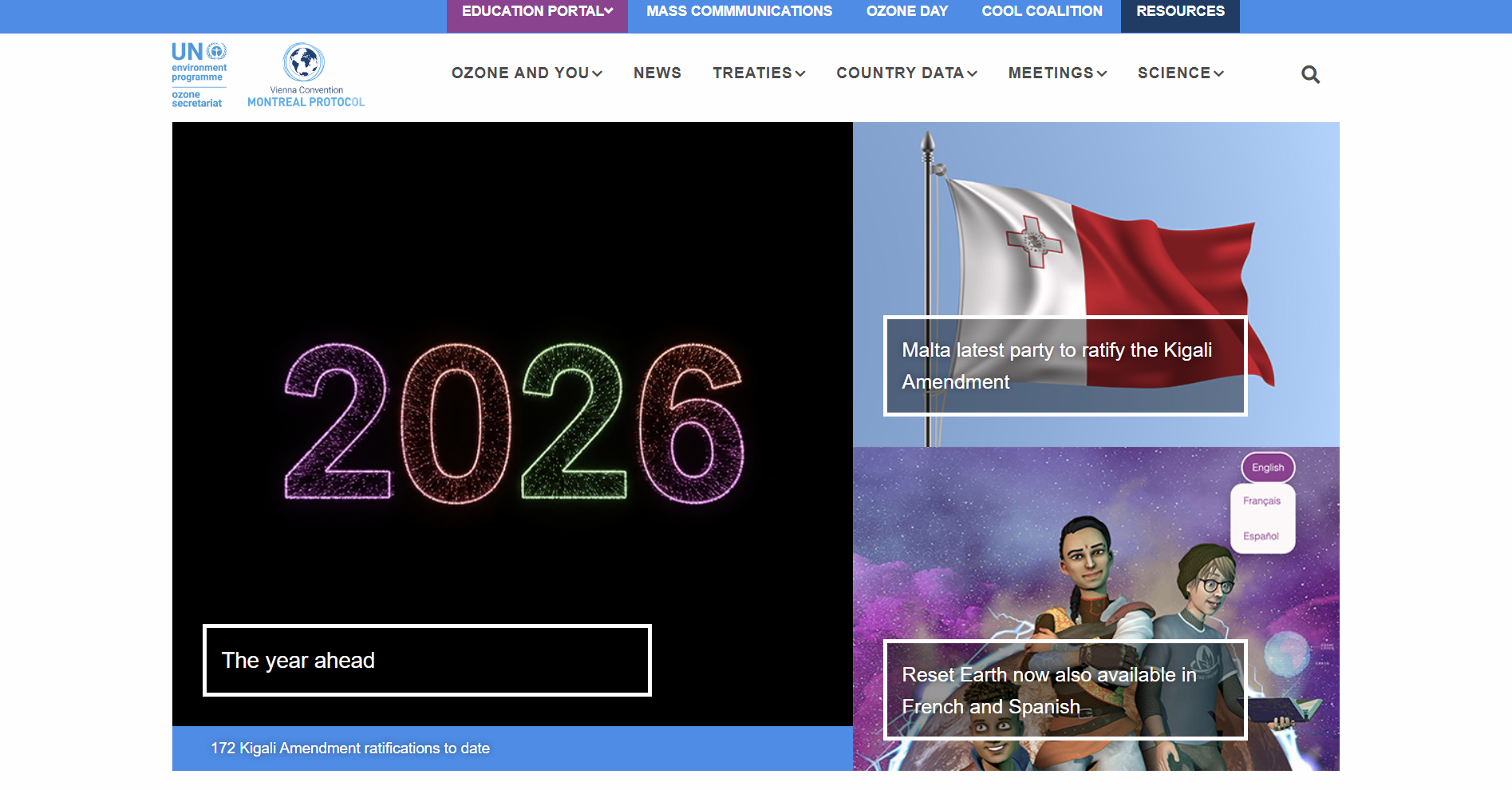
WESR: Ozone
UNEP’s Ozone Secretariat portal supports implementation of the Montreal Protocol by providing access to data, reports, legal texts and compliance resources on ozone-depleting substances (ODS). It aids national authorities and stakeholders in tracking ODS phase-out and supporting global efforts to protect and restore the ozone layer.

Outside the safe operating space of the planetary boundary for novel entities
This report summarises evidence that humanity has exceeded the planetary boundary for novel entities, including chemicals and plastics. It finds that their production and emissions are increasing faster than global capacity for risk assessment and regulation, thereby threatening Earth system stability and requiring urgent action to reduce production and releases.

Rockefeller Capital Management
Rockefeller Capital Management (RockCo) delivers wealth management, asset management and investment banking services grounded in the Rockefeller legacy. Serving individuals, families and institutions, RockCo emphasises bespoke financial solutions, generational wealth planning and strategic advisory — combining innovation with long-standing trust.
InforMEA
InforMEA is a UN information portal giving central access to multilateral environmental agreements, including treaty texts, COP decisions, national reports, laws and court rulings. It also hosts a glossary, e-learning courses and tools linking MEAs to global goals.
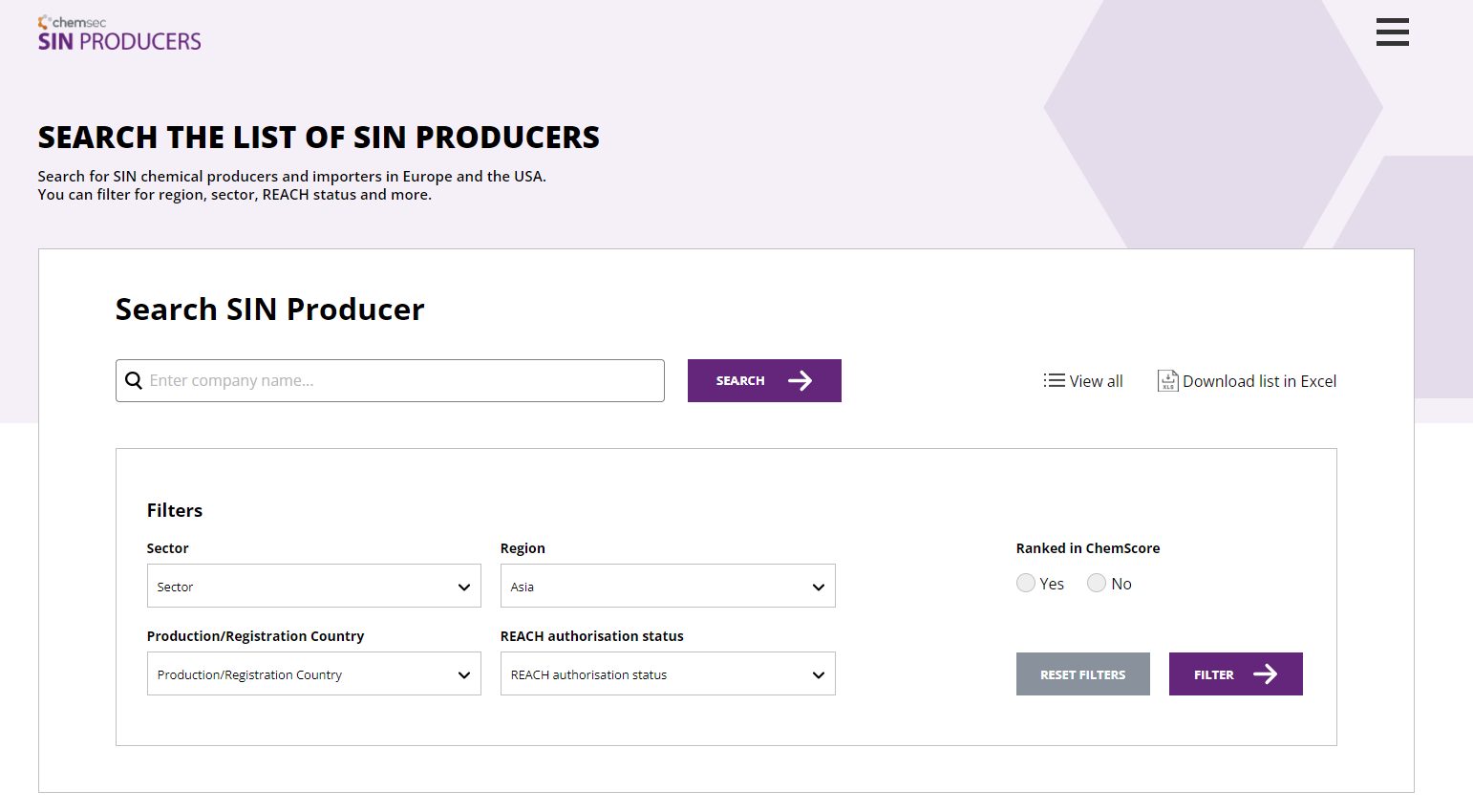
Chemsec's Sin Producers
The SIN Producers tool identifies companies producing hazardous chemicals, helping finance professionals assess risks in their portfolios. The tool provides concise, structured information for making informed investment decisions, focusing on sustainability and regulatory compliance.
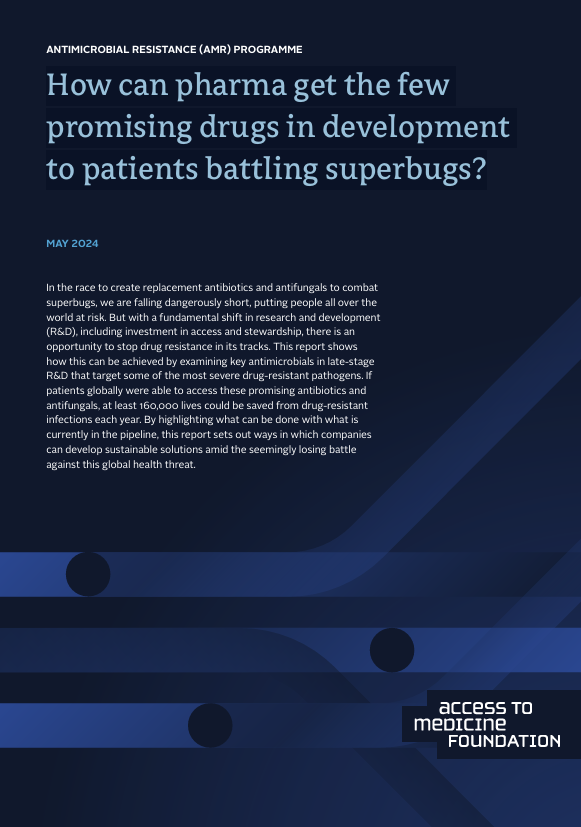
How can pharma get the few promising drugs in development to patients battling superbugs?
This report examines the barriers to bringing new antibiotics to market, highlighting funding gaps, regulatory uncertainty, and weak commercial incentives. It outlines policy solutions to improve access and development, aiming to address the growing threat of antimicrobial resistance (AMR) by supporting viable pathways for pharmaceutical innovation.

Climate Analytics
Climate Analytics is a global climate science and policy institute driving climate action aligned to the 1.5 °C warming limit. It empowers vulnerable countries via targeted research, analysis, diplomacy and tools—from impact and risk assessment to decarbonisation pathways—to inform national planning and international negotiations.

Estimating and reporting the comparative emissions impacts of products
This report outlines a neutral framework for estimating and reporting the greenhouse gas impacts of products, both positive and negative. It advocates the use of consequential methods for decision-making, highlights methodological challenges in attributional approaches, and recommends transparency and completeness in emissions assessments and corporate reporting.
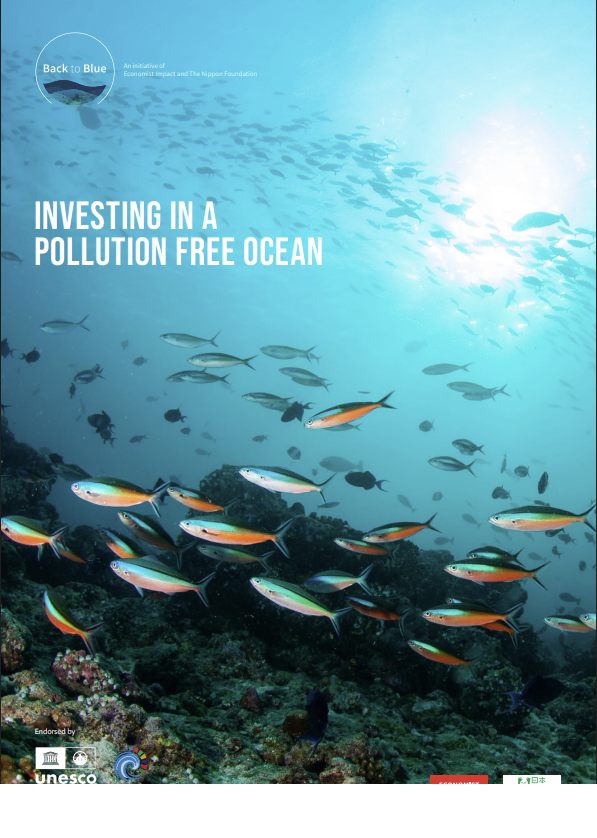
Investing in a pollution free ocean
The report explores how ocean pollution poses financial, legal and reputational risks to businesses, particularly land-based sectors. It identifies data gaps as a barrier to effective decision-making and highlights opportunities in green chemistry, data innovation and sustainable finance. It recommends integrating ocean health into corporate and financial strategies.


