
Library | ESG issues
Climate Change
Climate change, driven by human-induced greenhouse gas (GHG) emissions, is increasing global temperatures and extreme weather events. Major GHGs like carbon dioxide and methane primarily come from burning fossil fuels, deforestation, and agriculture. Key sectors contributing to emissions include energy, industry, transport, buildings, and land use, making mitigation and adaptation essential for environmental and economic stability.
Team Altiorem recommends

Refine
976 results
REFINE
SHOW: 16



Tobacco tactics
Tobacco Tactics is a knowledge-exchange platform from the University of Bath’s Tobacco Control Research Group. It compiles rigorous academic research and monitoring on the global tobacco industry—its products, influences, themes and companies—in an accessible format.
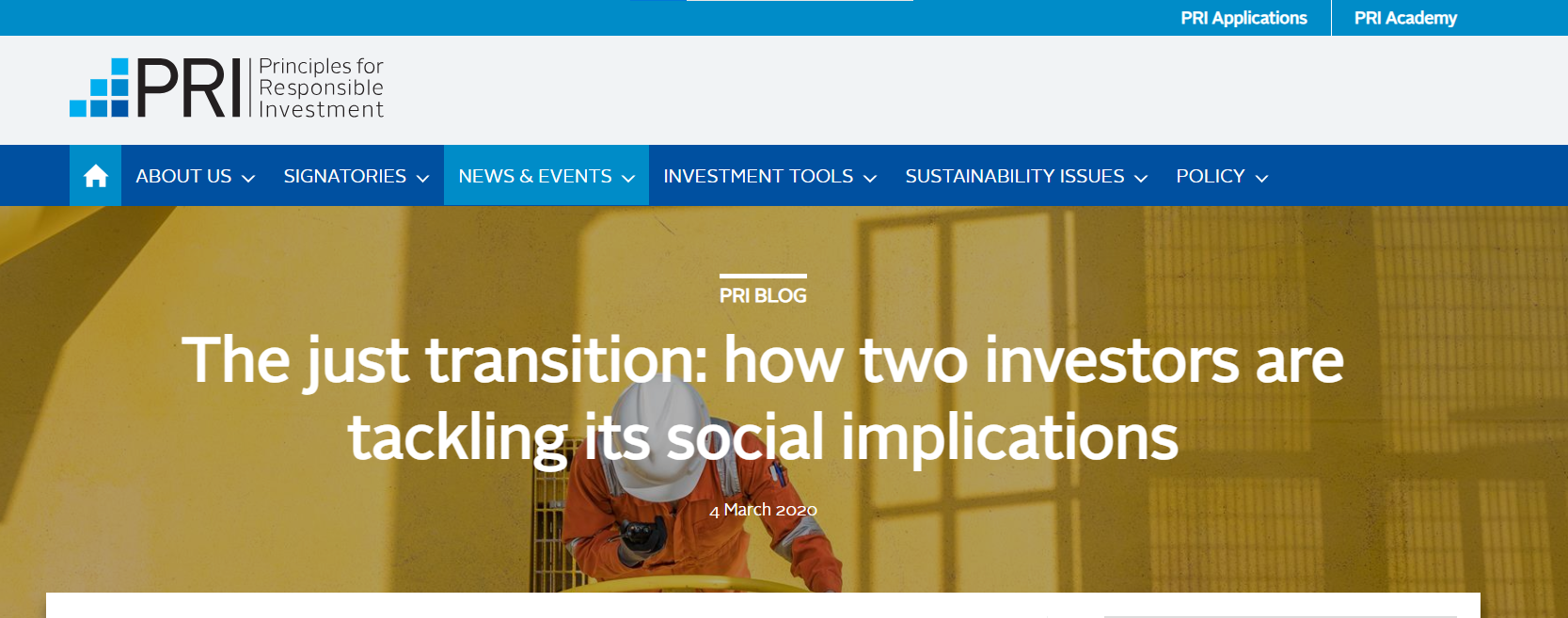
The just transition: How two investors are tackling its social implications
This report by PRI outlines how Fonds de Solidarité FTQ and Ircantec integrate just transition principles into investment strategies. It highlights measures to support decarbonisation, quality jobs, community engagement, sustainable real estate, and shareholder dialogue, linking social considerations with environmental goals in advancing a low-carbon economy.
Target-setting protocol fourth edition
The report outlines the fourth edition of the Science Based Targets initiative’s target-setting protocol. It provides updated guidance, criteria, and methodology for companies to set near-term science-based greenhouse gas emission reduction targets, aligning with 1.5°C pathways and incorporating broader coverage across sectors, geographies, and organisational boundaries.
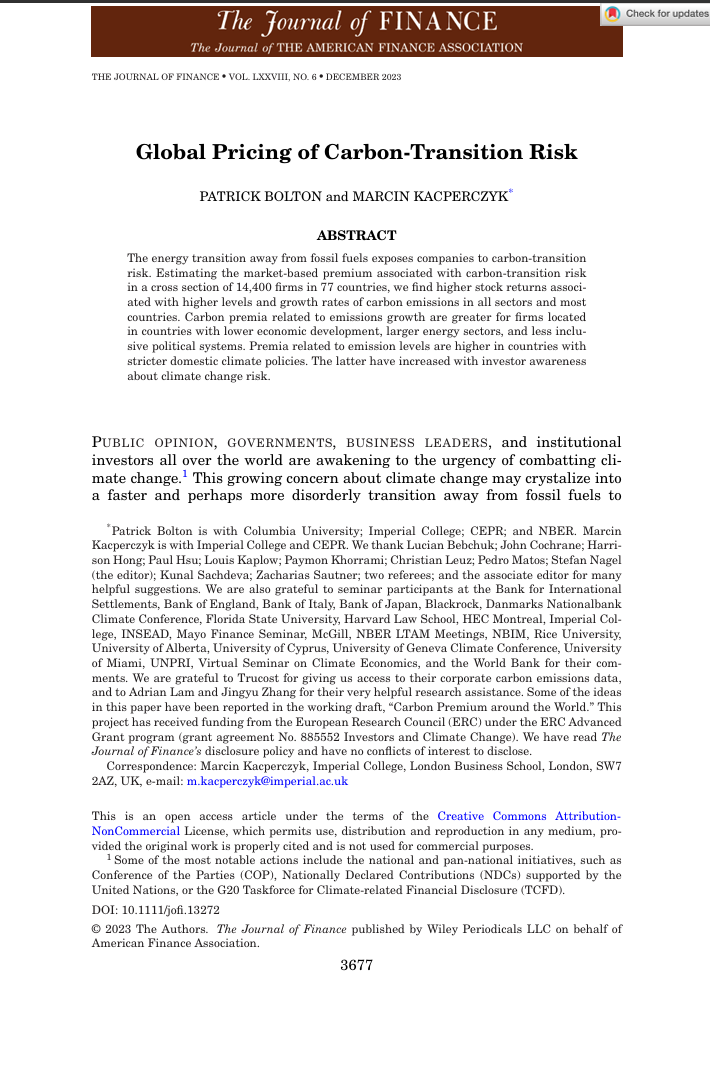
Global pricing of carbon-transition risk
This report examines the global pricing of carbon-transition risk by assessing equity markets’ responses to climate policy and transition exposure. It analyses regional variations, sectoral impacts, and the role of carbon pricing in financial markets, highlighting implications for asset valuation and investment strategies.
Survey of CFA institute members on latest ESG matters
The CFA Institute survey (Nov 2021) captures member views on ESG integration and sustainability reporting. Respondents support flexibility in ESG integration, oppose government mandates, and favour global product disclosure standards. They also prefer mandatory, globally consistent sustainability reporting with regulatory frameworks in place before adoption.
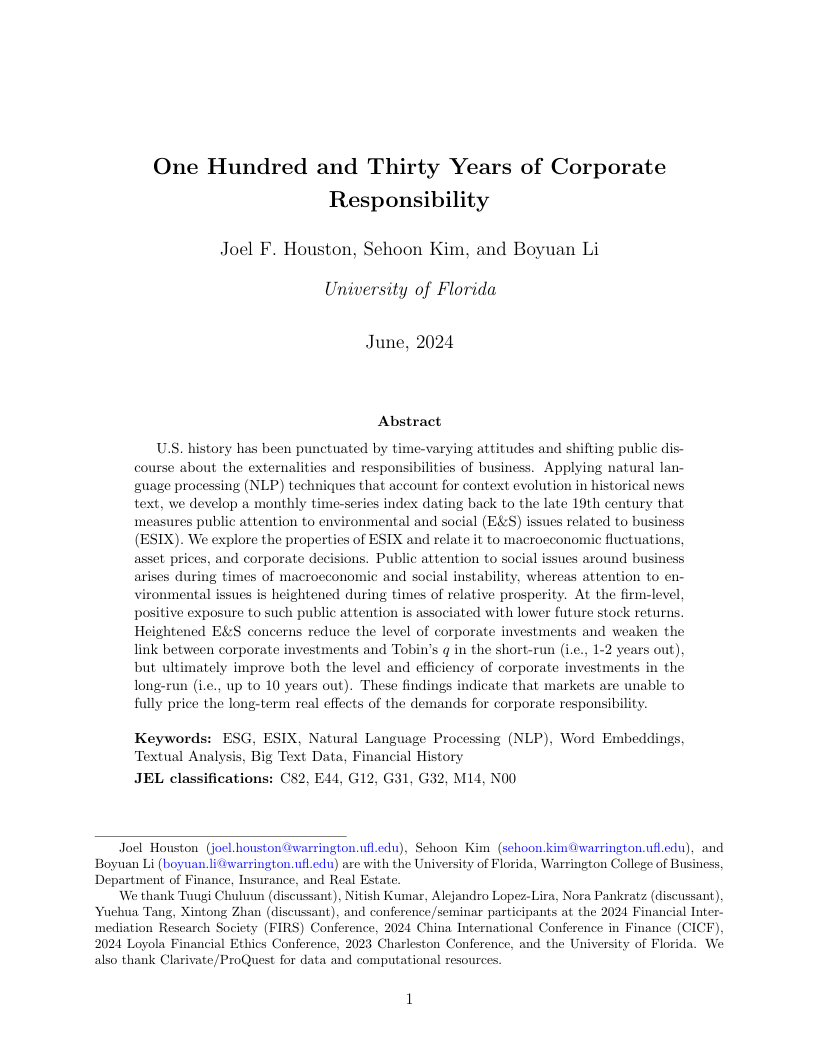
One hundred and thirty years of corporate responsibility
This report develops a 130-year index (ESIX) measuring public attention to environmental and social issues in business using historical news data. Findings show that such attention rises during instability (social) or prosperity (environmental), depresses short-term investment efficiency, but improves investment outcomes over longer horizons.
ESG and responsible institutional investing around the world: A critical review
This report reviews global ESG and responsible investing practices, focusing on definitions, regulation, climate finance, and institutional investor roles. It evaluates evidence from academic research and PRI data, highlighting investor influence, governance, and engagement strategies, while noting challenges around ratings, greenwashing, and measuring real outcomes.
City development limited: Industry case studies: Real estate
City Developments Limited outlines its sustainability strategy, focusing on climate resilience, stakeholder engagement, and SDG-aligned investments. The report details historical drivers, innovation in green building, ESG integration, and financial performance, highlighting case studies on technology adoption and partnerships to advance low-carbon operations and responsible real estate growth.

DBS Bank
DBS Bank India is a digital-led universal bank offering personal, SME, corporate and wealth management services. Features include resident and non-resident (NRI) savings and fixed deposit accounts, remittance, loans, digital payments and credit/debit card solutions. Positions as Asia’s safest bank with a wide India branch network.
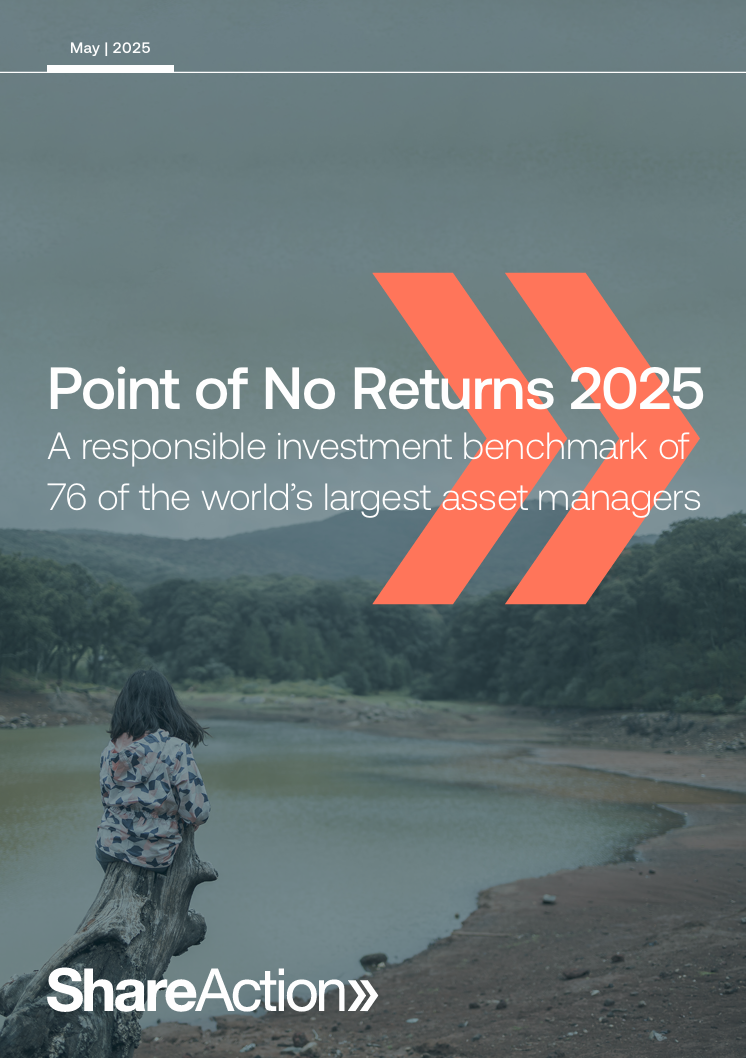
ShareAction's point of no return series
The Point of No Returns benchmark series assesses the world’s largest asset managers on responsible investment across climate, biodiversity, social issues, governance, and stewardship. Published by ShareAction, the series provides rankings, sector-wide analysis, and examples of practice to guide improvement and accountability.
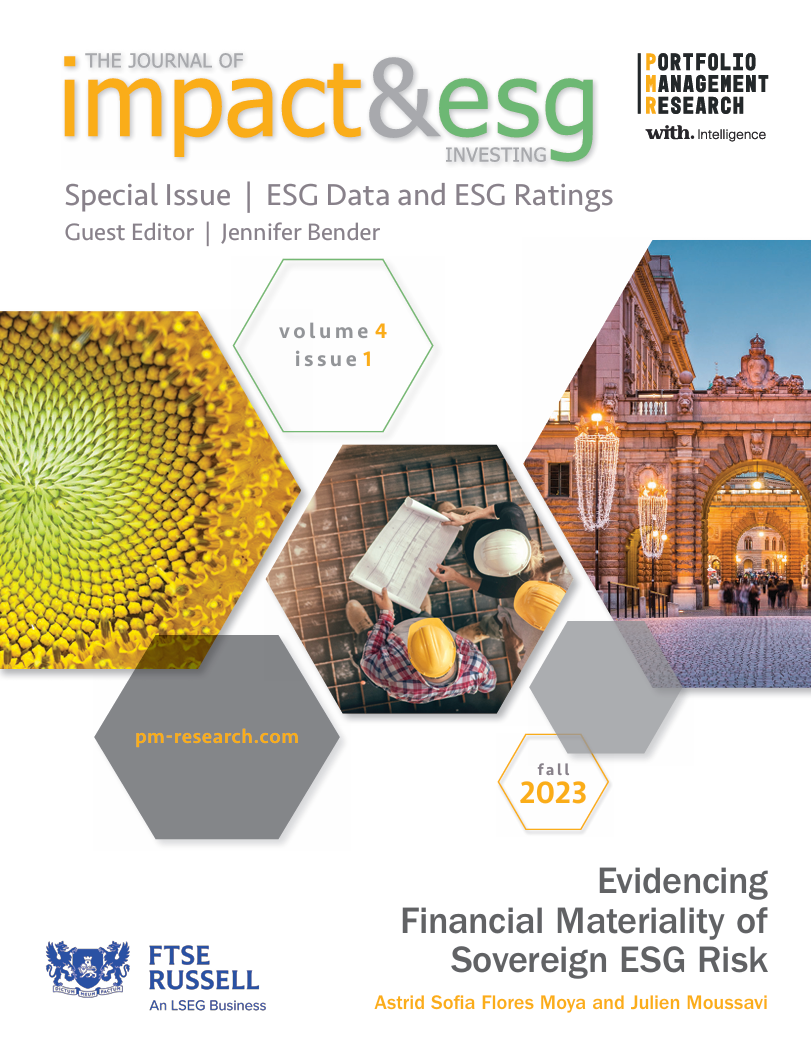
Evidencing financial materiality of sovereign ESG risk
This report analyses the relationship between sovereign ESG risks and credit risk across 70 countries. Using FTSE Russell/Beyond Ratings data and five-year CDS spreads, it finds stronger financial materiality of ESG risks in emerging and high-yield markets, particularly for social and governance factors, with weaker results for environmental risks.

London Stock Exchange Group (LSEG)
LSEG (London Stock Exchange Group) is a global financial markets infrastructure and data provider. It delivers market-data, analytics, news and index products to over 44,000 customers in more than 170 countries. LSEG’s services cover capital markets, post-trade operations, risk management and information services.
ESG and global investor returns study
This report analyses the link between ESG integration and global investor returns, drawing on cross-regional data and sector comparisons. It assesses how environmental, social, and governance factors correlate with performance, highlighting variations across markets and asset classes. The study provides evidence-based insights on ESG’s financial materiality for investors worldwide.

Kroll
Kroll is a global financial and risk advisory firm offering services in valuation, investigations, cyber-resilience, regulatory compliance, transaction advisory, restructuring and business services.
With around 6,500 experts across 32 countries, Kroll helps clients build, protect and maximise enterprise value through data, technology and intelligence.
With around 6,500 experts across 32 countries, Kroll helps clients build, protect and maximise enterprise value through data, technology and intelligence.

IMPACT2C web-atlas
The IMPACT2C web‑atlas is an interactive, open‑access platform that visualises the projected impacts of a +2 °C global warming across Europe and key vulnerable regions. It presents harmonised, model‑based findings—via maps, texts, and storylines—across sectors such as climate, water, energy, health, agriculture and coasts.
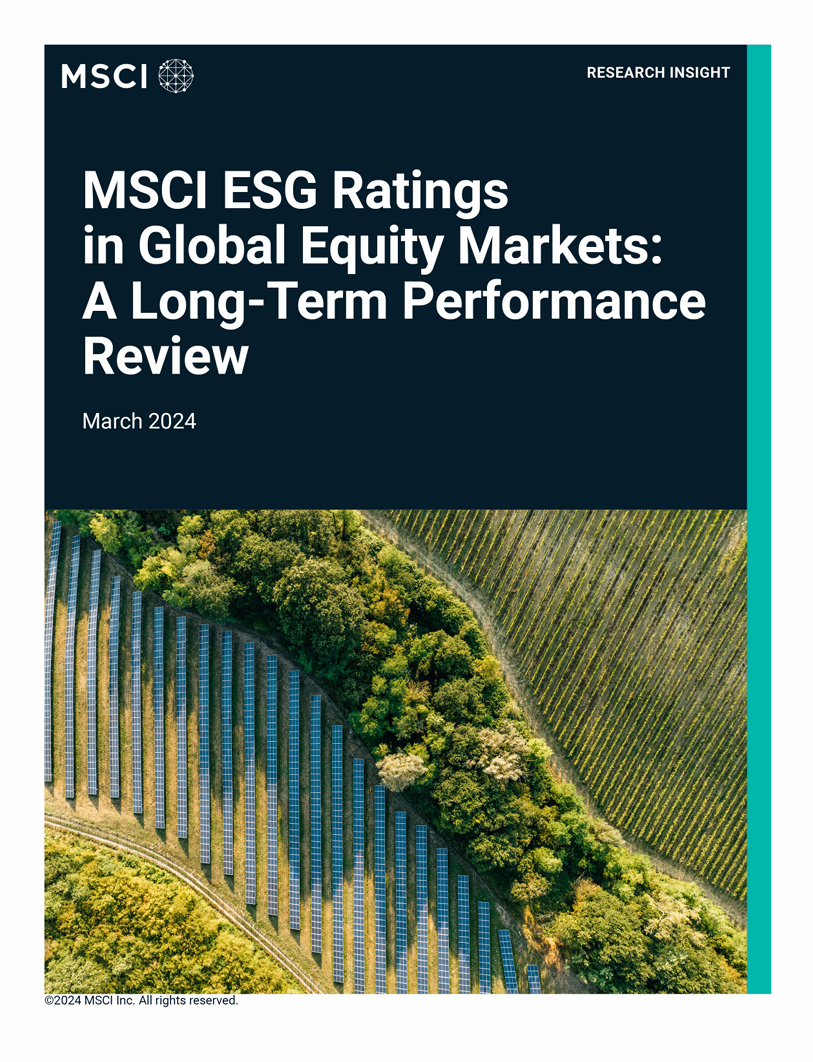
MSCI ESG ratings in global equity markets: A long-term performance review
This MSCI report reviews the long-term performance of ESG ratings in global and developed equity markets. It finds that higher-rated companies outperformed peers, driven by stronger earnings growth and dividend yields rather than valuation effects. MSCI ESG indexes also generally outperformed their benchmarks across regions and during crises.


