
Library | ESG issues
Community Engagement & Relations
Community engagement and relations is a strategic process that fosters meaningful collaboration between organisations and community members to achieve long-term, sustainable outcomes. It involves various engagement methods, such as co-design, focus groups, and surveys, to understand community perspectives and build inclusive solutions. Key areas include economic development, employment opportunities, strengthening relations with Indigenous and rural communities, and poverty alleviation. Effective engagement enhances social license, corporate reputation, and long-term value creation, shaping investment strategies and risk management.
Refine
140 results
REFINE
SHOW: 16


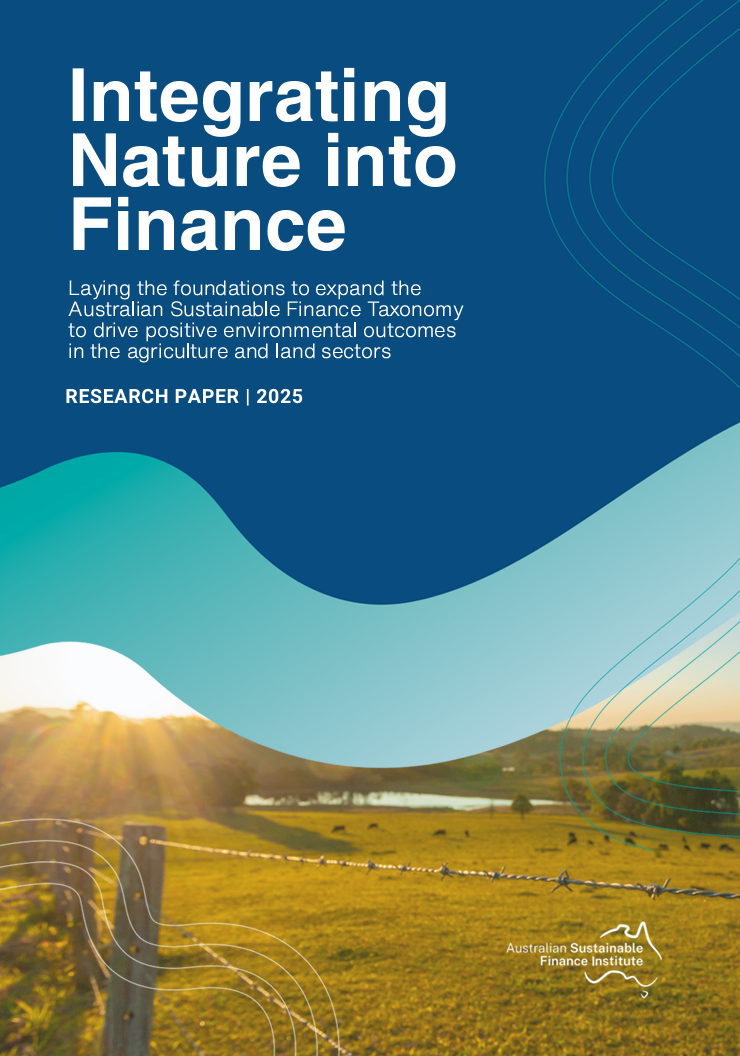
Integrating Nature into Finance: Laying the foundations to expand the Australian Sustainable Finance Taxonomy to drive positive environmental outcomes in the agriculture and land sectors
This report summarises how Australia’s Sustainable Finance Taxonomy could be expanded to agriculture, forestry and land management, proposing draft criteria for biodiversity protection, sustainable water use, and pollution control. It aligns with global biodiversity goals to guide investment and lending that support nature-positive outcome.

Life Cycle Initiative
Life Cycle Initiative stewards global standards, tools and training for life-cycle assessment (LCA) and life-cycle thinking. It supports practitioners, policymakers and industry in applying LCA across plastics, textiles, tourism and construction. The initiative develops data networks, e-learning modules and hotspot analysis frameworks to advance sustainable decision making.
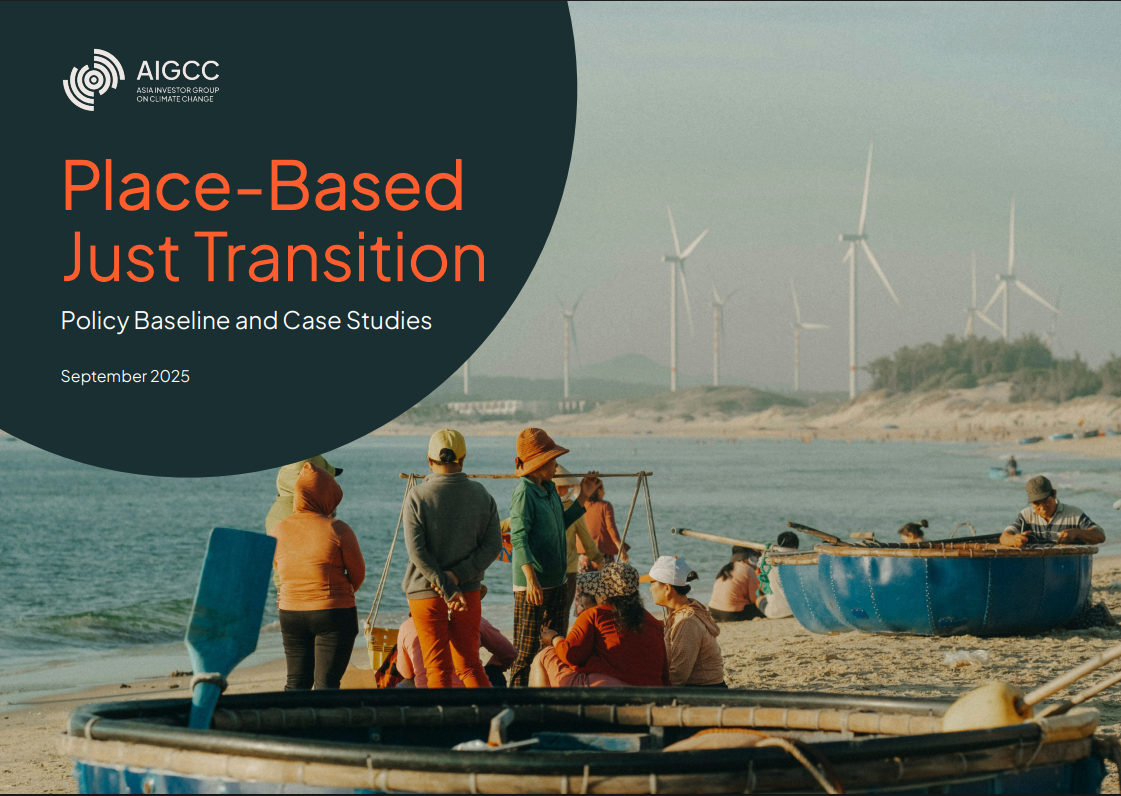
Place-based just transition: Policy baseline and case studies
This report from the Asia Investor Group on Climate Change analyses place-based just transition policies in India, Indonesia, Malaysia and Japan. It outlines market-specific policy baselines, labour and social dynamics, financing needs and case studies, providing investors and policymakers with insights into ensuring equitable low-carbon transitions in Asia.
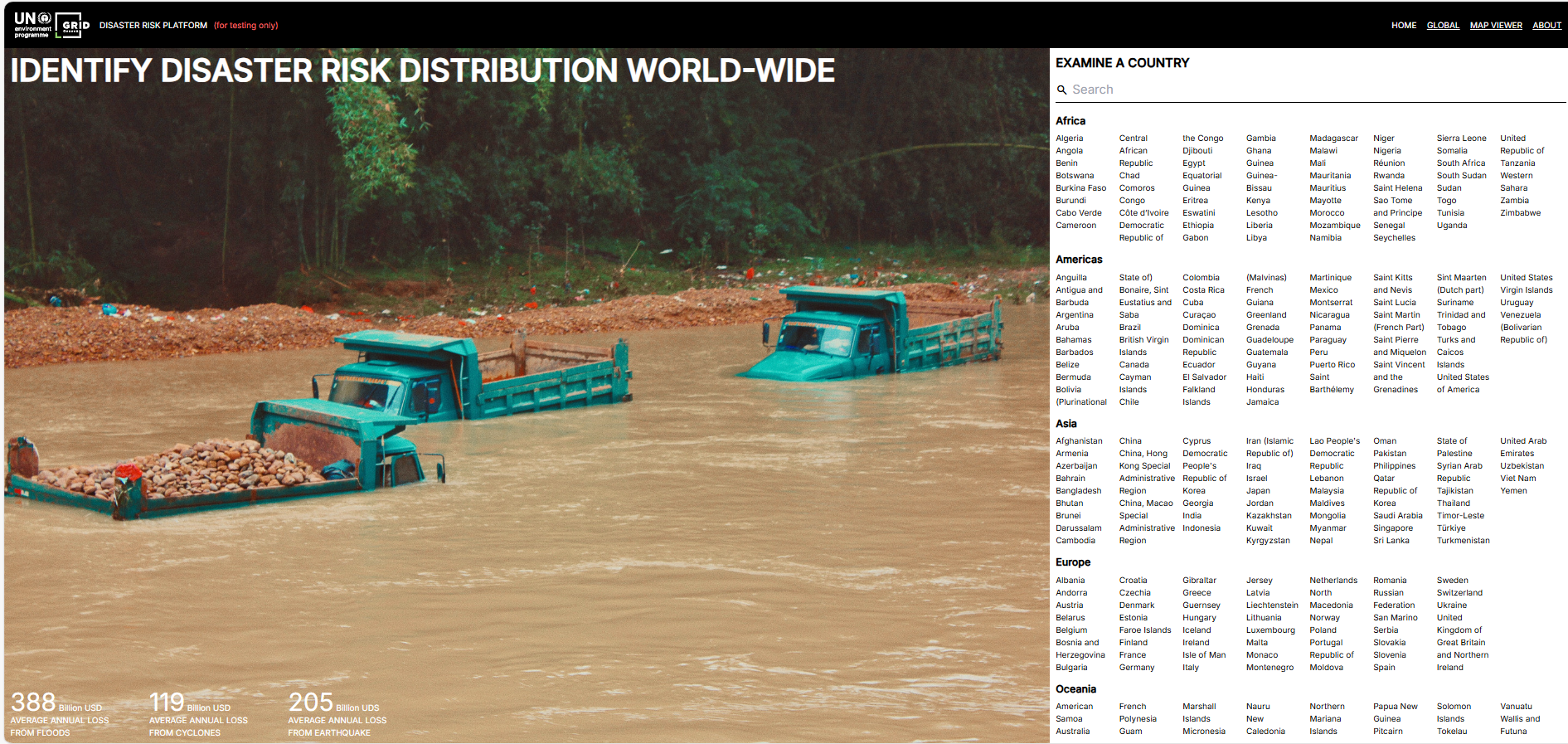
Disaster risk platform
The UNEP/GRID-Geneva Disaster Risk Platform offers an interactive global interface for analysing exposure, vulnerability and hazard data. It aids evidence-based decision-making by mapping natural risks and socio-economic factors, supporting resilient development and risk-informed finance.
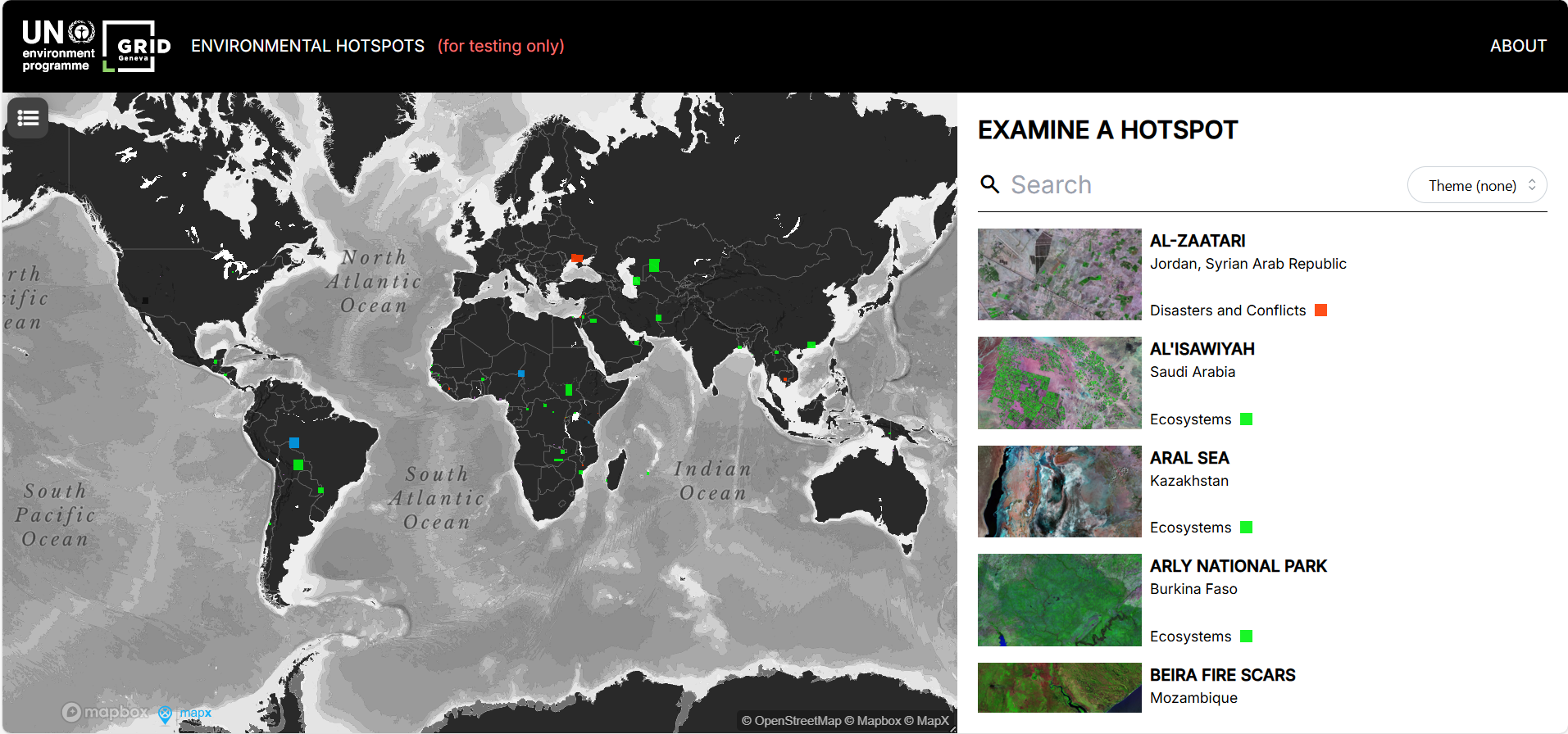
Environmental hotspots
The Environmental Hotspots tool by UNEP offers an interactive map of high-risk ecological zones worldwide, allowing users to explore environmental pressures across sectors (e.g. ecosystems, resource extraction).
Deutsche Rohstoffagentur (DERA)
German Mineral Resources Agency (DERA) is Germany’s national information and consultancy platform on mineral raw materials, hosted within the Federal Institute for Geosciences and Natural Resources (BGR).
DERA analyses global commodity markets, assesses supply-chain risks, and advises industry and government on raw material strategy and sustainable sourcing.
DERA analyses global commodity markets, assesses supply-chain risks, and advises industry and government on raw material strategy and sustainable sourcing.
Federal Institute for Geosciences and Natural Resources (BGR)
Federal Institute for Geosciences and Natural Resources (BGR) is Germany’s national geological survey, advising the federal government on geoscience and raw materials. It undertakes research in earth sciences, resource management, geodata systems and sustainability. Located in Hannover, BGR coordinates national geoscientific data infrastructure and policy.
Enel: Industry case studies: Electric utility
This report presents Enel’s case study on implementing CFO Principles for the SDGs. It outlines historical drivers, sustainability disruption, strategic responses, and SDG investments, highlighting decarbonisation, electrification, and financial performance assessment. The report details Enel’s renewable energy expansion, SDG alignment, and integration of sustainability outcomes with financial results.
Tobacco Control Research Group (TCRG)
Tobacco Control Research Group (TCRG) at the University of Bath conducts international, multidisciplinary research into the tobacco industry’s influence on health and policy. TCRG generates evidence to support effective tobacco control, informs public health policy, and provides training on industry monitoring and accountability to advance global health outcomes.
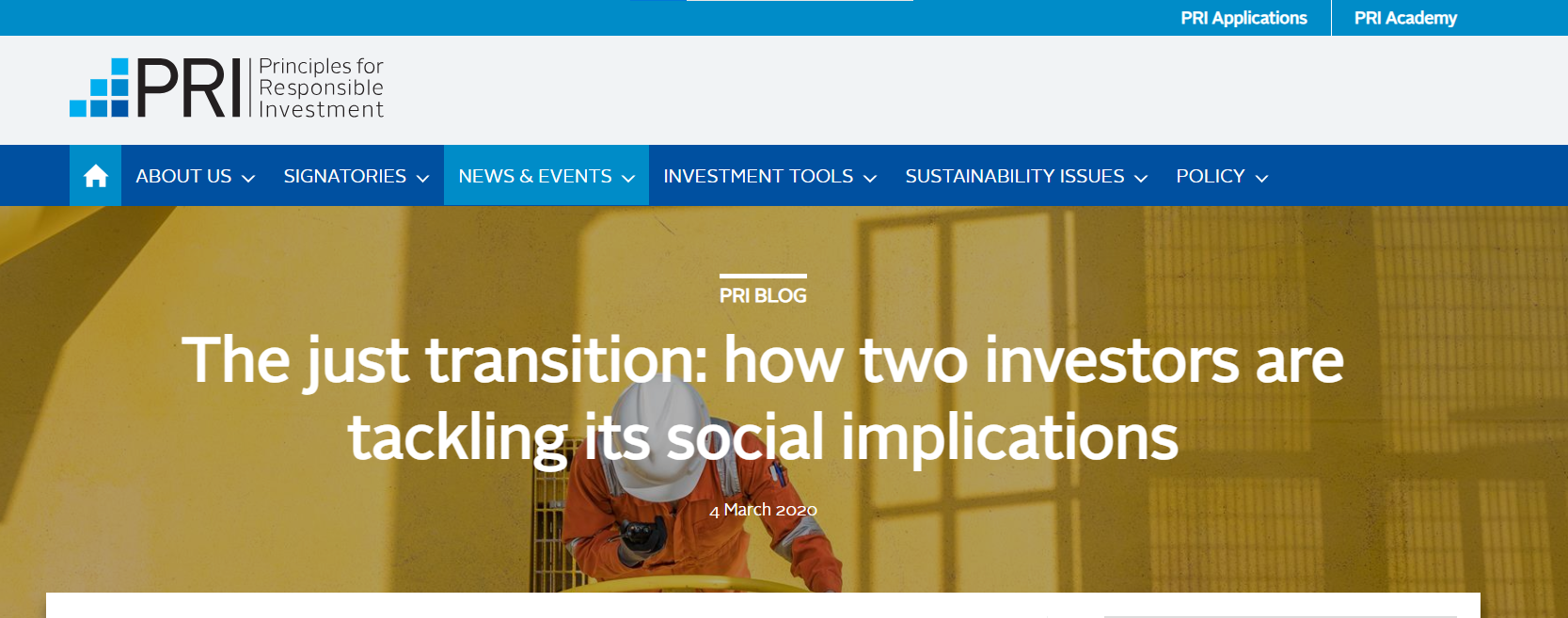
The just transition: How two investors are tackling its social implications
This report by PRI outlines how Fonds de Solidarité FTQ and Ircantec integrate just transition principles into investment strategies. It highlights measures to support decarbonisation, quality jobs, community engagement, sustainable real estate, and shareholder dialogue, linking social considerations with environmental goals in advancing a low-carbon economy.
City development limited: Industry case studies: Real estate
City Developments Limited outlines its sustainability strategy, focusing on climate resilience, stakeholder engagement, and SDG-aligned investments. The report details historical drivers, innovation in green building, ESG integration, and financial performance, highlighting case studies on technology adoption and partnerships to advance low-carbon operations and responsible real estate growth.

London Stock Exchange Group (LSEG)
LSEG (London Stock Exchange Group) is a global financial markets infrastructure and data provider. It delivers market-data, analytics, news and index products to over 44,000 customers in more than 170 countries. LSEG’s services cover capital markets, post-trade operations, risk management and information services.
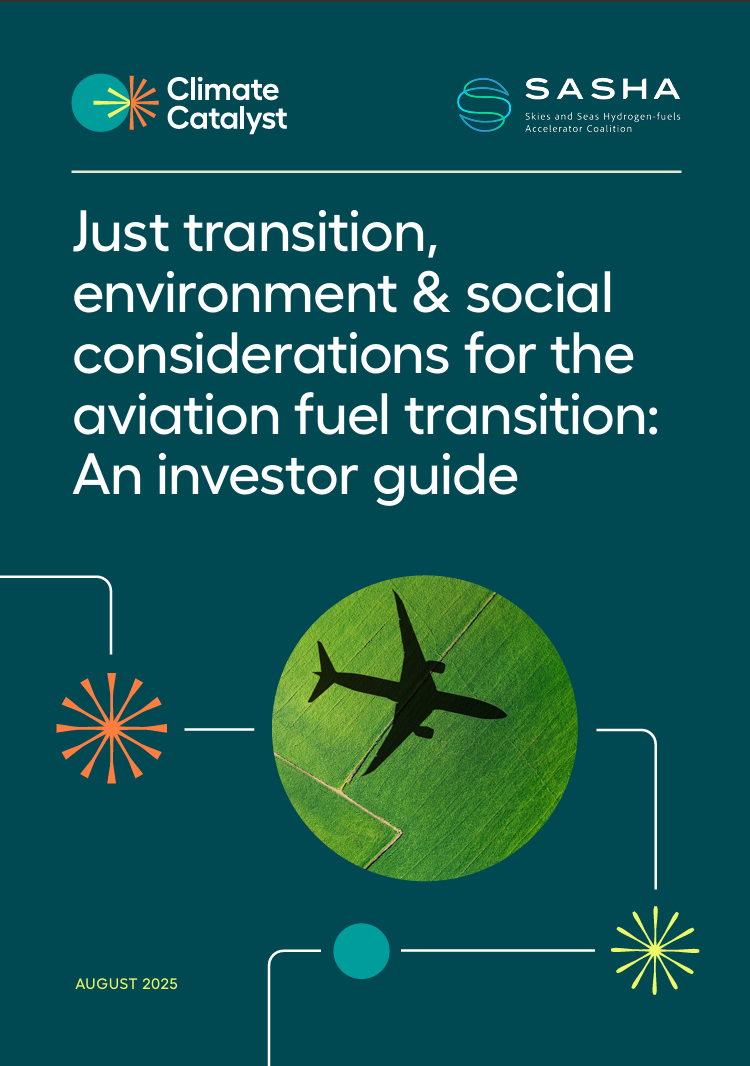
Just transition, environment and social considerations for the aviation fuel transition: An investor guide
This guide outlines environmental, social, and just transition considerations for investors in aviation’s fuel shift. It compares biofuels and e-fuels, highlights regulatory and biodiversity risks, and provides engagement questions to assess companies’ transition strategies, ensuring alignment with climate goals while safeguarding communities and long-term financial stability.

Opportunity Green
Opportunity Green (OG) is a UK-based charity founded in 2021 that harnesses legal, economic and policy expertise to drive climate justice. OG focuses on equity, justice and accountability across overlooked sectors—aviation, shipping, buildings, steel, agriculture—championing decarbonisation, legal innovation and coalition-building for a 1.5 °C-aligned future.

Center for disaster management and risk reduction technology
Center for Disaster Management and Risk Reduction Technology (CEDIM) is an interdisciplinary research centre at Karlsruhe Institute of Technology, enhancing disaster resilience. Focusing on natural and human-made hazards—such as earthquakes, droughts, heatwaves and floods—it develops early warning systems, risk mapping and forensic disaster analysis. Ideal for innovators in disaster risk science.
Water footprint implementation
Water Footprint Implementation supports companies and governments with water accounting, sustainability assessment and water-footprint compensation. A spin-off of Water Footprint Network research, it delivers actionable insights for ESG reporting, water stewardship, water-footprint benchmarking and tailored reduction strategies to enhance resilience, reduce risk and foster sustainable water management.


