
Library | ESG issues
Education
Education is the transfer of knowledge, skills, and values that empowers individuals and fosters socioeconomic mobility. It plays a critical role in reducing poverty and driving economic growth. While progress has been made in increasing access to education, challenges remain, including low literacy rates, disparities in enrolment, and gaps in educational quality. Investing in education strengthens workforce development, innovation, and long-term economic stability.
Team Altiorem recommends


Refine
106 results
REFINE
SHOW: 16



Forest Carbon and Climate Program (Michigan State University)
Forest Carbon and Climate Program (FCCP) at Michigan State University advances research, education and professional training on forest carbon, climate change and sustainable forest management.
FCCP delivers courses, events and applied insights supporting climate-smart forestry, carbon markets and land-use decision-making worldwide.
FCCP delivers courses, events and applied insights supporting climate-smart forestry, carbon markets and land-use decision-making worldwide.

UNSW Centre for Social Impact
UNSW Centre for Social Impact (UNSW CSI) is a research and education centre focused on social impact, impact measurement, social investment and purpose-driven leadership. Based at UNSW Business School, it works with government, business, philanthropy and civil society to support evidence-based social and environmental outcomes.

MIT Center for Transportation & Logistics
MIT Center for Transportation & Logistics (MIT CTL) is a research centre advancing supply chain management, logistics and transportation systems.Based at Massachusetts Institute of Technology, it produces applied research, executive education and industry partnerships focused on resilience, sustainability, digital innovation and global supply chain performance across sectors worldwide today.

European Accounting Association (EAA)
European Accounting Association (EAA) is an international academic association supporting accounting research, education and knowledge exchange. EAA organises annual congresses, doctoral workshops and specialist events, publishes leading accounting journals, and connects researchers, educators and institutions across Europe and globally, with focus on academic collaboration, standards debate and professional development activities.
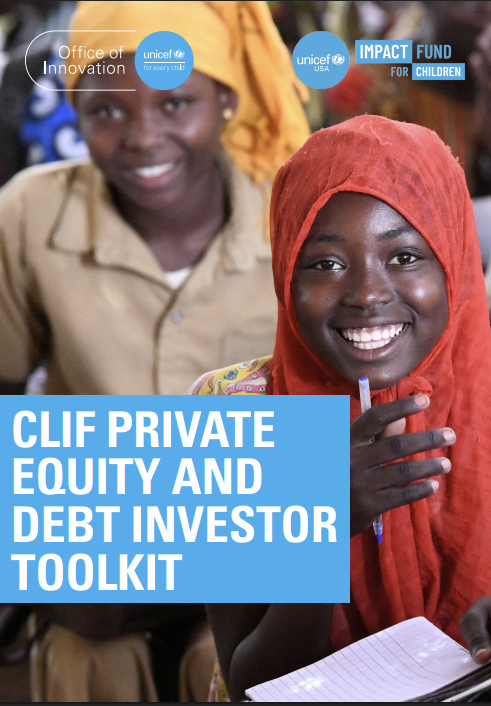
UNICEF USA’s child lens investing series
This series outlines UNICEF’s Child-Lens Investing approach, providing practical guidance for investors to integrate children’s rights and well-being into investment strategy, due diligence, contribution, and measurement across asset classes. It supports consistent application of a child lens alongside established impact and ESG practices.
UN SDG Portal
The United Nations SDGs platform (sdgs.un.org) is an online hub for the 2030 Agenda and 17 Sustainable Development Goals, offering goals, targets, indicators, events, publications and global actions to track and support SDG implementation. It also includes registries of voluntary commitments and multi-stakeholder partnerships.
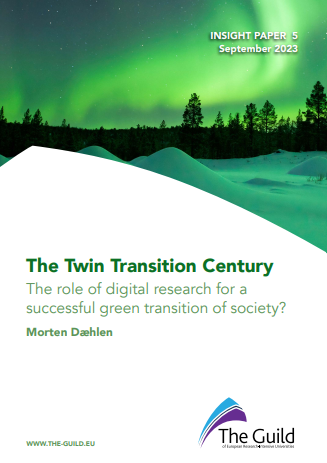
The twin transition century
This paper argues that Europe’s green transition depends on aligning digital transformation with sustainability goals. It outlines how digital research can both reduce its own environmental footprint and enable climate action, calling for long-term, interdisciplinary research investment and coordinated EU policy.
The Beijer Institute of Ecological Economics
Beijer Institute of Ecological Economics is an international research institute under the Royal Swedish Academy of Sciences, advancing interdisciplinary sustainability science at the ecology–economics interface. It conducts global research programmes, hosts workshops, and fosters academic collaboration to deepen understanding of ecological systems, economic development and sustainable futures.

The spirit level at 15: The enduring impact of inequality
The report evidences how income inequality drives environmental, social and health harms, worsening trust, mobility, wellbeing and climate impacts. It shows cross-country correlations and calls for structural reforms, including redistribution, public investment and participatory governance, to reduce disparities and improve population outcomes.

Sustainable Finance Roundup December 2025: Nature, Regulation, and the Hardening of Risk
This month’s sustainable finance roundup traces the shift from ambition to enforcement, as climate and nature risks become financial, regulatory and legal realities. It covers Australia’s environmental law reforms, the embedding of climate and nature risk through prudential supervision, disclosure and shareholder pressure, and insurer warnings on the limits of insurability. It also highlights how markets are responding to deforestation and biodiversity risk, and how litigation and regulation are reshaping governance and long-term financial resilience.
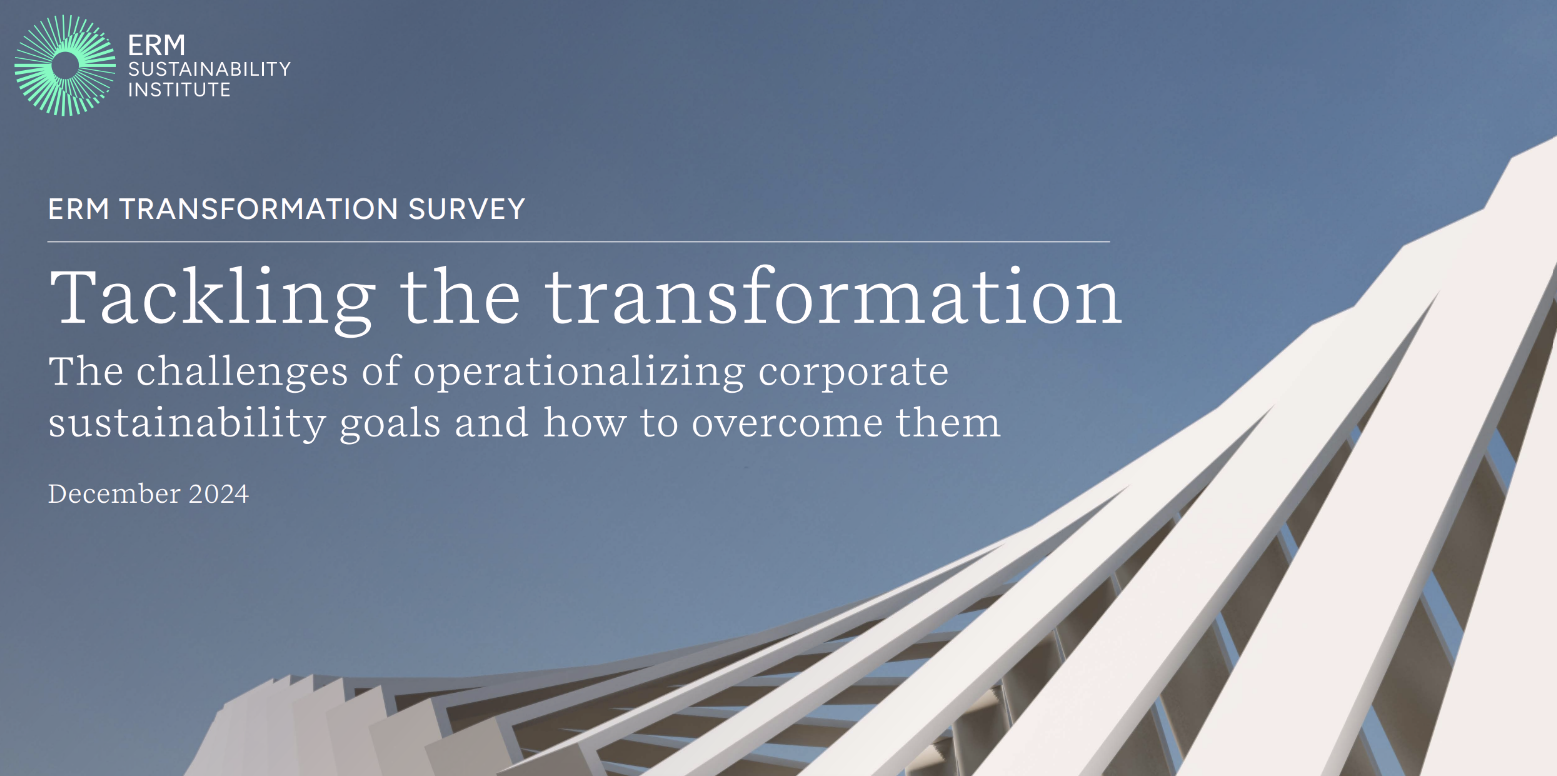
Tackling the transformation: The challenges of operationalizing corporate sustainability goals and how to overcome them
ERM’s Transformation Survey analyses global corporate progress in operationalising sustainability goals. It finds stronger performance on social issues than climate or nature, identifies weak sustainability-linked incentives as the main barrier, and highlights underinvestment in training, incentives, and ESG data systems.

European Finance Association
European Finance Association (EFA) is an international non-profit professional body for finance academics and practitioners. EFA brings together over 2,500 members globally. It organises annual conferences, doctoral events, and publishes the peer-reviewed Review of Finance journal.

Oxford university press
Oxford University Press (OUP) is a global academic and educational publisher. It operates as a department of the University of Oxford, producing textbooks, scholarly works, English language resources and reference works. OUP emphasises digital innovation, sustainability commitments, and broad international reach in research and education.

MDPI
MDPI (Multidisciplinary Digital Publishing Institute) is a Swiss-based publisher of open access, peer-reviewed journals, established in 1996. MDPI publishes over 470 academic journals across science, technology and medicine, with authors covering article processing charges to enable unrestricted global access.

Rockefeller Capital Management
Rockefeller Capital Management (RockCo) delivers wealth management, asset management and investment banking services grounded in the Rockefeller legacy. Serving individuals, families and institutions, RockCo emphasises bespoke financial solutions, generational wealth planning and strategic advisory — combining innovation with long-standing trust.

Research Institute of Economy, Trade and Industry (RIETI)
Research Institute of Economy, Trade and Industry (RIETI) is a Japanese policy think tank founded in 2001. RIETI conducts theoretical and empirical economic research, bridges academe and government, and offers evidence-based trade, industry and economic policy recommendations.


