
Library | ESG issues
Governance
The governance pillar in ESG (environmental, social, and governance) refers to the systems, policies, and practices that ensure an organisation is managed responsibly and ethically. It includes issues such as board structure, reporting & disclosures, shareholders & voting, and risk management. Strong governance reduces risks, enhances trust, and supports long-term business sustainability.
Refine
2256 results
REFINE
SHOW: 16


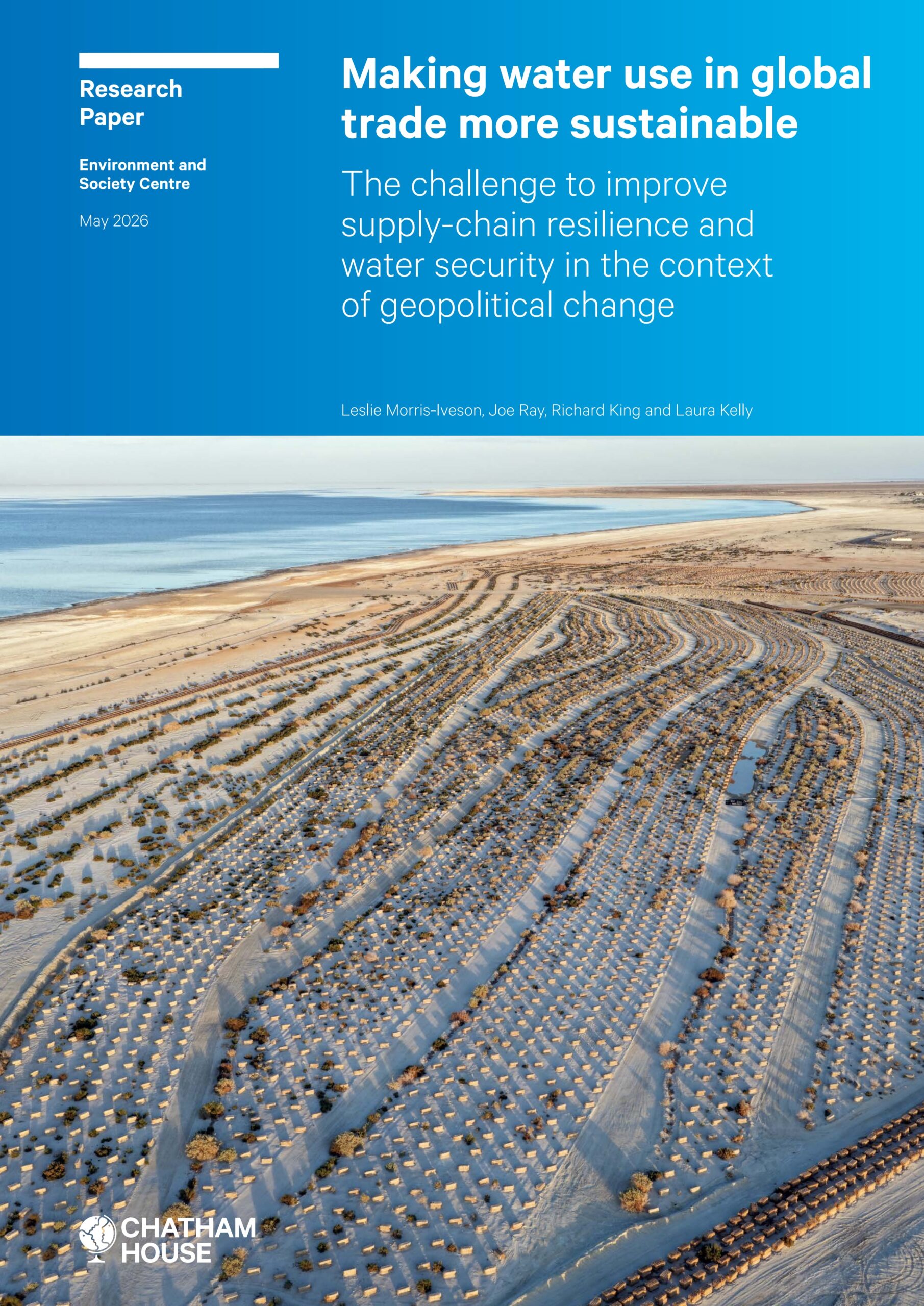
Making water use in global trade more sustainable: The challenge to improve supply-chain resilience and water security in the context of geopolitical change
This Chatham House paper examines how global supply chains drive unsustainable water use and water insecurity, particularly in the Global South. It explores 'virtual water' trade dynamics, the impact of geopolitical fragmentation on cooperative water governance, and presents 10 recommendations for governments, corporations, financial institutions and civil society.
The role of national social dialogue institutions in shaping investment policies
This ILO Working Paper examines how national social dialogue institutions across eight countries and one regional bloc shape trade, investment and responsible business conduct policies. Drawing on eleven case studies, it identifies emerging practices, key challenges including unclear mandates and limited resources, and policy options for strengthening institutional effectiveness.
Leading the charge: Turning risk into reward with a circular economy for EV batteries and critical minerals
This report by the Ellen MacArthur Foundation examines systemic risks in the EV battery value chain and sets out a circular economy framework, identifying five bright spots — battery design, rightsizing, circular business models, regional infrastructure, and data transparency — to build resilience and reduce critical mineral demand.
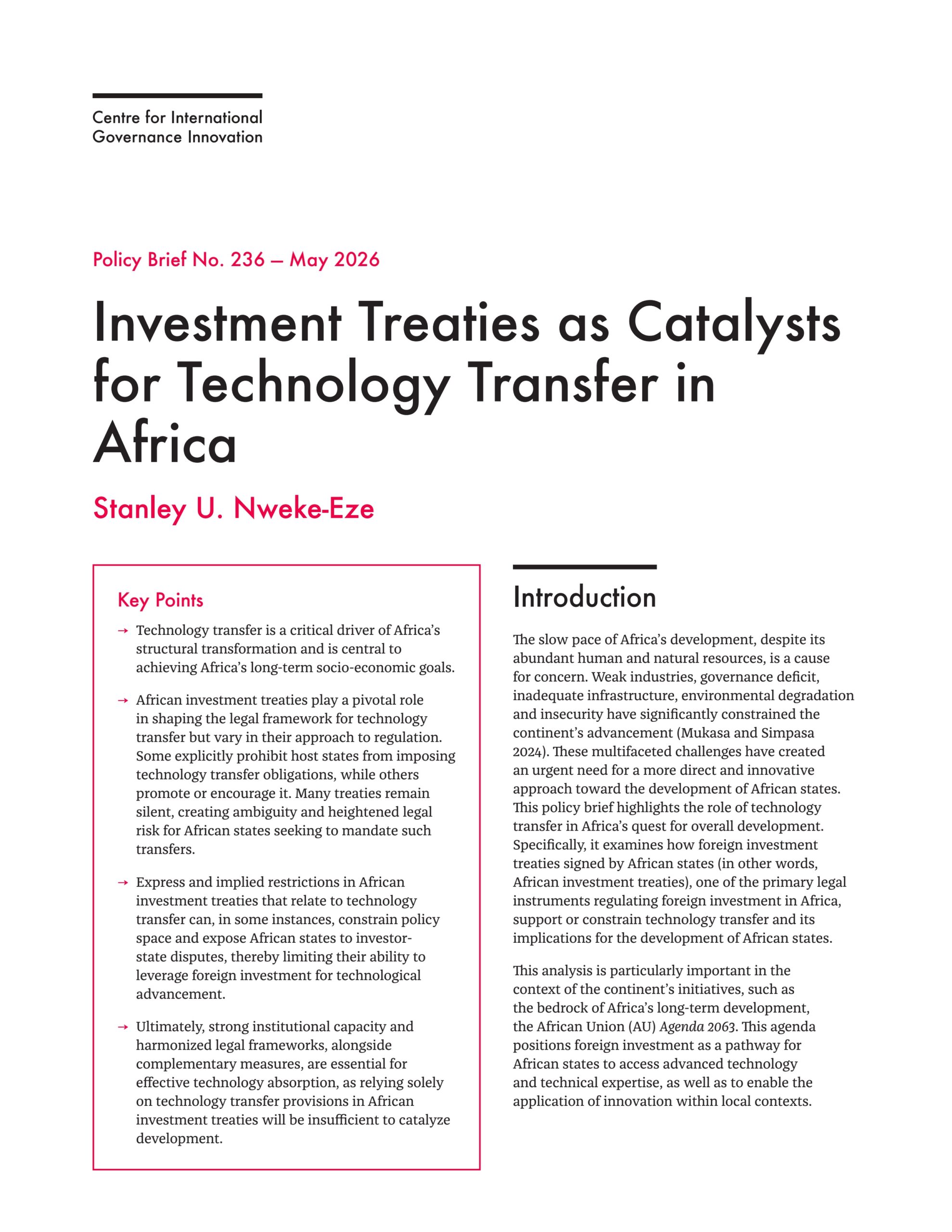
Investment treaties as catalysts for technology transfer in Africa
This policy brief analyses how African investment treaties — more than 1,000 signed to date — support or constrain technology transfer. It examines express and implied treaty restrictions, associated investor-state dispute risks, and recommends that African states adopt precisely drafted provisions and strengthen institutional capacity to enable meaningful technological advancement.
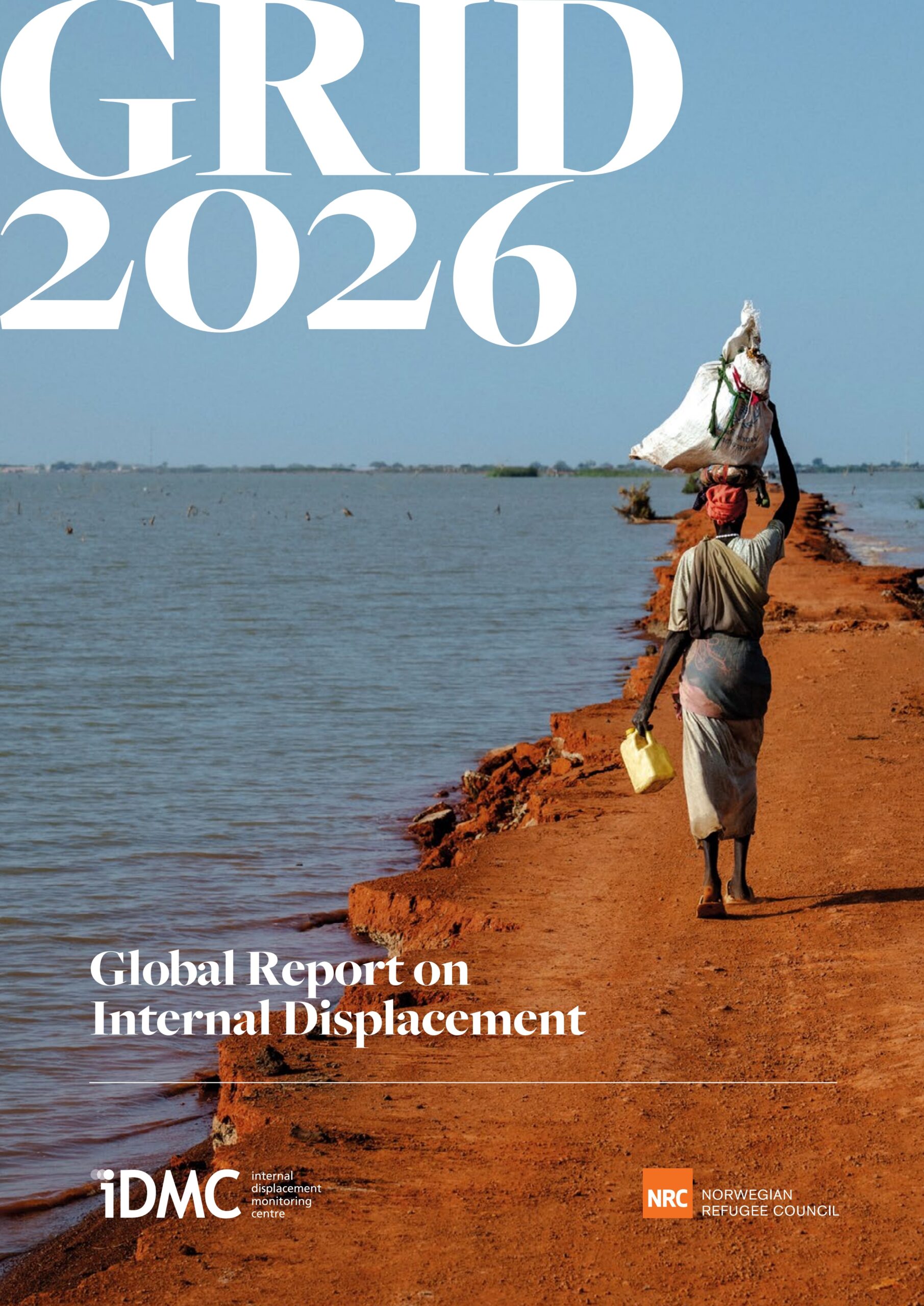
Global report on internal displacement series
The Global Report on Internal Displacement (GRID) is an annual benchmark series published by the Internal Displacement Monitoring Centre (IDMC). It tracks the scale, drivers, and geography of internal displacement worldwide, covering both conflict- and disaster-driven movements across countries and regions.
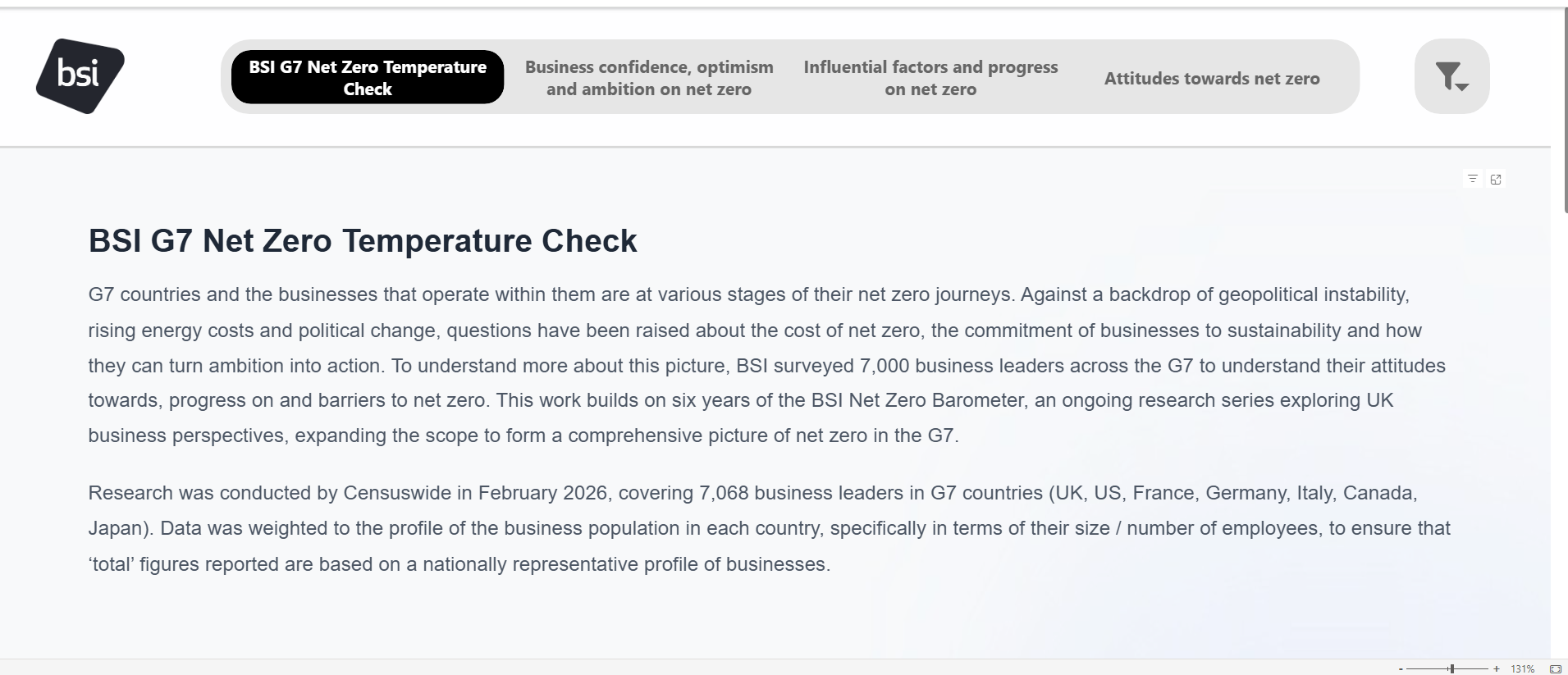
The G7 Net Zero Temperature Check
BSI's G7 Net Zero Temperature Check benchmarks corporate net zero progress across G7 nations, surveying over 7,000 business leaders on climate strategy and commitments.
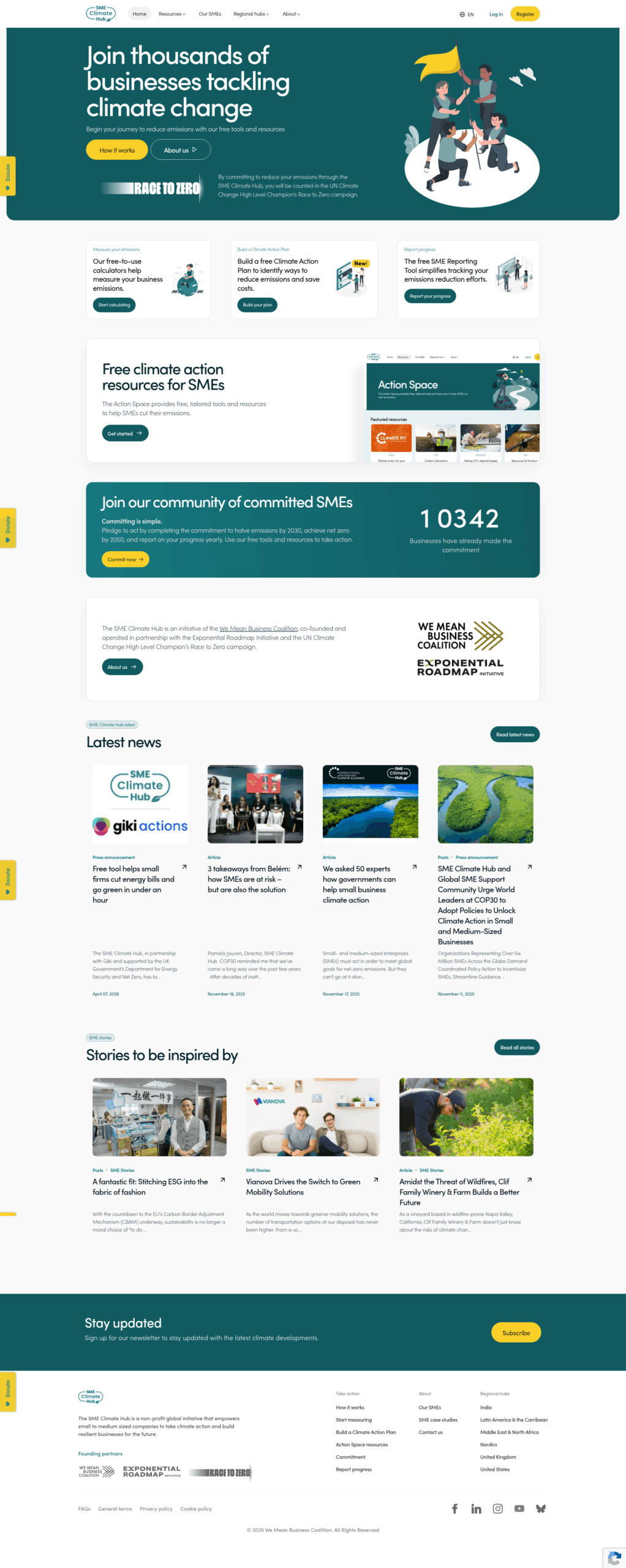
SME Climate Hub
Free platform helping SMEs measure emissions, build climate action plans, and report progress toward net zero by 2050.
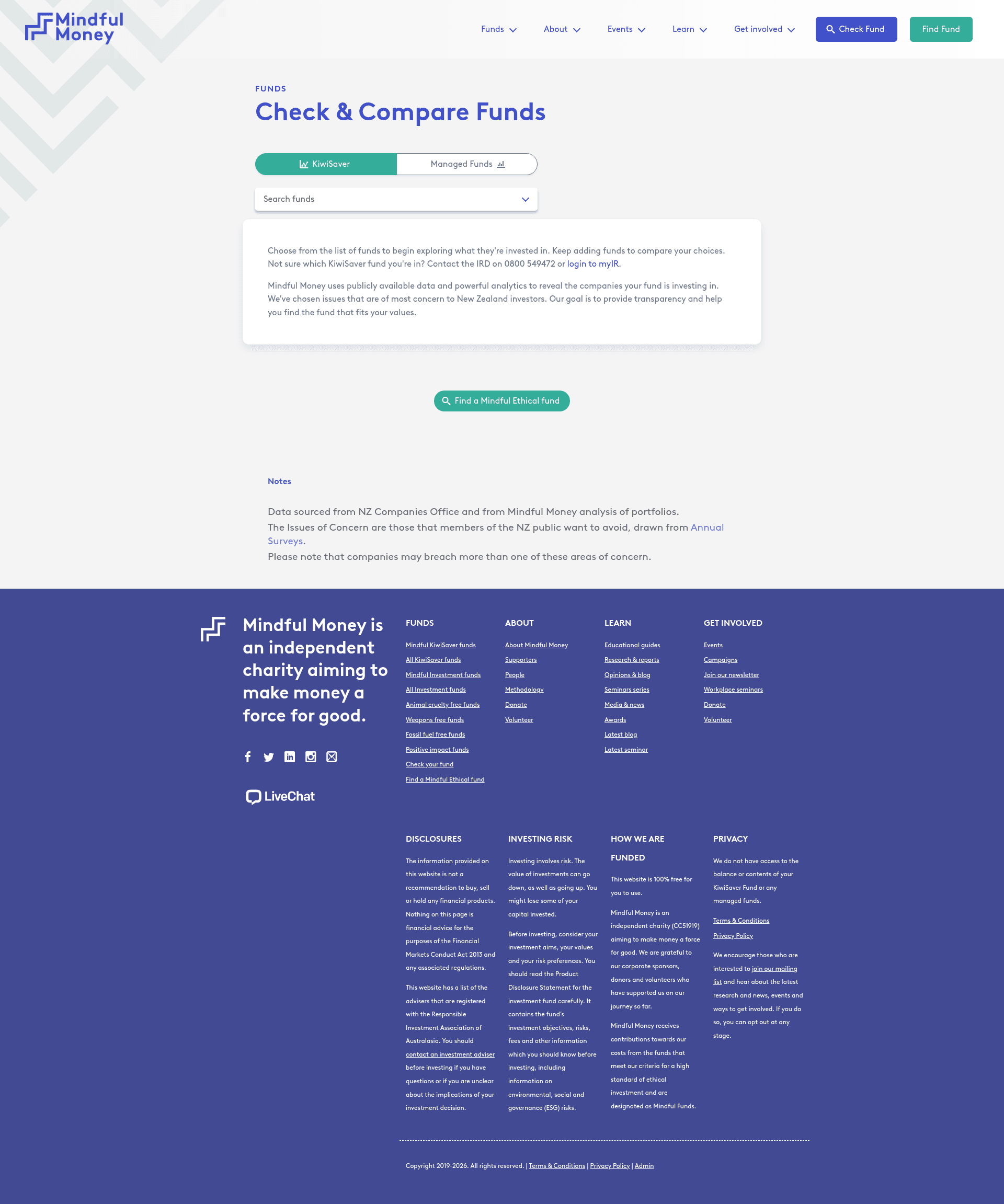
Mindful Money Fund Checker
Free NZ tool to check and compare KiwiSaver funds against ethical issues of concern using publicly available data and portfolio analytics.
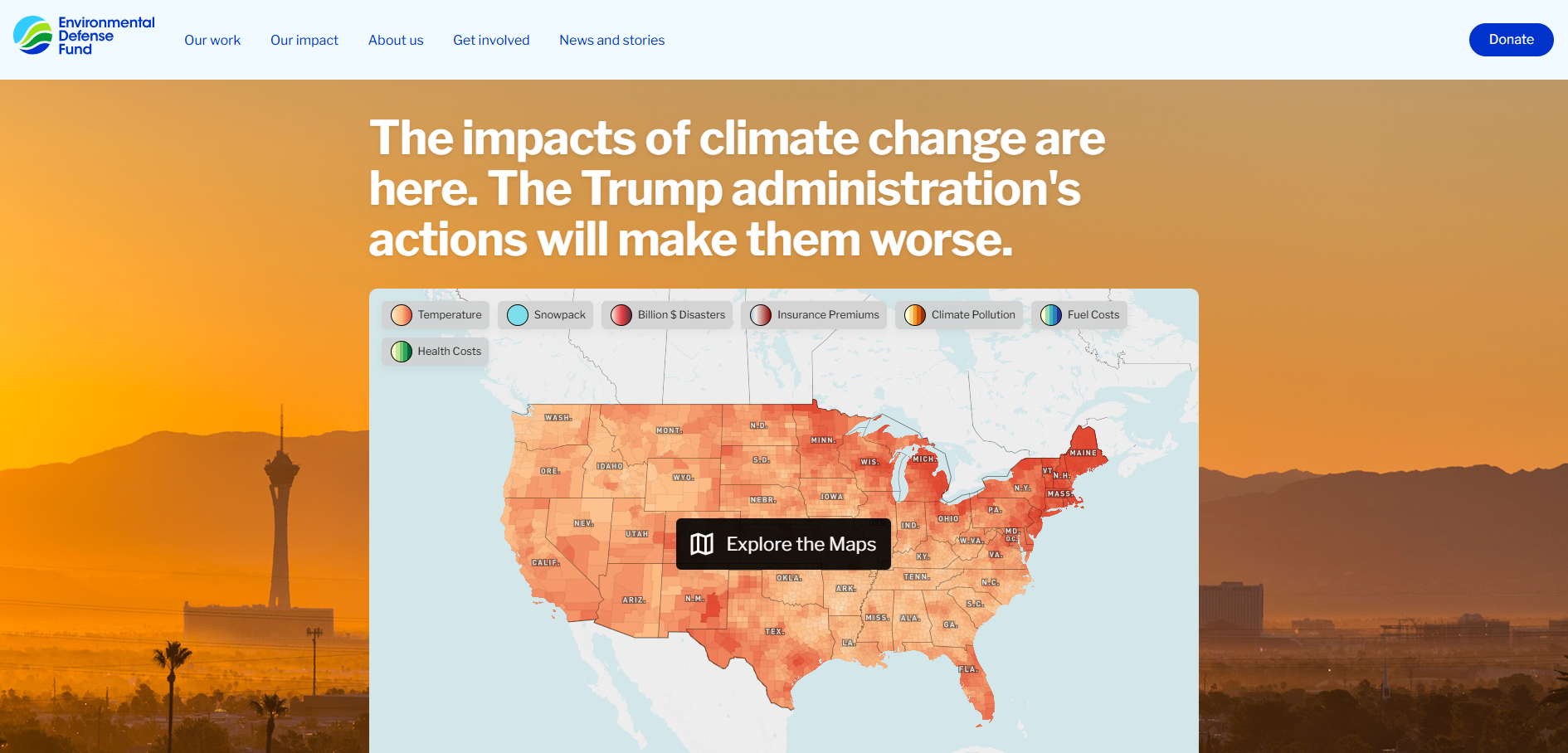
Trump climate endangerment stories
This interactive mapping tool from the Environmental Defense Fund (EDF) combines climate data and community stories to show how climate change is affecting temperatures, water resources, disaster losses, insurance costs and public health across the United States. It also illustrates the projected impacts of changes to federal climate pollution regulations.
Digital Policy Hub
The Digital Policy Hub, hosted by the Centre for International Governance Innovation (CIGI), is a research and policy platform focused on the governance of transformative technologies. It supports research, analysis and collaboration on topics including artificial intelligence, data governance, digital security, democracy, outer space and environmental impacts of digitalisation.
Modeling ghost GDP: Macro-financial risk and diversified portfolios in the age of artificial intelligence, automation, and populism
This PDI working paper stress-tests four AI-driven labour displacement scenarios against US macro-financial data, modelling cascading losses across household debt, corporate credit, equities, pensions, insurance, and fiscal channels. Total economy-wide value at risk ranges from approximately $15–18 trillion (Light) to $62–72 trillion (Aggressive). Predistributive mechanisms are proposed as structural solutions.
National climate change risk assessment for Aotearoa New Zealand series
This benchmark series provides a comprehensive evaluation of climate change risks across Aotearoa New Zealand. It assesses vulnerabilities within the natural environment, built infrastructure, economy, society, and governance frameworks. The series serves as a critical resource for guiding long-term adaptation planning, resilient investment, and strategic policy development.
The accountability framework operational guidance series
The Accountability Framework Operational Guidance series provides practical guidance for companies on implementing responsible agricultural and forestry supply chains. The series covers environmental protection, human rights, workers’ rights, Indigenous Peoples’ and local communities’ rights, supply chain management, reporting, remediation, and compliance with voluntary commitments and applicable law.
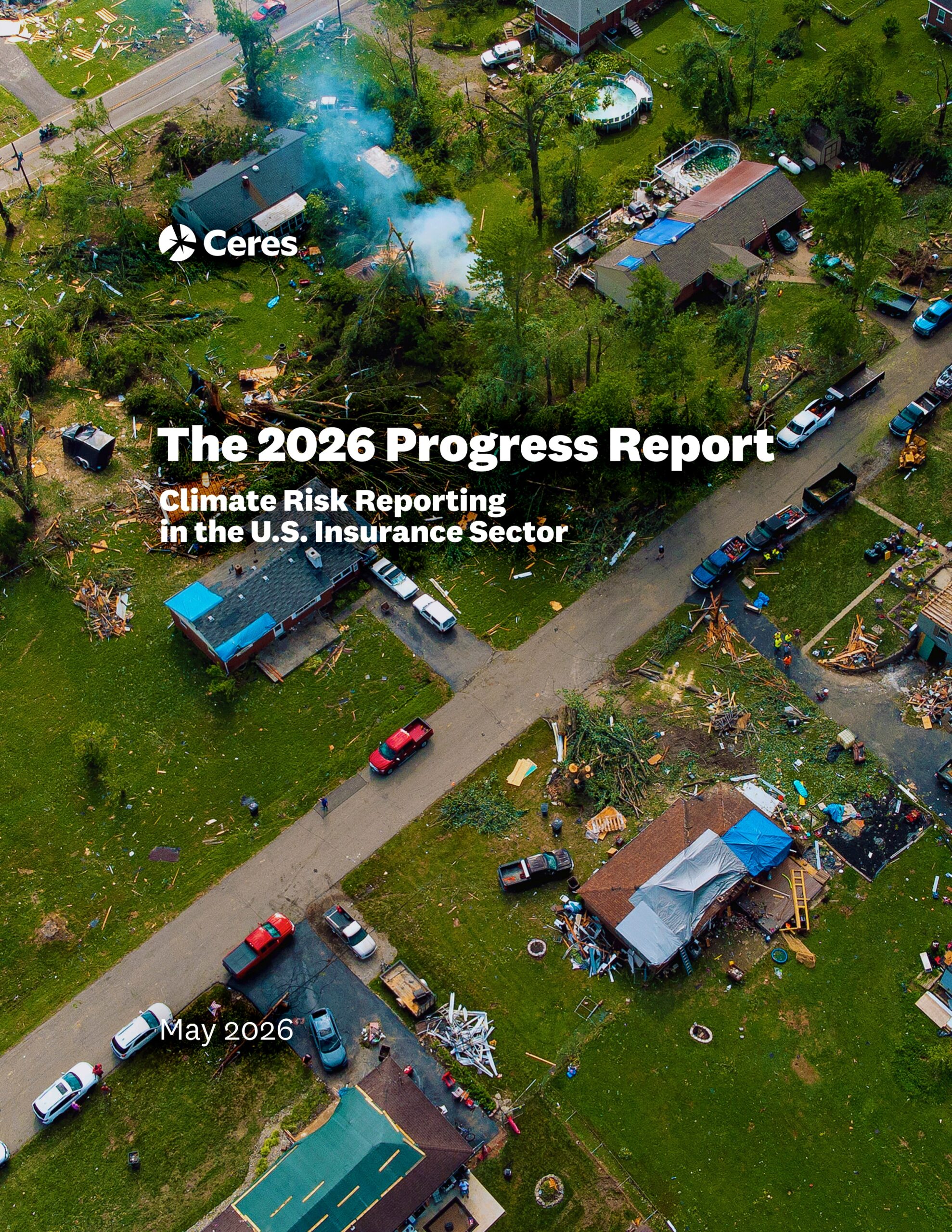
The progress report: Climate risk reporting in the U.S. insurance sector series
This benchmark series assesses the quality and comprehensiveness of climate risk reporting by U.S. insurance companies against the Task Force on Climate-related Financial Disclosures (TCFD) framework. It tracks industry-wide reporting practices, disclosure maturity, governance, strategy, risk management, and metrics over time to evaluate progress in climate-related financial risk disclosure.
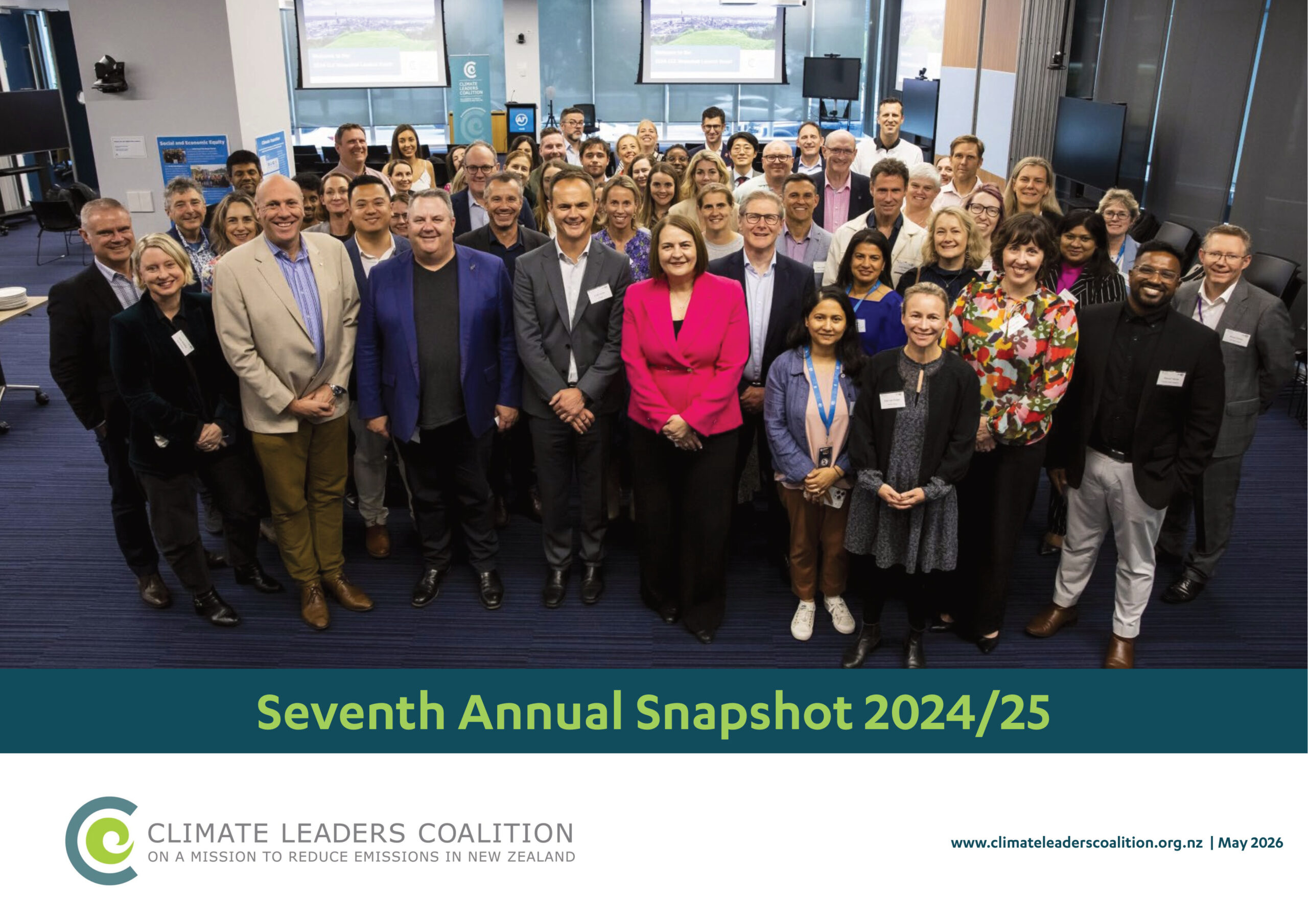
Annual snapshot series
This benchmark series provides annual snapshots of the Climate Leaders Coalition, tracking how New Zealand businesses are progressing on climate action. It outlines signatories’ commitments, emissions management, climate risk and resilience efforts, collaboration initiatives, and leadership activities supporting the transition to a low-emissions economy.
Navigating global risks in the Pacific 2026
A Pacific-focused commentary drawing on the World Economic Forum's Global Risks Report 2026, examining how geopolitical fragmentation, digital transformation, climate volatility and workforce pressures are reshaping operating environments across Australia, New Zealand and the broader Pacific region.


