
Library | ESG issues
Governance
The governance pillar in ESG (environmental, social, and governance) refers to the systems, policies, and practices that ensure an organisation is managed responsibly and ethically. It includes issues such as board structure, reporting & disclosures, shareholders & voting, and risk management. Strong governance reduces risks, enhances trust, and supports long-term business sustainability.
Refine
2256 results
REFINE
SHOW: 16


Optimal flood insurance in a second-best world: Fiscal spillovers, reclassification risk and moral hazard
This report evaluates the U.S. National Flood Insurance Program's transition to risk-based pricing. It finds that unintended consequences, such as increased ex post disaster spending and household exposure to climate uncertainty, outweigh moral hazard costs. The authors conclude that an optimal premium subsidy of 52% is required.
Systems stewardship: Managing interconnected climate risks for lasting value
This report examines how Australian investors apply systems stewardship to manage interconnected climate risks. It identifies key practices, such as collaborative engagement and policy advocacy, while highlighting barriers like resource constraints. Six recommendations are provided to help investors safeguard long-term returns and support a net-zero transition.
Why resilience starts with understanding extremes
Climate resilience requires understanding high-impact, low-probability tail risks. Rising temperatures are transforming extreme events into common occurrences. Using examples like the 2025 Los Angeles wildfires, this report advocates for assessing high-end warming scenarios and tipping points to evaluate the robustness of portfolios and assets against cascading physical risks.
Climate-related transition planning: Voluntary guidance
This voluntary guidance from the Australian Treasury helps organisations develop climate-related transition plans. It details a four-stage process—assessing position, setting ambitions, planning actions, and implementation—to manage risks and align with Australia’s net zero targets, building on international standards and domestic policy to enhance business resilience.
Empowering consumers as partners in sustainability: Case studies on financial regulation and implementation
This report by Fair Finance Asia examines financial regulation through case studies in Thailand, Pakistan, Indonesia, and Cambodia. It highlights systemic gaps in consumer protection, cybersecurity, gender-responsive inclusion, and ESG accountability. Recommendations are provided for regulators and banks to strengthen consumer engagement and promote sustainable finance practices across Asia.
Off the books: Practical guidance for business
This report provides practical guidance for Australian businesses to identify and address migrant worker exploitation. Based on a survey of 9,963 temporary visa holders, it highlights risks like ABN misclassification, casual employment, night shifts, and misleading payslips. It offers due diligence tips and remediation steps to ensure compliance.
Community energy: Hope and headwinds
This report examines the Australian community energy sector, highlighting growth to over 126 projects by 2023. It explores the tension between strong community motivations and significant economic headwinds, such as scale diseconomies and market volatility. Key findings emphasise technical expertise and de-risking strategies as essential for success.
BSI Net Zero Barometer Report Series
This benchmark series examines the UK business landscape's transition to net zero. It tracks commitment levels, drivers, and barriers among senior decision-makers. The research explores how organisations are reframing sustainability as a commercial necessity and highlights the demand for government support, financial incentives, and standardised guidance to achieve 2050 targets.
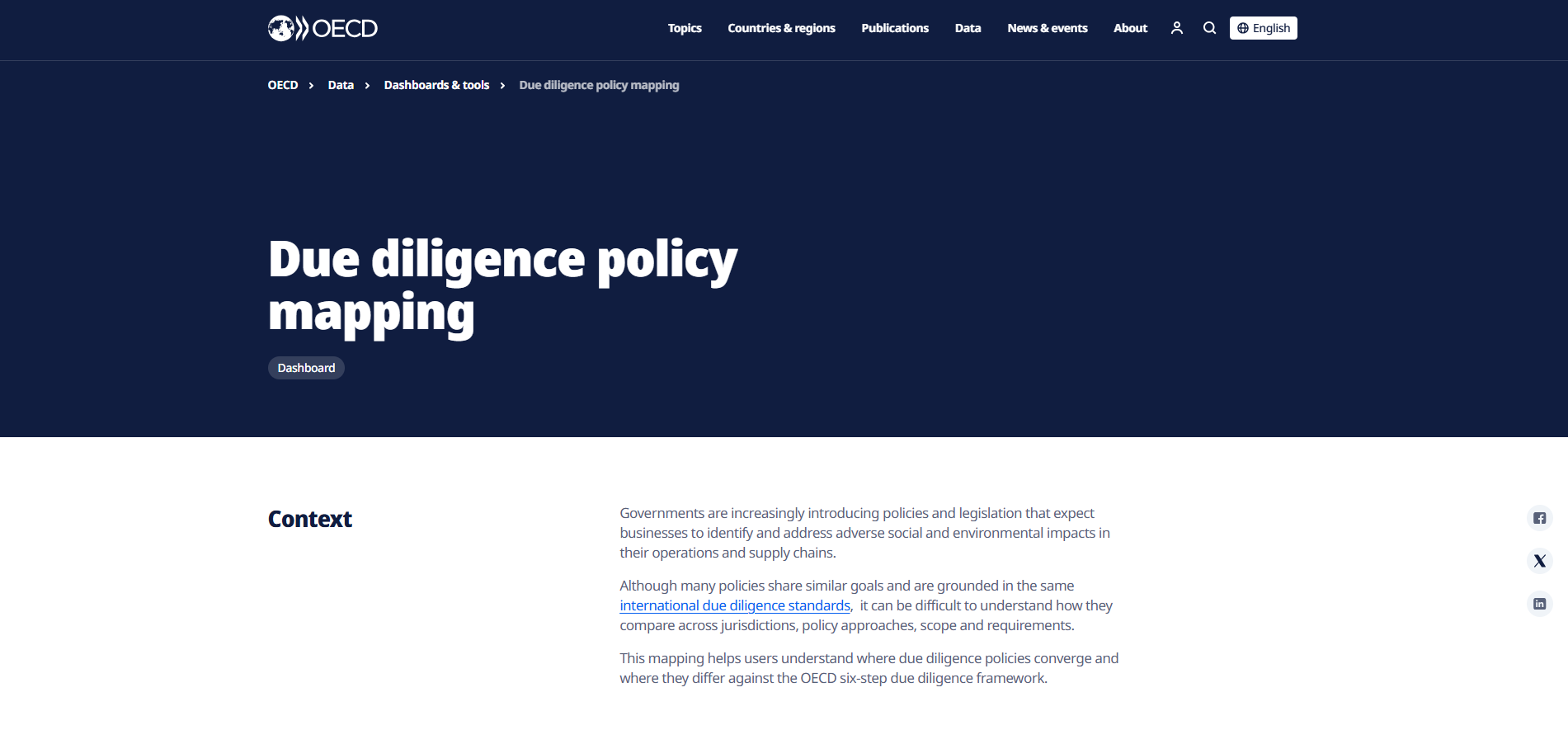
OECD Due Diligence Policy Mapping Tool
The OECD Due Diligence Policy Mapping Tool compares global responsible business conduct legislation against the OECD's six-step framework. It helps users identify regulatory convergence and differences in mandatory due diligence requirements.
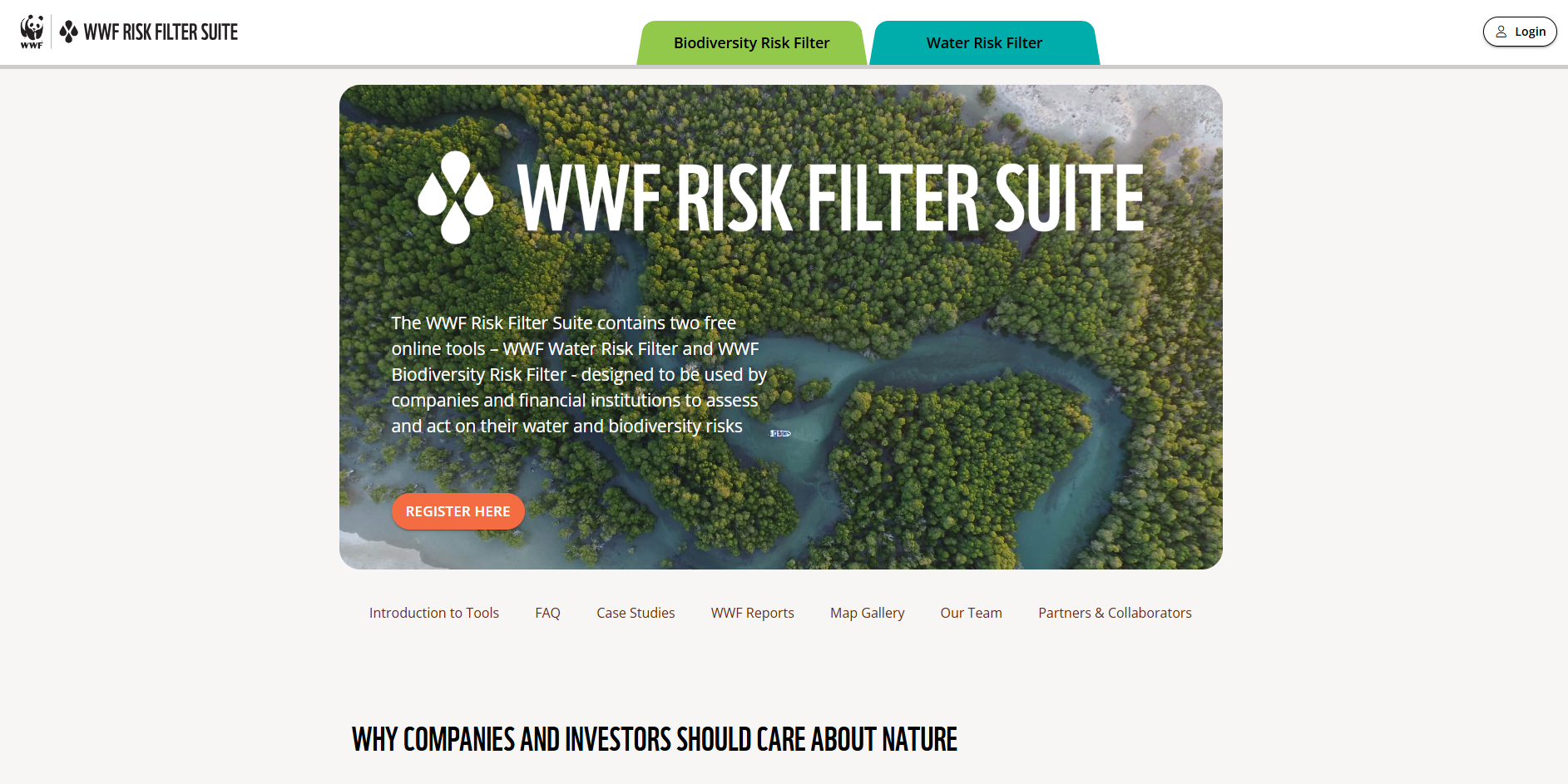
WWF Risk Filter Suite
A free online screening suite from WWF featuring Water and Biodiversity Risk Filters. It helps financial institutions and companies identify nature-related physical and regulatory risks across portfolios using 80+ global datasets.
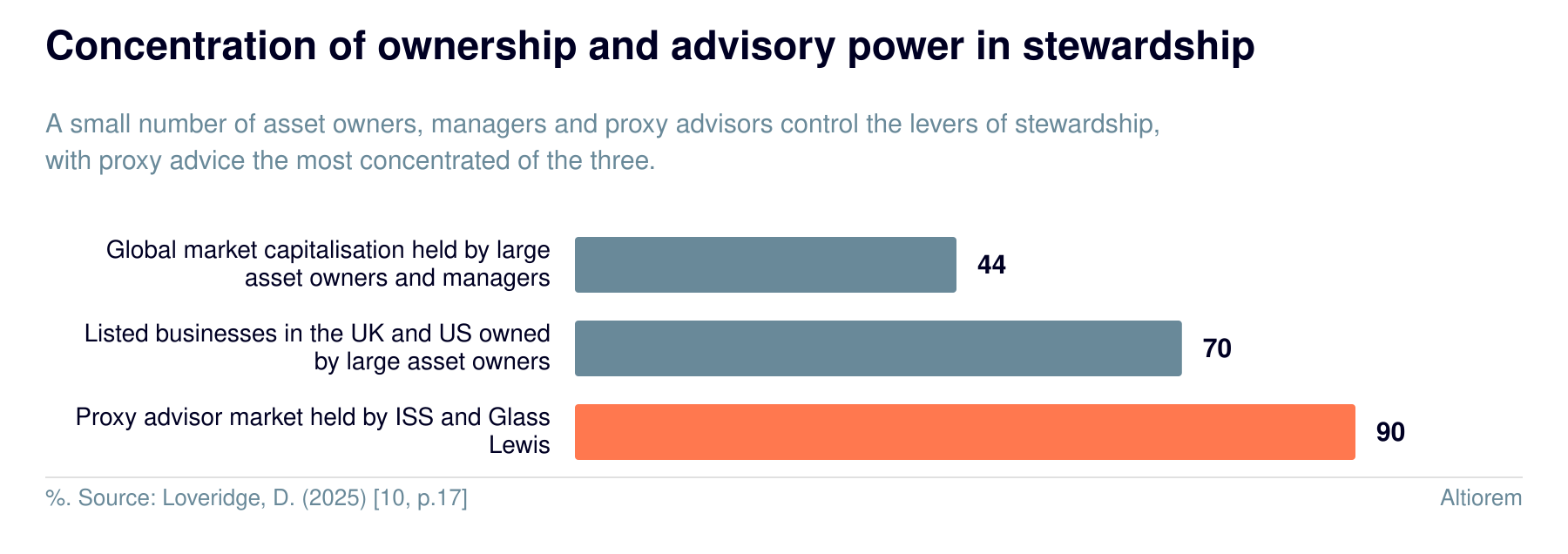
Does stewardship work in controversial sectors?
As at 2025 there were 56 stewardship codes worldwide, 49 of them jurisdiction-specific across 24 jurisdictions and six continents, yet the field has not agreed what stewardship is ultimately for. Codes and practitioner guidance converge on process: written policies, prioritisation by severity, escalation, contribution reporting. Legal scholarship published in 2026 questions whether shareholder pressure alone shifts corporate behaviour at all.
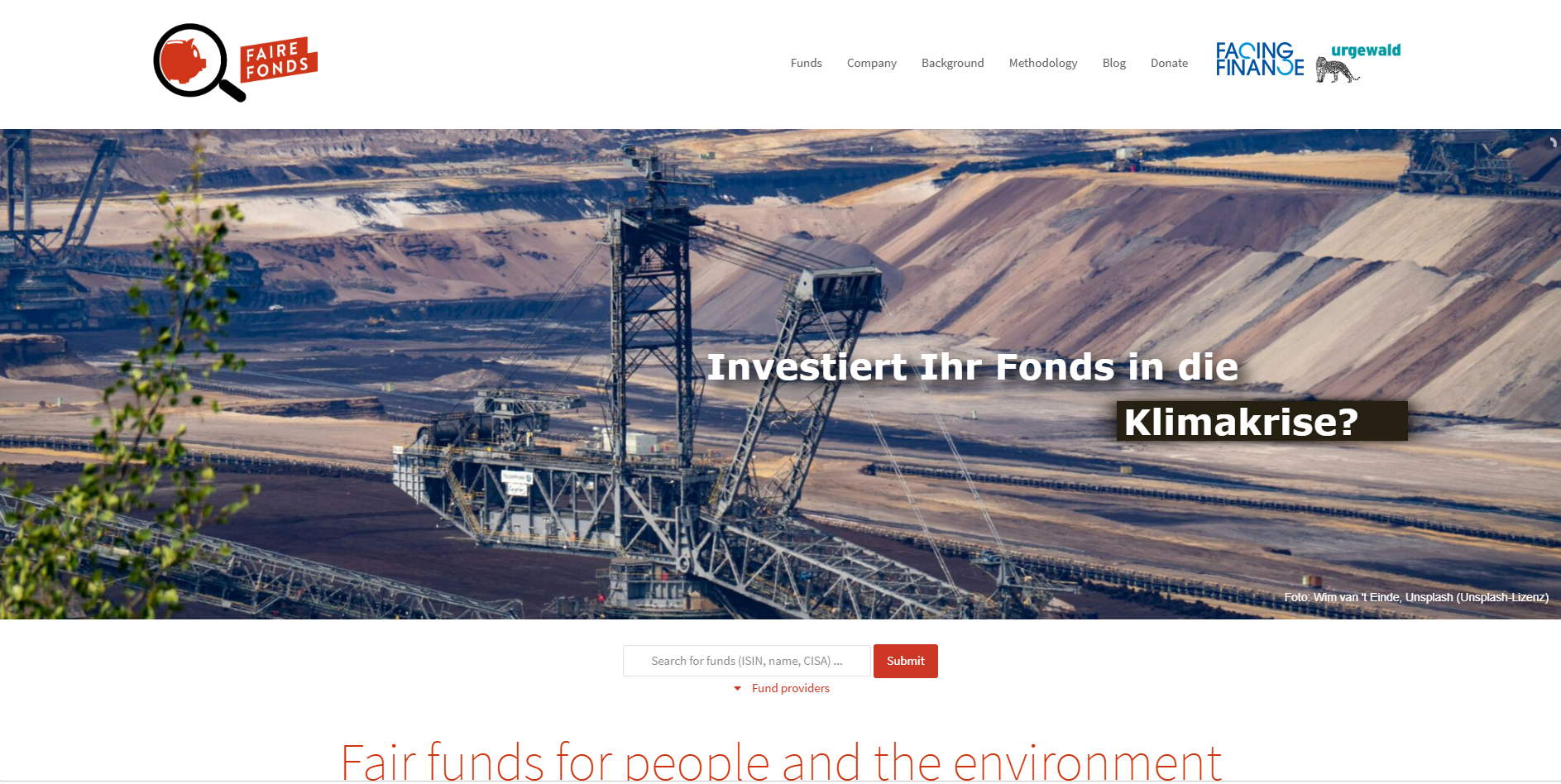
Faire Fonds Database
The Faire Fonds Database is a screening tool from Facing Finance and urgewald that analyses thousands of retail funds for controversial holdings. It identifies exposure to sectors like fossil fuels and weapons while highlighting potential greenwashing in ESG-labelled products.
What do sustainability disclosures disclose?
This research analyses over 15,000 sustainability disclosures from Russell 3000 firms. It finds that while reporting has surged since 2015, informative quality has declined. Adoption of voluntary standards yields mixed results, correlating with reduced 'fluff' but lower narrative specificity. Improvements primarily reflect selection effects rather than organisational learning.
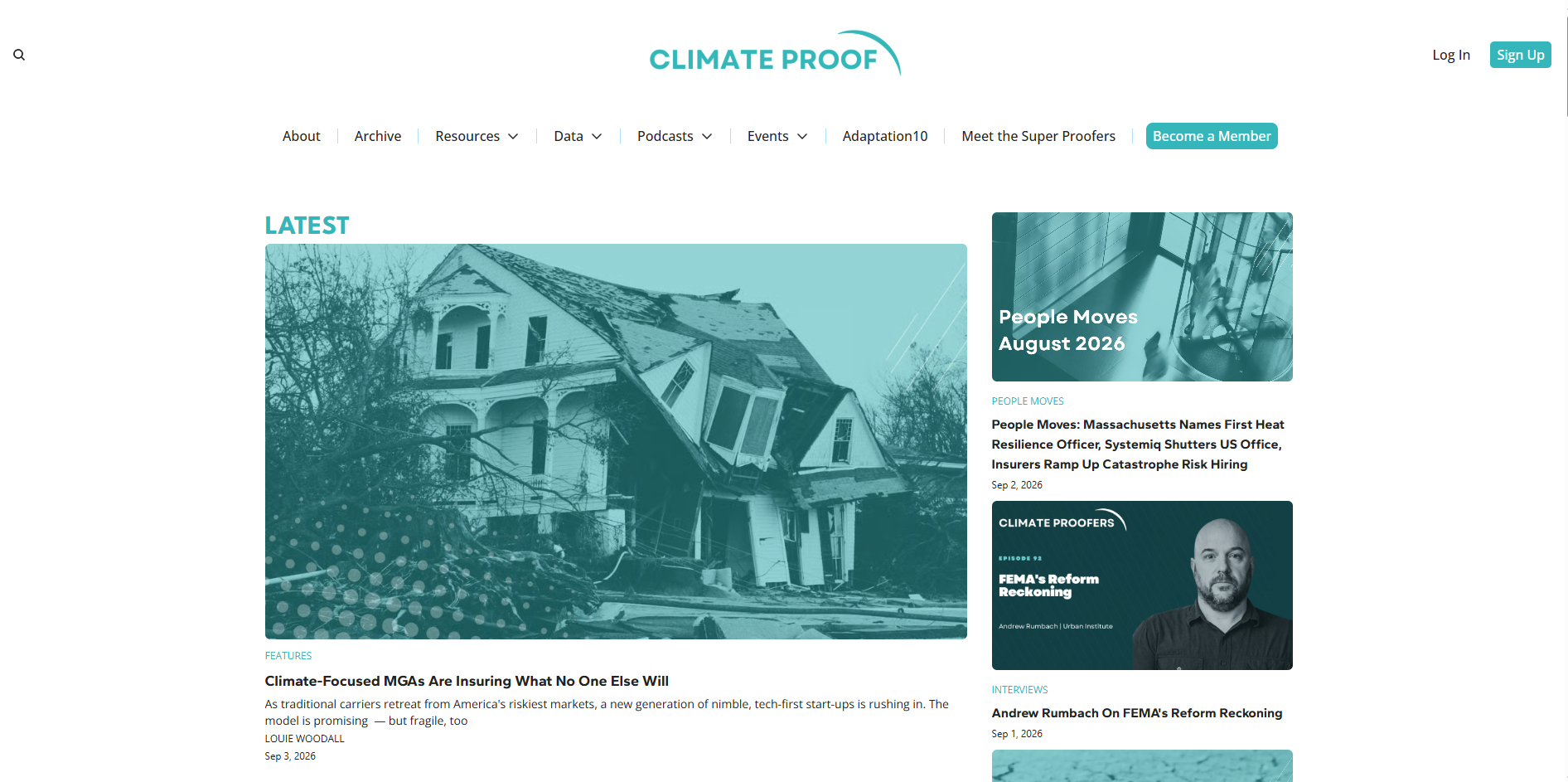
Climate Risk Signals Explorer
The Climate Risk Signals Explorer is an AI-powered analytical tool by Climate Proof that tracks climate risk mentions in corporate earnings calls, helping finance professionals monitor physical and transition risks.
SUSREG annual report series
This benchmark series provides a comprehensive assessment of sustainable financial regulations and central banking activities. It tracks progress across global jurisdictions in integrating climate, environmental, and social risks within banking, insurance, and capital markets sectors, supporting the transition towards a net-zero and nature-positive global economy.
Global EV Outlook series
This benchmark series monitors recent developments in electric mobility across the globe. Produced annually, the report examines deployment of vehicles and infrastructure, battery demand, and policy developments. It evaluates the implications of growing adoption for energy consumption and emissions across major and emerging markets.


