
Library | ESG issues
Law, Regulation & Compliance
The evolving legal and regulatory landscape financial organisations regarding Environmental, Social, and Governance (ESG) considerations comprises both voluntary frameworks and mandatory regulations. Voluntary initiatives, such as the Task Force on Climate-related Financial Disclosures (TCFD), provide guidelines for companies to disclose climate-related financial risks and opportunities. In contrast, mandatory regulations like the European Union’s Sustainable Finance Disclosure Regulation (SFDR) require financial market participants to disclose how they integrate ESG factors into their investment decisions.

Refine
715 results
REFINE
SHOW: 16


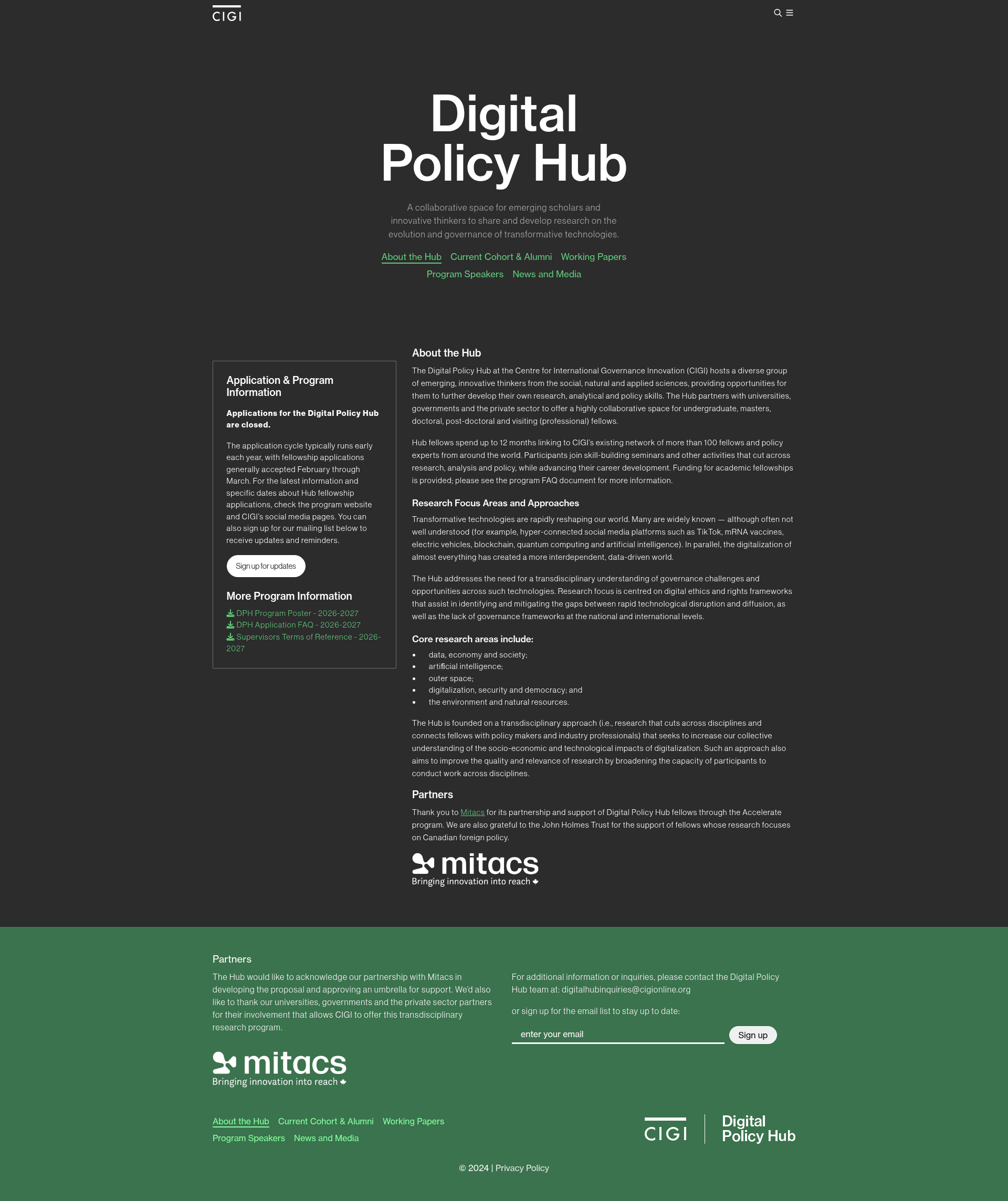
Digital Policy Hub
The Digital Policy Hub, hosted by the Centre for International Governance Innovation (CIGI), is a research and policy platform focused on the governance of transformative technologies. It supports research, analysis and collaboration on topics including artificial intelligence, data governance, digital security, democracy, outer space and environmental impacts of digitalisation.
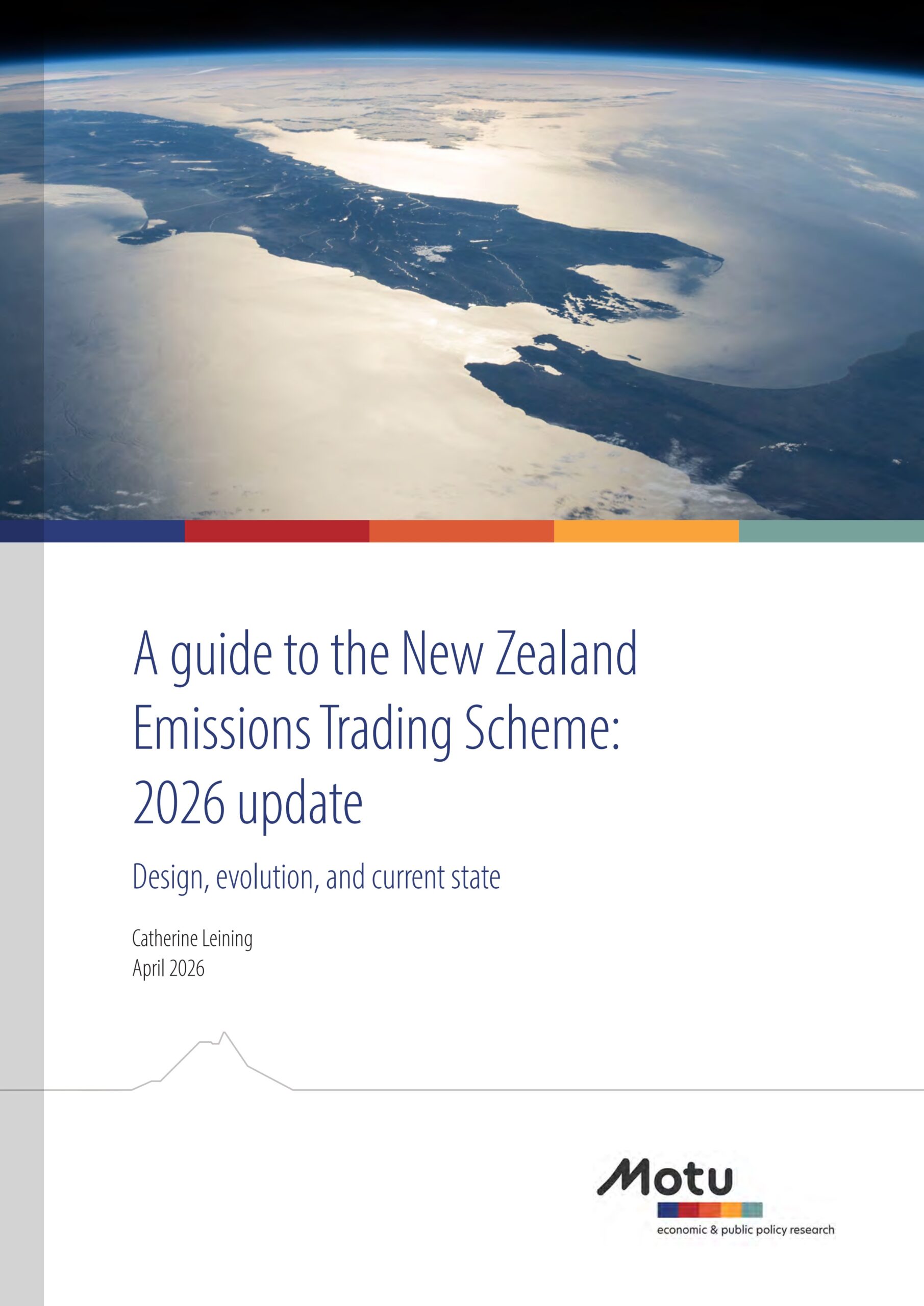
A guide to the New Zealand emissions trading scheme: 2026 update: Design, evolution, and current state
This guide outlines the design, evolution, and current state of the New Zealand Emissions Trading Scheme as of March 2026. It covers sectoral coverage, unit supply, price controls, free allocation, forestry, and emissions trends, including recent legislative changes to agricultural obligations and the 2050 biogenic methane target.

State of the Industry: Cultivated meat, seafood, and ingredients series
This benchmark series is an annual State of the Industry series that provides a global overview of the cultivated meat, seafood and ingredients sector. It tracks commercial developments, investment activity, scientific and technological progress, consumer insights, and government and regulatory developments, assessing the sector’s progress towards large-scale commercialisation and adoption.

The hidden benefit of ESG
This study examines 2,386 U.S.-listed firms from 2016 to 2021 and finds a causal link between higher ESG scores and fewer financial statement restatements in the post-2019 Business Roundtable Statement period. The findings position ESG as a rational risk management tool and challenge the premise underlying anti-ESG legislation.
Sustainability-related disclosure guidance
New Zealand's Financial Markets Authority guidance on sustainability-related disclosure for financial product issuers. Covers fair dealing obligations under the Financial Markets Conduct Act 2013, addressing greenwashing and greenhushing risks, with practical guidance on clear claims, substantiation, consistent messaging and third-party management.
Sustainable finance and corporate law: Lessons from the US
This report analyses the trajectory of sustainable finance and corporate law in the US. It focuses on the SEC's proposed climate disclosure rule and California's state-level reporting mandates, examining the political and institutional challenges these initiatives face and the implications of a federalist approach for corporate compliance.

The growth of dual-use by design research in Europe: Export control risks and challenges
This report explores how increased funding for 'dual-use by design' research in Europe blurs the line between civilian and military ecosystems. It highlights proliferation risks and identifies challenges for export controls, arguing for a broader, integrated governance framework to safeguard international research collaboration and security.
Update: Tech firms’ responses to our call for action to protect children
This report assesses tech firms' responses to regulatory demands for improved online child safety. Despite new duties, children remain exposed to harmful content via personalised feeds. While some platforms committed to enhanced age assurance and grooming protections, further action is required to enforce minimum age policies effectively.

Socially-minded investors and corporate behavior
This report examines whether socially-minded investors influence corporate behaviour through voting, managerial incentives, or identity investing. It concludes that existing channels offer limited impact and evaluates potential legal reforms, such as binding shareholder votes and mandatory disclosures, to better align corporate actions with these investors' preferences.
Study on national climate litigation
This report analyses strategic climate litigation trends across Europe, examining cases against states and corporations. It highlights key legal strategies, including human rights claims and polluter-pays mechanisms, while assessing the challenges of enforcing damages and the evolving obligations of governments and high-emitting businesses.
Reining in big tech corporations: Why platform governance requires structural regulation
This paper argues that big tech platform corporations function as state-empowered artificial legal entities rather than private contractual arrangements. Highlighting their structural and governance power, the author suggests that these organisations require structural regulation and democratic oversight to recalibrate the delegated powers granted by states.
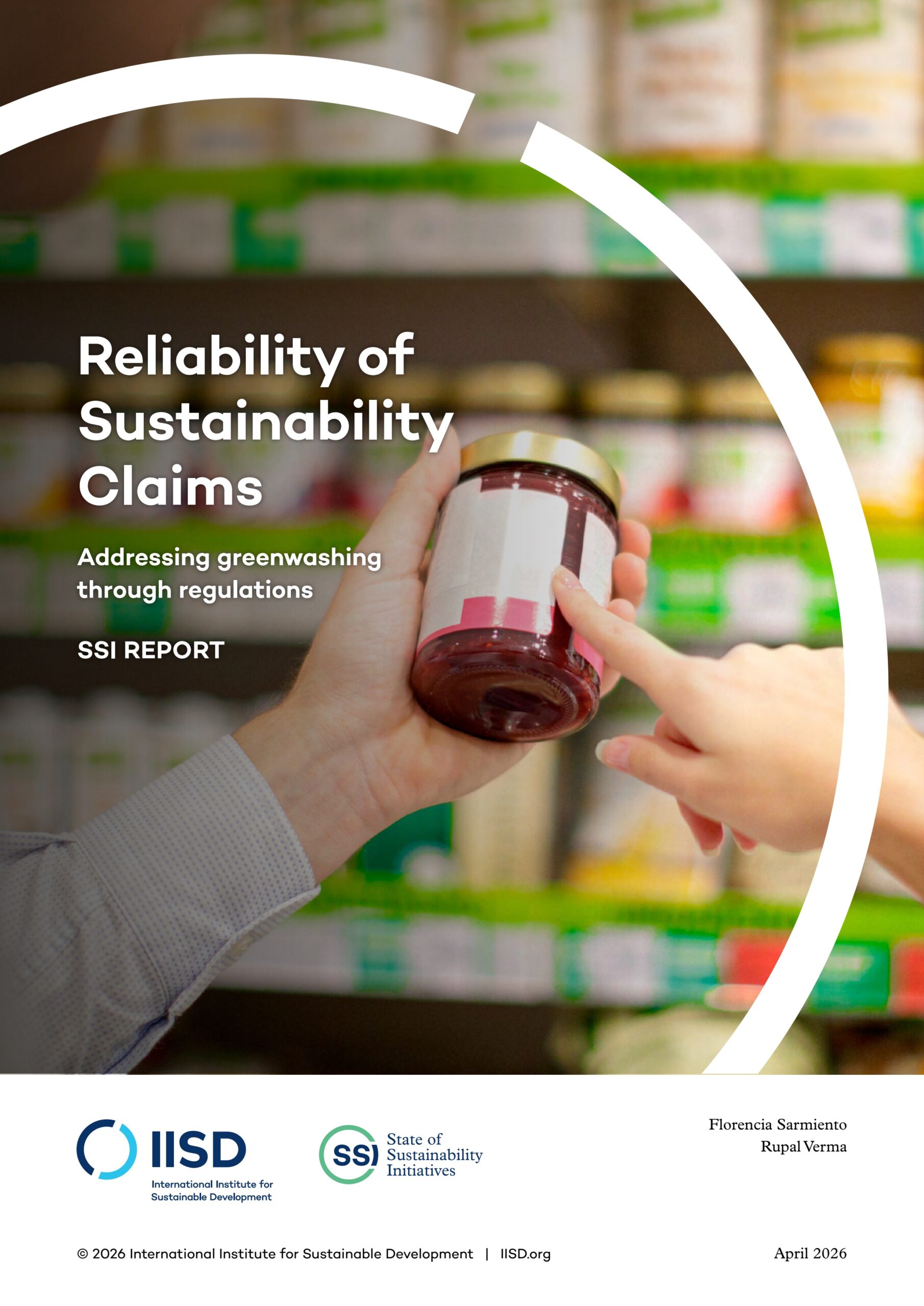
Reliability of sustainability claims: Addressing greenwashing through regulations
This report analyses 23 regulatory instruments across 12 jurisdictions to assess global responses to greenwashing. It highlights the reliance on cross-sectoral consumer protection laws and identifies challenges in substantiation. Recommendations include adopting proportionate approaches, investing in data infrastructure, and clarifying the role of voluntary sustainability standards.

Getting political finance right: Preventing corruption with UNCAC CoSP resolution 11/7
This report analyses the implications of UNCAC Resolution 11/7 on political finance, detailing key transparency measures, safeguards against illicit funding, and strategies to ensure state neutrality. It provides practical guidance for legislators and watchdogs to effectively implement oversight mechanisms and prevent corruption globally.
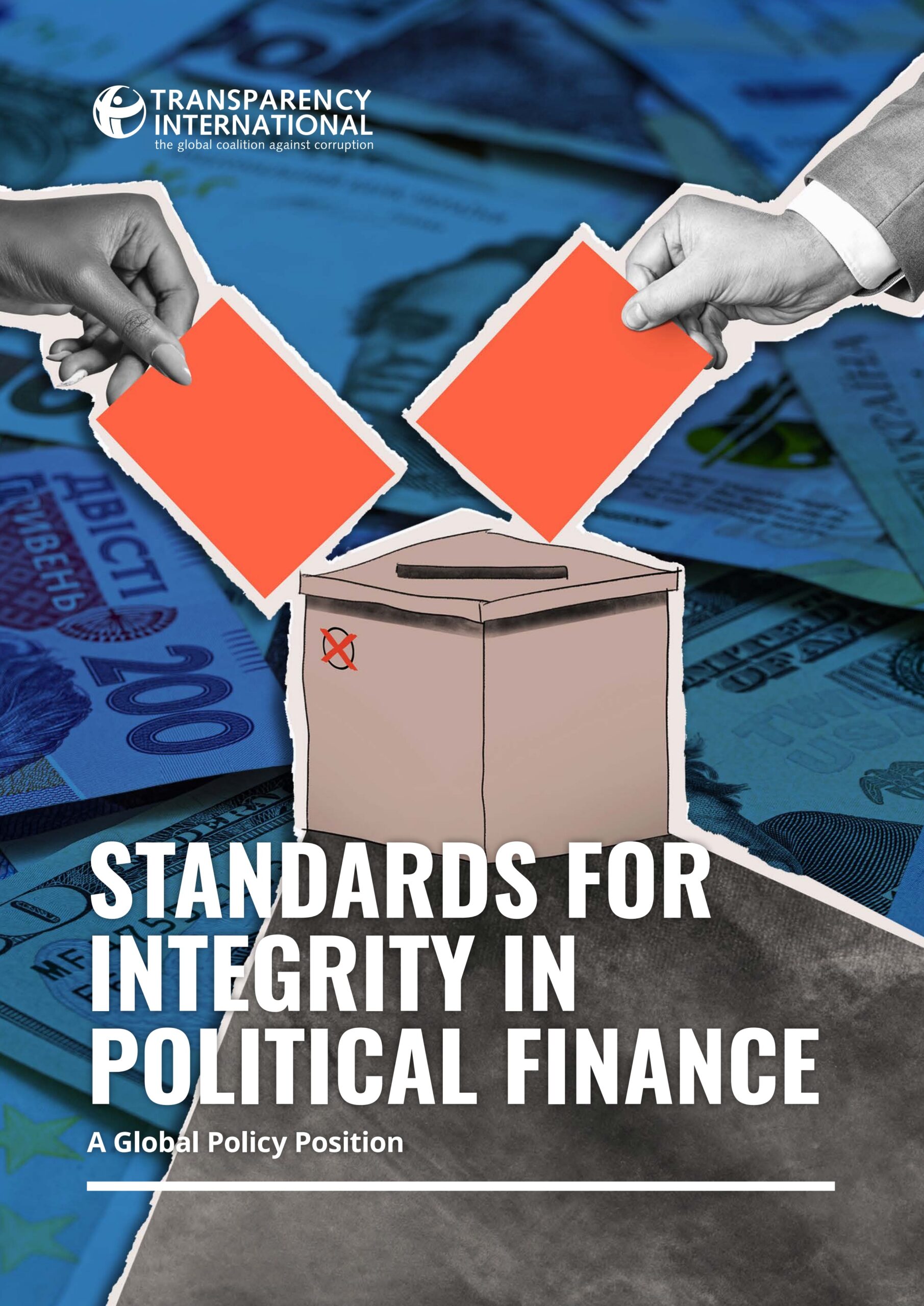
Standards for integrity in political finance: A global policy position
This report outlines global standards for integrity in political finance. It advocates for comprehensive reforms spanning transparency, limits on donations and expenditure, gender equality in funding, state neutrality, and robust accountability to prevent corruption and level the electoral playing field worldwide.
Digitalisation and innovation: Opportunities and risks for financial health
This report examines the impact of digital innovation on financial health. It outlines opportunities in payments, credit, savings, and insurance, whilst highlighting emerging risks such as fraud, overindebtedness, and ill-suited investments. The authors propose policy responses to enhance regulatory frameworks and promote responsible digitalisation in financial services.

OHCHR Knowledge Gateway
The OHCHR Knowledge Gateway provides access to human rights knowledge, practices, and resources to support implementation of international standards.


