
Library | ESG issues
Systems Thinking
Systems thinking is a holistic approach to problem-solving that focuses on how different parts of a system interact and influence each other over time. It helps leaders see beyond individual components like departments, markets, or financial statements to understand the broader dynamics, feedback loops, and long-term impacts of decisions. This perspective improves risk management, strategic planning, and operational efficiency by recognising interconnected relationships rather than isolated events.
Team Altiorem recommends

Refine
167 results
REFINE
SHOW: 16


Guidance for applying absolute environmental sustainability assessment on activities at different scales (BETA version)
Provides beta guidance for applying Absolute Environmental Sustainability Assessment, comparing activities’ environmental burdens against planetary boundaries. It outlines a three-phase, nine-step framework, supported by case studies (buildings, cement, EU consumption), and aligns with existing accounting standards while addressing methodological gaps in allocating environmental limits.
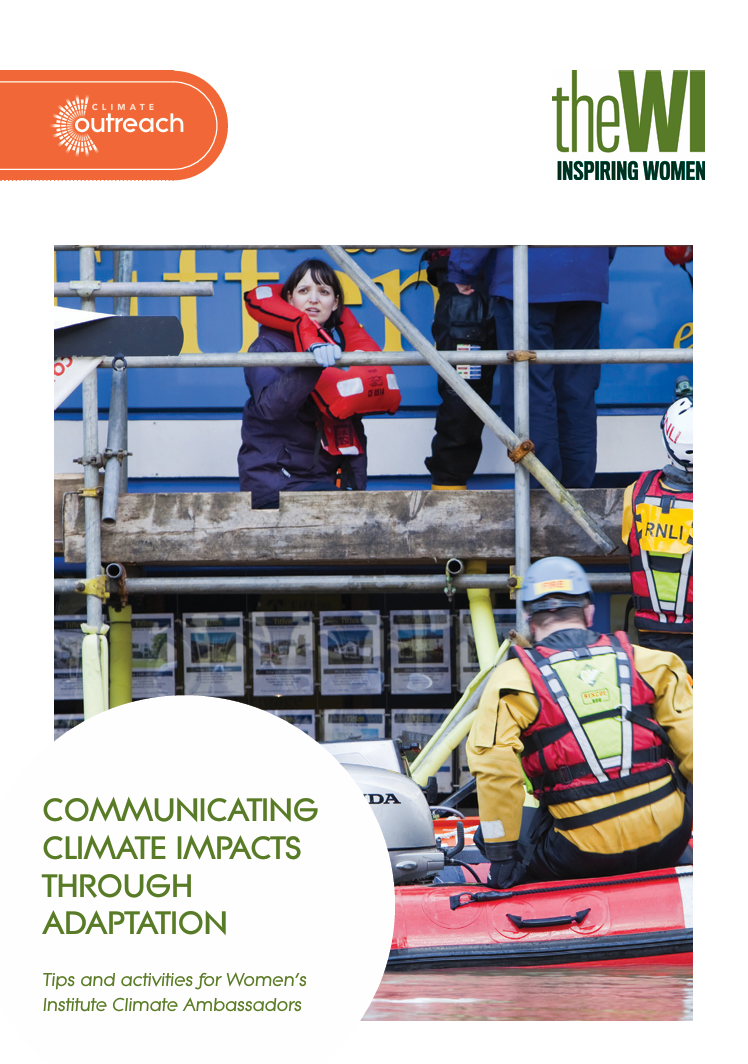
Communicating climate impacts through adaptation: Tips and activities for women's institute climate ambassadors
Guide outlines evidence-based strategies for communicating climate impacts through adaptation, emphasising values-led narratives, trusted messengers, and relatable imagery. It provides practical activities and case studies enabling community engagement on risks such as flooding, drought and heatwaves, encouraging locally relevant, action-oriented responses.
Climate-nature scenario development for financial risk assessment
This report develops integrated climate-nature scenarios for financial risk assessment, showing that combined climate and nature policies provide a fuller view of agricultural, biodiversity and ecosystem-service risks than separate approaches, with implications for central banks, supervisors and future stress-testing frameworks.
Taking the lead on climate action and sustainable development: Recommendations for strategic national transition planning at the centre of a whole-of-system climate response
The report outlines principles for national transition planning to drive a coordinated, whole-of-economy shift to net zero. It proposes five pillars—strategy, implementation, engagement, metrics and governance—to align policy, mobilise finance, enhance accountability, and support sustainable development and climate resilience.
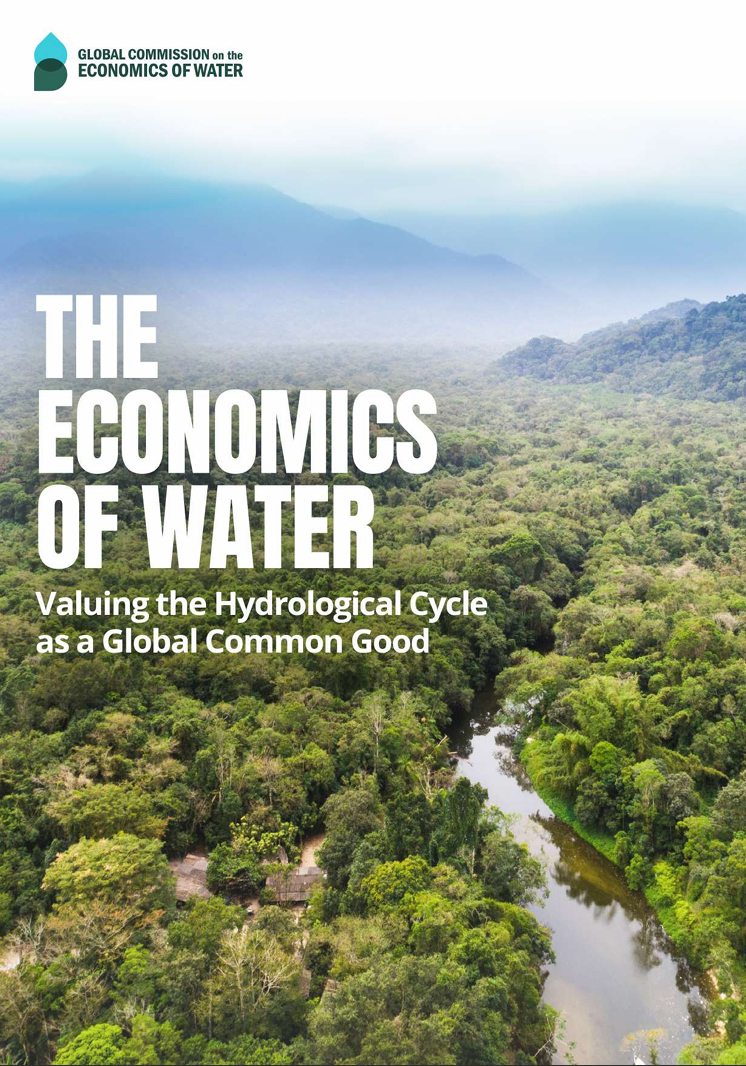
The economics of water: Valuing the hydrological cycle as a global common good
The report argues the hydrological cycle should be governed as a global common good, with water valued more accurately and managed for efficiency, equity and environmental sustainability, supported by five missions spanning food systems, ecosystems, circular water use, lower water-intensity industry, and universal safe water access. The report is produced by the Global Commission on the Economics of Water, supported by the OECD.
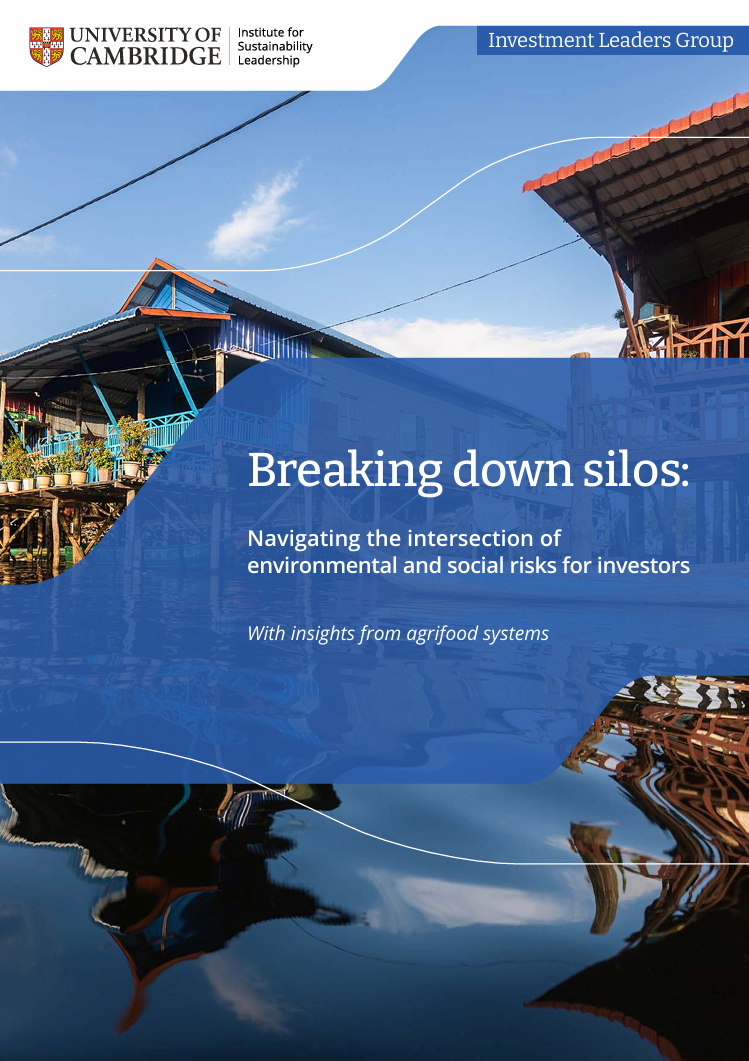
Breaking down silos: Navigating the intersection of environmental and social risks for investors
Examines how environmental and social risks interact to create compounding financial impacts for investors. Presents a systems-based framework and agrifood case study illustrating portfolio volatility, credit risk and supply disruptions. Recommends integrated risk assessment, value-chain finance, stewardship and blended finance to strengthen portfolio resilience.
A climate-aligned financial system: Leverage points for transformation
This study models the financial system’s role in climate transition using participatory system dynamics with Dutch financial actors. It identifies reinforcing feedbacks like learning, technological lock-in, finance culture and passive investment and proposes seventeen policy and institutional interventions to redirect capital towards sustainable assets and align finance with Paris Agreement goals.
Navigating the winds of change Strategic foresight and the power of weak signals
The study highlights the importance of strategic foresight in addressing complex global challenges by identifying weak signals—early indicators of potential disruptions. It suggests that integrating these signals into governance frameworks can enhance resilience against systemic risks, urging continuous monitoring and cross-agency collabouration.
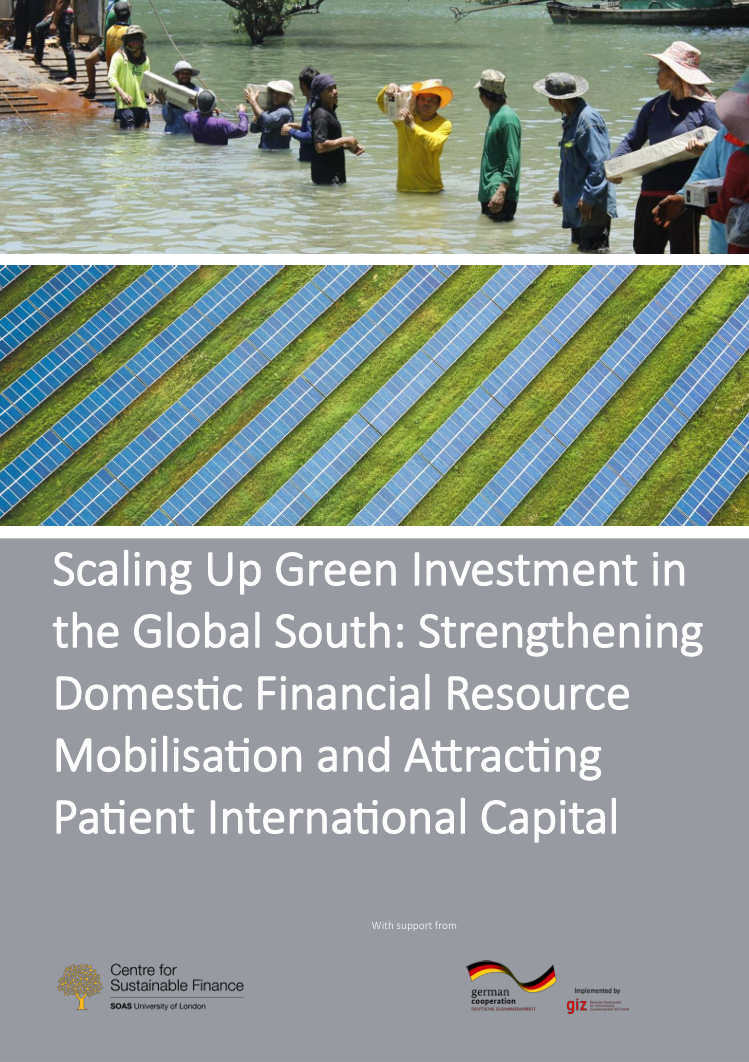
Scaling up green investment in the global south: Strengthening domestic financial resource mobilisation and attracting patient international capital
This report examines why capital flows ‘uphill’ from emerging and developing economies and argues that scaling green investment requires stronger domestic financial resource mobilisation. It recommends developing local currency bond markets, empowering national development banks, reforming multilateral development banks, and establishing a climate finance facility to attract patient international capital.
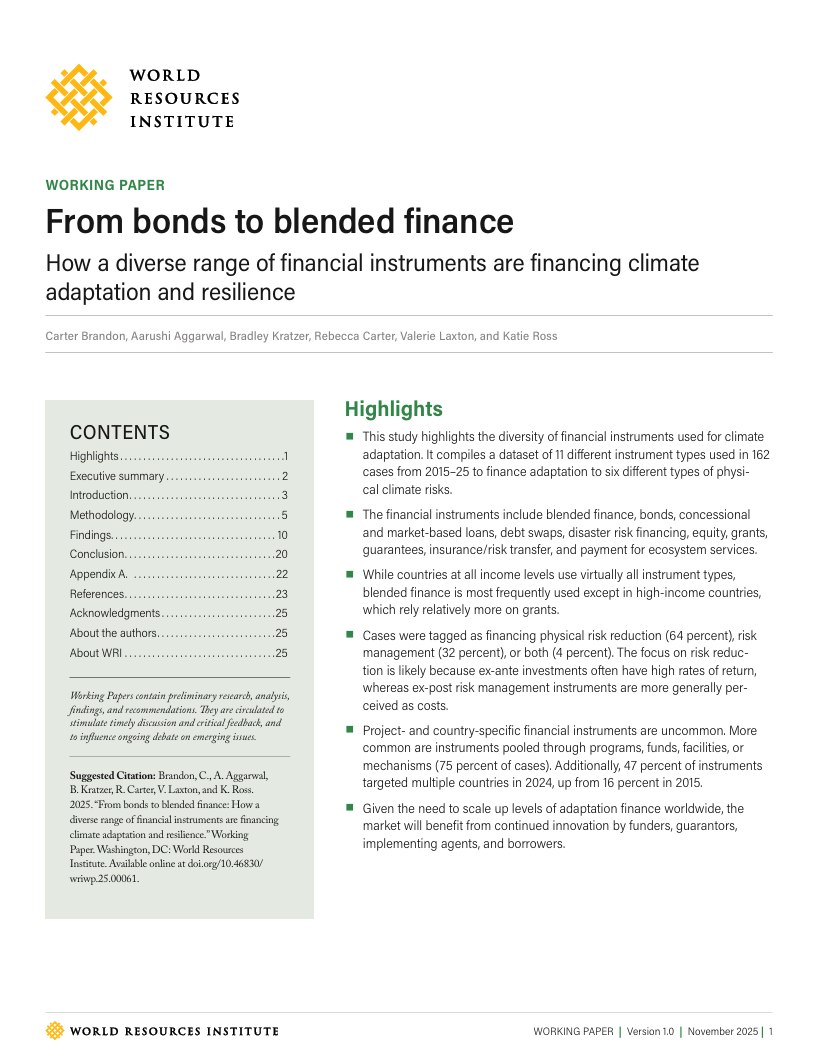
From bonds to blended Finance: How a diverse range of financial instruments are financing climate adaptation and resilience
Analyses 162 cases (2015–2025) of 11 financial instruments financing climate adaptation. Finds blended finance most prevalent, with instruments mainly supporting ex-ante risk reduction. Adaptation finance is largely pooled and increasingly multicountry. Use varies by income level, highlighting growing innovation to mobilise capital for resilience.
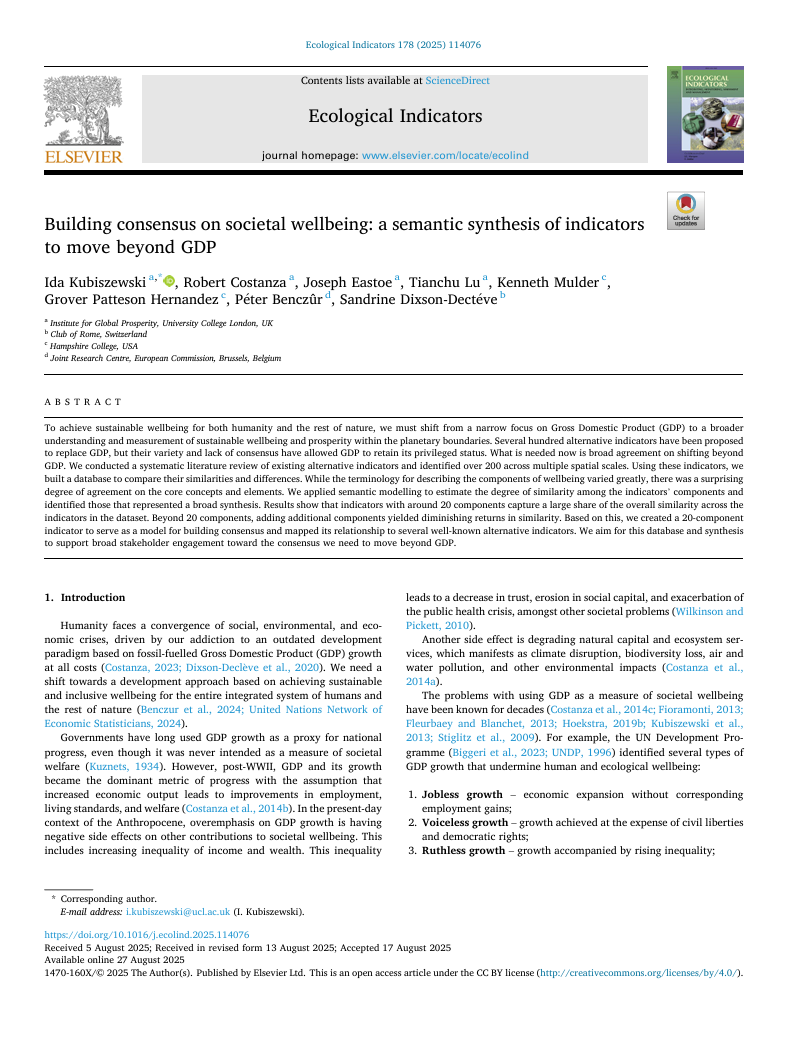
Building consensus on societal wellbeing: A semantic synthesis of indicators to move beyond GDP
Analyses 213 wellbeing indicators using semantic modelling to identify conceptual overlap and optimal design beyond GDP. Finds strong thematic convergence and diminishing returns beyond roughly 20 components. Proposes a synthesised 20-component indicator to support international consensus on measuring sustainable and inclusive wellbeing.
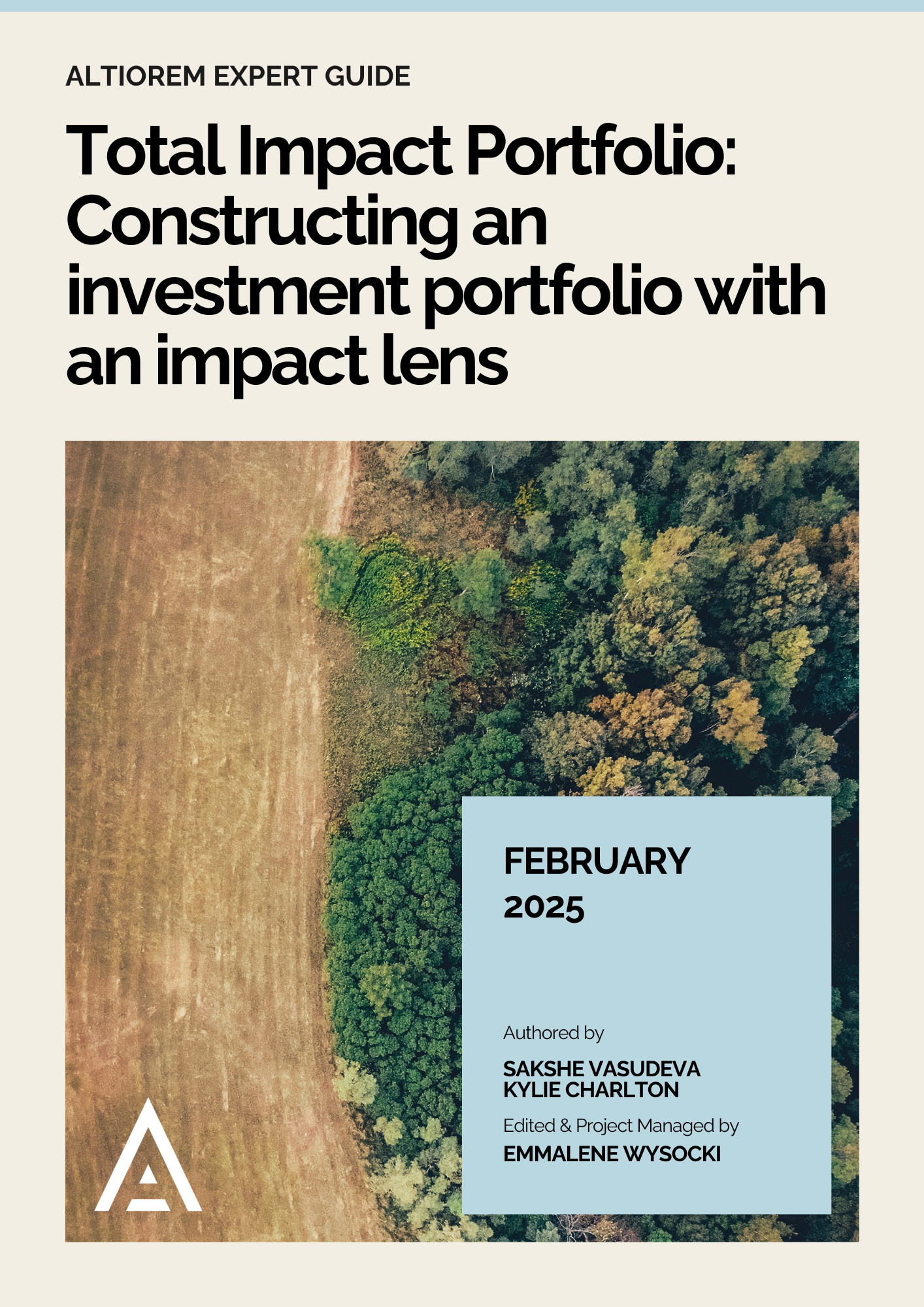
Total Impact Portfolio: Constructing an investment portfolio with an impact lens
This guide outlines constructing a Total Impact Portfolio (TIP), integrating risk, return and impact across all asset classes. It explains double materiality, portfolio design steps, responsible investment strategies, measurement frameworks and barriers. Case studies illustrate Australian and international asset owners embedding impact within governance, allocation and performance management.
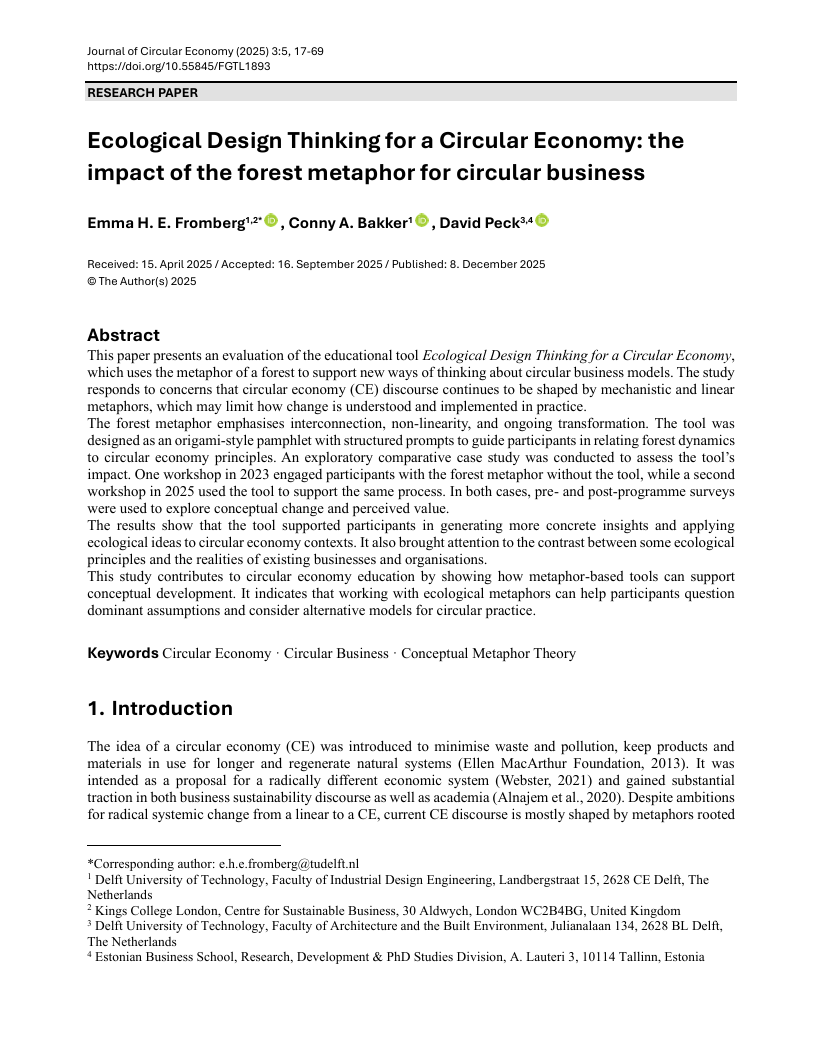
Ecological design thinking for a circular economy: The impact of the forest metaphor for circular business
Evaluates a forest-metaphor learning tool for circular economy education through comparative workshops in 2023 and 2025. Survey results show the tool deepened understanding, generated more concrete insights and increased productive tension with existing business models, supporting conceptual change and more fruitful engagement with circular business thinking.
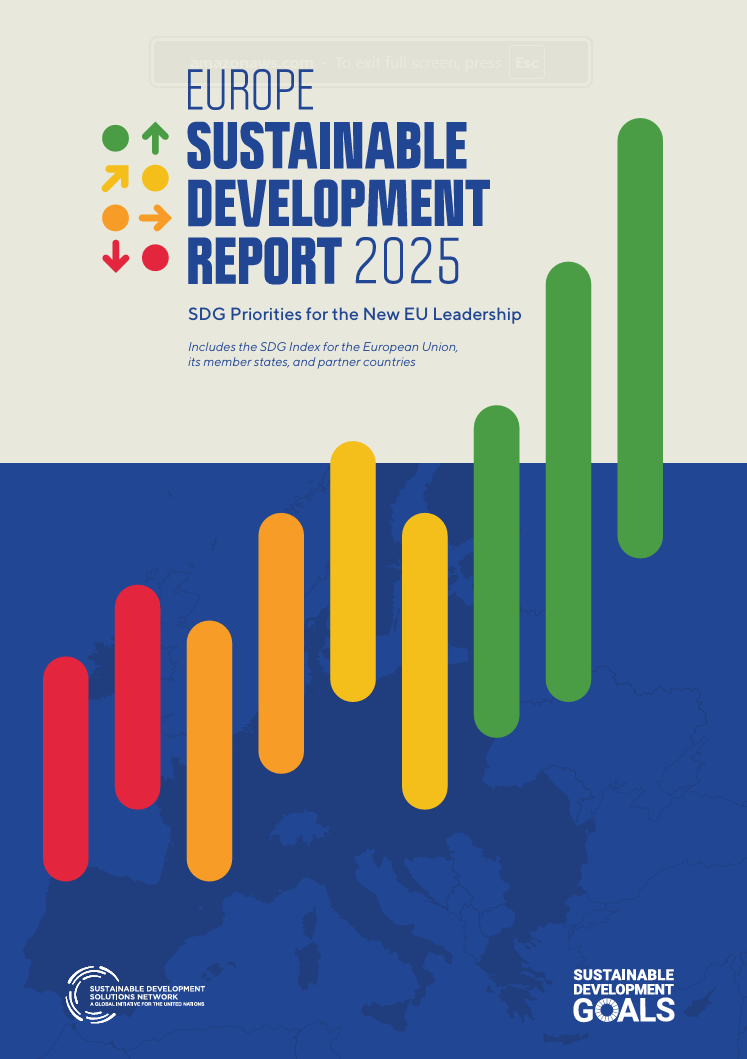
Europe sustainable development report 2025: SDG priorities for the new EU leadership
The Europe Sustainable Development Report 2025 assesses EU, EFTA, UK and candidate countries’ progress on the SDGs using updated indices. It highlights stalled convergence, rising within-country inequalities and significant international spillovers, and calls for scaled-up green, social and multilateral investment under the EU’s 2024–2029 leadership.
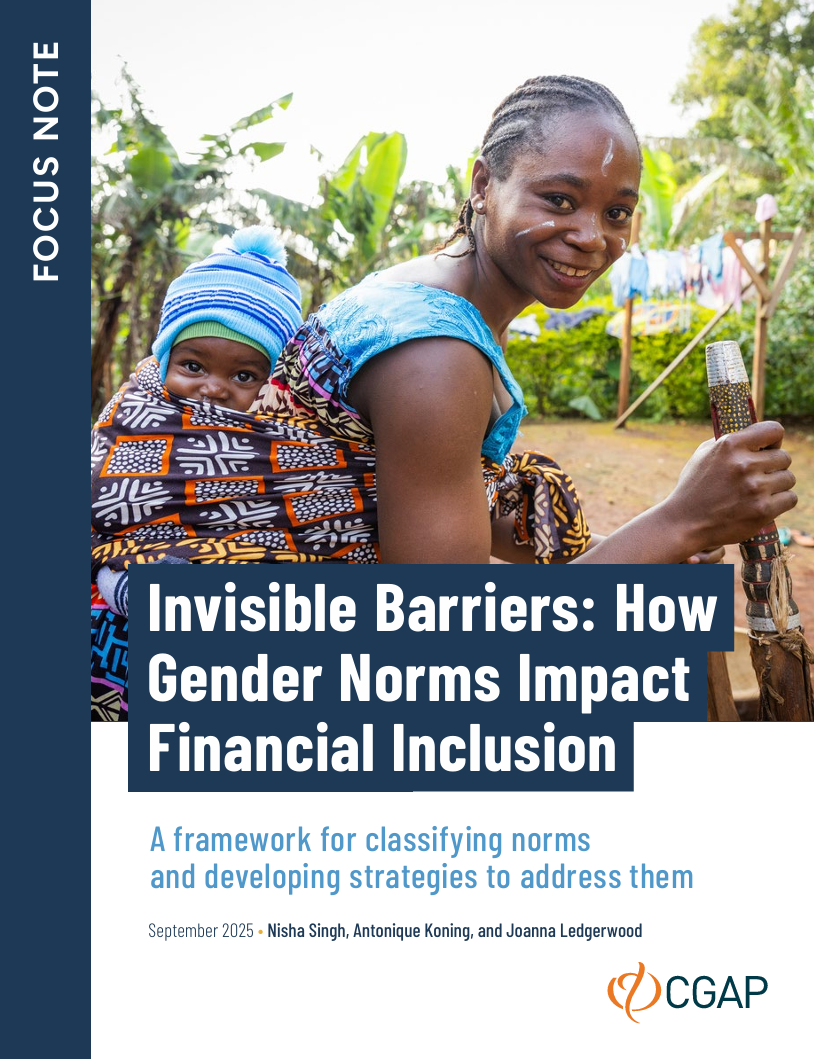
Invisible barriers: How gender norms impact financial inclusion A framework for classifying norms and developing strategies to address them
This CGAP Focus Note presents a framework classifying gender norms by strength and prevalence to address barriers to women’s financial inclusion. Drawing on diagnostics in Rwanda, Tanzania and Uganda, it outlines four intervention strategies for development and market actors to transform financial systems and advance women’s economic empowerment.
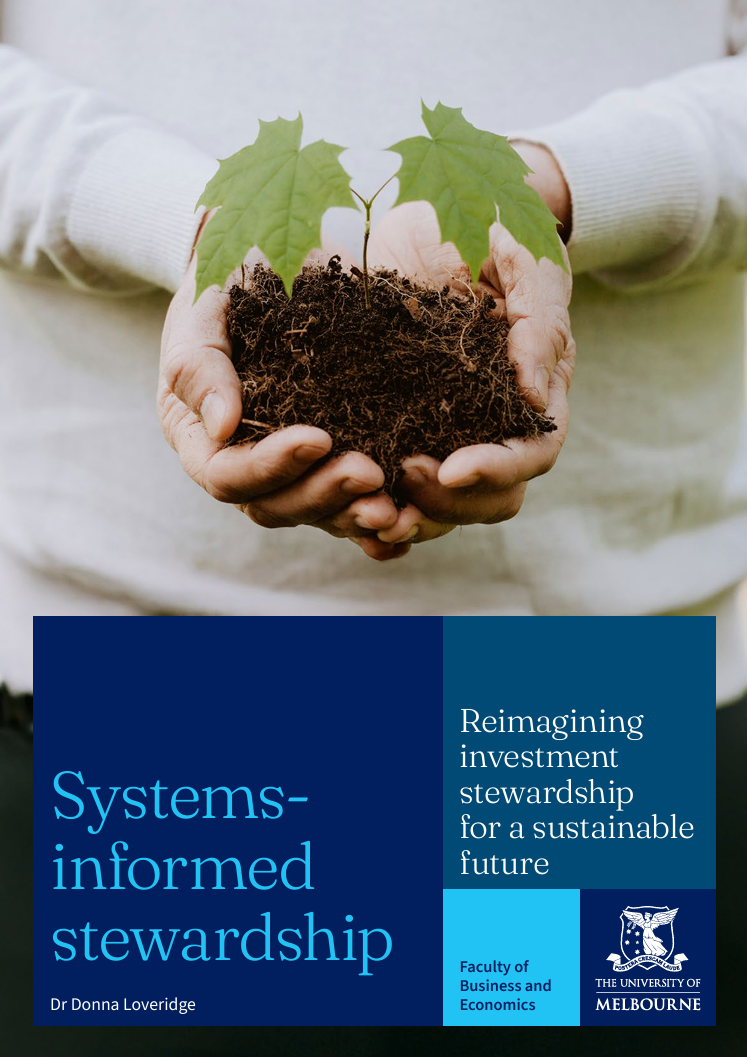
Systems-informed stewardship: Reimagining investment stewardship for a sustainable future series
This series sets out a systems-informed framework for reimagining investment stewardship. It examines stewardship as an interconnected system shaped by policies, practices, resource flows, relationships, power dynamics and mental models, and proposes practical shifts to embed responsibility, design for complexity, and manage for long-term sustainability outcomes.


