
Library | ESG issues
Systems Thinking
Systems thinking is a holistic approach to problem-solving that focuses on how different parts of a system interact and influence each other over time. It helps leaders see beyond individual components like departments, markets, or financial statements to understand the broader dynamics, feedback loops, and long-term impacts of decisions. This perspective improves risk management, strategic planning, and operational efficiency by recognising interconnected relationships rather than isolated events.
Team Altiorem recommends

Refine
167 results
REFINE
SHOW: 16


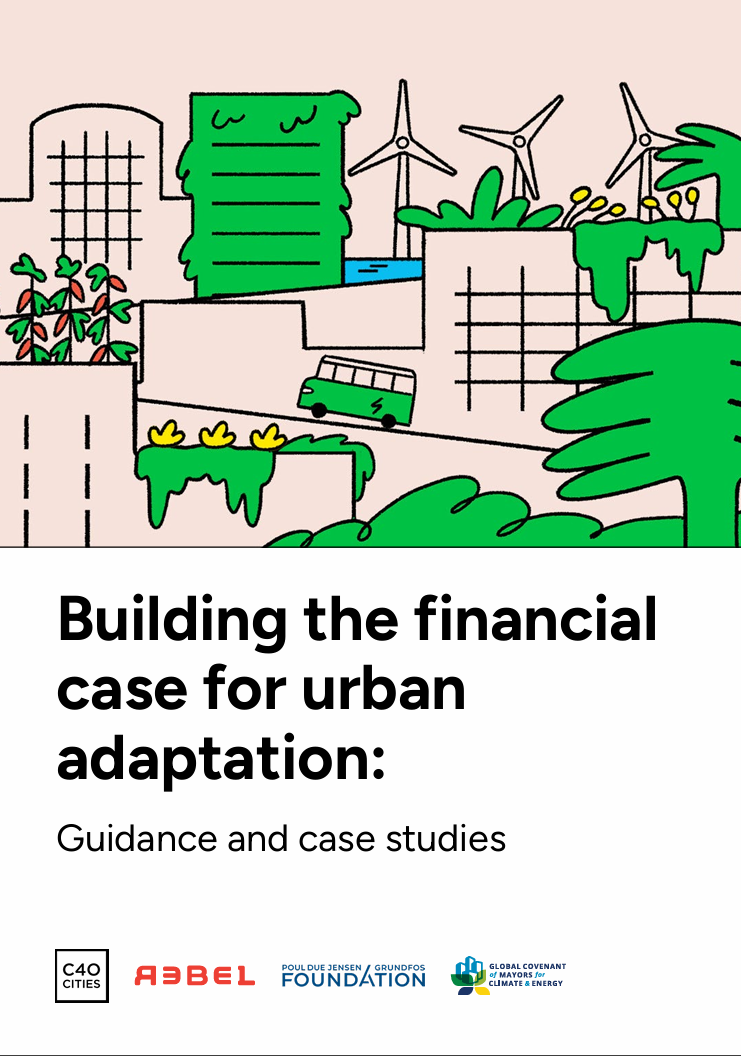
Building the financial case for urban adaptation: Guidance and case studies
C40 and Rebel outline how cities can structure urban adaptation projects to attract private finance, using ten case studies. Bankability depends on revenue logic, risk allocation, public de-risking, early financier engagement and credible monitoring.
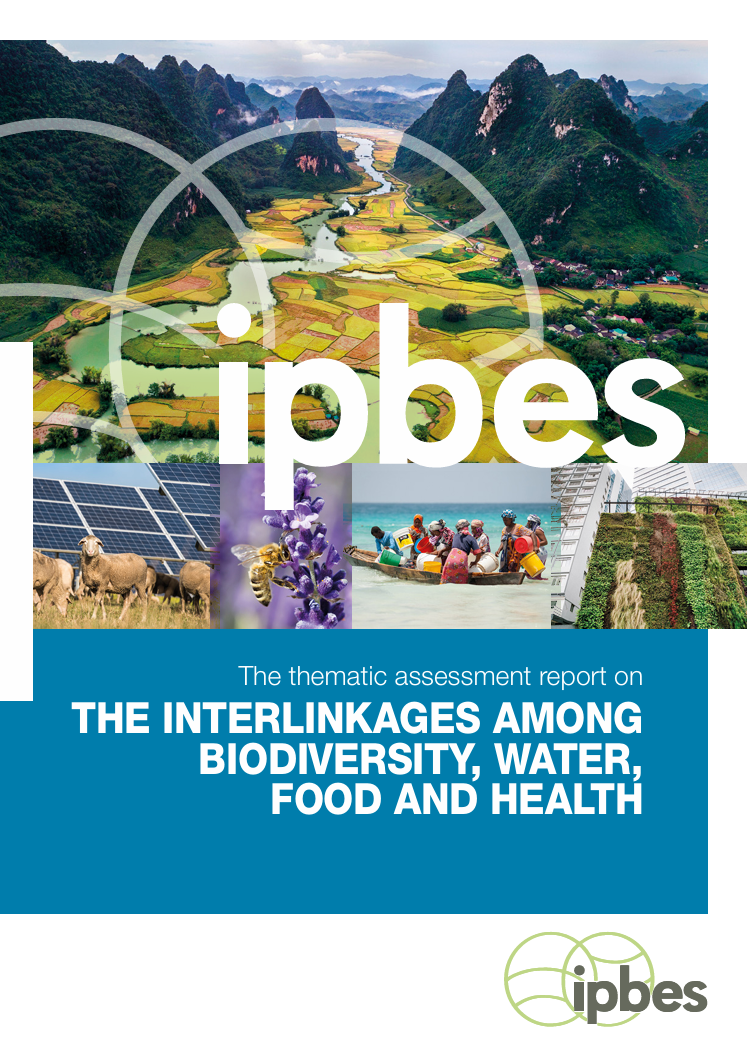
The thematic assessment report on the interlinkages among biodiversity, water, food and health
IPBES assesses links between biodiversity, water, food, health and climate, finding siloed decisions worsen trade-offs. It identifies integrated governance, sustainable consumption, ecosystem restoration and finance reform as response options to support more just and sustainable outcomes.
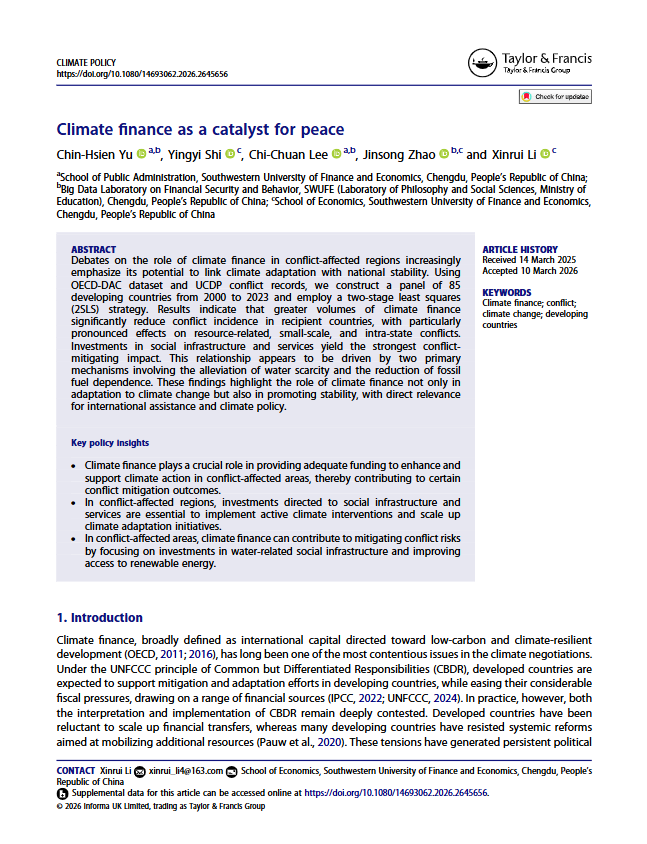
Climate finance as a catalyst for peace
Research across 85 developing countries found climate finance was associated with lower resource-related conflict risk, particularly through reduced water scarcity and greater renewable energy access. The study suggests climate finance may support stability in fragile regions, with stronger effects observed where higher funding levels were directed towards adaptation and social infrastructure.
SAIL: Systems Aware Investing Launchpad
SAIL (Systems Aware Investing Launchpad) is an AI-enhanced platform developed by TIIP to support institutional investors in implementing system-level investing strategies. It provides tools for strategy development, benchmarking, reporting and collaboration, helping users assess and manage systemic environmental, social and financial risks.
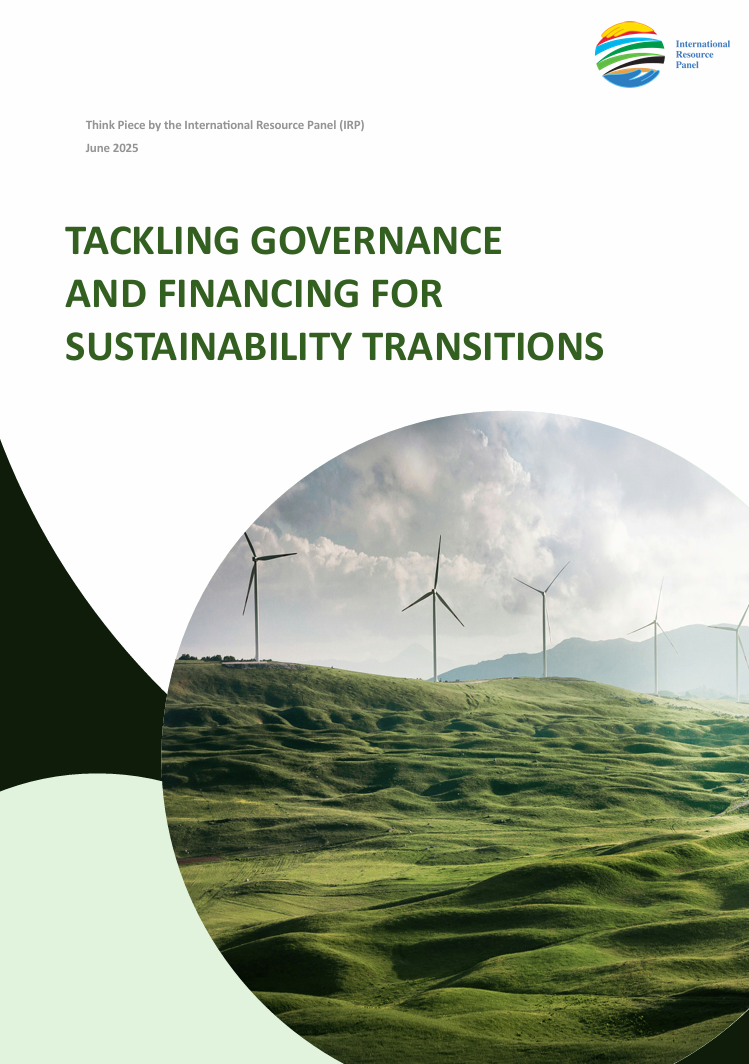
Tackling governance and financing for sustainability transitions
The report argues current financial systems misallocate capital towards resource-intensive activities, hindering sustainability transitions. It recommends policy, governance and financial reforms to redirect investment towards resource efficiency, low-carbon development and equitable transition pathways, particularly in resource-dependent economies.
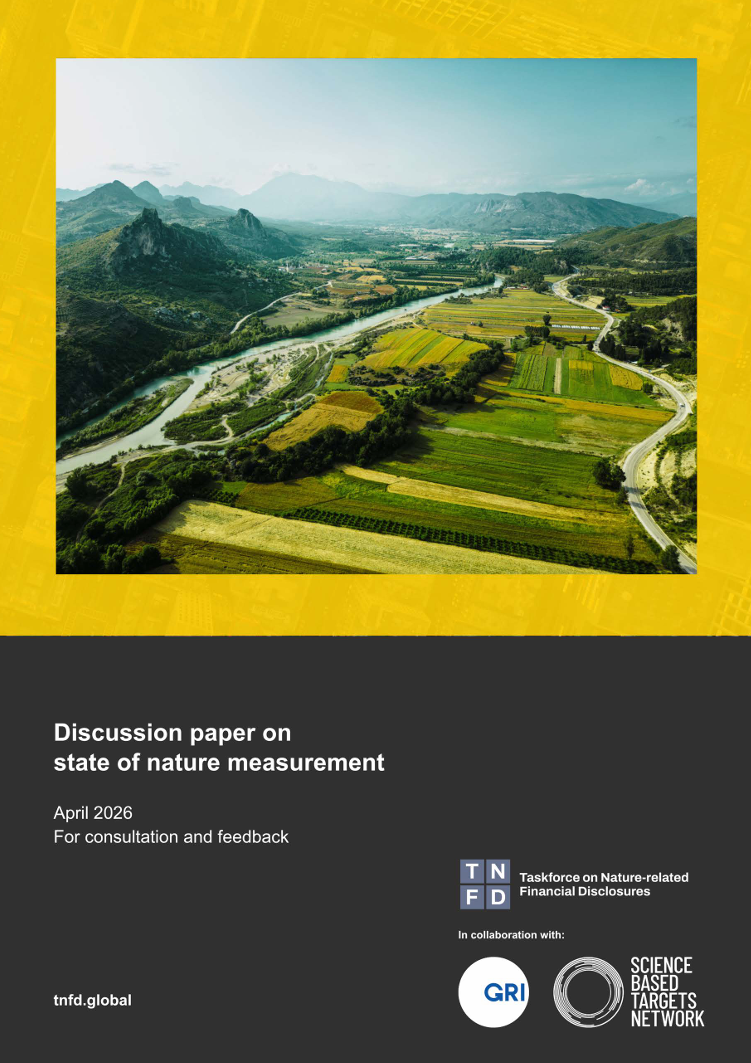
Discussion paper on state of nature measurement
Discussion paper outlines integrating state of nature metrics into TNFD, GRI and SBTN frameworks. It proposes embedding consensus metrics from the Nature Positive Initiative across assessment, disclosure, transition planning and target-setting, highlighting ecosystem extent and condition as central to evaluating nature-related dependencies, risks and opportunities.
Indigenous wisdom and co-creation towards decolonisation: A review of Indigenous inclusion in management education
This review finds Western business schools have often excluded Indigenous knowledge, and argues decolonising management education requires Indigenous self-determination, truth-telling, trust-building, co-created curricula and relational pedagogies grounded in Indigenous wisdom and communities.
Impact trickles down: A general equilibrium theory of stakeholder exit and engagement
Develops a multi-sided matching model showing stakeholder exit or engagement depends on whether harm scales with productivity. When it does, high-productivity stakeholders exit, triggering reallocation spillovers that reduce harm economy-wide. Firm-level analyses underestimate impact by missing these general equilibrium “trickle-down” effects.
Harnessing Climate and SDGs Synergies
UN resources on climate–SDG synergies examine how integrated approaches to climate action and sustainable development can deliver social, economic and environmental co-benefits. They highlight policy alignment, investment efficiency, and cross-sector strategies to support national planning, reduce costs, and address significant climate and SDG financing gaps.
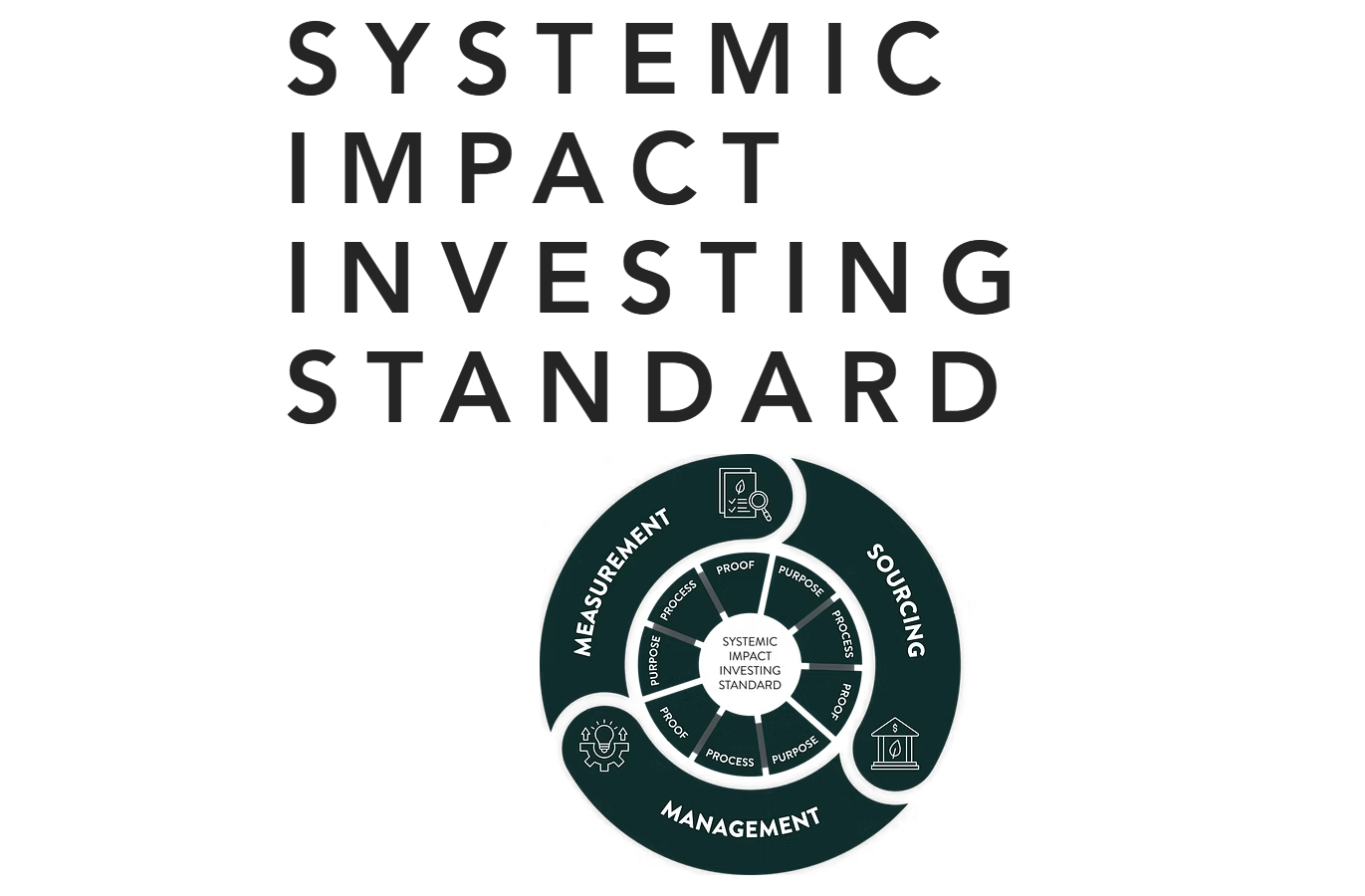
Systemic Impact Investment Standard
The Systemic Impact Investing Standard is an independently audited framework enabling asset owners to assess whether asset managers’ strategies, processes and outcomes align with delivering systemic impact. It supports improved investment decision-making by emphasising sourcing, management and measurement practices that generate credible, system-level social and environmental outcomes.
Sectoral roadmaps as the backbone of transition planning: Linking NDCs, finance and the real economy
Sectoral roadmaps translate national climate targets into sector-specific decarbonisation pathways, guiding policy, investment and corporate transition plans. They align real-economy activity with finance, reduce uncertainty, and support risk assessment and capital allocation, strengthening the credibility and implementation of whole-economy transition planning.
Tipping points: Decision making under deep uncertainty
Examines climate tipping points and their implications for financial decision-making under deep uncertainty. It outlines risks of abrupt, nonlinear climate shifts, limitations of traditional valuation models, and emerging approaches including scenario analysis, resilience planning and climate intervention, emphasising challenges in pricing, timing and managing long-term systemic risks.
Sustainability at a crossroads
Survey of 844 experts finds the sustainability agenda at an inflection point, with most calling for major revision amid low confidence in progress and rising backlash. It highlights actionable levers across policy, finance, business, and civil society to drive a low-carbon, resilient transition.
Investing to reconnect financial value with people, nature and the real economy: An iterative blueprint for capital markets actors, policymakers and regulators
This report outlines a blueprint for reforming capital markets to better reflect human, social and natural capital. It proposes changes to fiduciary duty, financial analysis and policy frameworks to reduce systemic risks and align investment practices with long-term economic, environmental and social outcomes.
Applying the OODA loop for leadership and company engagement
This guide explains applying the OODA (Observe, Orient, Decide, Act) loop to strengthen strategic leadership and company engagement in sustainable finance, enabling adaptive decision-making, stakeholder alignment, and iterative responses to ESG challenges, illustrated through practical steps and a case study of corporate transition.
Nourish and flourish: Water solutions to feed 10 billion people on a livable planet
This World Bank report outlines transforming agricultural water management to feed 10 billion people sustainably. It introduces a water-food nexus framework, highlights inefficiencies in current systems, and emphasises data-driven, service-oriented irrigation and financing reforms to improve productivity, resilience, and environmental outcomes.


