
Library | SDGs
General Sustainable Development Goals
Refine
333 results
REFINE
SHOW: 16


Roadmap for ASEAN sustainable capital markets
Provides a five-year strategic roadmap to develop ASEAN sustainable capital markets, outlining four priority areas: strengthening disclosures, expanding sustainable products, building capacity, and enhancing regional connectivity. It aims to mobilise private capital, improve transparency, and align markets with sustainability goals and international frameworks.
ASEAN SDG Bond Toolkit
Provides practical guidance for issuing SDG bonds in ASEAN, outlining principles, processes, and frameworks aligned with green, social and sustainability bond standards. It explains SDG mapping, eligibility criteria, reporting practices, and market context to support issuers in mobilising capital for sustainable development.
Harnessing Climate and SDGs Synergies
UN resources on climate–SDG synergies examine how integrated approaches to climate action and sustainable development can deliver social, economic and environmental co-benefits. They highlight policy alignment, investment efficiency, and cross-sector strategies to support national planning, reduce costs, and address significant climate and SDG financing gaps.
IFC's performance standards on environmental and social sustainability
The IFC Performance Standards (2012) form part of the Sustainability Framework, setting requirements for clients to identify, manage, and mitigate environmental and social risks in financed projects. They comprise eight standards covering areas such as labour, resource efficiency, biodiversity, and community impacts, and are widely used as a global benchmark for responsible investment.
Voice of the asset owner: Survey 2025: Quantitative analysis
Global survey of 500+ asset owners finds rising ESG integration, stronger climate strategies, and support for standardised frameworks, alongside regional divergence, especially in the US. Geopolitical risks and regulation shape asset allocation, with some reallocating from US assets and increasing private market exposure.
In focus: Impact investing in Asia
Impact investing in Asia is expanding, with $80 billion allocated and strong investor satisfaction. Returns largely meet or exceed expectations, led by private equity. Capital targets financial services, energy and healthcare, addressing a $1.5 trillion SDG gap, with growing private sector participation and regional variation.
Sustainability at a crossroads
Survey of 844 experts finds the sustainability agenda at an inflection point, with most calling for major revision amid low confidence in progress and rising backlash. It highlights actionable levers across policy, finance, business, and civil society to drive a low-carbon, resilient transition.
Investing to reconnect financial value with people, nature and the real economy: An iterative blueprint for capital markets actors, policymakers and regulators
This report outlines a blueprint for reforming capital markets to better reflect human, social and natural capital. It proposes changes to fiduciary duty, financial analysis and policy frameworks to reduce systemic risks and align investment practices with long-term economic, environmental and social outcomes.
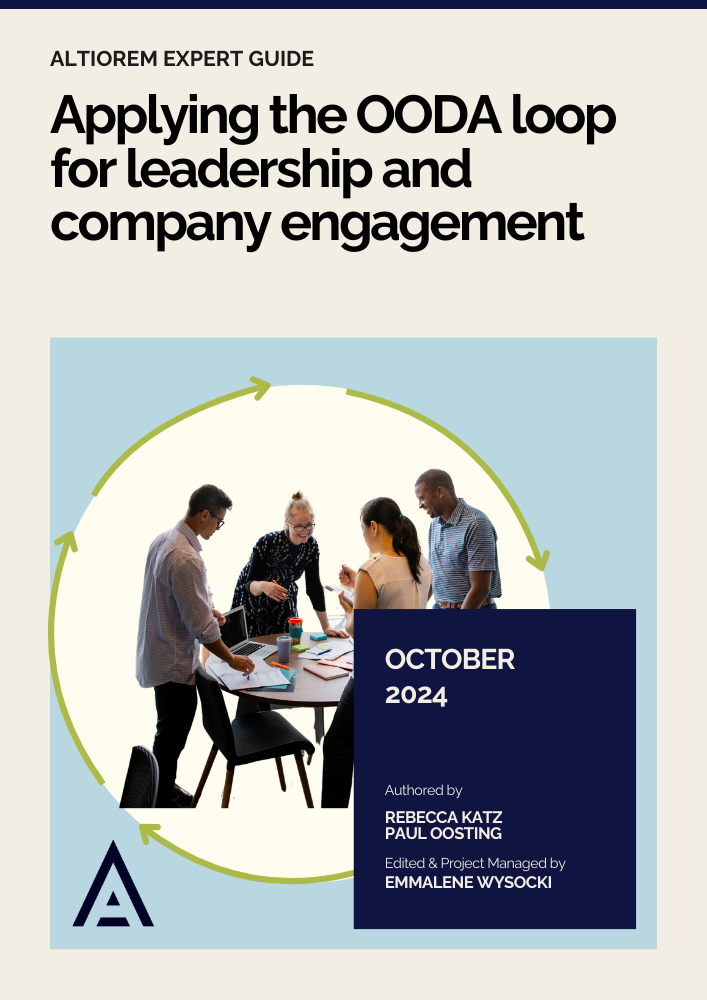
Applying the OODA loop for leadership and company engagement
This guide explains applying the OODA (Observe, Orient, Decide, Act) loop to strengthen strategic leadership and company engagement in sustainable finance, enabling adaptive decision-making, stakeholder alignment, and iterative responses to ESG challenges, illustrated through practical steps and a case study of corporate transition.
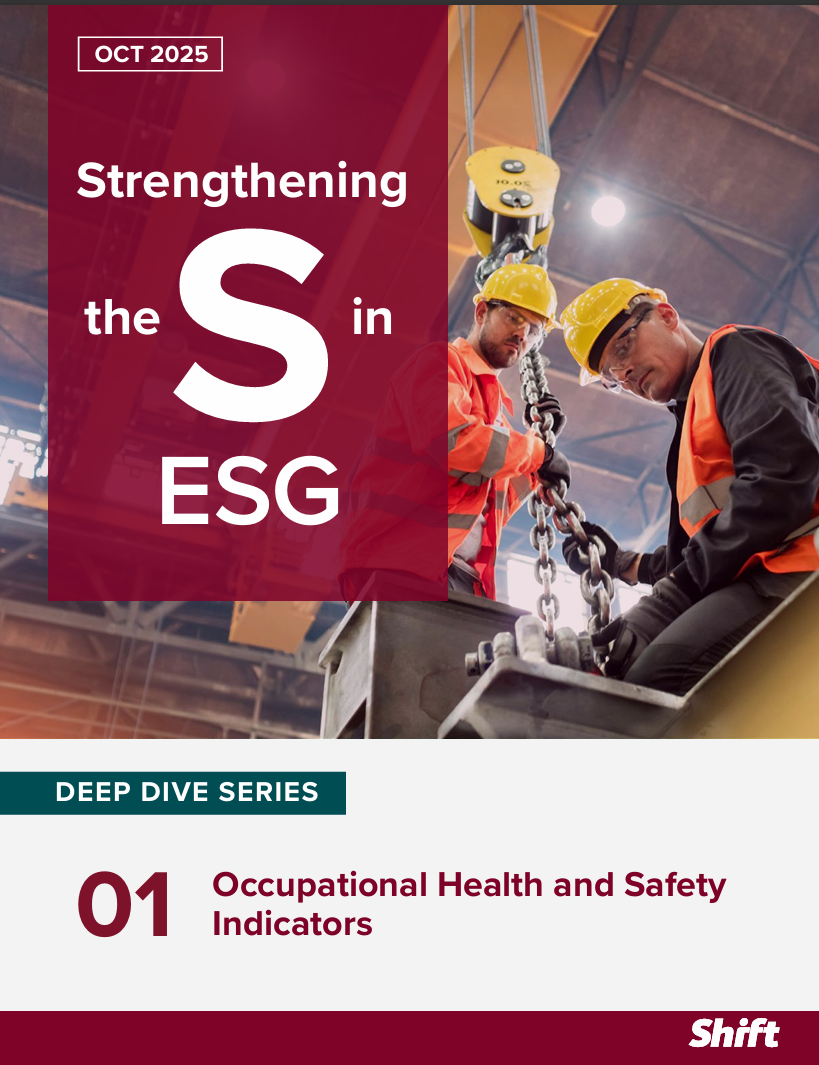
Strengthening the S in ESG series
Strengthening the S in ESG is a research series examining the design and use of social indicators and metrics within ESG frameworks. It provides guidance and analysis to improve how companies’ impacts on people are measured, supporting more decision-useful insights for investors and better alignment with real business practices.
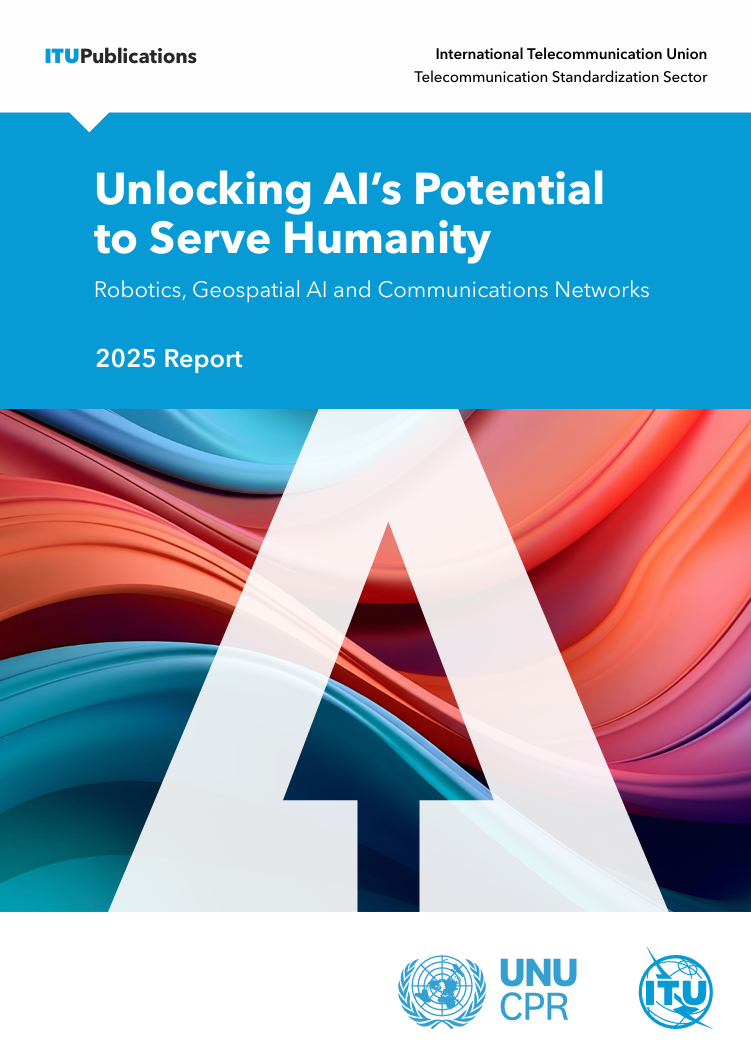
Unlocking AI’s potential to serve humanity: Robotics, geospatial AI and communications networks
Examines how AI in robotics, geospatial analysis and communications networks can address global challenges. Highlights applications for human and planetary well-being, including healthcare, disaster response and climate action, and outlines five enabling pathways covering data governance, infrastructure, skills, policy and digital ecosystems.
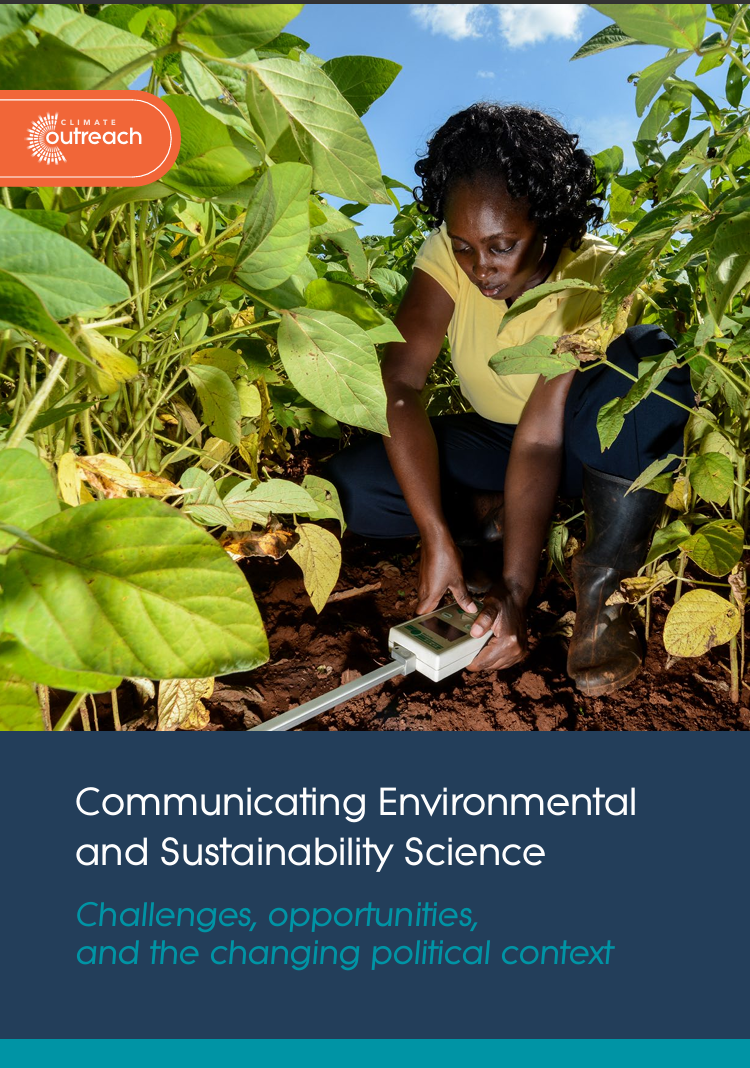
Communicating environmental and sustainability science: Challenges, opportunities, and the changing political context
Synthesises research on communicating environmental and sustainability science, highlighting a shift from one-way information to dialogue. Identifies challenges including political polarisation, trust, and misinformation, and emphasises values-based framing, narratives, and audience engagement as critical for effective public communication and future research priorities.
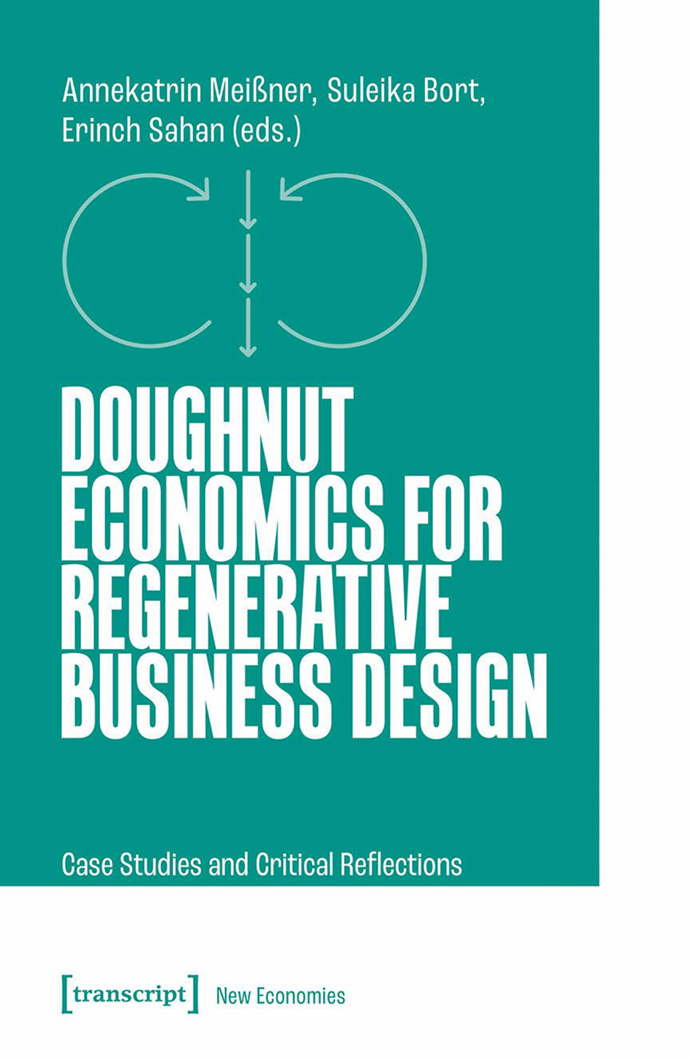
Doughnut economics for regenerative business design
An edited volume applying Doughnut Economics to business design, using case studies and critical reflections to examine how purpose, networks, governance, ownership and finance can support regenerative and distributive business models. It focuses on redesigning firms to operate within ecological and social limits.
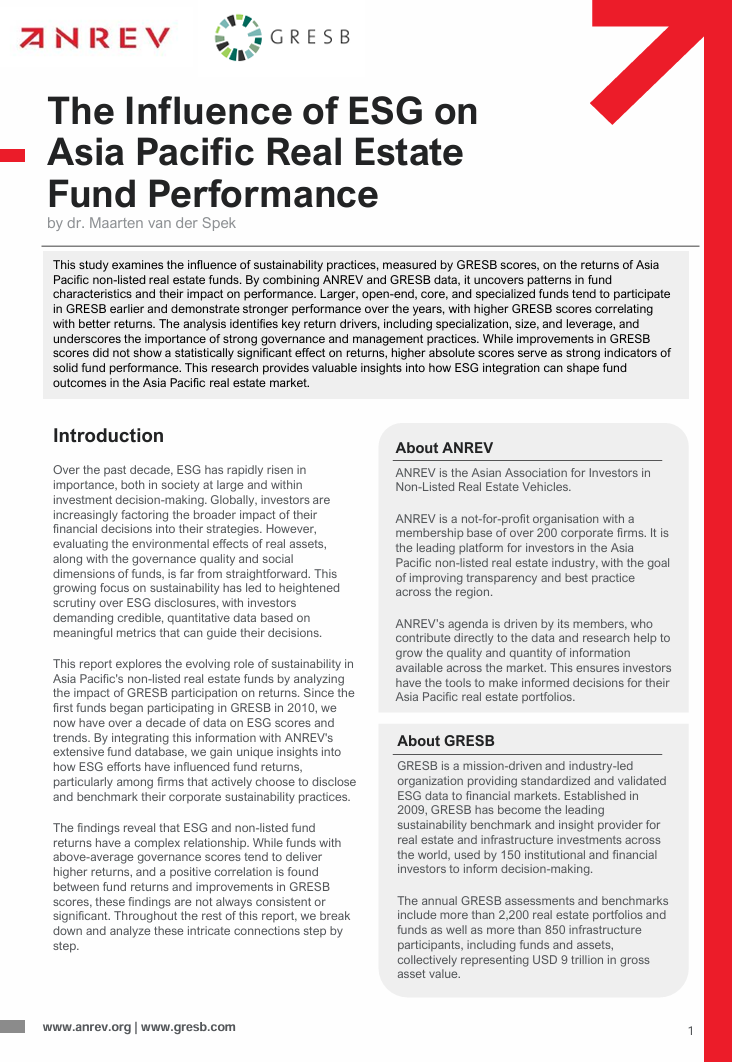
The influence of ESG on Asia Pacific real estate fund performance
Analyses ANREV and GRESB data to assess ESG influence on Asia-Pacific real estate fund returns. Finds higher governance and overall ESG scores correlate with stronger performance, though statistical significance is limited; fund size, specialisation and leverage remain primary return drivers.

Handprint
Handprint is a Singapore-based climate and nature tech platform that helps businesses create and track measurable environmental and social impact. Its technology connects companies with science-backed regeneration projects, enabling ecosystem restoration, sustainability reporting and stakeholder engagement while supporting UN Sustainable Development Goals and regenerative business models beyond traditional carbon offsetting.
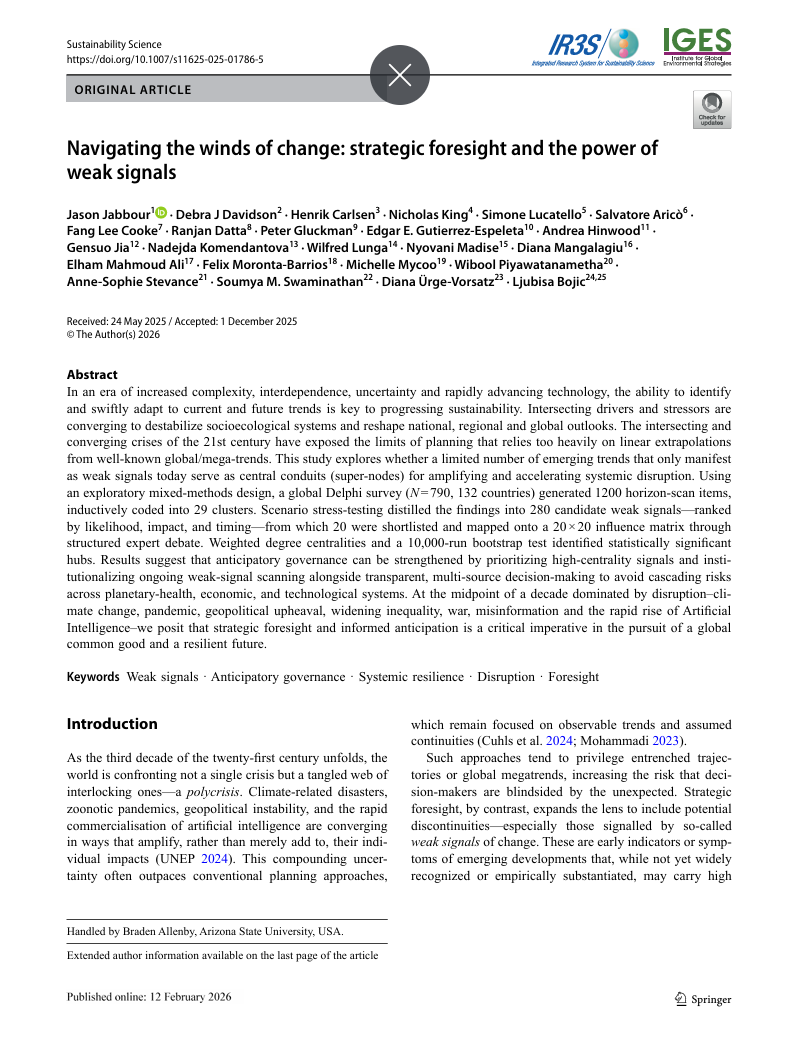
Navigating the winds of change Strategic foresight and the power of weak signals
The study highlights the importance of strategic foresight in addressing complex global challenges by identifying weak signals—early indicators of potential disruptions. It suggests that integrating these signals into governance frameworks can enhance resilience against systemic risks, urging continuous monitoring and cross-agency collabouration.


