
Library | SDGs
GOAL 13: Climate Action
Refine
996 results
REFINE
SHOW: 16


Red lines in the Abyss: Growing financier concern over deep-sea mining
This report maps 82 financial institutions — representing approximately EUR 24 trillion in combined assets — that have excluded or expressed concern over deep-sea mining. Published by Seas At Risk and the Deep Sea Mining Campaign, it charts growing financier momentum against deep-sea mining and calls for explicit exclusion policies from both financial institutions and governments.
Metals-as-a-Service: A strategic and investable circular business model for the wind energy industry and beyond
Metals-as-a-Service (MaaS) proposes a circular business model for the wind energy sector and beyond, in which metal ownership is retained by a Special Purpose Vehicle throughout the asset lifecycle. The model converts metal procurement from capital expenditure into a service-based structure, enabling securitisation, improved supply security, and circular value creation.
Nature-based solutions for a sustainable critical minerals value chain
This report examines how nature-based solutions (NbS) can be integrated into critical minerals mining. Drawing on case study research and expert events at Climate Week NYC and COP30, it identifies six resilience-building NbS categories and highlights the need for systems-based planning, community collaboration, and improved financing mechanisms.
Airports and aviation emissions: The Airport Tracker as a tool for data-driven advocacy
This policy brief presents findings from the third update to the Airport Tracker, a global inventory covering the world's 1,300 busiest airports. Using 2023 data, it analyses CO₂ and local air pollution from passenger, freight and private jet flights, finding that aviation remains off track to meet net-zero goals.
How to use consensus state of nature metrics to understand business dependencies on ecosystem services
This briefing note explains how businesses and financial institutions can configure the NPI consensus State of Nature metrics to understand their dependencies on ecosystem services. It outlines a four-step practical process, identifies where the metrics provide strong insight, and highlights where complementary indicators are needed.
Just transition in action: Complement to NZIF supplementary guidance for just transition
Produced by IIGCC with support from AIGCC, IGCC, and Ceres, this report complements the NZIF Supplementary Guidance on Just Transition. It provides practical case studies and frameworks to help investors integrate social equity considerations into climate-aligned investment strategies across internal direction, asset alignment, and external engagement.
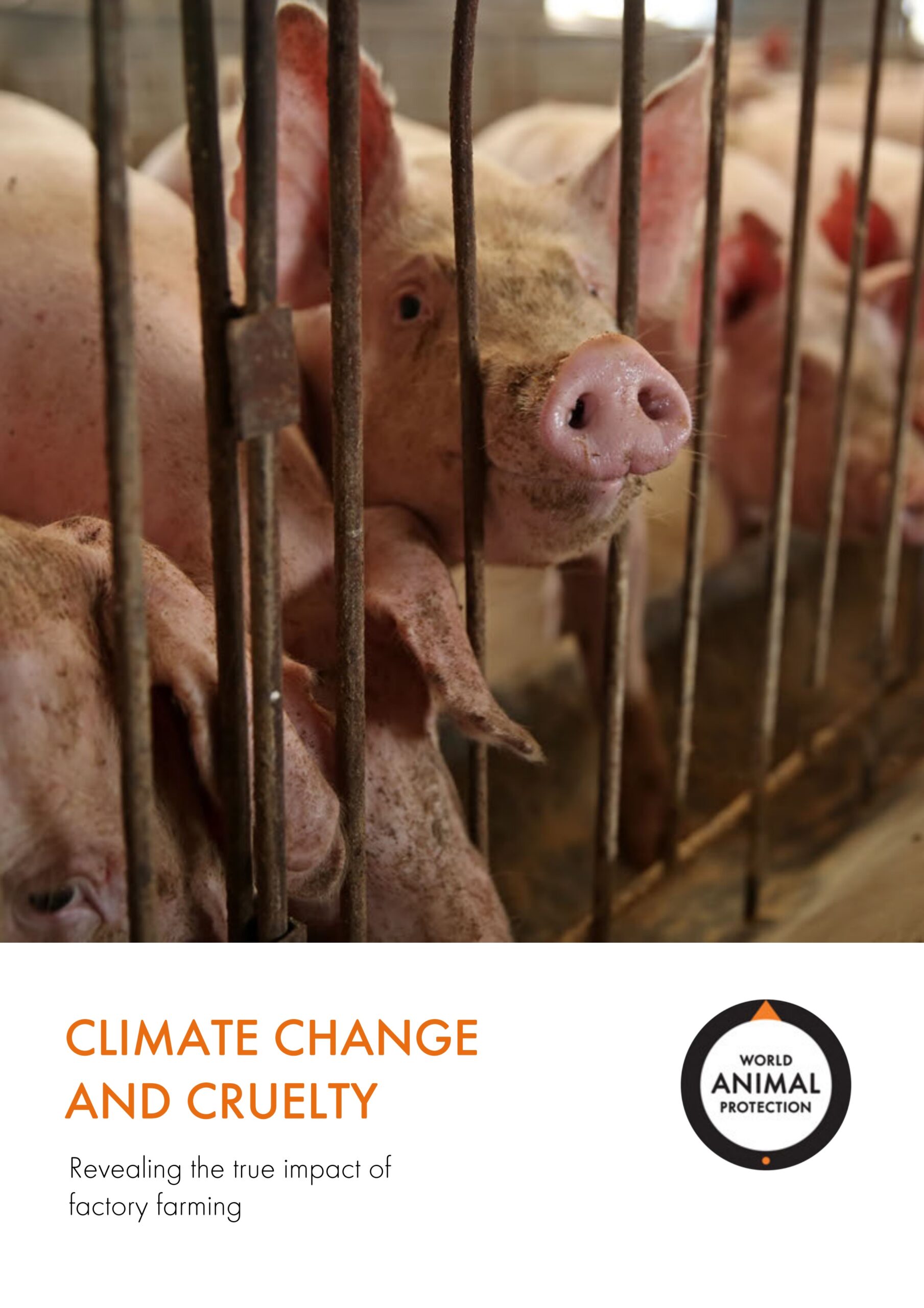
Climate change and cruelty: Revealing the true impact of factory farming
This World Animal Protection report examines the climate and environmental impacts of factory farming in Brazil, China, the USA and the Netherlands. It models scenarios for reduced meat consumption and higher welfare production, finding that eating less and better could halve the climate impacts of chicken and pork by 2040.
Leading the charge: Turning risk into reward with a circular economy for EV batteries and critical minerals
This report by the Ellen MacArthur Foundation examines systemic risks in the EV battery value chain and sets out a circular economy framework, identifying five bright spots — battery design, rightsizing, circular business models, regional infrastructure, and data transparency — to build resilience and reduce critical mineral demand.
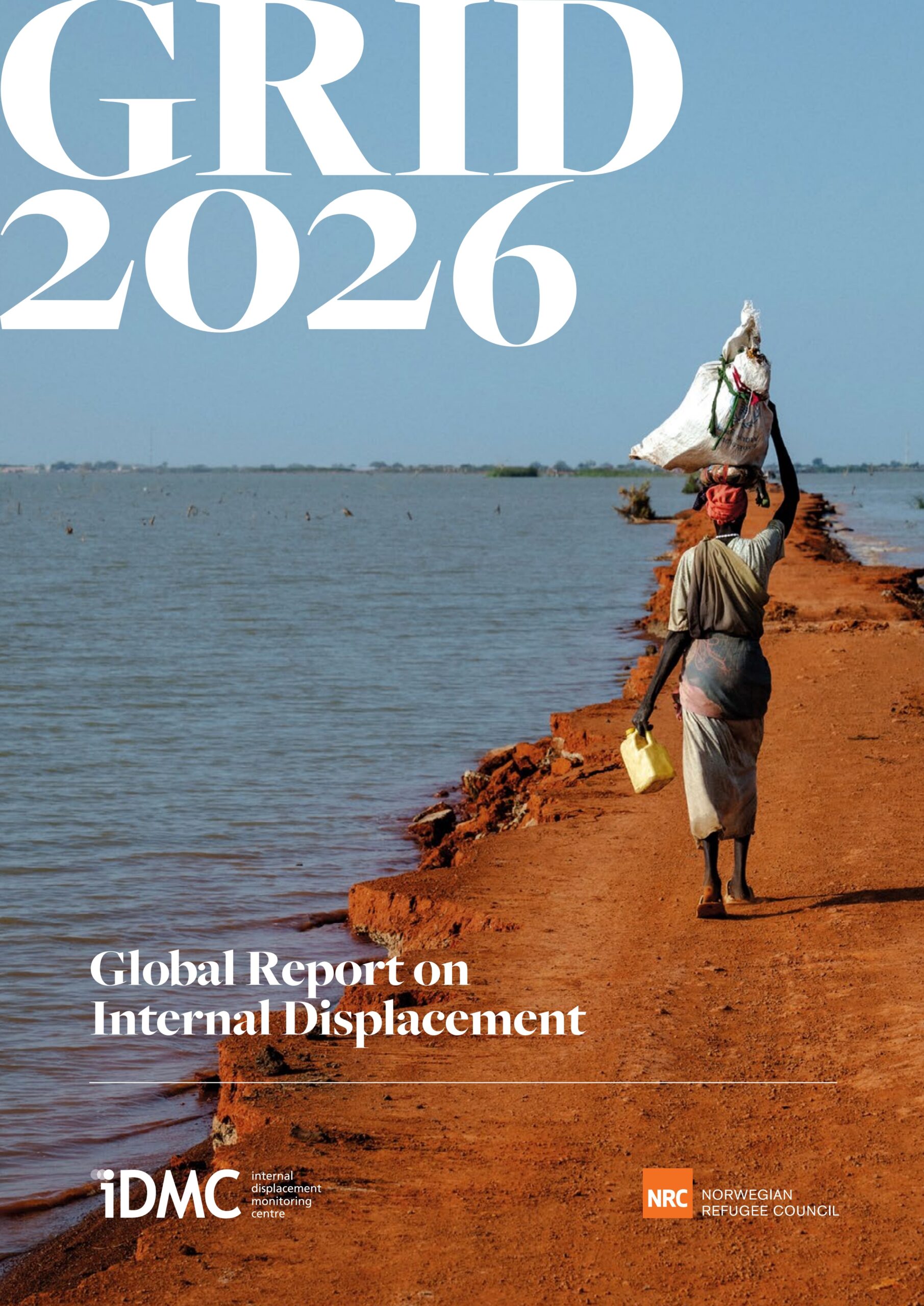
Global report on internal displacement series
The Global Report on Internal Displacement (GRID) is an annual benchmark series published by the Internal Displacement Monitoring Centre (IDMC). It tracks the scale, drivers, and geography of internal displacement worldwide, covering both conflict- and disaster-driven movements across countries and regions.
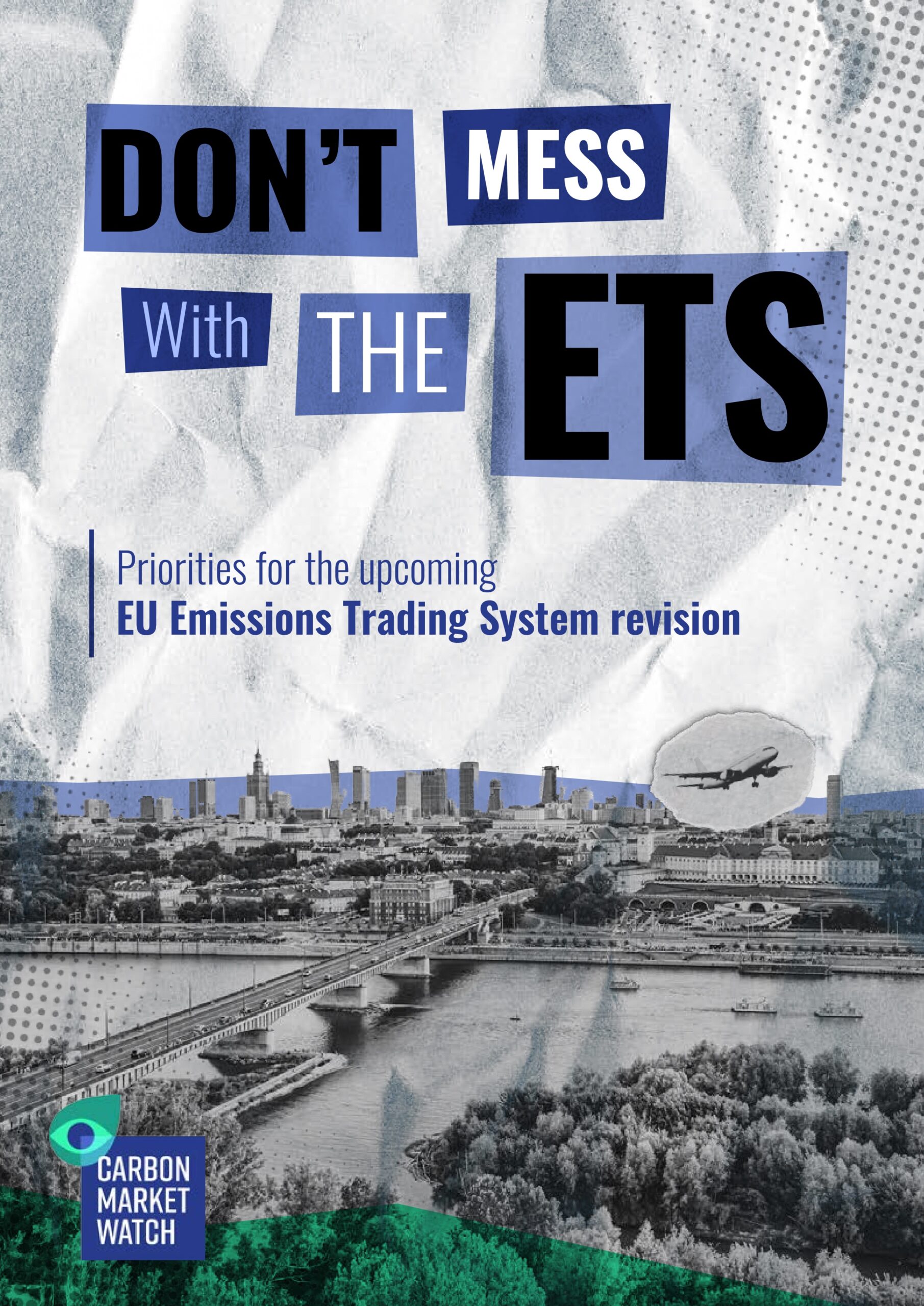
Don't mess with the ETS: Priorities for the upcoming EU emissions trading system revision
Carbon Market Watch presents a 10-point plan for improving the EU Emissions Trading System ahead of its upcoming revision. The report argues against weakening the cap, free allocation phase-out, or the Market Stability Reserve, and calls for expanded coverage of aviation, shipping, and biomass, alongside eliminating fossil fuel subsidies from ETS revenues.
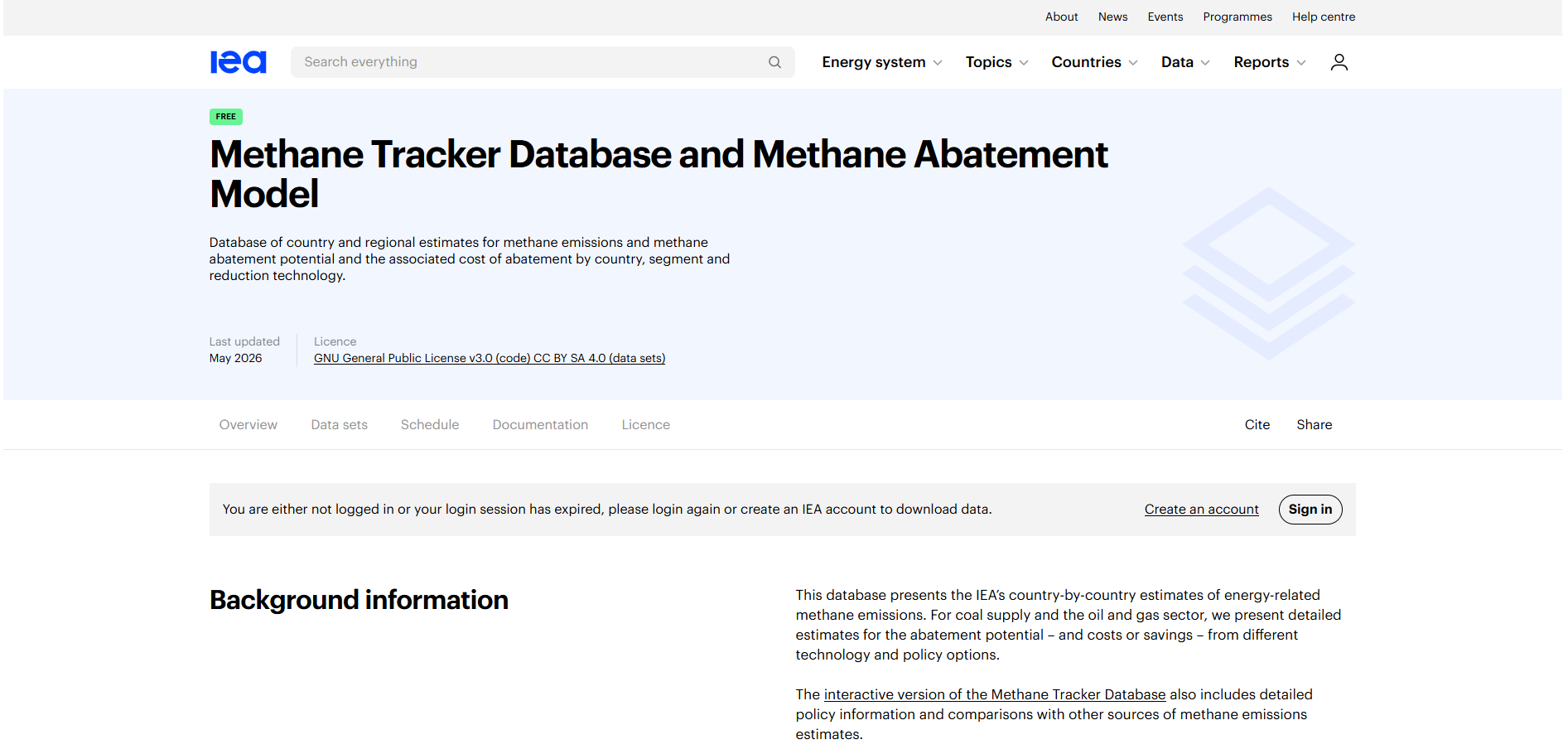
IEA Methane Tracker Data Tool
The IEA Methane Tracker Data Tool provides interactive, country-level methane emissions data and enhanced policy tracking across the energy sector.
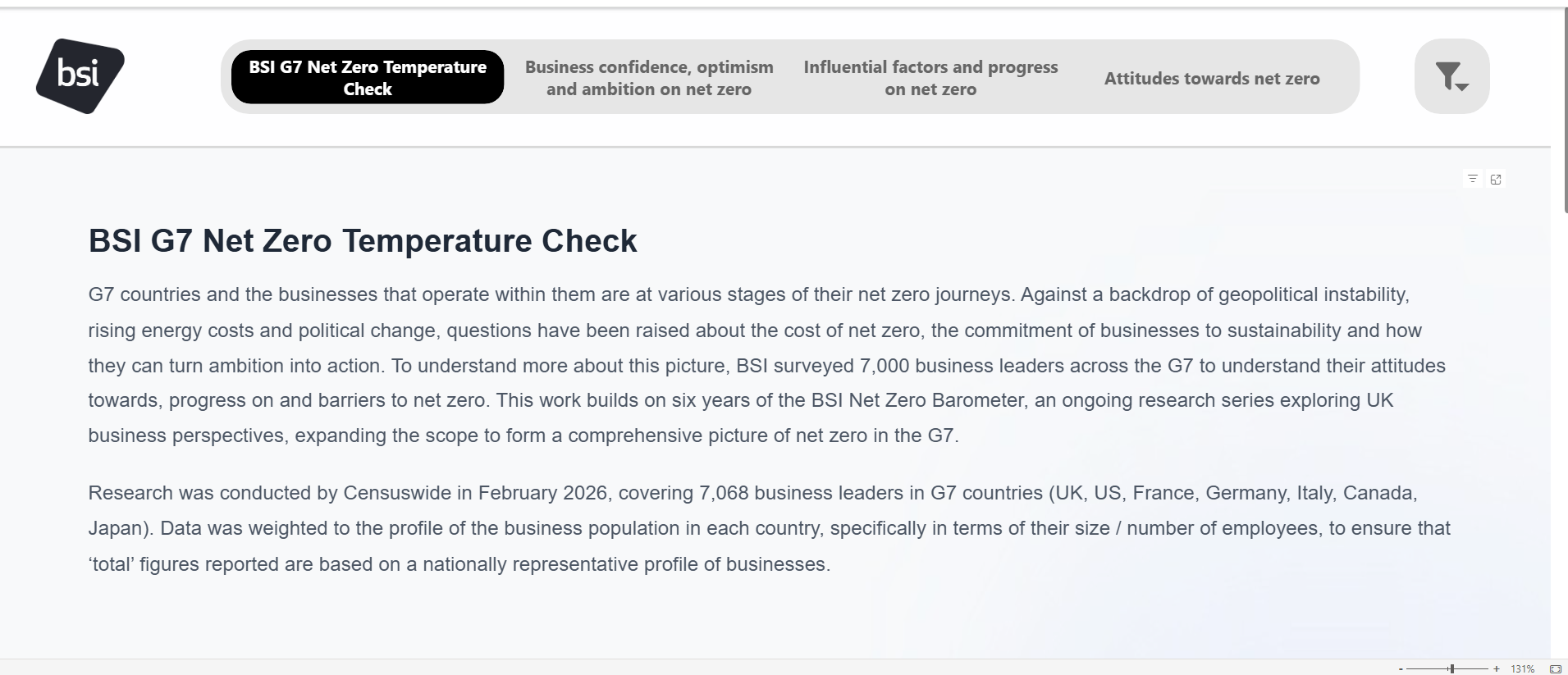
The G7 Net Zero Temperature Check
BSI's G7 Net Zero Temperature Check benchmarks corporate net zero progress across G7 nations, surveying over 7,000 business leaders on climate strategy and commitments.
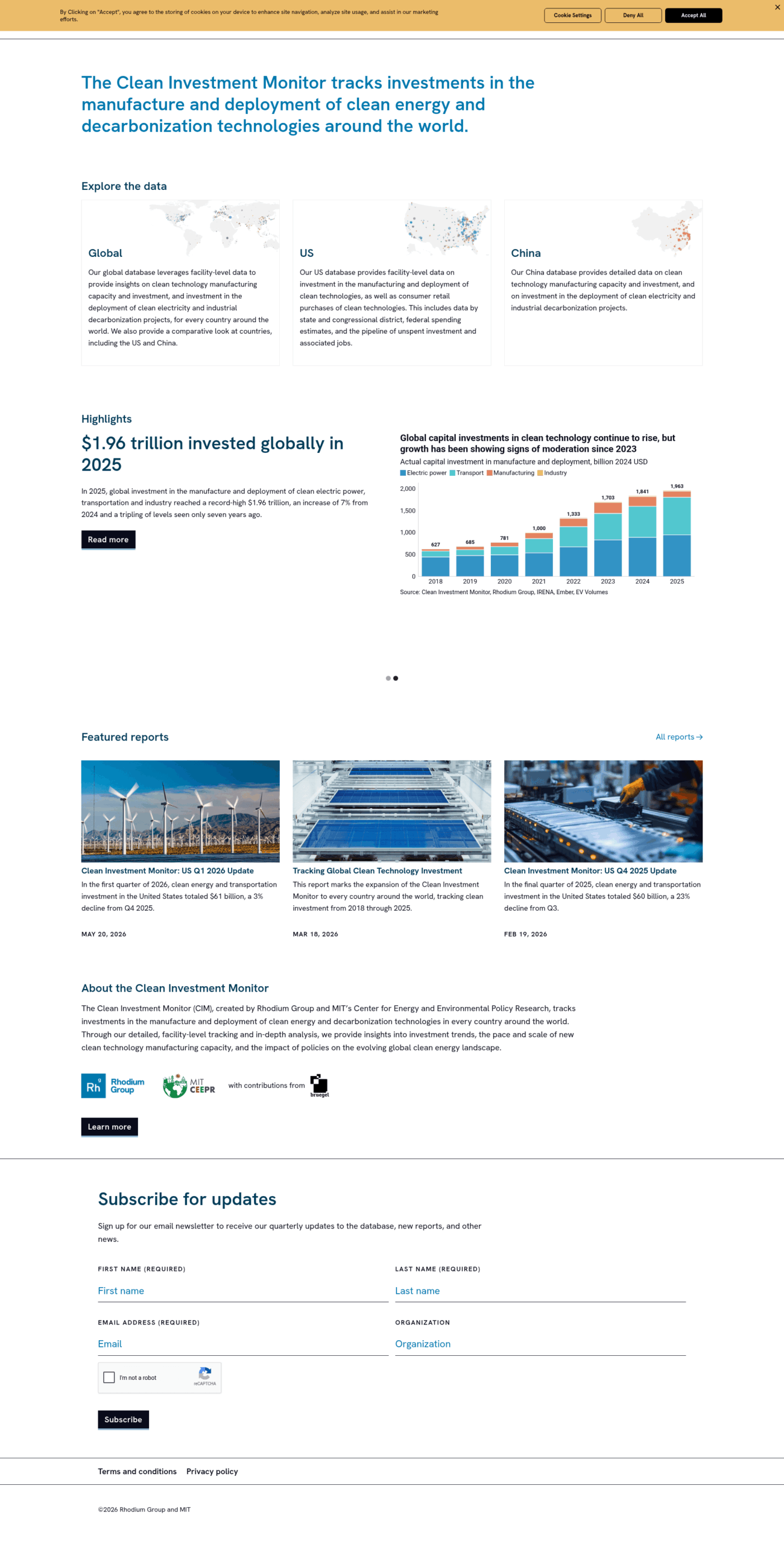
The Clean Investment Monitor
Tracks global investment in clean energy and decarbonisation technologies using facility-level data, covering the US, China, and all countries worldwide.
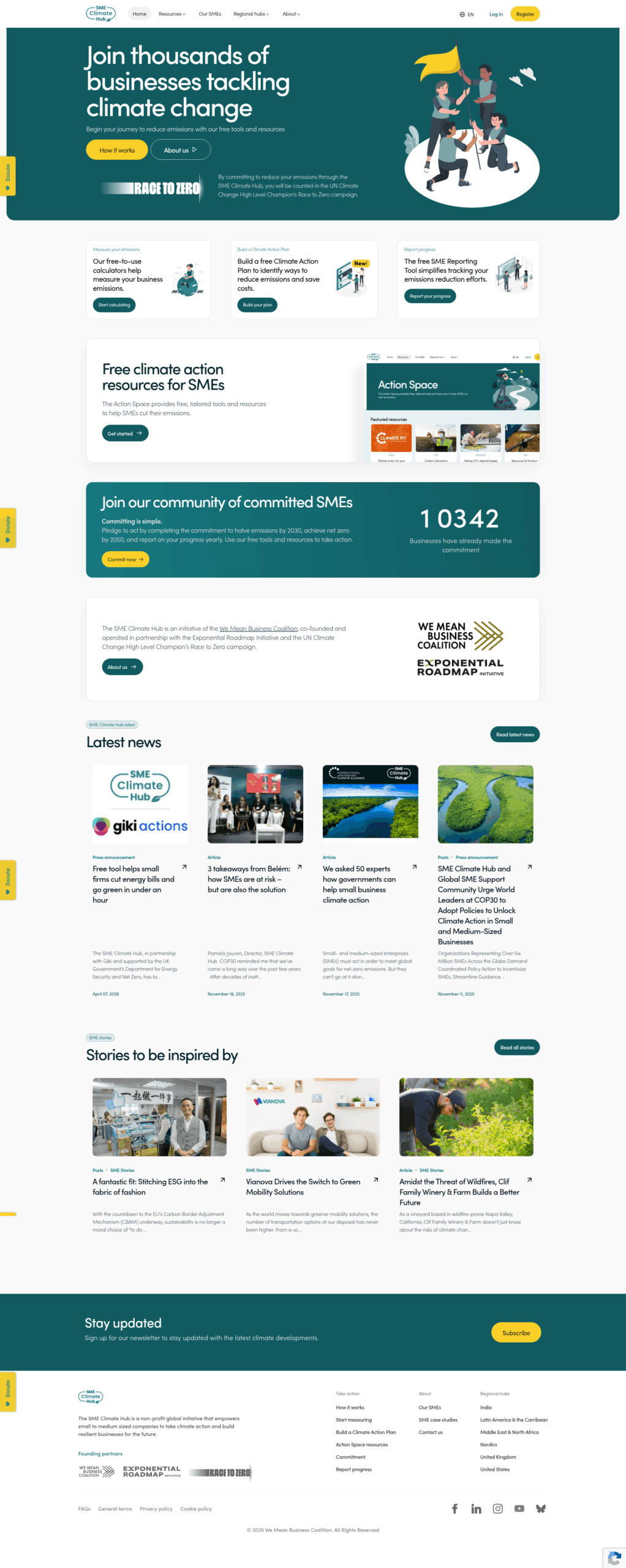
SME Climate Hub
Free platform helping SMEs measure emissions, build climate action plans, and report progress toward net zero by 2050.
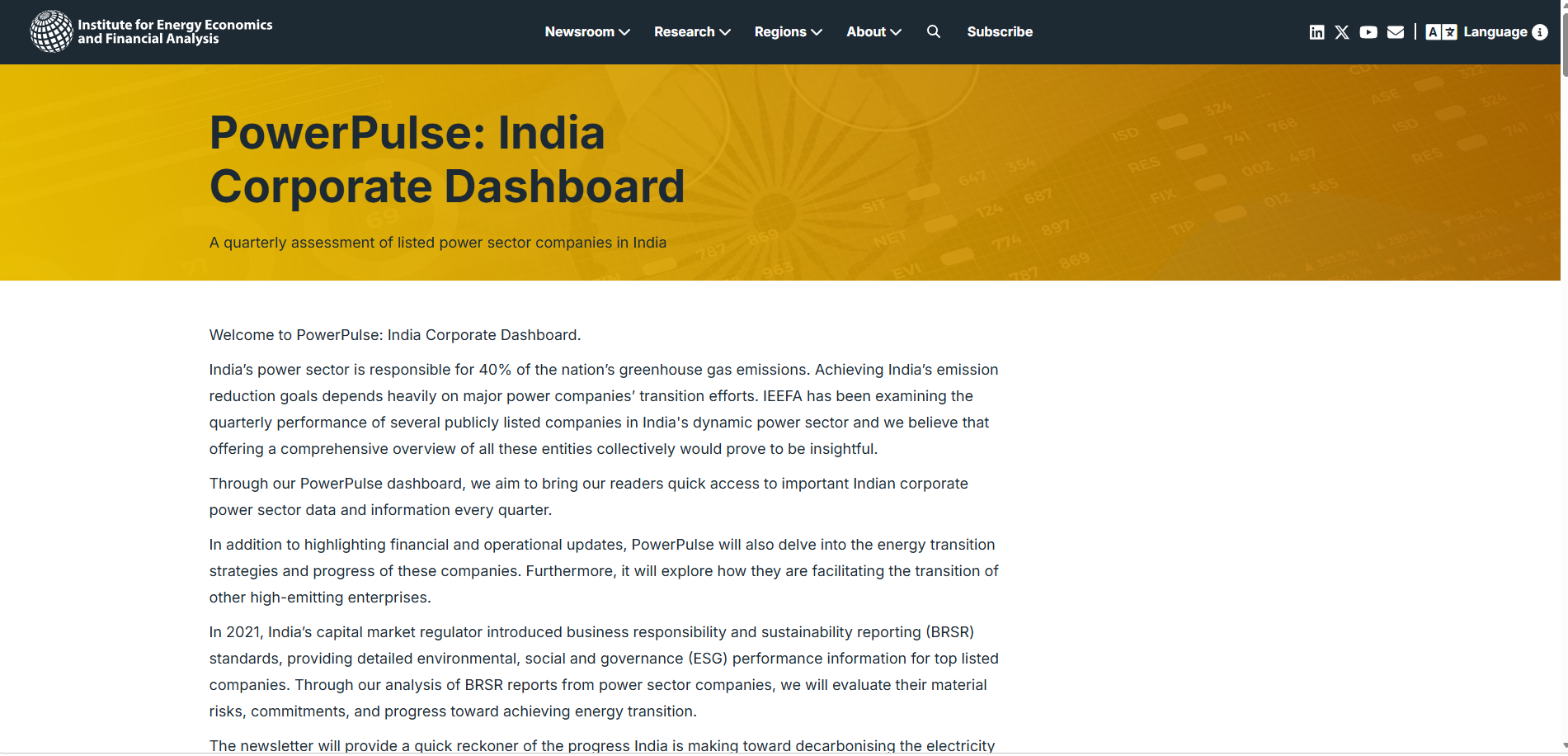
PowerPulse: India Corporate Dashboard
An IEEFA dashboard assessing the financial, operational, and energy transition progress of listed power sector companies in India every quarter.
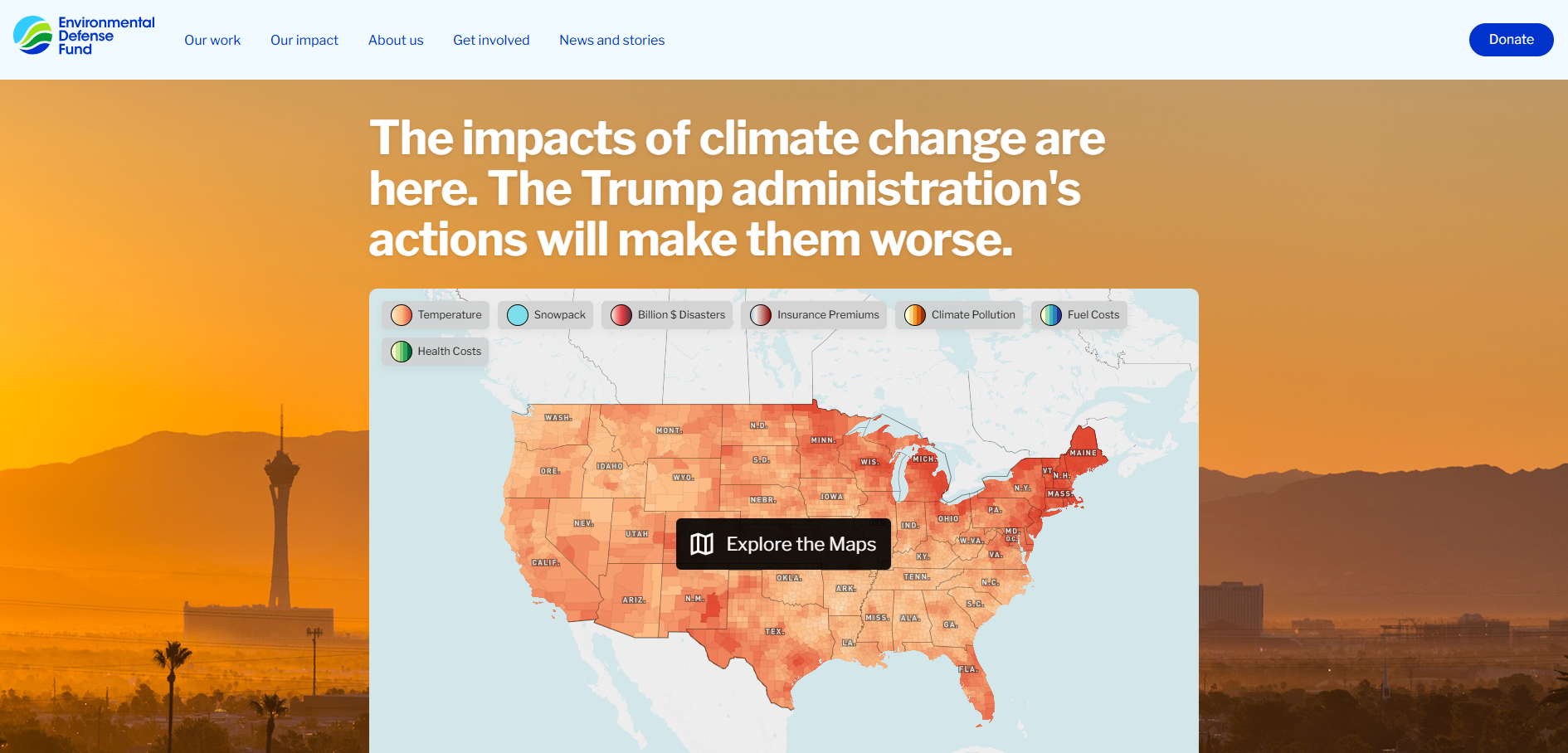
Trump climate endangerment stories
This interactive mapping tool from the Environmental Defense Fund (EDF) combines climate data and community stories to show how climate change is affecting temperatures, water resources, disaster losses, insurance costs and public health across the United States. It also illustrates the projected impacts of changes to federal climate pollution regulations.


