
Library | SASB Sustainability Sector
All industries
Refine
796 results
REFINE
SHOW: 16


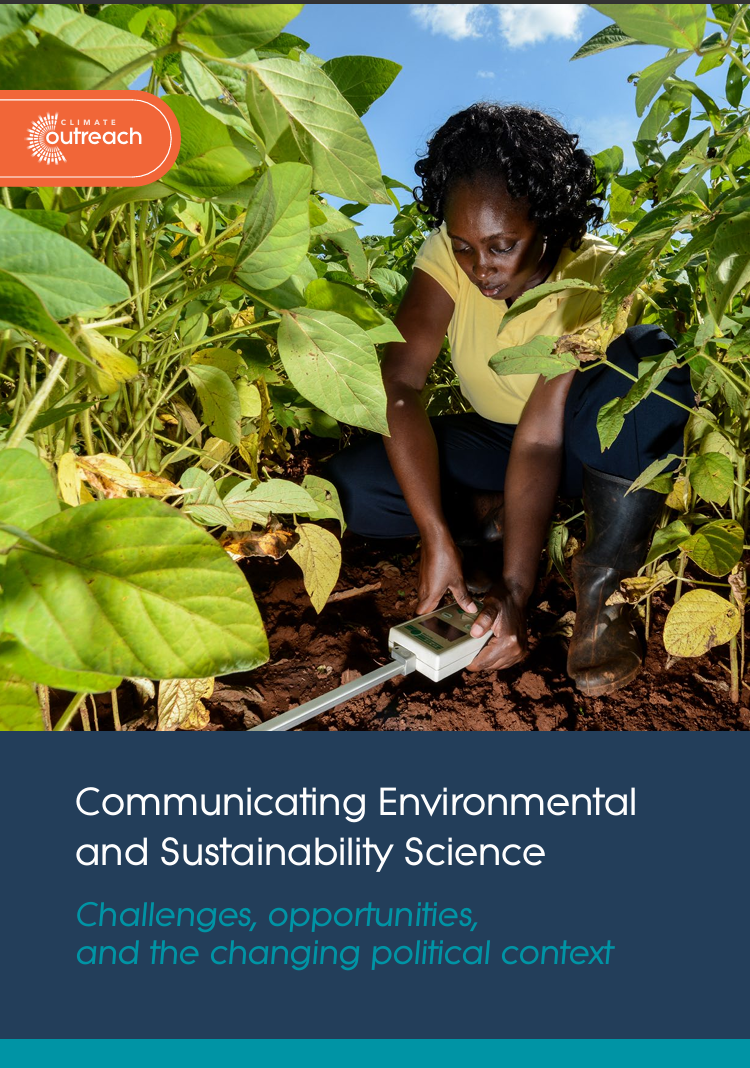
Communicating environmental and sustainability science: Challenges, opportunities, and the changing political context
Synthesises research on communicating environmental and sustainability science, highlighting a shift from one-way information to dialogue. Identifies challenges including political polarisation, trust, and misinformation, and emphasises values-based framing, narratives, and audience engagement as critical for effective public communication and future research priorities.
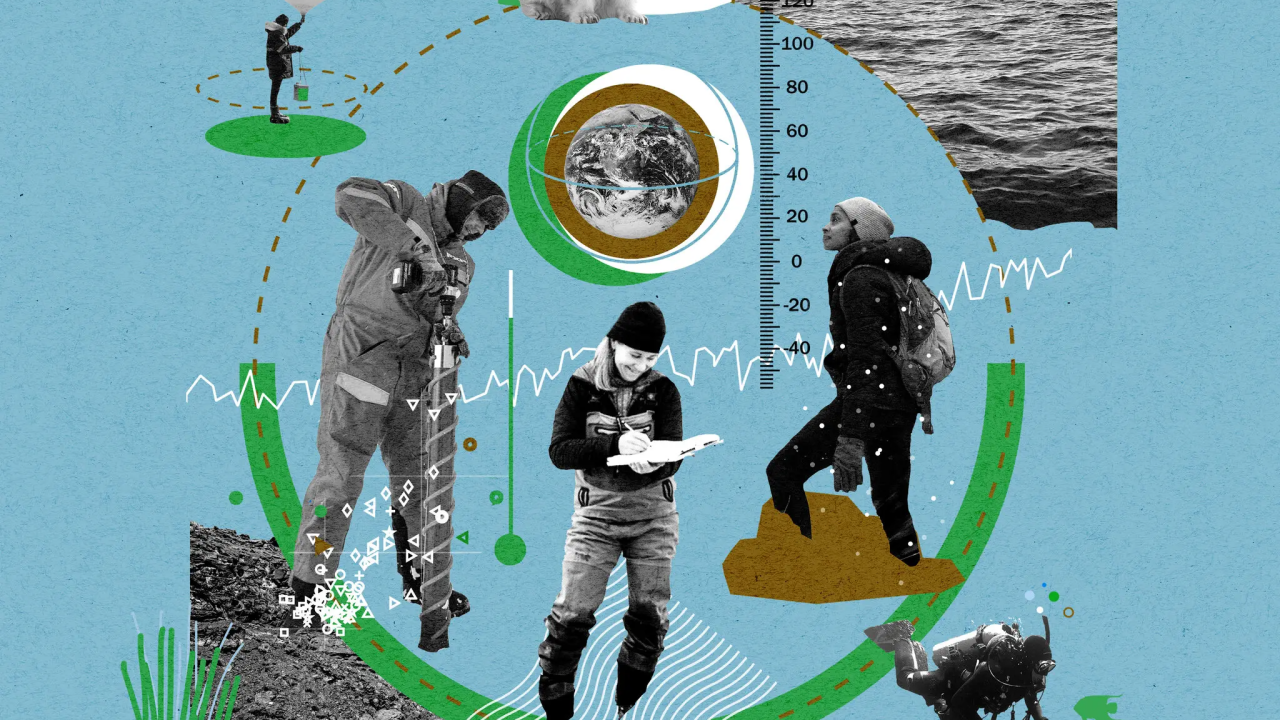
Private doubts, collective conformity: the Power and fragility of climate narratives
This article examines why current climate frameworks persist despite widespread professional skepticism, highlighting institutional incentives and “preference falsification” as key drivers. It calls for more open, cross-sector dialogue focused on diagnosing real problems and unlocking practical, system-level solutions.
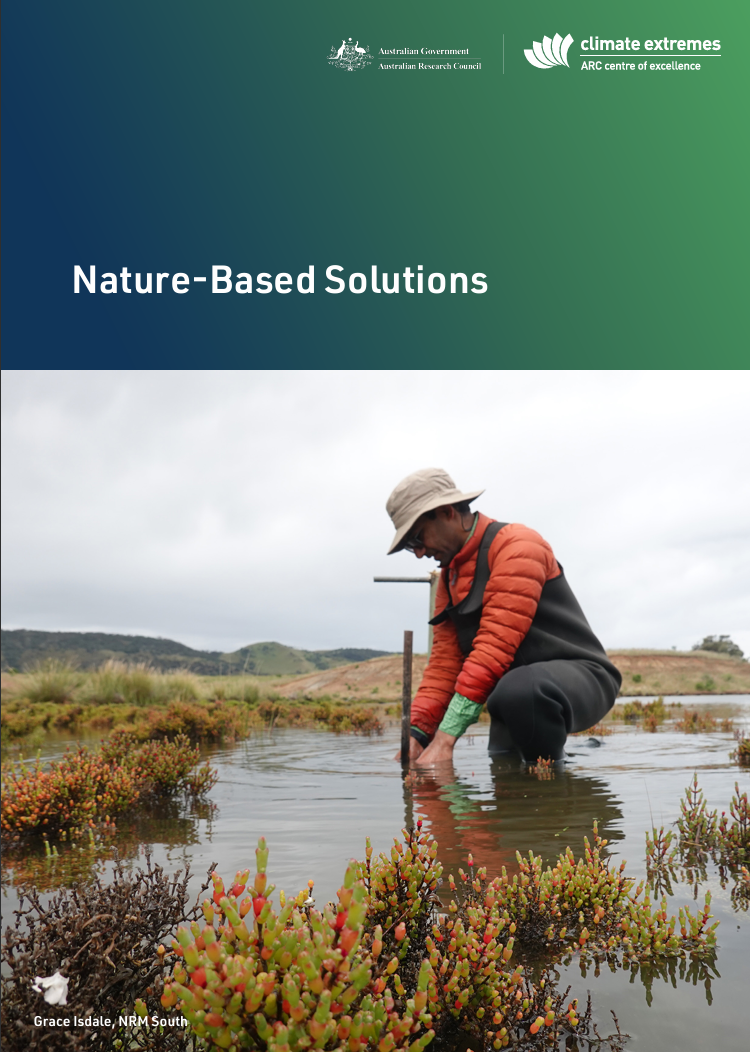
Nature-based solutions
This report explains nature-based solutions as ecosystem protection, restoration and management measures that can support climate mitigation, adaptation and biodiversity. It stresses their carbon-storage limits, vulnerability to disturbance, and the risk of overreliance in net-zero claims without deep emissions cuts.
Investor climate action plans series
This series provides guidance for investors on developing and assessing climate action plans using the ICAPs Expectations Ladder. It outlines approaches across investment, corporate engagement, policy advocacy, disclosure and governance to support alignment with net zero pathways and improve management of climate-related risks and opportunities.
Building trust in sustainability reporting and preparing for assurance: Governance and controls for sustainability information
This guide outlines governance, internal controls and assurance readiness for sustainability reporting. It explains board, management and audit roles, extending financial reporting controls to sustainability data, and an annual cycle covering materiality, misstatement risk, control design, monitoring and external assurance under emerging standards
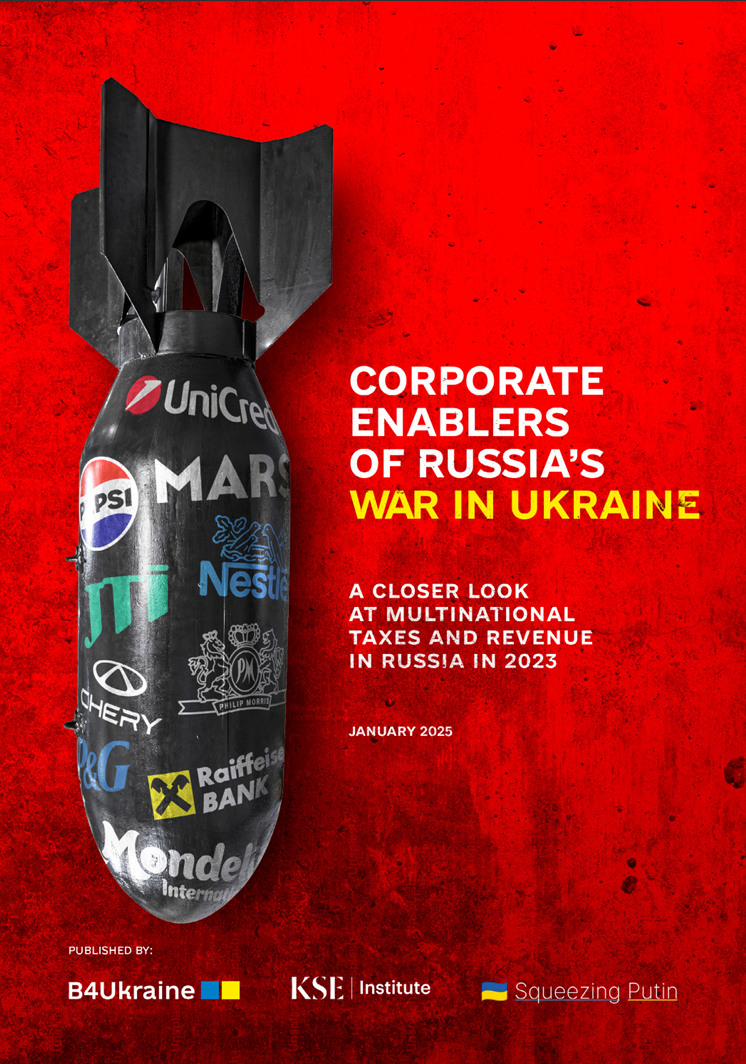
Corporate enablers of Russia’s war in Ukraine: A closer look at multinational taxes and revenue in Russia in 2023
Examines multinational companies’ revenues and taxes in Russia (2021–2023), showing continued corporate activity generated significant tax contributions supporting the Russian state. Highlights sectoral drivers, limited exits, and rising fiscal pressures, concluding that ongoing operations pose financial, legal, and human rights risks.
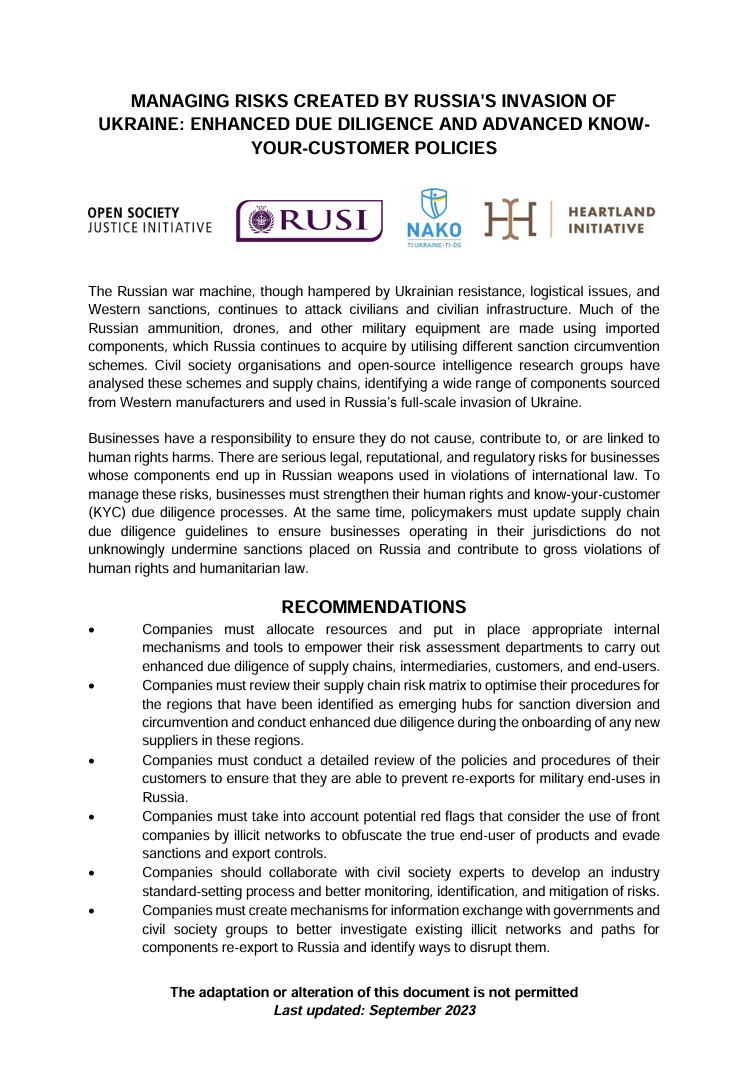
Managing risks created by Russia's invasion of Ukraine: Enhanced due diligence and advanced know your-customer policies
The report advises firms to strengthen due diligence and advanced know-your-customer checks to prevent sanctions evasion and re-exports supporting Russia’s war in Ukraine. It highlights front-company red flags, recommends stronger internal controls and information-sharing, and uses case studies to show how diversion risks can be detected.
Corporate climate governance
Examines how mandatory climate disclosure regimes reshape corporate governance by integrating climate risk into decision-making. Develops a spectrum from “thin” to “thick” governance, showing a shift towards stakeholder-oriented models, enhanced risk management, and long-term value optimisation, with implications for fiduciary duties and corporate strategy.
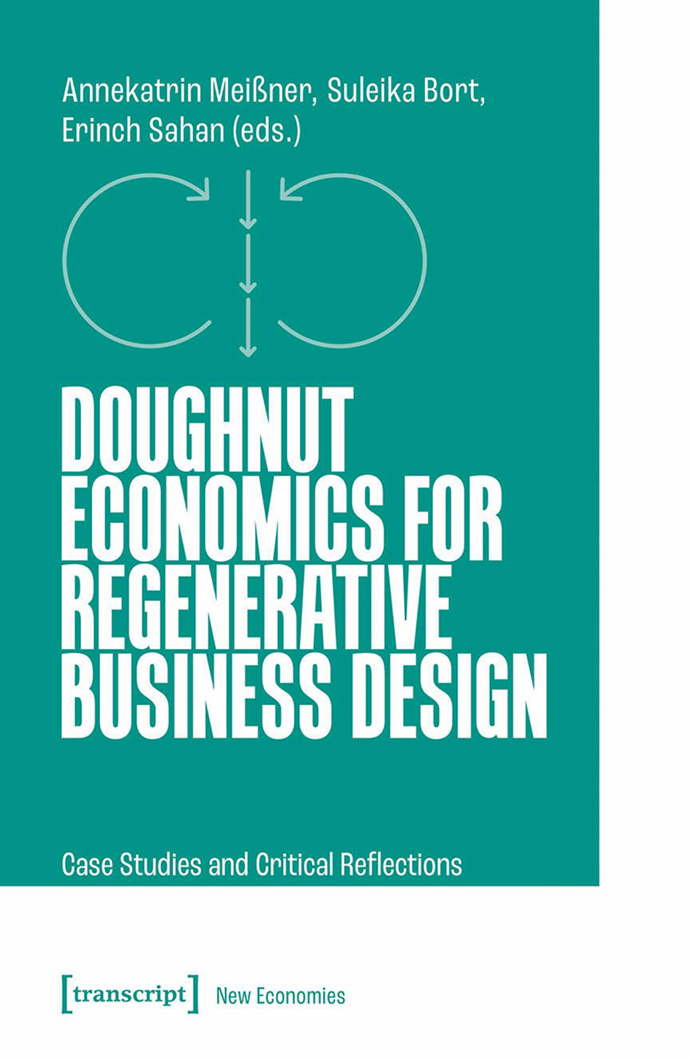
Doughnut economics for regenerative business design
An edited volume applying Doughnut Economics to business design, using case studies and critical reflections to examine how purpose, networks, governance, ownership and finance can support regenerative and distributive business models. It focuses on redesigning firms to operate within ecological and social limits.
The circular economy: A 'triple play' solution for achieving China's climate objectives
The report argues that a circular economy can help China meet climate goals by cutting emissions in hard-to-abate sectors, securing critical materials for renewable energy, and improving climate resilience, while outlining policy actions on design, resource management, investment, measurement, and cross-sector collaboration.
How does climate risk affect global equity valuations? A novel approach
The report presents a probabilistic, state-dependent valuation framework for global equities under climate risk, finding that strong abatement could limit revaluation losses to 5–10%, while continued weak abatement could imply declines of around 40%, with tipping points worsening losses.
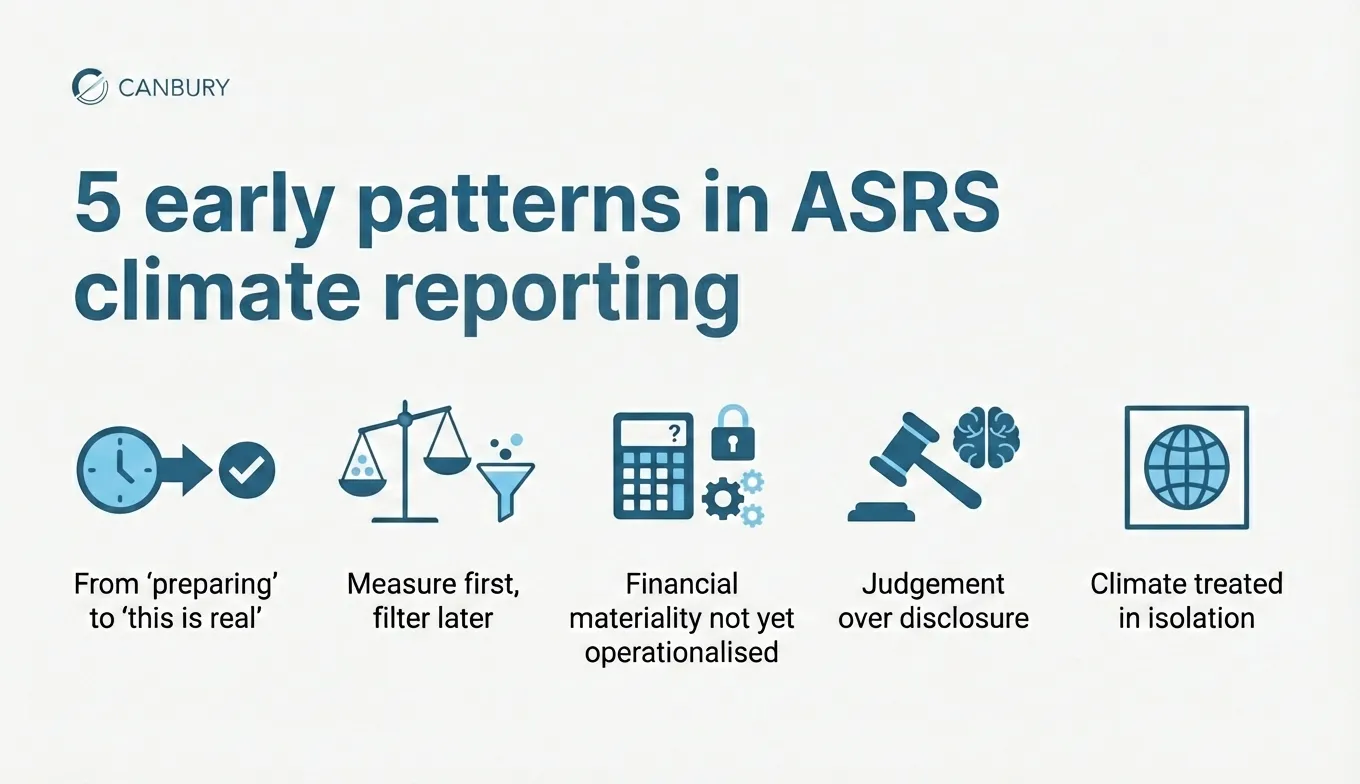
ASRS first year has landed: Here's what we’re seeing in the market
This article examines how Australian organisations are approaching the first year of mandatory ASRS climate disclosures. It highlights common implementation patterns, areas of misallocated effort, and emerging practices that prioritise financially material, decision-useful climate reporting.
A method to identify positive tipping points to accelerate low-carbon transitions and actions to trigger them
The report proposes a methodology to identify “positive tipping points” that can accelerate low-carbon transitions. It outlines a framework to assess their likelihood, drivers and proximity, and identifies actions that could trigger self-reinforcing decarbonisation processes to help achieve Paris Agreement climate goals.
Science in the courtroom: Evidentiary needs in climate litigation
This guide outlines how climate science evidence is used in climate litigation. It explains evidentiary standards, types of scientific evidence and litigation strategies, and provides guidance for courts and litigants on presenting and assessing climate science to support legal claims related to climate change impacts and responsibility.
Climate-related risks and opportunities and the disclosure of material information
This educational material explains how entities apply AASB S2 to identify and disclose material information on climate-related risks and opportunities affecting cash flows, access to finance and cost of capital. It outlines concepts such as value chains, dependencies and impacts, and provides a four-step process for assessing and reporting material climate-related information.

The slow forces behind this year’s fast crises
The article argues that today’s rapid global crises (political, ecological, and social) are the visible outcomes of long-building systemic pressures. Using complexity science and systemic risk analysis, it highlights how understanding these deep drivers can help societies both anticipate crises and accelerate positive, transformative change.


