
Library | SASB Sustainability Sector
All industries
Refine
796 results
REFINE
SHOW: 16


AQUEDUCT Floods
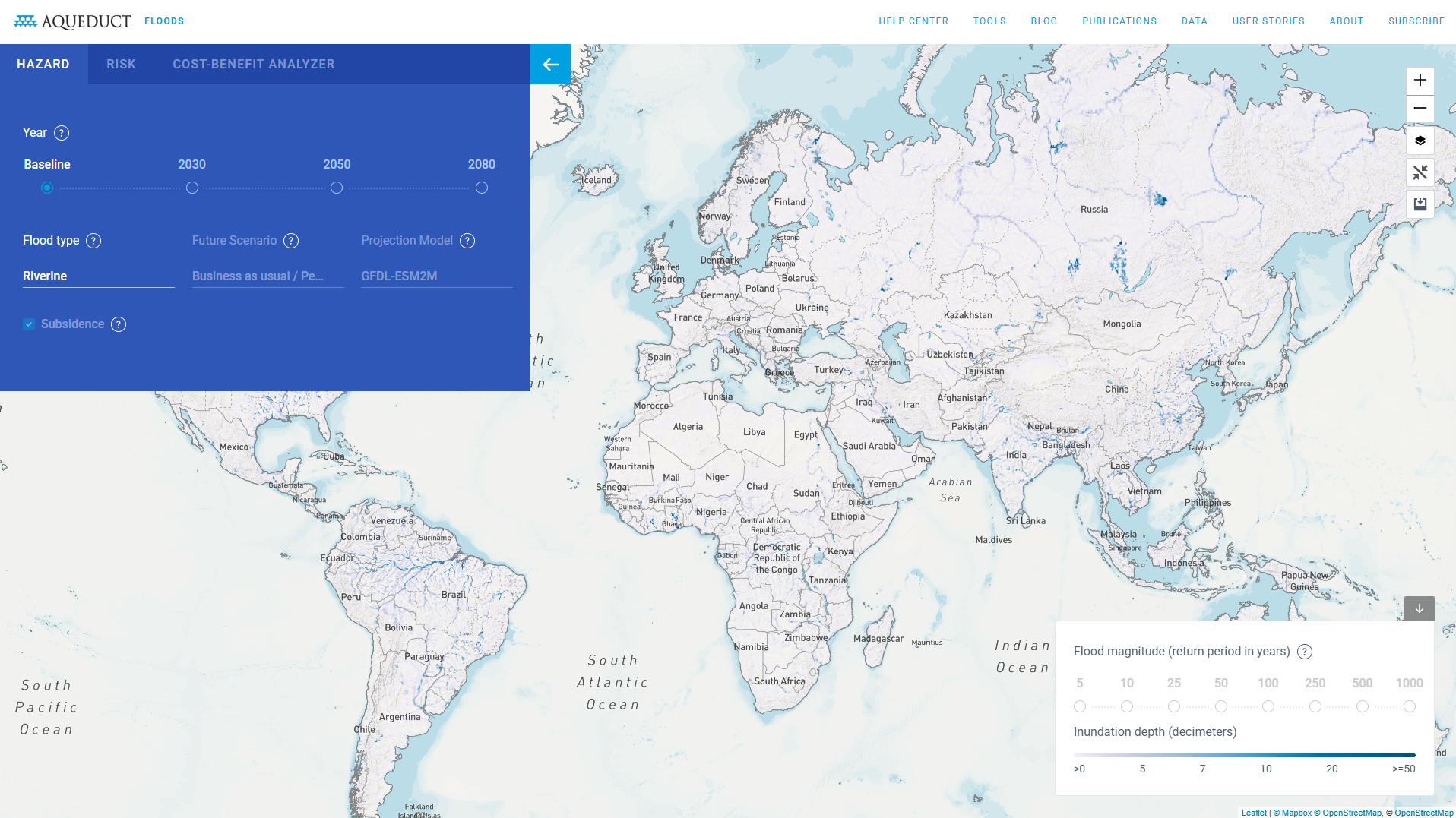
Aqueduct Floods is an interactive tool by WRI that maps current and projected riverine and coastal flood risk globally. It enables users to assess exposure, urban damage, and economic impacts under different climate scenarios, supporting risk analysis, resilience planning, and investment decision-making at country and sub-national levels.

Starting and transitioning into sustainable finance careers
This guide outlines pathways for starting or transitioning into sustainable finance careers. It explains ESG integration, sustainable and impact investing, sector roles, required skills, barriers and transition strategies, supported by Australian context, expert insights and case studies from Pollination and Aware Super.
The Three Horizons of Decarbonisation
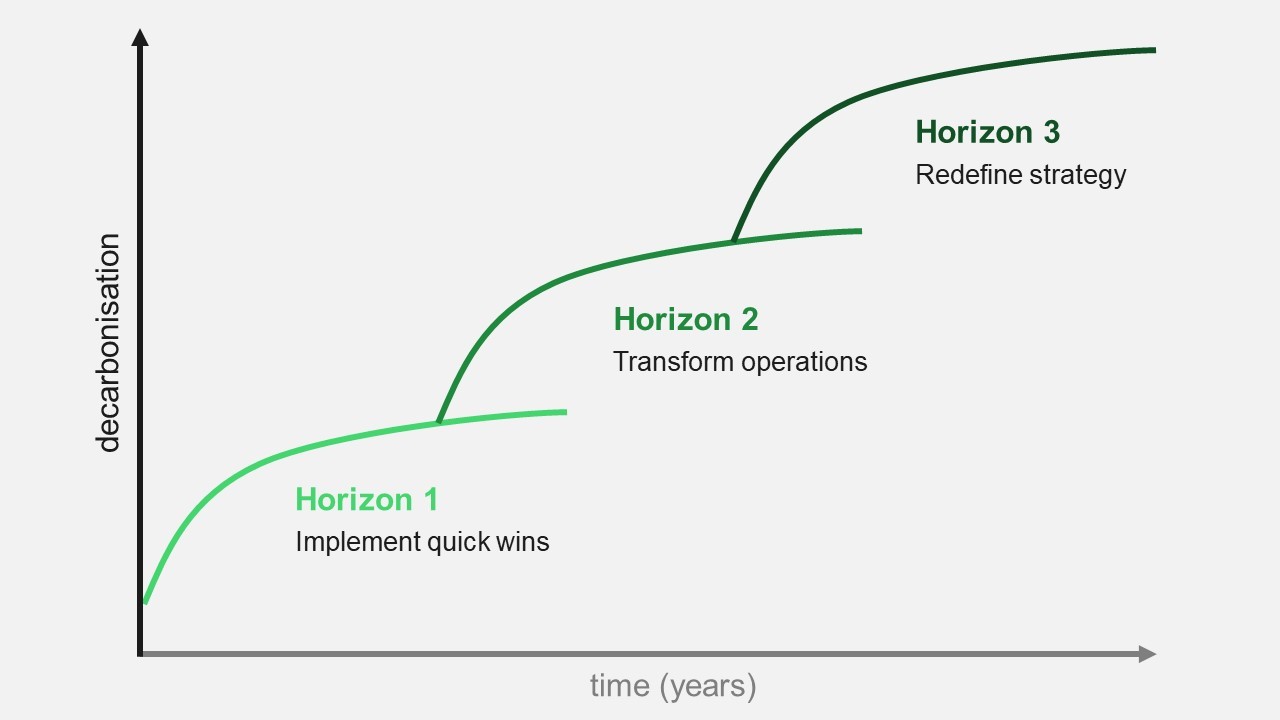
This article presents the Three Horizons of Decarbonisation framework, helping companies distinguish between short-term efficiency measures, operational transformation, and fundamental business model shifts. It explains how clear horizon identification improves capital allocation, stakeholder engagement, and the likelihood that net zero plans translate into meaningful action.
Hong Kong taxonomy for sustainable finance (phase 2A)
Phase 2A of the Hong Kong Taxonomy for Sustainable Finance sets out detailed criteria for classifying environmentally sustainable activities, aligned with international taxonomies. It covers additional sectors, technical screening thresholds, and transition activities, aiming to enhance transparency, comparability and capital allocation towards climate mitigation and adaptation in Hong Kong.
The macroeconomic impact of climate change: Global vs. local temperature
This paper estimates that global temperature increases have far larger macroeconomic damages than local measures suggest. Using time-series evidence and a neoclassical growth model, it finds a 1°C rise reduces world GDP by over 20% long term, implying substantial welfare losses and a high social cost of carbon.
Advancing adaptation: Mapping costs from cooling to coastal defenses
This McKinsey Global Institute report assesses current and projected costs of adapting to heat, drought, flooding and wildfires under a 2°C warming scenario. It estimates $190 billion is spent annually today, rising to $1.2 trillion by 2050 for developed-economy protection standards, with benefits outweighing costs.
Understanding rights at work: A guide to key terms related to fundamental principles and rights at work, trade and supply chains
This guide explains key terms related to fundamental principles and rights at work, including freedom of association, collective bargaining, forced and child labour, discrimination and living wages. It outlines links to trade, supply chains, due diligence and international labour standards, supporting consistent interpretation in policy and corporate practice.
Global cybersecurity outlook 2026: Insight report
Global Cybersecurity Outlook 2026 examines AI-driven threats, geopolitical volatility and supply chain vulnerabilities shaping cyber risk. Drawing on a global survey, it highlights rising AI-related risks, escalating cyber-enabled fraud, regulatory fragmentation and persistent skills shortages, emphasising resilience, ecosystem collaboration and economic impacts as strategic priorities.

Systems-informed stewardship part III: Reimagining stewardship for a sustainable future
This article presents systems-informed stewardship as a new approach to advancing sustainability across the finance sector. It outlines two interdependent lenses and three practical shifts, embedding responsibility, designing for complexity, and managing adaptively to improve stewardship effectiveness.
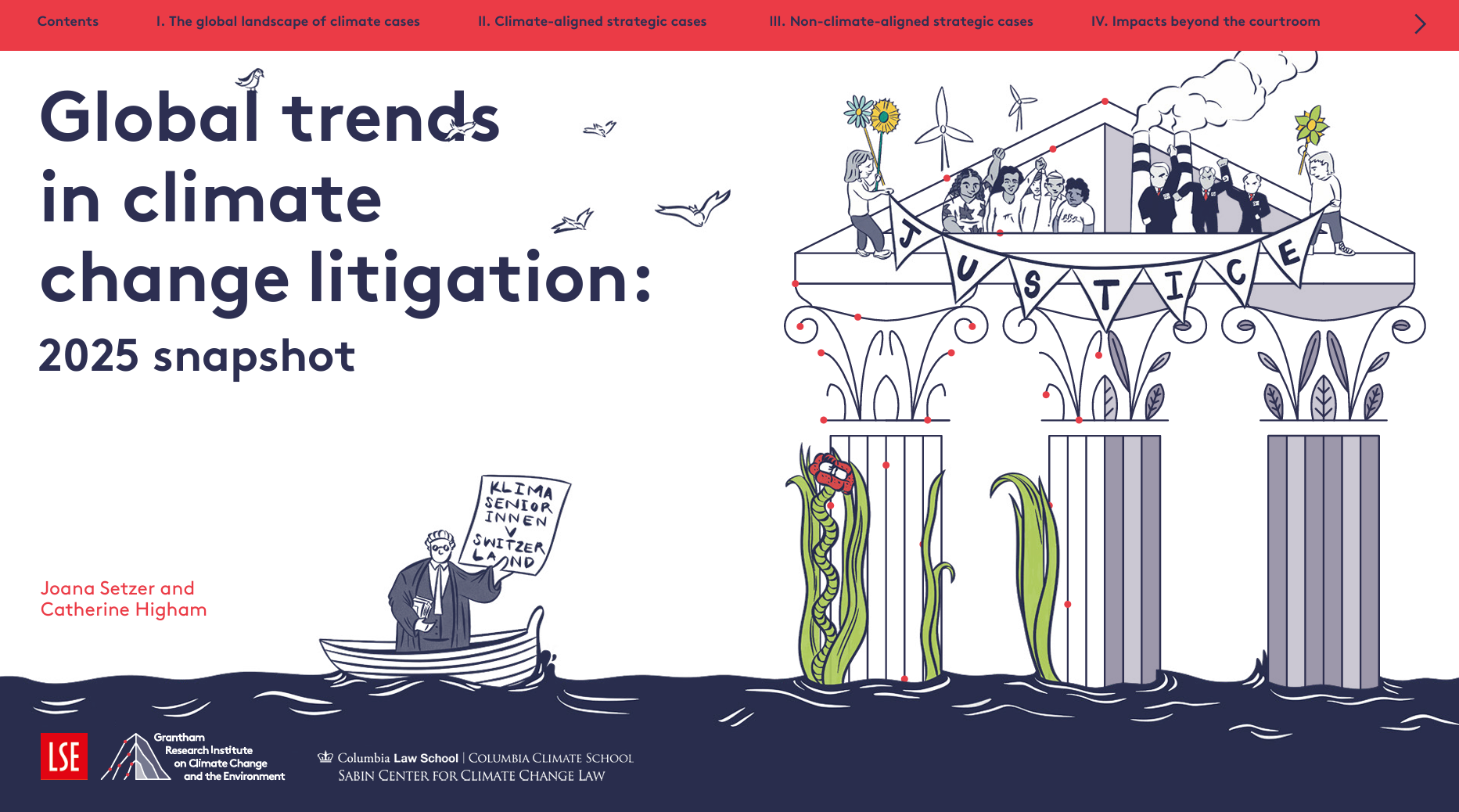
Global trends in climate change litigation series
This series reviews global developments in climate change litigation, tracking case numbers, jurisdictions, claimant and defendant trends, and evolving legal strategies. Drawing on international litigation databases, it analyses patterns in claims against governments and corporations, highlighting emerging themes in climate governance, accountability and legal risk.
The MSCI sustainability institute net-zero tracker series
The MSCI Sustainability Institute Net-Zero Tracker is a periodic benchmark series that monitors how listed companies align with global climate goals. It provides a consistent framework for assessing emissions pathways, transition readiness, disclosure practices and climate-related investment context across markets and sectors.
Ecosystem tipping points: Understanding the risks to the economy and the financial system
This report analyses ecosystem tipping points as systemic risks to economies and financial systems, highlighting non-linear, irreversible ecosystem collapse. It finds current models underestimate impacts and urges precautionary, ecosystem-focused policy and financial regulation to protect price and financial stability.
Unblocking climate and biodiversity finance: Global public investment for global missions
The report proposes integrating mission-oriented policy with Global Public Investment to unblock climate and biodiversity finance. It argues for predictable, equitable public funding, shared decision-making, reduced debt reliance, and reforms such as a Climate and Biodiversity Marshall Plan and redesigned debt-for-nature swaps.
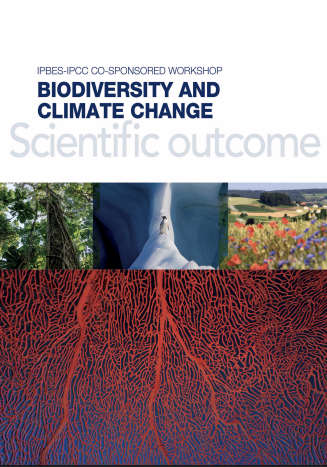
IPBES-IPCC co-sponsored Workshop: Biodiversity and climate change
This IPBES–IPCC workshop report examines interlinkages between biodiversity, climate change and society, identifying synergies, trade-offs and risks. It assesses mitigation and adaptation impacts on ecosystems and people, and outlines integrated, nature-based solutions to inform climate and biodiversity policy and governance.
Climate change & the engagement gap: Why investors must do more than move the needle, and how they can
This report argues that climate change poses systemic risks to diversified portfolios and that conventional ESG engagement is insufficient. It proposes investor-led, enterprise-agnostic “guardrails” to limit greenhouse gas emissions, protect overall economic value, and complement inadequate regulation.
Energy and AI
The IEA’s Energy and AI report examines AI’s rising electricity demand and its capacity to improve energy efficiency, security and innovation. It assesses data centres, grids and end-uses, highlighting skills, infrastructure and policy needs to manage costs, emissions and resilience globally.


