
Library | SASB Sustainability Sector
All industries
Refine
636 results
REFINE
SHOW: 16


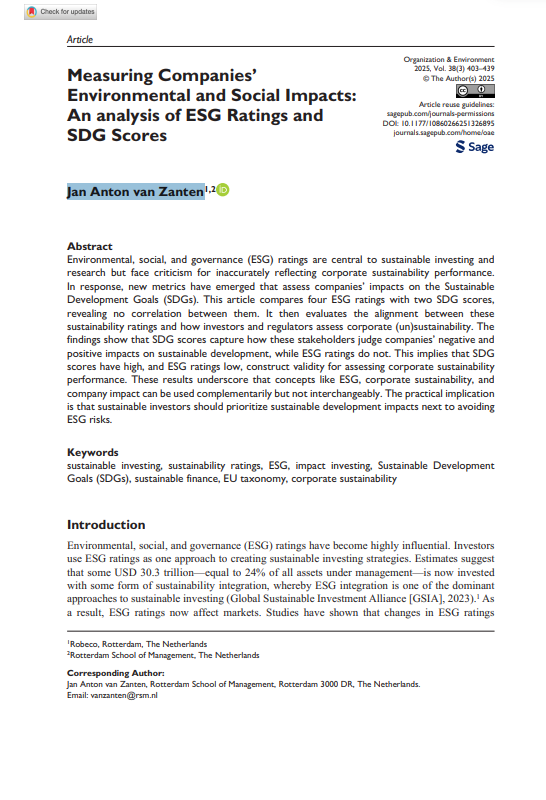
Measuring companies’ environmental and social impacts: An analysis of ESG ratings and SDG scores
This study compares ESG ratings with SDG scores across major providers. It finds little correlation. SDG scores align with investor exclusions and EU Taxonomy assessments, while ESG ratings largely measure financial risk exposure, not real-world environmental or social impacts.
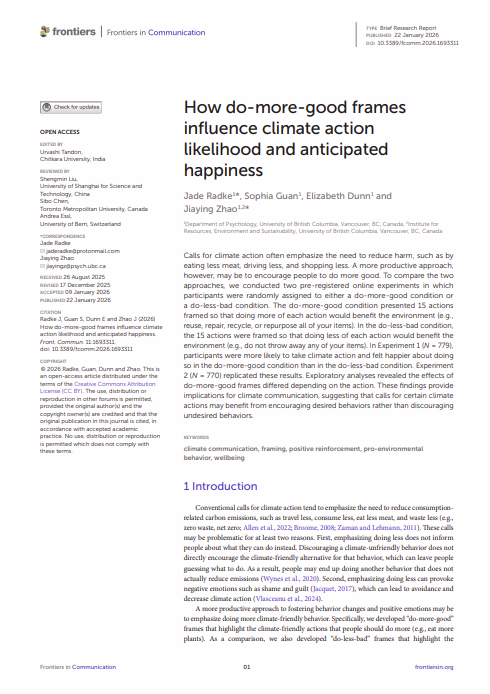
How do-more-good frames influence climate action likelihood and anticipated happiness
Two preregistered online experiments (N≈1,550) show that framing climate actions as “do more good” increases self-reported action likelihood and anticipated happiness compared with “do less bad”, with effects varying by specific action.

Systems-informed stewardship part I: Reshaping sustainable and impact finance through systems thinking
This article introduces systems thinking and explains how it is reshaping sustainable and impact finance by addressing interconnected systemic risks like climate change and inequality. It outlines four emerging applications; from systemic risk management to systems-informed stewardship, highlighting the implications for investors’ roles, tools, and decision-making.
Directors’ duties navigator: Climate risk and sustainability disclosures series
This is a series of legal and governance primers examining directors’ duties and corporate disclosure obligations in relation to climate and sustainability risks. It provides jurisdictional analysis and practical guidance to support board oversight, risk management and reporting as regulatory and market expectations evolve.
Global biodiversity loss, ecosystem collapse and national security: A national security assessment
This UK national security assessment finds global biodiversity loss and ecosystem collapse pose high risks to food security, economic stability and geopolitics. Degradation is widespread, with potential ecosystem collapse from 2030–2050, intensifying migration, conflict, supply chain disruption and strategic competition without decisive intervention.

Global climate highlights series
This benchmark series provides a recurring, standardised overview of global climate conditions, produced using consistent observational and reanalysis datasets. It tracks changes across key climate indicators to support comparability over time and inform assessment of longer-term climate trends within a recognised reference framework.
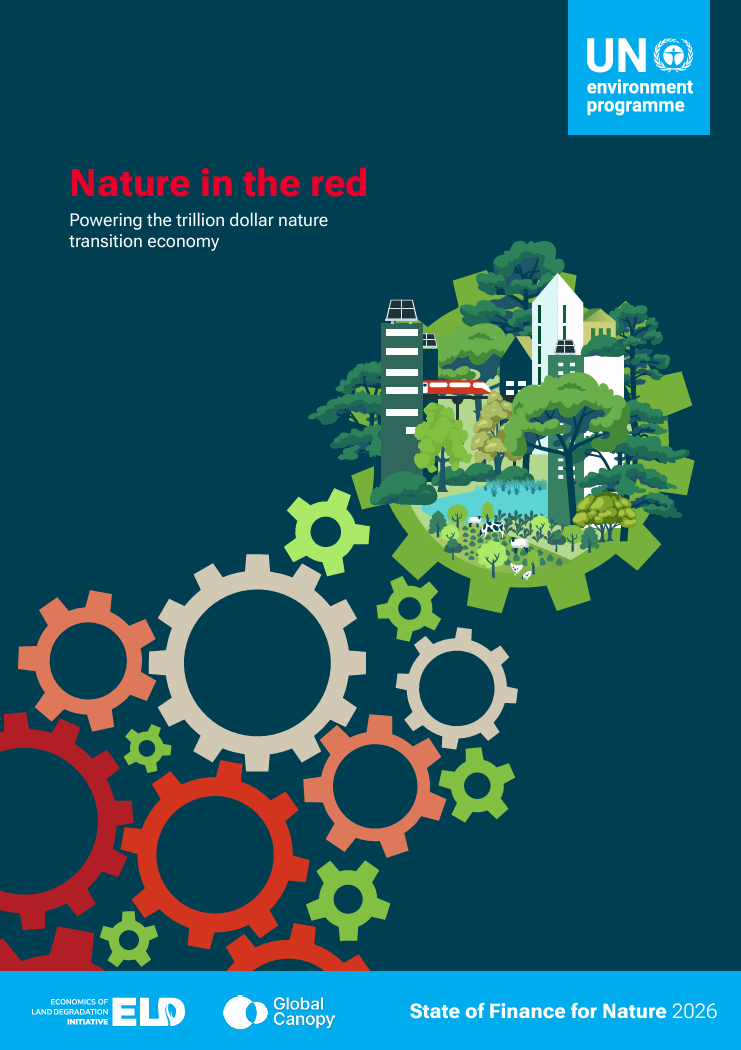
State of finance for nature 2026: Nature in the red: Powering the trillion dollar nature transition economy
UNEP’s State of Finance for Nature 2026 finds global finance remains heavily skewed towards nature-negative activities. In 2023, US$7.3 trillion harmed nature versus US$220 billion for nature-based solutions. Meeting Rio Convention targets requires more than doubling nature investment by 2030.
Online Climate Scenario Analysis Narrative Tool
An interactive climate financial risk tool developed by the UK Centre for Greening Finance and Investment to support scenario analysis. It enables users to explore climate transition and physical risk pathways for financial decision-making, stress testing, and research, with a focus on climate-related financial impacts.
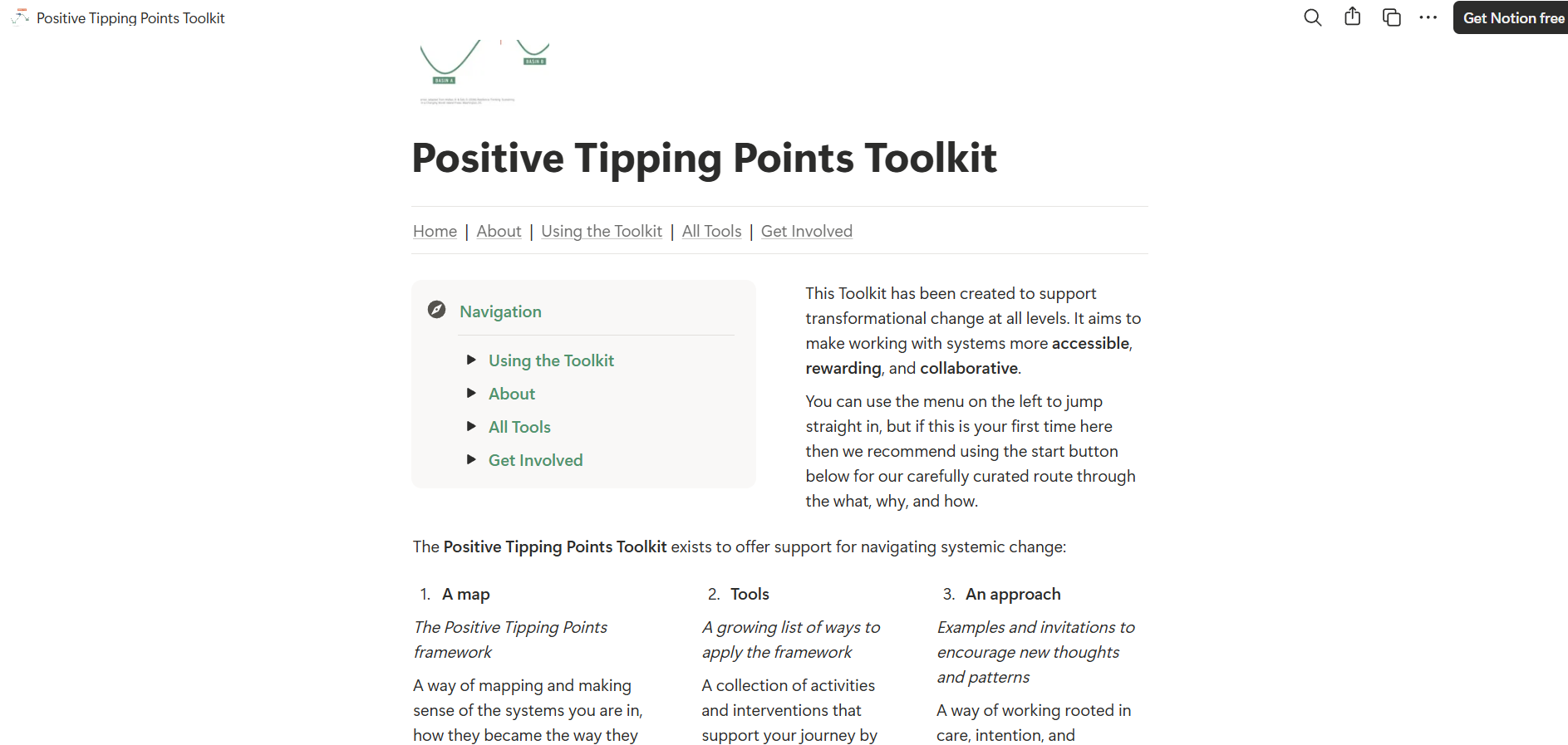
Positive Tipping Points Toolkit
The Positive Tipping Points Toolkit is an open-access, modular resource that supports analysis and application of positive tipping points in complex systems. It provides practical frameworks, examples and methods to identify leverage points and accelerate self-reinforcing change across social, environmental and economic contexts.
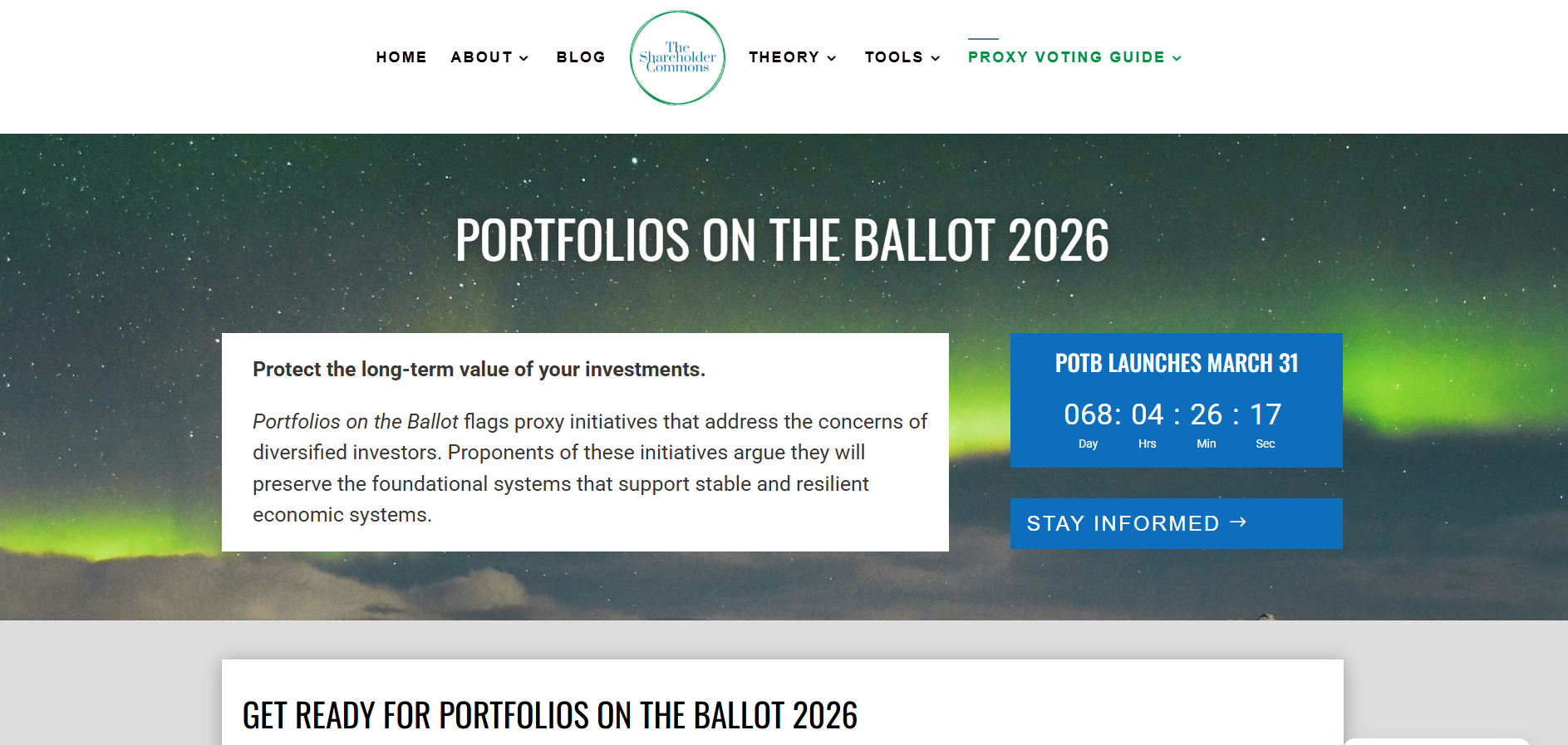
Portfolios on the ballot
Portfolios on the Ballot (POTB) is a tool by The Shareholder Commons that tracks shareholder proposals with potential system-wide economic impacts. It supports portfolio-level analysis of proxy votes, focusing on long-term market, social, and environmental risks relevant to diversified investors.
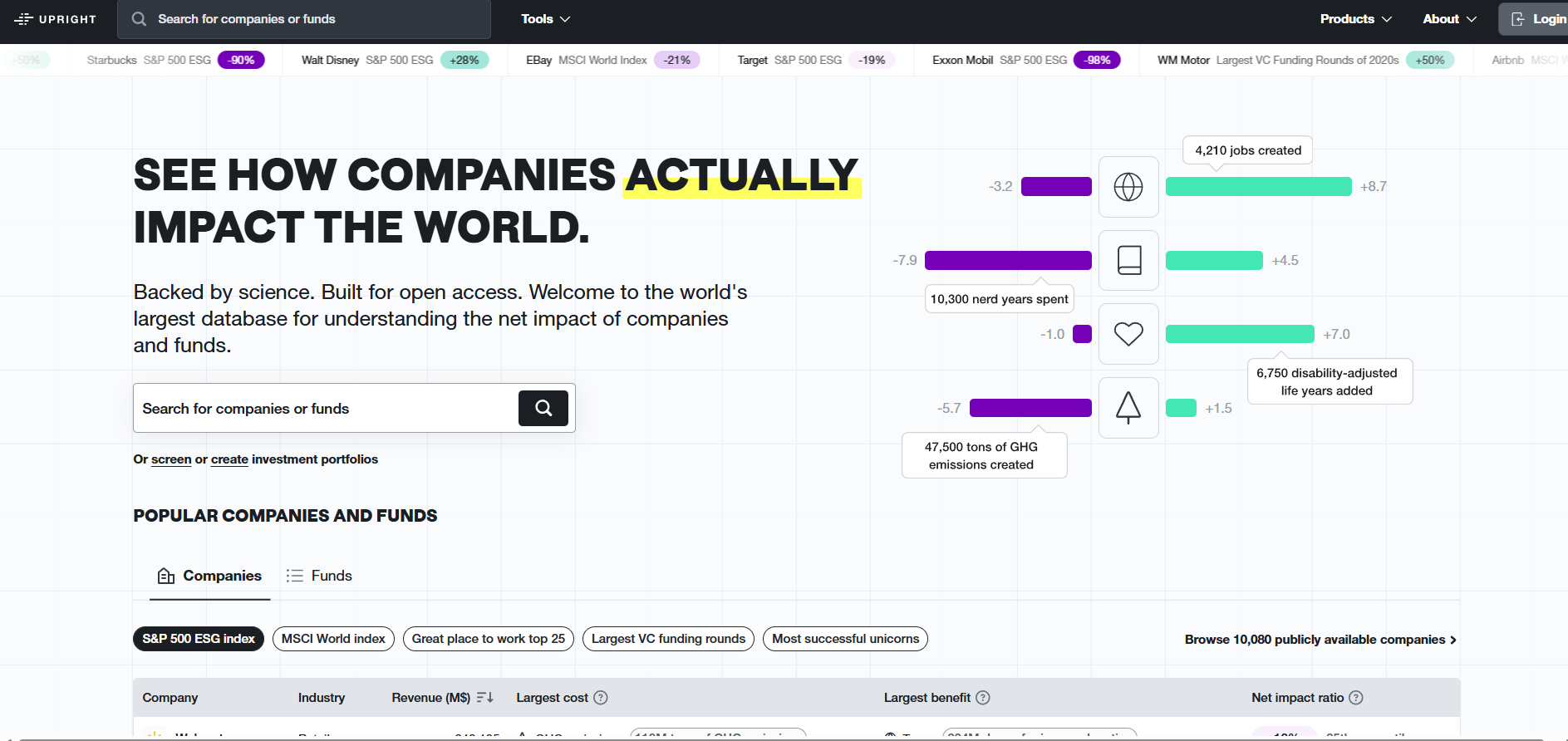
Upright Net Impact Model
Upright Platform offers impact-based ESG analytics that quantify companies’ positive and negative effects across environmental, social and economic dimensions. The S&P 500 ESG preset enables benchmarking of index constituents using monetised impact data to support portfolio analysis and comparability.
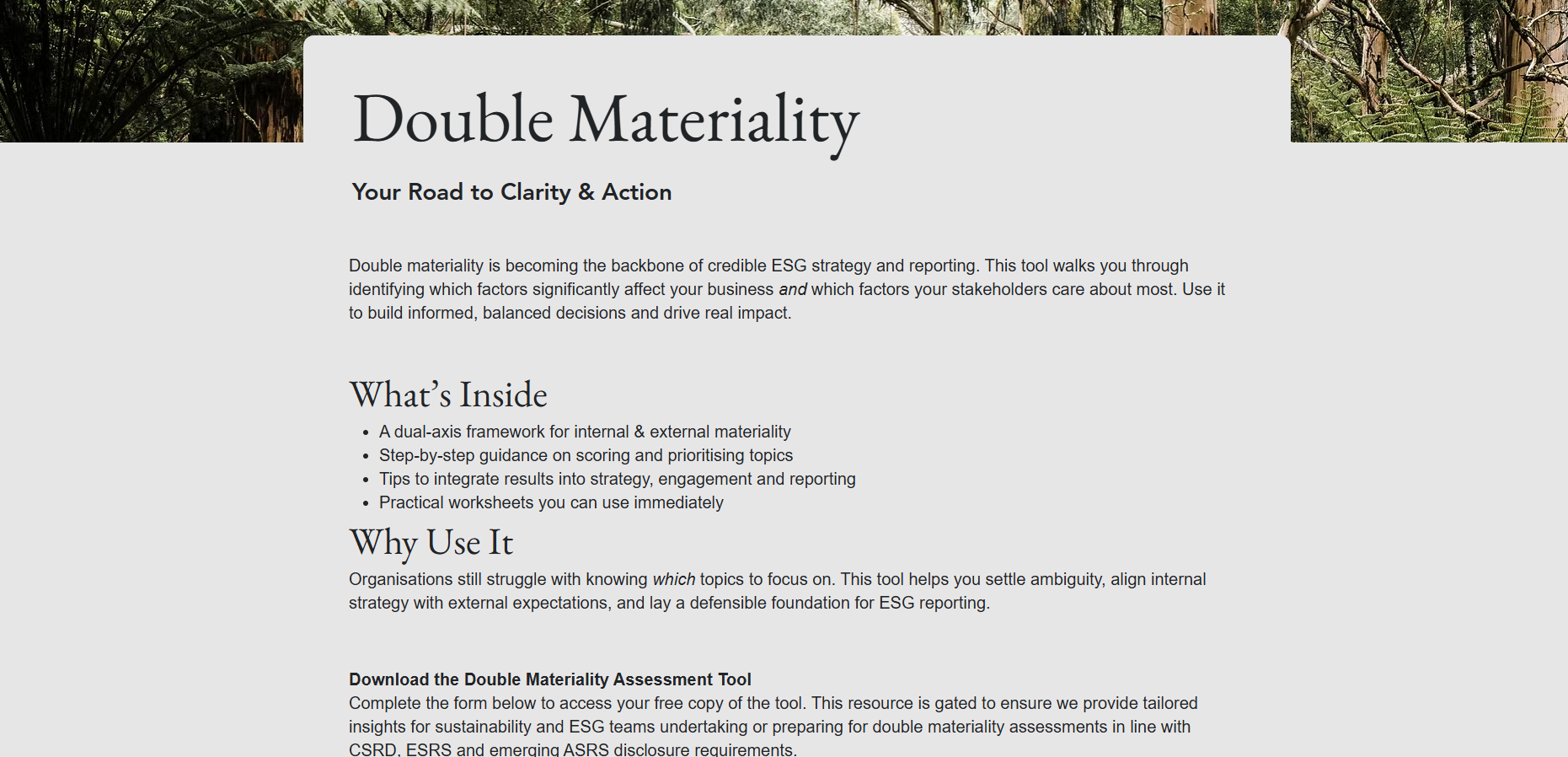
Double Materiality Assessment Tool
The Bloom Sustainability Double Materiality Tool supports CSRD-aligned assessments by identifying, scoring, and prioritising impact and financial risks and opportunities. It combines structured stakeholder input with quantitative scoring to document materiality outcomes and provide audit-ready outputs for sustainability and ESG reporting.
NatureAlign
NatureAlign is a decision-support tool by Nature Finance that helps financial institutions identify, assess and respond to nature-related risks and opportunities by aligning portfolios, strategies and governance with nature-positive outcomes.
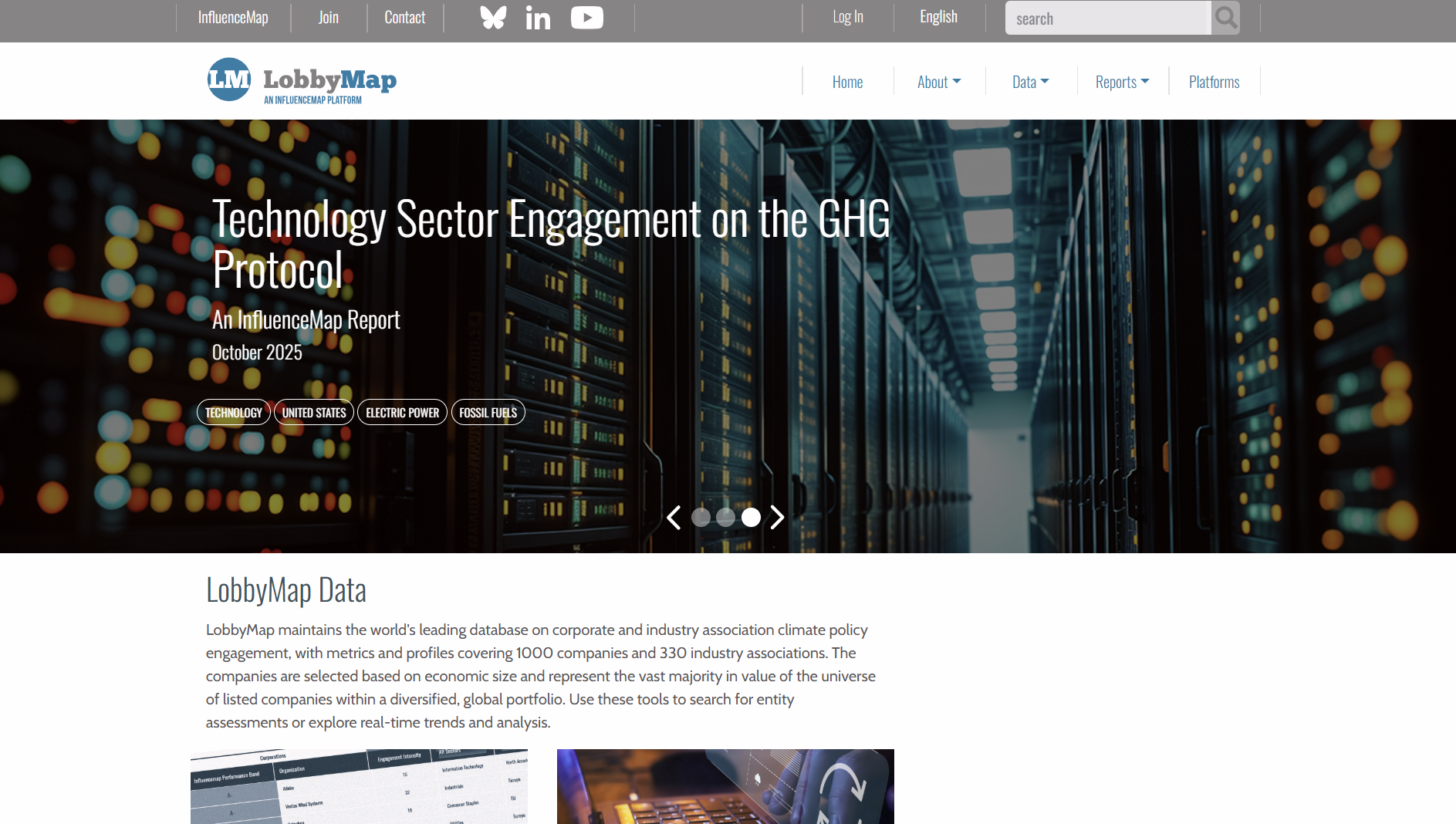
LobbyMap
LobbyMap is an online database that analyses corporate and trade association lobbying on climate and energy policy. It compares stated public positions with lobbying activities to assess alignment, consistency, and potential risks for investors and financial decision-making.
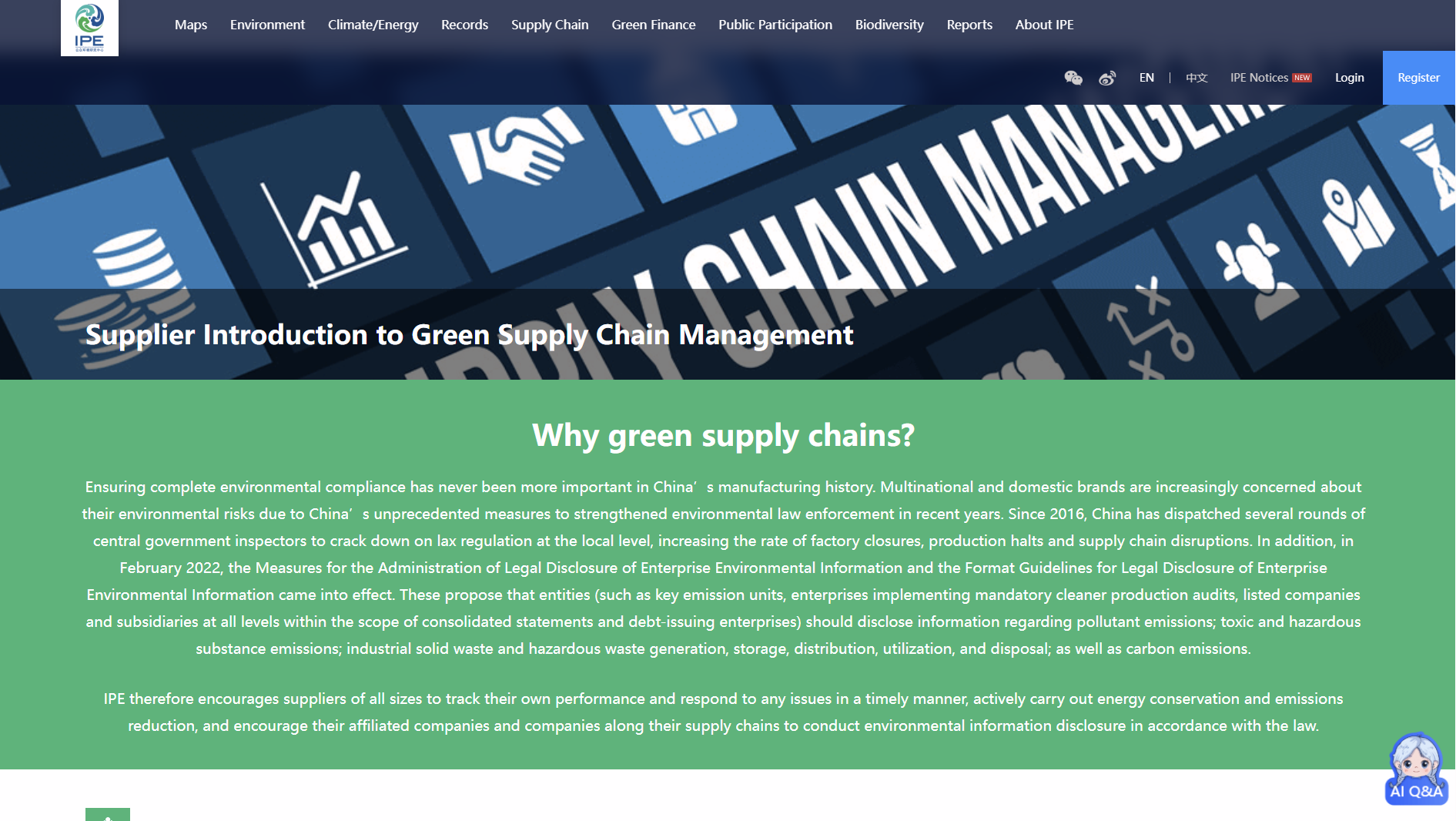
IPE Green supply chain
The Institute of Public & Environmental Affairs Green Supply Chain Supplier Database tracks environmental compliance of Chinese suppliers. It consolidates government violation records and corporate disclosures to support supply chain due diligence, risk screening, and ESG assessment by investors and companies.
Climate transition and global financial stability
This literature review assesses evidence on how delayed, failed or uneven climate transitions affect UK and global financial stability. It finds intensifying physical and transition risks, potential mispricing and spillovers, and significant uncertainty, highlighting EMDE transitions as central to managing systemic financial risk.


