
Library | SASB Sustainability Sector
All industries
Refine
837 results
REFINE
SHOW: 16


FCLT Gold Standard: Information and resources
FCLTGlobal’s Gold Standard provides criteria for asset owners, asset managers and companies to support long-term value creation. It outlines recommended practices across governance, incentives, engagement, metrics and future success, including long-term performance measurement, aligned remuneration, sustainability reporting, carbon pricing, diverse decision-making and investment in innovation.
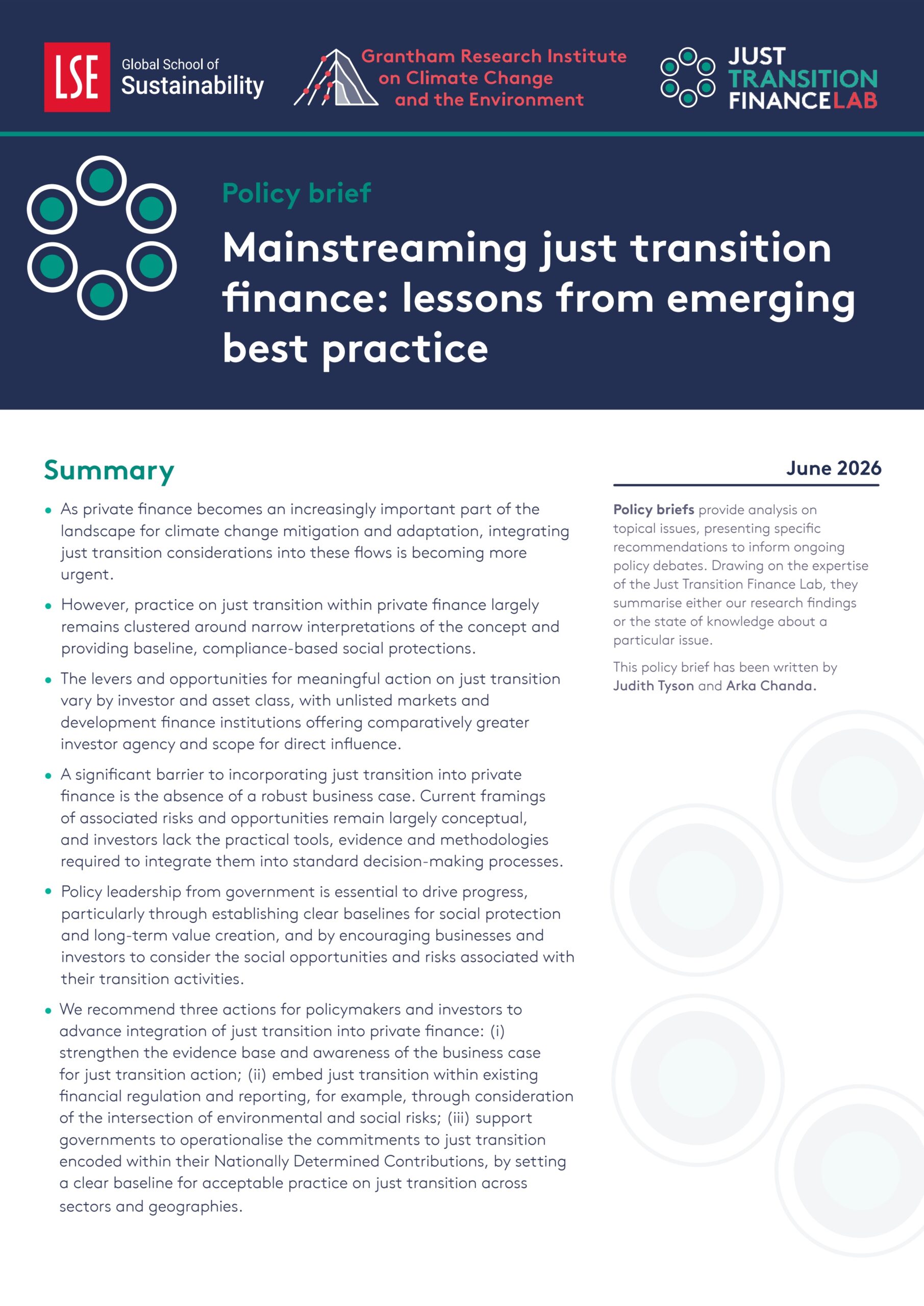
Mainstreaming just transition finance: Lessons from emerging best practice
This report examines the integration of just transition principles into private finance. It highlights structural barriers, including the lack of robust business cases and quantifiable evidence. Recommendations include embedding just transition into existing regulatory frameworks, strengthening the evidence base for commercial benefits, and aligning private incentives with national commitments.
Assessing climate finance quality in practice: Lessons from six cases
This research report analyses six case studies to determine what constitutes high-quality public climate finance. It introduces a two-pronged framework assessing design, delivery, and results. Findings emphasise context-specific calibration, the importance of building enabling environments, and identifying data gaps that hinder systematic reporting across public climate finance providers.
Just Nature: How finance can support a just transition at the interface of action on climate and biodiversity
This report examines how the financial sector can facilitate a just transition within nature-based systems. It outlines priorities for sustainable agriculture, deforestation, nature-based solutions, and ocean restoration. The authors provide strategic recommendations for integrating human rights and social inclusion into climate and biodiversity actions to achieve a net-zero economy.
Global Innovation Lab for Climate Finance: Portfolio
The Global Innovation Lab for Climate Finance Portfolio is a database of vetted financial instruments designed to mobilise private capital for climate action. It provides finance professionals with access to innovative blended finance models, case studies, and sector-specific investment structures.
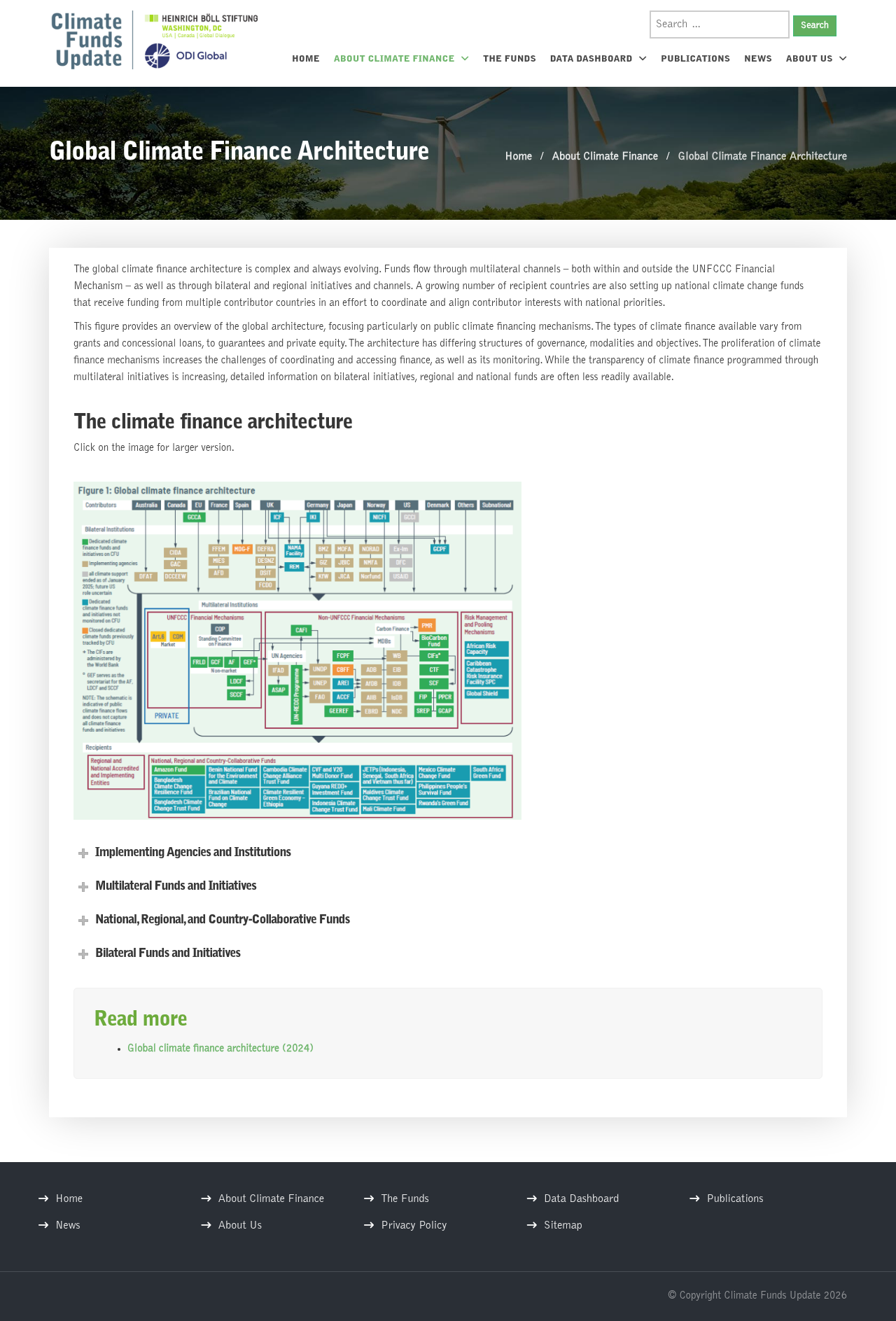
Global Climate Finance Architecture
Climate Funds Update tracks the complex global climate finance architecture, monitoring multilateral, bilateral, and regional funds. It provides critical insights into how international capital is channelled toward climate action in developing nations, supporting ESG analysis and investment context.
2026 IEA Energy Prices Database
The 2026 IEA Energy Prices Database provides comprehensive global data on energy prices, investment trends, and capital flows. It supports finance professionals in assessing market volatility, conducting risk analysis, and evaluating energy sector investments.
Asset-level physical climate risk register template
The Asset-level physical climate risk register template, developed by the Investor Group on Climate Change (IGCC), enables consistent documentation of climate hazard assessments. It helps investors and managers track risks such as floods and wildfires at the individual asset level to support financial reporting and resilience planning.
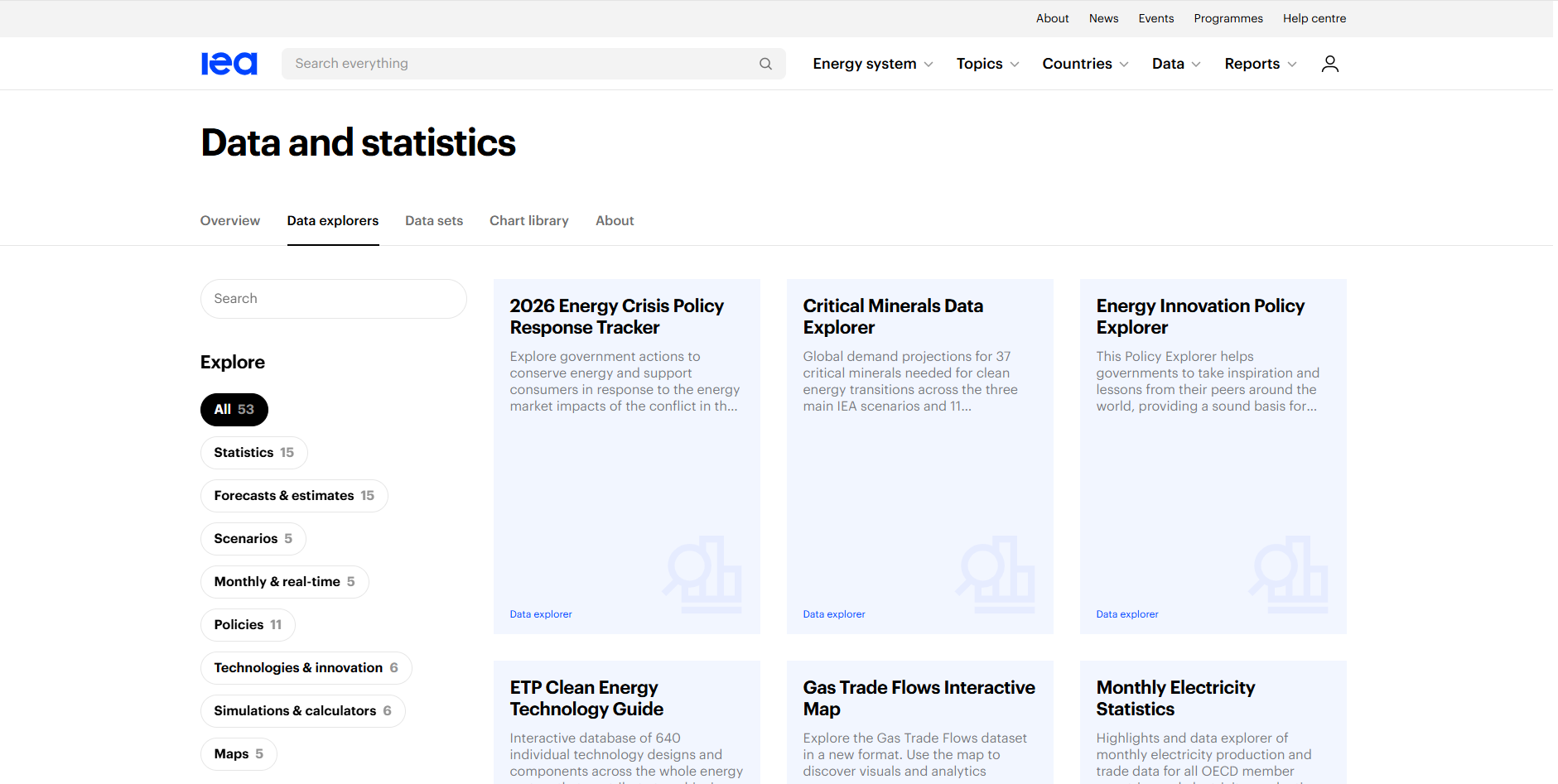
IEA's interactive data explorer
The IEA's Interactive data explorer provides access to visualisations and databases covering 640 energy technology designs and global climate commitments. It assists finance professionals in tracking energy transitions and regional net zero outlooks.
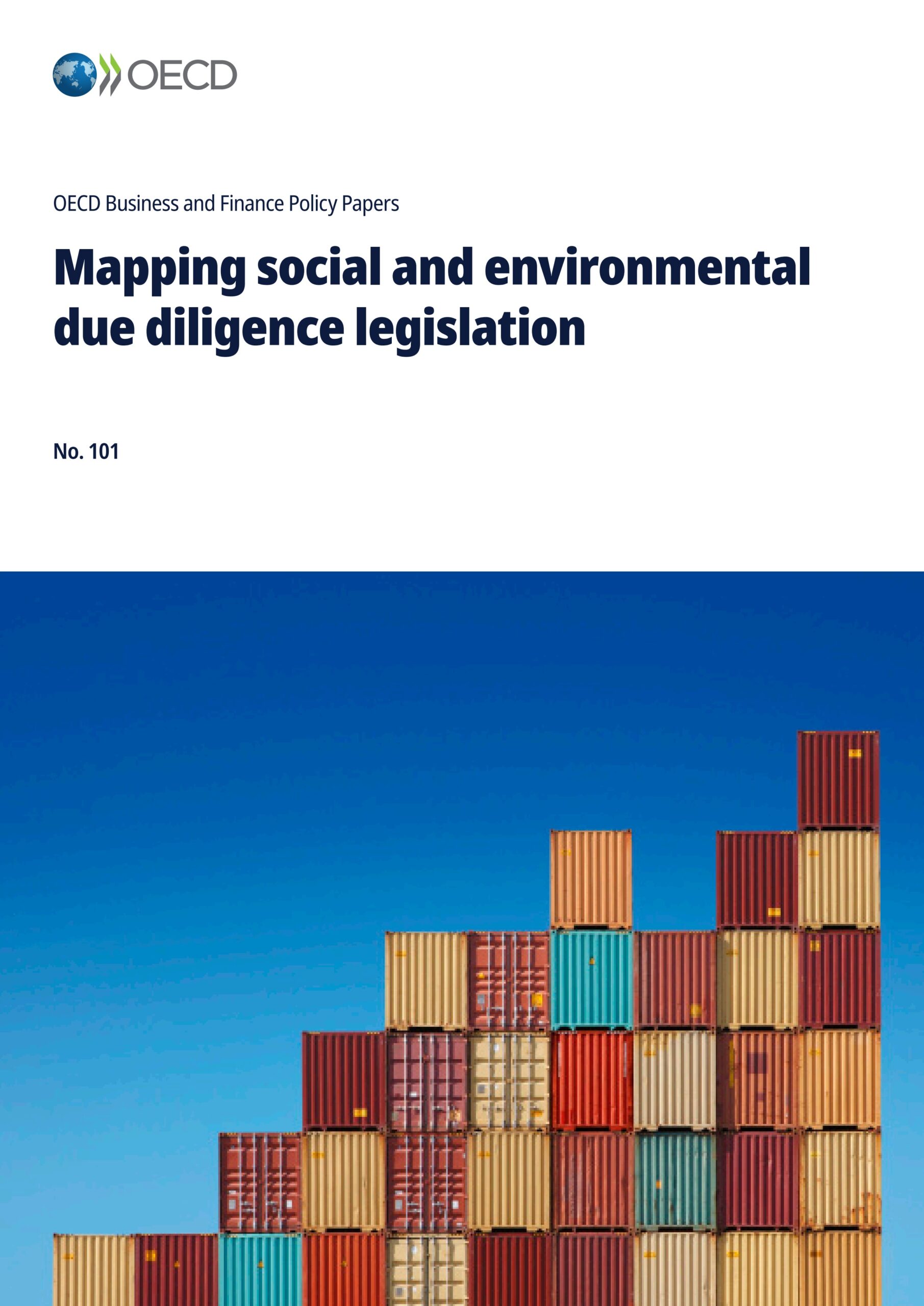
Mapping social and environmental due diligence legislation
This OECD report maps 21 legislative measures across 11 jurisdictions concerning social and environmental due diligence. It identifies key areas of convergence and divergence in regulatory scope and requirements. The findings aim to support international policy co-operation, reduce implementation complexity, and promote consistent global enforcement approaches.
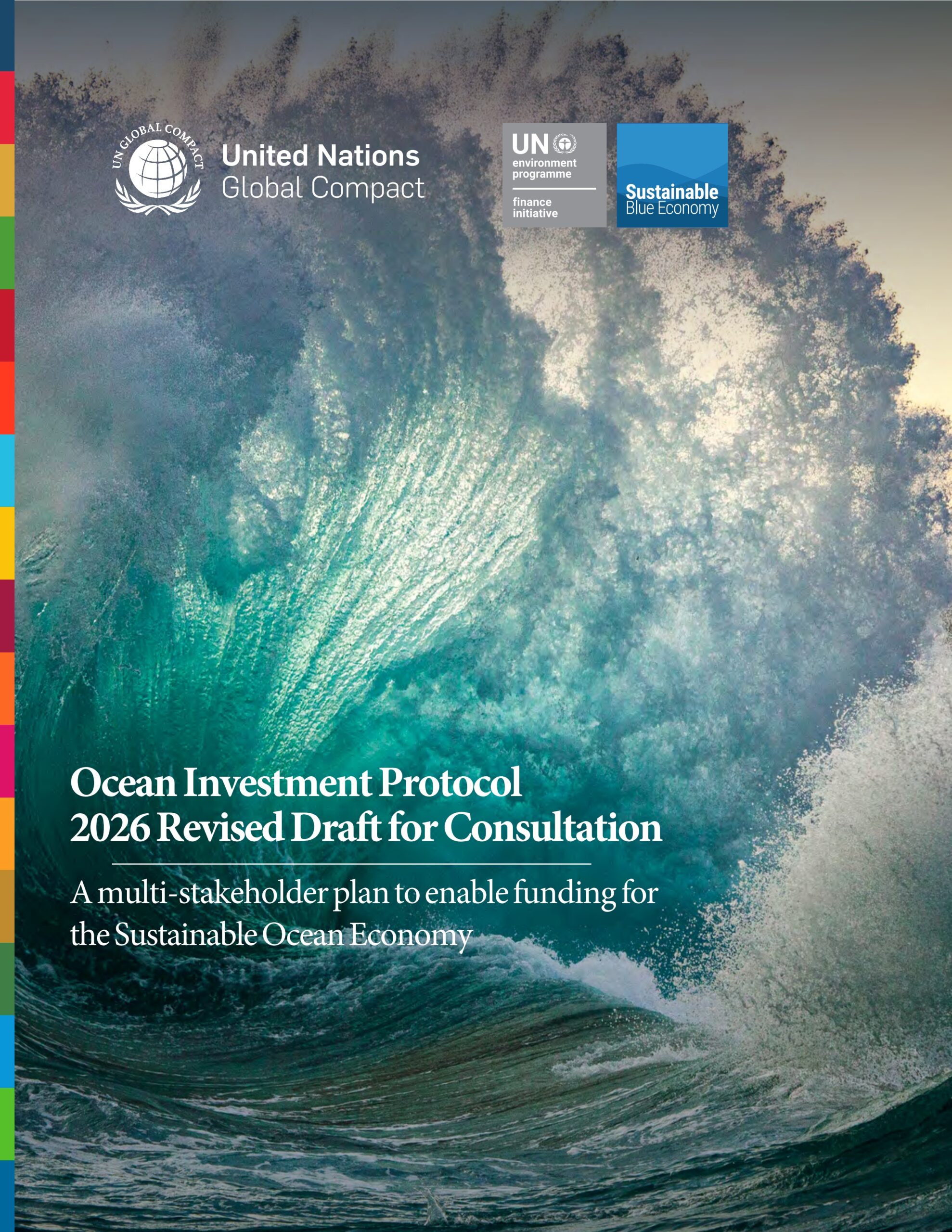
Ocean investment protocol: 2026 revised draft for consultation: A multi-stakeholder plan to enable funding for the Sustainable Ocean Economy
This report provides a framework for scaling finance towards a sustainable ocean economy. It outlines recommendations for financial institutions, insurers, governments, and central banks to manage risks and capture opportunities. The protocol aims to mobilise the US$1 trillion required by 2030 to protect marine ecosystems and ensure prosperity.

Tips on effective grievance mechanisms for businesses
This report outlines strategies for businesses to implement effective grievance mechanisms aligned with UN Guiding Principles. It highlights how robust engagement can prevent potential financial losses of $25-40 million. Guidance covers design, internal governance, and maintaining effectiveness in high-risk environments to build stakeholder trust and ensure human rights compliance.
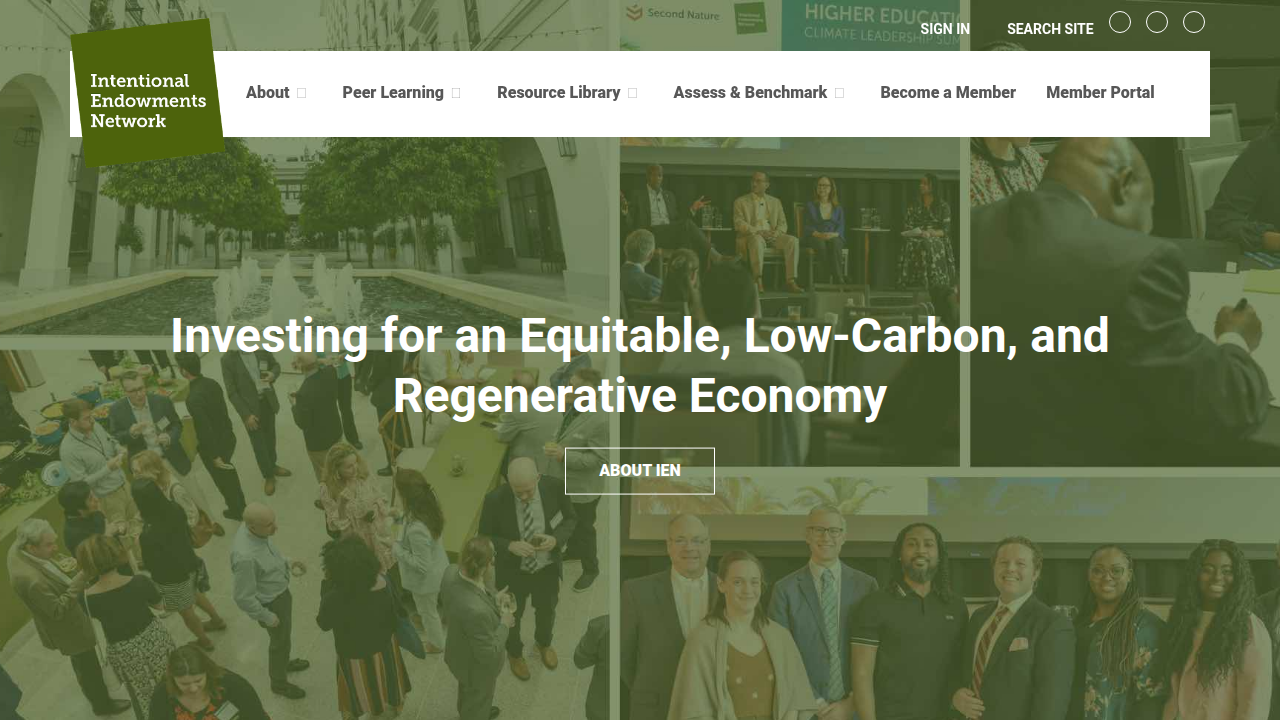
Intentional Endowments Network (IEN)
IEN is a peer-learning network supporting endowments and foundations to integrate climate and social inequality considerations into investment strategies.
Corporate diversification and corporate carbon performance
This research examines how corporate diversification and cash flow coinsurance reduce carbon intensity in Japanese firms. It finds that industrial diversification alleviates financing constraints, enabling substantial decarbonisation investments. The effect is most significant in carbon-intensive industries and for Scope 1 emissions following the Paris Agreement.
Mapping the landscape of net-zero nature-positive finance: A review of definitions and frameworks
This report provides a comprehensive review of definitions and frameworks for net-zero, nature-positive, and climate-nature finance. It identifies alignment areas and implementation gaps, advocating for integrated risk and investment approaches to achieve global sustainability goals under the Paris Agreement and the Kunming-Montreal Global Biodiversity Framework.
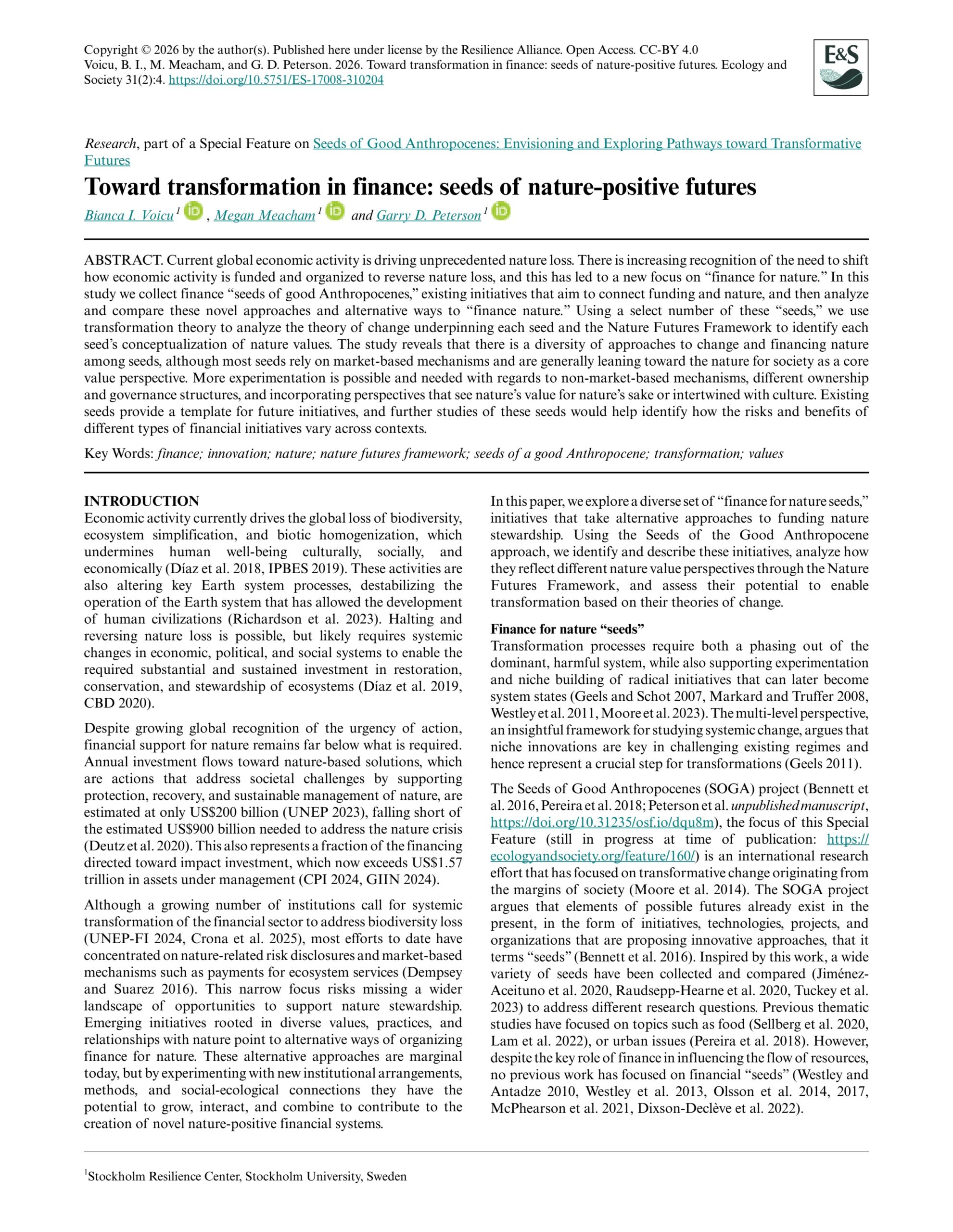
Toward transformation in finance: Seeds of nature-positive futures
This research examines "finance for nature seeds" — innovative initiatives aimed at transforming the financial sector to reverse nature loss. By analysing 92 global projects, the study identifies diverse approaches to funding nature stewardship, highlighting current reliance on market-based mechanisms and the potential for inclusive, value-pluralistic financial systems.


