
Library | SASB Sustainability Sector
Food
Refine
175 results
REFINE
SHOW: 16


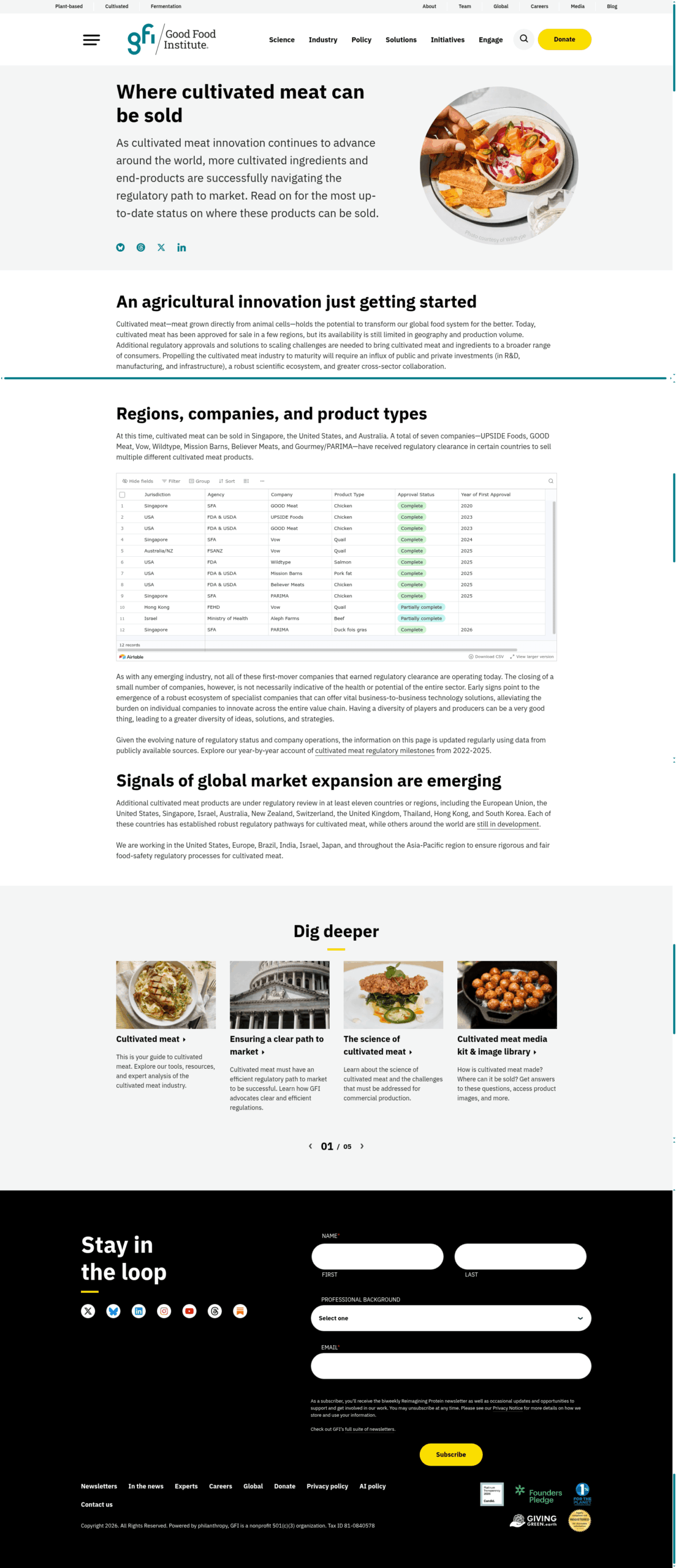
Where cultivated meat can be sold
An interactive tracker by The Good Food Institute mapping global regulatory approvals and market pathways for cultivated meat products.
The Ocean framework: An investor guide to navigating ocean risks and opportunities
This investor guide examines ocean-related risks and opportunities across nine ocean-dependent sectors. It outlines five key drivers of ocean degradation, introduces a seven-step portfolio assessment framework, and provides sector-specific engagement guidance for fisheries, aquaculture and maritime transportation.
Making water use in global trade more sustainable: The challenge to improve supply-chain resilience and water security in the context of geopolitical change
This Chatham House paper examines how global supply chains drive unsustainable water use and water insecurity, particularly in the Global South. It explores 'virtual water' trade dynamics, the impact of geopolitical fragmentation on cooperative water governance, and presents 10 recommendations for governments, corporations, financial institutions and civil society.
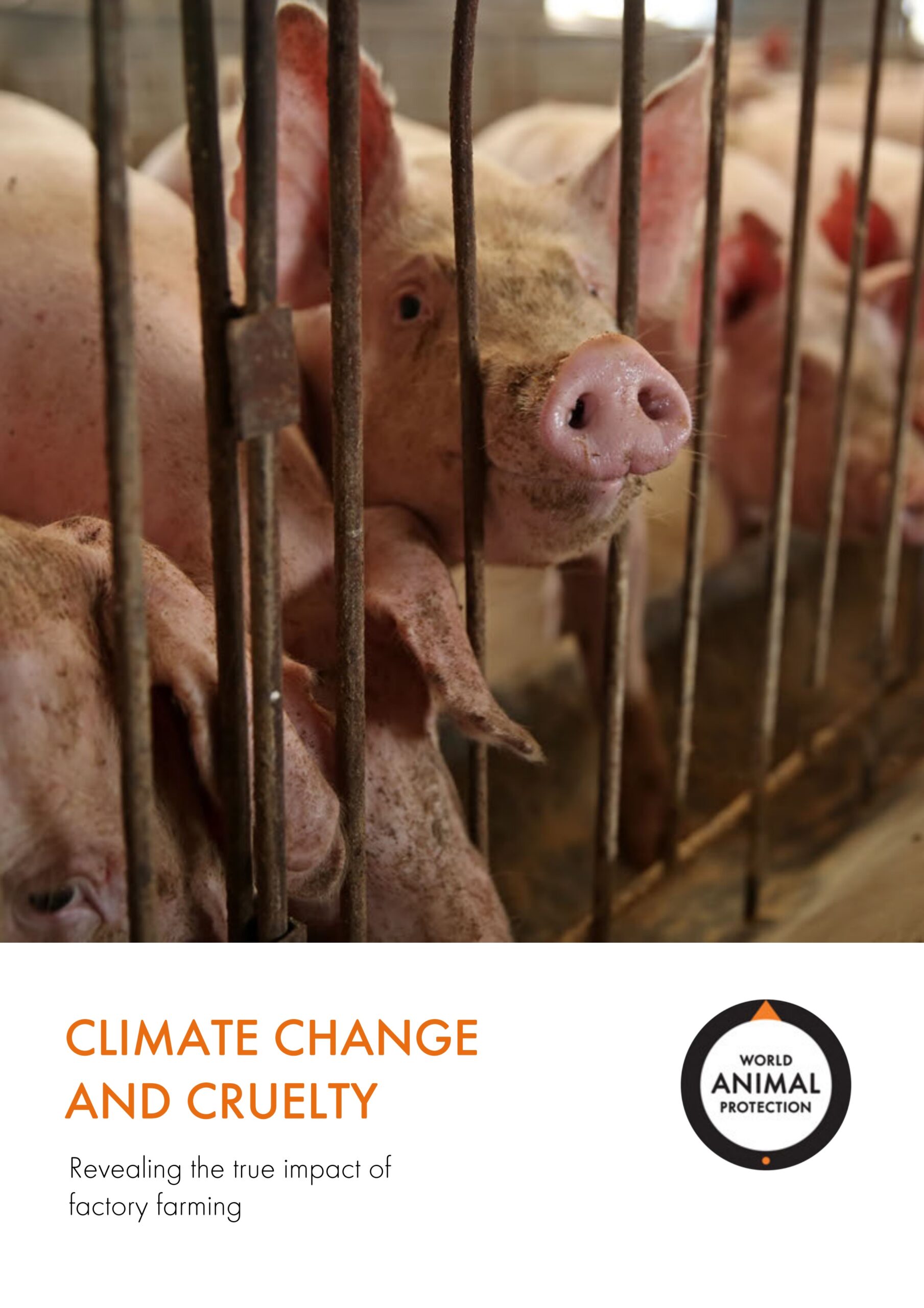
Climate change and cruelty: Revealing the true impact of factory farming
This World Animal Protection report examines the climate and environmental impacts of factory farming in Brazil, China, the USA and the Netherlands. It models scenarios for reduced meat consumption and higher welfare production, finding that eating less and better could halve the climate impacts of chicken and pork by 2040.
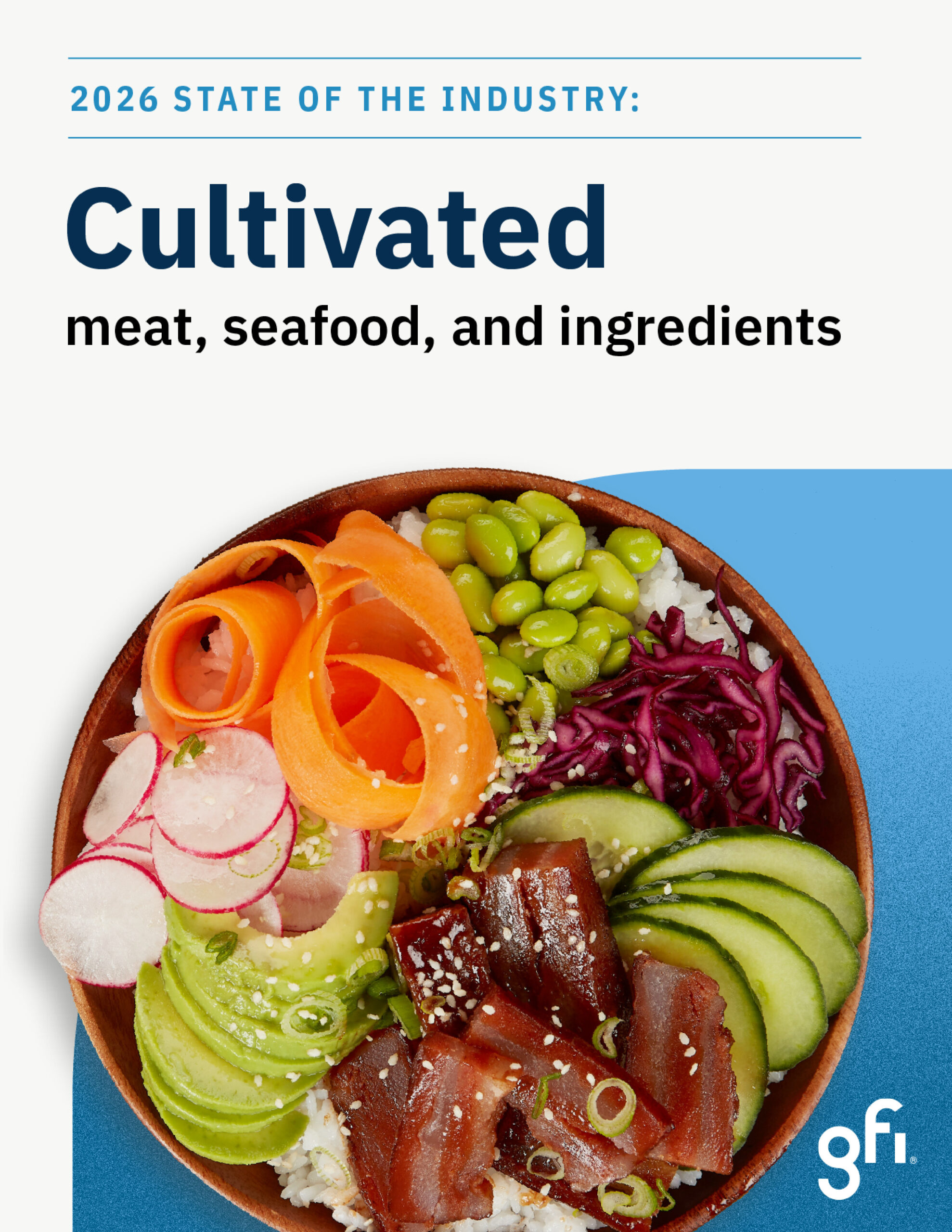
State of the Industry: Cultivated meat, seafood, and ingredients series
This benchmark series is an annual State of the Industry series that provides a global overview of the cultivated meat, seafood and ingredients sector. It tracks commercial developments, investment activity, scientific and technological progress, consumer insights, and government and regulatory developments, assessing the sector’s progress towards large-scale commercialisation and adoption.
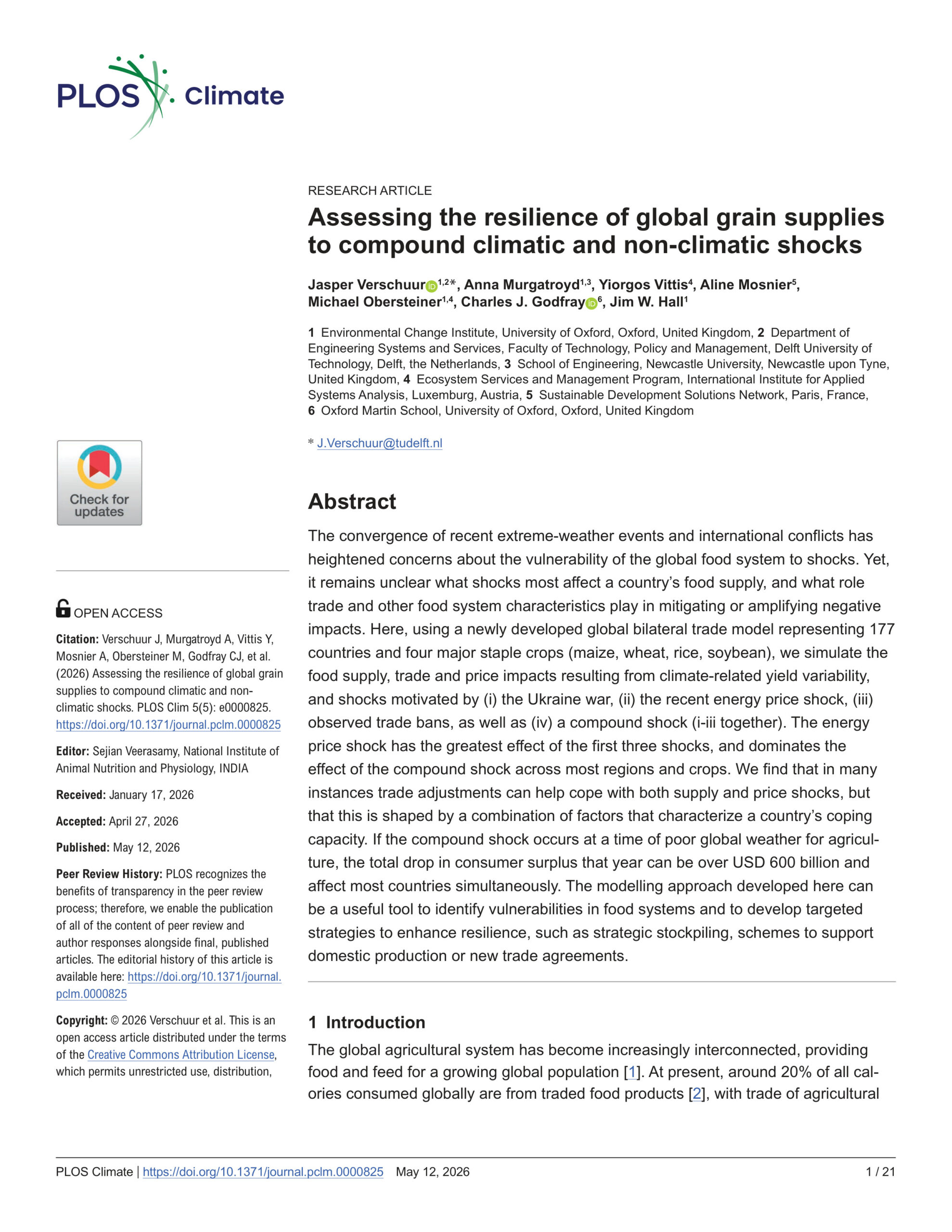
Assessing the resilience of global grain supplies to compound climatic and non-climatic shocks
This research evaluates the resilience of global grain supplies to compounding climatic and non-climatic shocks. Using a bilateral trade model for 177 countries, it demonstrates that energy price spikes and extreme weather severely disrupt food systems, highlighting the need for strategic stockpiling and diversified trade agreements to ensure food security.
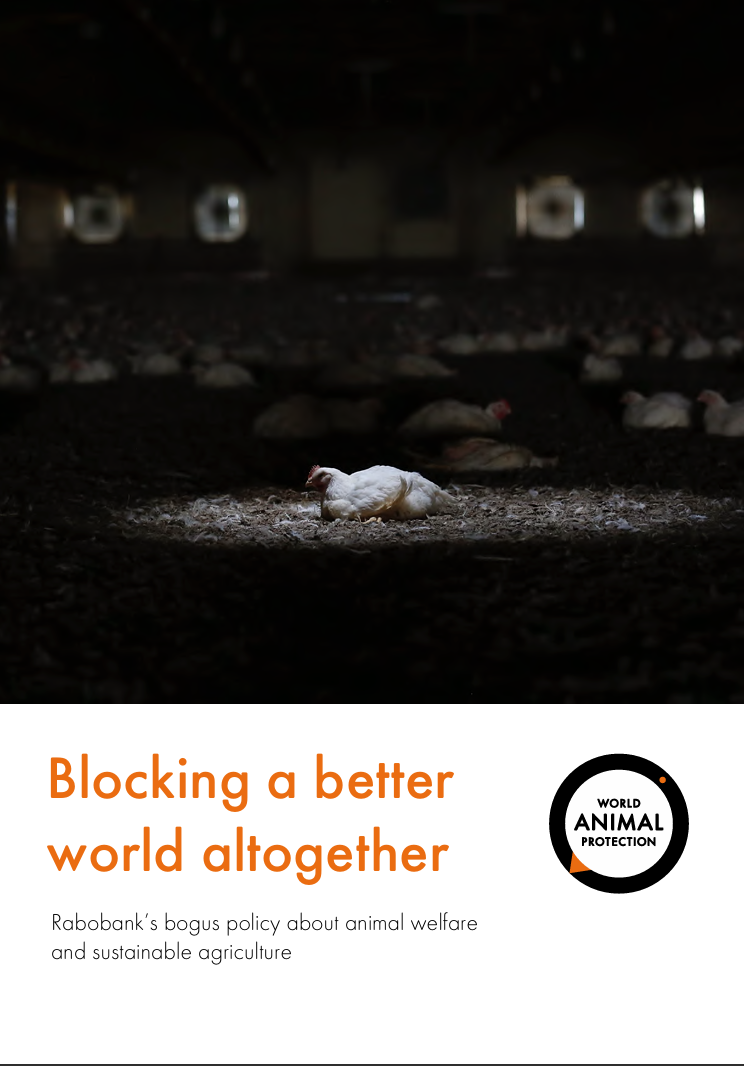
Blocking a better world altogether: Rabobank’s bogus policy about animal welfare and sustainable agriculture
World Animal Protection argues Rabobank’s sustainability policies fail to match its financing practices, alleging continued support for companies linked to animal cruelty, deforestation and high emissions. The report urges stricter lending conditions, stronger monitoring and reduced investment in industrial livestock expansion to align with climate and animal welfare goals.
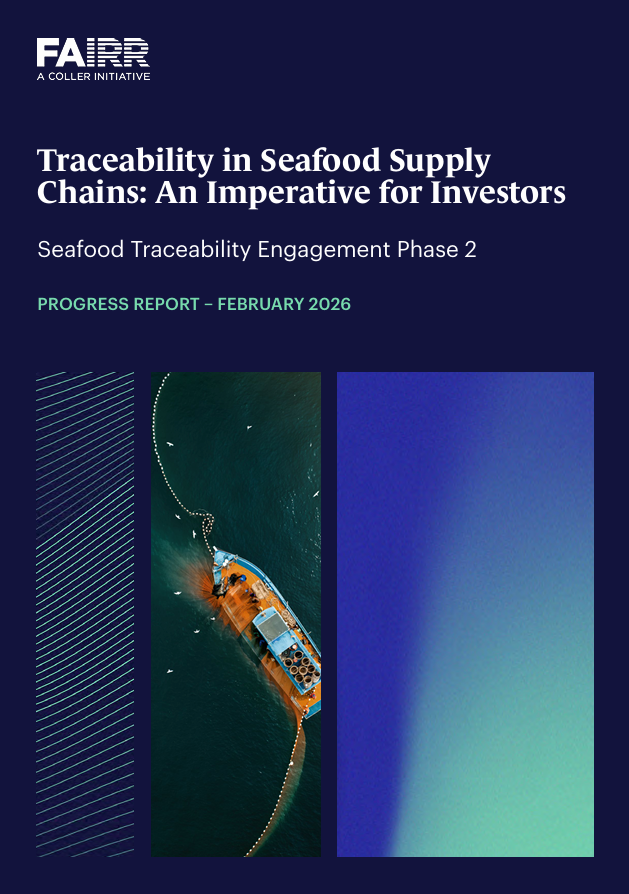
Seafood traceability engagement series
This series examines how investor engagement can drive improved traceability in global seafood supply chains. It focuses on assessing company progress, encouraging adoption of traceability systems, and supporting investors in identifying and managing environmental and social risks within complex seafood value chains.
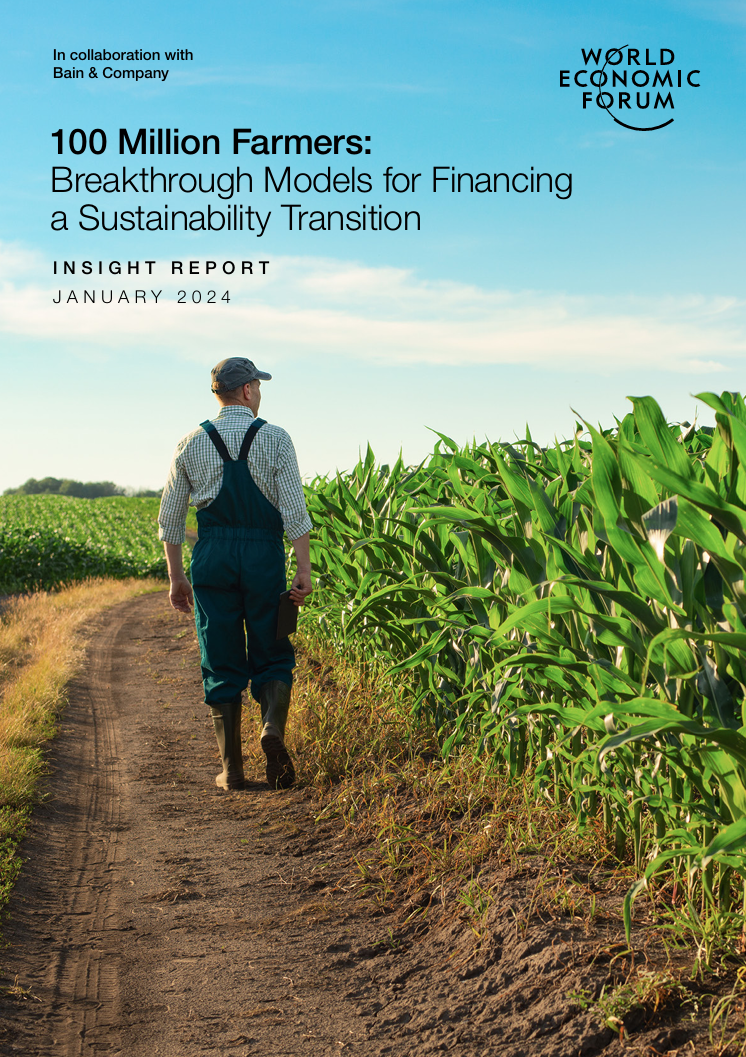
100 million farmers: Breakthrough models for financing a sustainability transition
Report proposes financing and collaboration models to accelerate adoption of regenerative agriculture. It identifies economic, technical and social barriers farmers face and outlines coordinated mechanisms—combining ecosystem-service monetisation, blended capital and multi-actor partnerships—to scale sustainable food production and support farmers’ transition.
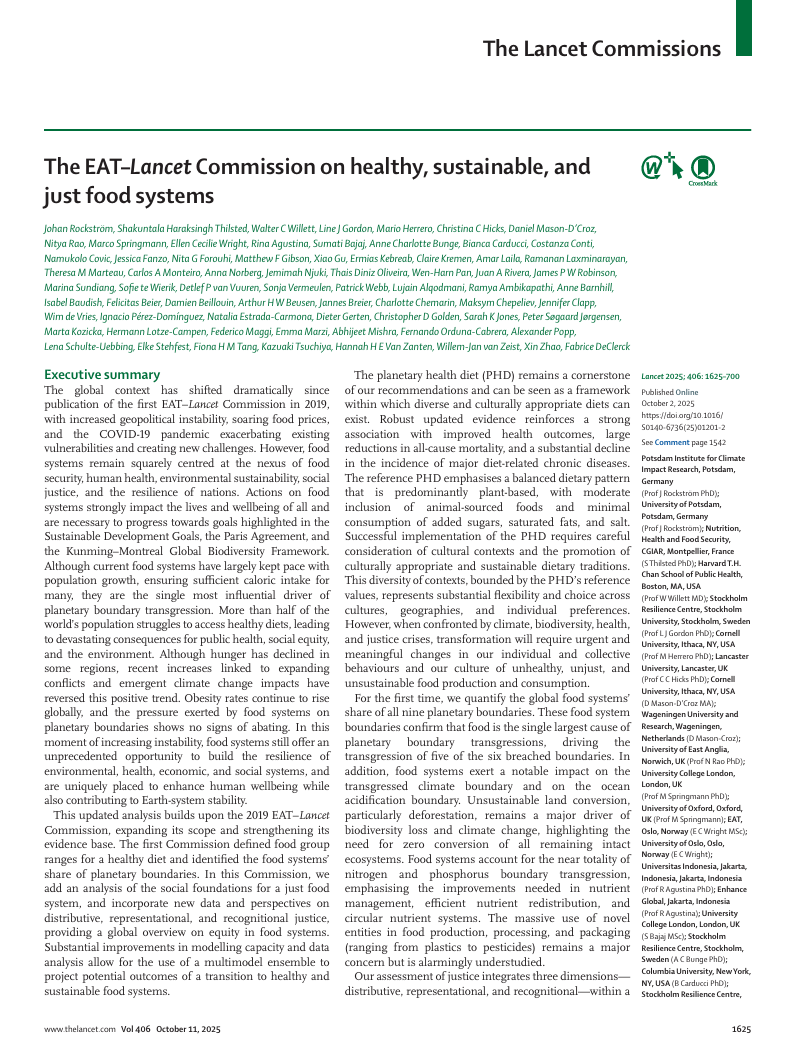
The EAT-Lancet Commission on healthy, sustainable, and just food systems
This report assesses how transforming global food systems can improve health, sustainability, and equity. It updates evidence on the planetary health diet, quantifies food systems’ pressures on planetary boundaries, and analyses justice in food access and production, recommending coordinated policy, dietary shifts, and sustainable agricultural practices to support healthy diets within environmental limits.
Finance, nature and food systems: Consumers choosing sustainable food systems in Brazil
This report analyses Brazilian food consumption behaviours and tests nudging strategies in online shopping to promote sustainable diets. Findings indicate plant-rich diets, reduced food waste and improved labelling could lower food-system emissions. The study recommends combining consumer nudges, education and policy measures to support sustainable food choices and environmental outcomes.

Wageningen University & Research (WUR)
Wageningen University & Research (WUR) is a leading Dutch academic institution focused on sustainable food systems, climate change, biodiversity, agriculture and environmental science.
It combines university education with applied and fundamental research to address global challenges in nutrition, health, water and circular bioeconomy. WUR partners with industry and governments worldwide.
It combines university education with applied and fundamental research to address global challenges in nutrition, health, water and circular bioeconomy. WUR partners with industry and governments worldwide.

Intergovernmental Science-Policy Platform on Biodiversity and Ecosystem Services (IPBES)
Intergovernmental Science-Policy Platform on Biodiversity and Ecosystem Services (IPBES) is a global body strengthening links between science and policy on biodiversity and ecosystem services. It delivers authoritative assessments, tools and capacity-building to inform decision-making, manage nature-related risks, and support sustainable development worldwide for governments, finance, business and civil society globally.
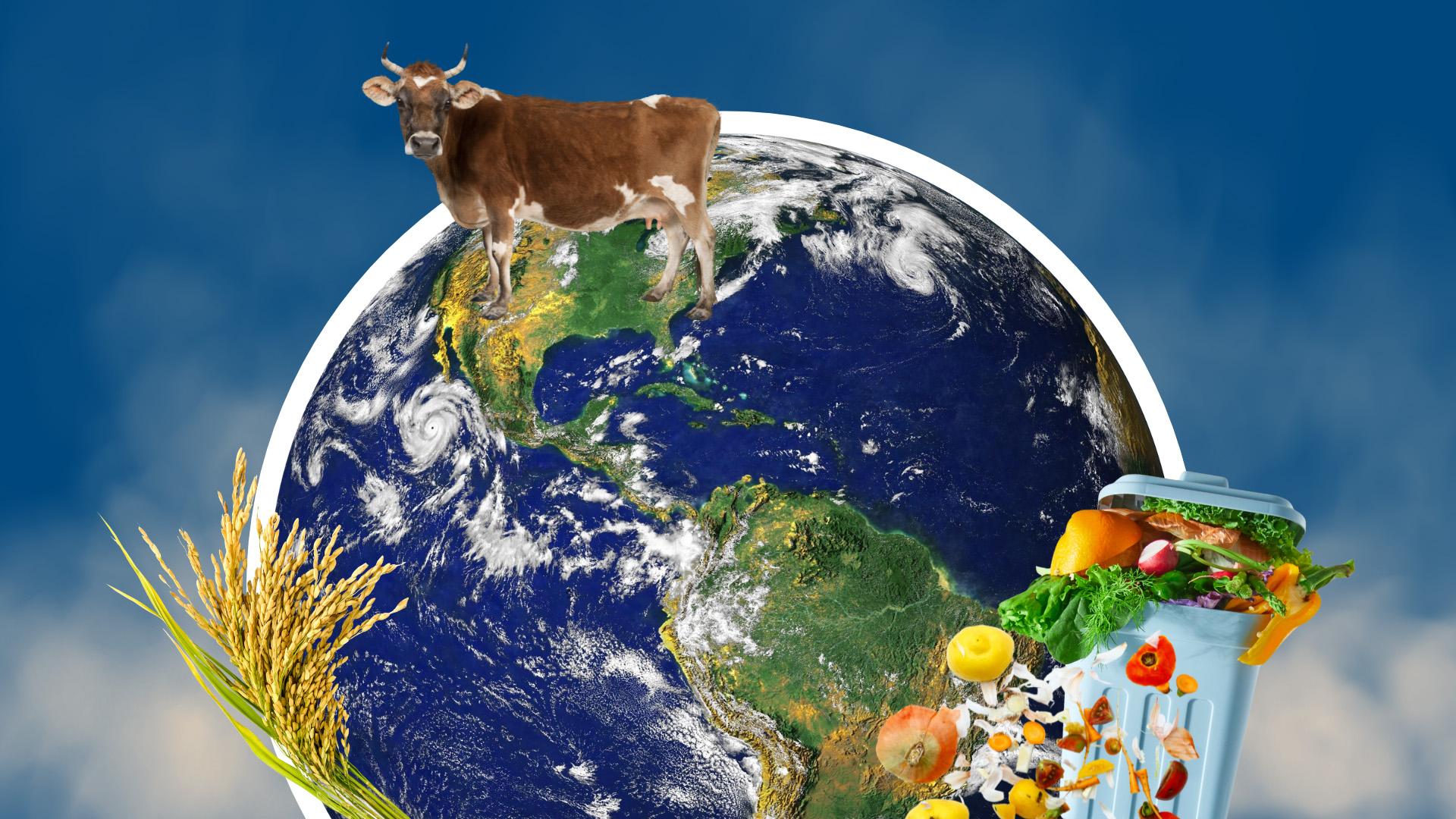
We can’t ignore the largest source of methane
This article argues the global food system is the largest source of human-caused methane and deserves far more policy and funding attention. It maps key emission “hot spots”—ruminant livestock, food waste in landfills, biomass burning, and flooded rice fields—and outlines practical mitigation options from dietary shifts to landfill capture and improved rice management.
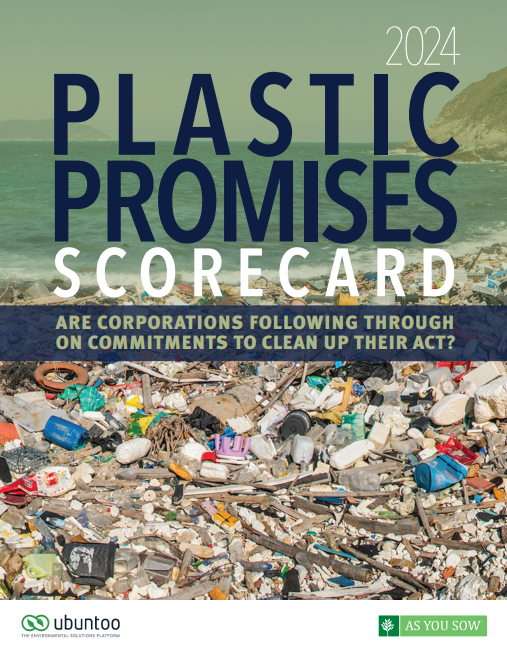
Plastic promises scorecard series
The Corporate Plastic Pollution Scorecard is a benchmark series that assesses how large consumer-facing companies address plastic packaging responsibility. It reviews corporate policies, commitments, disclosures, and practices across key areas of packaging design, reuse, recycled content, transparency, recycling support, and producer responsibility, enabling consistent comparison over time.
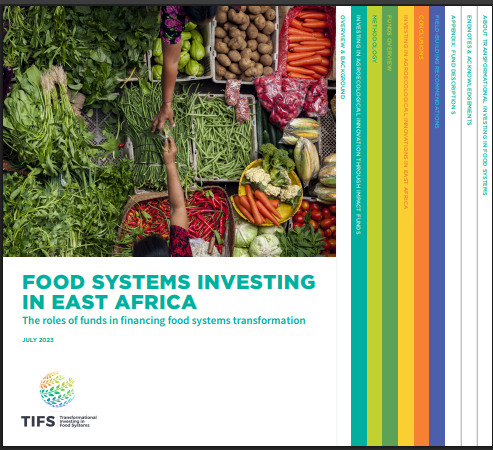
Food systems investing in East Africa: The roles of funds in financing food systems transformation
This report analyses 23 impact funds investing in East African food systems, assessing their design, impact alignment, and financing roles. It identifies gaps, good practices, and recommendations to strengthen agroecological and regenerative food systems investing.


