
Library | SASB Sustainability Sector
Health Care Providers
Refine
24 results
REFINE
SHOW: 16


The Quadripartite Joint Offer: A call for targeted One Health investment
This advocacy document calls for targeted investment in the One Health Joint Plan of Action. The Quadripartite collaboration proposes a Joint Offer to support at least ten countries over five years, strengthening governance, multisectoral coordination, and sustainable financing to prevent and control global health risks effectively.
Financial and economic returns to investing in One Health: Evidence and future directions
This research examines the financial case for investing in One Health to mitigate global health threats. It highlights how integrated approaches reduce costs and improve efficiencies. Through various global case studies, the report demonstrates significant economic returns and provides a strategic blueprint for future sustainable investment.
Old workers, young machines: Can AI and automation offset population ageing?
This report assesses the capacity of artificial intelligence and robots to automate ageing workforces across 135 economies. While automation could offset demographic pressures, its effectiveness is limited because ageing often occurs in sectors with low automation potential, such as health and agriculture, particularly in several fast-ageing advanced economies.
Closing the gender health gap: The investment case and capturing Australia's window of opportunity
This report identifies the gender health gap as a systemic market failure and significant investment opportunity. Closing this gap could boost the global economy by US$1 trillion annually by 2040. In Australia, the opportunity is valued at US$24.8 billion per year, offering a time-limited ten-year window for investors.
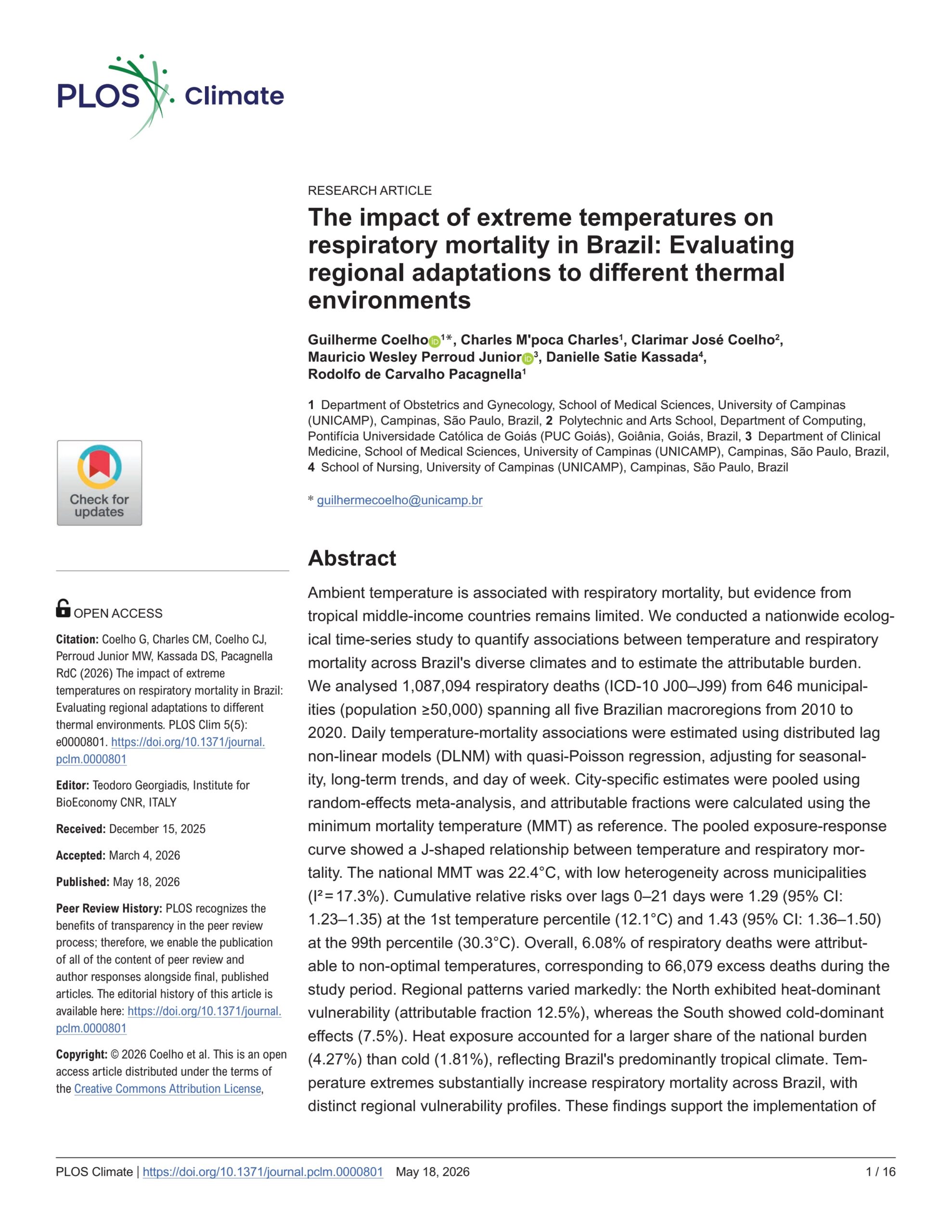
The impact of extreme temperatures on respiratory mortality in Brazil: Evaluating regional adaptations to different thermal environments
This report analyses the impact of extreme temperatures on respiratory mortality across 646 Brazilian municipalities from 2010 to 2020. Findings reveal a J-shaped exposure-response curve, with heat-related deaths dominating in tropical northern regions, whilst cold-related mortality predominates in the subtropical south, underscoring the need for region-specific climate adaptation policies.
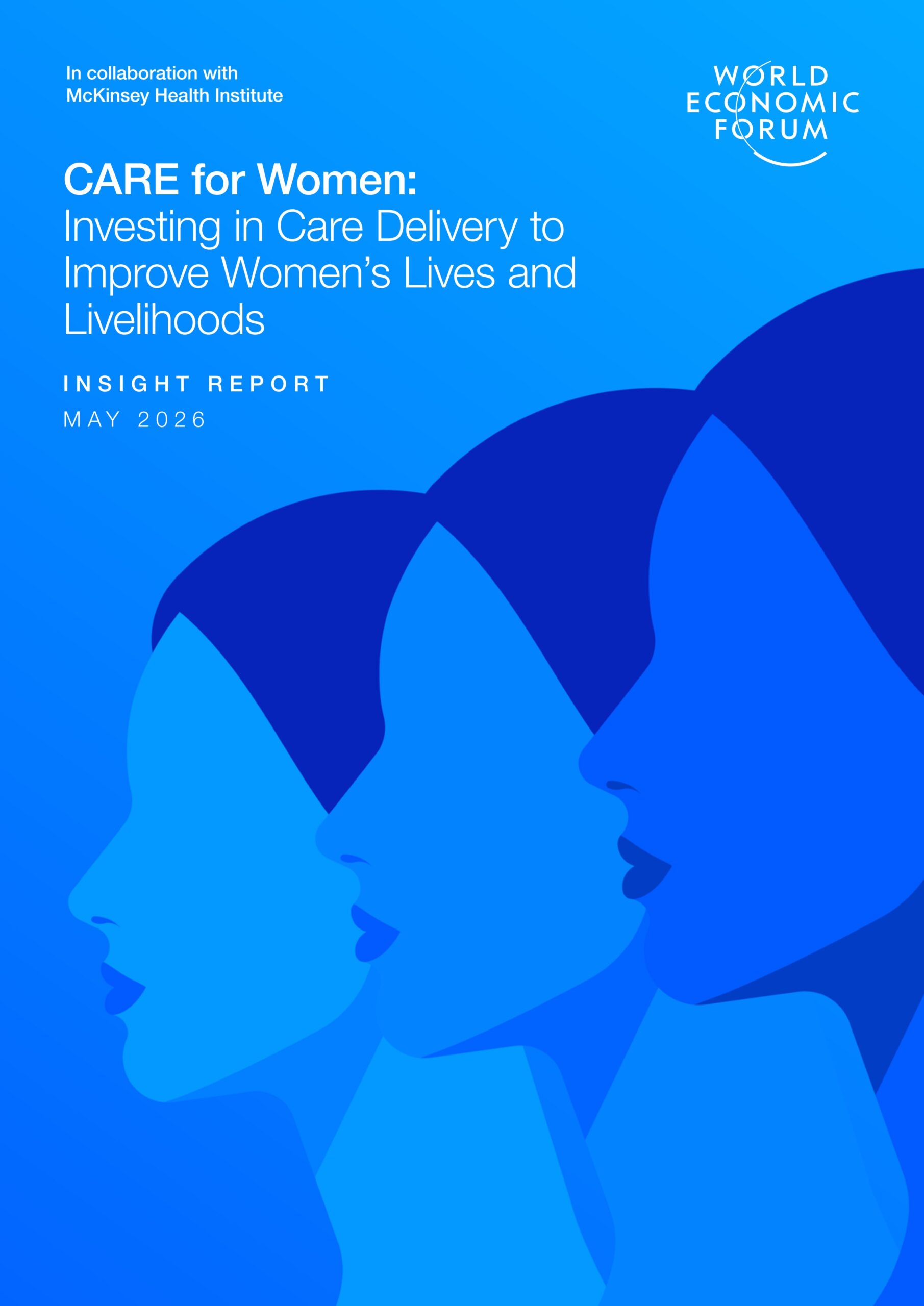
CARE for women: Investing in care delivery to improve women’s lives and livelihoods
This report examines the 34% of the global women's health gap caused by care delivery failures. Focusing on cardiovascular risk and perinatal depression, it outlines the CARE framework to standardise screening and referral pathways, demonstrating that preventative care investments yield a three- to six-fold return.
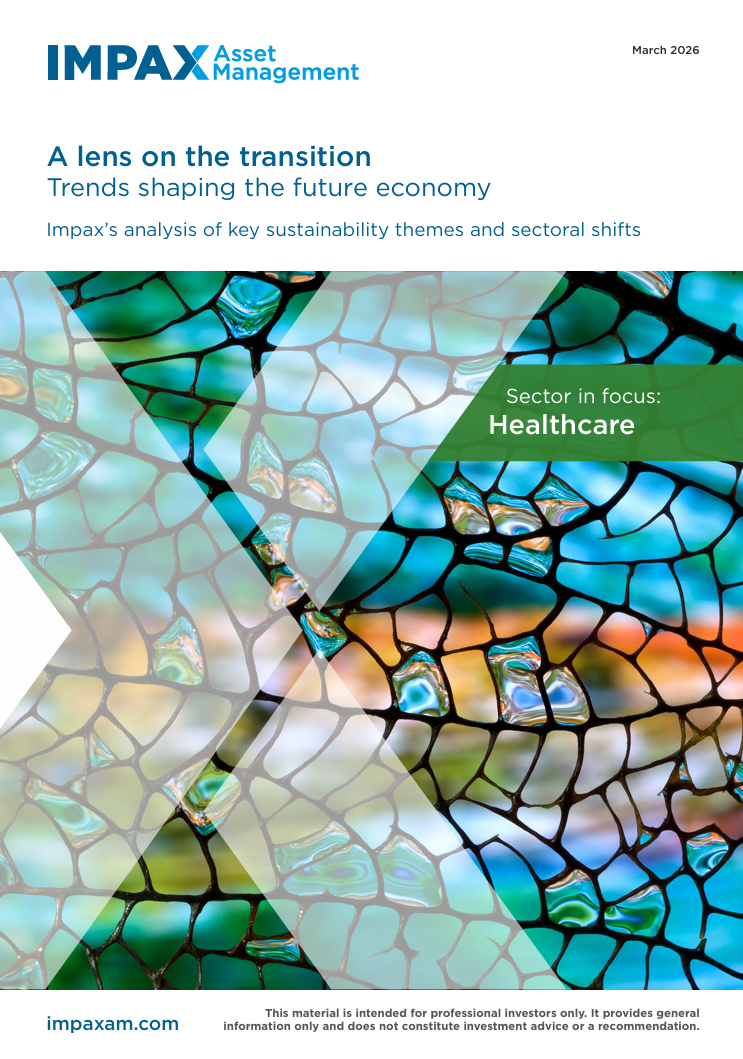
A Lens on the transition: Trends shaping the future economy: Sector in focus: Healthcare
Impax Asset Management reviews sustainability-driven trends shaping healthcare, highlighting AI-enabled productivity gains, regulatory pressures, and supply chain localisation. The report examines opportunities in healthcare equipment, life sciences and managed care, alongside risks from regulation, product liability, affordability concerns and geopolitical tensions.
McKinsey Health Institute (MHI)
McKinsey Health Institute (MHI) is a global health research institute embedded within McKinsey & Company. It produces public research, data tools and insights on population health, mental health, health systems and workforce productivity, supporting evidence-based decision-making across healthcare, policy and business.

Institute of Health Metrics and Evaluation
Institute for Health Metrics and Evaluation (IHME) is an independent global health research institute based at University of Washington. IHME produces data, metrics and analysis on disease burden, mortality, risk factors and health systems, supporting evidence-based policy, planning and health impact assessment worldwide.
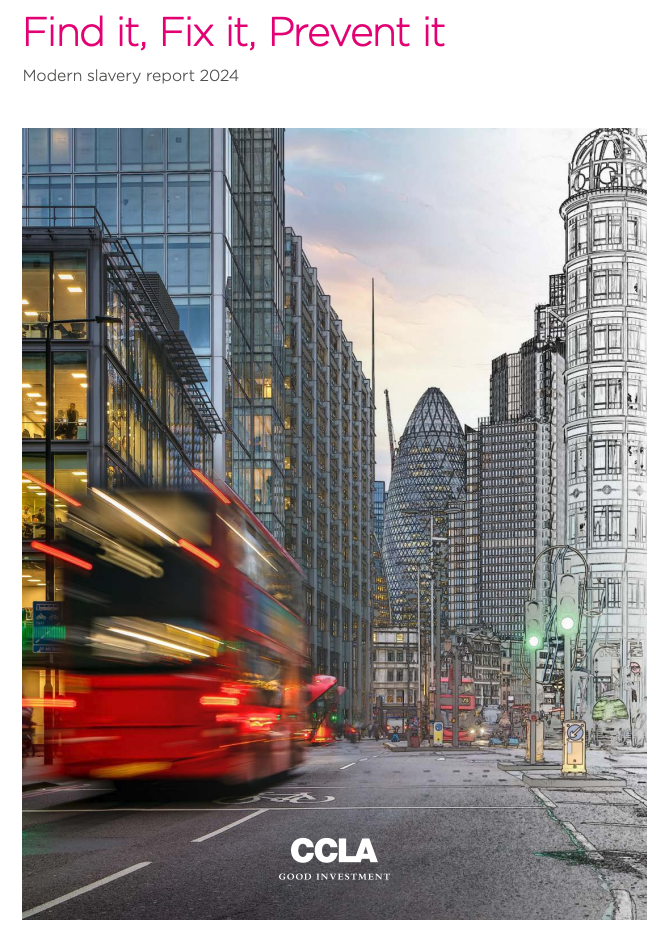
Find it, fix it, prevent it: Modern slavery report 2024
CCLA’s 2024 report outlines investor-led efforts to address modern slavery through corporate engagement, policy advocacy, and improved data. Key sectors include construction and agriculture. Progress was made via benchmarking and collaborative initiatives, though disclosure and remedy remain limited. EU legislation and stakeholder coordination are driving further momentum.
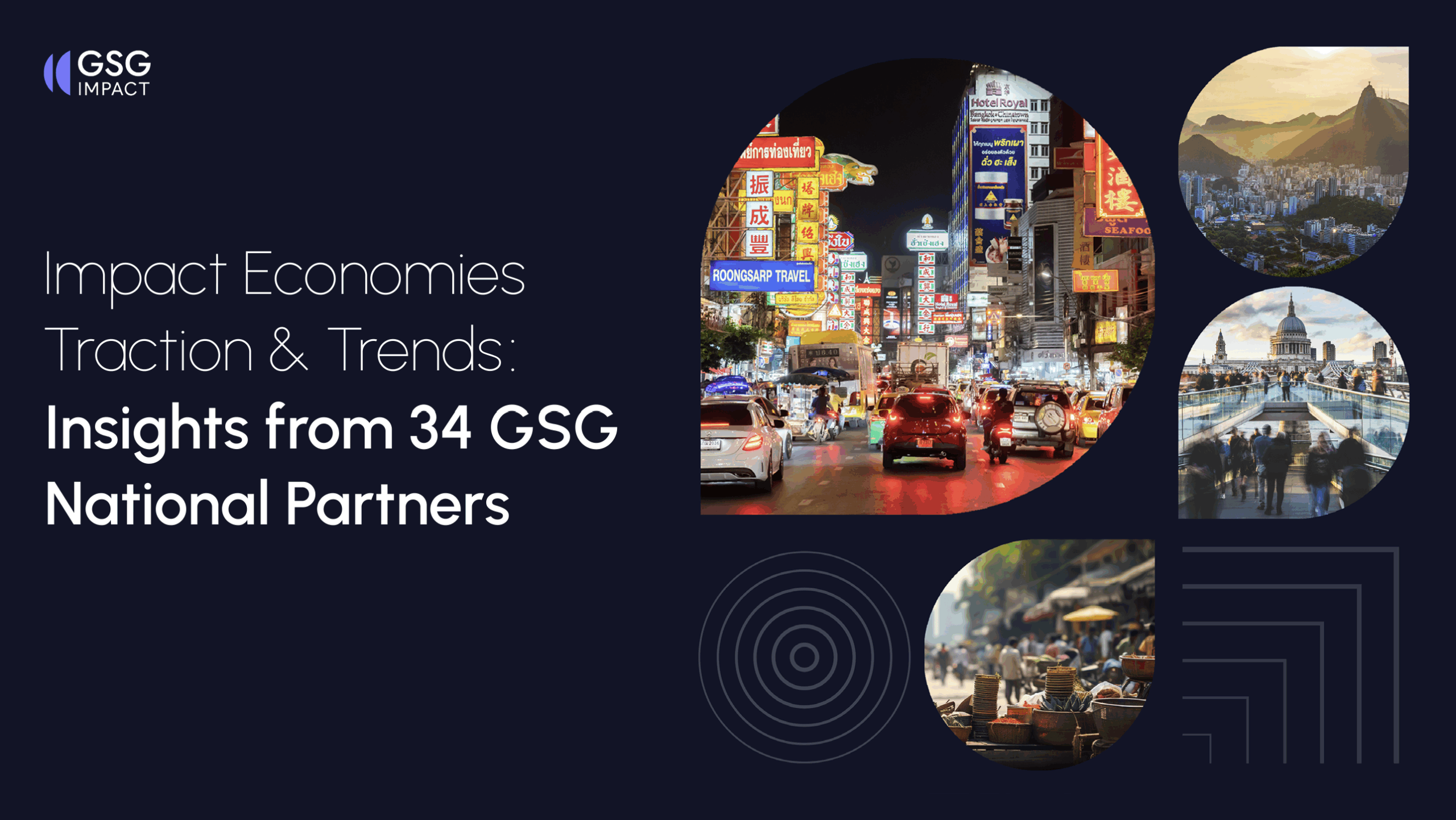
Impact economies tractions and trends: Insights from 34 GSG National Partners
This report presents insights from 34 national ecosystems advancing impact investing. It highlights trends in policy, capital mobilisation, and transparency, showing governments and institutions integrating social and environmental outcomes into investment strategies. It tracks growth in green finance, outcome-based funding, and investment readiness across emerging and developed economies.
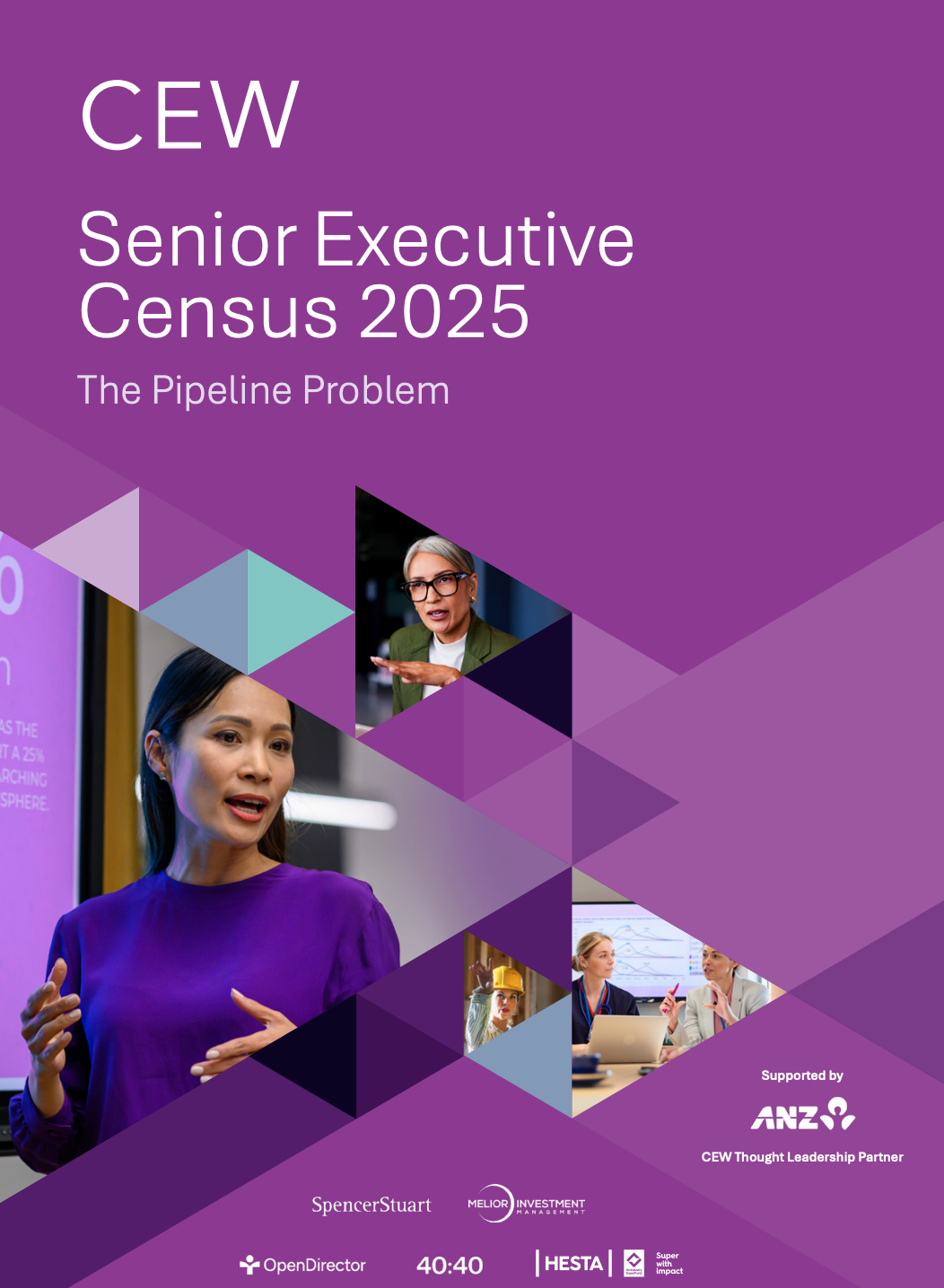
CEW's senior executive census series
This benchmark series tracks annual progress in women's representation in executive leadership roles across the ASX300. It provides a consistent and comparative overview of gender diversity trends, highlights structural barriers, and evaluates corporate efforts towards achieving gender balance in leadership.
Pursuing impact within a portfolio: Insights from institutional asset owners
This report explores how institutional asset owners integrate impact goals into portfolio strategy. Through four case studies, it examines aligning financial returns with social and environmental outcomes using an impact lens. It highlights investment approaches addressing climate change, health, regional development and systemic inequality across diverse asset classes and geographies.

Green Climate Fund (GCF)
Green Climate Fund (GCF) is a global fund established by the United Nations Framework Convention on Climate Change (UNFCCC) to support developing countries in tackling climate change. It provides financing for mitigation and adaptation projects, focusing on low-emission, climate-resilient development. Funded by governments, GCF plays a key role in international climate finance.

State of nature-related disclosures: Assessing TNFD alignment of nature-related disclosures by firms in high-risk sectors
The report evaluates the alignment of firms' nature-related disclosures with the TNFD framework. It covers eight priority sectors, highlighting disclosure gaps and providing recommendations for improvement to ensure comprehensive, high-quality nature-related reporting.

Business Council of Co-operatives and Mutuals (BCCM)
Business Council of Co-operatives and Mutuals (BCCM) is Australia's peak body for co-operatives and mutuals, across various sectors, including agriculture, banking, health, housing, and retail. Representing diverse sectors, BCCM advocates for sustainable business models, offering resources, research, and support.


