
Library | Finance relevance
General / All finance professionals
Refine
915 results
REFINE
SHOW: 16


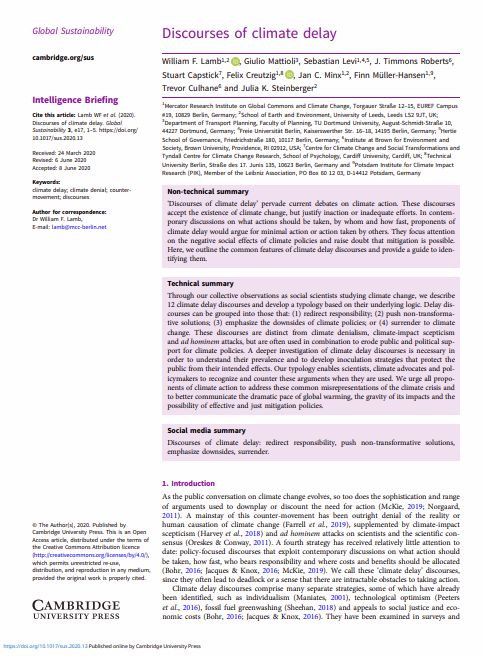
Discourses of climate delay
The report identifies twelve “climate delay” discourses that accept climate change yet justify inaction. It groups them into four strategies—redirecting responsibility, promoting non-transformative solutions, emphasising policy downsides, and surrendering to inevitability—and offers a typology to recognise and counter these arguments.
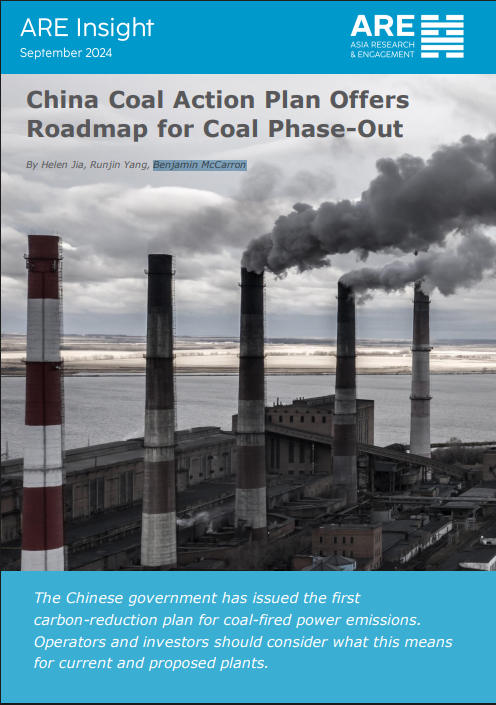
China coal action plan offers roadmap for coal phase-out
The report analyses China’s first quantitative coal power decarbonisation plan, outlining emissions-reduction targets to 2027 via co-firing and carbon capture. It finds retrofitted coal increasingly uncompetitive versus renewables with storage, raising risks for new coal investments and strengthening the case for no-new-coal commitments.

Integrated Carbon Observation System (ICOS)
Integrated Carbon Observation System (ICOS) is a European research infrastructure providing long-term, high-precision observations of greenhouse gases. ICOS delivers open, standardised climate and carbon cycle data through its Carbon Portal, supporting climate science, modelling, and evidence-based policy across Europe and neighbouring regions.

Germanwatch
Germanwatch is an independent development, environmental and human rights non-governmental organisation advocating sustainable global development based on social equity, ecological protection and economic stability. It influences climate, trade and corporate policy, produces research and indices like the Climate Change Performance Index, and promotes fair, equitable climate action globally.

Can you be the change you’d like to see? Three US philosophers aim to offer hope
This review examines Somebody Should Do Something, a timely book arguing that individuals can spark meaningful social change by acting collectively rather than alone. It assesses the authors’ hopeful framework alongside contemporary political realities, questioning whether grassroots agency is sufficient amid concentrated power and rising authoritarianism.
Notice on the application of the sustainable finance framework and the Corporate Sustainability Due Diligence Directive to the defence sector
The European Commission clarifies that the EU sustainable finance framework and Corporate Sustainability Due Diligence Directive apply neutrally to the defence sector. Defence investments are permitted, assessed case by case, with disclosure and due diligence obligations focused on risk mitigation and exclusion limited to internationally prohibited weapons.
Salient Issue Briefing: Artificial intelligence based technologies
This briefing examines human rights risks from AI-based technologies in the ICT sector, outlines business, legal, and financial implications, and provides investor-oriented guidance grounded in international standards to support rights-respecting AI development, deployment, and oversight.
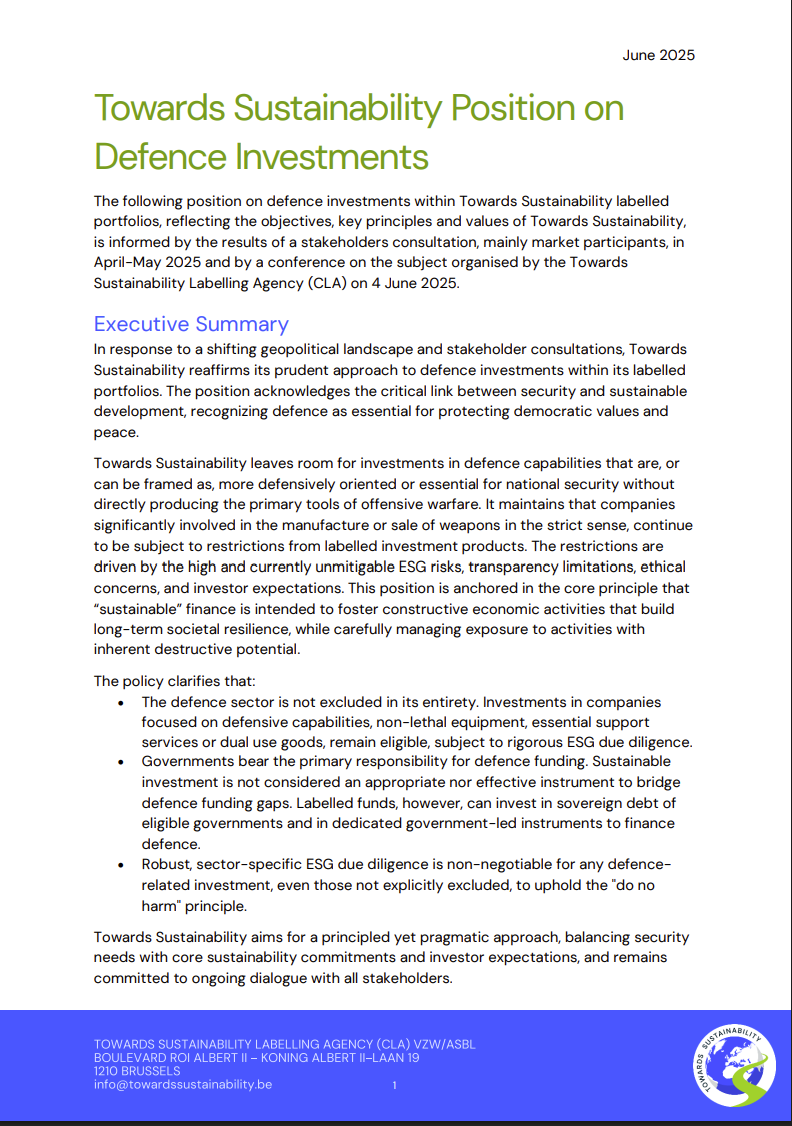
Towards sustainability position on defence investments
The report sets a pragmatic policy on defence investments for Towards Sustainability-labelled funds, permitting defensive, non-lethal and dual-use activities with strict ESG due diligence, while excluding weapons producers. It affirms defence funding as primarily a government responsibility.
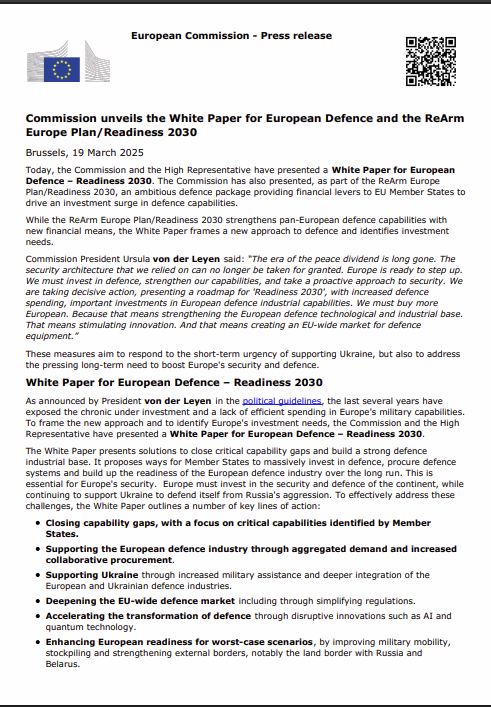
Commission unveils the white paper for european defence and the rearm europe plan readiness 2030
The report outlines the EU’s White Paper on European Defence and the ReArm Europe Plan, targeting defence readiness by 2030 through closing capability gaps, strengthening the defence industrial base, and mobilising over €800 billion via public, EU, and private funding mechanisms.

ADS group: UK defence ESG charter
The UK Defence ESG Charter sets a voluntary, sector-wide framework for defence companies, covering climate transition, societal impact, and governance and ethics. It promotes decarbonisation, supply chain responsibility, skills development, ethical conduct, and collaboration, while allowing signatories to retain individual ESG strategies.
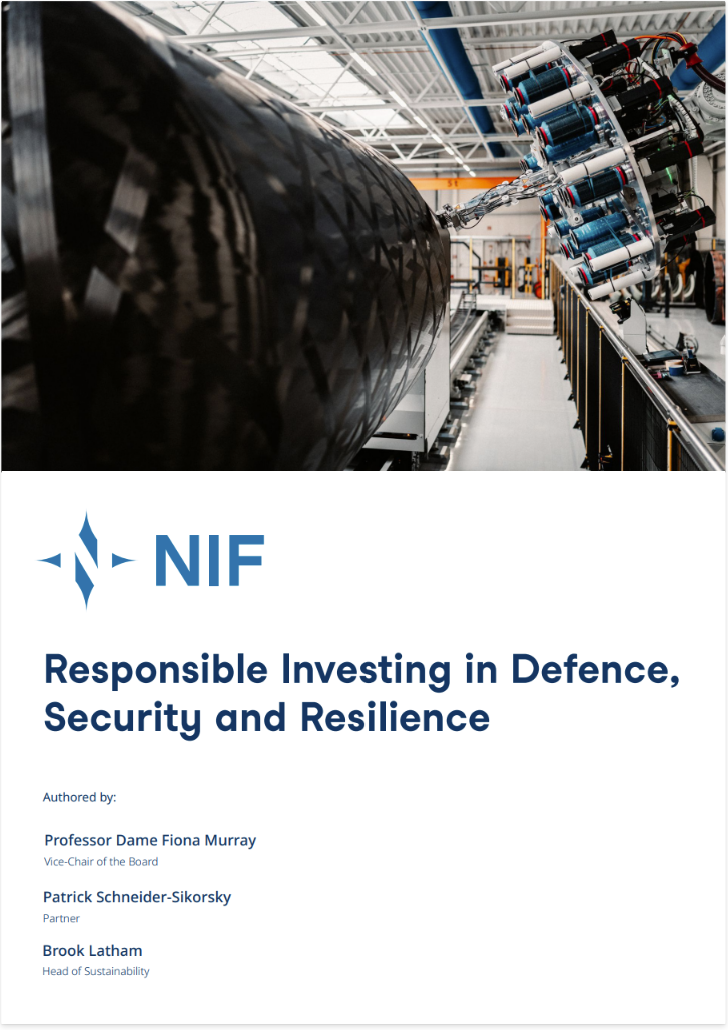
Responsible investing in defence, security and resilience
The NATO Innovation Fund advocates removing financial exclusions on defence to bolster European security. The report recommends reforming procurement for rapid dual-use technology adoption and implementing a ‘Responsible Use Framework’ to ensure ethical development of emerging capabilities like AI and autonomous systems.
Integrating nature & biodiversity into investment: An asset owner perspective
The report examines how asset owners integrate nature and biodiversity into investment. Based on interviews with 20 global asset owners and managers, it finds growing recognition of financial materiality, limited governance and data maturity, early TNFD adoption, and reliance on climate-aligned ESG processes.
Repurposing power markets: The path to sustainable and affordable energy for all
IFC’s report argues that repurposing power market designs is critical to achieving affordable, reliable and sustainable electricity. Drawing on global data, it finds competitive markets attract private capital, improve access and accelerate renewables, while recommending tailored reforms guided by innovation, integration and institutional strength.
Stakeholder engagement and science-based targets for nature
This report provides guidance for companies on integrating affected stakeholder perspectives into science-based targets for nature, emphasising Indigenous rights, equity, and due diligence. It outlines who to engage, how to engage, and how to evaluate engagement across the SBTN five-step process.
A roadmap for upgrading market access to decision-useful nature-related data
The TNFD roadmap outlines actions to improve market access to decision-useful nature-related data. It proposes data principles, pilot testing and a potential Nature Data Public Facility to address data quality, comparability, cost and accessibility for corporate reporting, target setting and transition planning.
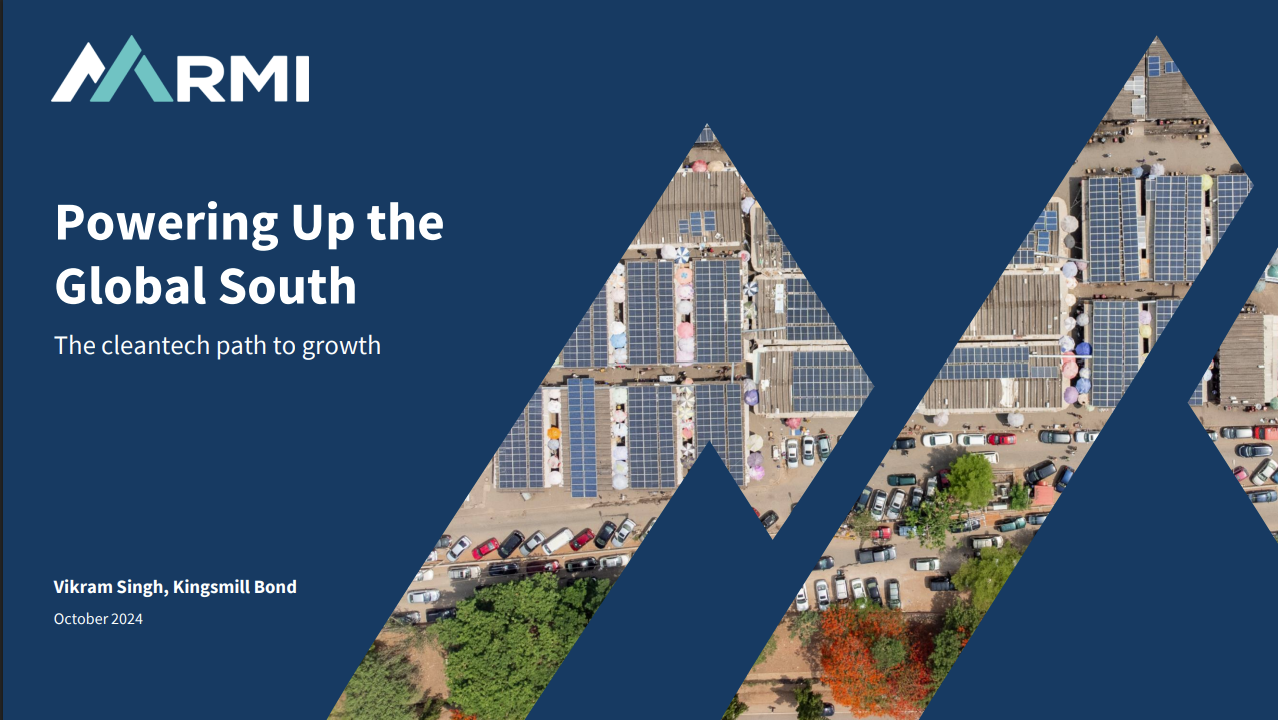
Powering up the global south: The cleantech path to growth
The report argues the Global South is rapidly adopting cleantech as its cheapest growth pathway, driven by low energy access, limited fossil resources and abundant renewables. Falling costs, electrification and Chinese supply underpin accelerating solar and wind deployment, with fossil fuel demand for electricity expected to peak by 2030.


